How Does Bird Nesting Influence Solar Street Light Efficiency?

Time:2026-08-14 Author:Mason
0%

Bird nesting has become a prevalent issue affecting solar street lights globally. Understanding why does bird nesting affect solar street light efficiency is crucial for urban planning. According to a 2022 report by the International Solar Energy Society, nearly 30% of solar installations face efficiency declines due to external obstructions, including nests.

Experts like Dr. Sarah Thompson, an environmental scientist, have highlighted this concern. She stated, "Nests can block sunlight and create shade, which directly reduces energy capture." Such impacts challenge the reliability of solar energy systems. When birds choose to nest near these installations, their activities can lead to increased maintenance costs and system downtimes.

Furthermore, failed light performance can frustrate city planners who aim to create safer environments. As bird populations increase in urban areas, the conflict between wildlife conservation and renewable energy sources grows more complex. Thoughtful designs are needed to address this issue. Balancing ecological considerations with solar efficiency calls for innovative strategies and adaptive management practices.
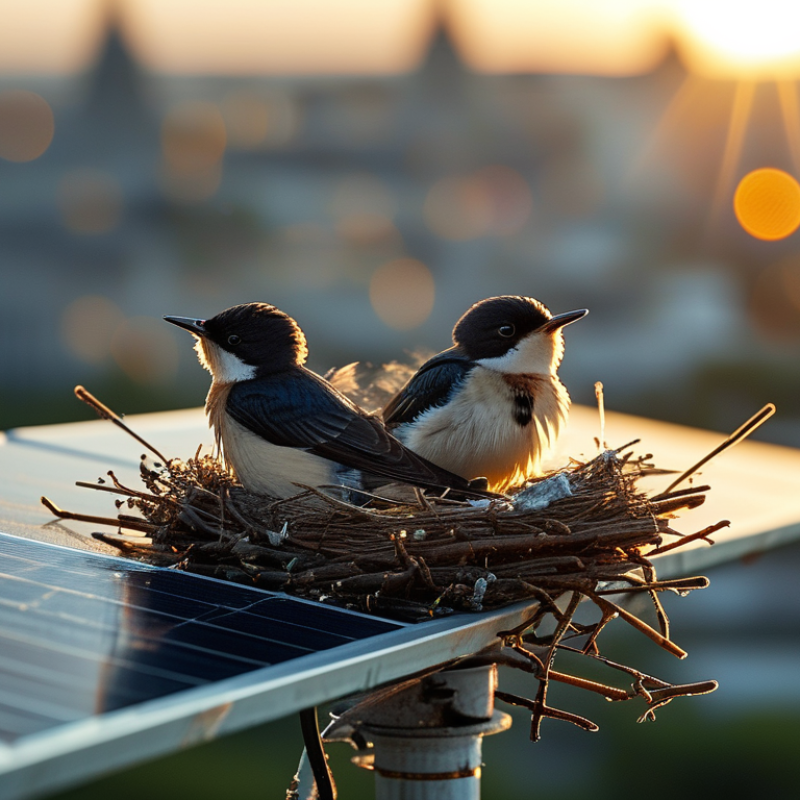
How Does Bird Nesting Influence Solar Street Light Efficiency?

Bird Nesting: An Overview of Its Ecological Significance

Bird nesting plays a crucial role in maintaining ecological balance. Birds are natural indicators of environmental health. Their nesting behaviors provide valuable insights into local ecosystems. For instance, nests can enhance local biodiversity. They offer shelter and resources for various small animals and insects. As birds thrive, they contribute to pollination and pest control.

However, the interaction of bird nesting with urban infrastructure is complex. Solar street lights, designed for efficiency, can be affected by nearby nesting activities. Accumulation of nesting materials may obstruct light spread. This can reduce the efficiency of solar panels. Additionally, nests might attract predators or disrupt local bird populations.

Understanding this relationship is important for city planners. They need to consider ecological factors when installing solar lights. Balancing urban development and wildlife is a challenge. Effective solutions require collaboration between ecologists and urban designers. Addressing these issues can lead to healthier urban environments. Strategies should be implemented to mitigate negative impacts on wildlife while ensuring energy efficiency.

Impact of Bird Nesting on Urban Environments and Infrastructure

Bird nesting can significantly impact urban environments and infrastructure. In densely populated areas, birds often choose urban settings as nesting grounds. This increases biodiversity but can also lead to unintended consequences. For instance, nests built on solar streetlights can obstruct the panels. This blockage reduces their efficiency and overall effectiveness.

Urban planners need to consider these factors when designing solar lighting systems. Surveys indicate that the presence of nests can lead to a 20% reduction in energy output. Birds may also introduce debris around these installations, making maintenance more challenging. Regular inspections become necessary, diverting resources from other crucial urban maintenance tasks.

On the other hand, birds contribute to pest control and pollination. Their presence enriches the urban ecosystem, fostering a dynamic environment. However, a delicate balance is required. Urban infrastructures must accommodate wildlife without compromising functionality. Thoughtful designs that include nesting provisions may enhance both wildlife support and streetlight efficiency.

How Does Bird Nesting Influence Solar Street Light Efficiency?

Urban Area Nest Density (Nests/km²) Average Light Efficiency (%) Bird Species Present Impact Level on Efficiency (Scale 1-10)
Downtown District 30 75 Pigeons, Sparrows 7
Suburban Park 20 85 Robins, Blue Jays 4
Industrial Area 15 65 Crows, Starlings 8
Residential Neighborhood 25 78 Finches, Doves 5
City Park 40 88 Canaries, Peacocks 3

Mechanisms of Solar Street Light Functionality and Performance

Bird nesting can subtly affect the efficiency of solar street lights. When birds make nests on or near solar panels, their presence can block sunlight. This obstruction reduces the amount of energy the panels can absorb. Consequently, the overall performance of the street lights may diminish. The accumulated debris from nesting materials also hampers maintenance efforts.

Solar street lights rely on maximum sunlight exposure to be effective. As obstacles such as nests accumulate, the light output declines. Regular cleaning is essential to maintain optimal functionality. However, this cleaning might disturb the nesting process, raising environmental concerns. Striking a balance between wildlife preservation and efficient lighting becomes crucial. Additionally, the placement of solar panels can further complicate this issue. Panels positioned too close to potential nesting sites may require frequent maintenance or repositioning.

The relationship between bird nesting and solar street light performance needs more research. Understanding the nuances of this interaction can lead to better designs. Innovations in solar technology might consider wildlife behaviors in their development. Such advancements could improve functionality and reduce human-wildlife conflicts. Enhanced designs may ultimately benefit urban landscapes, promoting ecological harmony.

Effects of Nesting Materials on Solar Panel Surface Efficiency

Bird nesting can significantly affect the efficiency of solar street lights. The type of materials used for nesting can obstruct solar panels. A study indicated that bird droppings, twigs, and leaves might accumulate, reducing the panel's exposure to sunlight. This can lead to a decrease in energy production. For instance, dirty solar panels can lose approximately 20% efficiency in energy absorption.

Nesting materials vary widely among bird species. Some birds choose softer materials, while others opt for sturdier options. A report from the National Renewable Energy Laboratory noted that even a thin layer of dust can reduce solar panel efficiency by about 5%. This shows the delicate balance that nature introduces to solar technology. Proper maintenance is essential but often overlooked.

In urban settings, nesting is common around street lights. Birds find the height and structure appealing. However, this can create ongoing maintenance issues for municipalities. Regular cleaning schedules may not suffice. When considering implementation, it’s important to reflect on how biodiversity interacts with renewable energy sources. This relationship warrants further investigation, as balancing nature and technology continues to present challenges.

Strategies to Mitigate Bird Nesting Impact on Solar Street Lights

Bird nesting can significantly affect the efficiency of solar street lights. According to recent studies, nests often block solar panels, reducing their exposure to sunlight. This blockage can decrease energy generation by up to 30%. Such reductions can impact street light functionality, especially in urban areas where consistent lighting is crucial for safety.

To mitigate the impact of bird nesting, several strategies can be implemented. Installing anti-nesting devices can prevent birds from settling on and around solar panels. Research indicates that hardware cloth or mesh screens can effectively deter birds while still allowing for adequate airflow. Regular maintenance and inspections are also vital. Experts recommend checking solar setups every few months to ensure no obstructions interfere with the light's performance.

Collaboration with local conservation groups may provide additional insights. These organizations often have data on bird behavior in specific areas. Understanding local species will help tailor strategies that respect wildlife while maintaining solar street light efficiency. Balancing ecological needs with solar power demands is a challenge that requires ongoing evaluation.

FAQS

: How does bird nesting affect solar street lights?

: Bird nests can block sunlight, reducing energy absorption and light output. This may lower the lights' overall efficiency.

What is the ecological significance of bird nesting?

Bird nesting supports local biodiversity by offering shelter and resources for small animals and insects.

What can happen if nesting materials accumulate on solar panels?

Accumulated debris can obstruct light spread, making maintenance difficult and compromising the performance of solar panels.

How often should solar setups be inspected for nesting issues?

Experts recommend checking every few months to ensure no obstructions affect the lights' performance.

What strategies can prevent birds from nesting on solar panels?

Installing anti-nesting devices, like mesh screens, can deter birds while allowing sufficient airflow for solar efficiency.

Why is it challenging to balance urban development with wildlife?

Urban infrastructure can disrupt nesting sites, while wildlife impacts solar panel performance, creating complex interactions.

How do solar street lights rely on climate?

These lights need maximum sunlight exposure for effectiveness. Any obstruction can cause significant drops in energy generation.

What role do local conservation groups play in this issue?

They provide data on bird behavior, helping tailor strategies that respect wildlife while maintaining solar efficiency.

What complications arise from solar panel placement near nesting sites?

Panels too close to nests may require frequent repositioning or maintenance, raising concerns about disturbing wildlife.

Why is ongoing evaluation important in this context?

Continuous assessment helps balance ecological needs with solar power efficiency, promoting better urban environments for both.

Conclusion

Bird nesting plays a crucial role in ecosystems, but it can have significant implications for urban infrastructure, particularly solar street lights. Understanding why bird nesting affects solar street light efficiency is essential in urban planning and environmental management. The presence of nests can obstruct solar panels, reducing their exposure to sunlight and subsequently diminishing their energy output. Additionally, the materials used in nesting can accumulate on the panel surfaces, further impacting their performance.

To mitigate these challenges, strategies can be implemented, such as designing solar installations that deter nesting or incorporating regular maintenance schedules to clean the panels. By addressing the interplay between bird nesting and solar street light efficiency, urban planners can enhance the effectiveness of these renewable energy sources while promoting ecological balance in urban settings.

Mason

Mason

Mason is a seasoned marketing professional with a deep expertise in the company's offerings and a passion for driving brand awareness. With a strong background in digital marketing strategies, he has an innate ability to connect with diverse audiences and effectively communicate product benefits.......