How to Choose Between Split and All in One Solar Street Lights?

Time:2026-07-02 Author:Liam
0%

Choosing the right solar street light can be challenging. Many people wonder, "what is the difference between split and all in one solar street lights"? Understanding these differences is crucial for making an informed decision.

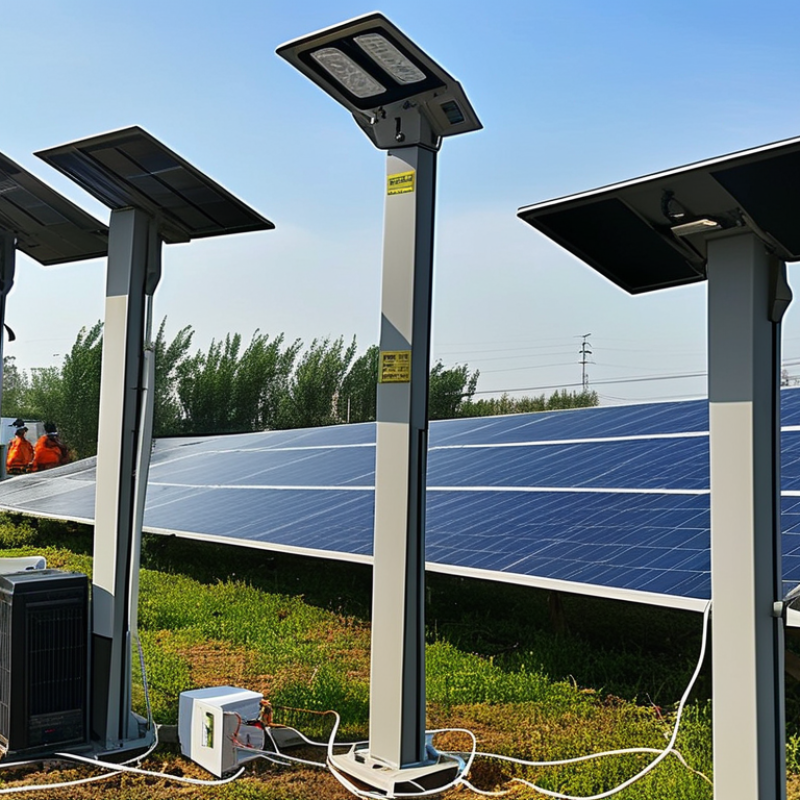
Split solar street lights have separate components. The solar panel, battery, and LED light are distinct. This design allows for greater flexibility in installation. You can place the solar panel in an area with optimal sunlight. However, wiring can be complex and may require professional assistance.

In contrast, all in one solar street lights have everything combined. The compact design simplifies installation. Users often appreciate the convenience. However, this compactness may limit placement options. It’s essential to consider your specific needs before deciding. Each type has its pros and cons. Reflecting on these factors can lead to a more suitable choice for your project.
How to Choose Between Split and All in One Solar Street Lights?

Factors Influencing the Choice Between Split and All-in-One Solar Street Lights

When selecting between split and all-in-one solar street lights, several key factors come into play. Performance is one primary concern. Split solar lights often offer better energy efficiency. They separate the solar panel and the light fixture, allowing for optimal sunlight capture. Combining this with advanced battery technology enhances performance. Research shows that split systems can increase energy efficiency by up to 20%.

Installation factors also greatly influence the decision. All-in-one lights are typically easier to install and require fewer tools. This convenience can significantly lower labor costs. In contrast, split systems may demand more time and expert knowledge. A report by the Solar Industry Association found that installation costs can vary by up to 30% between these two systems.

Finally, consider the environment and aesthetic appeal. Split solar lights can be strategically placed for maximum sunlight exposure. However, all-in-one lights often present a cleaner look on urban streets. Balancing these details is crucial. Choosing the right type can impact energy output and overall effectiveness. Flexibility in design and installation should factor into your overall decision-making process.

Performance Comparisons: Efficiency of Split vs. All-in-One Solar Solutions

When comparing the performance of split and all-in-one solar street lights, efficiency is a key factor. Split solar street lights typically feature a separate solar panel and LED light. This design allows for optimal panel placement, maximizing sunlight exposure. Reports indicate that split systems can achieve an efficiency rate of up to 25% in energy conversion. The flexibility of this design also enables the use of larger solar panels, which can enhance overall system performance.

In contrast, all-in-one solar street lights offer a compact solution. They integrate solar panels, batteries, and lighting into a single unit. While convenient, these systems may face challenges in efficiency. Industry analyses show that their energy conversion is often around 15% to 20%. The lower efficiency can stem from space constraints on solar panel size and design limitations. Maintenance can also be more complex if integrated components malfunction, raising potential concerns.

Understanding these differences can guide decisions in selecting the right system. Split systems might be preferred for larger areas needing high energy output. All-in-one models could suit smaller projects with simpler installation. Overall, the choice between these technologies depends on specific site conditions and energy needs.

Installation and Maintenance Considerations for Both Solar Street Light Types

When choosing between split and all-in-one solar street lights, installation and maintenance factors play a crucial role. Split systems typically feature separate solar panels and lights. This design allows flexibility in placement, ensuring the panel receives optimal sunlight. However, it can complicate installation due to multiple components. For instance, in areas with challenging terrain, installation may require additional labor and equipment.

On the other hand, all-in-one lights are more straightforward to install. They combine the panel and lamp into a single unit, which can be mounted easily on poles. This simplicity reduces installation time and costs, making it an attractive option for many municipalities. However, while they are easier to manage, maintenance can be a concern if there is a failure in one integrated component.

Tip: Regular maintenance checks can extend the life of both systems. Checking battery health and cleaning solar panels will improve efficiency. According to a recent industry report, poorly maintained systems can lose up to 30% efficiency. It’s essential to be proactive about these tasks.

Tip: Evaluate local weather conditions before installation. In regions with heavy snowfall, split systems might perform better as panels can be positioned away from obstructions. In contrast, all-in-one lights may struggle under such conditions if not properly designed for snow loads.

Cost Analysis: Initial Investment and Long-Term Savings of Each Option

When considering solar street lights, the cost analysis reveals significant differences. Split solar street lights often require a lower initial investment. Their separate panel and battery design can lead to reduced installation costs. Generally, they can be installed for 10-20% less than all-in-one systems. However, this initial saving may come with maintenance challenges due to the separate components.

On the other hand, all-in-one solar street lights usually offer better long-term savings. A report by the National Renewable Energy Laboratory indicates that all-in-one systems have a longer lifespan, often exceeding 10 years with minimal maintenance. Their compact design reduces the risk of component failure. While the upfront cost is higher, the total cost of ownership often favors all-in-one systems, resulting in savings of 30-40% over their lifetime. Some studies suggest that users frequently overlook these long-term benefits, potentially compromising their investment.

Choosing between the two options should include a detailed cost analysis. Factors like maintenance costs and energy savings over time need careful consideration. It's essential to reflect on what may seem like a bargain today could lead to higher expenses tomorrow. Each option has unique features and drawbacks, and understanding these can guide a more informed decision.

Environmental Impact: Sustainability Benefits of Split and All-in-One Systems

When considering solar street lighting, the environmental impact is a crucial factor. Split systems typically offer more flexibility in installation. The solar panels can be placed in optimal locations for sunlight, enhancing efficiency. However, the battery and LED components can be scattered, which might lead to higher energy loss if not managed properly. This could affect overall sustainability.

All-in-one solar street lights, on the other hand, provide a compact solution. Their integrated design often reduces installation time and minimizes the visual impact on the surrounding environment. Yet, these units can present challenges. If one component fails, the entire system may need replacement. This can lead to higher waste, impacting sustainability efforts.

Each system presents its strengths and weaknesses. The choice depends on specific needs and environmental considerations. Addressing these factors can guide a more sustainable decision in solar street lighting.

Comparison of Environmental Impact: Split vs. All-in-One Solar Street Lights

FAQS

: What are the key factors when choosing between split and all-in-one solar street lights?

: Key factors include performance, installation ease, environmental impact, and aesthetic appeal.

How does the performance of split solar lights compare to all-in-one systems?

Split solar lights often provide better energy efficiency by optimizing sunlight capture.

What are the installation advantages of all-in-one solar street lights?

All-in-one lights are easier to install and generally require fewer tools, lowering labor costs.

How significant are the cost differences in installation between the two types?

Installation costs can vary by up to 30% between split and all-in-one solar street lighting systems.

What should be considered regarding long-term savings?

All-in-one systems usually have a longer lifespan, leading to 30-40% savings over their lifetime.

Are there maintenance challenges with split systems?

Yes, the separate components of split systems may lead to more maintenance issues.

How does environmental impact factor into the decision?

Split systems can enhance efficiency if panels are placed optimally, while all-in-one units may create higher waste risks.

Can one failure in an all-in-one system affect sustainability?

Yes, if one part fails, it may require replacing the whole unit, which increases waste.

Should I focus only on the initial cost when making a decision?

No, consider both initial and long-term costs, as short-term savings may lead to higher expenses later.

What is a common oversight when evaluating these systems?

Many users overlook long-term benefits and efficiencies, which could compromise their investment.

Conclusion

When deciding on solar street lights, a key question arises: what is the difference between split and all-in-one solar street lights? This article explores various factors influencing this choice, comparing their efficiency, installation and maintenance needs, cost implications, and environmental impacts. Split solar lights typically offer enhanced performance with separate components but may require more complex installation and maintenance. In contrast, all-in-one systems provide simplicity and ease of installation, often at a lower initial cost but potentially with fewer customization options.

The performance comparison highlights that while split systems may deliver greater efficiency in certain conditions, all-in-one lights are suitable for quick deployment and basic needs. Cost analysis reveals both types can yield long-term savings, but initial investment varies significantly. Additionally, both systems present sustainability benefits, contributing to environmental goals. Ultimately, the choice between split and all-in-one solar street lights will depend on specific project requirements and priorities.

Liam

Liam

Liam is a dedicated marketing professional with a profound expertise in the industry, where he excels at highlighting the unique advantages of our core products. With a keen understanding of market trends and consumer needs, Liam frequently updates our company’s professional blog, providing......