LED street lamps have become a popular choice for urban lighting due to their energy efficiency and long lifespan. However, many users notice that over time, these lamps do not maintain their initial brightness. This raises an important question: what causes LED street lamps to dim over time? Understanding the reasons behind this phenomenon is crucial for city planners and maintenance teams.
Several factors contribute to the gradual dimming of LED street lamps. Heat plays a significant role, as excessive temperatures can degrade components over time. Additionally, poor quality materials in some LED products can affect their longevity. Environmental conditions, such as humidity and pollution, also contribute to this issue. Most importantly, insights from experienced engineers and manufacturers highlight the ongoing need for better standards and practices in LED production.
While LED technology continues to advance, acknowledging the challenges of lamp dimming is essential. It encourages a reflection on how to improve designs and materials. Ensuring consistent lighting quality benefits both safety and aesthetics in urban environments. This exploration of dimming issues underscores the importance of ongoing innovation and thoughtful design in street lighting.
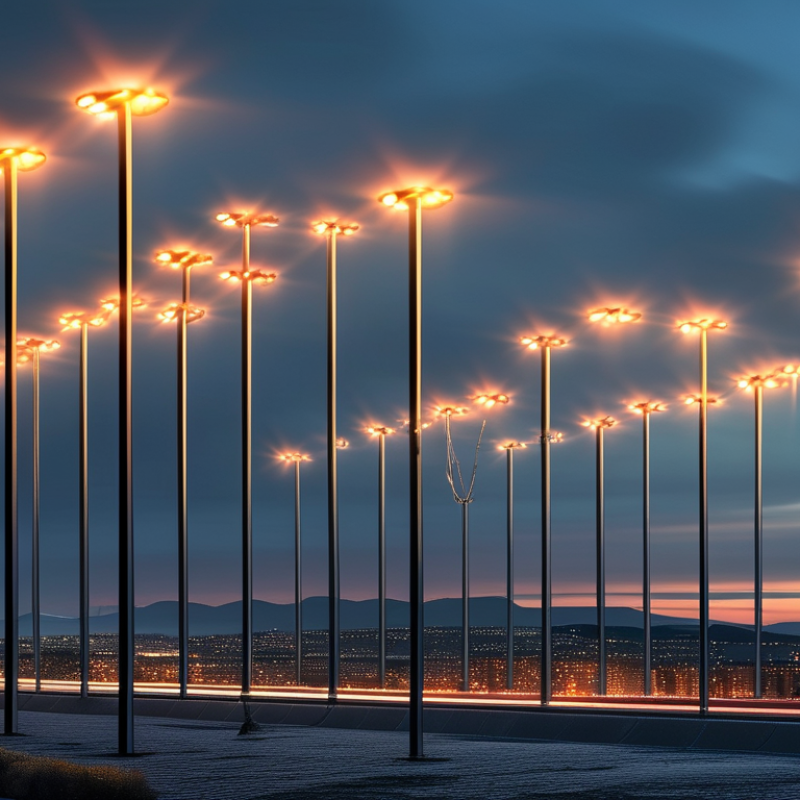
Reasons for LED Street Lamp Dimming Due to Thermal Management Issues
LED street lamps are efficient, but they can dim over time due to thermal management issues. Heat is a significant enemy of LED performance. When LEDs operate at high temperatures, their efficiency drops. This can be caused by poor heat dissipation within the lamp's design. Over time, excessive heat leads to reduced light output.
Improving thermal management can help maintain brightness. Ensure that the lamp fixtures have proper ventilation. This allows heat to escape effectively. Regular maintenance is key. Cleaning the lamp covers can prevent build-up that may trap heat. Consider the installation location, too. Avoid areas with insufficient airflow.
Another factor is the quality of components. Using inferior materials may lead to quicker degradation. Investing in quality thermal pads and heat sinks can make a difference. Remember, sometimes even the best designs fail under extreme conditions. Reflect on your environment, usage patterns, and lighting needs. Proper assessment can reveal insights that enhance LED performance.
Impact of Operating Hours on LED Street Lamp Lumen Depreciation Rates
LED street lamps, widely used for their energy efficiency, face lumen depreciation over time. One significant factor in this depreciation is the operating hours of the lamps. As these lamps burn longer each night, their brightness diminishes. This gradual loss of lumen output is often more noticeable in older models and can affect visibility on the roads.
Research shows that consistent use for extended periods accelerates this deterioration. The intensity of light emitted decreases as components within the lamps undergo thermal stress. In colder climates, higher operating hours might lead to uneven heating, causing parts to fail sooner. Heat management systems in LED fixtures are critical. Inefficiencies can lead to earlier-than-expected dimming, compromising street safety.
Moreover, the quality of components plays a crucial role. Even with low operating hours, inferior materials can lead to reduced life spans. Some might assume that longer usage equals better performance, but the opposite is often true. Continuous operation demands careful consideration of maintenance and replacement schedules, impacting overall city budgets and safety standards. The balance between cost savings and effective illumination remains a challenge for municipalities.
Role of Driver Efficiency in the Longevity of LED Street Lighting
LED street lamps are designed for longevity, but they often dim over time. One significant factor influencing this dimming is the efficiency of the driver. The driver powers the LED lights, converting electricity into usable energy. If the driver is inefficient, it can cause premature aging and loss of brightness in the lamps.
Inadequate heat management from the driver can further exacerbate the issue. When excess heat builds up, it can shorten the LED's lifespan. Ensuring optimal temperature regulation is vital for maintaining brightness over time. Installing drivers with thermal protection can help mitigate this problem.
Tips: Regular maintenance checks on the drivers can enhance performance. Using high-quality drivers is another effective strategy. Investing in energy-efficient technology pays off in the long run. Dimming isn't just a natural process; it's often a sign of a deeper problem. Keeping an eye on the drivers can save costs and improve visibility at night.
Effects of Environmental Factors on the Performance of LED Street Lamps
Environmental factors significantly affect the performance of LED street lamps. One primary influence is temperature. Extreme heat can accelerate depreciation. Conversely, cold temperatures may hinder performance. A report by the National Renewable Energy Laboratory indicates that LED efficiency drops by 5-10% in high temperatures exceeding 40°C. This can lead to a noticeable reduction in brightness over time.
Moisture and humidity also play crucial roles. High moisture levels can cause internal components to corrode. This deterioration directly impacts the lamp's lifespan. A study from the International Journal of Lighting Research shows that LED fixtures exposed to high humidity levels experience up to a 20% decrease in lifespan compared to those in drier conditions.
Moreover, pollution levels contribute to the dimming process. Dust and grime accumulation on LED lenses diminishes light output. Regular maintenance is essential to mitigate this impact. Research by the Lighting Research Center highlights that neglecting cleaning can reduce brightness by over 15%. It is essential to consider these environmental influences to maintain optimal performance and longevity of LED street lighting systems.
Top 10 Reasons Why LED Street Lamps Dim Over Time? - Effects of Environmental Factors on the Performance of LED Street Lamps
| Reason |
Description |
Environmental Factor |
Impact Level |
| Heat |
Excessive heat can damage the LED chips, causing brightness reduction. |
High ambient temperatures |
High |
| Humidity |
Moisture entry can lead to corrosion of internal components. |
High humidity levels |
Medium |
| Pollution |
Dust and other pollutants can settle on lenses, reducing light output. |
Urban environments |
Moderate |
| Voltage Fluctuations |
Inconsistent power supply can reduce LED efficiency. |
Electrical grid issues |
High |
| Thermal Management |
Poor heat dissipation can lead to overheating of components. |
Design flaws |
High |
| Driver Quality |
Low-quality drivers can fail over time, affecting LED performance. |
Manufacturing quality |
Medium |
| UV Exposure |
Prolonged exposure to UV rays can degrade materials. |
Outdoors |
Medium |
| Physical Damage |
Accidental impacts can crack lenses, leading to light loss. |
Traffic areas |
Low |
| Duration of Use |
Extended operation hours lead to natural degradation of LEDs. |
Continuous usage |
Medium |
| Installation Angle |
Improper angles can cause uneven light distribution and appearance of dimness. |
Mounting practices |
Low |
Quality of Materials and Its Influence on LED Street Lamp Lifespan
The lifespan of LED street lamps significantly depends on the quality of materials used in their construction. High-quality LEDs utilize superior components that are more resistant to wear and tear. These components ensure better thermal management, reducing overheating issues that can shorten a lamp's life. Not all manufacturers prioritize quality, which can lead to inconsistencies in performance. When inferior materials are used, the components may degrade quickly.
Heat sinks, lenses, and drivers are critical elements in LED lamps. A poorly designed heat sink can lead to excessive heat buildup. This results in reduced light output and may cause early failure. Similarly, low-quality lenses may yellow or crack over time, impairing light distribution. It’s often overlooked how these seemingly small parts can dramatically impact the overall performance.
Investing in quality materials appears easy, yet many overlook the long-term consequences. Buyers should educate themselves on the specifications of LED street lamps before purchasing. Understand that cheaper options may save money upfront but often incur higher replacement costs. A reflective approach can foster better decision-making in future street lighting projects.
Conclusion
LED street lamps are known for their energy efficiency and longevity, but over time, they experience dimming, leading to concerns about their performance. One of the primary factors that contribute to this dimming is thermal management issues, as excessive heat can significantly impact the lifespan and lumen output of the lamps. Additionally, the total operating hours play a crucial role, as prolonged use results in lumen depreciation, decreasing brightness over time.
Moreover, the efficiency of the driver used in LED street lighting can influence their longevity. Poor driver performance may result in reduced light output and increased failure rates. Environmental factors, such as humidity and temperature fluctuations, also affect the performance of LED street lamps. Lastly, the quality of materials used in the construction of these lamps is vital, as inferior components can lead to a shorter lifespan. Understanding what causes LED street lamps to dim over time is essential for improving their durability and effectiveness in urban lighting solutions.

 OneAll Lights