Top 10 Tips for Winter Maintenance of Solar Street Lights

Time:2026-07-20 Author:Mason
0%

As winter approaches, solar street lights face unique challenges. Cold temperatures and snow can impact their performance. Understanding how to maintain solar street lights in winter and snow is vital for optimal functionality.

These lights rely on solar panels that can be affected by accumulating snow. Regular maintenance ensures the panels remain unobstructed and effective. Additionally, checking batteries and connections prevents unexpected outages during long winter nights.

Practical tips focus on keeping lights clean and operational. Regular snow removal, testing battery capacity, and inspecting for damage are key steps. Users must be aware that neglect may lead to reduced performance. With proper attention, solar street lights can provide reliable illumination throughout the winter months.
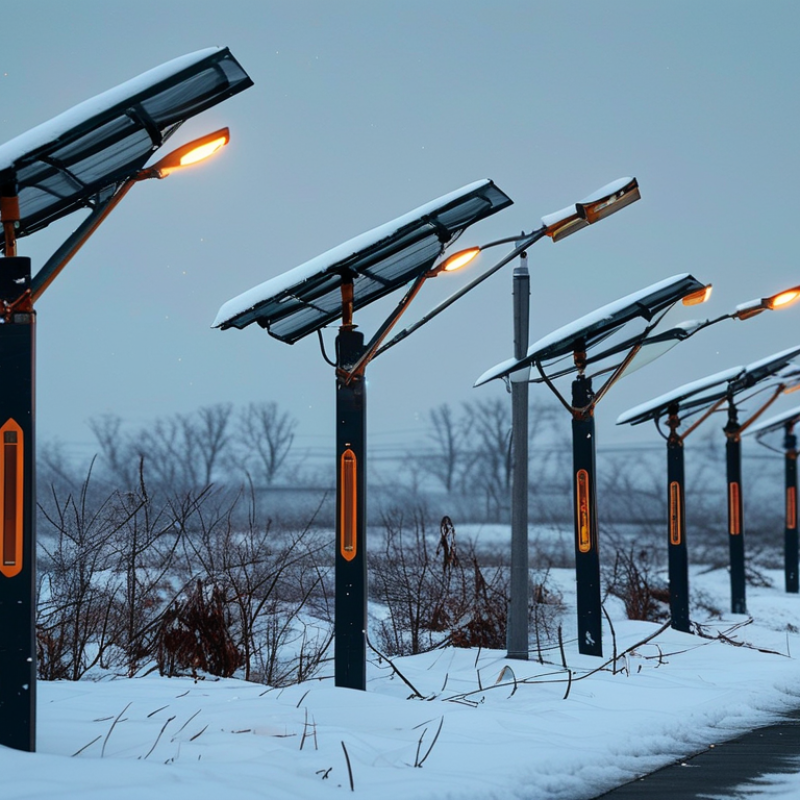
Top 10 Tips for Winter Maintenance of Solar Street Lights

Importance of Winter Maintenance for Solar Street Lights

Winter can be harsh on solar street lights. The accumulated snow, ice, and cold temperatures can affect their performance. Proper winter maintenance is key to ensuring these lights operate effectively throughout the season. Regularly clearing snow and ice from solar panels can significantly improve energy absorption. Even a small layer of snow can block sunlight and reduce charging efficiency.

Battery care is also critical during winter. Cold temperatures can reduce battery capacity. Regularly checking the condition of batteries ensures they are fully charged and ready for long winter nights. Keeping connections clean and secure prevents power loss. Consider using insulation to protect the batteries from extreme cold.

Finally, monitor the light's brightness and operation regularly. If lights flicker or dim, it may mean they require maintenance or repairs. Consistent attention to these details can help avoid larger issues later. Emphasizing proactive care over reactive solutions can lead to better performance and longevity of solar street lights in winter conditions.

Assessing the Condition of Solar Panels Before Winter

As winter approaches, assessing the condition of solar panels is crucial. Research shows that solar panels can lose up to 25% of their efficiency in cold, snowy conditions. Snow accumulation on panels can block sunlight, reducing energy generation significantly. Regular inspections during fall can help catch issues before heavy snowfall.

Look for cracks or damage on the solar glass surface. Small imperfections can worsen during winter, leading to costly repairs. According to a report by the National Renewable Energy Laboratory, timely maintenance can increase panel lifespan by 15-20%. Regular cleaning also plays an essential role. Dust and debris can trap moisture, inviting corrosion.

An overlooked detail is the angle of the solar panels. In winter, a steeper angle can help snow slide off more easily. This simple adjustment can maintain efficiency. However, not all systems allow for easy angle adjustments; some may require professional help. Avoiding this could lead to unexpected performance declines. Regular evaluations of the mounting structure are also essential. Failing to address these factors can compromise the entire solar street lighting system.

Inspecting and Maintaining Battery Health and Performance

Winter poses unique challenges for solar street lights, particularly concerning battery health and performance. According to the Solar Energy Industries Association, cold temperatures can significantly reduce battery efficiency, sometimes by as much as 20%. This makes regular maintenance vital.

Checking battery connections is crucial. Loose connections can lead to power loss. Inspect terminals for corrosion. Keeping batteries clean extends their lifespan. Use a soft cloth to wipe them down. Ensure they're insulated from cold by using proper housing.

Another critical aspect is temperature monitoring. Batteries thrive at moderate temperatures. Installing temperature sensors can help monitor conditions. It's also beneficial to assess battery voltage regularly. A voltage drop may indicate a problem. Maintenance records should track these fluctuations to identify patterns over time.

Educating staff about these routines improves consistency. Proper training ensures they know how to handle specific issues. Relying on data enhances decision-making. Therefore, regular maintenance checks not only fix immediate problems but also contribute to long-term performance improvements.

Clearing Snow and Ice: Best Practices for Solar Street Lights

Winter poses unique challenges for solar street lights, especially with snow and ice accumulation. These elements can obstruct solar panels, reducing their efficiency. Regularly clearing away snow and ice is crucial. A soft snow brush can help remove light snow without damaging the fixtures. For heavier snowfall, consider using a plastic shovel to carefully lift snow away from the panels.

Proper positioning of street lights is essential. Install them in areas less prone to heavy snow loads. Surrounding landscaping can also play a role in reducing snow accumulation. Remember, though, that even with the best efforts, some snow build-up may still occur. Periodically checking lights during winter storms can help catch issues early.

Using de-icing agents can be beneficial. However, ensure that these materials are safe for the solar panel surfaces. Salt can be corrosive and should be avoided. After a storm, it's vital to inspect the lights for any damage. Learning from past winters can improve future maintenance strategies. Documenting your experiences will provide valuable insights for addressing winter challenges.

Regular Monitoring and Adjustments During Winter Months

Winter can pose significant challenges for solar street lights. Regular monitoring is essential to ensure optimal performance. Cold weather reduces battery efficiency and can lead to decreased illumination. Reports indicate that battery output can drop by up to 20% in freezing temperatures. This highlights the need for vigilant oversight.

Adjustments should be made proactively. Check solar panels for snow accumulation that could block sunlight. A simple brush-off can restore their efficiency. Additionally, inspect connection points for corrosion, which may worsen due to moisture and frost. Routinely cleaning fixtures enhances light output, as dirt buildup can be detrimental.

Moreover, it’s crucial to assess the timer settings for shorter daylight hours. Many systems may require recalibration to maximize energy use. Tracking performance data throughout winter can help identify inconsistencies. This data-driven approach is integral for improving long-term reliability. Regular evaluation can mitigate performance issues and extend the lifespan of solar street lights during harsh winter conditions.

Top 10 Tips for Winter Maintenance of Solar Street Lights - Regular Monitoring and Adjustments During Winter Months

Tip Number Maintenance Tip Description Frequency
1 Inspect Solar Panels Check for snow or debris accumulation that can block sunlight. Weekly
2 Battery Health Check Test battery capacity and replace if showing signs of deterioration. Monthly
3 Review Lighting Settings Adjust timing and brightness settings for shorter daylight hours. Bi-Weekly
4 Check for Ice Formation Inspect fixtures for ice that may obstruct light emission. As Needed
5 Clean Light Fixtures Wipe down fixtures to ensure maximum light output. Monthly
6 Monitor Local Weather Conditions Stay informed on storm forecasts to prepare lights accordingly. Weekly
7 Test Emergency Features Ensure backup systems function properly during power outages. Monthly
8 Inspect Wiring and Connections Look for signs of wear or corrosion that could affect performance. Quarterly
9 Adjust Sensor Sensitivity Fine-tune light sensors to adapt to changing winter light conditions. As Needed
10 Document Maintenance Activities Keep a record of maintenance checks and adjustments made. Ongoing

FAQS

: Why is winter maintenance important for solar street lights?

: Winter can harm solar street lights. Snow and ice may block sunlight and reduce performance. Regular maintenance ensures efficiency.

How often should snow be cleared from solar panels?

Snow should be cleared regularly. Even a small layer can block sunlight. This significantly improves energy absorption.

What effect does cold weather have on battery performance?

Cold temperatures can reduce battery capacity. Regular checks help ensure batteries are fully charged for winter nights.

How can I protect batteries from extreme cold?

Using insulation can protect batteries. Keeping connections clean and secure also prevents power loss during cold weather.

What signs indicate that maintenance is needed?

If lights flicker or dim, maintenance may be required. Regular monitoring helps avoid larger issues later on.

How can panel angle affect solar performance in winter?

A steeper angle can help snow slide off easily. However, adjustments may require professional assistance in some systems.

What role does regular cleaning play in maintenance?

Regular cleaning helps maintain efficiency. Dirt buildup can trap moisture and affect light output negatively.

How can I ensure the efficiency of solar panels before winter?

Inspect solar panels for damage. Catching issues before snowfall can prevent costly repairs and increase lifespan.

What should I monitor throughout winter?

Monitor battery output and solar panel performance data. This helps identify inconsistencies and ensures long-term reliability.

Why is regular evaluation of mounting structures important?

Regular evaluations prevent potential performance declines. Addressing issues early can maintain the entire solar lighting system's effectiveness.

Conclusion

Winter maintenance is crucial for the optimal performance of solar street lights. To ensure these lights function efficiently during colder months, it's important to assess the condition of solar panels before winter begins. This includes checking for any damage or debris that could hinder performance. Additionally, inspecting and maintaining battery health is vital, as cold temperatures can affect charging and energy storage capacities.

When dealing with winter weather, clearing snow and ice from solar panels is essential to maximize sunlight exposure. Implementing best practices for snow removal will enhance the efficiency of the lights. Finally, regular monitoring and necessary adjustments throughout the winter months will help in maintaining solar street lights effectively. By following these guidelines on how to maintain solar street lights in winter and snow, you can ensure their reliable operation despite challenging weather conditions.

Mason

Mason

Mason is a seasoned marketing professional with a deep expertise in the company's offerings and a passion for driving brand awareness. With a strong background in digital marketing strategies, he has an innate ability to connect with diverse audiences and effectively communicate product benefits.......