As urban areas expand, the demand for sustainable lighting solutions grows. Solar street lighting is an ideal choice. It not only reduces energy costs but also minimizes environmental impact. Understanding how to calculate solar panel size for street lighting is essential to optimize this technology.
Recent studies show that solar street lights can reduce energy consumption by 60% compared to traditional lighting. However, improper sizing can lead to inefficient systems. Industry reports indicate that correctly sized solar panels ensure adequate energy production during both day and night. In fact, a well-calibrated system can last over 25 years, showcasing significant long-term savings.
Calculating the right solar panel size involves multiple factors. It's not just about the wattage. Consider local sunlight availability, battery storage, and light fixture energy consumption. Each element plays a vital role in the overall efficiency. This guidance can help avoid common pitfalls. Failing to account for seasonal changes or shading can diminish performance.
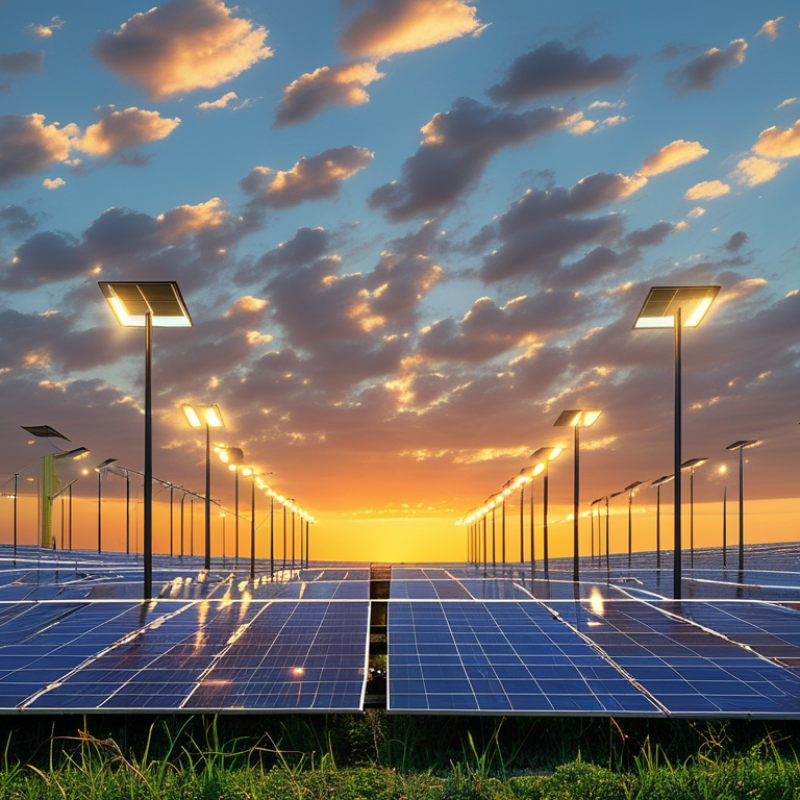
When considering solar panel size for street lighting, understanding energy requirements is crucial. Streetlights consume energy primarily based on wattage and operational hours. For example, if a streetlight uses 100 watts and operates 12 hours a night, it consumes 1,200 watt-hours per night. This energy requirement affects the size of the solar panel needed to power it efficiently.
One tip is to calculate the total daily energy consumption of all lights. This gives a clearer picture of the solar energy needed. For accurate measurements, consider the sunlight hours in your area. More sunlight equals more energy. Another important aspect is factoring in inefficiencies, such as converter losses. These can reduce the amount of usable energy.
Always remember that calculations can be refined. If the data seems off or if adjustments are necessary, take time to reassess your approach. Gathering real-world data from similar installations can improve accuracy. Checking weather variations and seasonal sunlight can also enhance your calculations. Understanding these dynamics leads to better solar panel sizing for effective street lighting.
When calculating solar panel size for street lighting, evaluating sunlight availability is crucial. Various factors affect sunlight exposure, such as geographical location, seasonal changes, and surrounding obstructions like tall buildings or trees. A clear understanding of your area’s sunlight patterns ensures accurate calculations. For instance, northern regions receive less sun in winter. This can significantly impact energy generation and runtime for streetlights.
Solar panel efficiency also plays a significant role in sizing. The efficiency rating measures how effectively a panel converts sunlight into electricity. Higher efficiency panels generate more power in smaller areas. However, they can be costly. Balancing cost and efficiency is essential. Thinking through your options may lead to suboptimal choices if you focus solely on efficiency without considering site-specific factors. Reflecting on these aspects often helps optimize solar panel installations for better performance.
Keep in mind the need to account for shading, angle, and orientation when determining the solar panel size needed. Each site's unique conditions can lead to unexpected results. Learning from past installations will improve future planning and execution. Over time, this approach can enhance the effectiveness of solar-powered street lighting systems.
Calculating the required wattage for solar panels in street lighting is crucial for efficiency. The first step involves estimating the total nightly energy consumption. Multiply the wattage of the light fixture by the number of hours it operates during the night. For example, a 100-watt light operating for 10 hours will consume 1,000 watt-hours.
Tip one: Consider battery capacity. The battery must store enough energy to power the lights even on cloudy days. A good rule of thumb is to have a battery that can support two consecutive nights of operation. This ensures reliability.
When selecting solar panels, think about their efficiency. High-efficiency panels convert more sunlight into electricity. Not every installation will be perfect. You may face shading issues or weather variations. But with the right calculations, you can adapt and troubleshoot these challenges.
Tip two: Always factor in energy losses. Energy loss occurs due to wiring and inverter inefficiencies. These losses can account for up to 20% of the total energy. Account for this when choosing your panel's wattage.
It’s essential to remain flexible. You may need to adjust your calculations based on real-world performance. Sometimes, the initial estimates won't match actual energy production. Collect data during operation to refine your approach.
When designing solar-powered street lighting, calculating battery storage needs is crucial. The energy consumed by LED streetlights greatly influences the size of the battery required. For optimal performance, it’s essential to consider peak operating times and energy demands. A commonly cited industry standard states that streetlights typically consume around 30-100 watts, depending on the technology used.
For effective performance, batteries must store sufficient energy to power the lights during longer nights or cloudy days. A study shows that a streetlight can operate effectively on about 30 amp-hours (Ah) of battery capacity per day. Therefore, using a lithium-ion battery with a capacity of 100 Ah allows for about three days of autonomy, ensuring consistent operation even in adverse weather conditions.
However, overestimating battery capacity can lead to increased costs and waste. It’s critical to analyze energy use patterns accurately. Seasonal changes can noticeably impact charging and discharging cycles. Therefore, monitoring real-time energy consumption can inform adjustments in battery specifications and improve system reliability over time. Balancing between performance and cost should always be a priority.
This bar chart illustrates the important factors to consider when calculating the solar panel size needed for street lighting. It includes the average daily sunlight hours, the average power consumption in watts, and the panel efficiency as key metrics for determining the panel requirements.
When selecting solar panel types for street lighting, it's crucial to understand the application requirements. Different locations have varying sunlight availability. Consider the average solar irradiance in your area. This can greatly impact the efficiency of the panels you choose.
Monocrystalline panels are often more efficient but can be more expensive. Polycrystalline panels offer a more budget-friendly option with slightly lower efficiency. Thin-film panels are lightweight and versatile but may require larger surface areas. Evaluating your budget and performance needs will guide your choice.
Pay attention to the quality of the solar panel. Look for certifications and test reports. These provide insight into reliability and longevity. Purchase from reputable manufacturers to ensure you're getting a durable product. Reflect on the installation environment too. Urban areas may have shading issues, while rural settings could maximize sunlight. Balancing these factors is essential for optimal street lighting performance.
| Tip No. | Description | Recommended Solar Panel Type | Expected Output (W) | Efficiency (%) |
|---|---|---|---|---|
| 1 | Choose the right location with maximum sunlight exposure. | Monocrystalline | 300 | 20 |
| 2 | Calculate the wattage required based on the light and hours of operation. | Polycrystalline | 250 | 17 |
| 3 | Factor in weather conditions and seasonal sunlight variation. | Thin-film | 200 | 12 |
| 4 | Consider battery storage requirements for night operation. | Bifacial | 350 | 22 |
| 5 | Determine the total energy consumption of the lighting system. | Monocrystalline | 300 | 20 |
| 6 | Ensure appropriate mounting and tilt for solar panels. | Polycrystalline | 250 | 17 |
| 7 | Select high-quality solar panels for durability and efficiency. | Thin-film | 200 | 12 |
| 8 | Consider the lifespan and maintenance costs of the solar panels. | Bifacial | 350 | 22 |
| 9 | Plan for future expansion or additional lighting needs. | Monocrystalline | 300 | 20 |
| 10 | Consult with a solar energy expert for optimal design and setup. | Polycrystalline | 250 | 17 |
: Sunlight availability affects energy generation. Factors like location and obstructions influence exposure levels.
Higher efficiency panels generate more power in smaller areas. However, they can be more expensive.
Estimate total nightly energy use. Multiply the fixture wattage by operational hours to find total consumption.
Choose a battery that supports two consecutive nights of operation. This accounts for cloudy weather challenges.
Energy loss can be caused by wiring and inverter inefficiencies. These can be up to 20% of the total energy.
Monitor energy production and adjust estimates based on actual data. Flexibility is key for optimal results.
Streetlights generally consume about 30-100 watts, depending on the technology used. Accurate estimations are crucial.
Analyze energy use patterns accurately to prevent excessive costs and waste. Seasonal changes can affect requirements.
Shading can significantly impact solar energy generation. Unique site conditions may lead to unexpected results.
It helps refine battery specifications and improve system reliability over time. Monitoring can lead to better performance insights.
When considering how to calculate solar panel size for street lighting, it is essential to understand the energy requirements specific to your lighting needs. This involves evaluating the total wattage required based on the number of lights and their energy consumption. Additionally, one must assess the sunlight availability in the location, keeping in mind the efficiency of solar panels that will be used.
Once the energy needs and sunlight conditions are established, the next step is to calculate the necessary wattage for solar panels that can adequately power the lights. Battery storage needs should also be taken into account to ensure consistent performance during periods of low sunlight. Finally, selecting the appropriate type of solar panels designed for street lighting applications will optimize the overall system's efficiency and reliability. By following these guidelines, you can effectively determine how to calculate solar panel size for street lighting, ensuring an environmentally friendly and sustainable lighting solution.

OneAll Lights