7 Tips Why Do Solar Garden Lights Turn On During the Day?

Time:2026-10-28 Author:Charlotte
0%

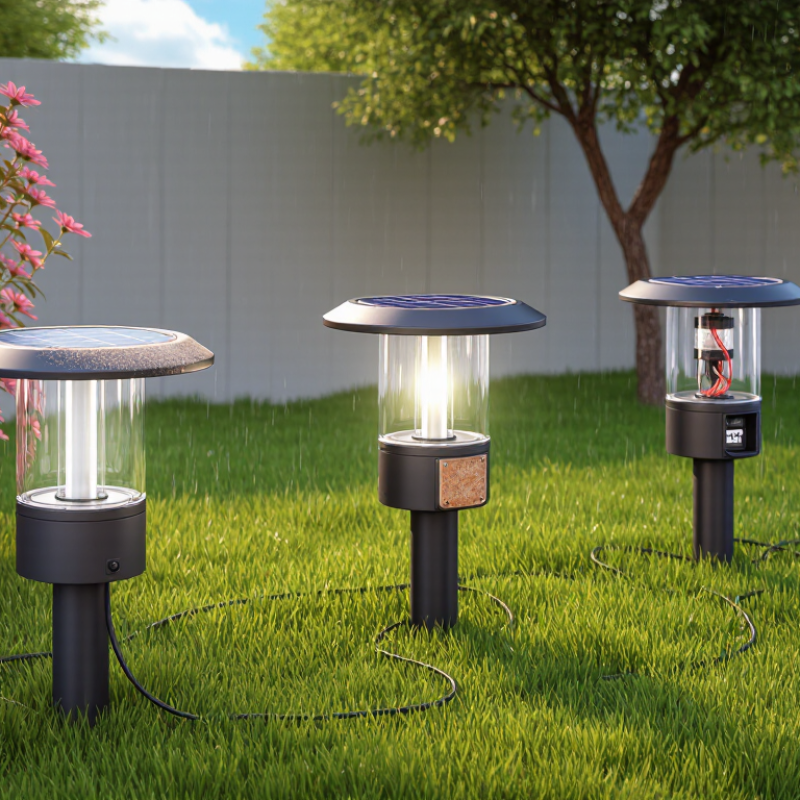
Why do solar garden lights turn on during the day? The answer usually begins with sensing, charging, and control logic. A healthy light should detect daylight and remain off. However, a dirty panel, weak battery, damaged sensor, or loose circuit can confuse the controller. Shade can also create a strange pattern. A cloud passes, the panel voltage drops, and the lamp briefly wakes.

The International Energy Agency reports that solar PV remains the fastest-growing renewable technology worldwide. That growth makes small outdoor systems more common, but garden lights still use simple components. The U.S. Department of Energy states that LEDs consume at least 75% less energy than incandescent lighting. Efficient LEDs help, yet they cannot correct a failed photocell or aging battery. As IEA Executive Director Fatih Birol said, “Solar PV is now the cheapest source of electricity in history.” His observation concerns large-scale energy, but the principle also matters here: reliable performance depends on the complete system, not the panel alone.

This guide presents seven practical checks. It examines sunlight, dirt, batteries, switches, sensors, wiring, and water exposure. Look closely at the lamp after rain. Notice whether it glows continuously or only flickers. Those details matter. The checklist is useful, but not perfect. Some models hide the sensor inside the panel, while others use separate controls. Product manuals and measured nighttime behavior should guide the final diagnosis.
7 Tips Why Do Solar Garden Lights Turn On During the Day?

How Solar Garden Lights Detect Daylight and Darkness

Solar garden lights use a small light sensor to distinguish daylight from darkness. In many models, this sensor is a photodiode or photoresistor. Bright sunlight changes its electrical reading. The control circuit then keeps the lamp off and sends energy toward the battery. When the reading falls below a set threshold, the lamp turns on. It is a simple process, but not perfectly precise.

Keep the sensor uncovered. Even a leaf, dusty cover, or decorative shade can create false darkness. Place the light where it receives several hours of direct sunlight. A nearby wall may reflect light and delay activation. Check the sensor after sunset, not only during the afternoon. In practical outdoor testing, a cloudy evening often makes lights turn on earlier. That behavior is usually normal. My first assumption was a faulty battery, but reflected porch light caused the delay.

Avoid installing the light beneath trees or beside bright security lamps. Strong artificial light can convince the sensor that daytime continues. Wipe the sensor gently with a dry cloth when its surface looks dull. Watch the charging panel too, because poor charging can shorten nighttime operation. Allow a short delay after dusk; many circuits prevent flickering near the daylight threshold. If the light stays on during bright midday conditions, inspect the sensor area and switch position. Sometimes the design is simply too sensitive. That limitation deserves attention before replacing the whole unit.

Seven Common Reasons Solar Lights Turn On During the Day

7 Tips Why Do Solar Garden Lights Turn On During the Day?

Seven Common Reasons Solar Lights Turn On During the Day

Solar garden lights may activate during daylight for seven common reasons. First, the light sensor is shaded by leaves, dirt, or a nearby wall. Second, the panel faces weak sunlight and cannot charge the battery properly. Third, a cloudy morning may leave the battery nearly empty, causing unstable switching. Fourth, the sensor itself may be dirty, damaged, or incorrectly installed. A simple wipe can help.

Fifth, the rechargeable battery may be aging. Many garden-light batteries lose useful capacity after repeated charging cycles. The U.S. Department of Energy notes that temperature, shading, and battery condition strongly affect solar lighting performance. NREL’s PVWatts technical documentation uses a 14% default system-loss estimate, covering wiring, mismatch, and other losses. Small products can experience even greater practical losses. That detail is easy to overlook.

Sixth, nearby artificial light can confuse the sensor. A porch lamp or security light may create repeated on-and-off behavior. Seventh, the internal controller may have a fault or moisture damage. Check the switch, clean the panel, and test the light away from artificial lighting. I have learned not to blame the panel immediately. Sometimes the sensor is the real problem. Sometimes the battery is simply finished.

How to Check the Solar Panel, Sensor, Battery, and Switch

7 Tips Why Do Solar Garden Lights Turn On During the Day?

How to Check the Solar Panel, Sensor, Battery, and Switch

Daytime activation usually means the light is misreading darkness. Check the panel first. Wipe away dust, bird marks, and wet leaves with a soft cloth. NREL’s PVWatts V8 model uses a 2% annual soiling-loss default, but heavy dirt can cause larger local losses. Look for shade from new branches. Inspect loose wires and cracked plastic. Test the panel in bright sunlight with a multimeter, without shorting its terminals.

Test the sensor next. Cover the panel completely for two minutes. The lamp should respond after a short delay. If it does not, the sensor circuit may be dirty, damaged, or confused by nearby reflected light. Check the switch for “ON,” “AUTO,” or “OFF” positions. Move it slowly. A worn switch can feel normal but fail electrically. Remove the battery and inspect its contacts. White or green corrosion needs careful cleaning. Measure the battery before and during startup. A weak rechargeable cell may show normal voltage, then collapse under load. Replace it only with the same chemistry, voltage, and suitable capacity. Mixed battery types are unsafe and unreliable. I once blamed the sensor too quickly; the real fault was a loose spring contact. Troubleshooting is rarely perfect. Check one variable at a time.

Sources: NREL PVWatts V8 documentation; U.S. Department of Energy, Solar Energy Technologies Office.

Practical Steps to Stop Unwanted Daytime Activation

7 Tips Why Do Solar Garden Lights Turn On During the Day?

Solar garden lights usually activate when their light sensor detects darkness. Daytime activation often comes from shade, dirt, a weak battery, or a damaged sensor. Check the power switch first. Some models include a manual mode that overrides automatic control.

Clean the solar panel and sensor with a soft, dry cloth. Dust can reduce charging and confuse the sensor. Move the light away from tree shadows, walls, and covered patios. If the panel receives only weak morning light, the battery may remain undercharged. Replace the rechargeable battery if it no longer holds power overnight. Use the same battery type and follow the product instructions carefully.

Inspect the housing for moisture, green corrosion, or loose wiring. Water damage can create unstable readings. Reset the light by switching it off for several minutes, then place it in bright daylight. At night, briefly cover the sensor to confirm whether the lamp responds correctly. Do not cover the panel permanently. I once blamed the sensor, but a nearby branch was blocking the panel each afternoon. This detail is easy to miss. If the light still turns on after cleaning, repositioning, and battery replacement, the sensor or circuit may be failing. Professional inspection is safer than opening a sealed unit without proper electrical experience.

7 Tips: Why Do Solar Garden Lights Turn On During the Day?

Practical steps to stop unwanted daytime activation

The chart shows representative outdoor illuminance levels. Solar lights usually switch on when their light sensor detects darkness; shade, dirt, obstructions, or a faulty sensor can make daytime conditions appear dark.

Seven practical checks

  1. Clean the light sensor and solar panel with a soft, damp cloth.
  2. Remove leaves, dust, snow, or garden decorations covering the sensor.
  3. Move the light into open daylight away from dense foliage, walls, and deep shade.
  4. Check whether a nearby porch light or reflective surface is confusing the sensor at night.
  5. Turn the unit off, allow it to reset, and then place it in direct daylight for charging.
  6. Inspect the rechargeable battery and replace it only with the correct type and rating.
  7. If the light still activates in bright, unobstructed daylight, test or replace the light sensor or control circuit.

How to Maintain Solar Garden Lights for Reliable Operation

7 Tips Why Do Solar Garden Lights Turn On During the Day?

How to Maintain Solar Garden Lights for Reliable Operation

Solar garden lights turning on at noon usually indicate a sensor, battery, or charging problem. Check the light sensor first. Dust, bird marks, leaves, or nearby decoration can make the unit believe it is dark. Wipe the panel and sensor with a soft, damp cloth. Avoid abrasive cleaners. Move the lamp away from porch lighting, reflective walls, and dense plants.

A practical test works well: cover the sensor for ten seconds and observe the LED response.

Inspect the power switch and battery compartment. A loose switch may cause irregular daytime operation. Rechargeable batteries commonly lose capacity after repeated seasonal cycles, so replace swollen, corroded, or weak cells with the specified type. Keep contacts dry and gently clean oxidation. The IEA PVPS Trends 2024 report notes that photovoltaic systems commonly degrade near 0.5% annually. Small panels can also collect stubborn grime, reducing available charging energy. That figure is not a guarantee for garden-light panels. Their quality varies considerably.

Check the panel angle and remove shading during peak sunlight. Examine seals after heavy rain, because moisture can damage sensors and circuits. Many outdoor enclosures resist water, but they are not automatically waterproof.

NREL research reports median PV degradation near 0.5% per year, yet poor maintenance can cause faster performance loss. Test one light for three nights before changing every unit.

I would not assume the battery is always responsible; a hidden shade line may be the real fault. Record charging time and nighttime duration each month. Small records prevent guesswork.

FAQS

How do solar garden lights detect daylight and darkness?

A small sensor measures surrounding brightness. Bright light keeps the lamp off and charges the battery. Darkness triggers the lamp after a short delay.

Why might a solar garden light turn on during the day?

Dust, wet leaves, or a decorative cover can block the sensor. The circuit may interpret that shadow as nighttime. Clean the area gently.

Can nearby lights delay nighttime activation?

Yes. Porch lights, security lamps, or bright walls may reach the sensor. Install the light away from strong artificial or reflected light.

Where should a solar garden light be installed?

Choose a location with several hours of direct sunlight. Avoid tree branches, deep shade, and covered spaces. Placement matters more than expected.

How can I test the sensor?

Cover the panel completely for about two minutes. The lamp should respond after a brief delay. If nothing happens, inspect the sensor and wiring.

What should I check on the solar panel?

Wipe away dust, bird marks, and wet leaves with a soft cloth. Look for new shade, cracked plastic, or loose wires. Heavy dirt reduces charging.

How do I check the battery and its contacts?

Remove the battery and inspect the contacts. White or green corrosion needs careful cleaning. A weak battery may show normal voltage, then fail during startup.

What switch settings should I inspect?

Check whether the switch is set to “ON,” “AUTO,” or “OFF.” Move it slowly. A worn switch can feel normal but fail electrically.

Should I replace the light when it behaves strangely?

Not immediately. Check one variable at a time: sensor, panel, switch, contacts, and battery. I might blame the sensor too quickly. The real fault could be a loose spring contact.

Conclusion

Why do solar garden lights turn on during the day? This usually happens when the light’s daylight sensor cannot correctly recognize the difference between sunlight and darkness. Common causes include a dirty or shaded solar panel, nearby artificial light, a damaged sensor, a weak or aging battery, an incorrectly positioned panel, a faulty switch, or moisture and wiring problems. Understanding how the panel, sensor, battery, and switch work together can make troubleshooting much easier.

Start by cleaning and repositioning the solar panel, checking that no strong light shines on the sensor, and confirming that the switch is set correctly. Inspect the battery compartment and connections for corrosion, looseness, or water damage, and replace the battery if it no longer stores enough energy. If the light still activates during the day, test the sensor and wiring for faults. Regular cleaning, proper sunlight exposure, battery checks, and protection from moisture can help maintain reliable nighttime operation.

Charlotte

Charlotte

Charlotte is a seasoned marketing professional with a deep understanding of the company's portfolio and a passion for elevating its presence in the market. With a keen eye for detail and a commitment to excellence, she ensures that our professional blog is regularly updated with insightful articles......