The global transition toward carbon neutrality has accelerated the decarbonization of commercial thermal applications. Swimming pools—ranging from Olympic-sized public leisure centers to high-end resort lagoons and water parks—are notorious for their high energy density requirements. Traditionally reliant on gas-fired boilers or electric resistance heaters, the commercial aquatics industry is facing strict environmental mandates and volatile fossil fuel prices. In this context, CE certified solar pool heaters have emerged as the standard for sustainable, high-ROI thermal management.
In Europe, the Middle East, and North America, regulatory updates such as the European Green Deal and regional building decarbonization mandates require commercial properties to integrate on-site renewable thermal systems. Solar thermal collectors configured specifically for swimming pool applications operate at exceptional thermal efficiencies (often exceeding 75-80%) due to low operating temperature differentials. The commercial feasibility is clear: solar thermal collectors offset thousands of metric tons of CO2 annually while achieving payback periods as short as 2 to 4 years, depending on regional solar irradiance and localized fuel pricing structures.
Commercial solar pool heating involves two primary technologies: Unglazed Polymer Collectors and Glazed Metallic/Evacuated Tube Systems. Selecting the correct technological route depends on geographic insulation, typical wind speeds, and target operational seasons.
Ideal for seasonal commercial pools. These systems utilize stabilized high-density polypropylene (HDPE) with UV inhibitors. Water is pumped directly through the panels, preventing the need for secondary heat exchangers.
Recommended for cooler climates. Features a tempered glass cover and insulated housing to trap heat. Best for year-round pools where wind-induced convective heat loss is high.
Designed for high-temperature demands or extreme northern/southern latitudes. Dual-wall borosilicate glass tubes with vacuum insulation provide minimal heat loss, even in sub-zero ambient temperatures.
A key component of these systems is the CE Certification (under EN 12975 and ISO 9806 standards). This certification ensures the collectors can withstand thermal shock, structural mechanical loading (such as high winds or snow loads), and internal pressure tests without degradation. As a premier manufacturer, our production processes focus on pressure testing each manifold to 1.5 times its maximum operating pressure, ensuring leak-free performance over long operational lifetimes.
Solar heating systems must be adapted to local climates. Below are three scenarios showing how system configurations are optimized for regional environments:
Region: Middle East, Northern Australia
Focuses on overheating prevention. High solar irradiance can push pool temperatures past comfortable levels. Automated diversion valves route water away from collectors once the target temperature is met, and a night-time cooling cycle radiates excess heat back into the sky.
Region: Western/Central Europe, North America
Designed to extend the swimming season from early spring to late autumn. These projects typically integrate solar collectors with secondary air-source heat pumps. Solar energy handles the primary base load, while the heat pump provides backup heating during overcast periods.
Region: Scandinavia, Alps, Northern US
Focuses on freeze protection. Standard direct-flow systems are vulnerable to freezing, which can damage polymer panels. These setups use a closed-loop system containing non-toxic propylene glycol connected to a marine-grade titanium plate heat exchanger.
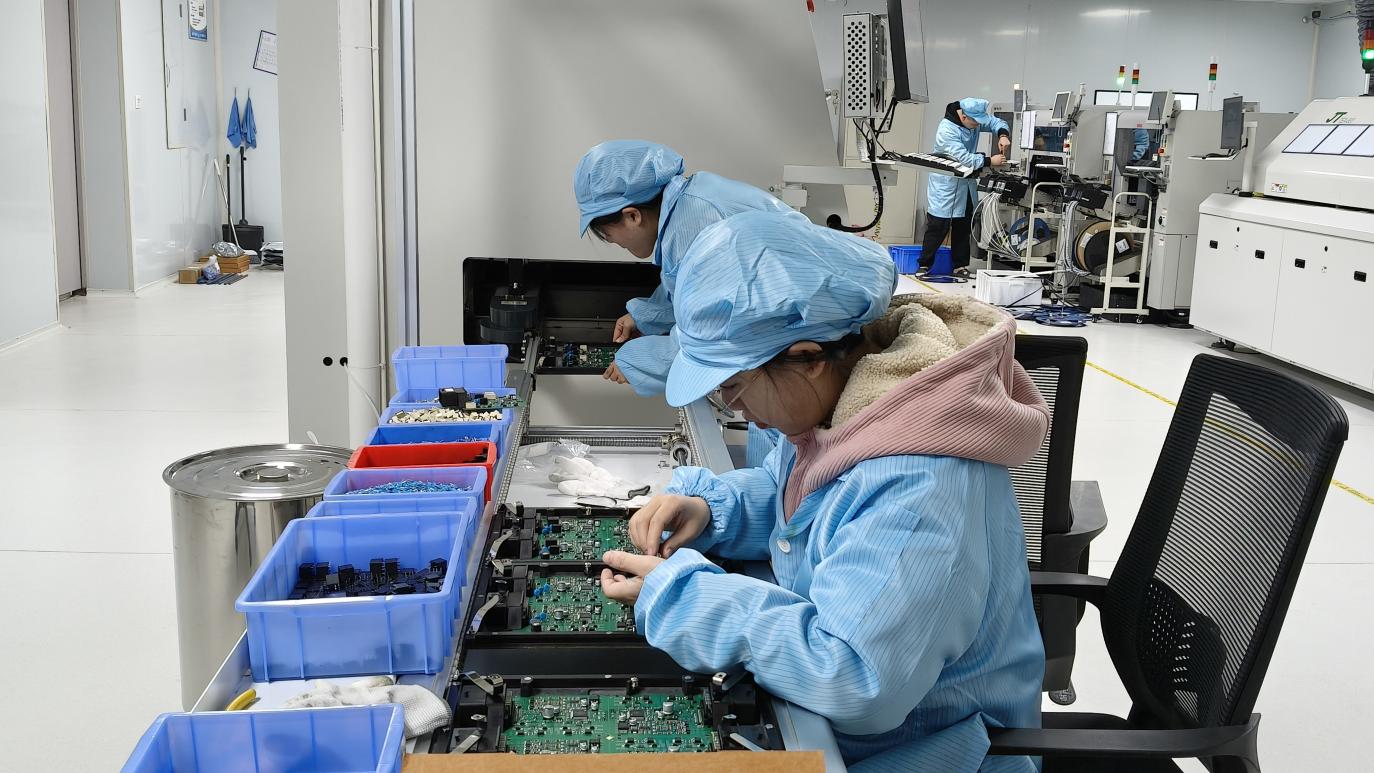
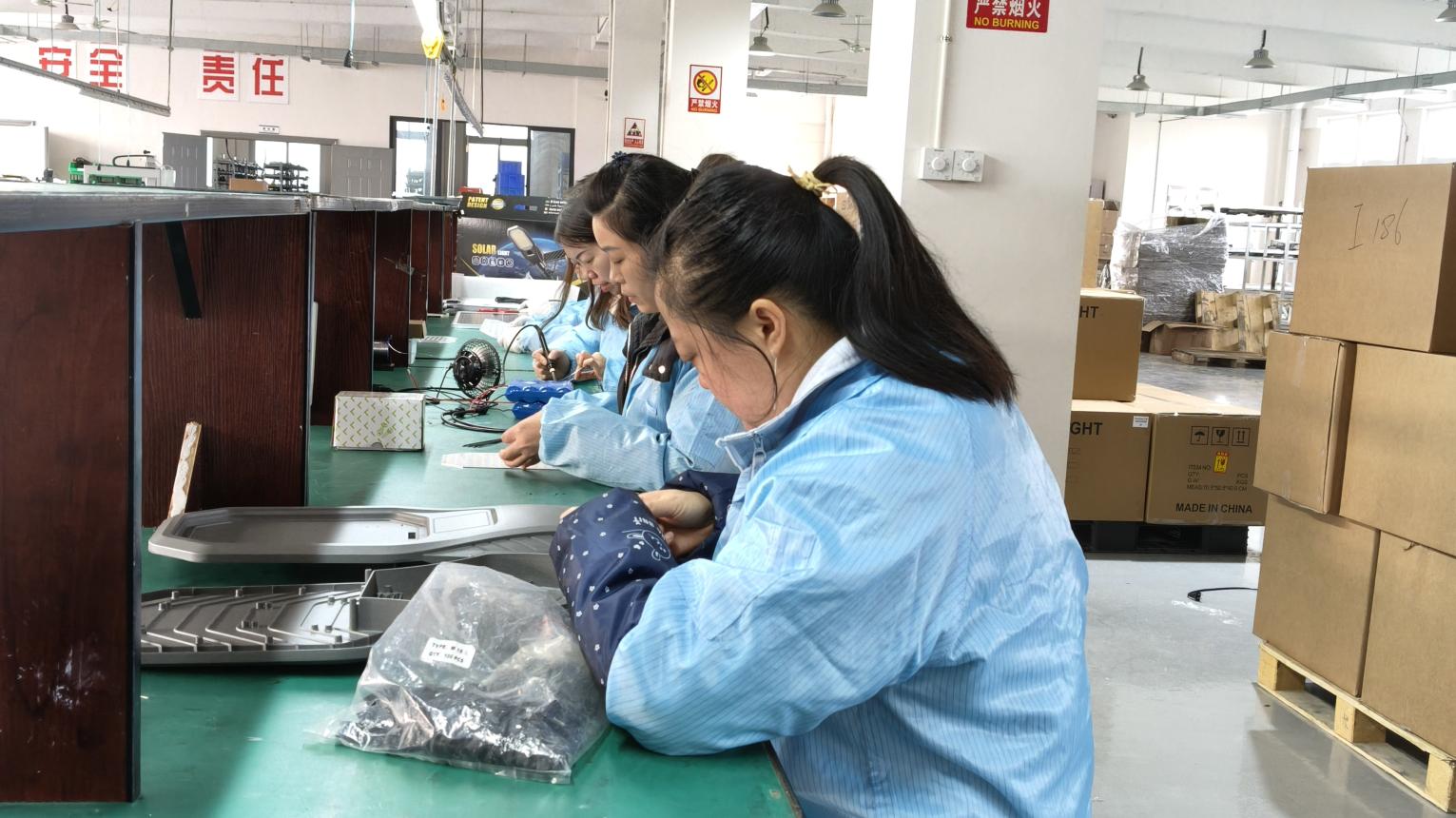
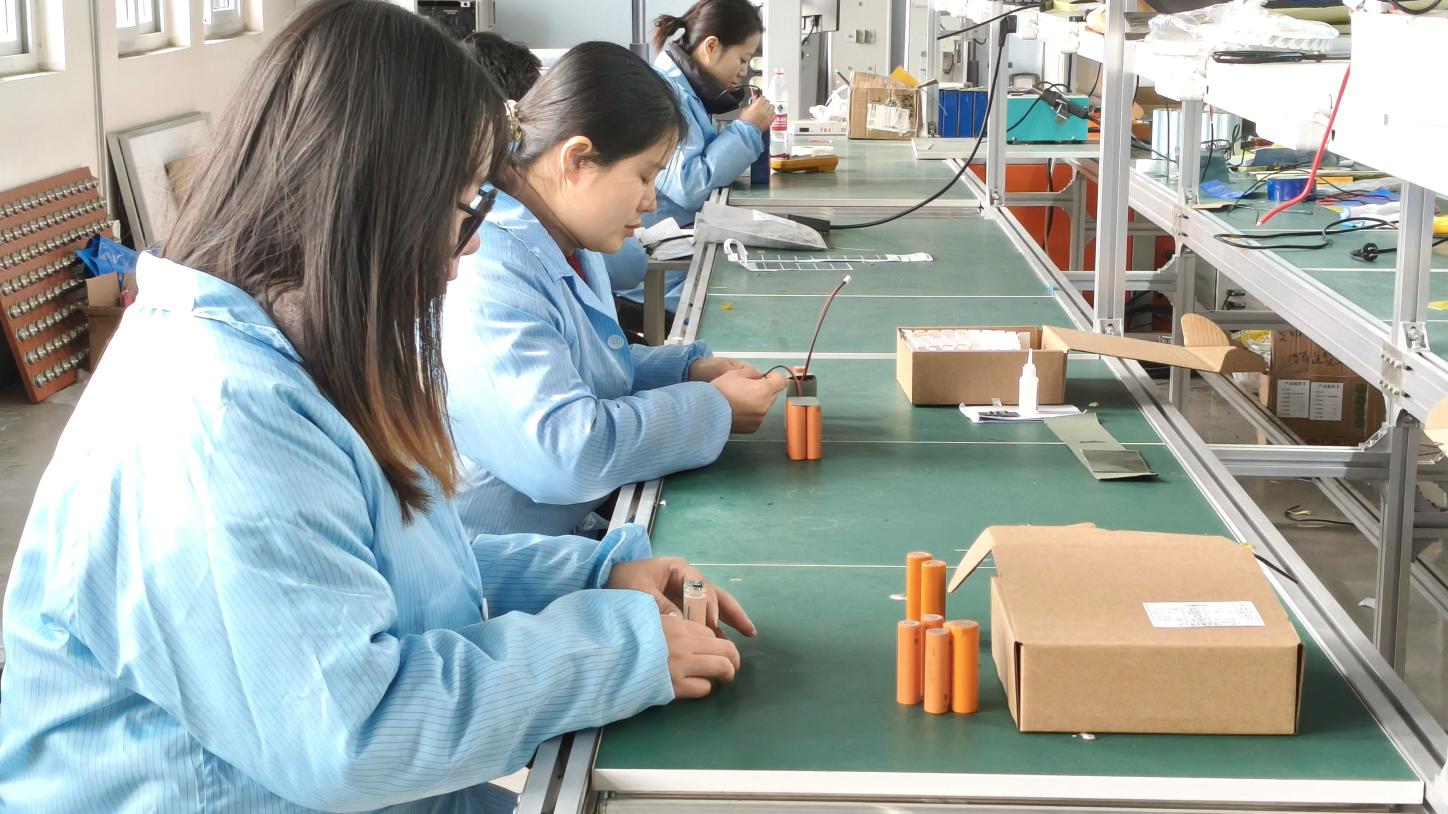
Yangzhou OneAll Lights Co., Ltd. is a professional manufacturer and exporter specializing in heavy-duty outdoor engineering and renewable energy solutions. Established in 2003 and located in Yangzhou, Jiangsu Province, China, we bring over 20 years of experience in the design, development, manufacturing, and global supply of high-performance municipal and industrial systems.
"Our core manufacturing philosophy centers on 'Quality First, Innovation, Integrity, and Customer Satisfaction.' By using advanced metal fabrication and automated polymer molding, we deliver robust systems designed for harsh outdoor environments."
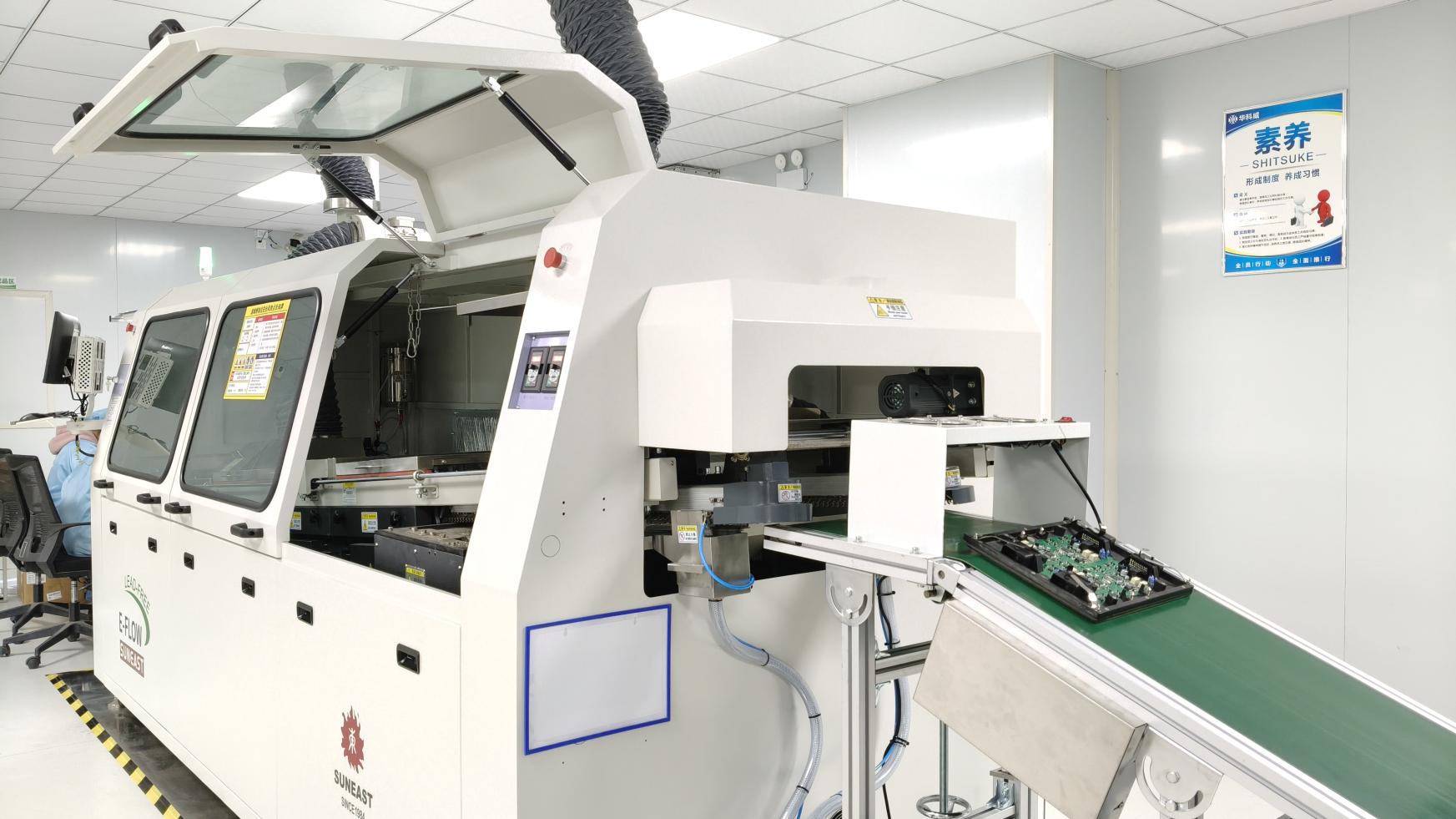
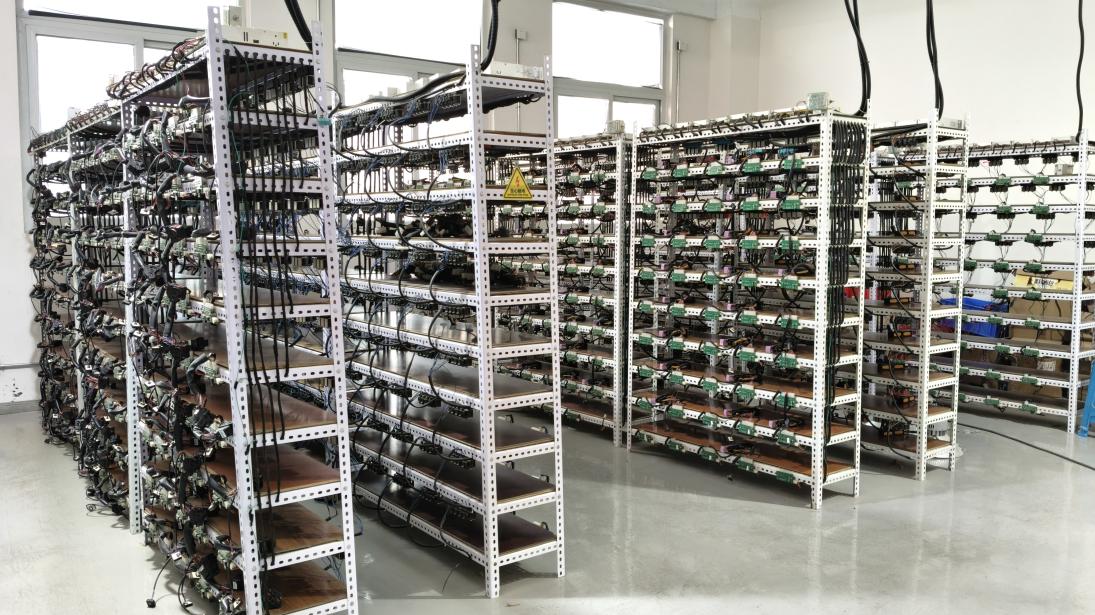
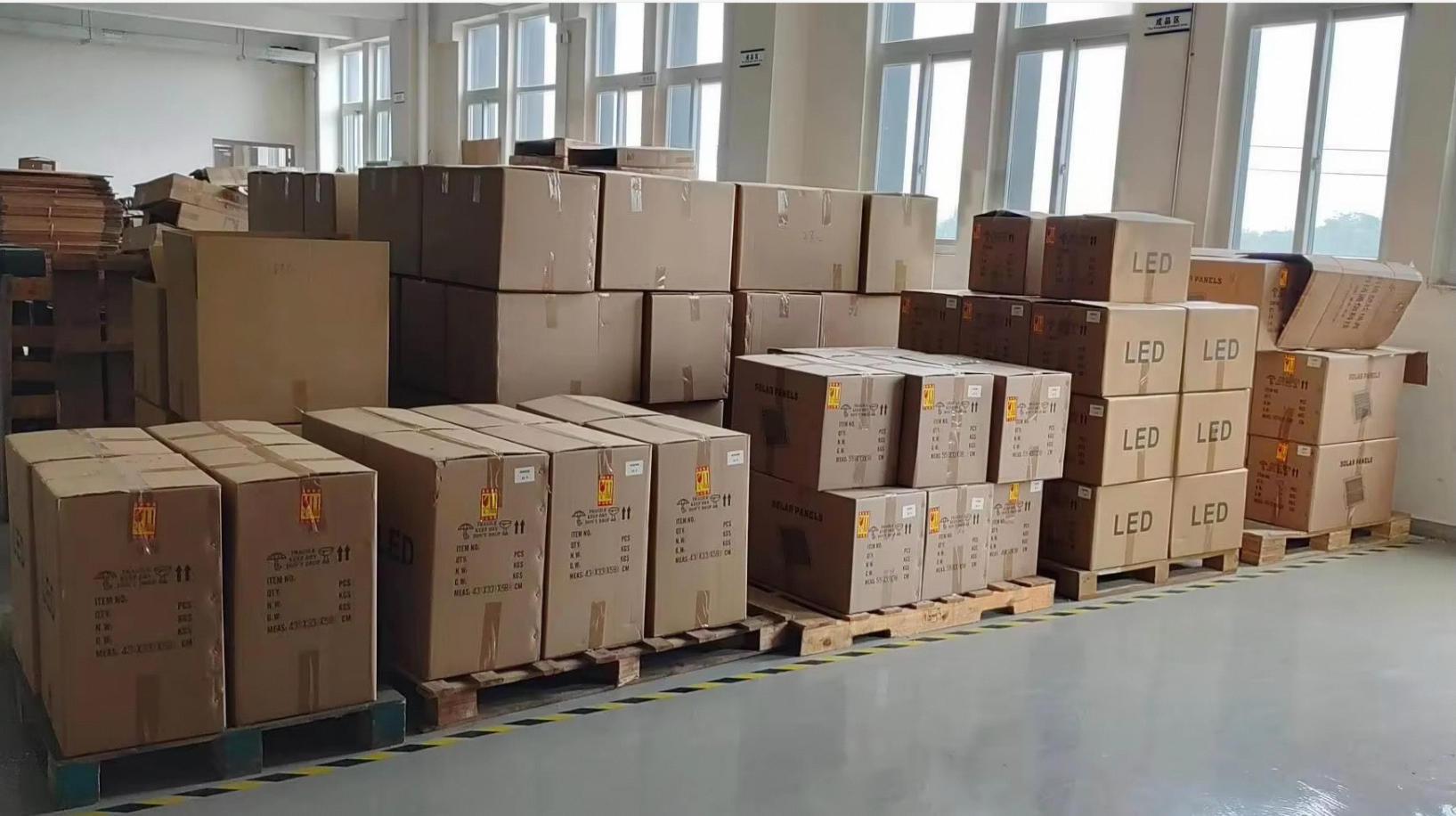
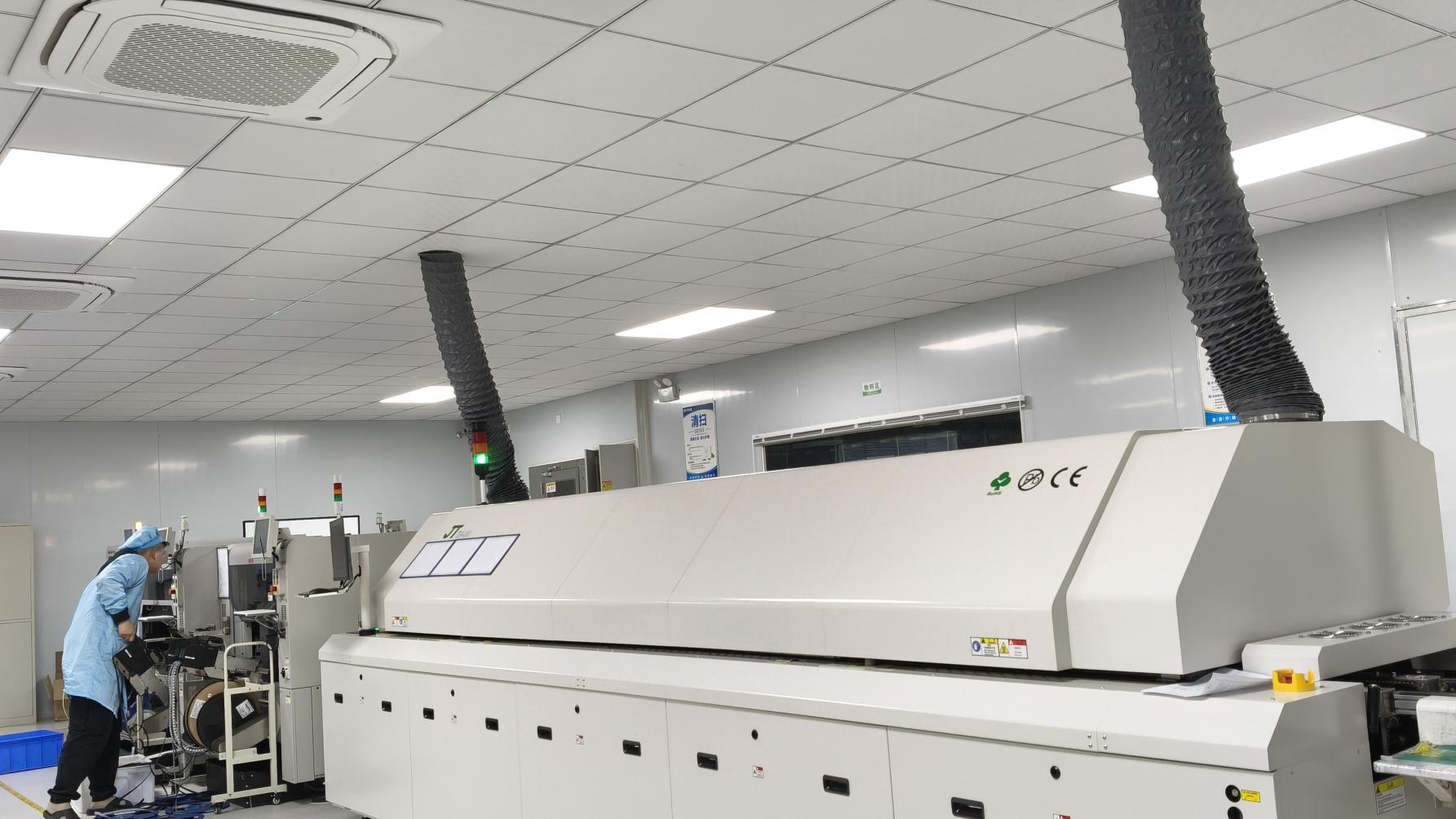
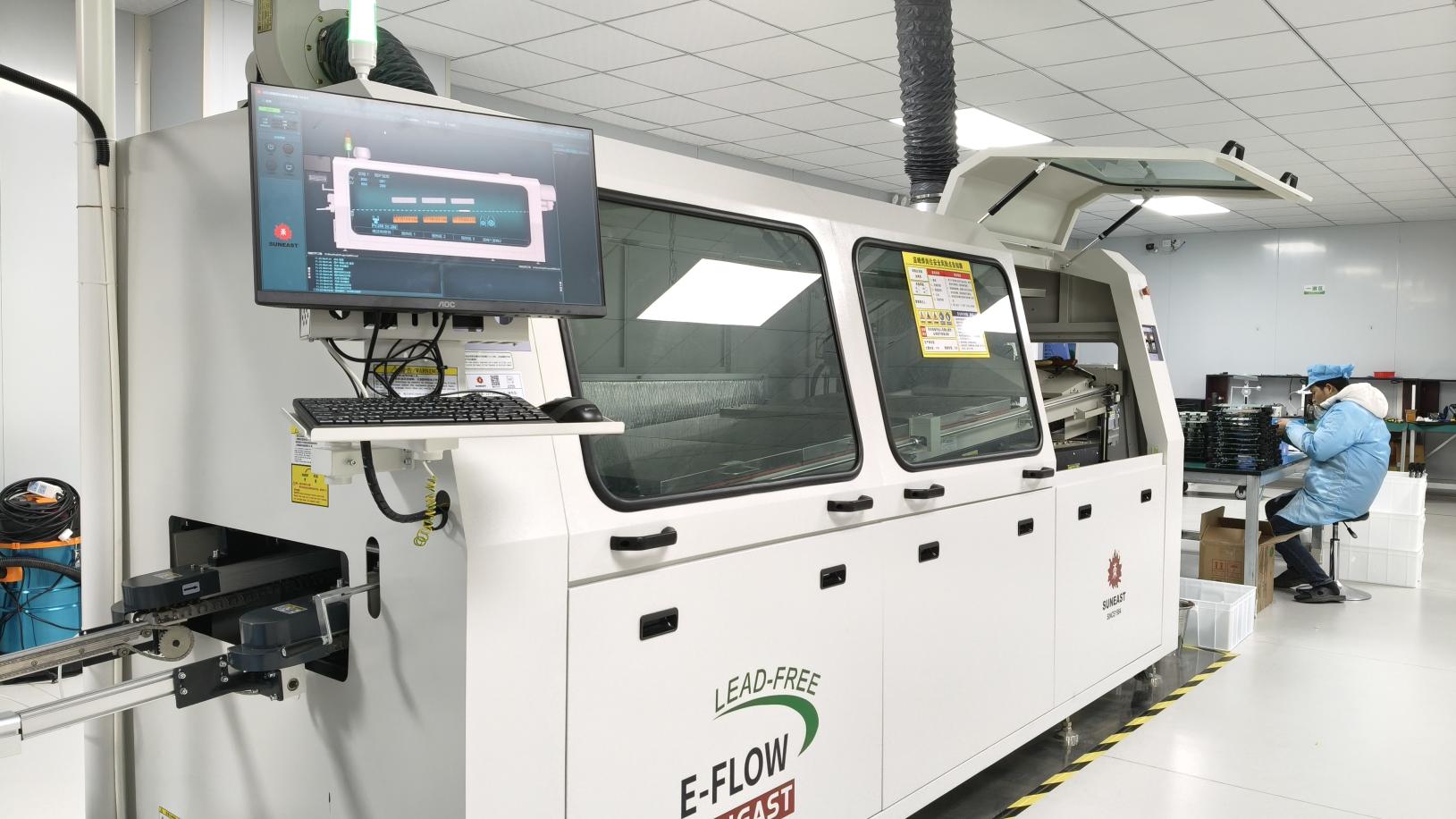
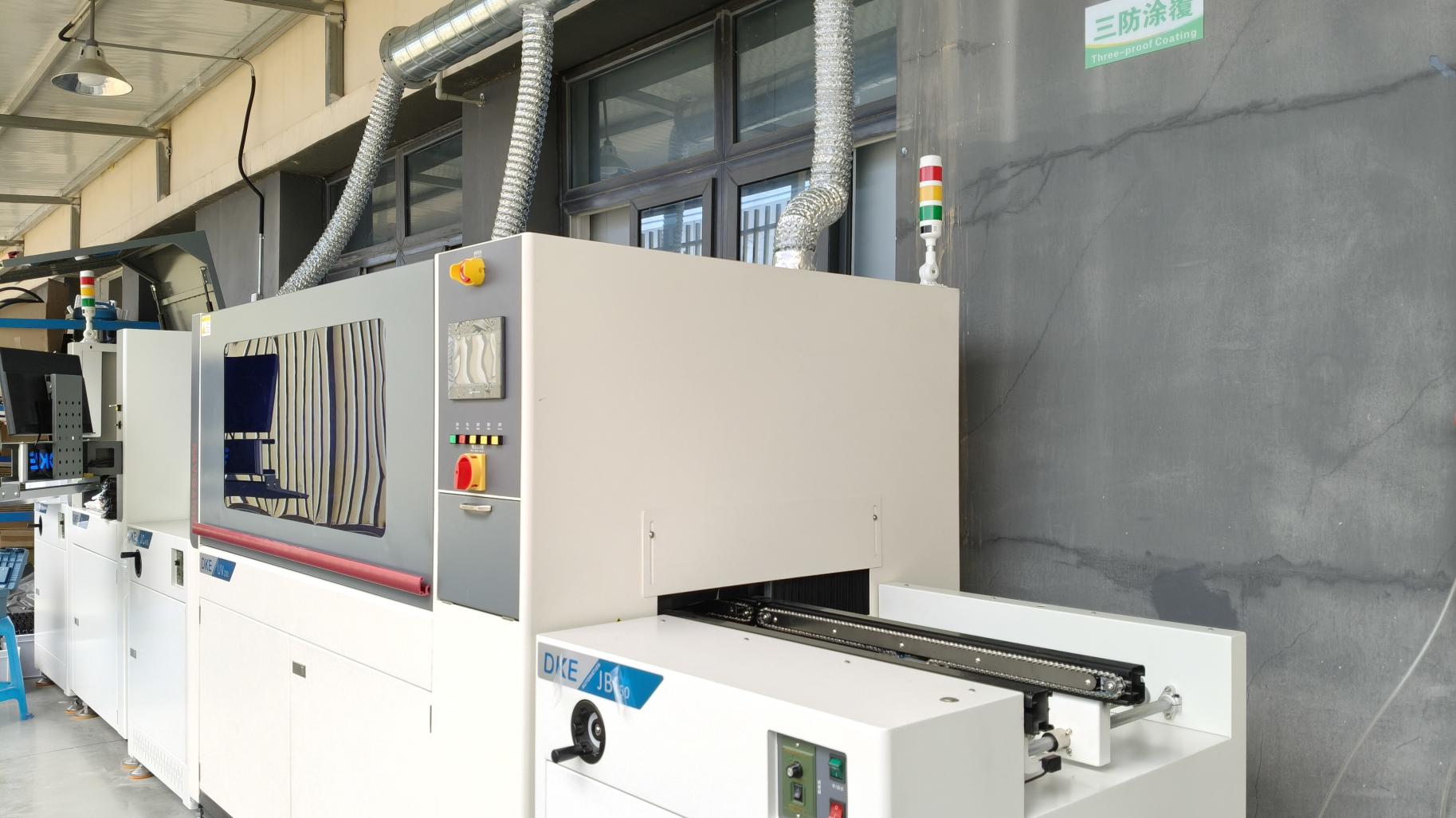
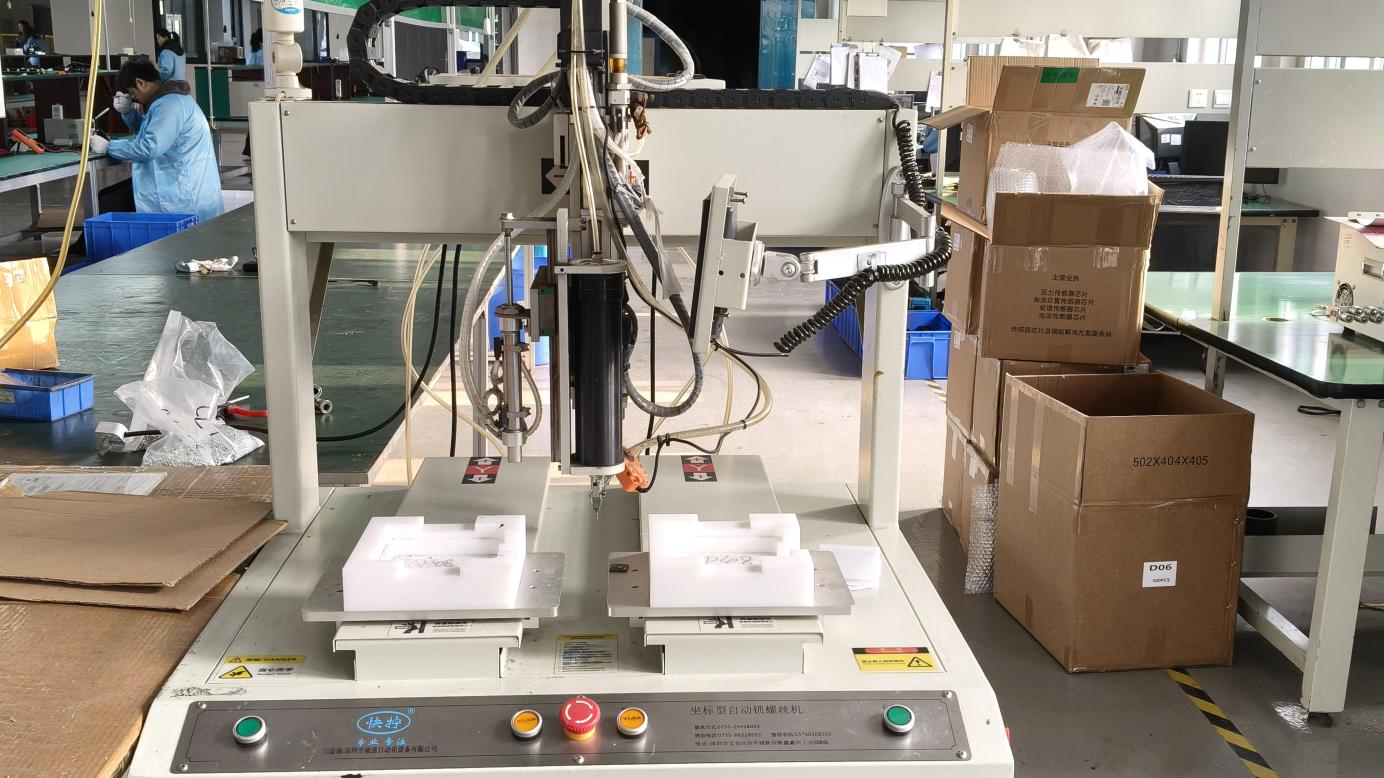
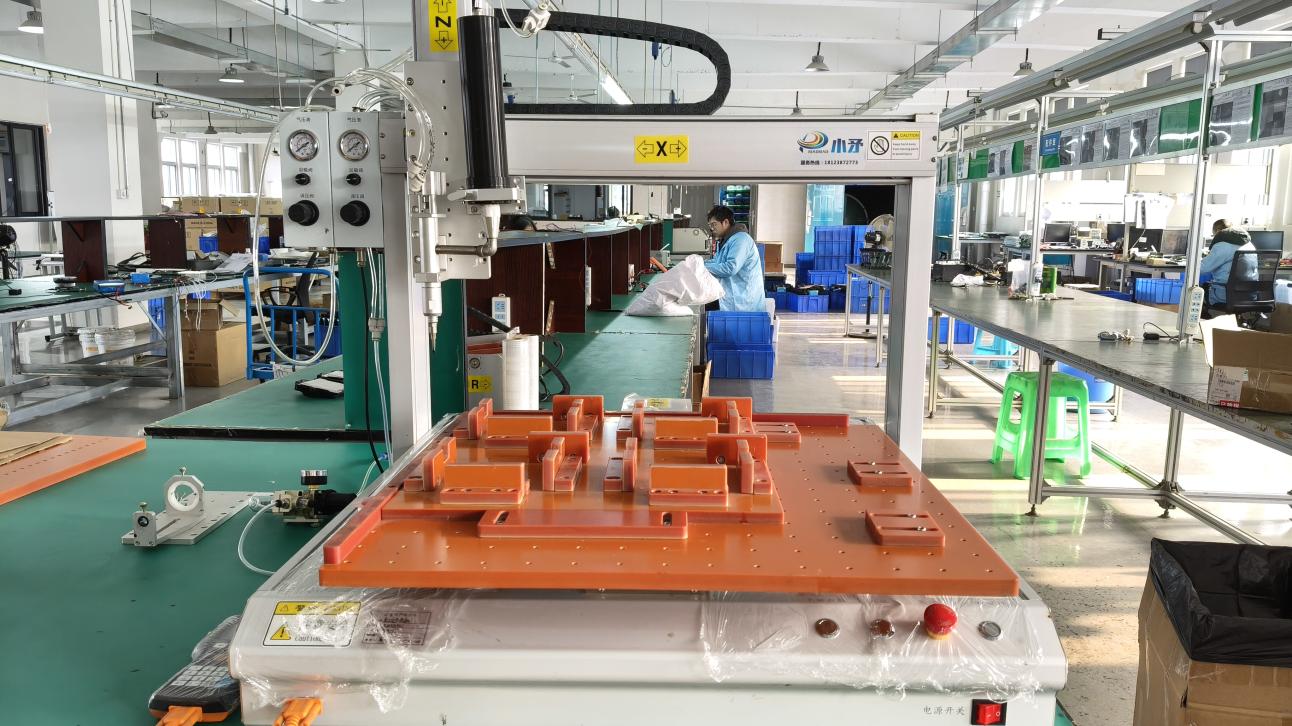
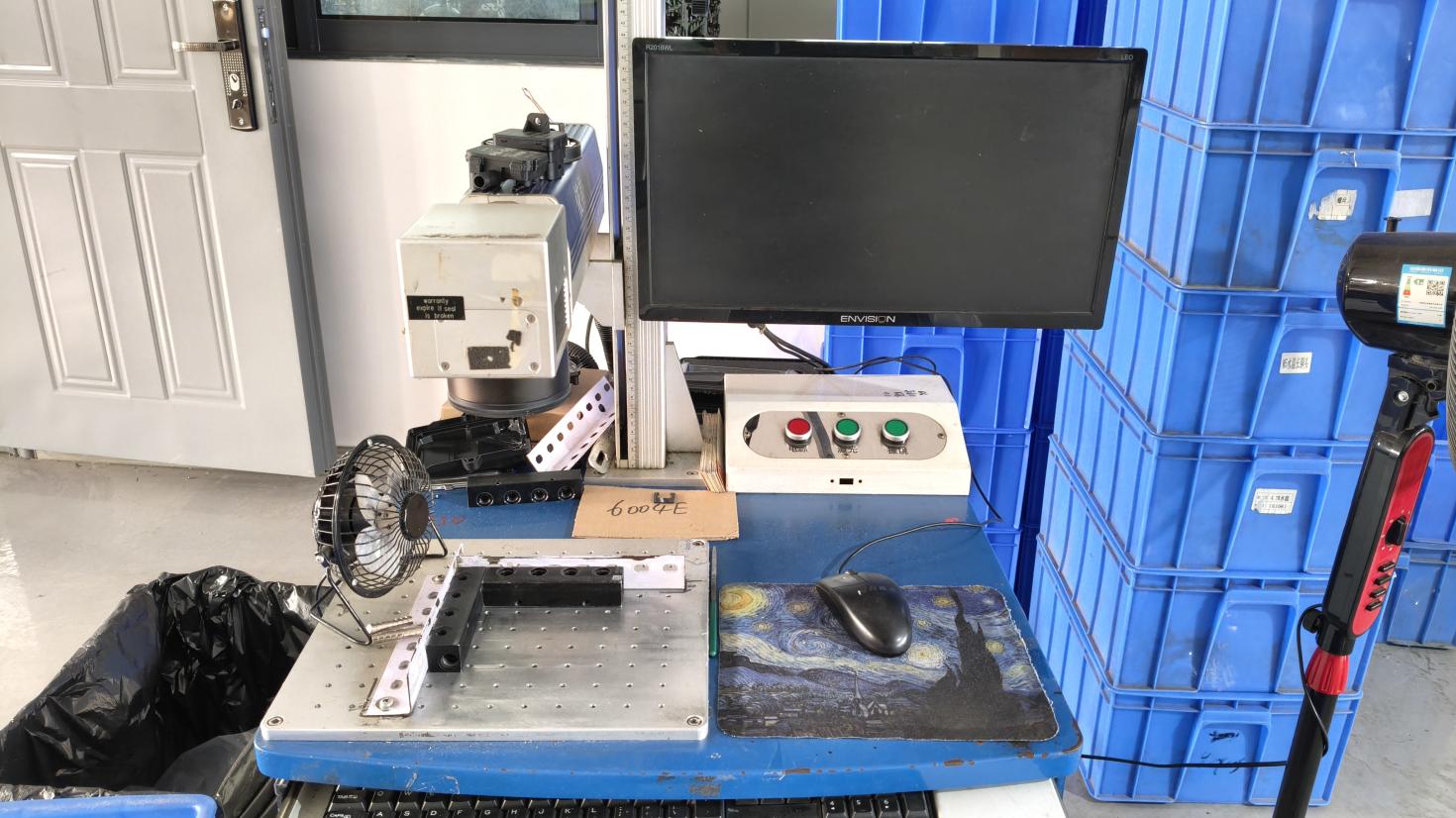
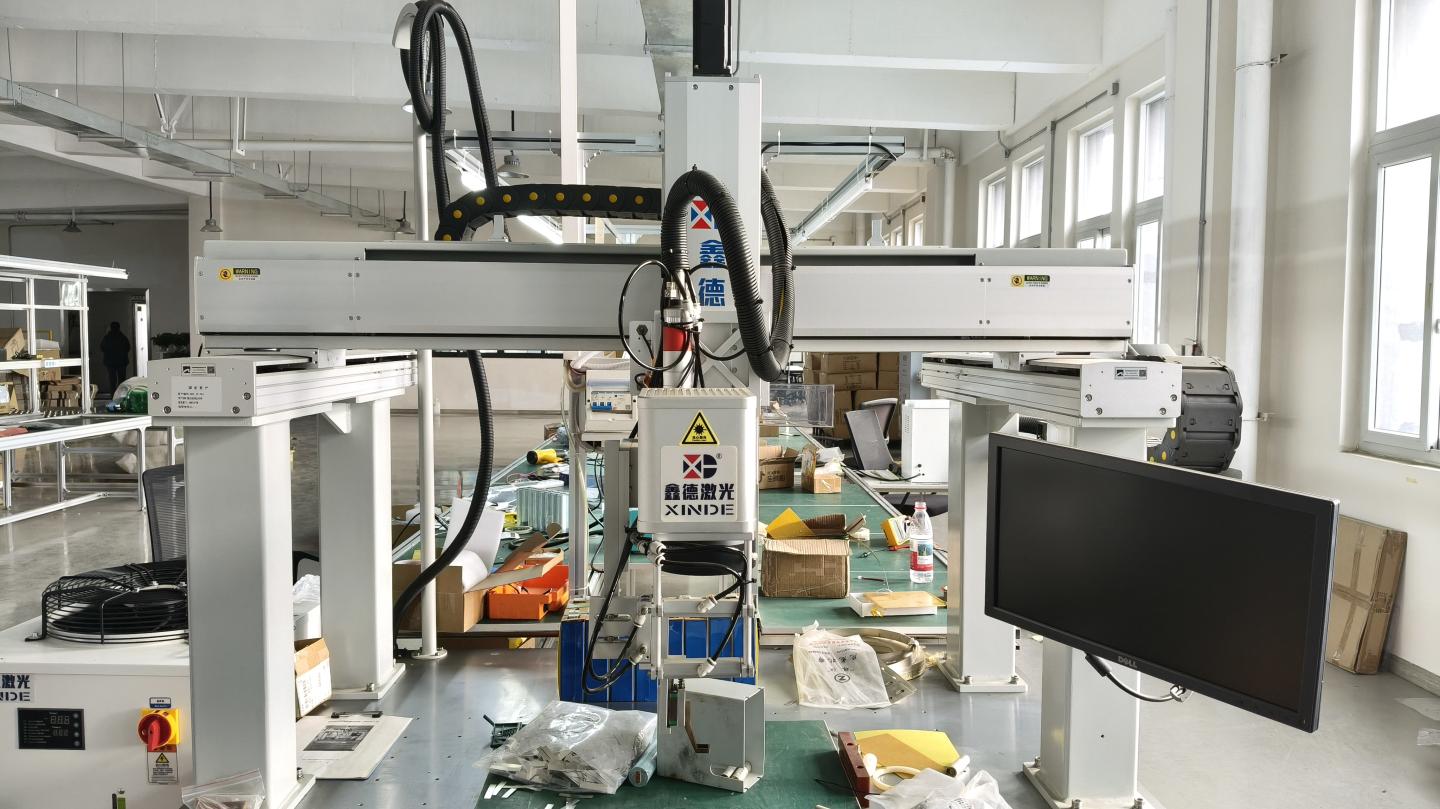
Our factory is equipped with modern production facilities, including CNC bending machines, automatic submerged arc welding systems, precision laser cutting equipment, electrostatic powder coating lines, fluorocarbon painting workshops, and advanced testing instruments. Supported by multiple automated production lines and an experienced technical team, we provide reliable, high-capacity manufacturing for major international projects.
Our facility holds ISO9001 Quality Management System Certification, ISO14001 Environmental Management System Certification, alongside CCC, CQC, and CE certifications. This systematic quality control ensures every structure, manifold, and bracket we produce offers excellent wind resistance, corrosion protection, and long service life.
Modern commercial pool projects rarely rely on a single energy source. High-occupancy facilities require multi-energy systems to guarantee stable temperatures regardless of weather conditions. Integrating solar pool heaters with secondary thermal sources provides a balanced solution.
In a typical multi-energy setup, CE Certified Solar Collectors serve as the primary source, handling 60% to 80% of the annual heating load. An air-source heat pump or gas boiler acts as the secondary system, activating only when solar irradiance drops below a defined threshold. The entire system is managed by an integrated Building Management System (BMS) controller. This controller monitors pool temperature, ambient temperature, and solar collector output, adjusting flow rates to maximize solar energy use and reduce utility costs.
Additionally, matching solar thermal collectors with photovoltaic (PV) arrays creates a highly efficient site configuration. The PV system powers the circulation pumps, while the solar collectors provide direct water heating. This setup allows the pool heating loop to operate off-grid during daytime hours, lowering peak demand charges for commercial facilities.
The solar thermal industry is evolving, driven by material science and smart automation. Key technical developments shaping the future of solar pool heating include:
 OneAll Lights