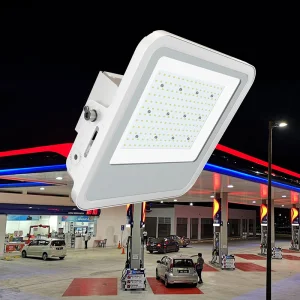
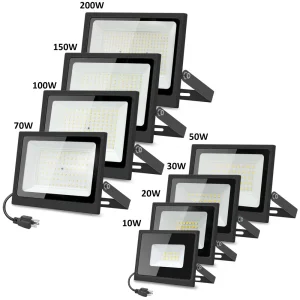
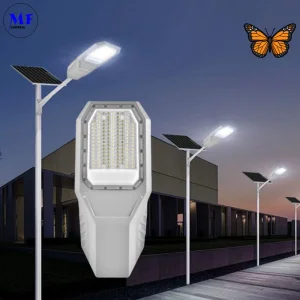
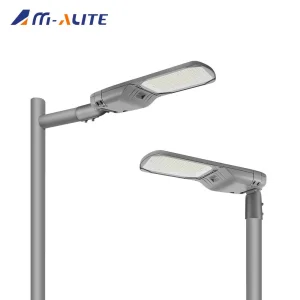
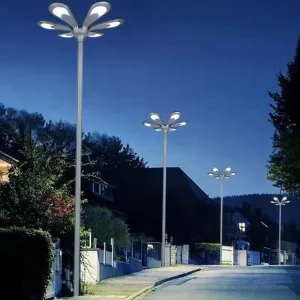
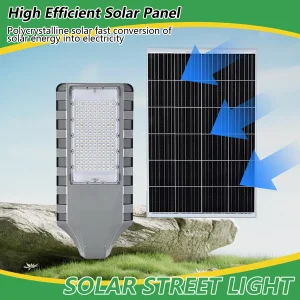
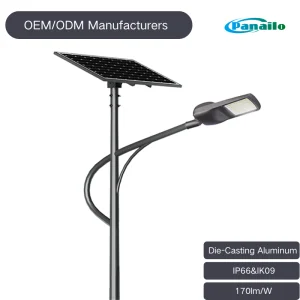
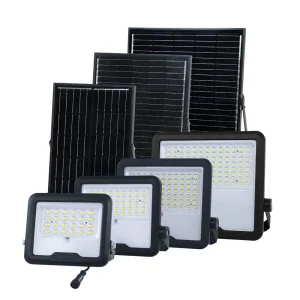
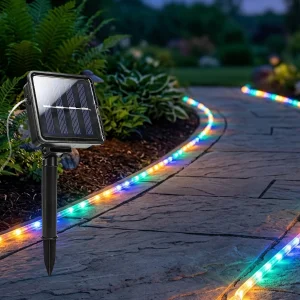
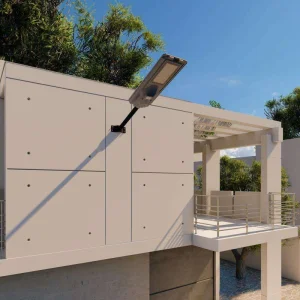
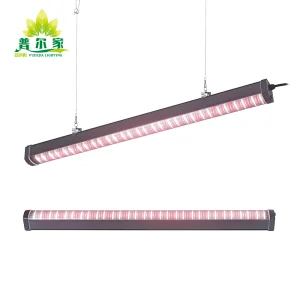
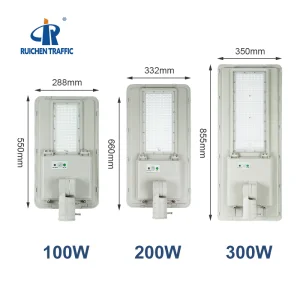
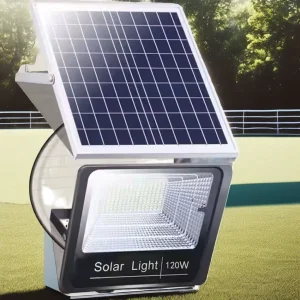
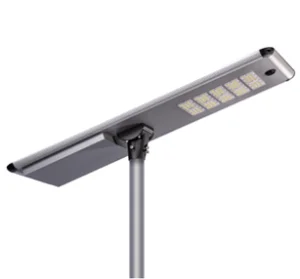
Explore our top-tier CE-certified solar power systems, high-efficiency canopy lights, and split/integrated solar street luminaires engineered for structural durability.
Modern decarbonization demands a holistic engineering approach. Municipalities, commercial real estate complexes, and industrial parks are transitioning from single-tier power structures to integrated, hybrid systems. Solar Thermal Systems, which capture solar radiation to generate thermal energy for domestic water, space heating, or industrial processes, represent a cornerstone of this movement. By merging high-efficiency thermal design with cutting-edge photovoltaic technology and smart LED networks, system engineers can extract maximum environmental value from every square meter of solar exposure.
This integration is not simply about mounting solar collectors; it is a meticulously calculated system balance. High-performance monocrystalline silicon panels feed advanced LiFePO4 battery banks to drive street lighting grids, while thermal collectors offset massive grid loads in processing facilities. To guarantee reliability, every component must stand up to rigorous compliance audits, making verified CE certification the absolute baseline for global deployment.
Merging PV systems with solar thermal setups reduces localized panel temperatures, boosting solar conversion efficiency by up to 15% in high-heat climates.
Implementing centralized thermal heat grids combined with LED infrastructures achieves up to 70% energy savings compared to conventional grid setups.
Yangzhou OneAll Lights Co., Ltd. represents over two decades of engineering authority in high-performance solar components, structural light poles, and industrial luminaires.
Yangzhou OneAll Lights Co., Ltd. is a professional manufacturer and exporter specializing in outdoor lighting and clean energy solutions. Established in 2003 and located in Yangzhou, Jiangsu Province, China—the global epicenter of lighting manufacturing—we possess over 20 years of experience in the design, development, manufacturing, and supply of high-quality systems for customers around the world.
With continuous investment in advanced manufacturing technology, our facility has evolved into an Industry 4.0 benchmark. The factory is equipped with modern production machinery, including heavy CNC bending machines, automatic submerged arc welding systems, high-precision laser cutting equipment, electrostatic powder coating lines, fluorocarbon painting workshops, and optical testing instruments. Supported by multiple automated production lines and a highly specialized technical team, we provide efficient production, stable quality, and reliable delivery for projects of all sizes.
Our commitment to rigorous international standards is backed by formal accreditations. The company has obtained ISO9001 Quality Management System Certification, ISO14001 Environmental Management System Certification, CCC, CQC, and comprehensive CE certification. Every production phase is executed under strict quality control protocols to ensure excellent performance, durability, and a long operational lifespan.
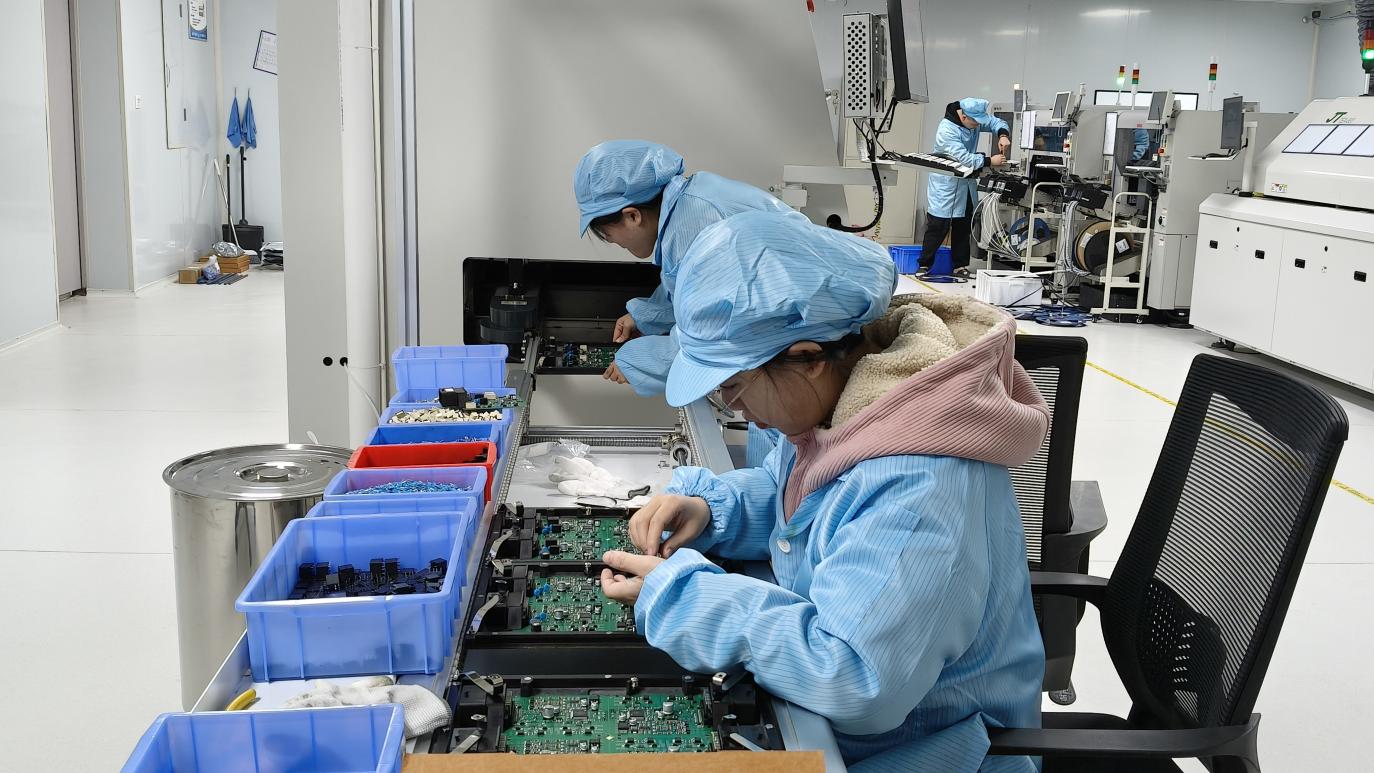
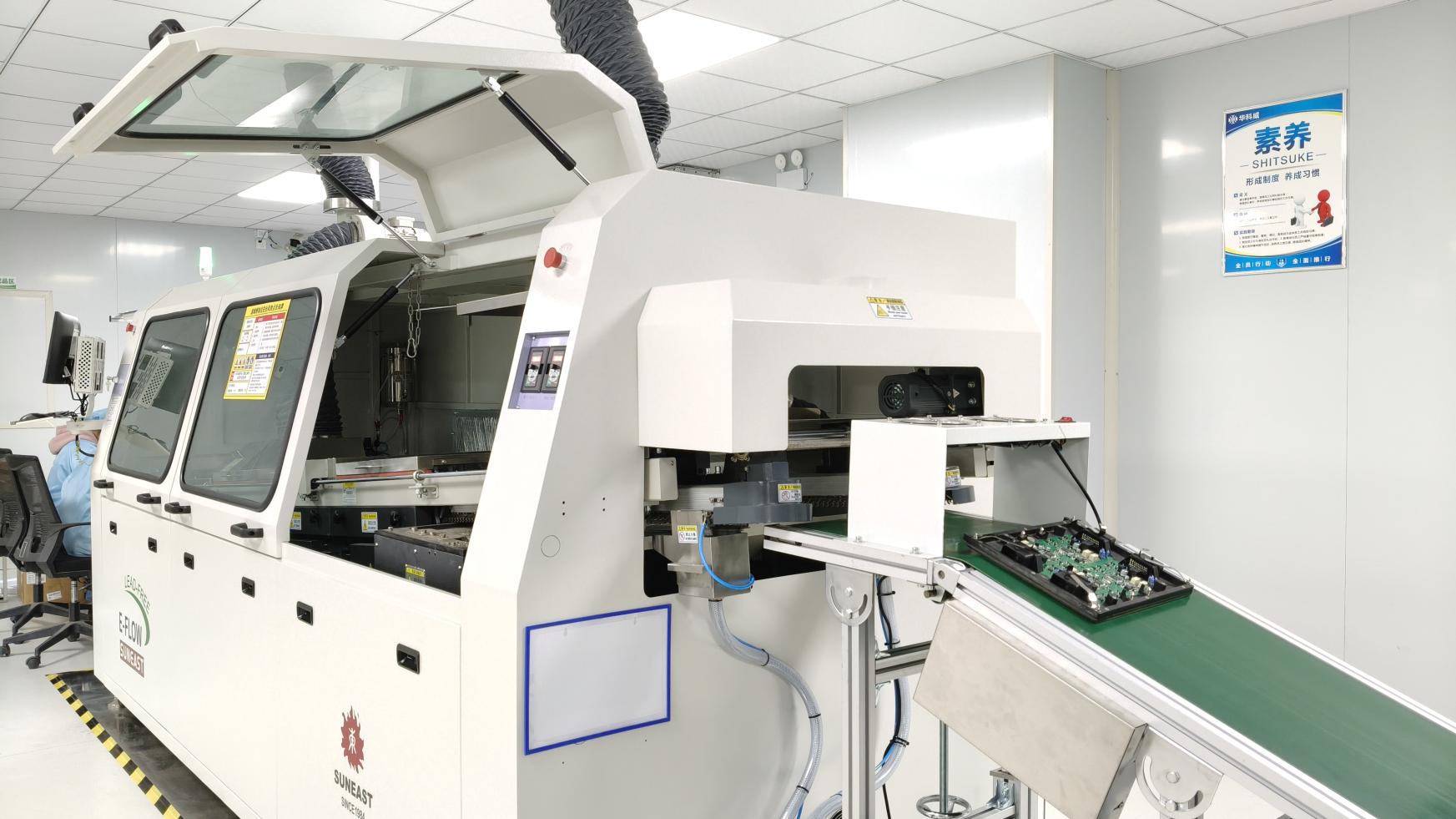
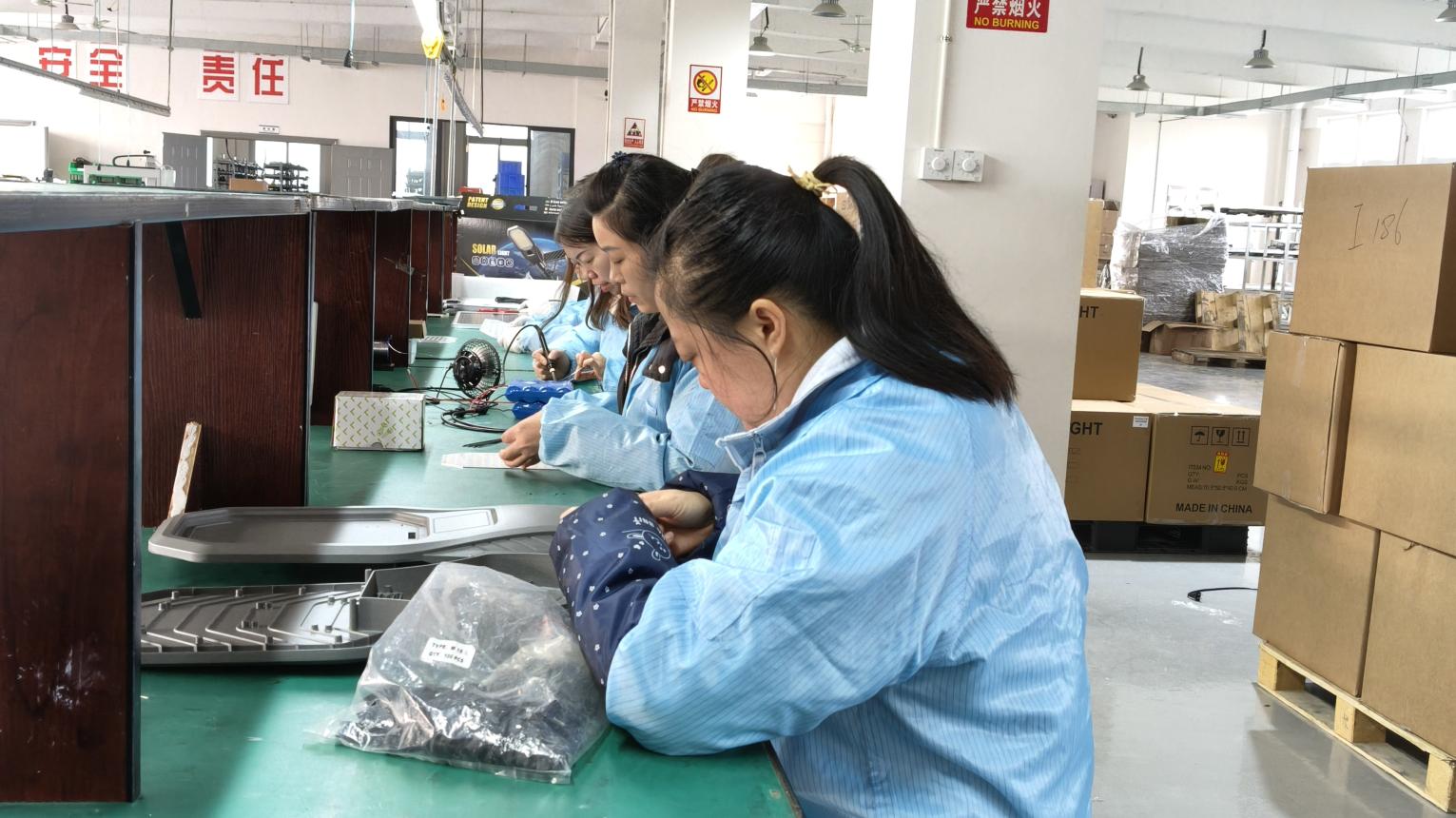
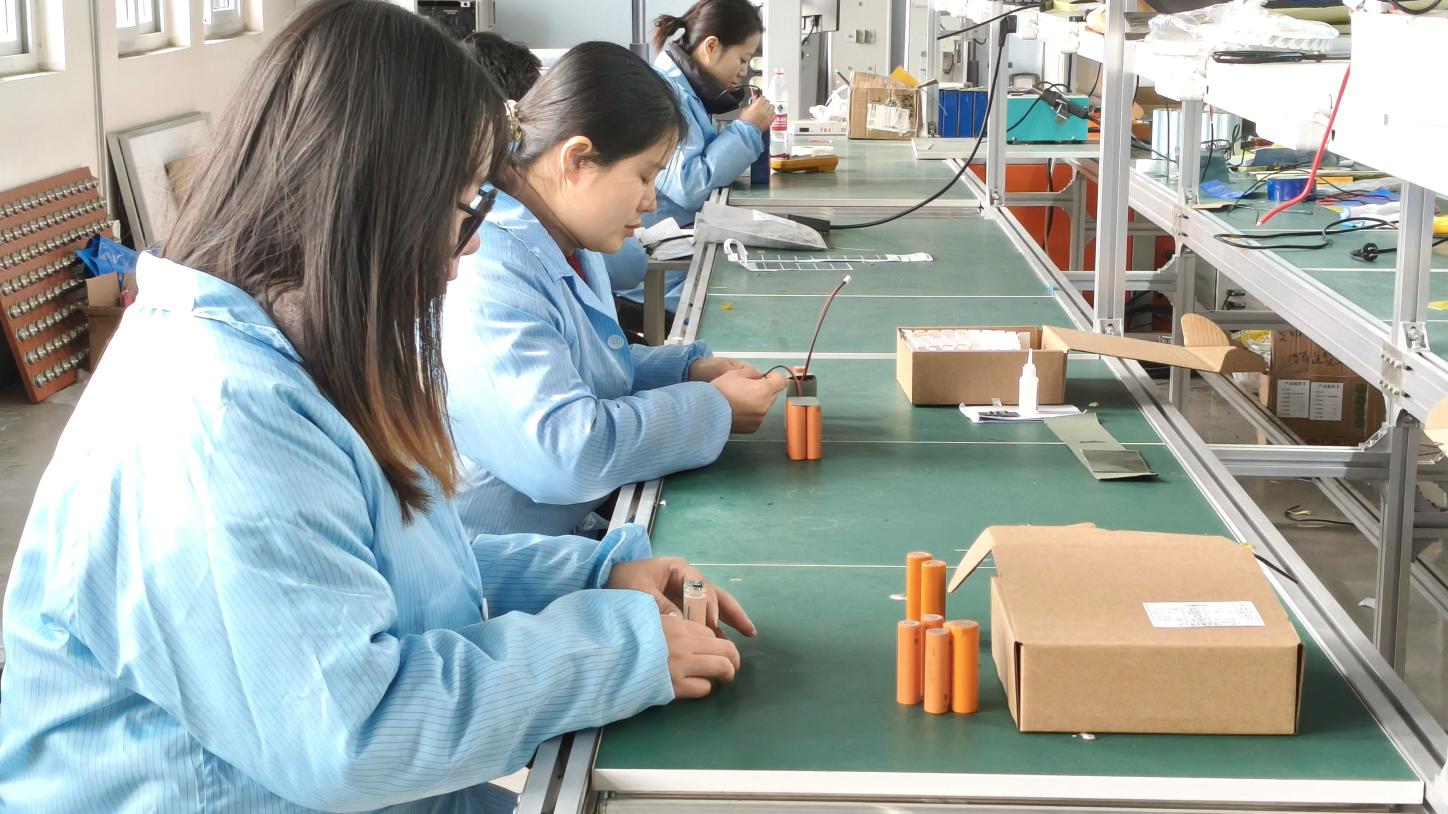
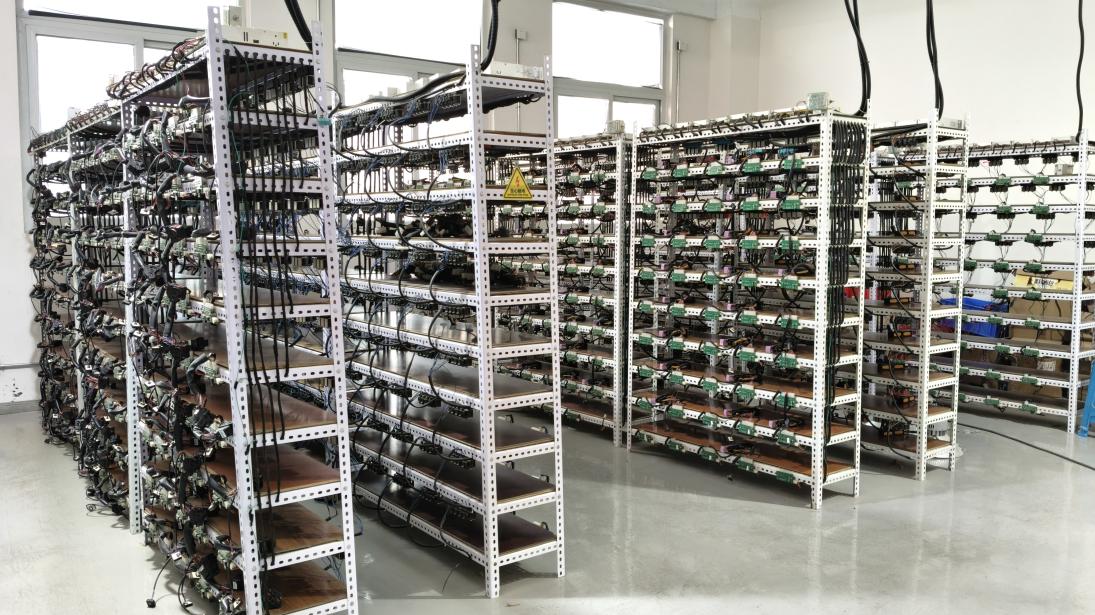
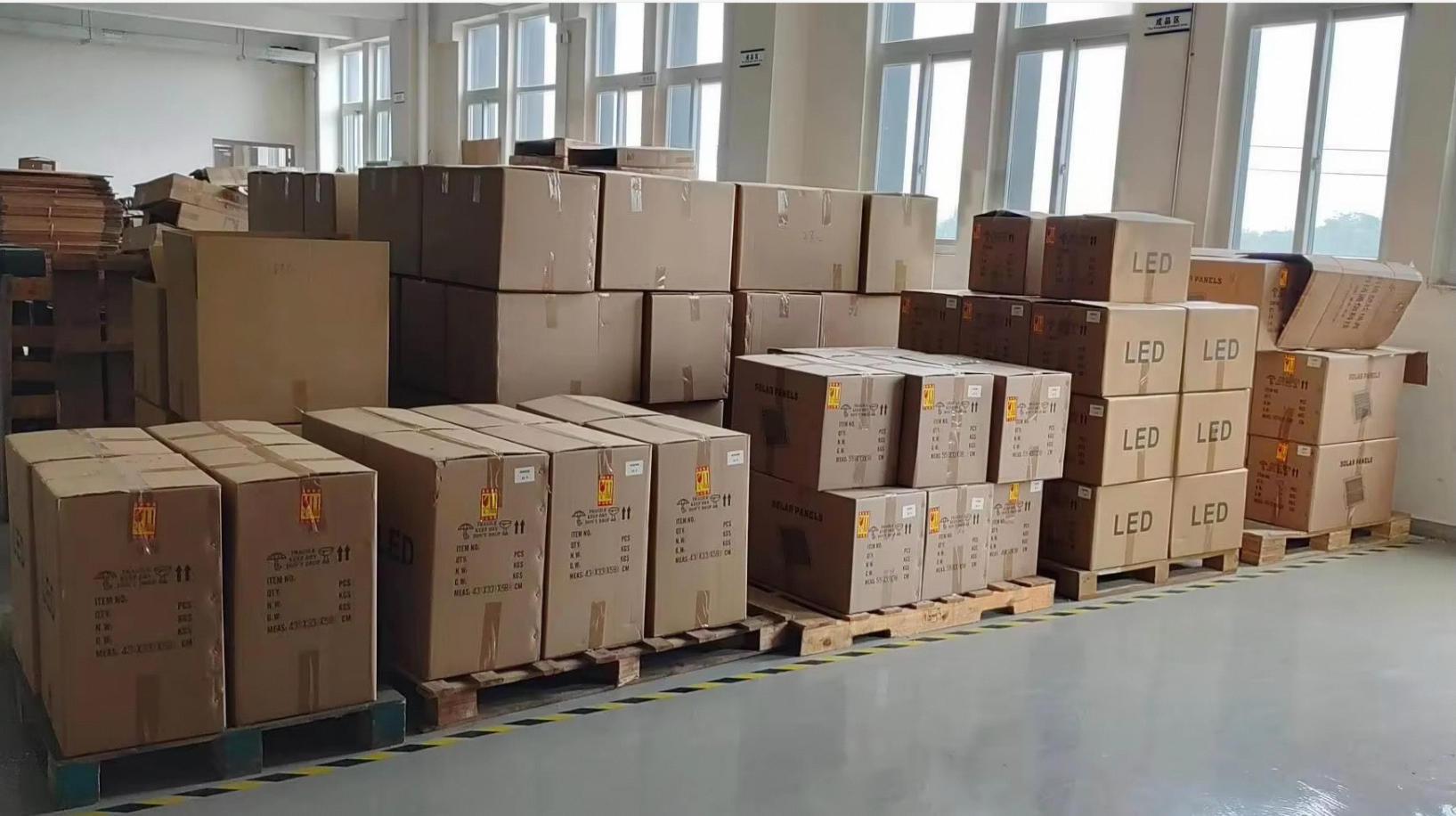
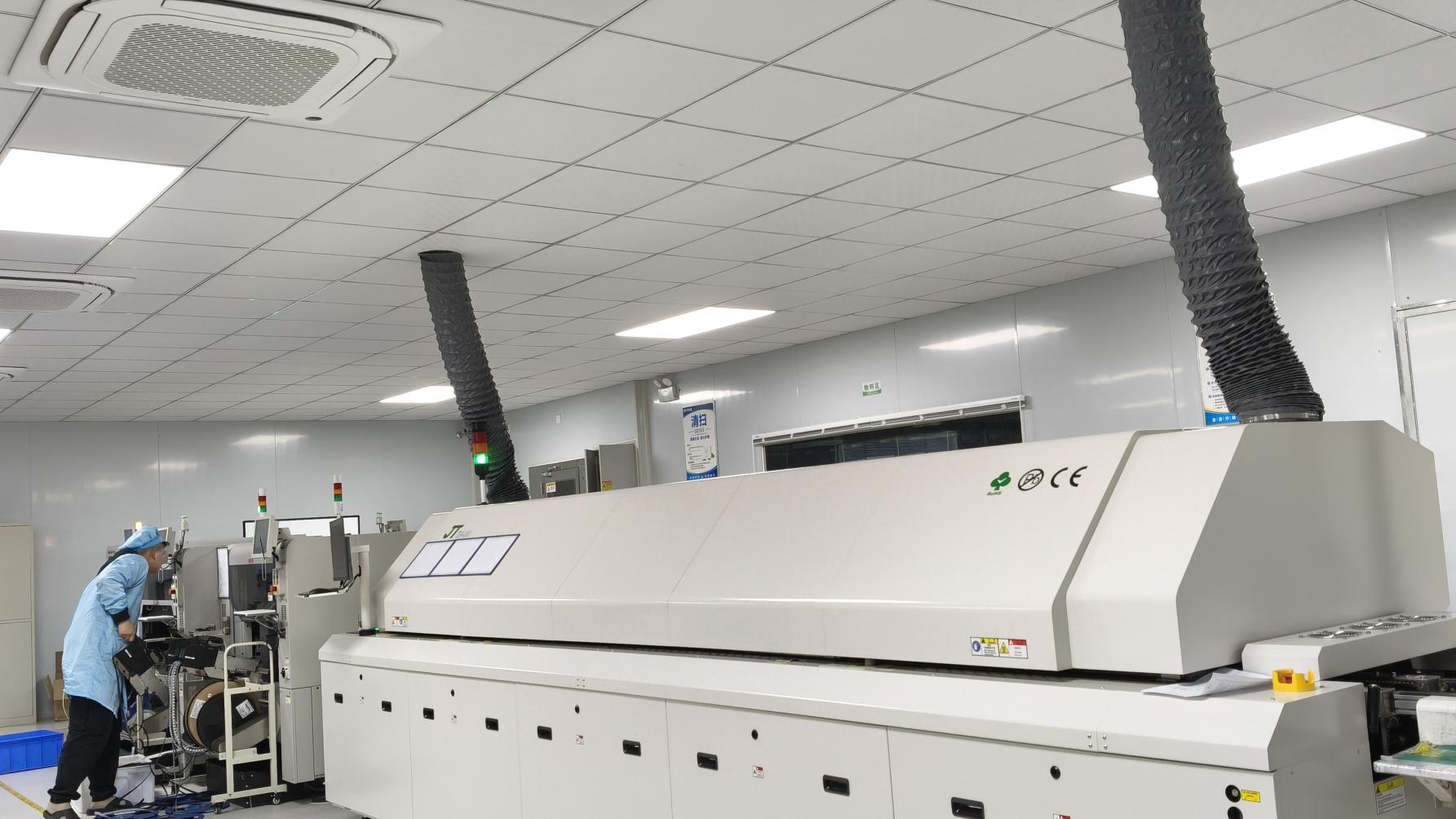
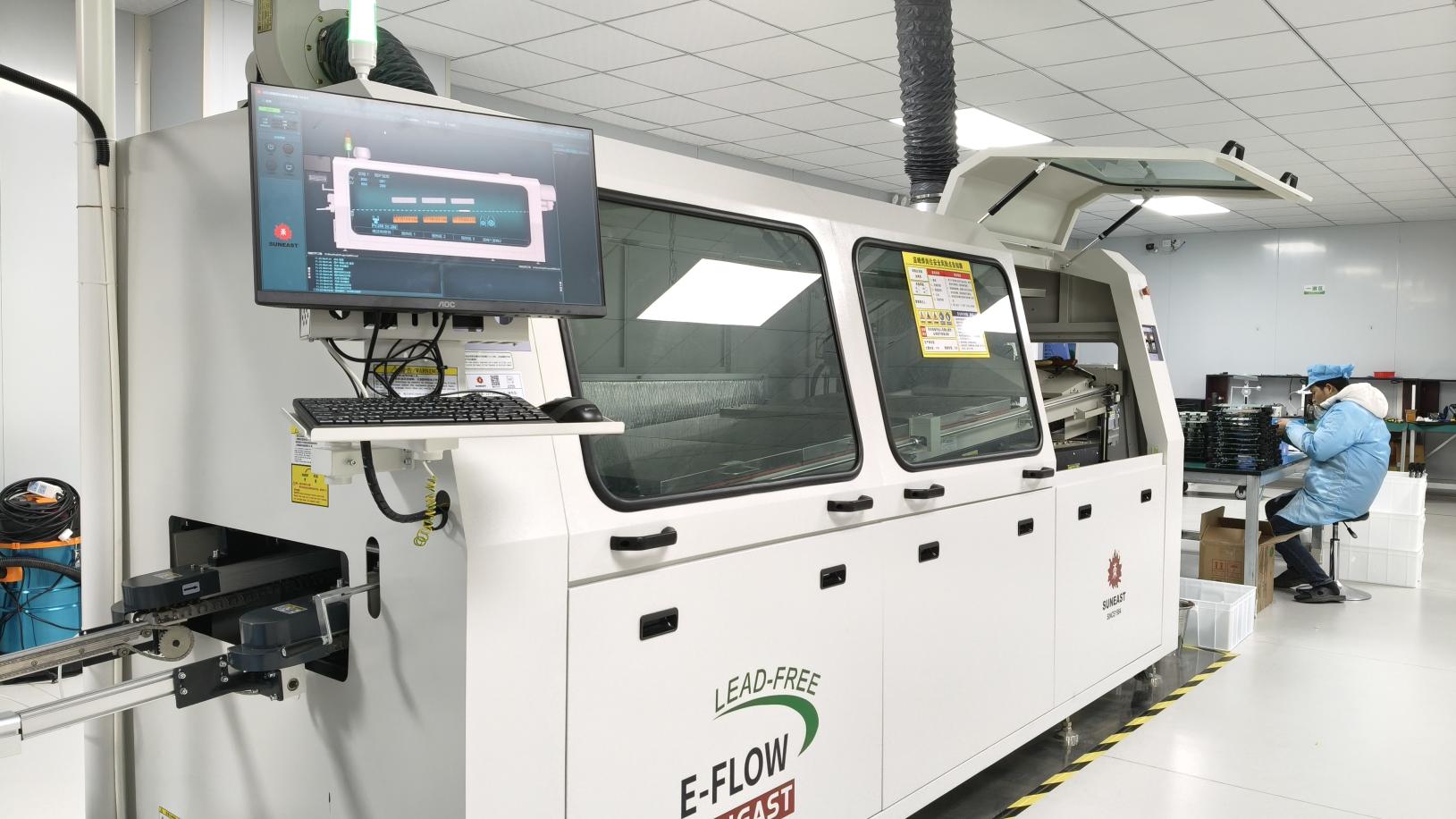
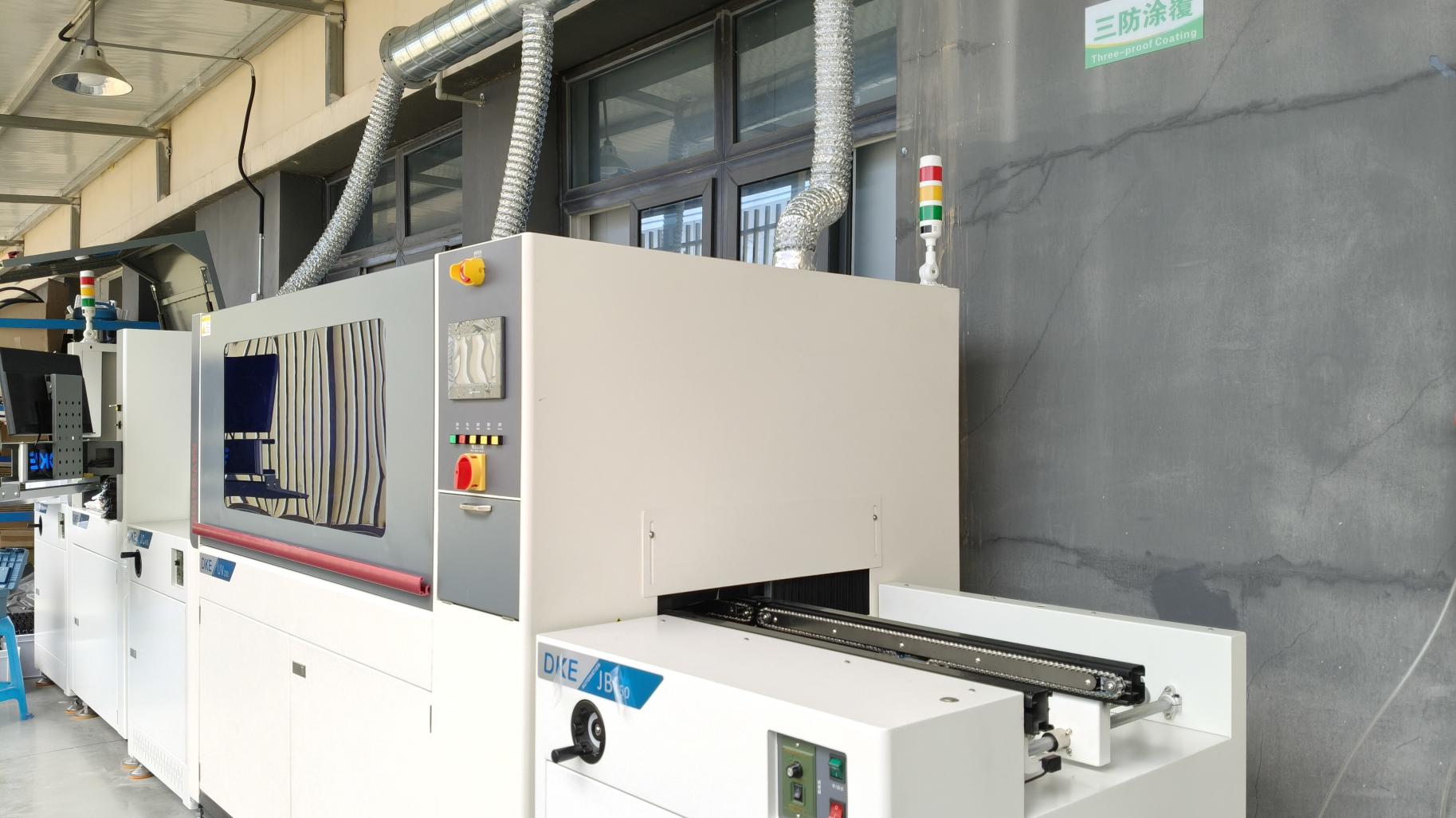
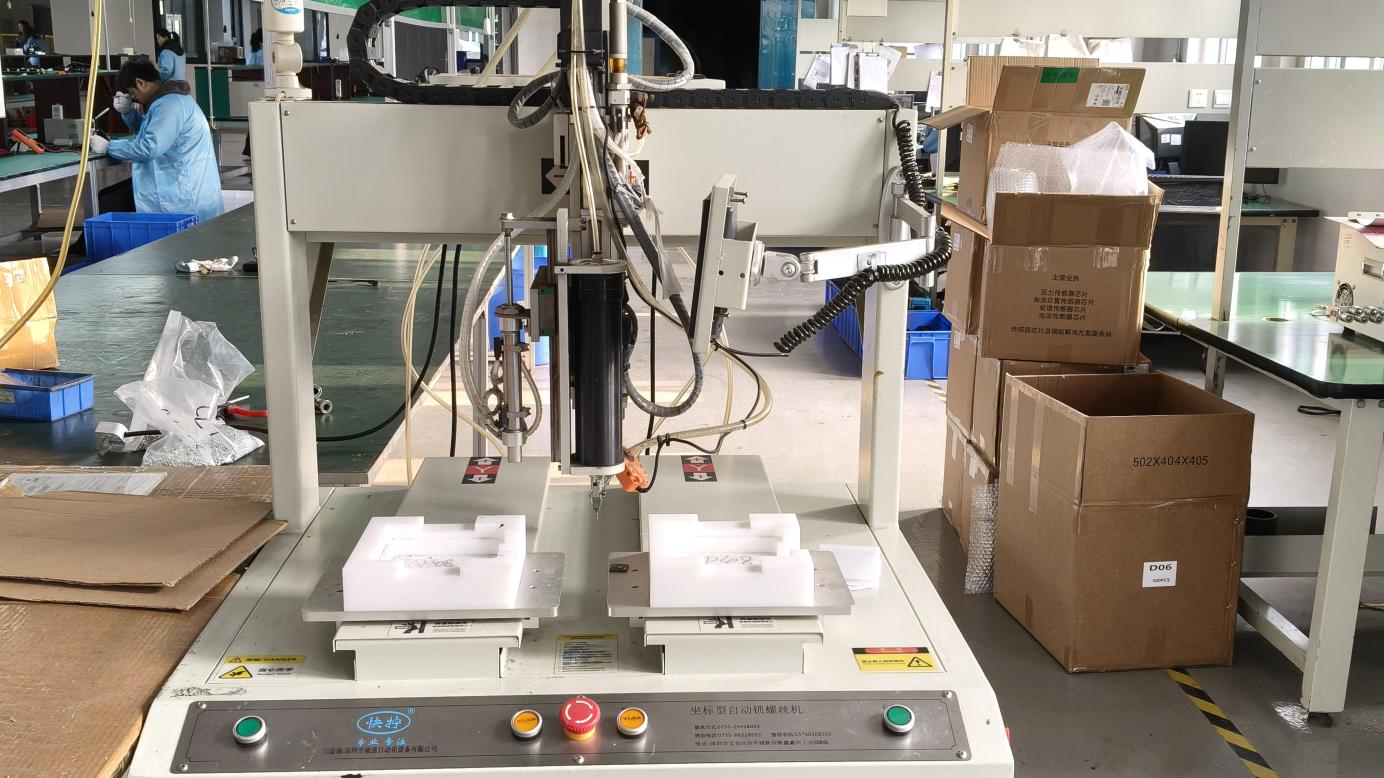
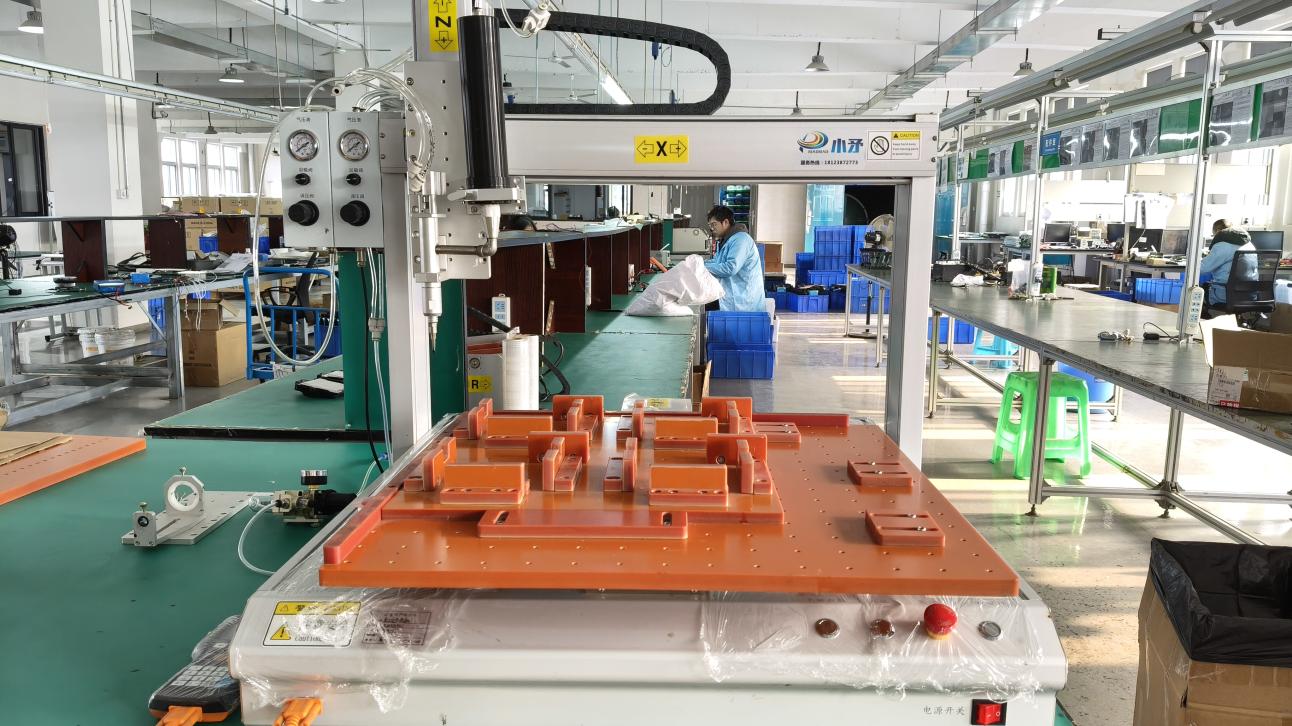
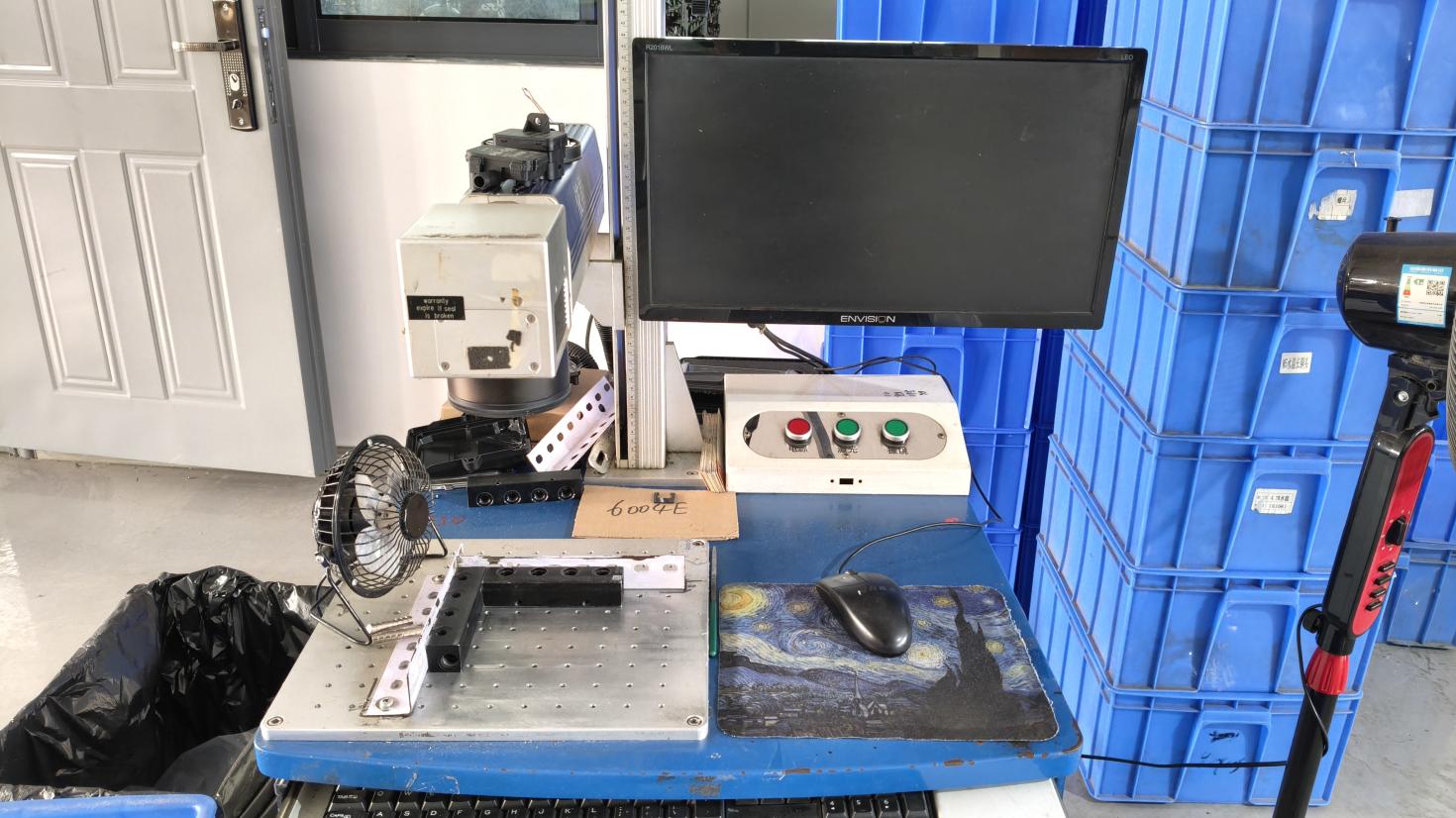
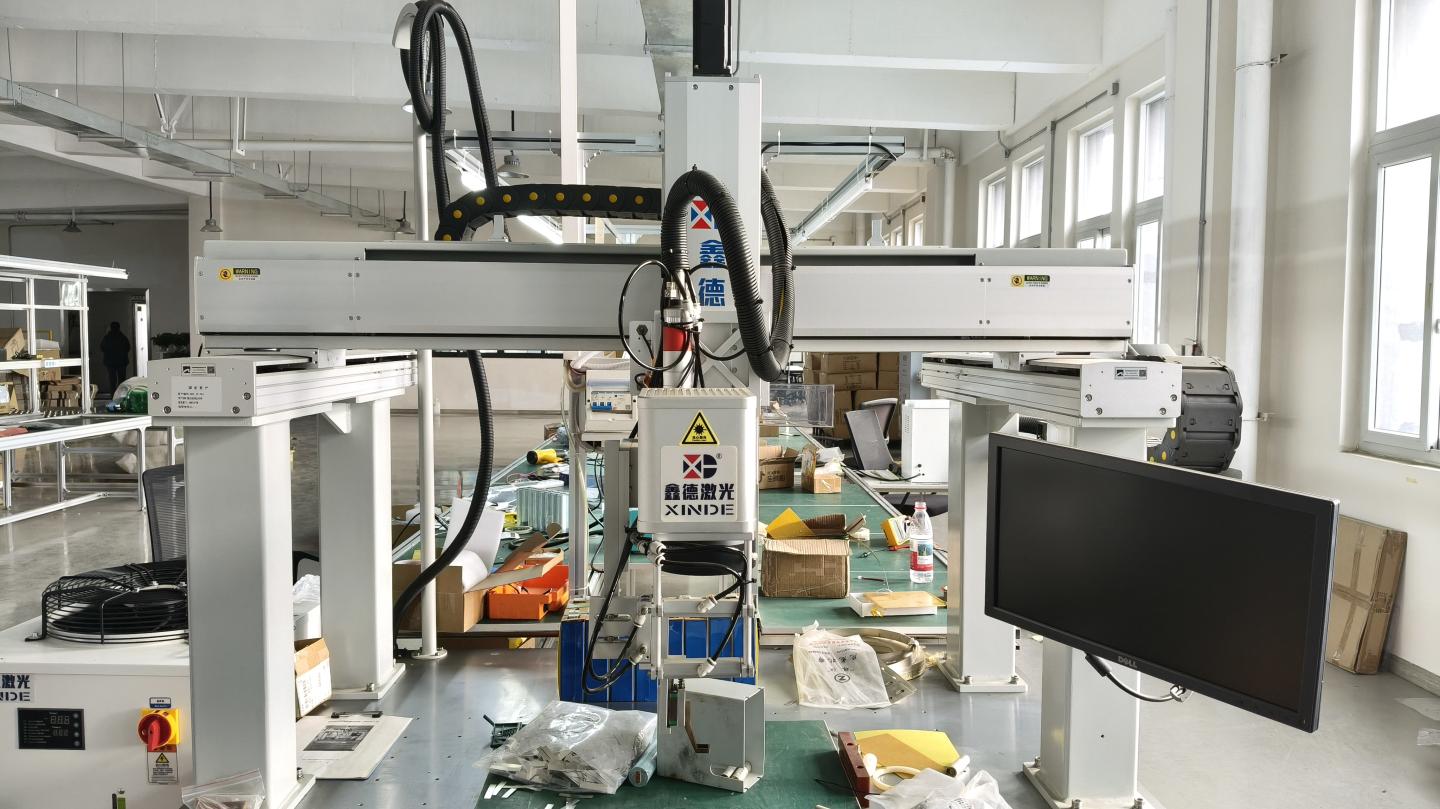
Our engineering laboratory continuously advances thermal-photovoltaic conversion boundaries, smart IoT network architectures, and structural wind mitigation modeling.
Decarbonization is no longer a localized compliance trend; it is a global regulatory mandate. To support utility-scale and commercial development, Yangzhou OneAll Lights Co., Ltd. provides multi-system microgrid architectures that work under diverse environmental conditions.
For municipal authorities, highway operators, and industrial real estate developers, finding system suppliers that offer technical reliability, structural certifications, and consistent pricing remains a key bottleneck. If light poles corrode in high-saline coastal winds, or if low-grade solar batteries fail under sub-zero winters, project ROI drops significantly.
OneAll Lights mitigates these operational risks through material science. We use Q235 structural grade steel for light pole construction, applying hot-dip galvanization with a minimum thickness of 86 microns. This is followed by a protective electrostatic powder coat finish, safeguarding the structural integrity of outdoor installations for over 25 years. This systematic quality assurance ensures that every dollar invested translates into decades of reliable operation.
Our facility operates at the nexus of automated manufacturing and localized cluster logistics, delivering cost-competitive, reliable systems on schedule.
By automating critical manufacturing phases—including surface-mount technology (SMT) for LED drivers, wave soldering for circuit boards, and automated industrial gluing for IP67 lens sealing—we reduce human error to under 0.05%. Our CNC bending and automated welding systems ensure that every structural steel pole meets international structural engineering calculations.
Located in Yangzhou, China, we sit at the center of the world's most concentrated solar and lighting raw material clusters. This proximity grants us immediate access to high-purity aluminum alloys, tempered solar glass, monocrystalline silicon cells, and microchip drivers. Consequently, we maintain stable lead times and protect our international partners from global supply chain volatility.
Global EPC (Engineering, Procurement, and Construction) companies and municipal engineering divisions require strict compliance verification when evaluating component manufacturers. Standard RFPs demand verified testing documentation across multiple technical criteria:
Luminous Efficacy: Modern solar street grids require a minimum of 160 lm/W to 190 lm/W system efficacy to limit solar panel and battery size, optimizing cost structures.
Corrosion Protection: Coastal roads and high-humidity areas require salt-spray testing validation (up to 1,000 hours of testing under ASTM B117) to prevent structural breakdown.
Ingress Protection: External driver housings must carry certified IP66 or IP67 ratings, ensuring complete dust-tight performance and protection against high-pressure water jets.
Wind Loading Resistance: Pole engineering must feature detailed finite element analysis (FEA) proving structural stability against regional wind speeds, up to extreme hurricane levels.
Every luminaire that exits our assembly lines undergoes a minimum of 48 hours of continuous operational burn-in (aging testing) within specialized thermal chambers. We conduct high-voltage insulation tests, grounding impedance tests, and photometric distribution checks using high-precision integrating spheres. These procedures guarantee that the equipment delivered to your job site is fully operational from day one.
Our engineering services extend beyond manufacturing. We provide technical and regulatory integration support throughout the life of your project.
Get professional insights into common engineering questions regarding product specifications, design calculation factors, and installation protocols.
Our engineering and manufacturing capabilities support a broad range of clean energy and outdoor lighting needs.
 OneAll Lights