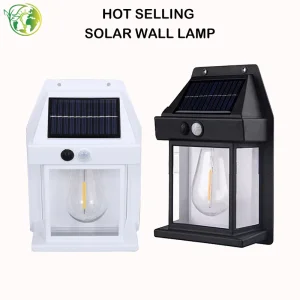
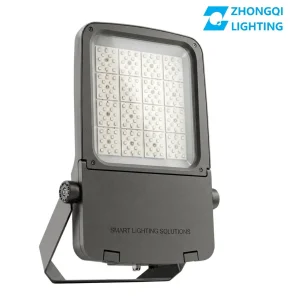
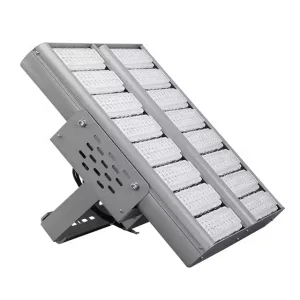
Explore our advanced technological selection of high-efficiency luminaires engineered for structural rigidity and peak luminous efficacy.
How Modern Commercial Greenhouses are Transitioning to High-Performance Solid-State Lighting Systems
For decades, High-Pressure Sodium (HPS) luminaires dominated greenhouse agriculture. However, these systems are constrained by rigid spectrographic signatures, excessive thermal radiant heat emission, and low photon efficacy (typically around 1.8 μmol/J). In modern, high-density cultivation, greenhouse operators require systems that deliver high photosynthetic photon flux density (PPFD) without stressing plants thermally or consuming unsustainable amounts of electricity.
The introduction of customized LED Greenhouse Lighting systems has revolutionized this paradigm. By engineering precise wavelengths—targeting the chlorophyll absorption peaks at blue (450nm) and deep red (660nm) spectrum bands—greenhouses can drastically reduce physiological stress, decrease flowering cycles, and increase overall biomass yield. Today's commercial facilities operate under strict operational expenditure (OpEx) mandates, where fixture efficacy reaching upwards of 3.2 μmol/J provides a clear competitive advantage.
Several macro-economic and ecological drivers are accelerating the transition to high-power LED systems in commercial greenhouses:
Understanding critical requirements for commercial greenhouse investors, plant scientists, and facility managers.
Commercial greenhouse environments demand tailored spectral compositions for specific phases of plant growth. We supply customizable white, red, deep-red, and far-red spectrum combinations that deliver maximum photosynthetic efficiency with minimal system degradation over time.
High humidity and operational temperatures within commercial greenhouses degrade cheap electronics rapidly. Professional procurement focuses on heavy-duty aluminum heat sinks and high IP rating (IP65+) enclosures to ensure long-term stability and eliminate heat-induced performance fade.
Industrial installations require strict adherence to global safety and utility standards. Top tier buyers prioritize manufacturers that hold verified certifications, including ISO9001, CE, RoHS, and specialized safety compliance reports.
Your Trusted Industrial & Architectural Lighting Partner for Sustainable Development
Yangzhou OneAll Lights Co., Ltd. is a professional manufacturer and exporter specializing in high-performance lighting solutions. Established in 2003 and located in the prominent industrial hub of Yangzhou, Jiangsu Province, China, we have accumulated over 20 years of experience in the design, development, engineering, and global supply of premium lighting systems.
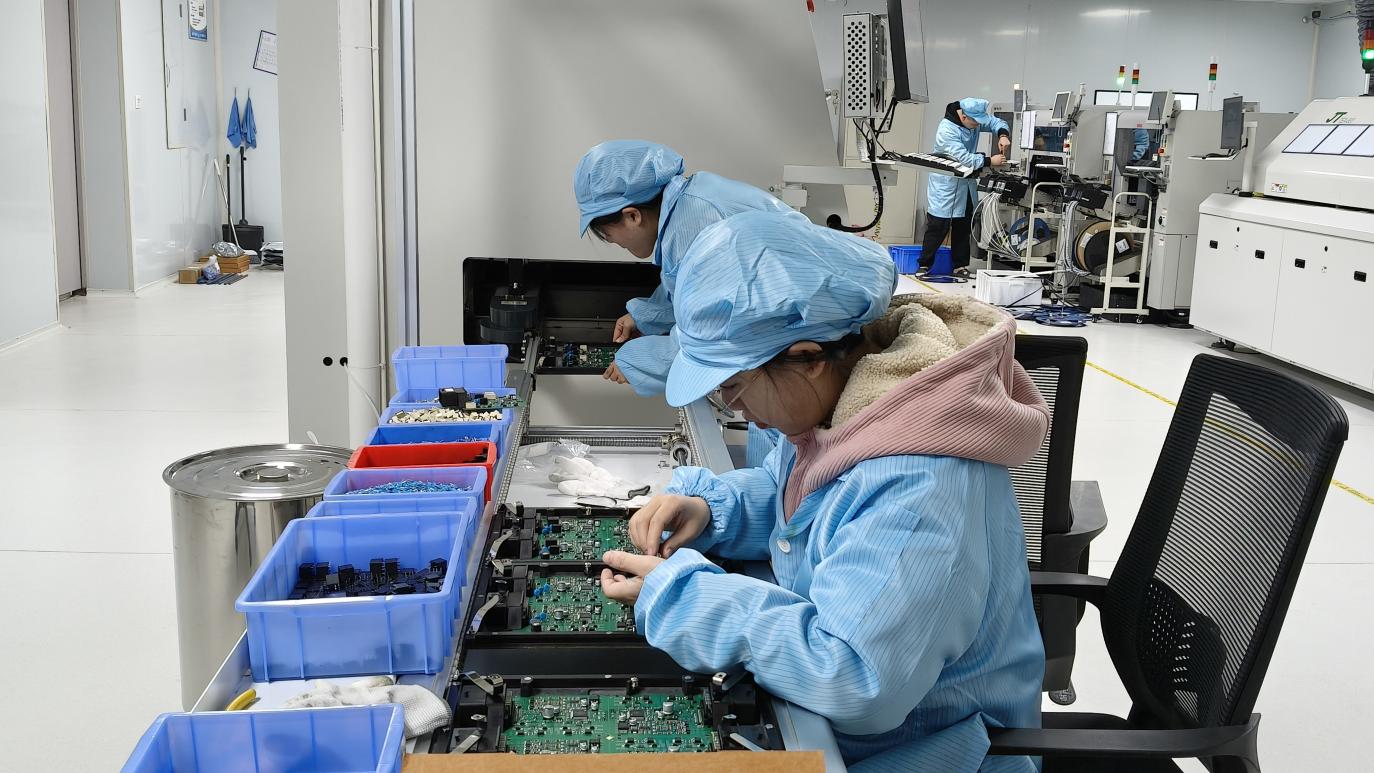
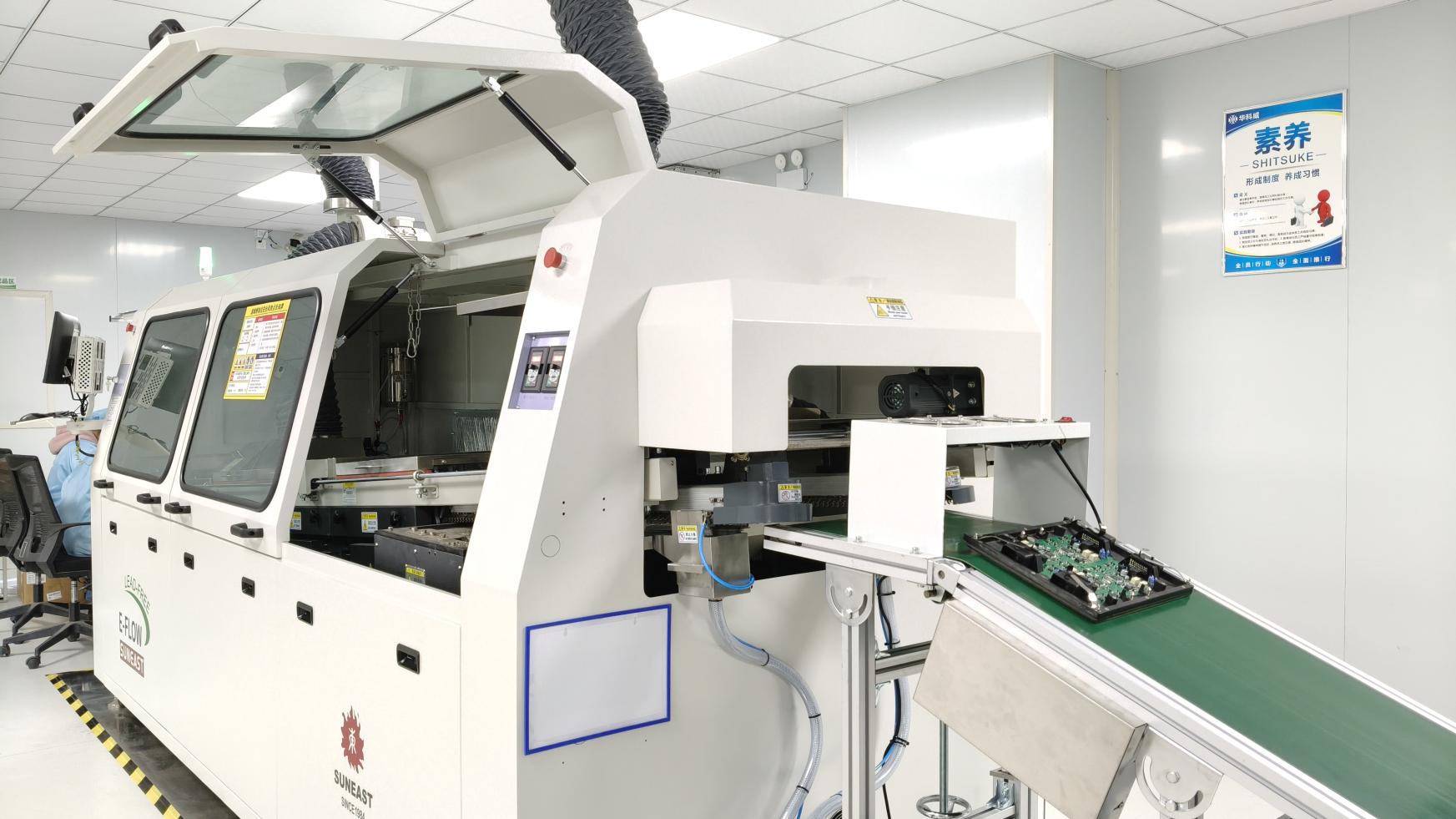
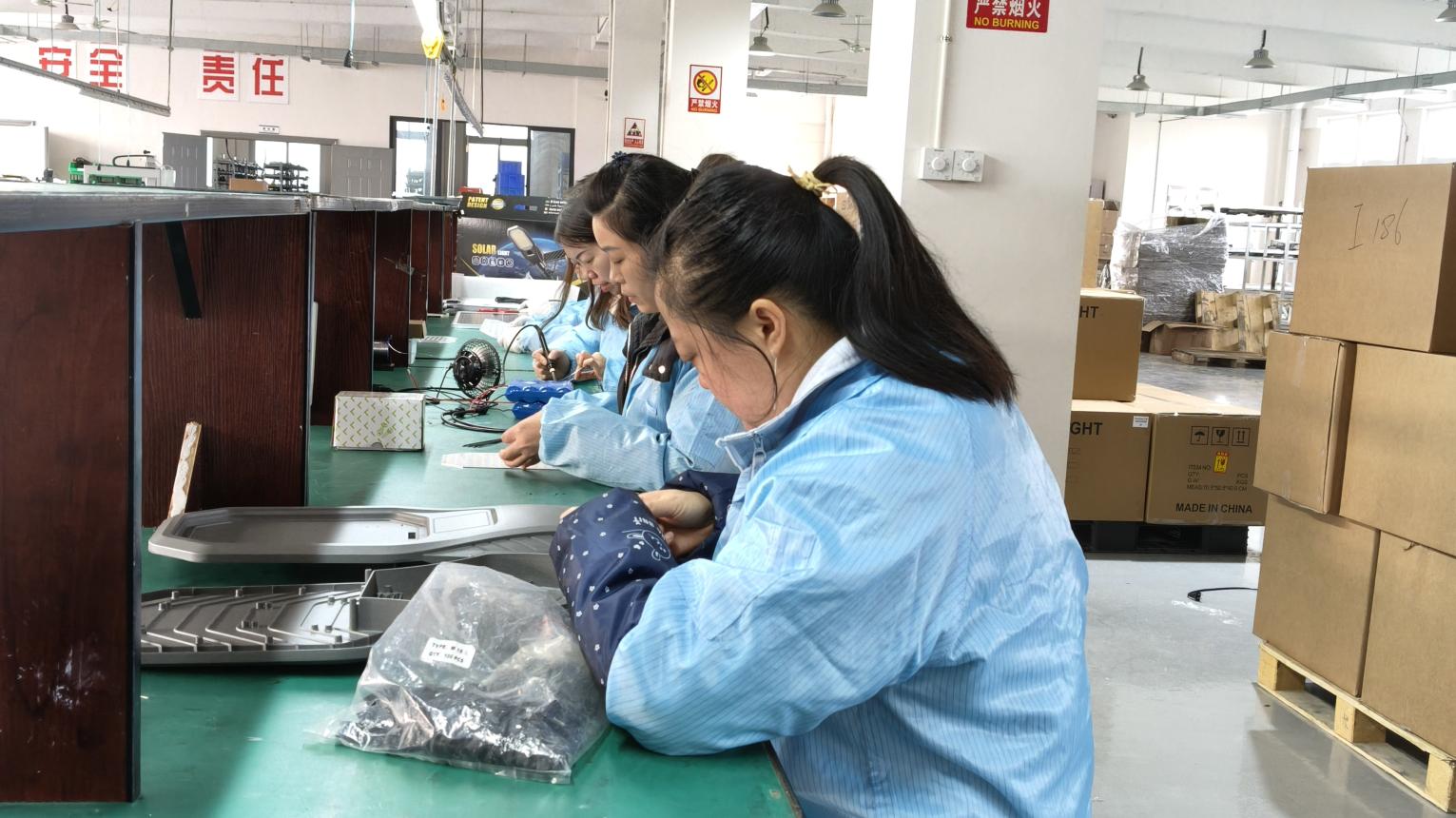
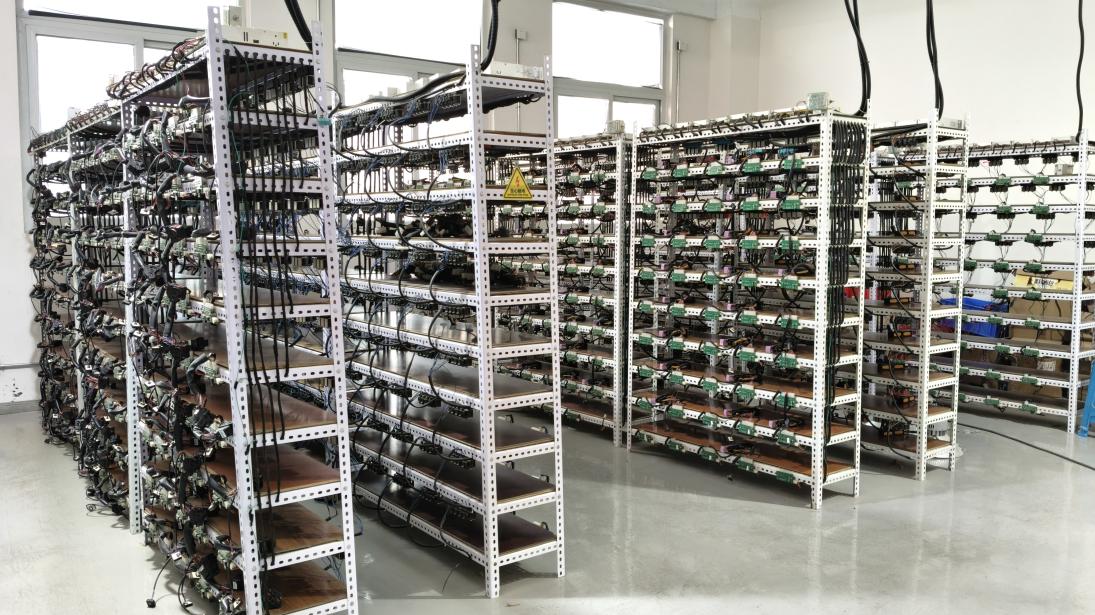
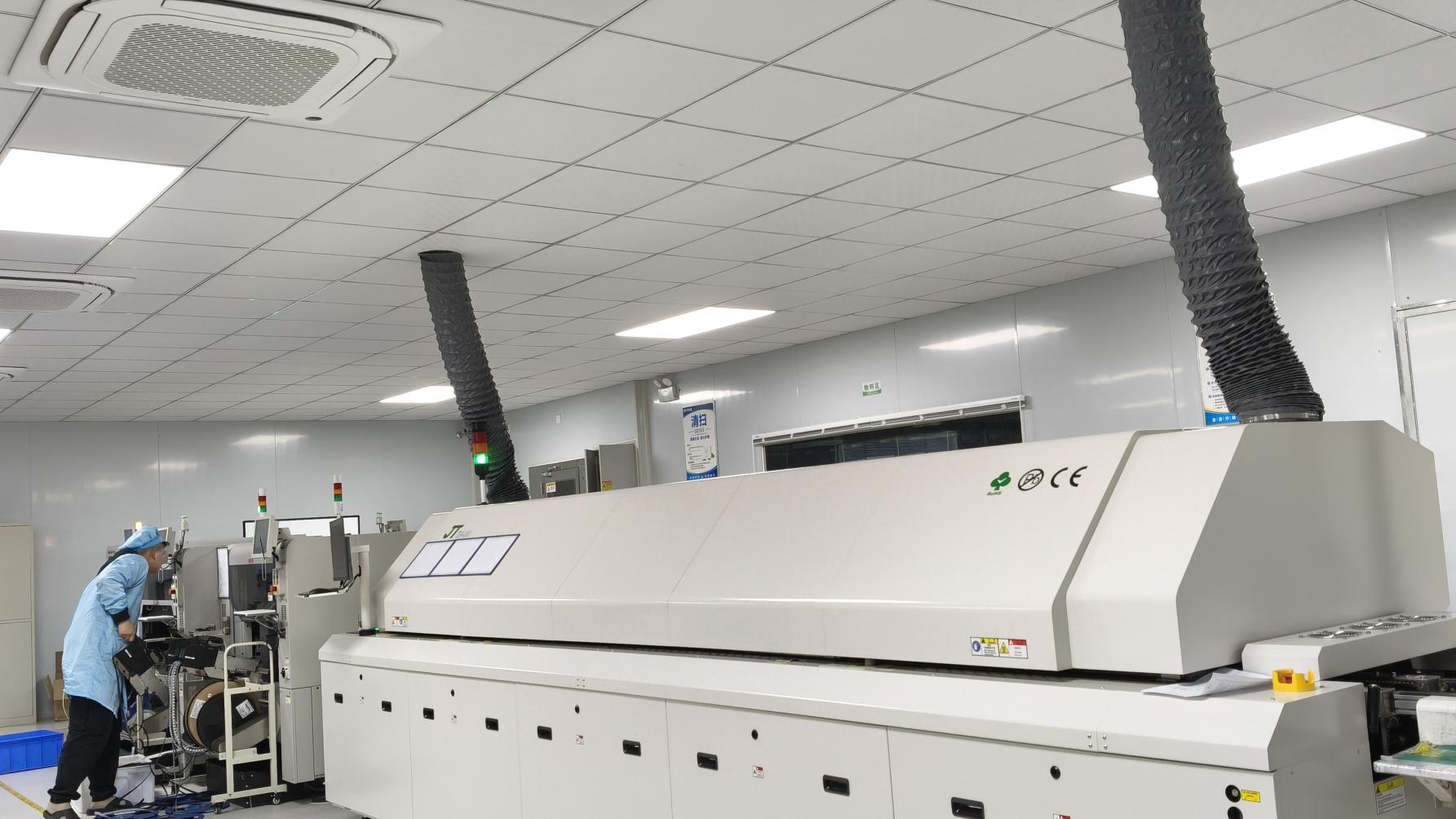
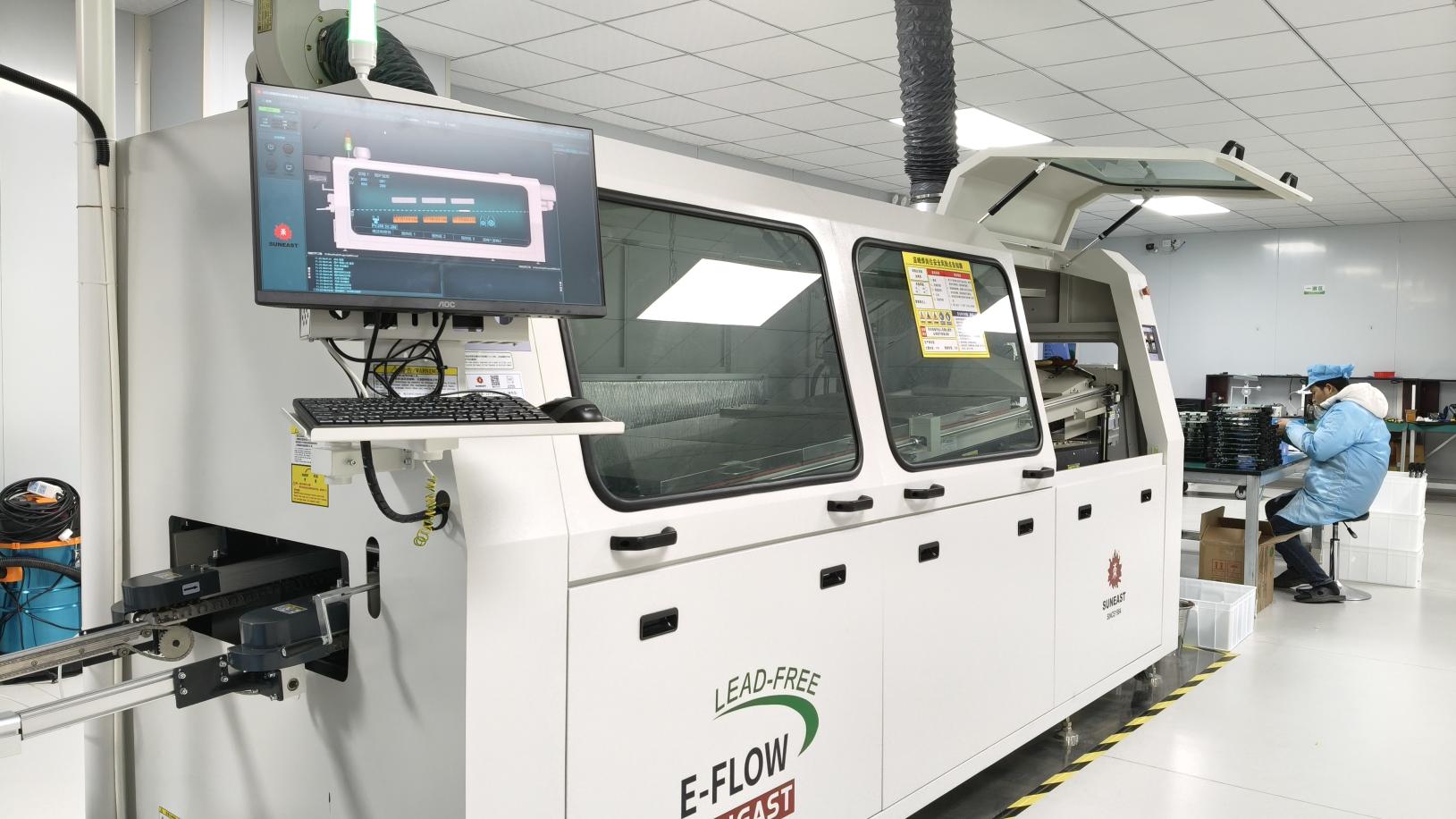
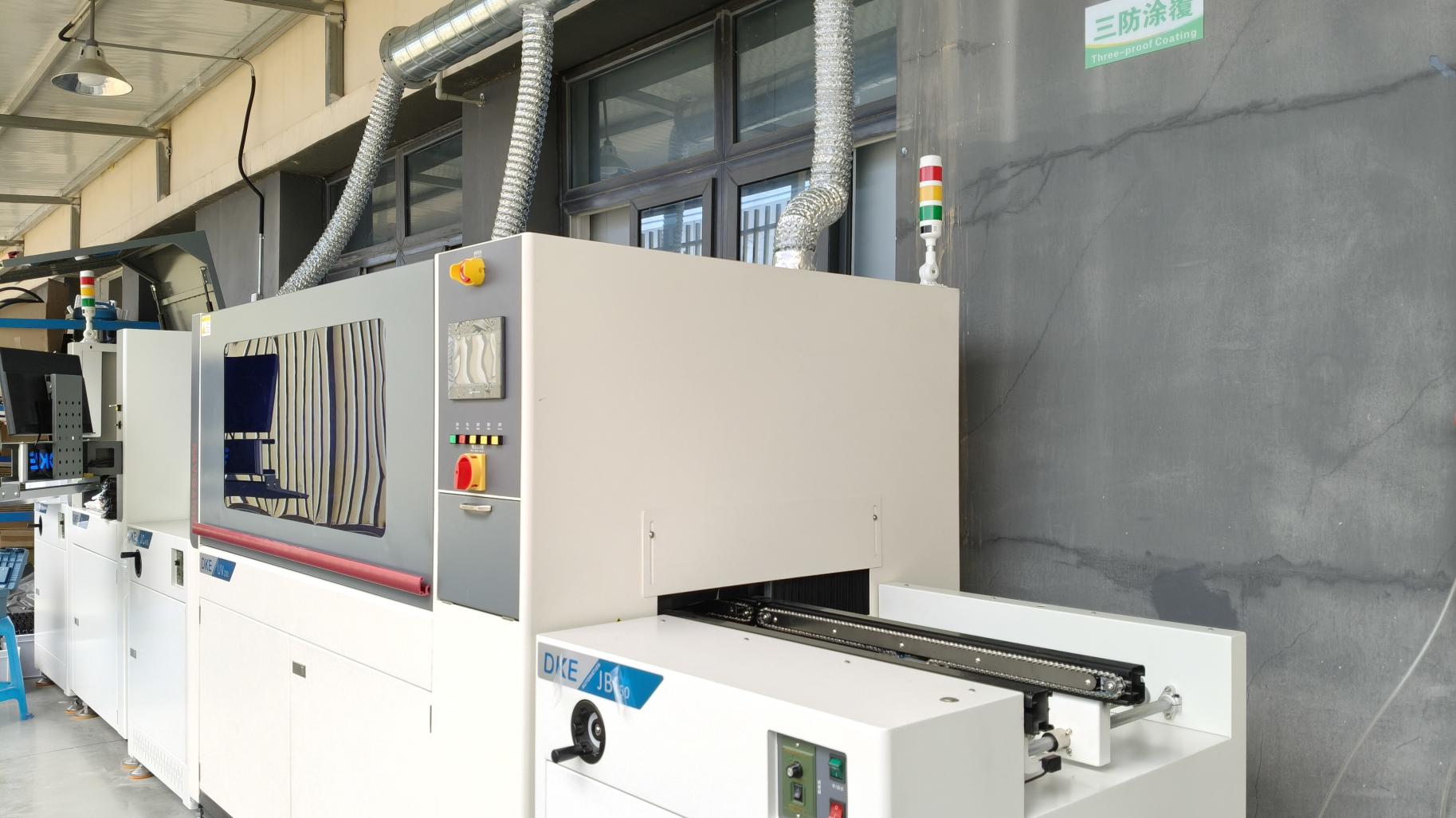
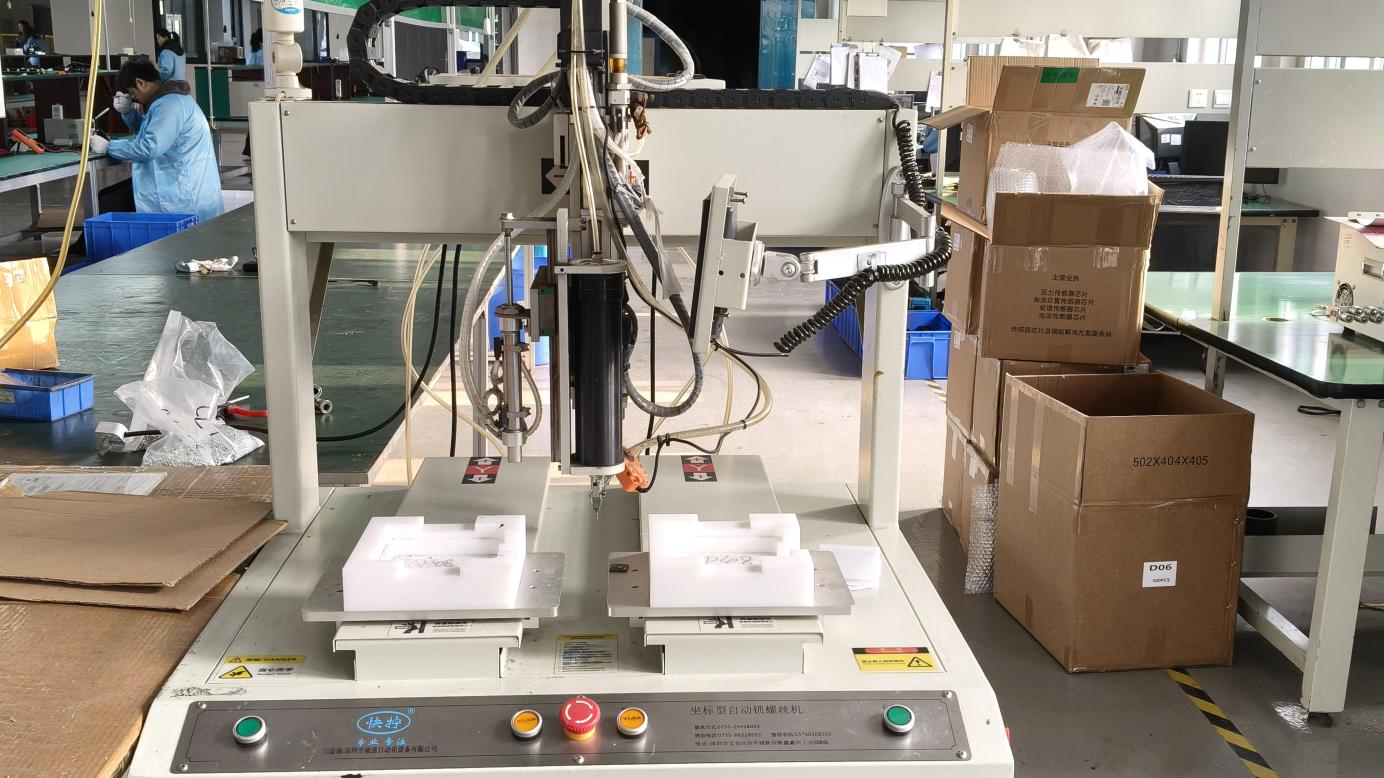
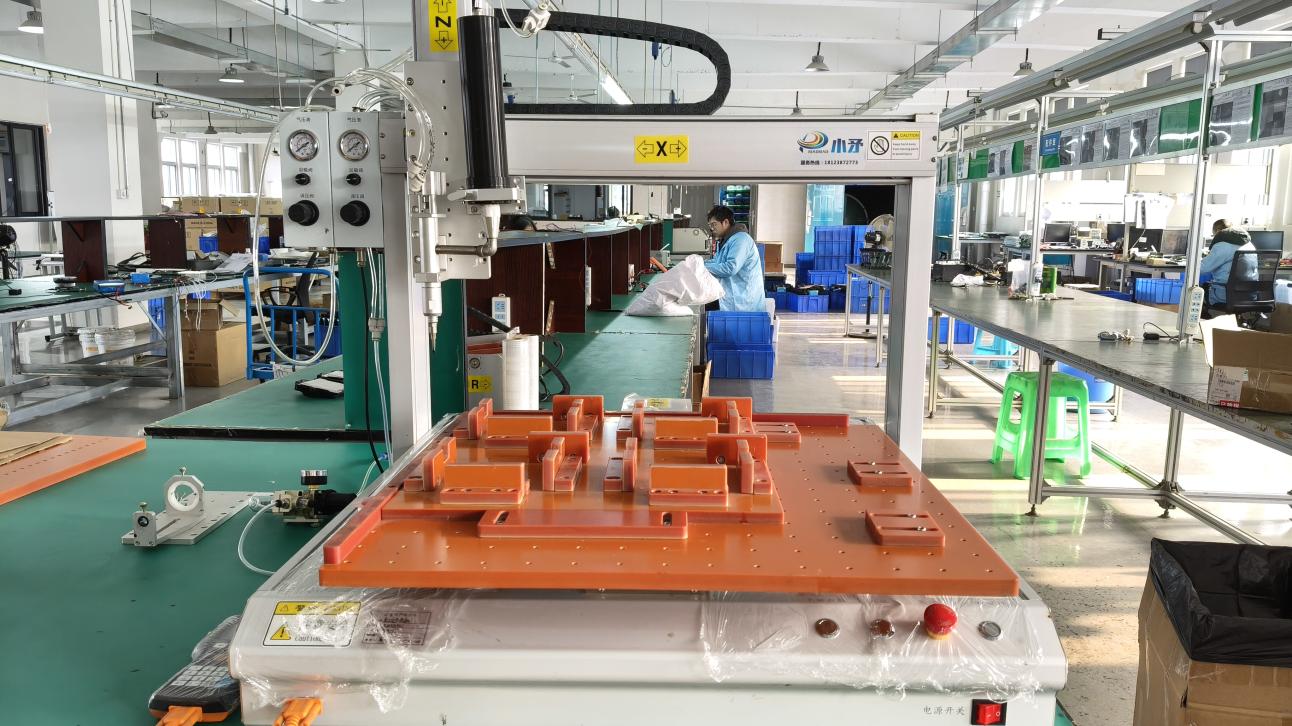
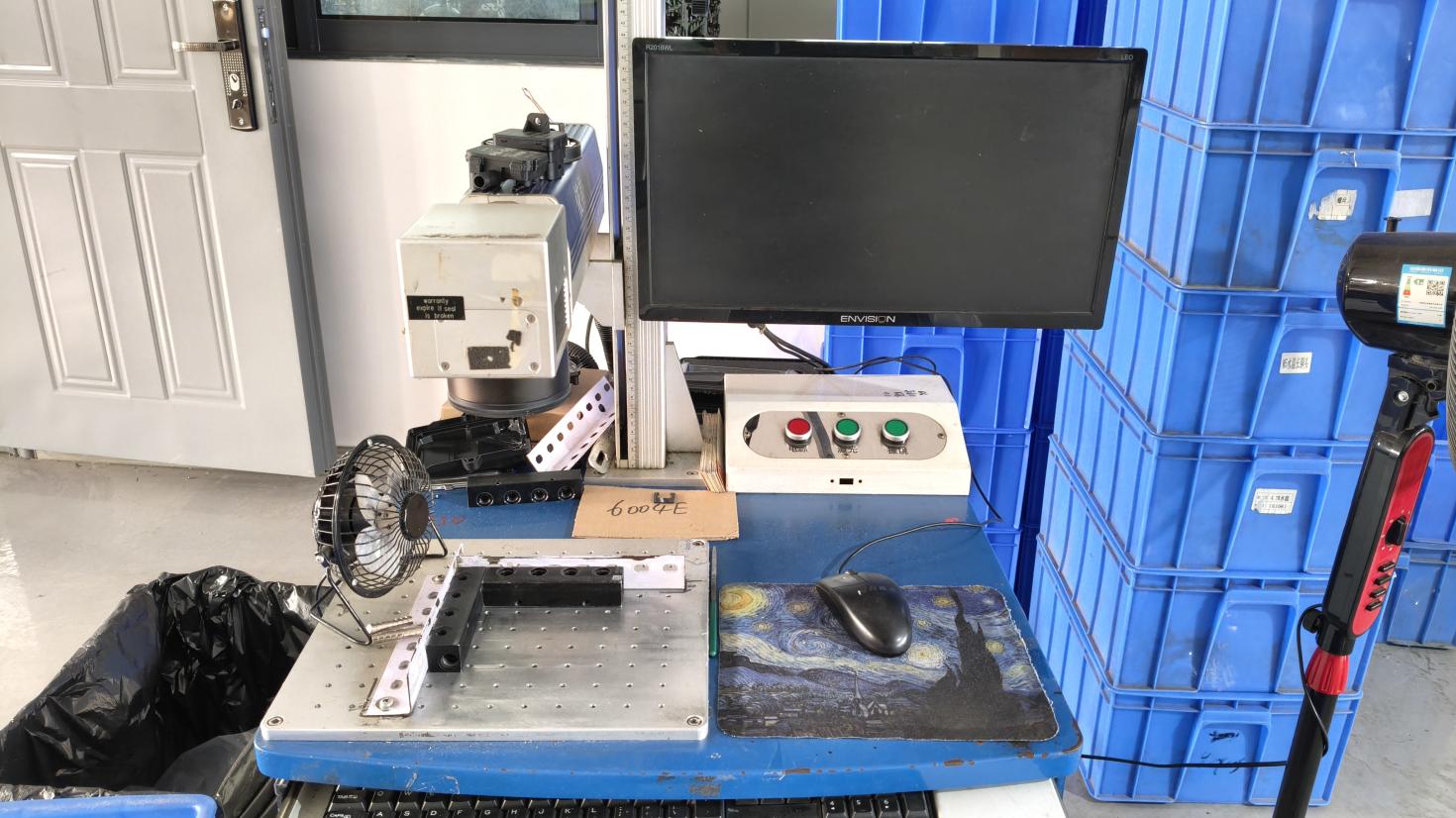
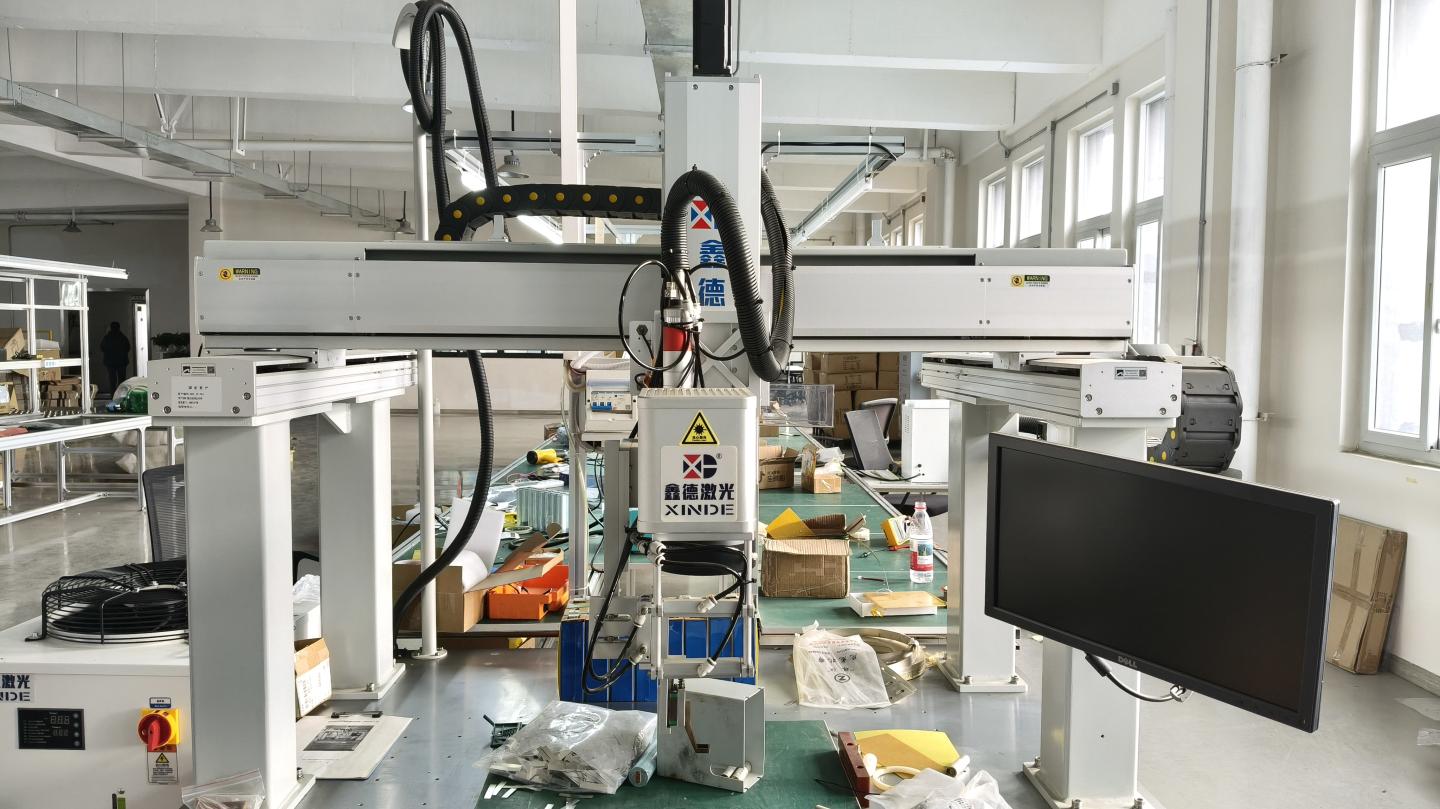
With continuous investment in advanced manufacturing technology, our factory is equipped with modern, top-tier production facilities. Our capital infrastructure includes high-precision CNC bending machines, automatic submerged arc welding systems, laser cutting equipment, electrostatic powder coating lines, fluorocarbon painting workshops, and precision optoelectronic testing instruments. Supported by multiple automated production lines and an elite technical engineering team, we provide efficient volume production, stable structural quality, and highly reliable project delivery schedules.
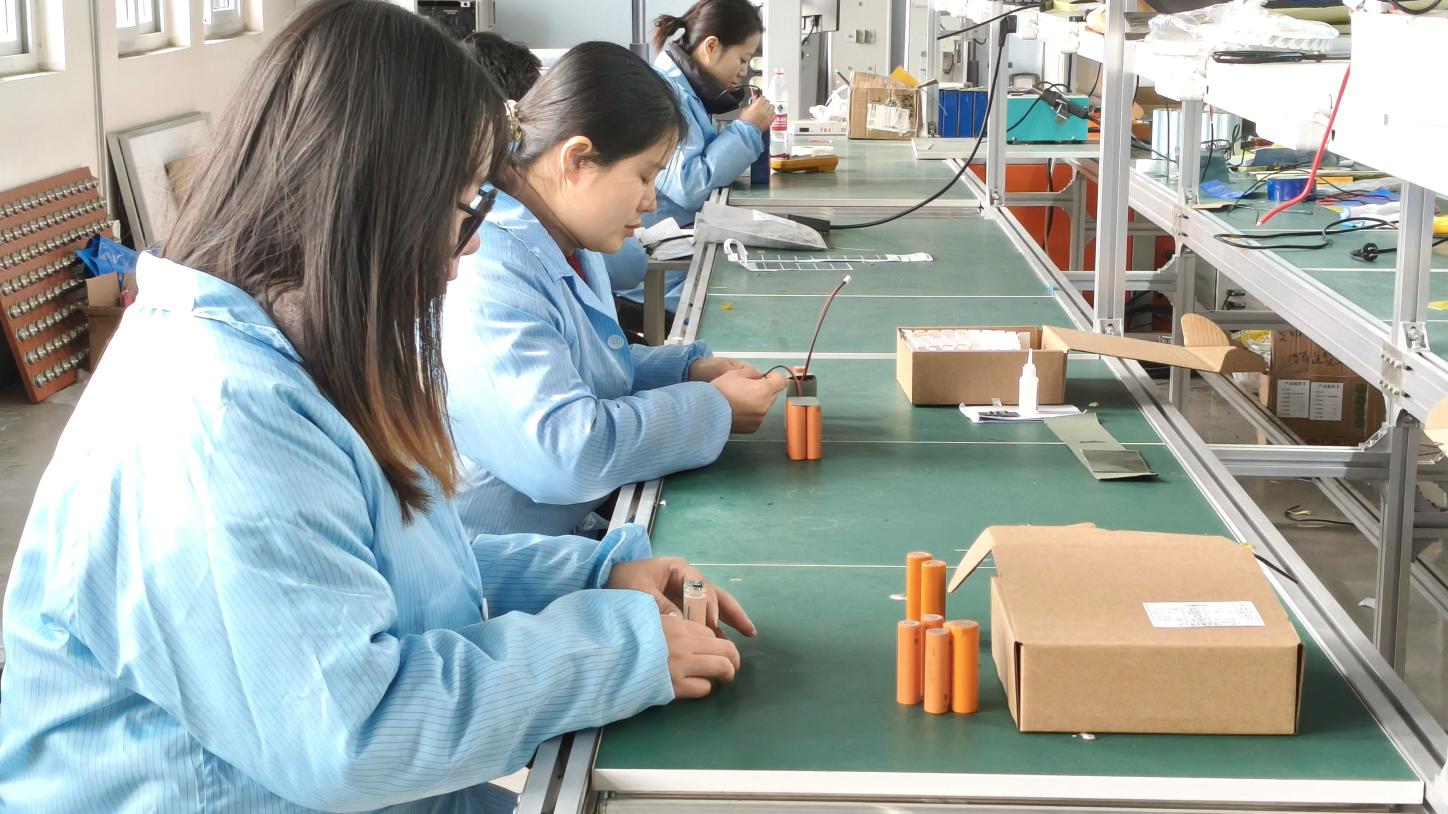
Innovation and quality are the driving forces behind our growth. We have established an experienced R&D team dedicated to developing energy-efficient, environmentally friendly, and intelligent lighting systems designed to meet the evolving parameters of global markets. From initial product design and engineering to physical assembly and strict quality inspection, every production phase is executed under strict standards to guarantee excellent performance, robust durability, and a prolonged operational life cycle.
Our commitment to compliance and quality control is certified by international bodies. Yangzhou OneAll Lights has obtained ISO9001 Quality Management System Certification, ISO14001 Environmental Management System Certification, CCC, CQC, and CE certification alongside a suite of third-party product testing reports, proving our adherence to international safety and quality standards.
Over the past two decades, our high-grade lighting products have been successfully exported to diverse regions including Southeast Asia, the Middle East, Africa, Europe, and South America. Backed by rich experience in international projects, we provide highly flexible OEM and ODM services, delivering customized solutions tailored to specific commercial application scenarios.
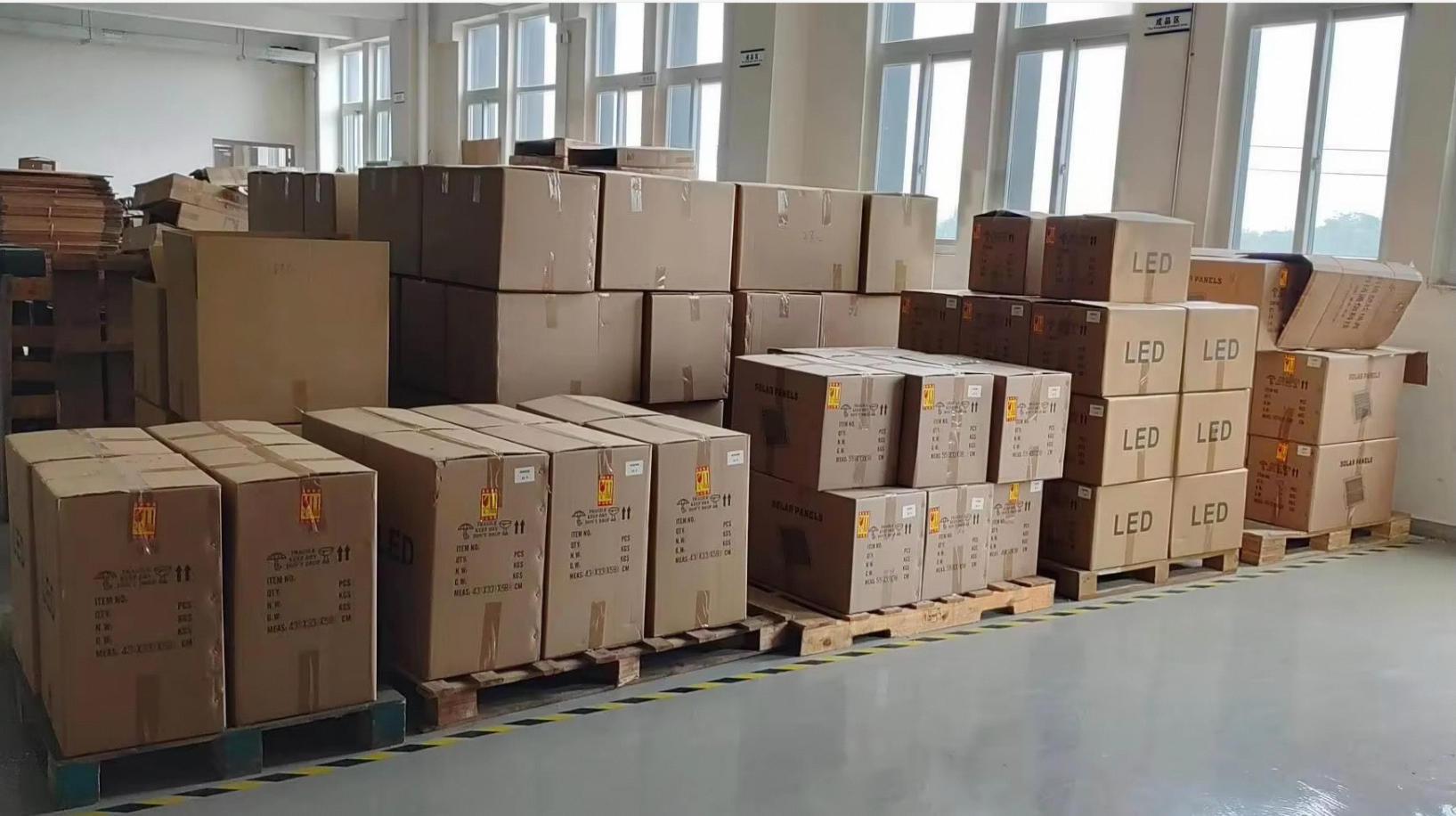
A look inside our state-of-the-art production site showcasing precision assembly and quality-assurance systems.
Leading-edge developments in thermal modeling, intelligent drivers, and photosynthetic science.
Commercial greenhouse success requires lighting engineering that goes far beyond generic LED design. Our primary R&D focus lies in optical customization. Plant growth phases dictate specific needs: blue-skewed spectrums (450nm) to promote vegetative development and compact internode growth, combined with deep red (660nm) to stimulate robust flowering and fruiting cycles. Additionally, integrating far-red (730nm) spectrum bands enhances the Emerson enhancement effect, accelerating photosynthetic rates significantly.
Greenhouses exhibit ambient humidity levels consistently exceeding 80% with corrosive airborne compounds. A standard light casing will experience oxidization and thermal pooling, raising diode junction temperature and accelerating lumen depreciation. Our engineers implement highly efficient passive heat sinks utilizing 6063-T5 aluminum extrusions. By removing the need for active cooling fans, we eliminate the primary mechanically vulnerable failure point in greenhouse environments.
To optimize operating expenses, contemporary facilities rely on automated systems. Our LED greenhouse configurations feature intelligent, dimmable drivers that support industrial 0-10V, DALI, and wireless mesh networks. This level of control enables automated adjustments, such as modifying light output based on real-time natural sunlight levels, ensuring crops receive stable daily light integrals (DLI) without wasting electrical resources.
Expert insights regarding commercial LED horticultural systems and sourcing parameters.
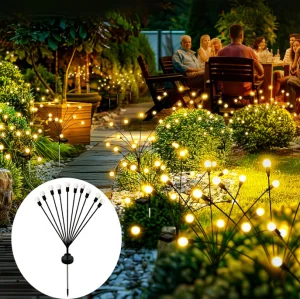
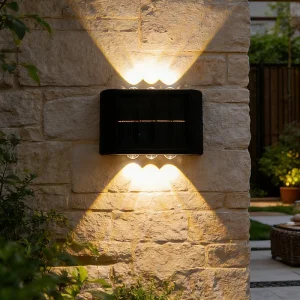
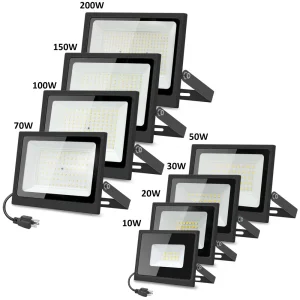
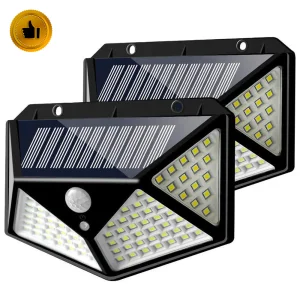
Explore our secondary selection of high-durability and architectural lighting systems engineered for global infrastructure needs.
 OneAll Lights