High-efficiency, radar-sensing, and IoT-enabled systems designed to minimize carbon footprint and optimize commercial/industrial operations.
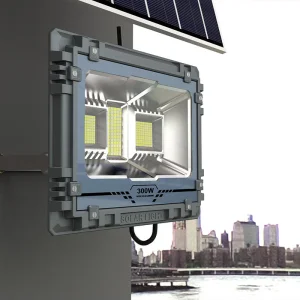
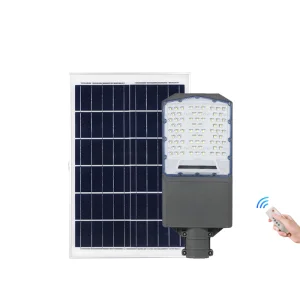
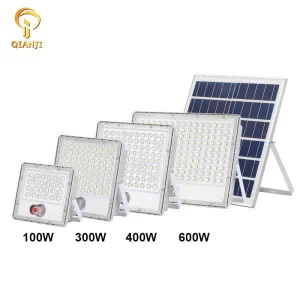
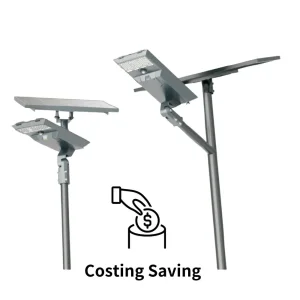
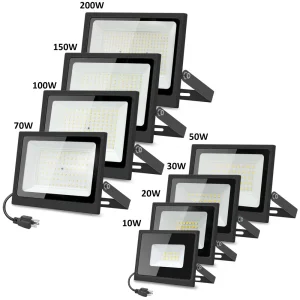
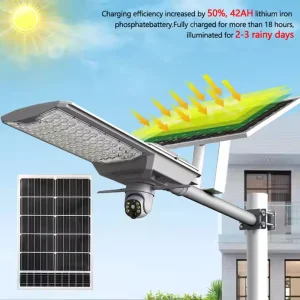
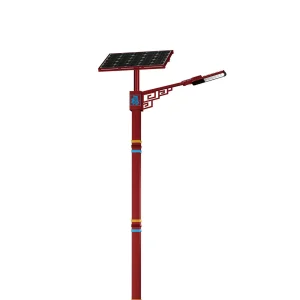
As the international community accelerates toward net-zero carbon emissions, the intersection of smart IoT control, renewable generation, and lighting technology has emerged as a cornerstone of energy optimization strategy. The deployment of decentralized smart grids, real-time energy monitoring systems, and highly efficient micro-generation frameworks is no longer a localized sustainability initiative; it is a critical mandate for modern commercial, industrial, and municipal infrastructure. Today's smart energy systems operate dynamically, aggregating real-time ambient data, power system efficiency metrics, and consumption profiles to execute intelligent, localized decisions.
In this evolving landscape, smart energy management suppliers act as vital partners. They bridge the gap between traditional power infrastructures and advanced green solutions. Industrial, commercial, and municipal clients are looking beyond simple component procurement. The modern market demands integrated technology architectures featuring intelligent telemetry, multi-sensor feedback loops, and highly durable physical construction. These features ensure reliable operations across variable environments—ranging from the arid, high-temperature zones of the Middle East to the humid, coastal routes of Southeast Asia.
To provide significant information gain to global infrastructure planners, it is essential to map out the technological convergence within modern Smart Energy Management Systems (SEMS). A high-performance intelligent system does not operate in isolation; it integrates three key components: high-efficiency solar harvesting, localized battery energy storage systems (BESS), and intelligent IoT communication protocols. Together, they create an active node in a wider smart city or smart industrial park framework.
Utilizing high-conversion monocrystalline silicon PV cells and highly efficient Maximum Power Point Tracking (MPPT) controllers. This setup delivers up to 98% charge controller efficiency, even under diffuse sunlight or overcast weather conditions, maximizing daylight power harvesting.
Integrating next-generation Lithium Iron Phosphate (LiFePO4) batteries with embedded Battery Management Systems (BMS). This layout guarantees over 3,000 charge cycles, controls thermal runaways, and optimizes power discharge curves for long-term system life.
Supporting advanced communication protocols including LoRaWAN, NB-IoT, Zigbee, and 5G cellular systems. Integrated edge-computing modules allow smart street poles to adjust illumination, transmit environmental telemetry, and capture traffic statistics locally, reducing bandwidth consumption.
As the smart infrastructure sector moves forward, the integration of artificial intelligence (AI) and machine learning (ML) is transforming energy management. Systems can now evaluate localized meteorological forecasts and grid pricing data to predict battery depletion and solar generation curves. This enables smart arrays to dynamically balance loads, feeding excess stored energy back into municipal grids when prices peak. As a result, commercial assets are converted into active revenue-generating nodes, commonly referred to as Virtual Power Plants (VPPs).
Deploying smart energy infrastructure requires tailored solutions that match the functional needs of each setting. A standard off-the-shelf setup cannot address the environmental and operational challenges found in diverse industries. Below, we examine the primary scenarios where smart energy systems and high-efficiency luminaires deliver immediate financial and ecological returns.
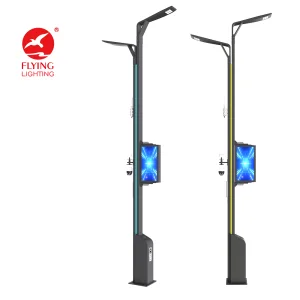
Modern municipalities face rising energy costs alongside the need to guarantee public safety. Multi-functional Smart Poles integrated with 5G nodes, CCTV cameras, and radar sensors dynamically adjust light output based on real-time traffic density. If no vehicles or pedestrians are detected, the system dims lights to 20% capacity. When movement is identified, the system raises output to 100% instantly. This dynamic operation cuts city energy usage by up to 50% while supporting municipal data networks.
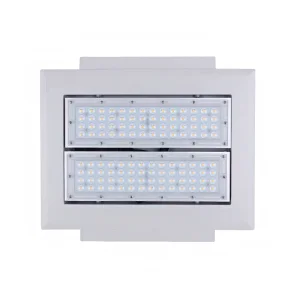
Industrial settings require consistent, high-intensity lighting, which often results in heavy electricity usage. High-efficacy IP65 canopy lights and UFO LED high bays, paired with microwave motion sensors, ensure that zones are fully illuminated only during active operation. During downtime, these systems enter low-power standby modes. By integrating these systems, logistics hubs and warehouse terminals can reduce their monthly energy footprints by over 40% while maintaining safe workspace conditions.
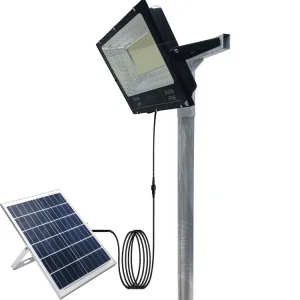
Islands, coastal highways, and remote areas face high humidity, saline corrosion, and lack of grid access. In these regions, split solar street lights with IP66-rated marine-grade aluminum casings, anti-corrosive coatings, and independent micro-photovoltaic panels offer reliable, self-sufficient energy. These systems operate entirely off the grid, eliminating costly underground cabling works and offering clean, uninterrupted lighting.
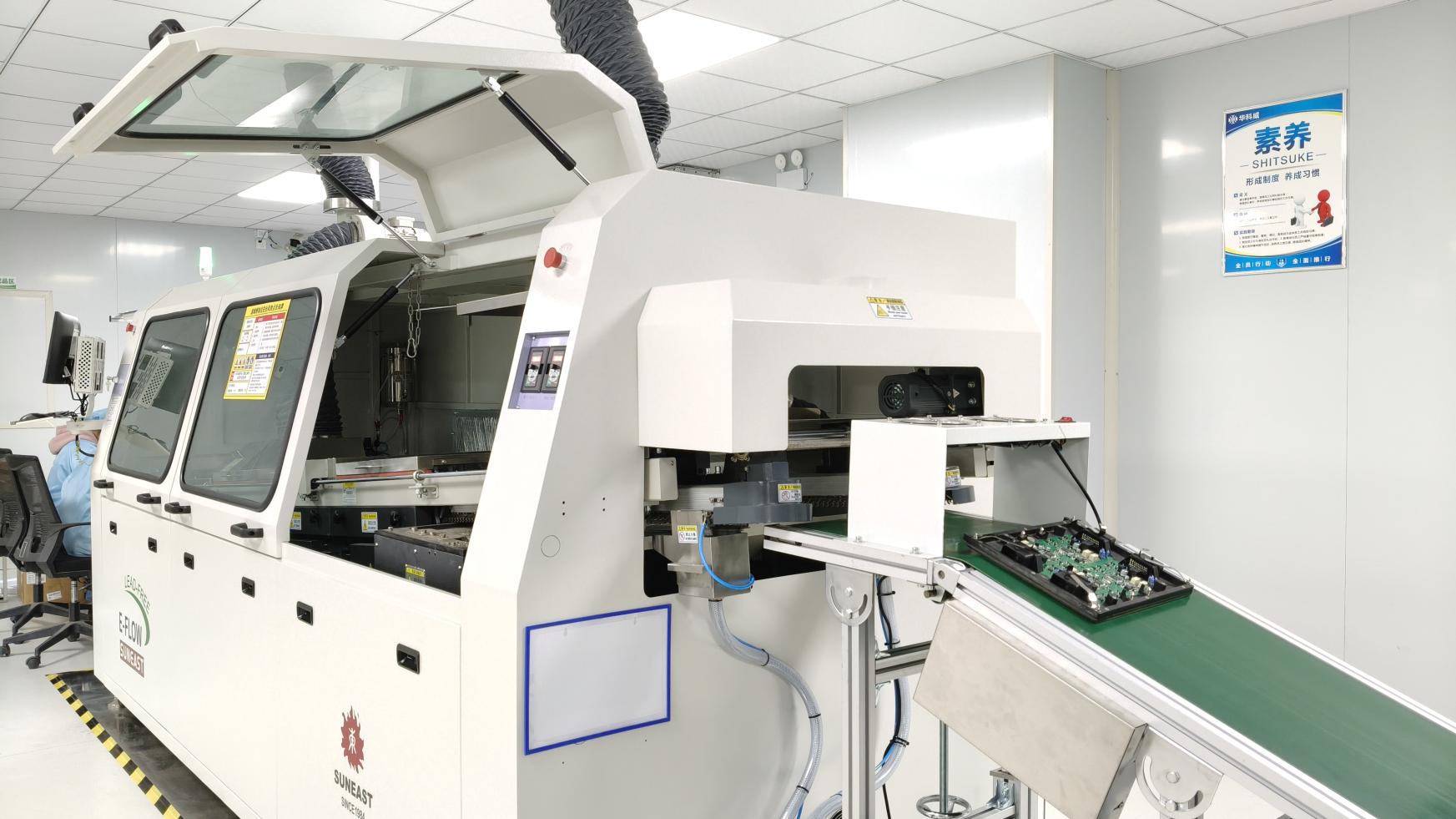
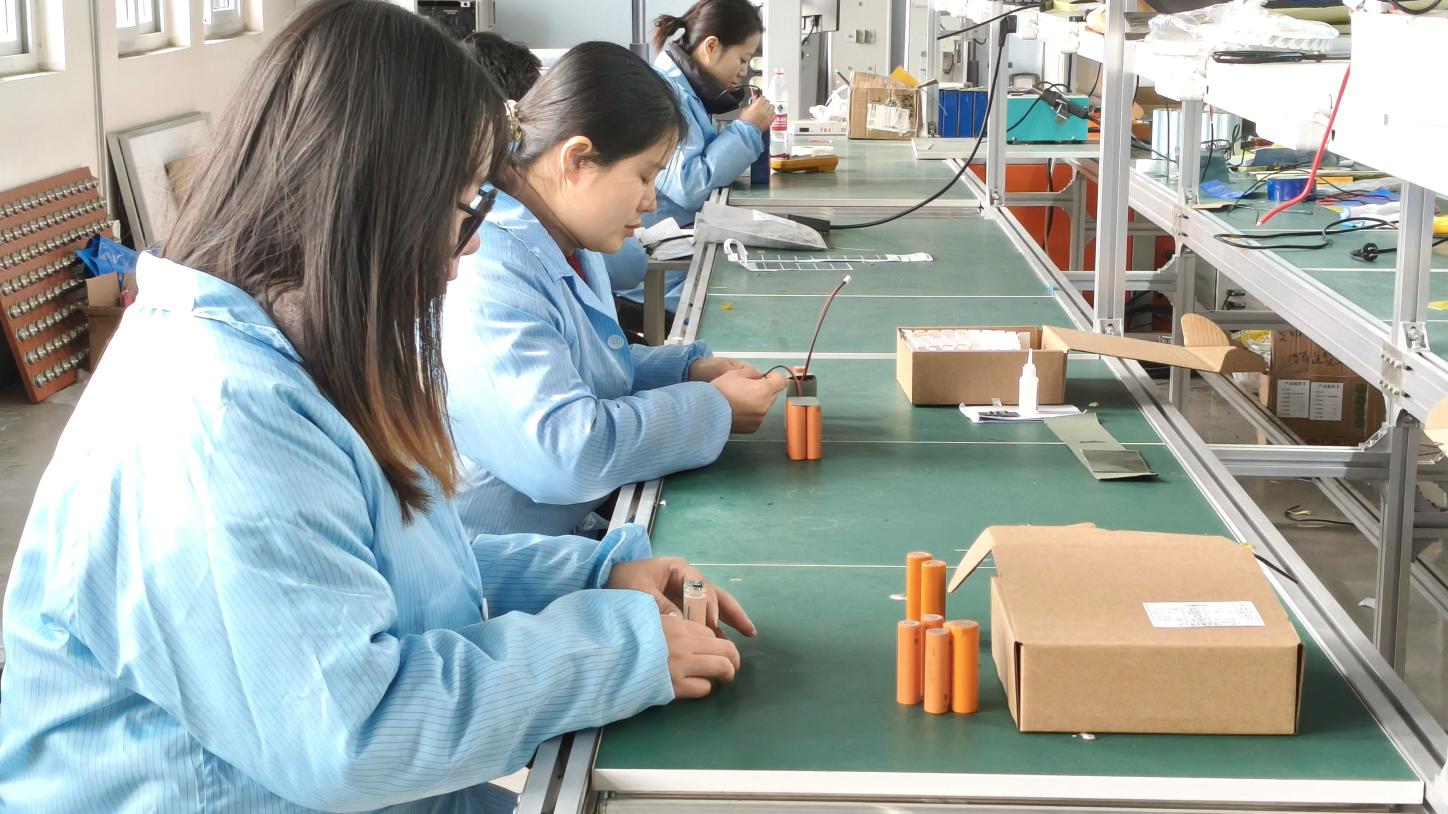
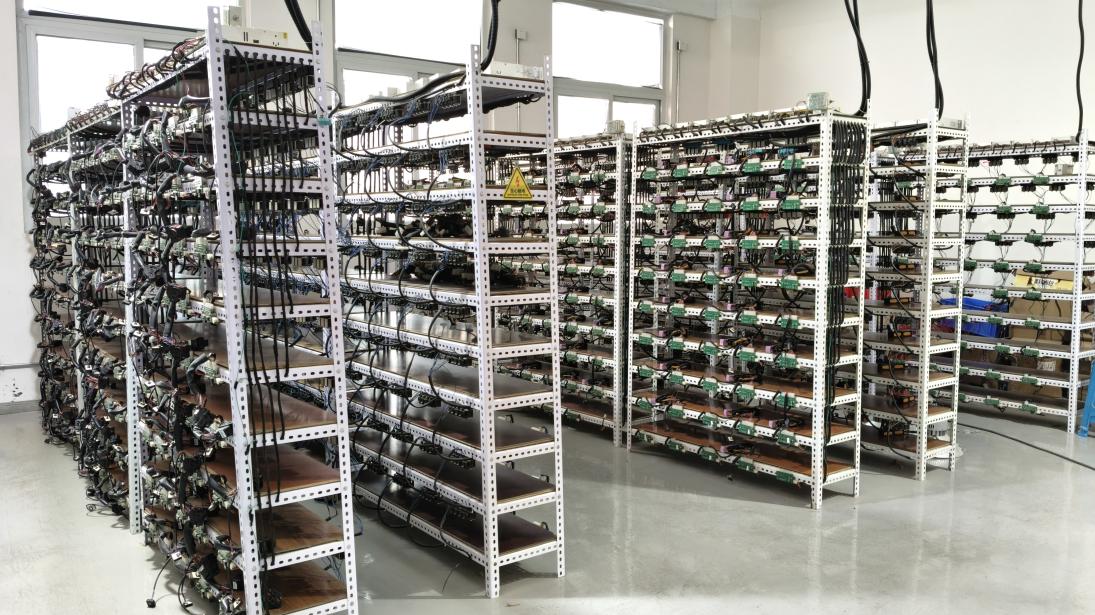
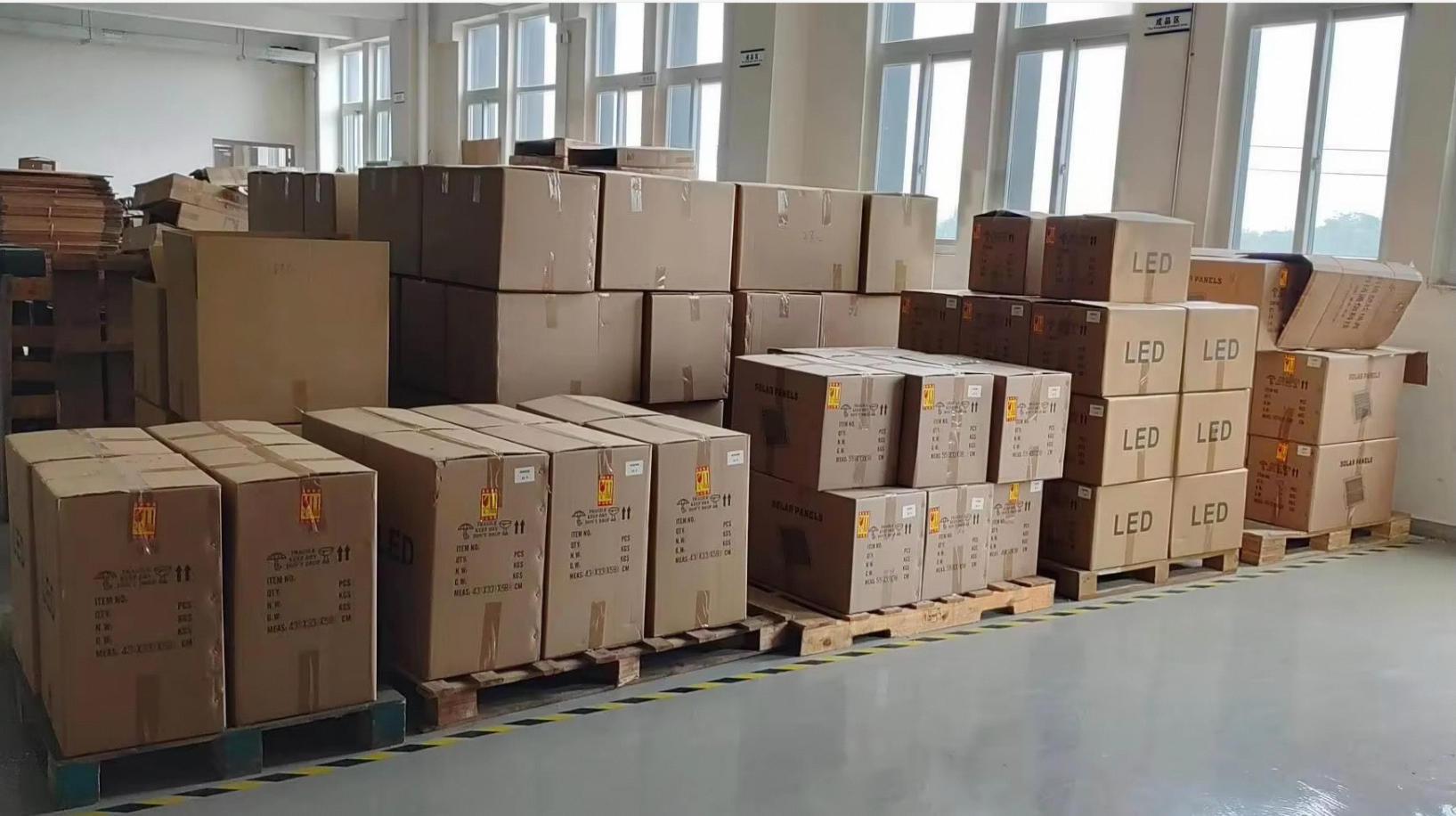
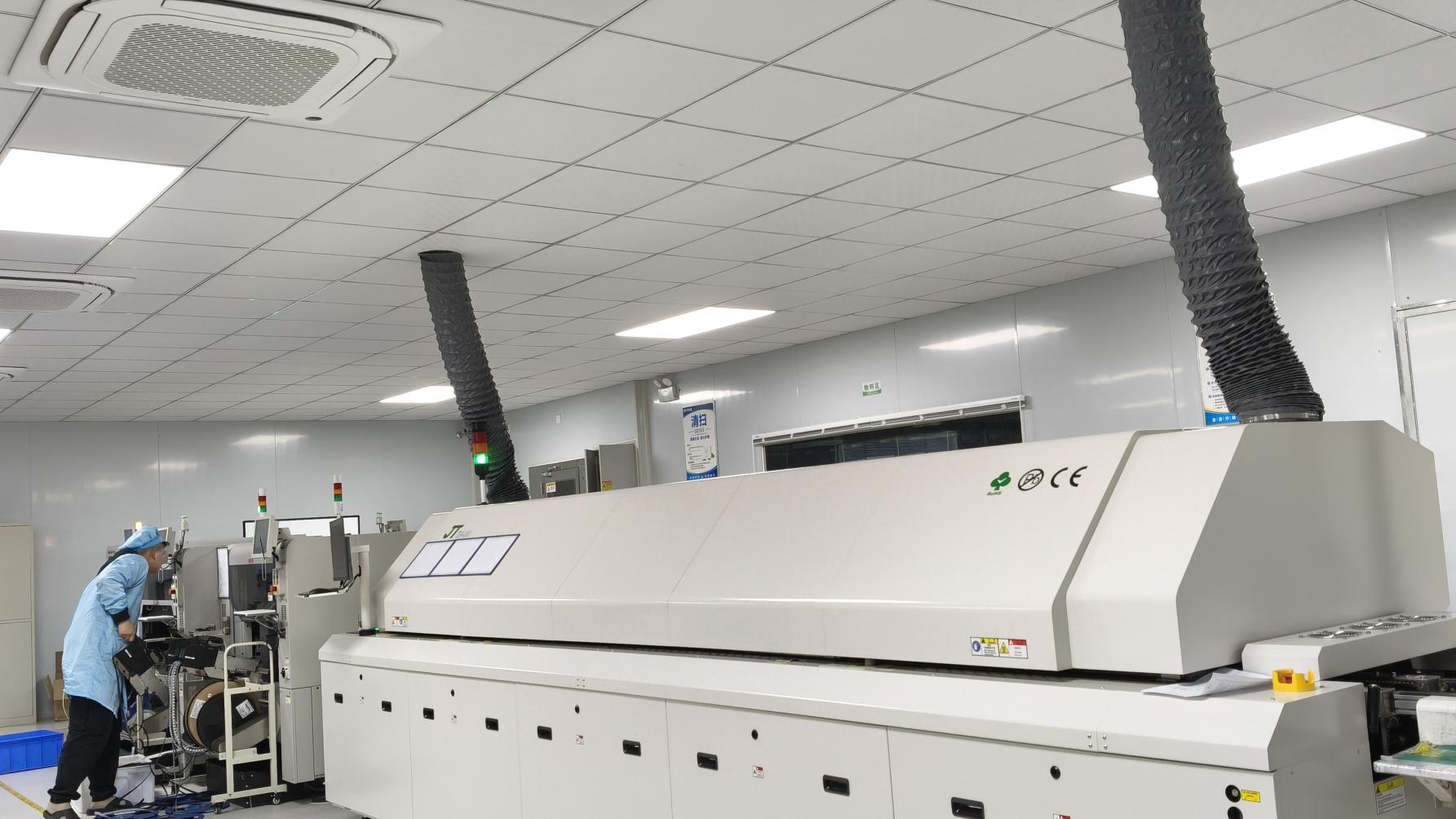
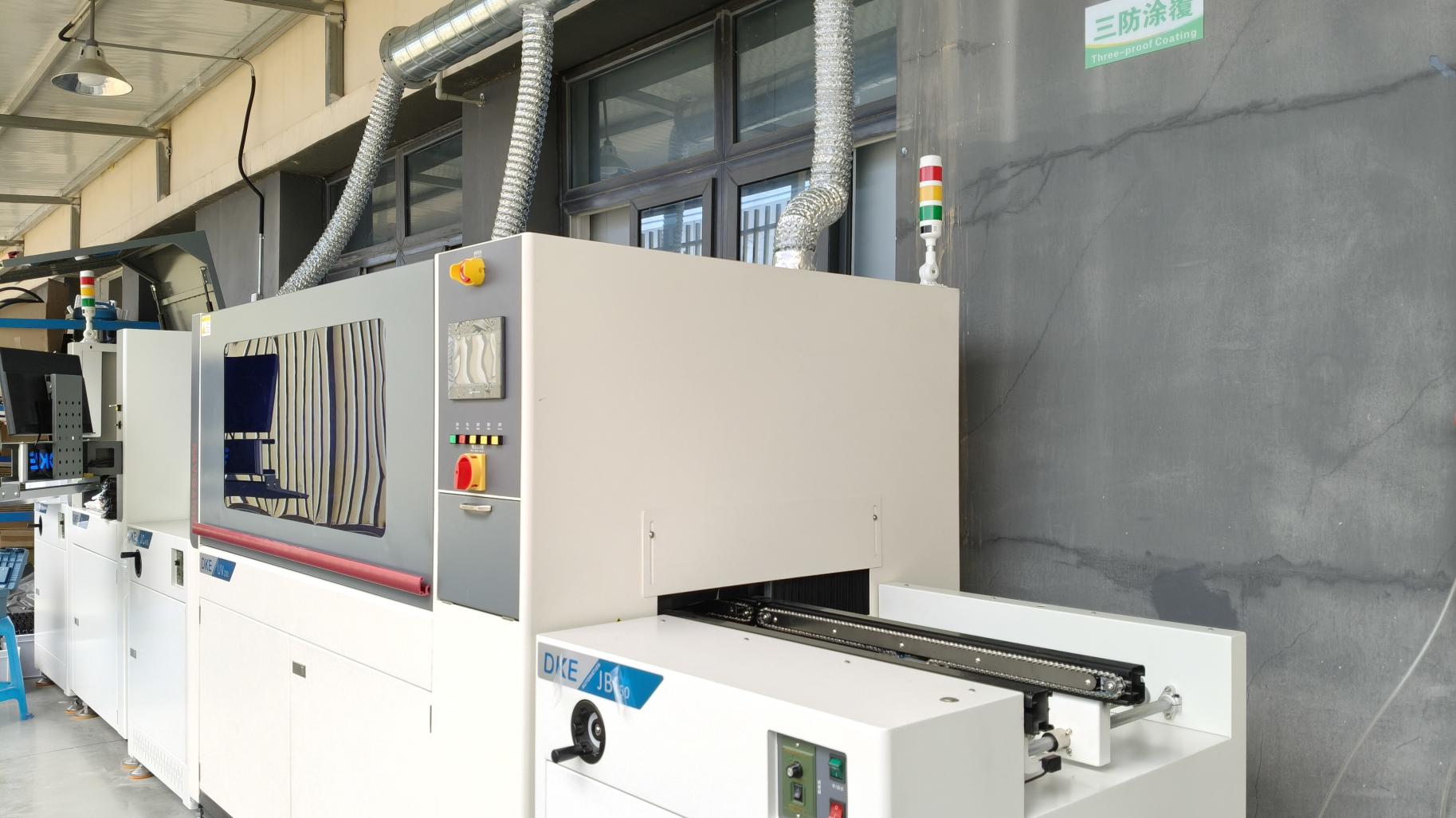
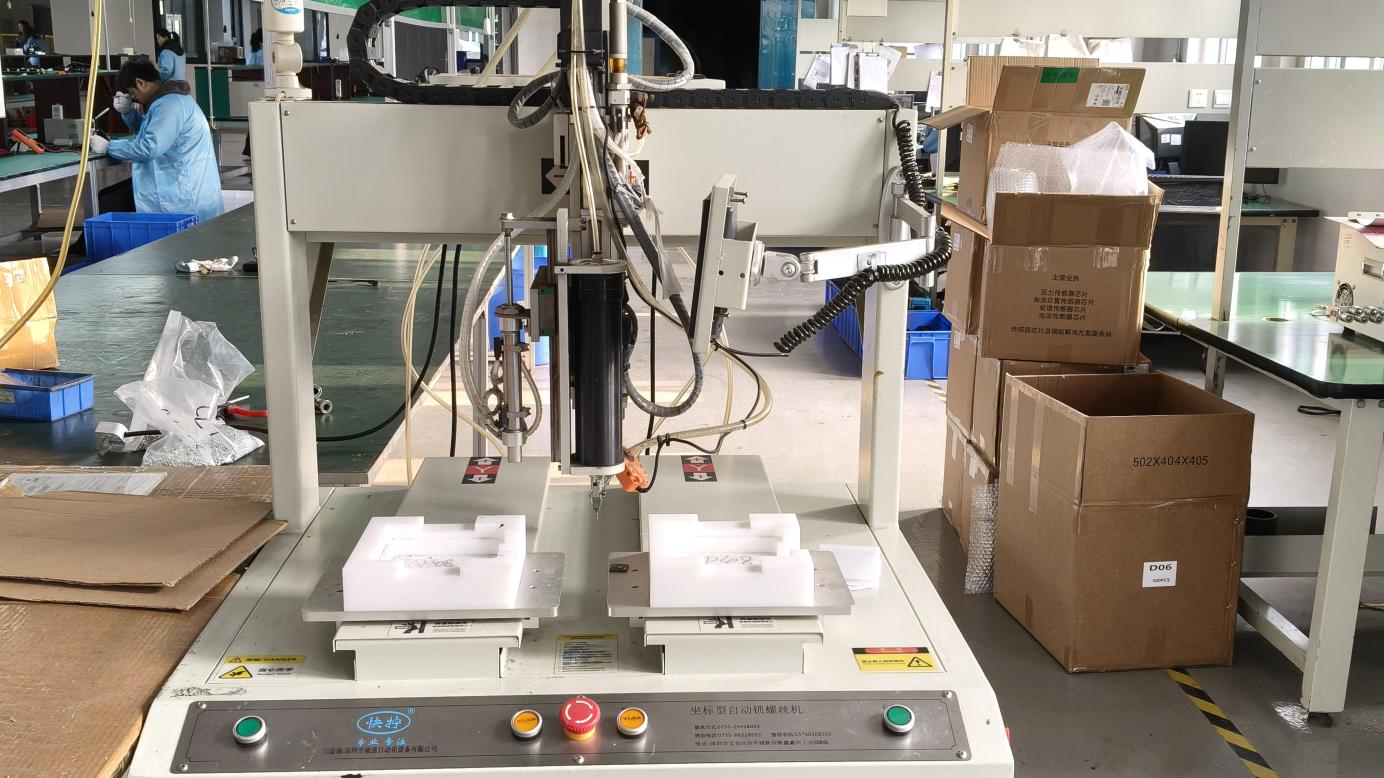
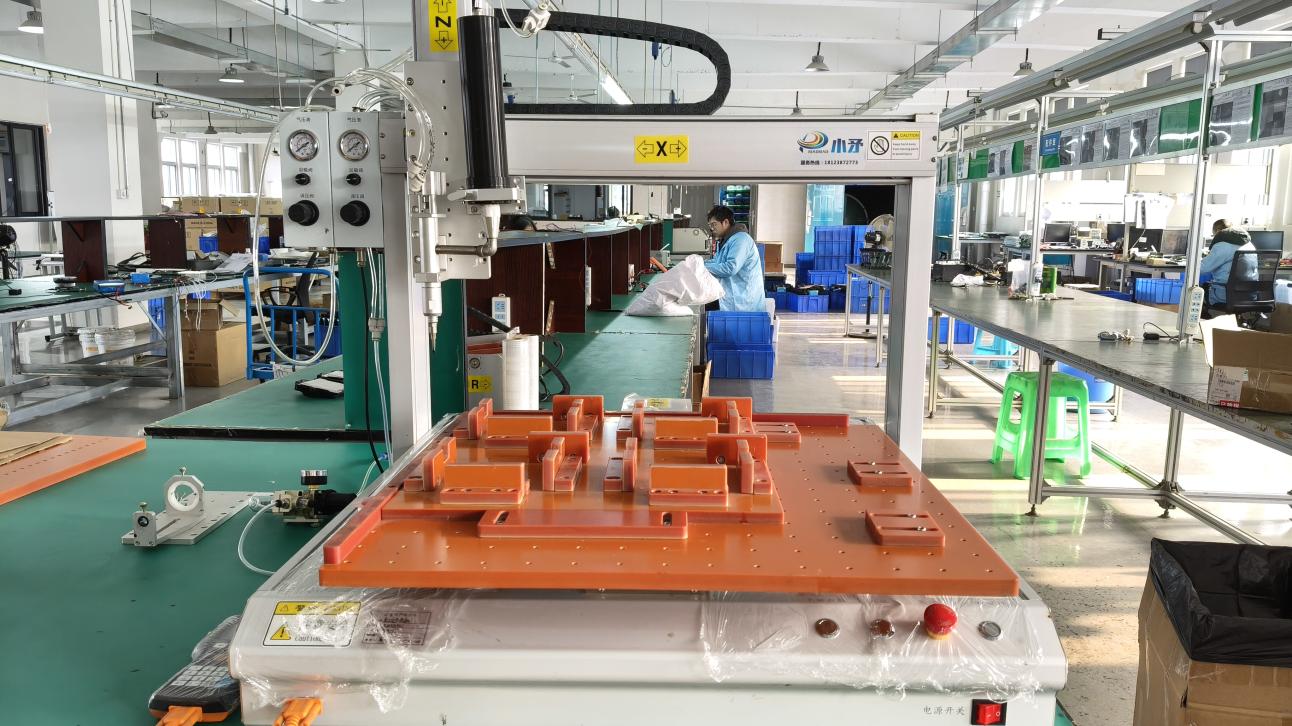
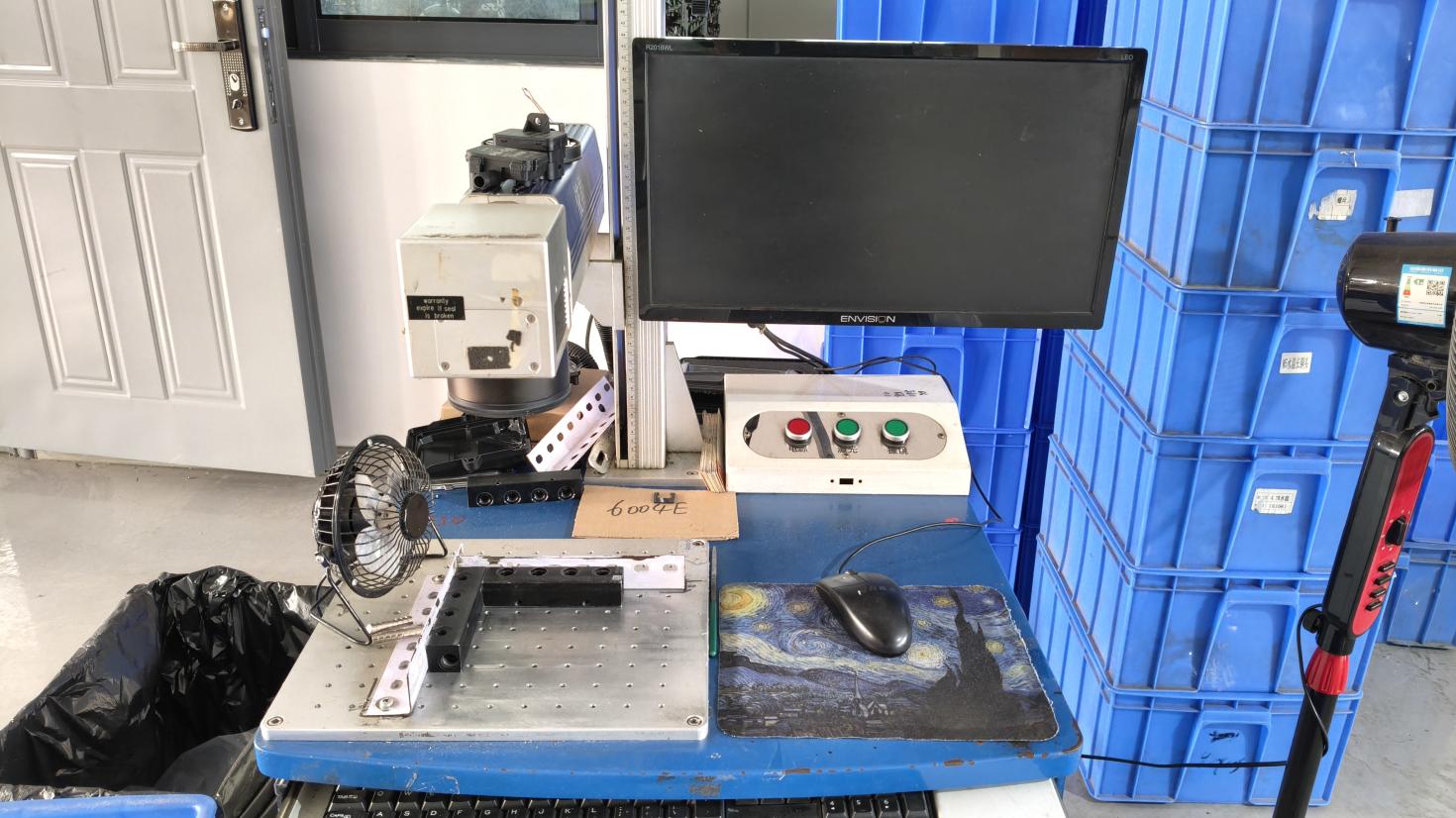
Established in 2003 and located in Yangzhou, Jiangsu Province—the manufacturing hub for China's outdoor lighting industry—Yangzhou OneAll Lights Co., Ltd. has over 20 years of experience in the design, development, manufacturing, and global supply of premium smart lighting solutions. The company's production facilities feature advanced machinery that guarantees precision engineering, reliable production cycles, and strict product safety standards for demanding projects worldwide.
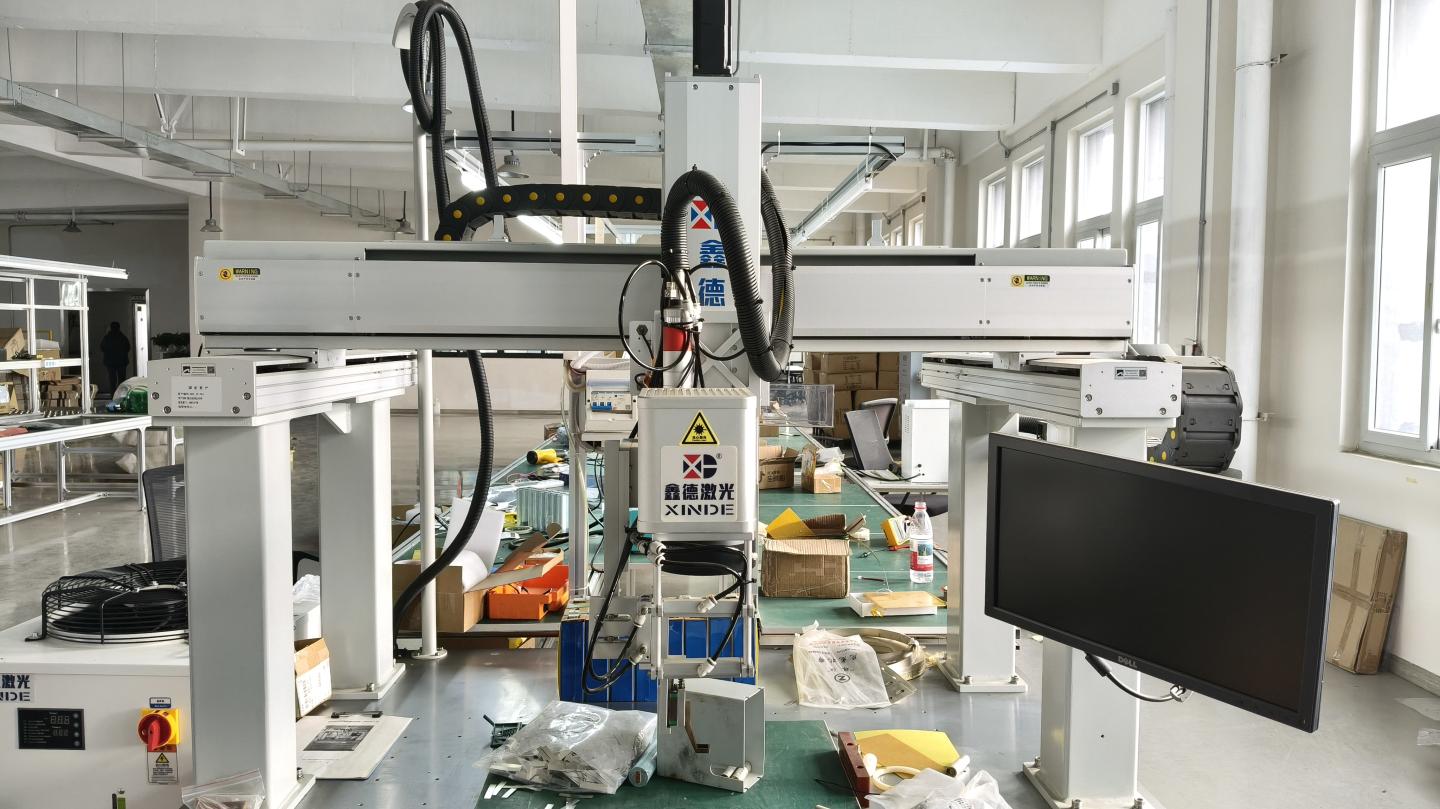
The manufacturing facility is equipped with CNC bending machines, automatic submerged arc welding systems, high-speed laser cutting equipment, electrostatic powder coating lines, fluorocarbon painting workshops, and precision optoelectronic testing instruments. Backed by automated production lines and an experienced technical team, the company offers full-scale OEM and ODM services, delivering customized structures, mounting systems, and electronic setups designed to meet project requirements.



Executing smart energy installations globally requires deep familiarity with localized regulatory frameworks, utility standards, and structural load requirements. Lighting grids and energy management architectures must comply with the National Electrical Code (NEC) in North America, CE directives (EN/IEC standards) in Europe, and national safety and performance mandates across Asia and Africa.
A key focus for modern installations is wind-load calculation. Standard street poles can fail during major storms if wind-resistance profiles are calculated incorrectly. Yangzhou OneAll Lights Co., Ltd. conducts finite element analysis (FEA) to engineer and manufacture poles that withstand local wind speeds, up to extreme hurricane levels. Additionally, our intelligent solar configurations feature automated current throttling to protect internal battery modules from damage during extreme temperatures, ensuring long-term operational safety.
Essential technical insights and details for procurement officers, energy engineers, and infrastructure developers.
Split solar street lights separate the solar PV panel, LiFePO4 battery, and LED fixture. This allows installers to angle the photovoltaic panel independently toward maximum direct sunlight, increasing energy conversion efficiency. This flexibility is highly beneficial in regions with limited solar coverage or specific street layouts, and it permits the installation of larger panels for higher wattage requirements.
Radar and microwave motion sensors detect physical movement over a wider area and with greater accuracy than traditional infrared (PIR) sensors. In warehouses, canopy lights, or parking lots, the system operates at a low energy level (typically 10-20% capacity) when no activity is detected. It switches to full brightness instantly when a vehicle or pedestrian is detected, reducing overall energy consumption by up to 60%.
Our integrated smart poles support various protocols, including Zigbee, LoRaWAN, NB-IoT, and 4G/5G cellular connections. This compatibility allows them to integrate into existing Smart City control systems, enabling operators to manage lighting schedules, monitor power metrics, and receive fault reports remotely from a centralized dashboard.
Our outdoor products feature rugged enclosures rated IP65 or IP66, tempered glass protection, and aluminum housings treated with electrostatic powder coatings or fluorocarbon paint. These features provide long-term protection against heavy moisture, particulate ingress, and salt-spray corrosion in coastal locations.
Industrial retrofits that replace traditional metal halide or high-pressure sodium lamps with high-efficacy LED luminaires typically achieve a return on investment within 18 to 24 months. The payback period is driven by energy savings, lower maintenance costs, and minimized replacement intervals, with LED modules backed by a 5-year warranty.
Yes, our engineering department customizes lighting poles and structural mounts based on localized geographic data, structural load specs, and wind-speed calculations. We manufacture steel shafts, anchor flanges, and brackets using CNC bending and automated welding to ensure high structural stability.
High-performance canopy arrays, smart city infrastructures, and specialized commercial LED technologies.

 OneAll Lights