High-efficiency architectural, roadway, and utility luminaires engineered for maximum resilience and extreme environmental endurance.

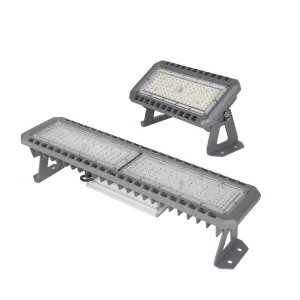
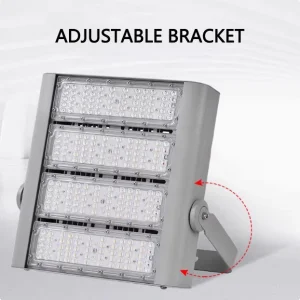
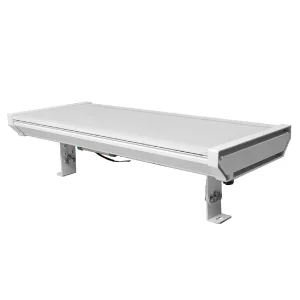
The paradigm shift in modern architectural lighting: How intelligent, zero-emission photovoltaic arrays are redefining urban spaces worldwide.
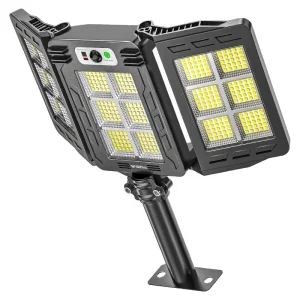
The global transition towards zero-carbon infrastructure has transformed solar plaza lighting from a fringe option into a foundational requirement for modern municipal design. In the past, plaza lighting relied heavily on traditional metal-halide or high-pressure sodium luminaires tied to complex, grid-dependent cable networks. Today, highly efficient LED light engines combined with advanced photovoltaic power storage systems are setting new standards for public safety, energy security, and environmental stewardship.
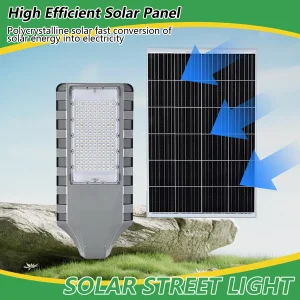
As governments globally enforce strict decarbonization mandates (such as the EU Green Deal and the US Infrastructure Investment and Jobs Act), municipal planners and EPC contractors are seeking highly integrated solar configurations. Modern Solar Plaza Lights now utilize high-density monocrystalline silicon solar cells, intelligent Maximum Power Point Tracking (MPPT) charge controllers, and advanced Lithium Iron Phosphate (LiFePO4) battery arrays. These technologies ensure stable light output even through periods of prolonged overcast weather, overcoming the historical reliability issues of older photovoltaic lighting systems.
Delivering high-performance, precision-manufactured outdoor lighting solutions to the global market since 2003.
Yangzhou OneAll Lights Co., Ltd. is a professional manufacturer and exporter specializing in outdoor lighting solutions. Established in 2003 and located in Yangzhou, Jiangsu Province, China (the primary industrial hub for global roadway and structural lighting manufacturing), we have over 20 years of experience in the design, development, manufacturing, and supply of high-quality lighting products for customers around the world.
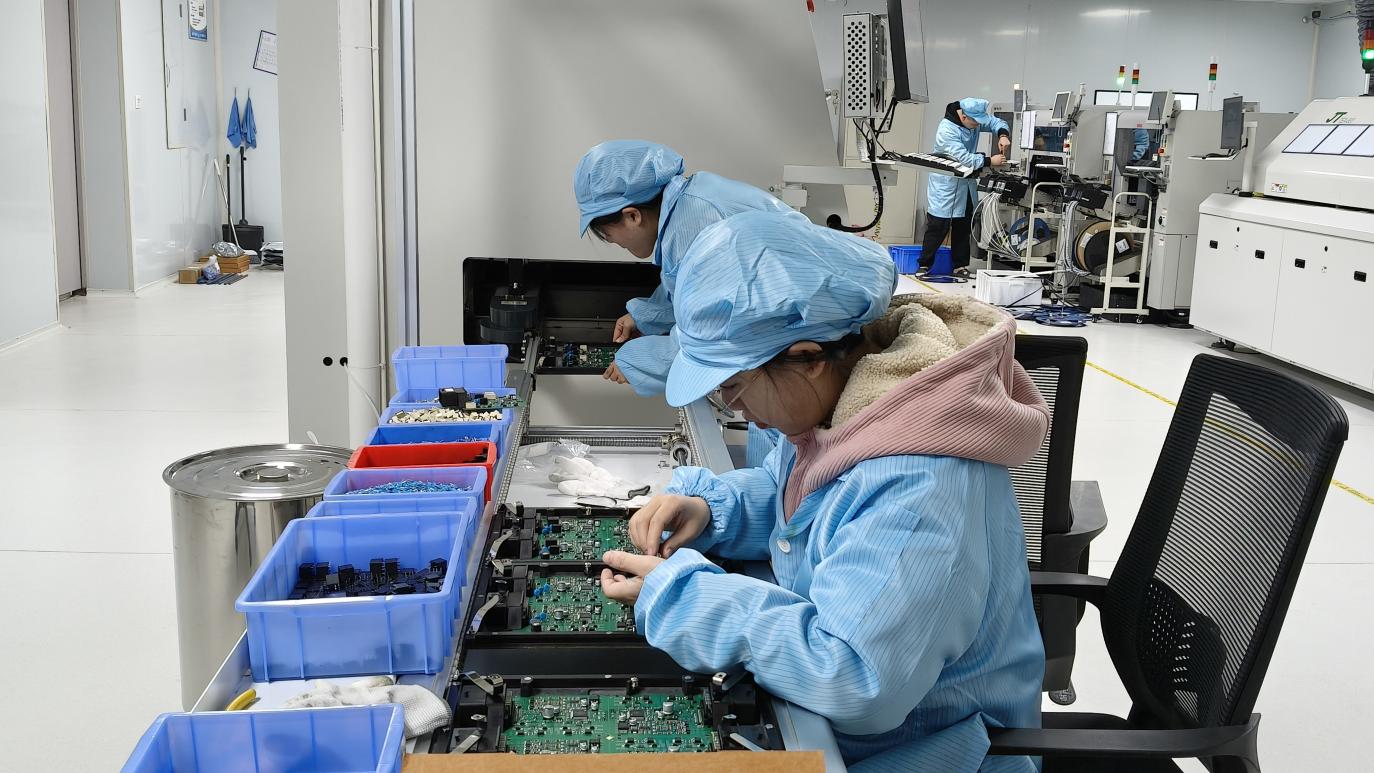
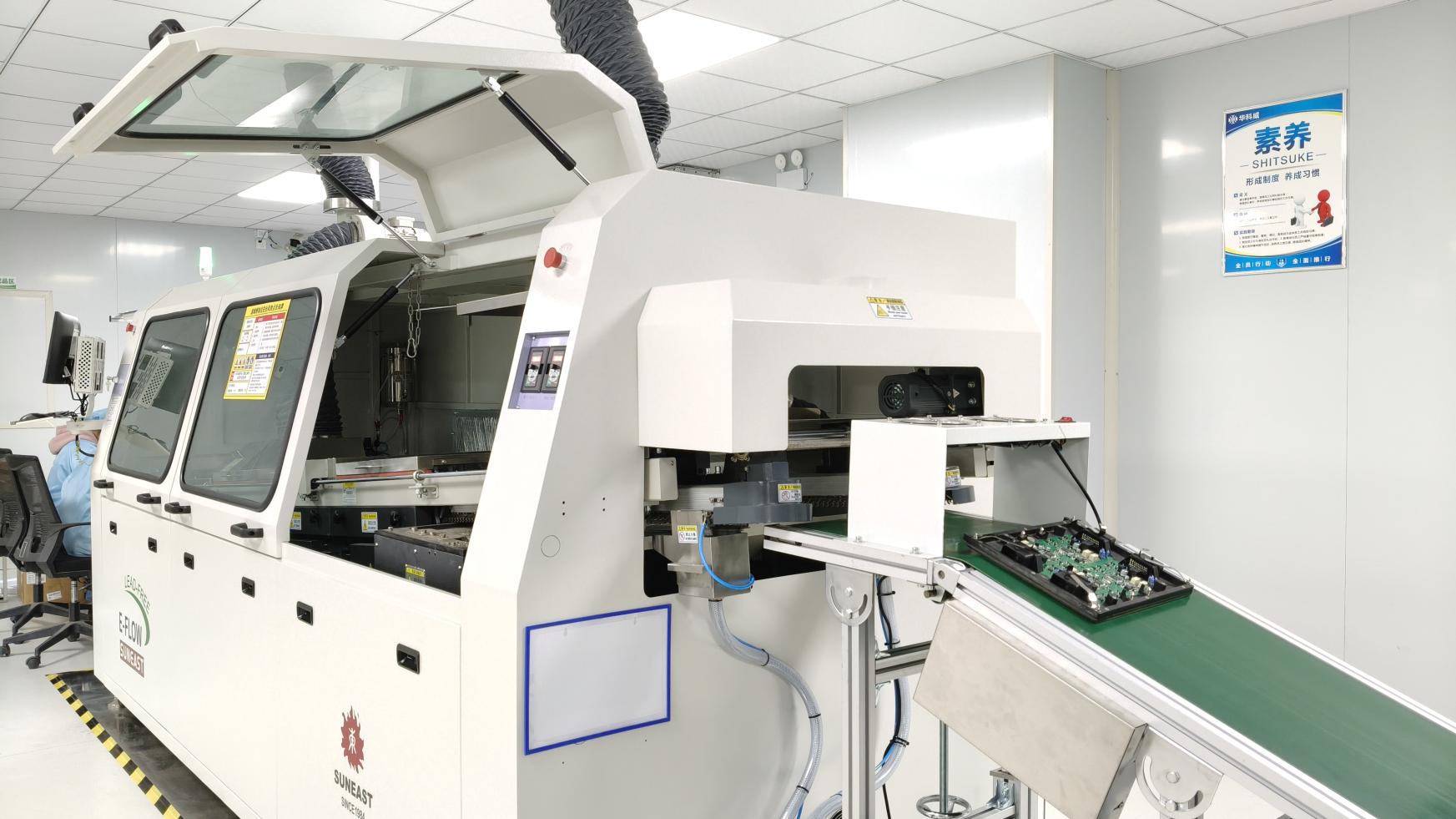
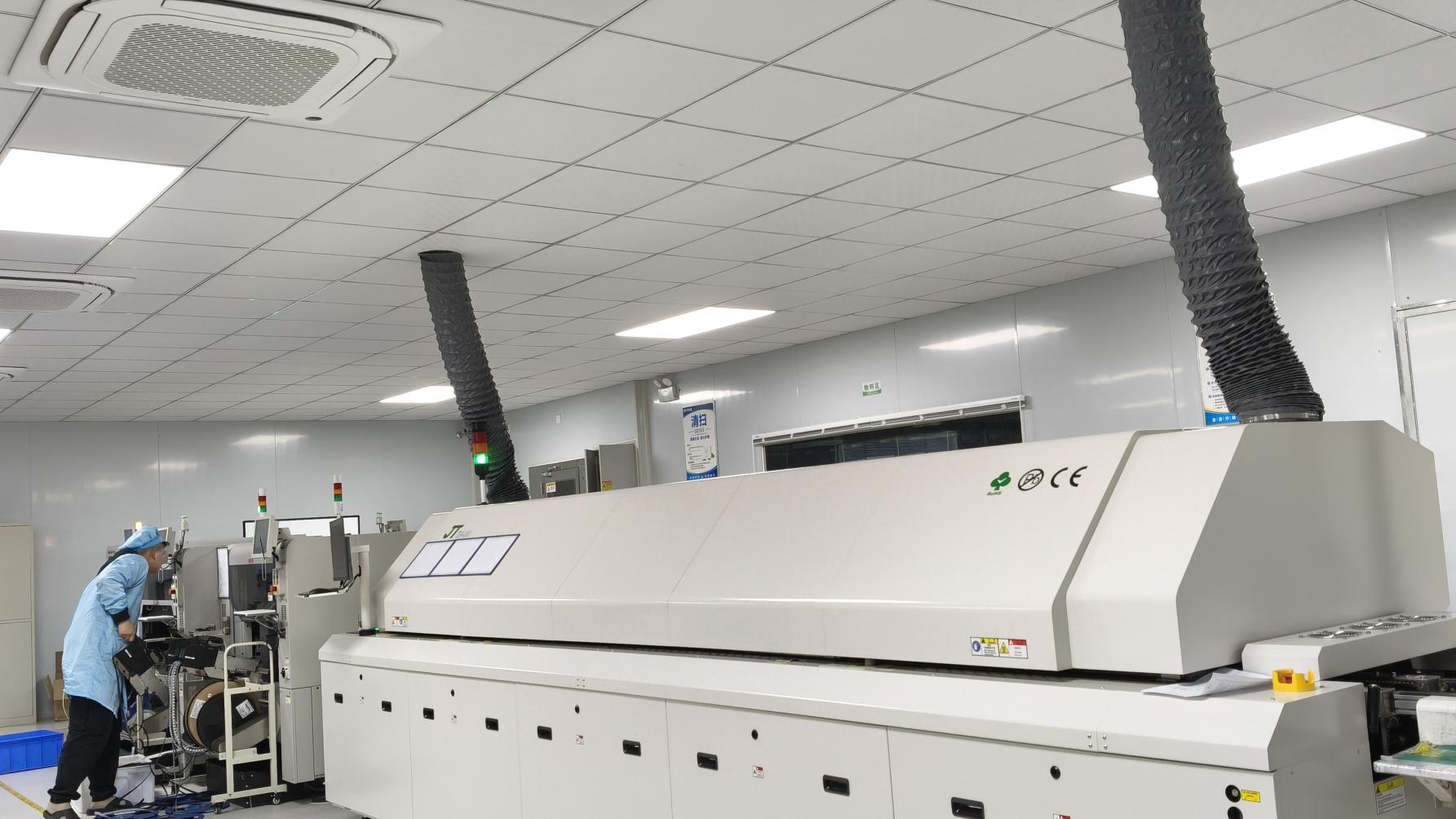
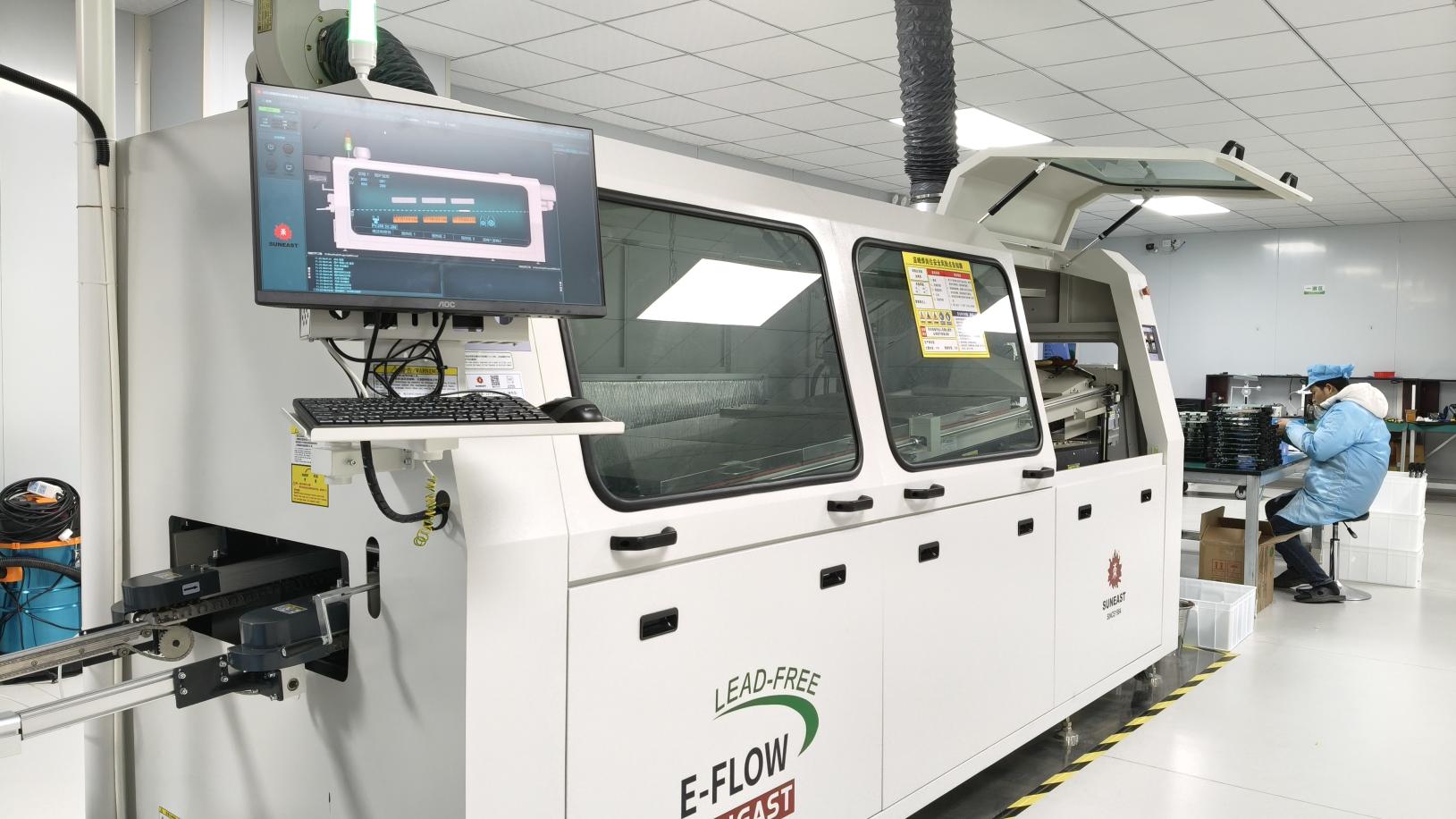
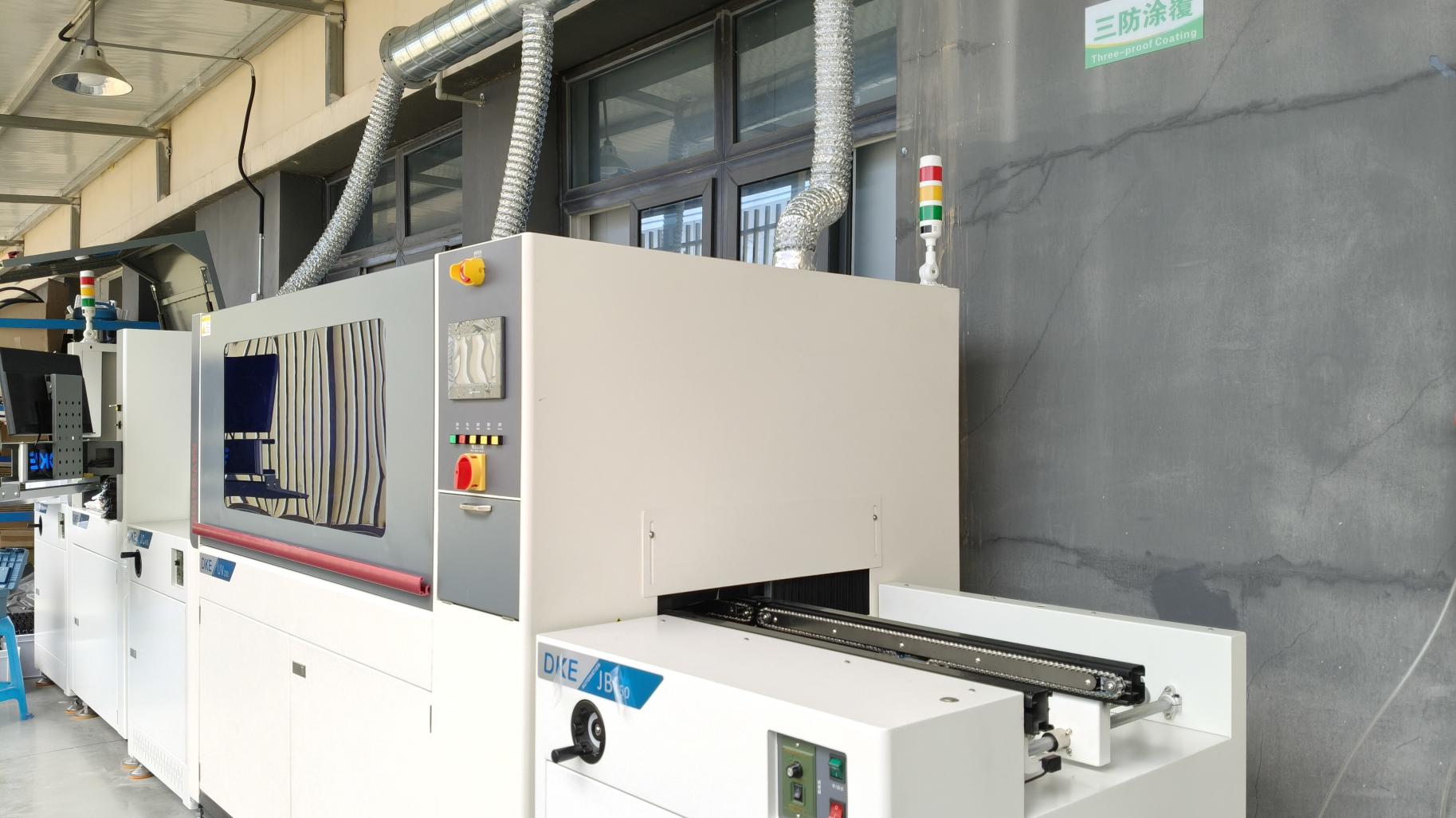
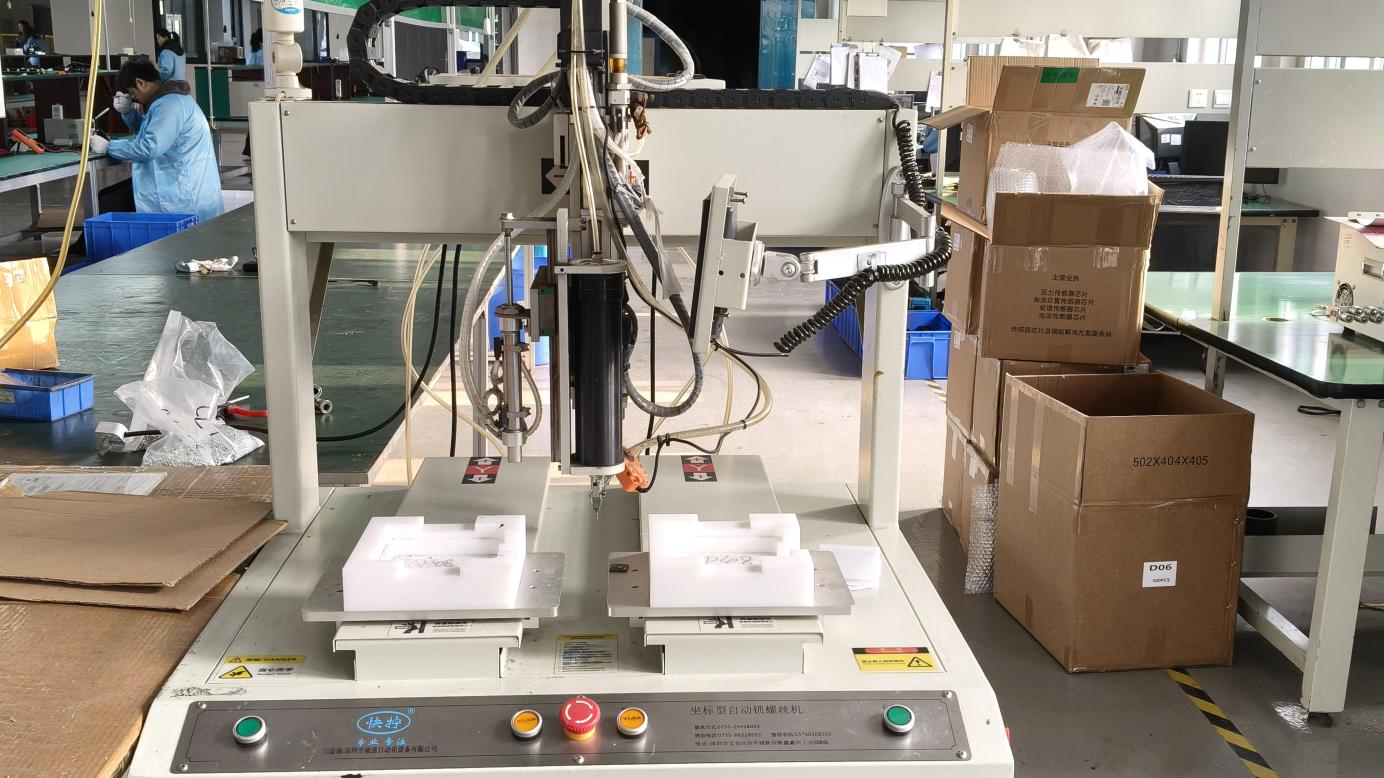
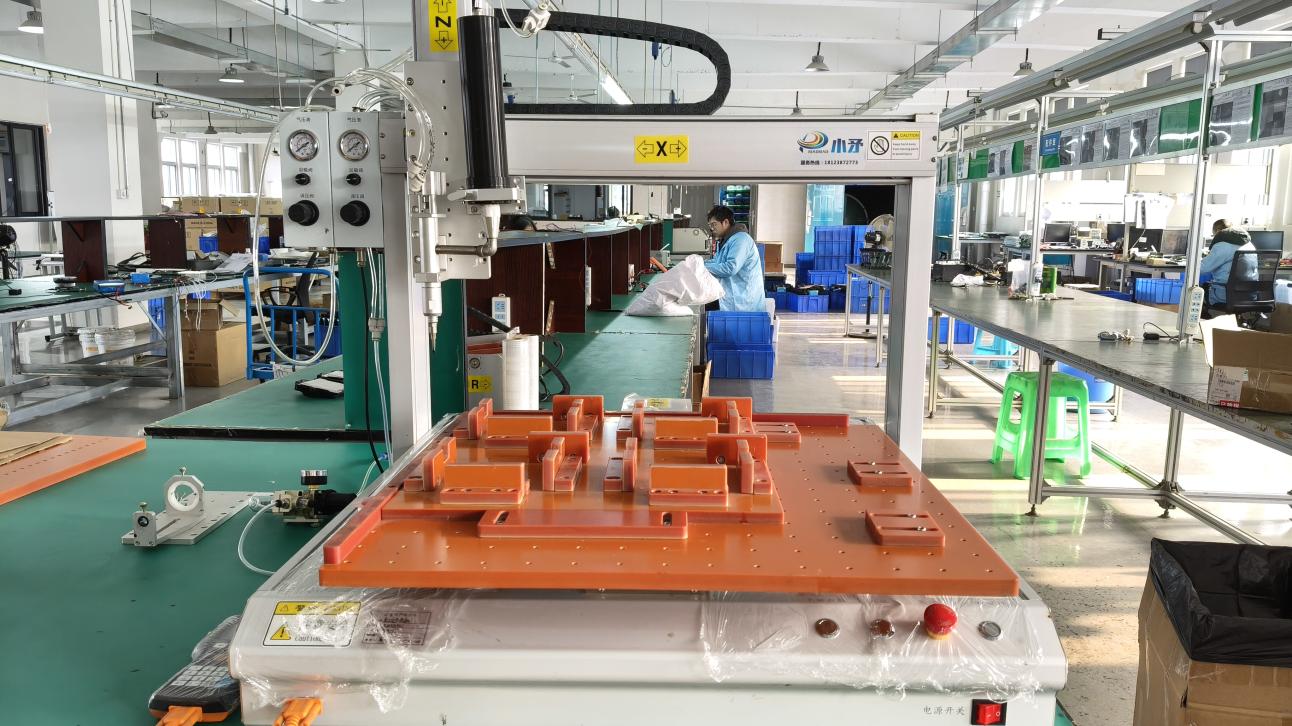
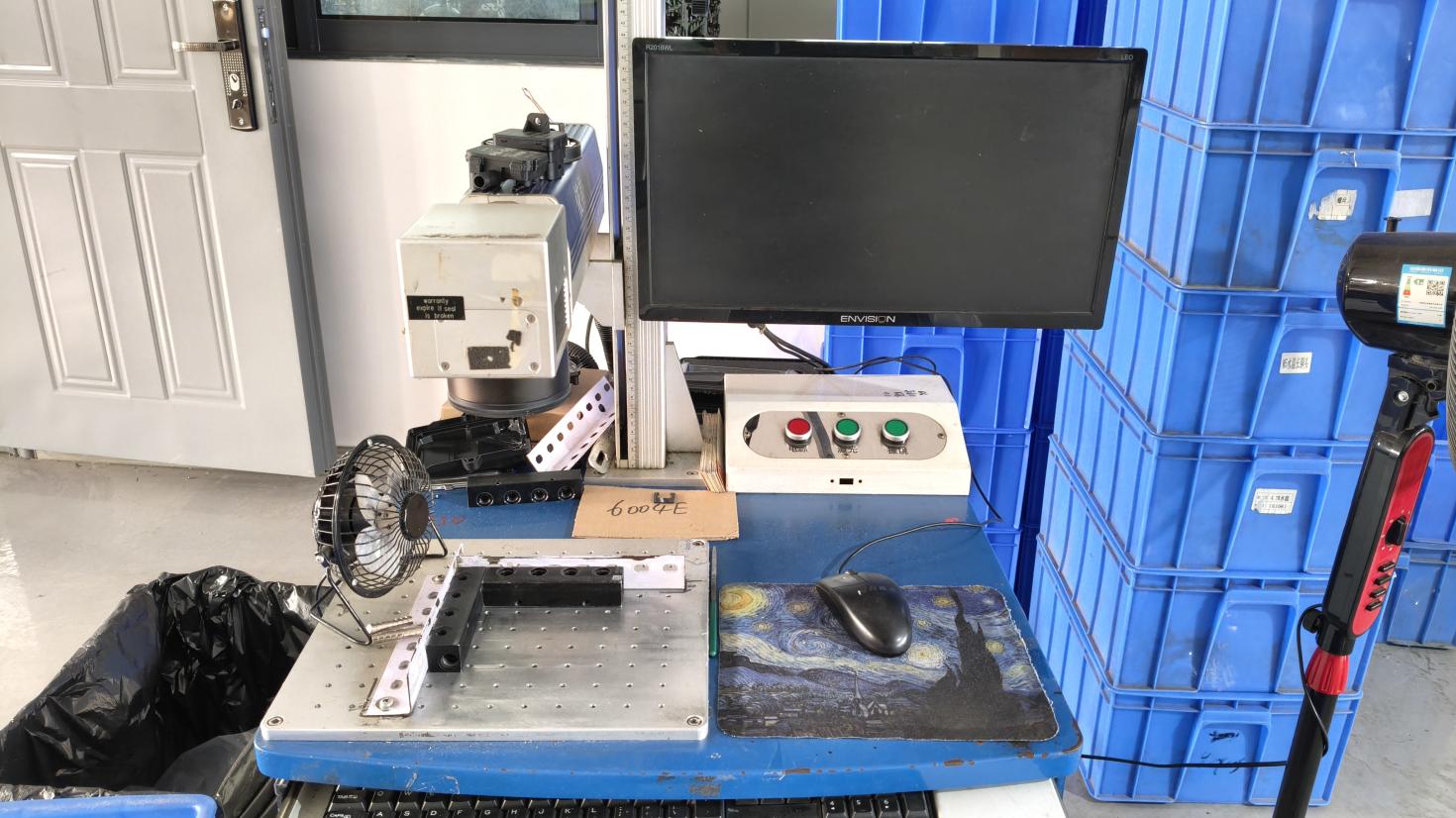
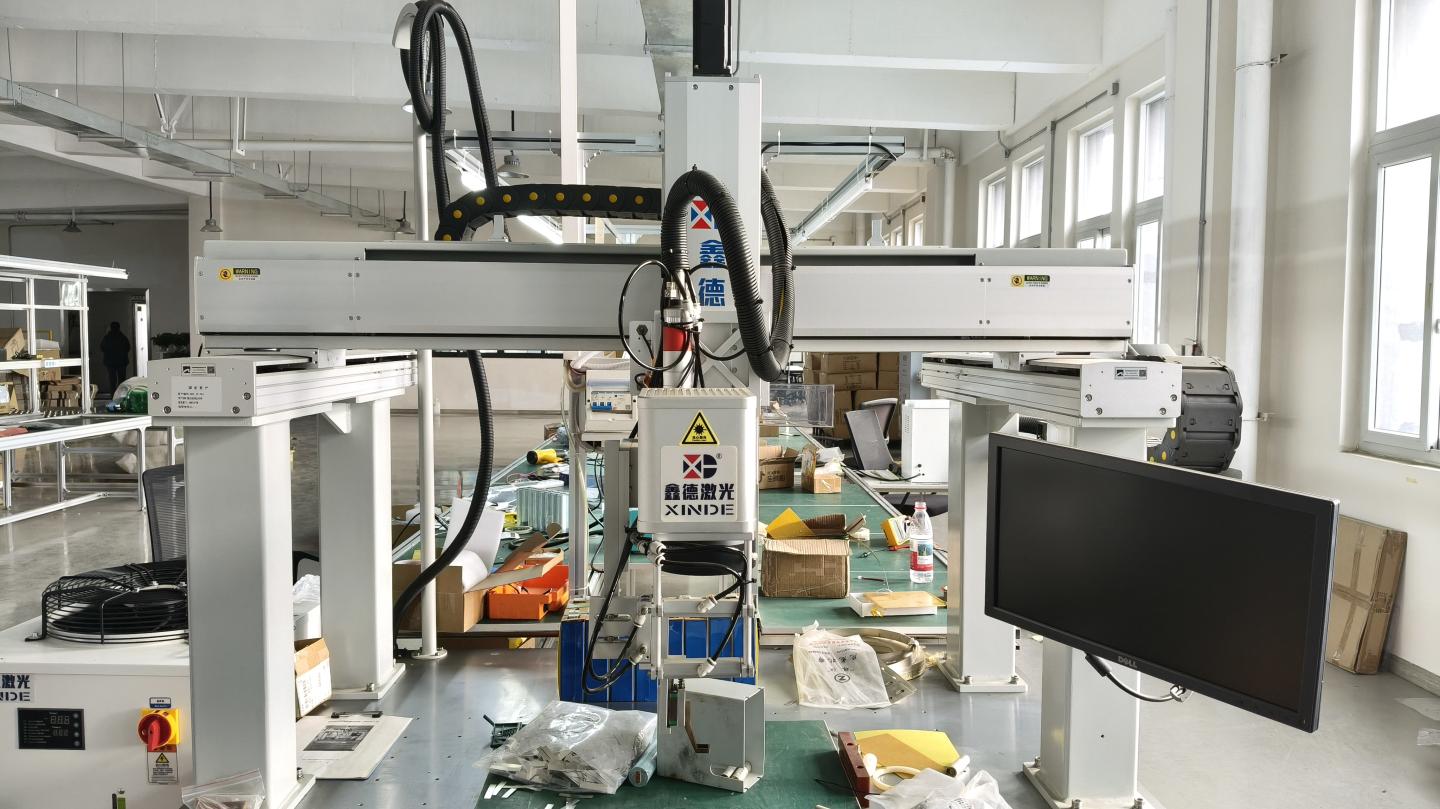
With continuous investment in advanced manufacturing technology, our factory is equipped with modern production facilities, including CNC bending machines, automatic submerged arc welding systems, laser cutting equipment, electrostatic powder coating lines, fluorocarbon painting workshops, and precision testing instruments. Supported by multiple automated production lines and a skilled technical team, we are able to provide efficient production, stable quality, and reliable delivery for projects of all sizes.
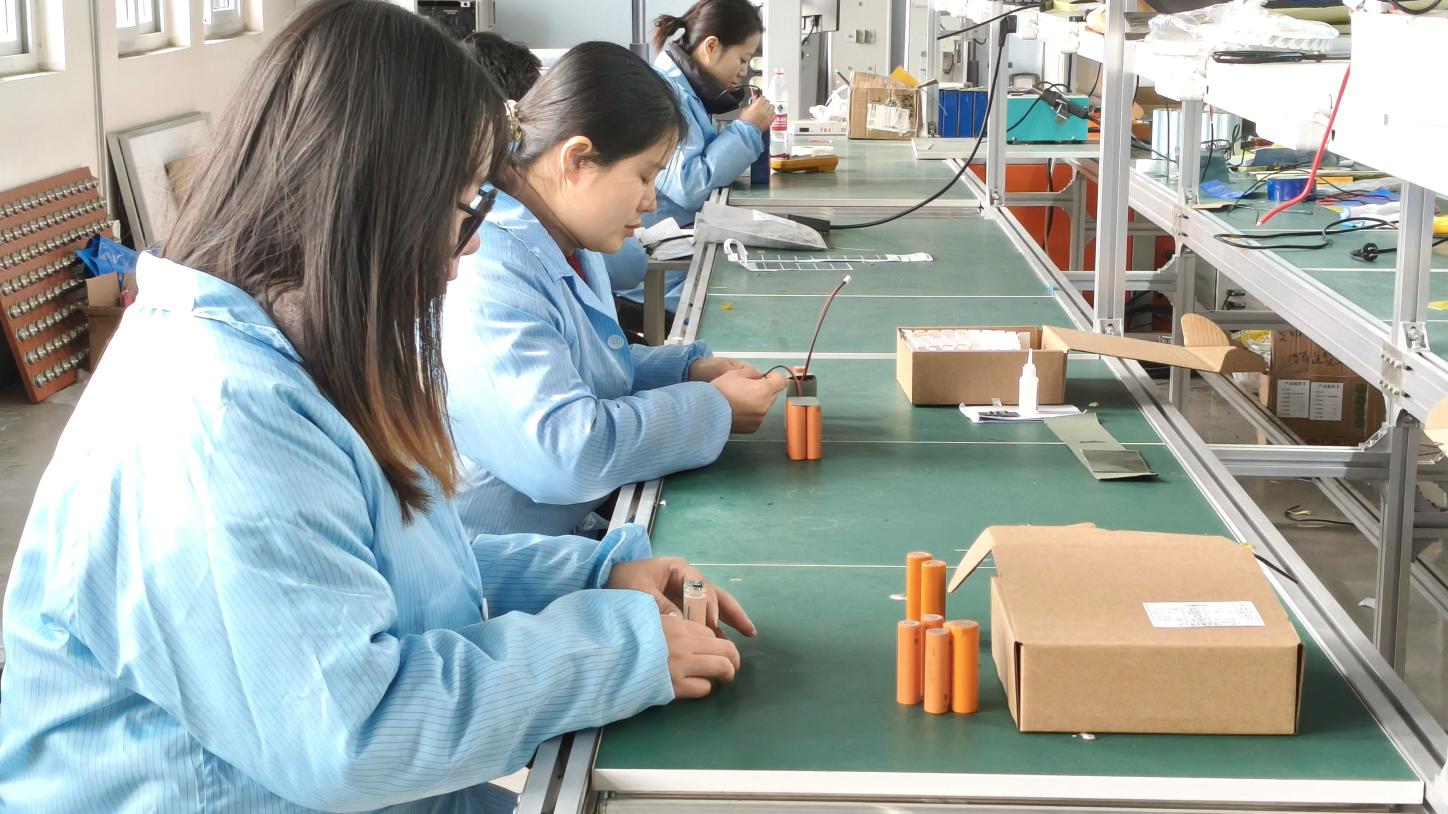
Innovation and quality are the driving forces behind our growth. We have established an experienced R&D team dedicated to developing energy-efficient, environmentally friendly, and intelligent lighting solutions that meet the evolving needs of global markets. From product design and engineering to manufacturing and quality inspection, every production process is carried out under strict quality control standards to ensure excellent performance, durability, and long service life. Our company has obtained ISO9001 Quality Management System Certification, ISO14001 Environmental Management System Certification, CCC, CQC, CE certification, and various international testing reports, demonstrating our commitment to global reliability and electrical safety standards.
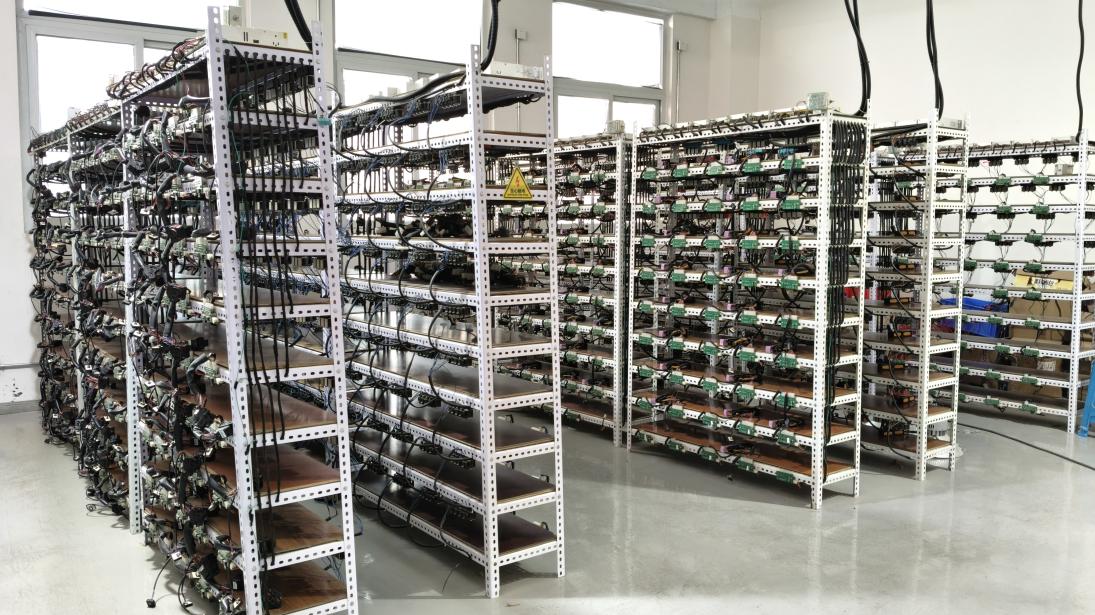
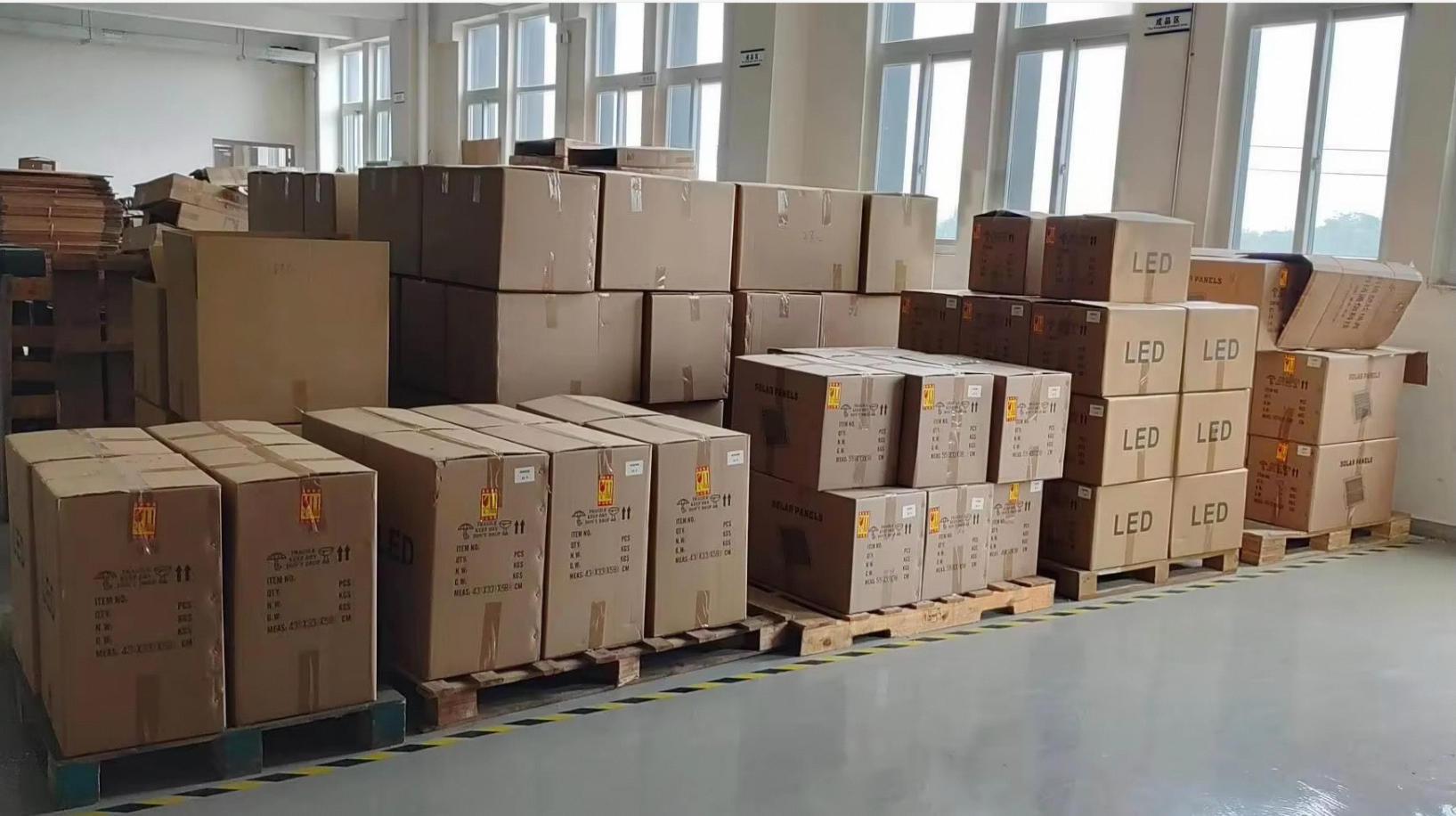
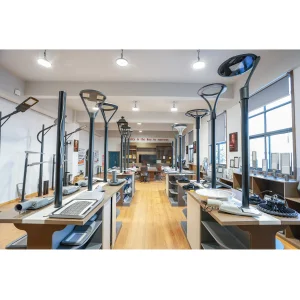
A comprehensive walkthrough of our manufacturing infrastructure, showing the engineering steps from raw material to final deployment.

Critical engineering parameters comparing low-cost retail consumer solar lights with professional-grade municipal installations.
For engineering departments, municipal purchasing committees, and utility buyers, choosing the right solar plaza lighting setup requires looking closely at technical specifications. Unlike residential solar garden lights, commercial solar plaza lights must provide continuous, high-intensity light for 10 to 14 hours a night. They also need a reliable power reserve that keeps them running through multiple days of rain or snow (often referred to as 'autonomy days').
Key parameters include luminous efficacy (measured in lumens per watt, lm/W), chemical composition and capacity of the energy storage cells, and intelligent control algorithms that adjust light output based on real-time battery voltage. The table below outlines these differences to help guide procurement decisions.
| Performance Metric | Municipal/Industrial Specification | Commercial Grade (Standard) | Key Technical Significance |
|---|---|---|---|
| Solar Panel Type | A-Grade Monocrystalline Silicon (21-23% Efficacy) | Polycrystalline / Low-Grade Mono (16-18%) | Maximizes energy conversion per square meter under overcast sky conditions. |
| Battery Chemistry | New LiFePO4 (Lithium Iron Phosphate) >2500 Cycles | Recycled LiFePO4 or Lead-Acid (<800 Cycles) | Provides a longer operational life (up to 8-10 years) and safe operation at high ambient temperatures. |
| Controller Technology | Smart MPPT with Programmable Dimming Profile | PWM Controller with Simple On/Off Sensor | Boosts charging efficiency by 15-30% and dynamically manages battery discharge to extend lifespan. |
| Luminous Efficacy | 180 lm/W to 210 lm/W (Tier 1 Lumileds/Bridgelux) | 100 lm/W to 130 lm/W (Generic LED chips) | Delivers higher light output using less battery power, reducing the size of the required solar panel. |
| Material Structure | Aviation-Grade Die-Cast Aluminum (ADC12), AkzoNobel Powder | Low-grade ABS Plastic or Sheet Metal | Ensures high thermal dissipation and salt-spray corrosion resistance in coastal environments. |
| Wind Load Rating | Designed to withstand winds up to 160 km/h (Category 12+) | No wind rating / basic calculations | Ensures safety and structural integrity during high winds and severe weather. |
Tailored engineering approaches for diverse architectural layouts, transit systems, and public assembly grounds.
Designed to integrate into civic spaces, these systems feature asymmetric light distribution and warm color options (3000K-4000K). This keeps glare to a minimum and reduces light pollution, creating a welcoming and visually comfortable environment for visitors.
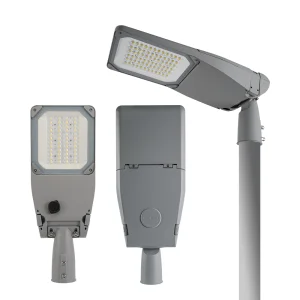
These systems use high-wattage LED lights and specialized lenses to deliver clear, uniform illumination for high-speed roadways. By eliminating dark spots, they help improve driver visibility and overall road safety.
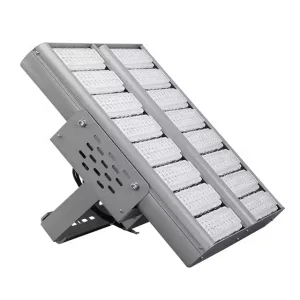
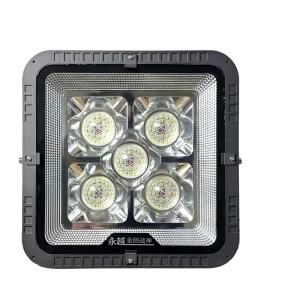
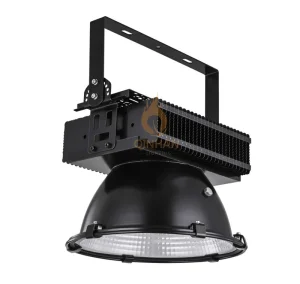
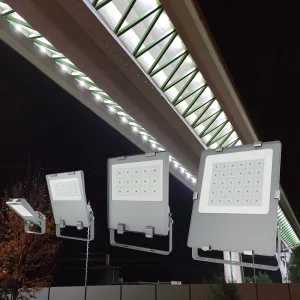
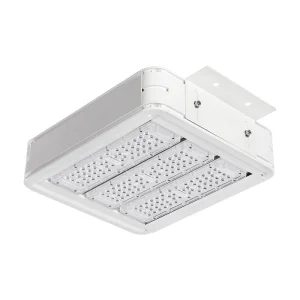
For areas requiring high-intensity lighting, like shipping yards, warehouses, and sports fields, we install heavy-duty high-mast floodlights (up to 1500W). Built with advanced heat-management systems, they maintain stable performance and extend the life of the LEDs under demanding conditions.
When engineering these systems, we focus on matching the specific needs of each environment. Municipal plaza lights require careful control of light distribution to protect the surrounding ecosystem and keep skies dark. By using custom-designed polycarbonate lenses, we guide the light precisely where it is needed—like walkways and seating areas—while preventing it from spilling into nearby residential windows or up into the night sky.
Conversely, industrial and sports facility installations demand maximum vertical and horizontal illuminance. By utilizing high-power LED matrices combined with multi-angle structural brackets, we achieve uniform light spreads that meet international safety standards. Additionally, the integration of intelligent motion sensors (PIR/Microwave) allows the lights to run at a power-saving dim level, automatically brightening to full power only when human activity is detected.
Exploring next-generation technologies that will improve efficiency, battery performance, and smart network integration.
The solar lighting industry is evolving rapidly, driven by advancements in materials science and digital control. A key focus is on improving solar conversion efficiency. Modern research into perovskite-silicon tandem solar cells points to potential solar panel efficiencies exceeding 30% in the coming years. This will allow manufacturers to generate more power from smaller solar panels, making installation easier and expanding design options for urban planners.
Another major trend is the growth of Smart City Integration. Using IoT communication protocols like LoRaWAN, Zigbee, and NB-IoT, solar plaza lights are becoming connected smart nodes. Municipal operators can monitor battery health, track solar energy generation, adjust lighting schedules, and receive automatic maintenance alerts from a central dashboard. This real-time visibility helps reduce operational costs and prevents unexpected outages.
In addition, advanced battery chemistries are emerging to replace standard LiFePO4 cells. Sodium-ion batteries, for instance, are being developed for applications in extreme climates. They offer excellent cold-weather performance (maintaining high capacity at temperatures as low as -30°C) and are built from more abundant, sustainable raw materials, helping to reduce the environmental footprint of solar manufacturing.
Meeting strict international testing standards to ensure safe, legal, and long-lasting performance in any region.
Exporting industrial lighting equipment worldwide requires strict adherence to international electrical, structural, and environmental standards. At Yangzhou OneAll Lights Co., Ltd., our entire product development and production process is aligned with recognized global regulations to ensure reliability and safety in diverse environments.
Expert answers to the most common questions raised by engineers, project planners, and municipal buyers.
High-performance illumination solutions engineered to meet the demanding requirements of commercial and municipal lighting projects.
 OneAll Lights