Engineered for high efficiency, weather proofing, and long-term structural reliability in global project developments.
A technological and structural paradigm shift in architectural linear illumination, detailing materials science, durability, and customized engineering.
The global transition from traditional glass neon to solid-state LED linear systems has accelerated over the past decade. LED Neon Flex Light, utilizing advanced polyurethane (PU) or silicone co-extrusion, has become the dominant technology for high-performance architectural accent lighting, facade outlining, and industrial signage. As major municipal and retail developments demand carbon neutrality and maintenance-free operation, the engineering focus has shifted from simple luminance output to holistic performance parameters: UV stability, thermal cycle management, and color rendering accuracy.
Modern architectural schemes demand continuous lines of light without visible pixelation or color shifting. Traditional PVC formulations, while cost-effective for short-term indoor applications, fail under harsh external environments due to photochemical degradation (yellowing) caused by UV radiation and cracking from temperature variations. High-latitude regions experience mechanical stress due to freeze-thaw cycles, while equatorial environments require sustained operations at 50°C+ ambient temperatures.
To address these challenges, tier-one manufacturers utilize Dow Corning medical-grade silicone raw materials, producing flexible luminaires that maintain flexibility down to -50°C and thermal structural stability up to 150°C. In Europe and North America, strict building codes call for self-extinguishing properties (UL 94 V-0 flame ratings) and high impact resistance (IK08 rating). This is driving a significant transition toward premium silicone extrusion lines, which offer superior durability compared to older PVC-based technologies.
The manufacturing complexity of LED Neon Flex involves dual-color co-extrusion technology. This technique applies a highly reflective opaque base layer and a light-transmitting diffused dome top layer in a single, continuous extrusion process. This guarantees perfect adhesion between the layers, preventing internal moisture pockets and delamination.
Furthermore, maintaining color consistency over long runs is a critical metric for architectural projects. At Yangzhou OneAll Lights, our LED chips undergo rigorous sorting to achieve a 3-step MacAdam Ellipse (SDCM < 3). This process ensures that no visual color variation is detectable from one end of a continuous light run to the other.
| Physical Property | Premium Silicone Extrusion | Standard Polyurethane (PU) | Traditional PVC |
|---|---|---|---|
| Working Temp Range | -50°C to +150°C | -25°C to +80°C | -15°C to +55°C |
| UV Resistance | Excellent (ASTM G154 Cycle 1: 5000h) | Good (Yellows slightly over time) | Poor (Yellows and cracks in 12 months) |
| Chemical Resilience | High resistance to acids, bases, salt mist | Medium resistance to solvents | Low chemical stability |
| Min. Bending Radius | Horizontal/Vertical up to 30mm | 50mm | 80mm (stiffens at low temps) |
When running long linear profiles, voltage drop is a physical limitation that can cause a noticeable decrease in brightness toward the end of the run. Standard low-voltage (24VDC) systems typically experience visible light attenuation at lengths exceeding 10 meters when powered from a single end.
To overcome this issue, our high-end LED Neon Flex integrates a constant current IC driver directly onto the flexible PCB. This design allows for continuous, single-ended power runs of up to 25 to 30 meters with less than a 3% change in lumen output from start to finish. This configuration reduces overall installation costs by minimizing the required cabling and the number of external power supplies.
To support global supply chains, our production processes align with international testing standards. Our LED products undergo regular LM-80 testing for luminous flux maintenance, confirming an L80 lifetime exceeding 50,000 hours. Furthermore, we maintain a robust range of certifications, including CE, RoHS, and UL, which are crucial for verification during commercial building inspections worldwide.
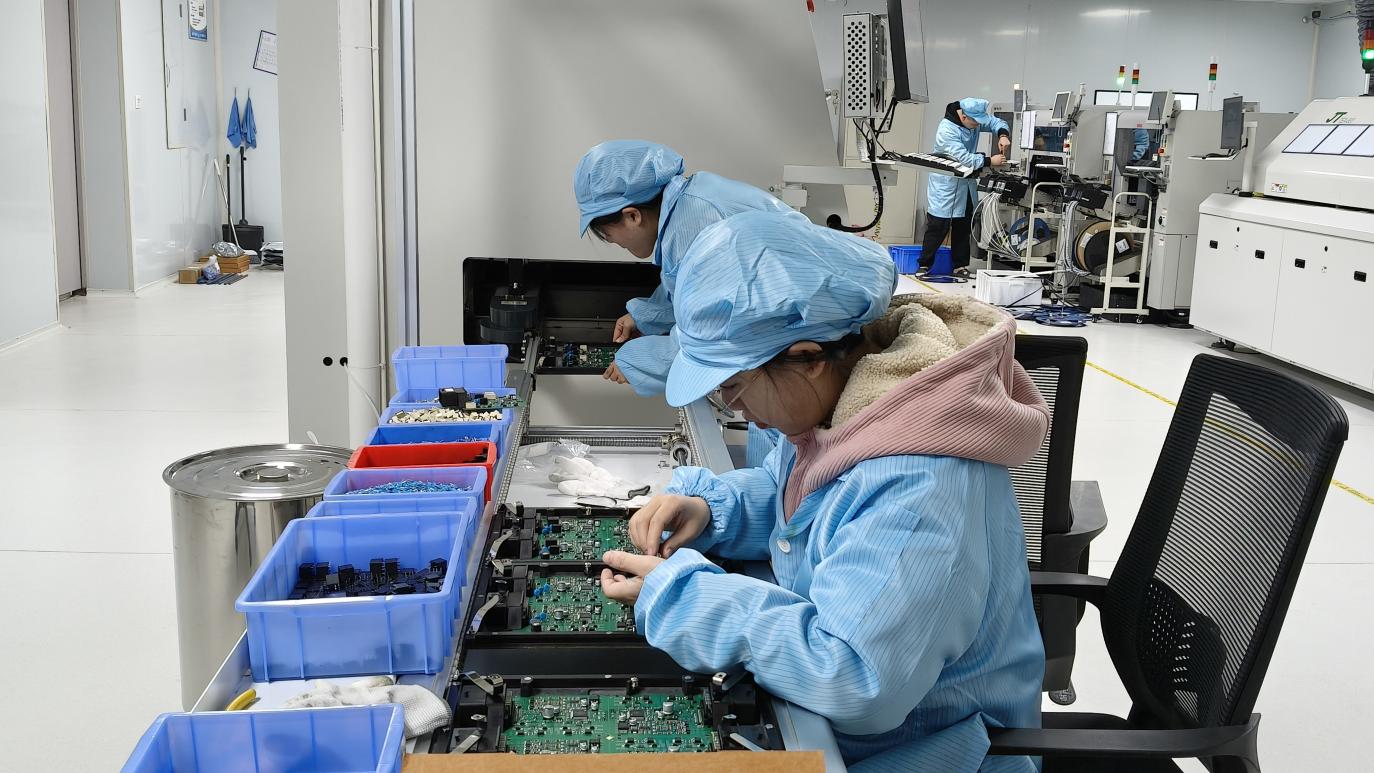
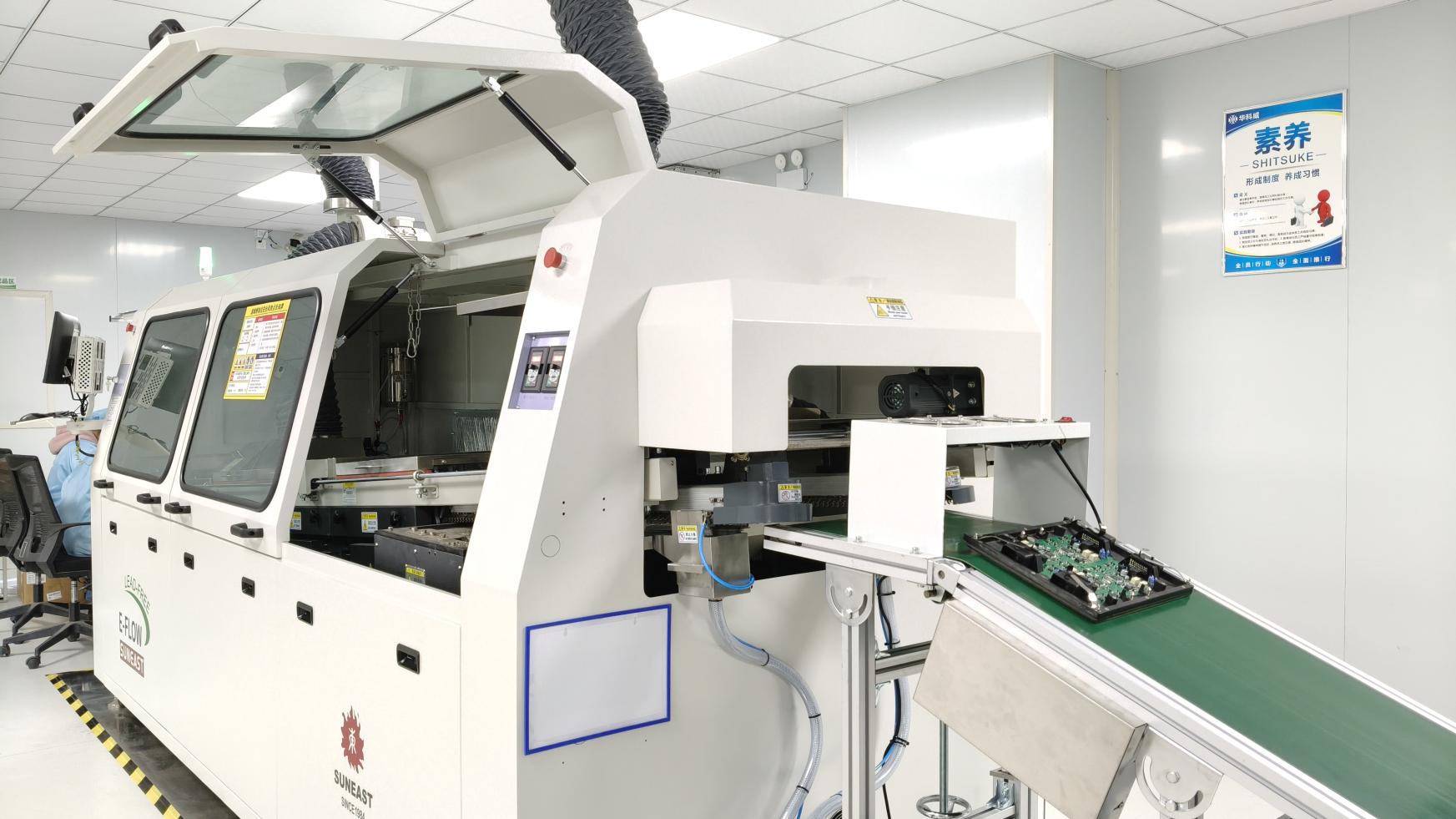
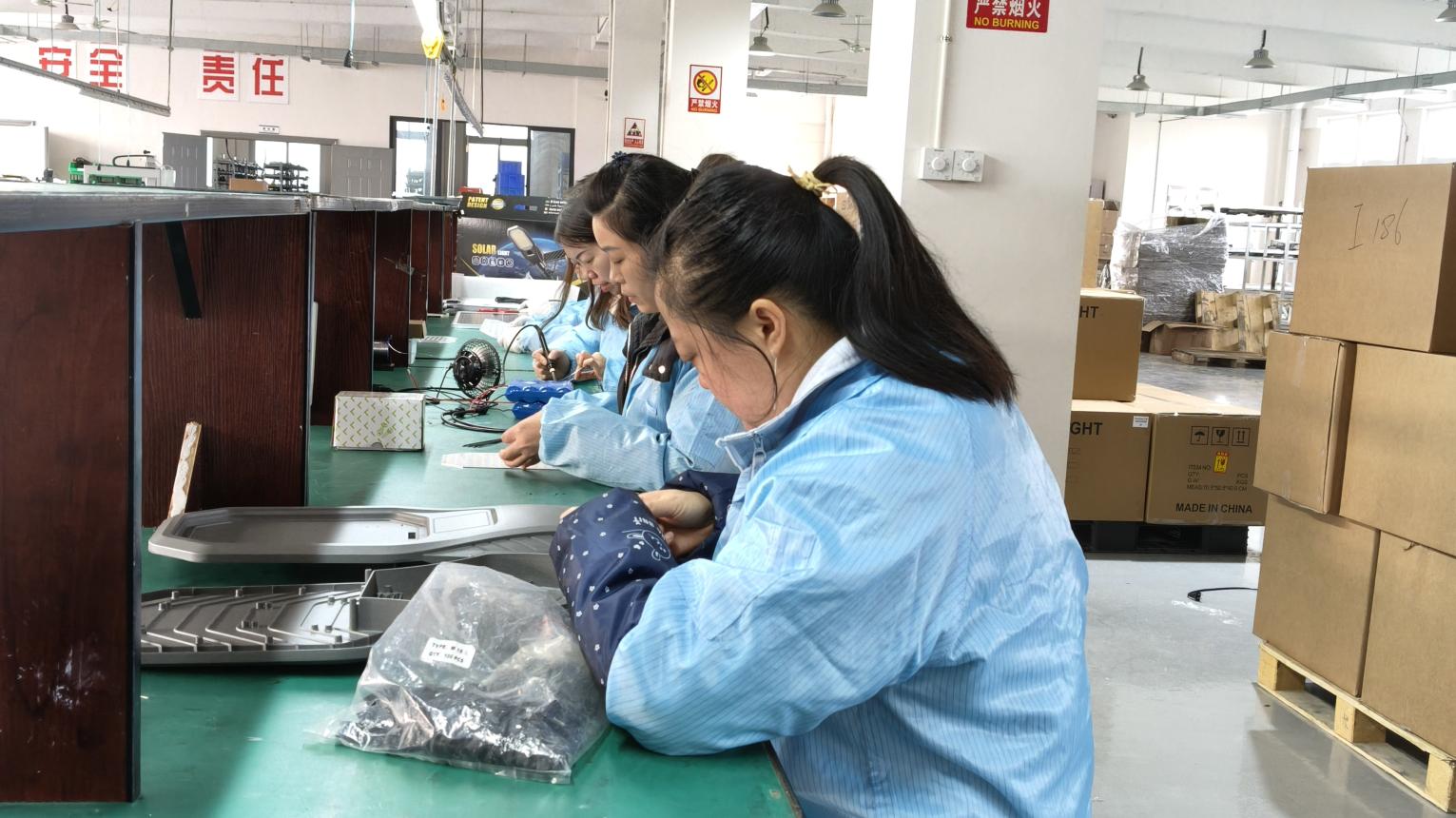
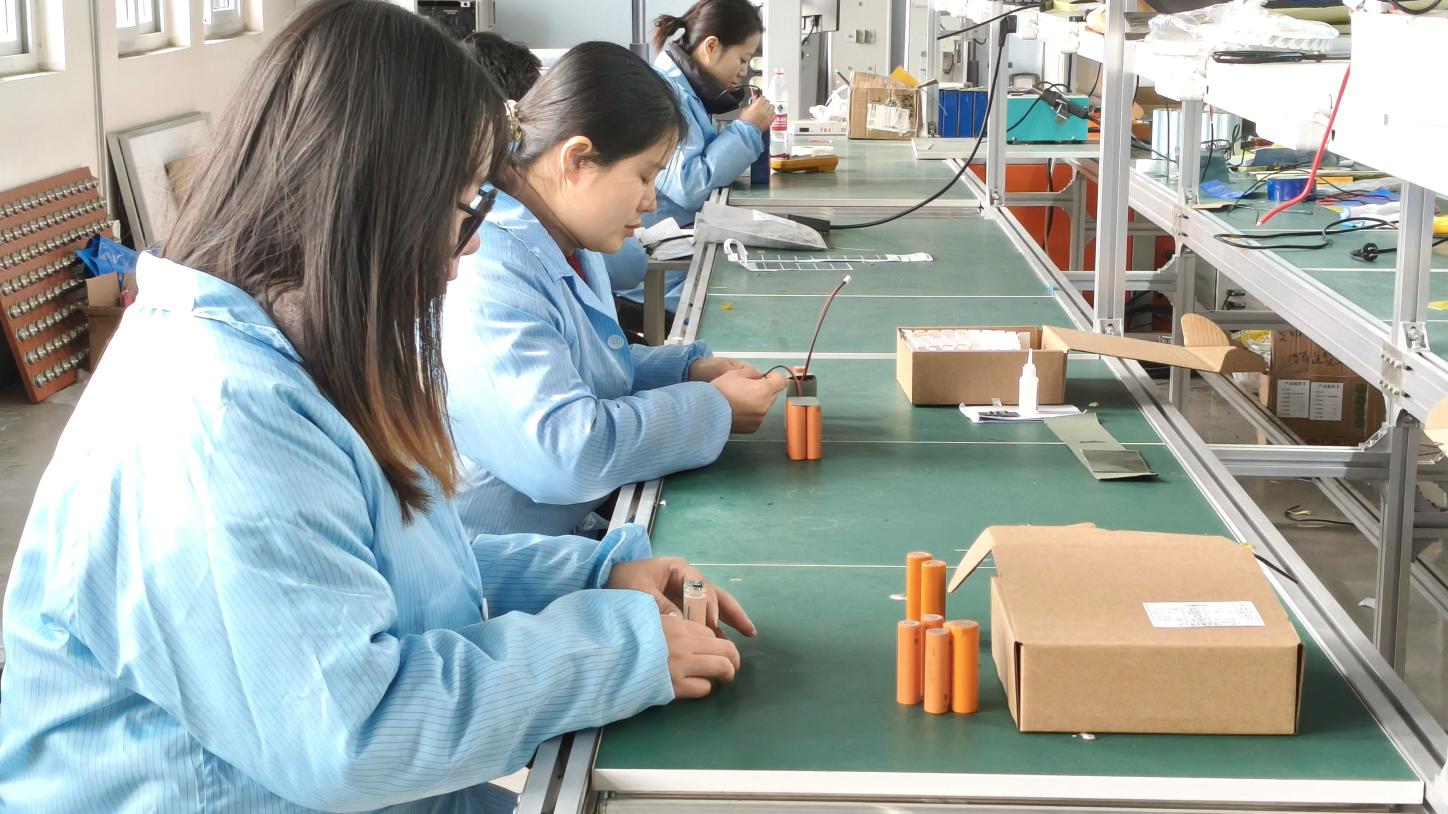
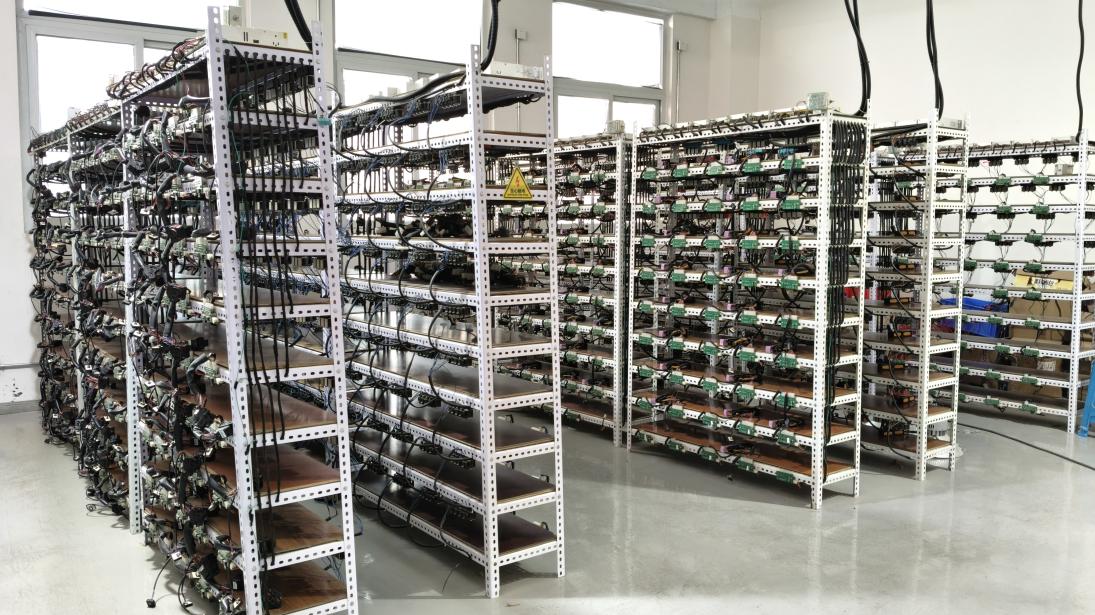
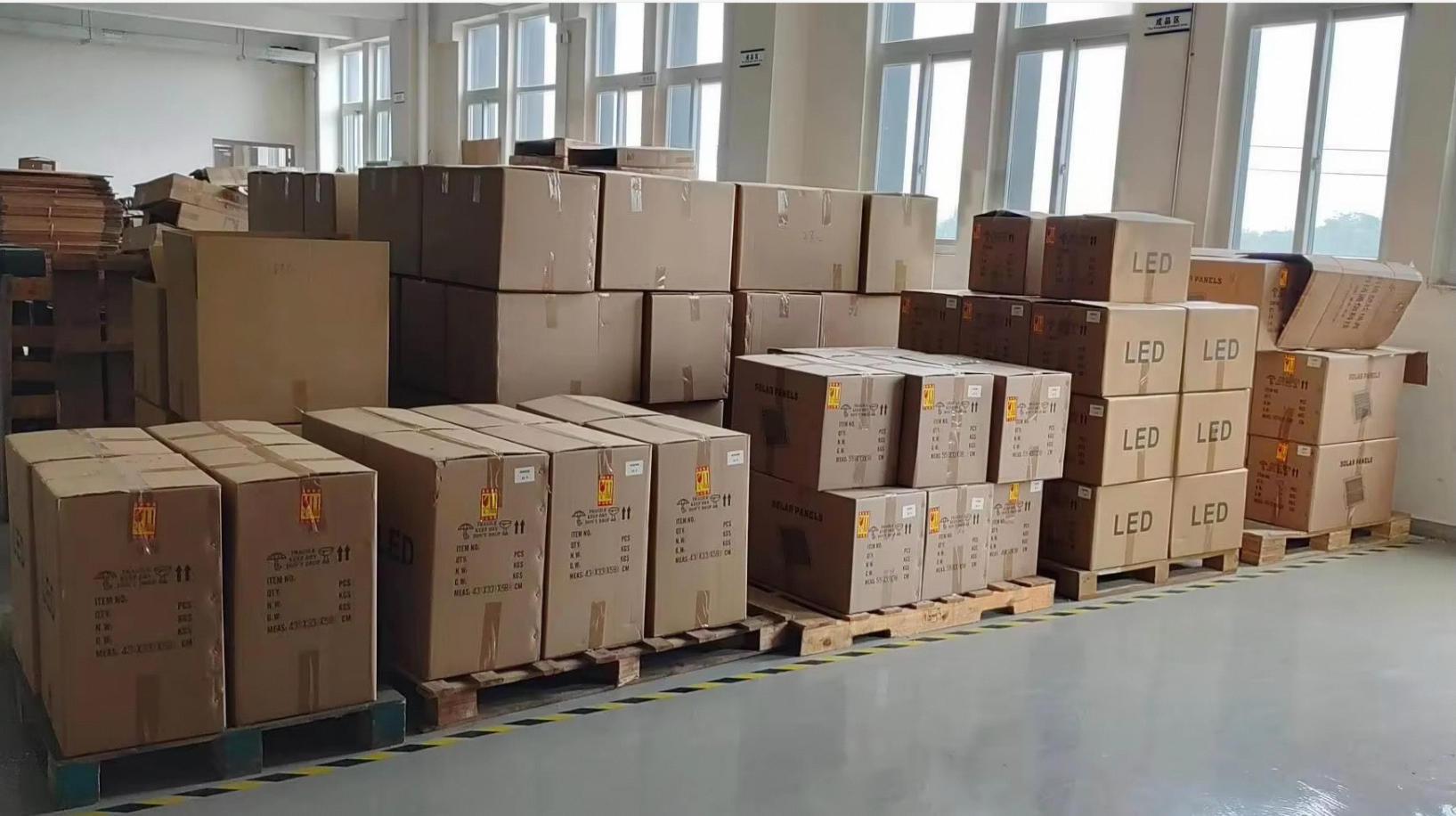
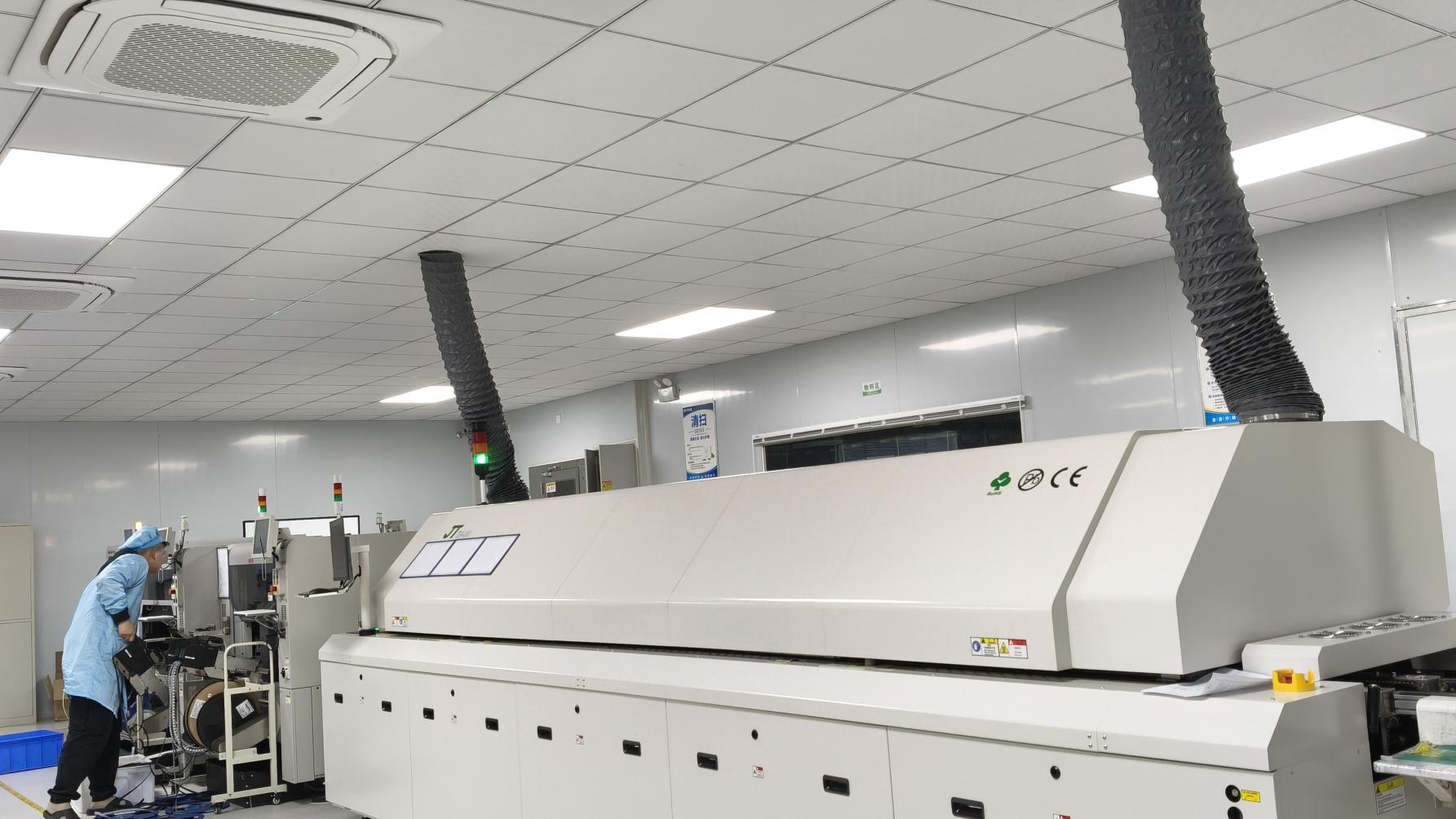
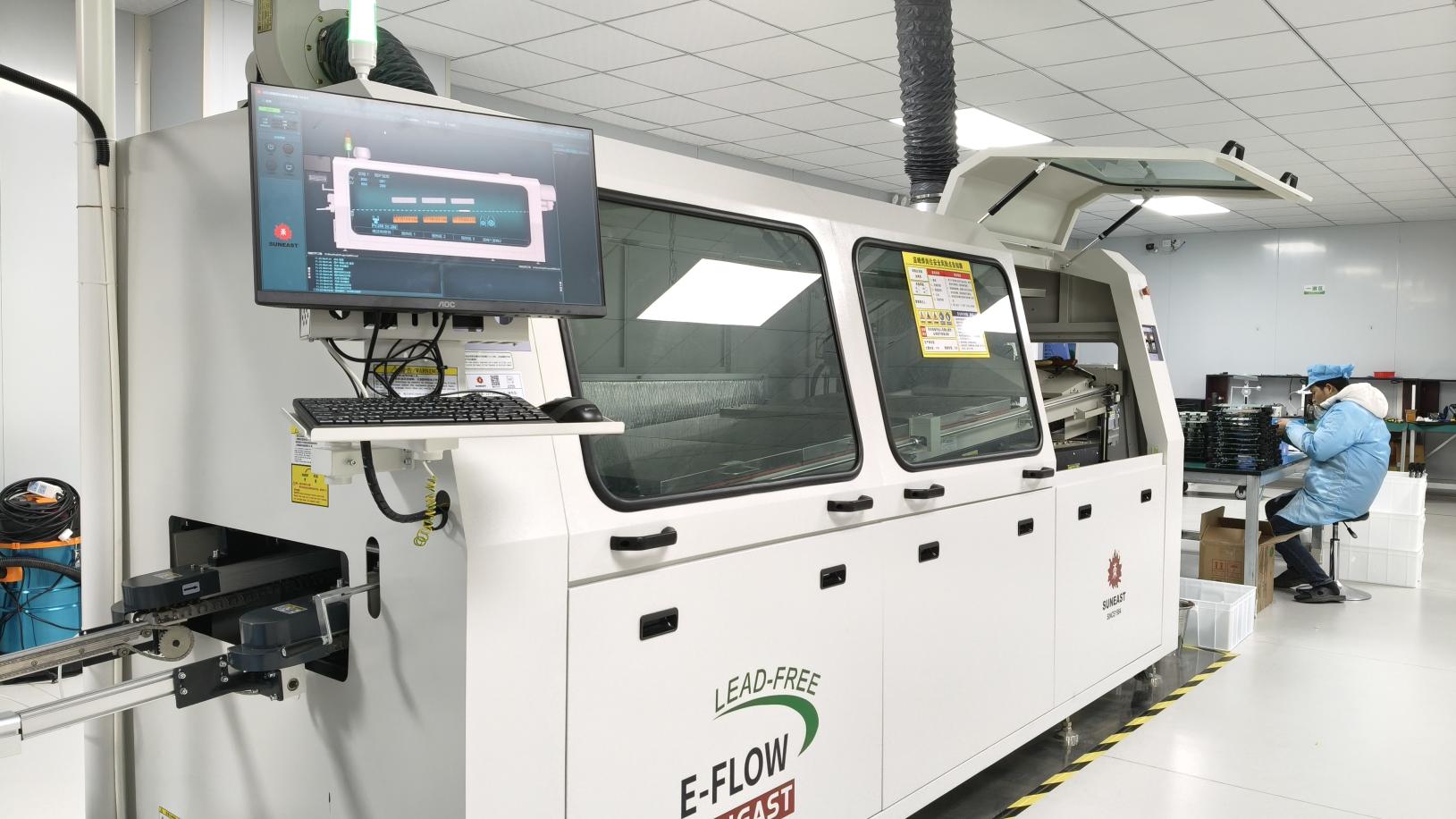
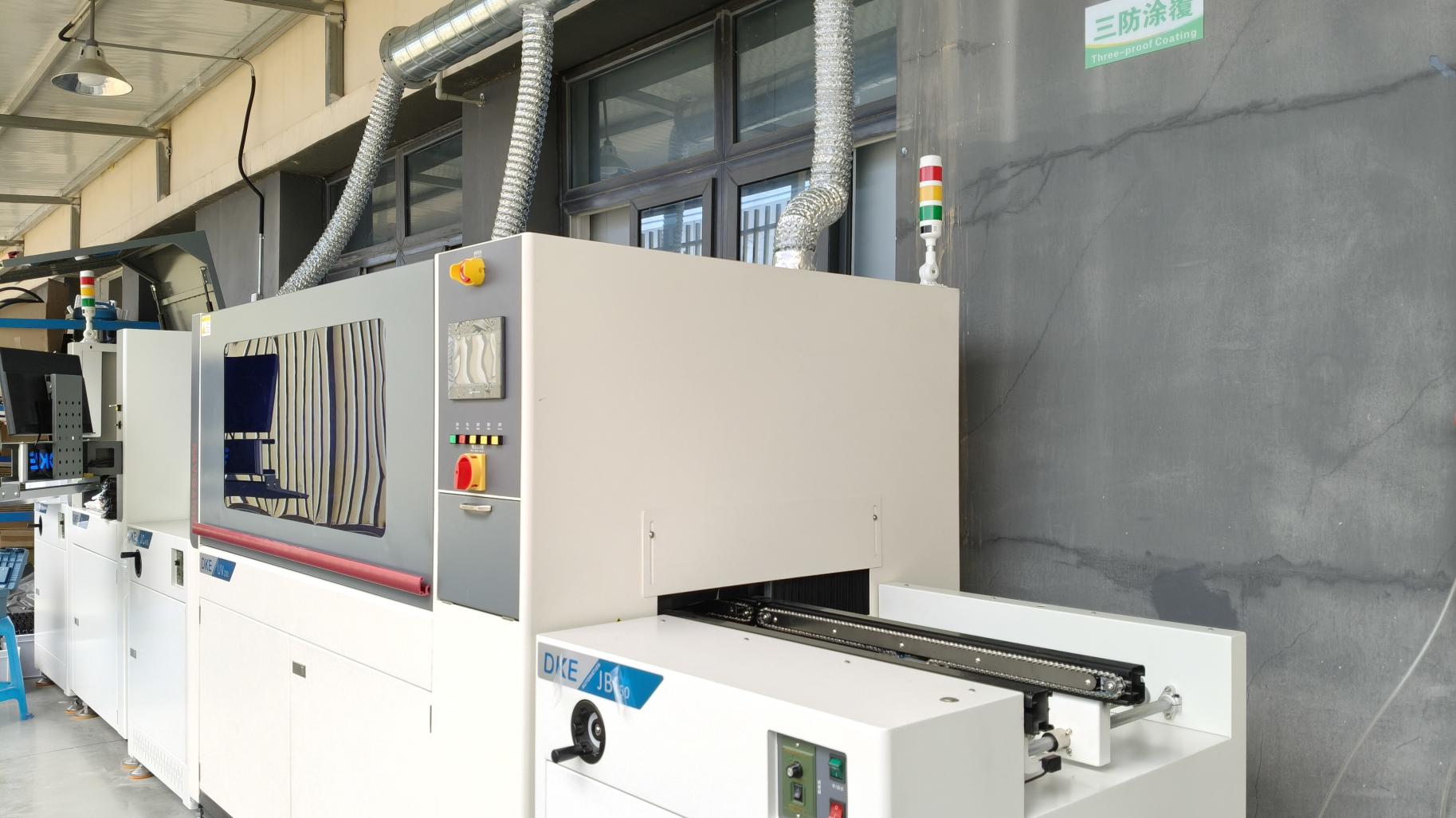
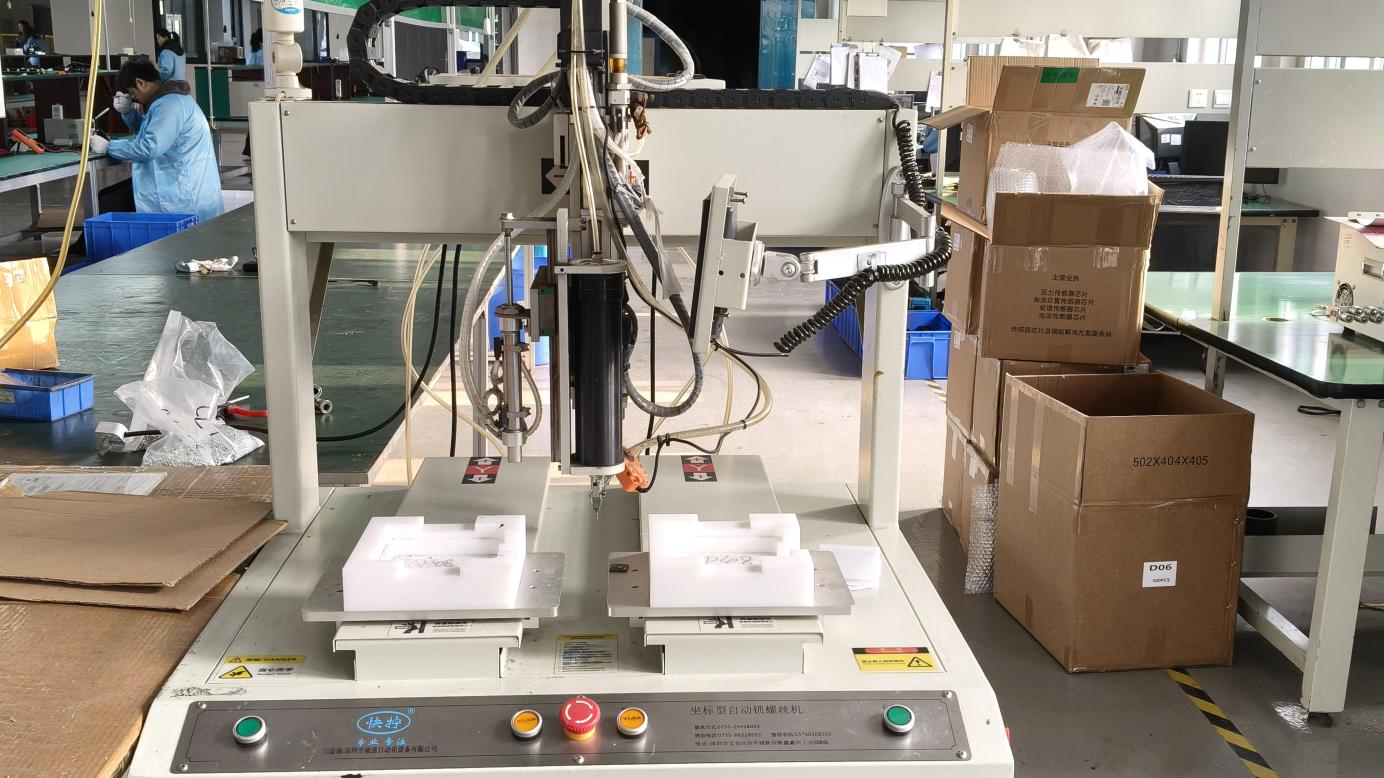
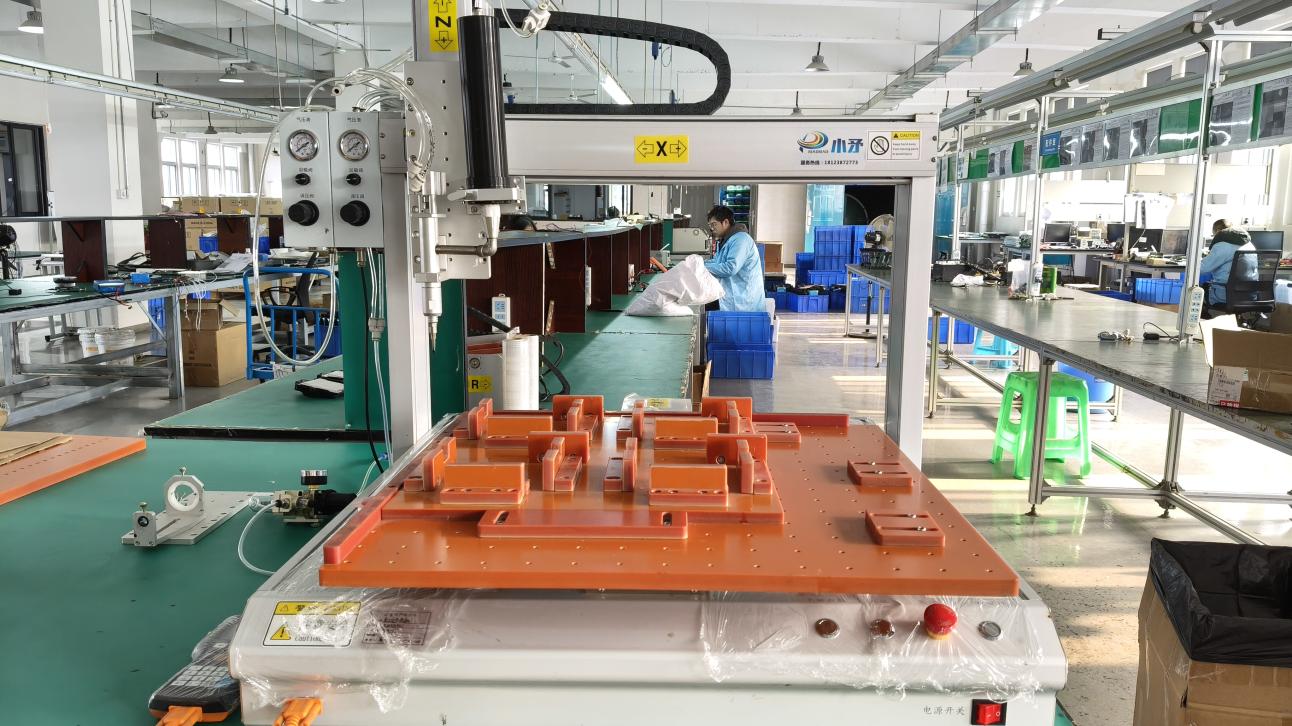
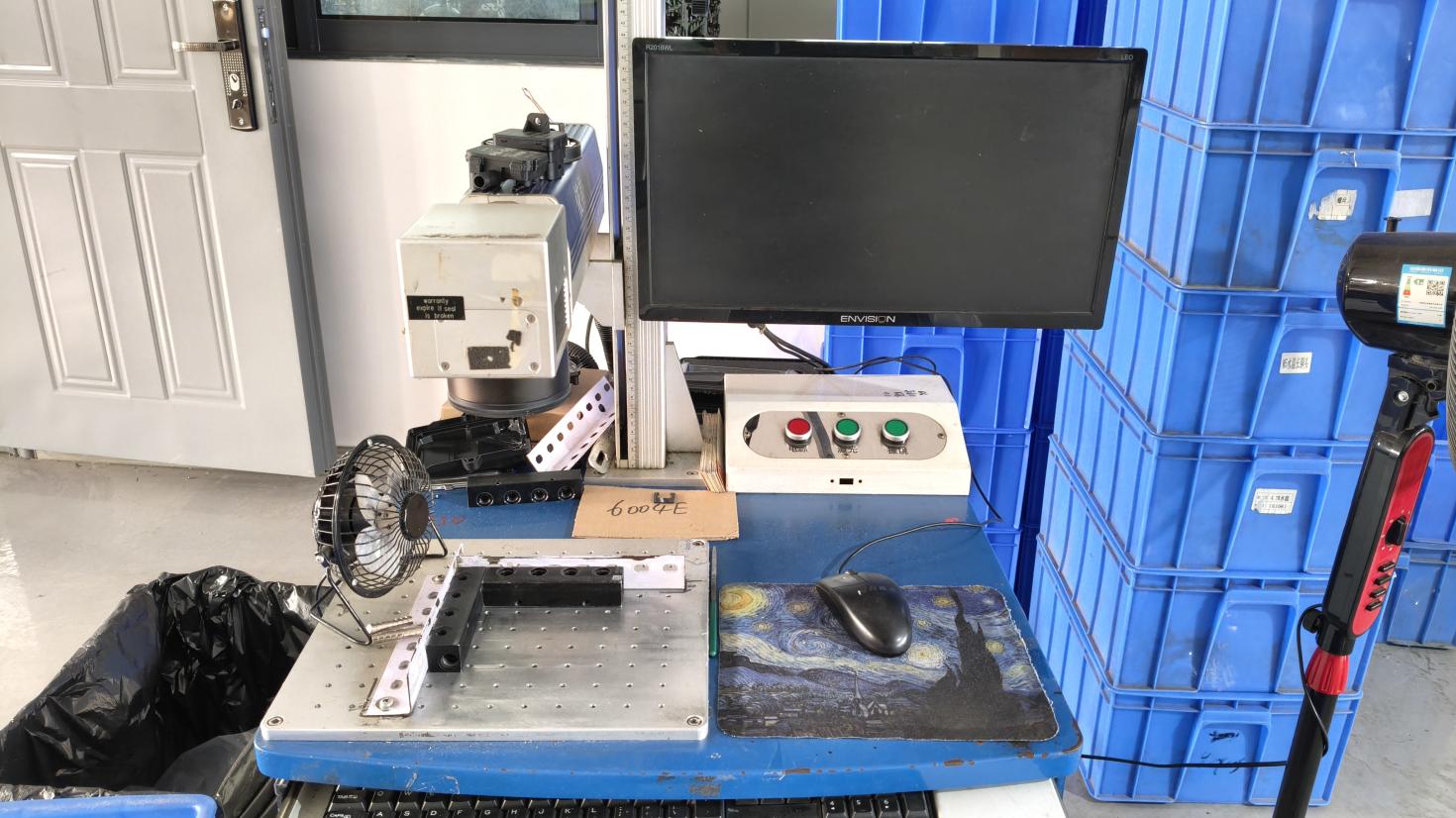
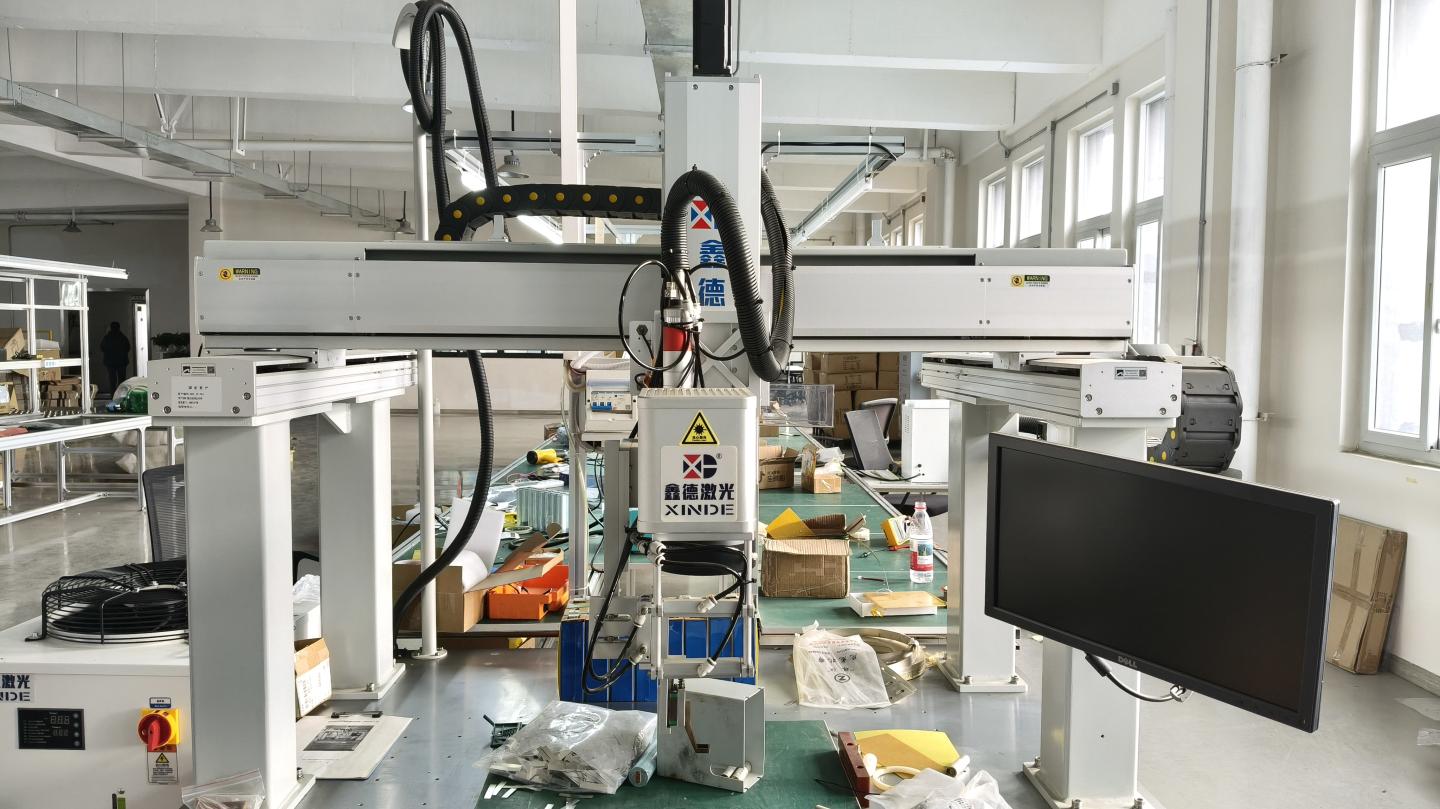
Established in 2003, our facility houses CNC machining, automatic welding, SMT processing, and environmental testing lines to ensure high-performance production outputs.
With over two decades of expertise, our 20,000-square-meter manufacturing plant in Yangzhou, Jiangsu Province, integrates advanced production technologies. We operate automated high-speed SMT assembly lines, state-of-the-art wave soldering systems, automated glue dispensers, and dedicated laser marking equipment. This vertically integrated manufacturing flow enables us to offer OEM/ODM customization with tight control over structural tolerances and thermal performance.
Detailed engineering guidelines and support answers for architectural planners, lighting designers, and distribution partners.
Comprehensive solar, stadium, and industrial high-power lighting solutions for global commercial integration.
 OneAll Lights