Explore our premium architectural, landscape, and high-mast industrial luminaires engineered for extreme durability and max energy output.
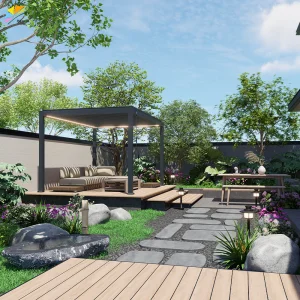
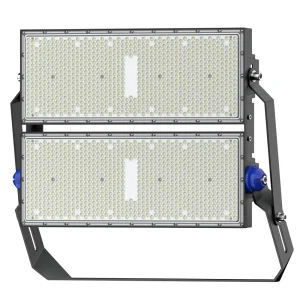
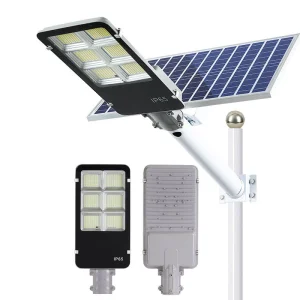

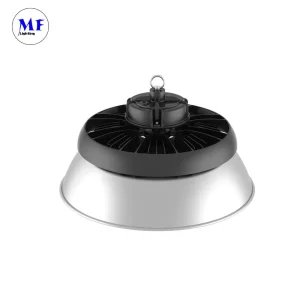
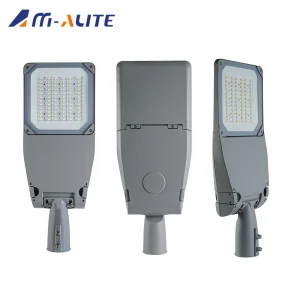
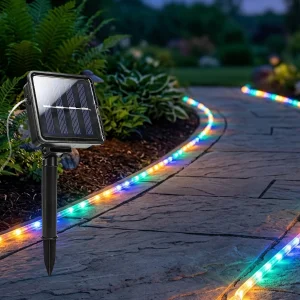
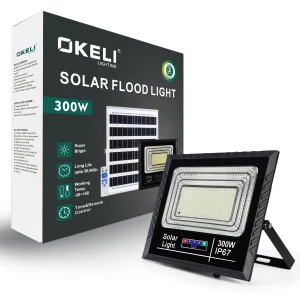
As global urban planning shifts rapidly toward sustainability, solar landscape lighting has transitioned from simple residential accents to critical civil, municipal, and commercial infrastructure. Selecting the right China solar landscape light factory is no longer just a purchasing decision—it is a technical validation process involving battery chemistry profiles, photovoltaic efficiency optimization, thermal management, and intelligent micro-controller engineering.
“True engineering value in solar lighting lies in the integration of hardware longevity, battery safety, and intelligent power management systems (BMS) that ensure consistent performance even under unfavorable climatic conditions.”
Yangzhou OneAll Lights Co., Ltd., established in 2003, is a global leader in outdoor and municipal solar landscape lighting. Over the past 20 years, we have evolved from a regional lighting workshop into a state-of-the-art manufacturing hub utilizing Automated CNC lines, SMT production, and comprehensive aging test procedures. This guide offers the engineering metrics, technological roadmaps, and factory procedures critical for procurement executives, project designers, and distributors worldwide.
The solar landscape lighting industry is undergoing a paradigm shift driven by advancements in solid-state semiconductor efficiency, high-density energy storage, and AI-enabled IoT monitoring. The next generation of solar lighting devices goes far beyond simple passive illumination; they function as active nodes within the Smart City grid.
Historically, polycrystalline solar modules (converting at 15–17% efficiency) dominated the market due to cost structures. Today, high-end landscape and architectural systems utilize N-type Monocrystalline Silicon cells integrated with Tunnel Oxide Passivated Contact (TOPCon) or Heterojunction (HJT) technologies. These panels yield conversion efficiencies exceeding 22% to 24%.
Furthermore, the integration of bifacial solar panels allows landscape lights to capture albedo (reflected light) from surfaces below the installation—such as concrete, snow, or light-colored gravel. This increases energy harvest by up to 15%, ensuring battery charging cycles finish even during overcast winters.
Standard Lithium Ion (Li-ion) batteries are quickly being phased out in favour of Lithium Iron Phosphate (LiFePO4) chemistry. The advantages of LiFePO4 in municipal and architectural installations are unmatched:
Modern commercial landscape fixtures are equipped with MPPT (Maximum Power Point Tracking) controllers rather than legacy PWM systems. MPPT dynamic tracking algorithm continuously optimizes the charging current relative to panel output voltage, improving conversion efficiency by 20–30%. Integrated communication protocols (such as LoRaWAN, Zigbee, and Bluetooth Mesh) allow operators to remotely dim fixtures, receive battery state-of-health notifications, and configure dynamic lighting sequences via central management software.
| Technology Matrix | Legacy Systems (Standard Solar) | Advanced Systems (OneAll Lights Standard) | Future Roadmap (Next Gen Integration) |
|---|---|---|---|
| Solar Cell Chemistry | Polycrystalline (15% Efficiency) | N-Type Monocrystalline (22%+ Efficiency) | Perovskite-Silicon Tandem (28%+ Efficiency) |
| Energy Storage Type | Lead-Acid or Li-ion (NMC) | Grade-A LiFePO4 (Smart BMS Included) | Solid-State Batteries (Enhanced Safety & Temp) |
| Controller Tech | Basic PWM (Pulse-Width Modulation) | Micro-MPPT with Dynamic Tracking | AI-Edge MPPT with Weather-Predictive Algorithms |
| Communication Protocol | None (Standalone Photocell) | Smart PIR / Microwave + RF Mesh Control | NB-IoT / LoRaWAN Integrated Smart City Nodes |
As sustainability regulations tighten in Europe, North America, and parts of Asia, architectural project bids mandate low-carbon or net-zero carbon footprints. Choosing commercial-grade solar lighting enables compliance with LEED, BREEAM, and WELL building certifications.
Public parks, pathways, and municipal perimeter zones require ultra-reliable illumination. Our systems offer continuous lighting for up to 3–5 rainy days through dynamic energy rationing and motion sensors (PIR/microwave).
Architects value custom color rendering indexes (CRI > 80) and precision beam optics (Types I to V) to accentuate outdoor structures, monuments, and gardens without causing glare or light pollution.
Hotels, resorts, and commercial campuses use solar fixtures to lower site wiring, trenching, and grid connection costs, which can reduce outdoor lighting installation expenses by up to 60%.
Behind every high-performance light lies a meticulous production framework. At Yangzhou OneAll Lights Co., Ltd., we combine automation, digital control, and advanced testing to ensure defect-free manufacturing.




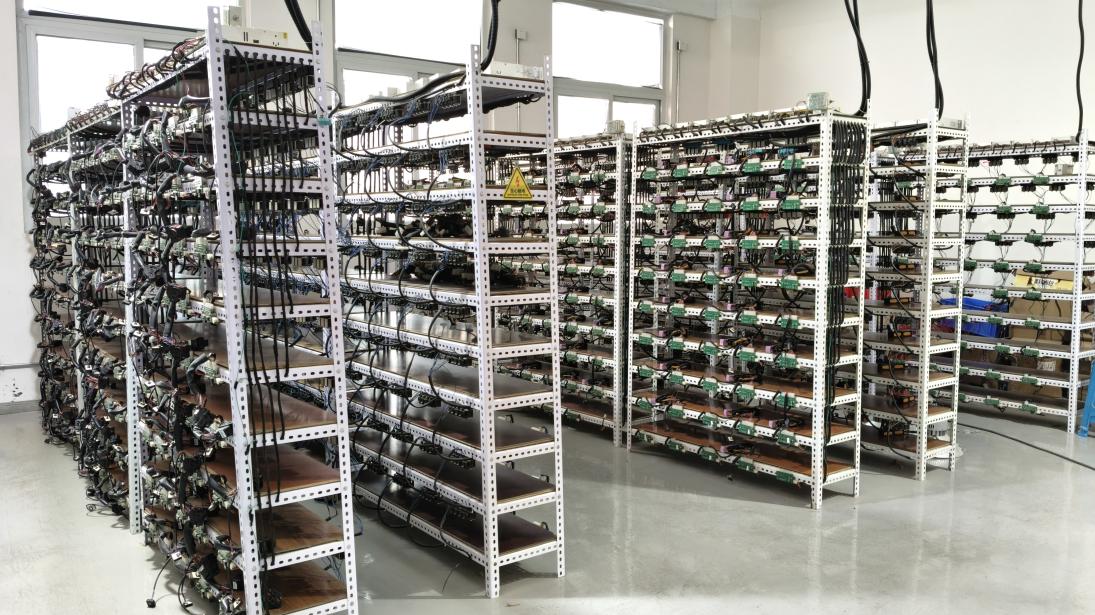
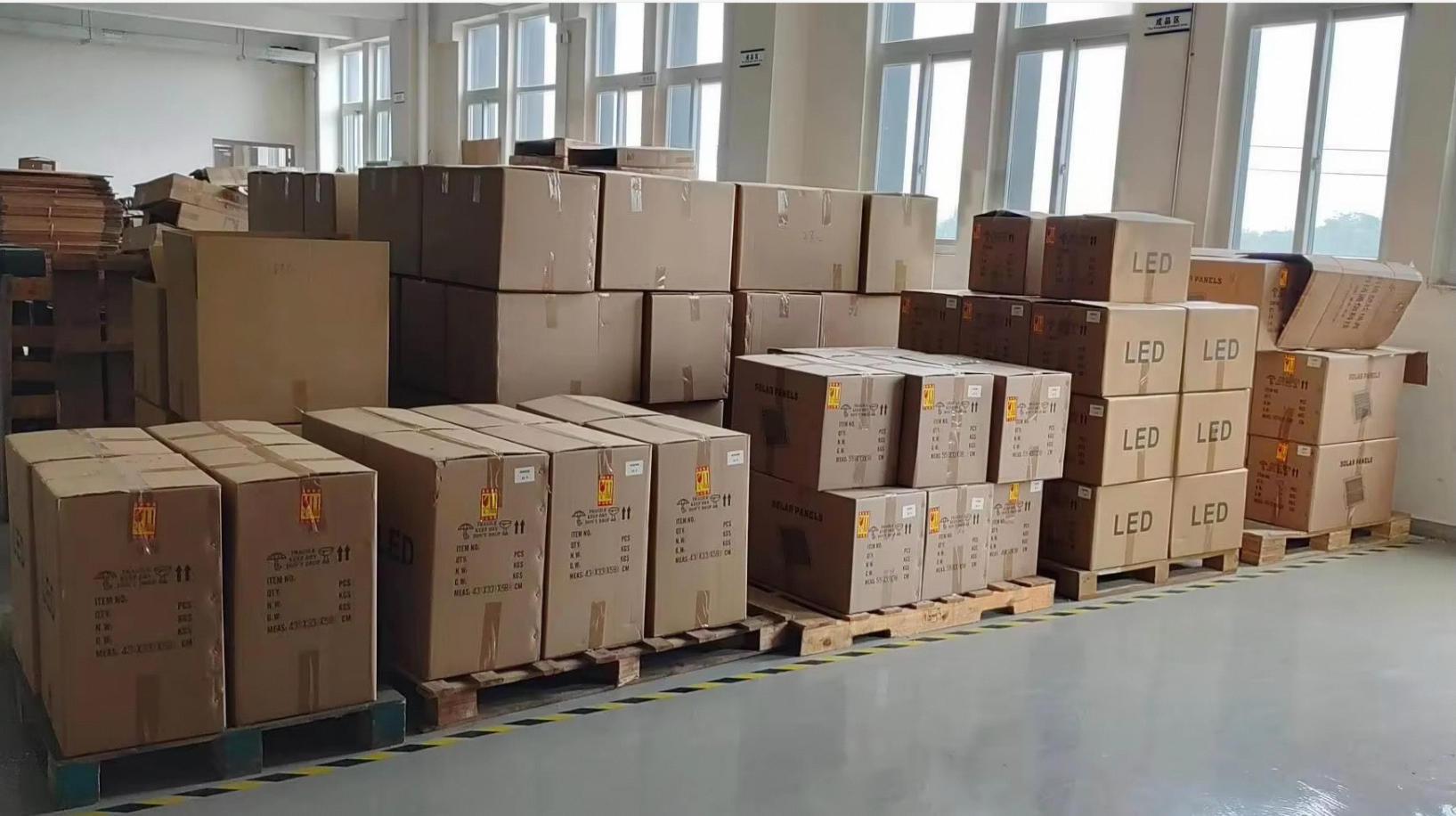
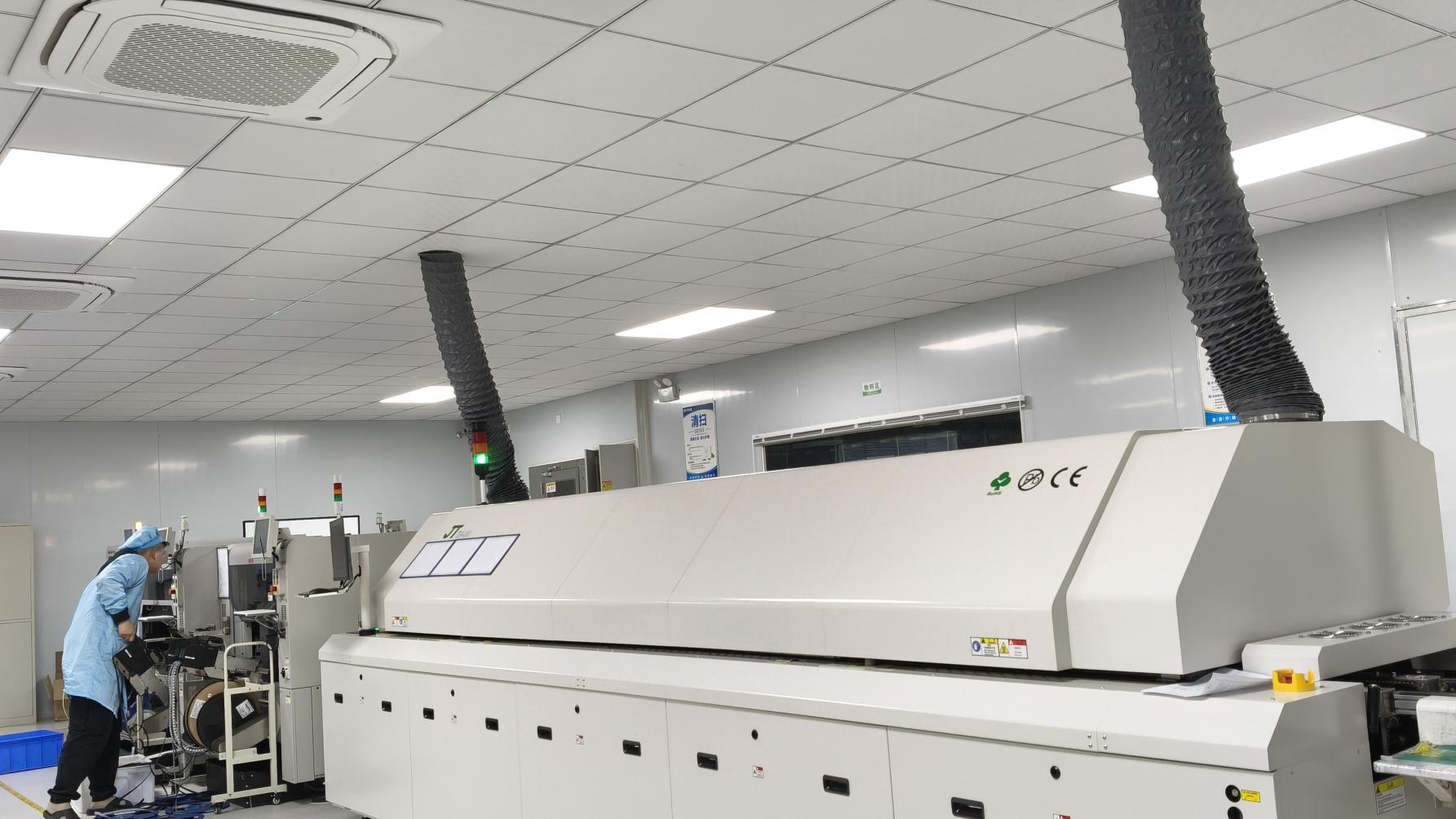

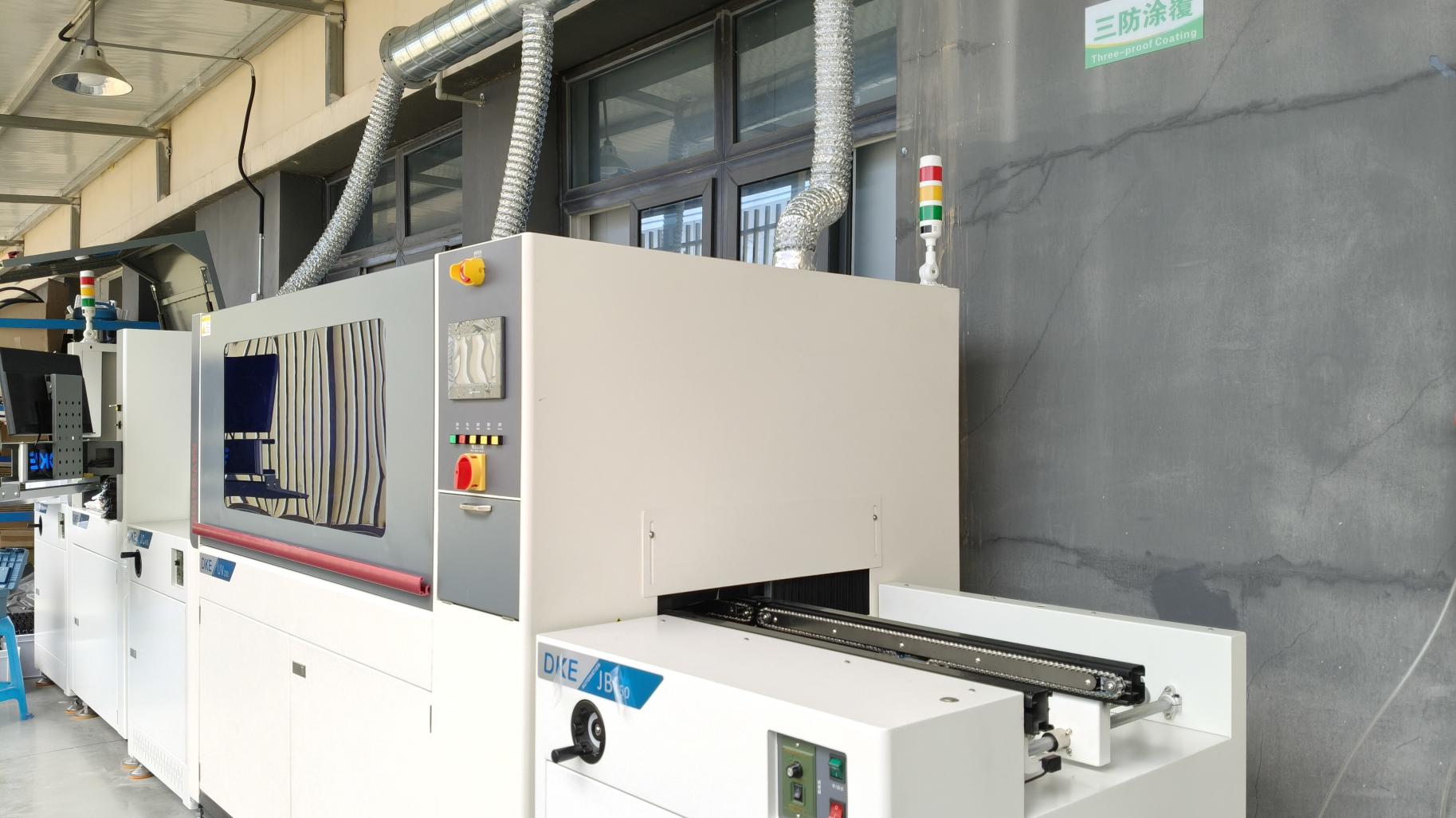

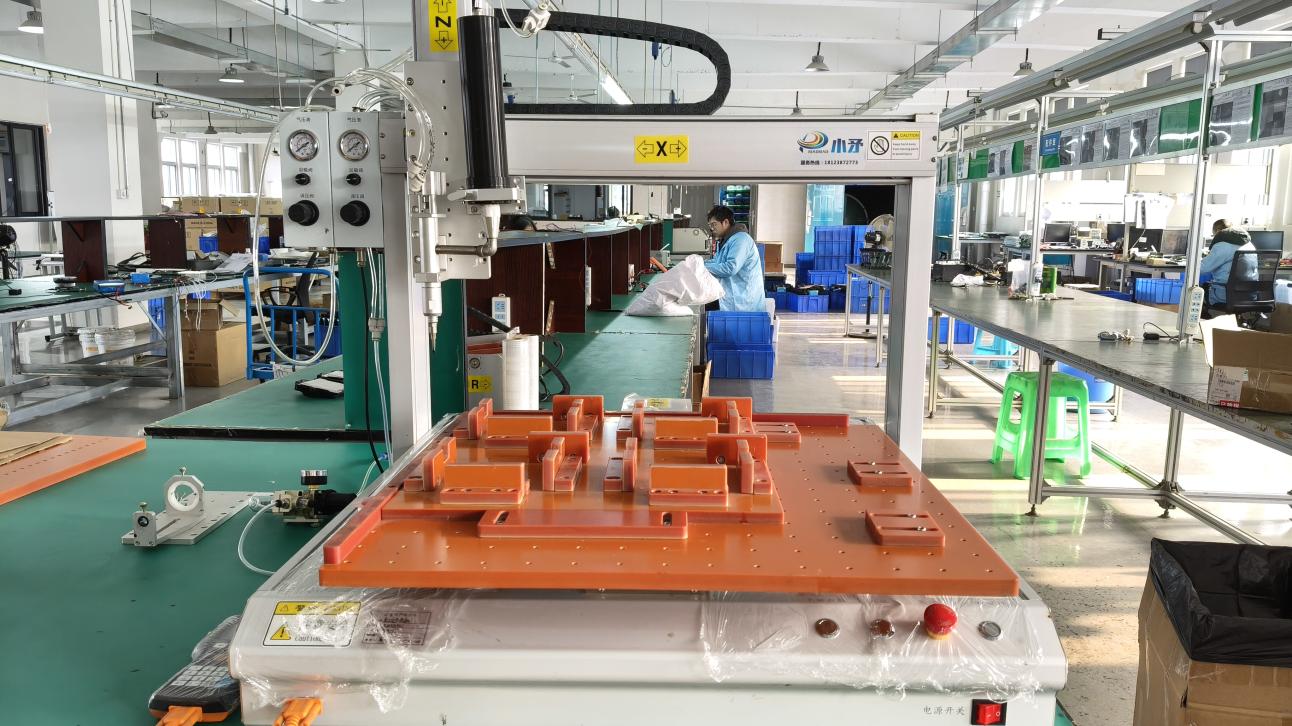
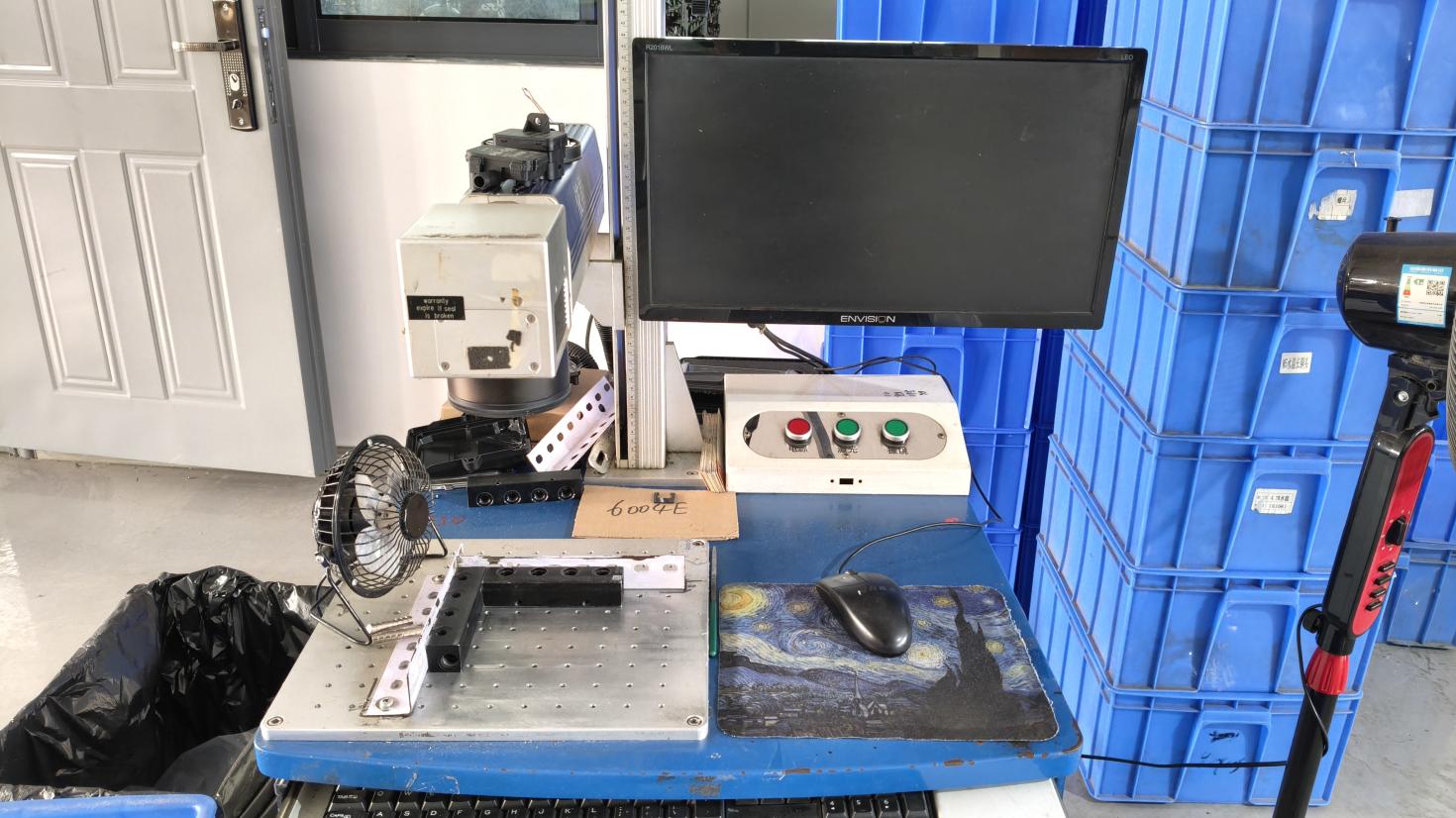

Our facility in Yangzhou spans modern production floor spaces designed for maximum traceability under ISO9001 and ISO14001 guidelines. Key steps of our industrial process ensure mechanical and electrical durability:
We work with international engineering contractors, importers, and OEM brands to customize outdoor fixtures for local site demands. Landscape and street lighting installations face diverse challenges, from desert heat to coastal salt spray.
Yangzhou OneAll Lights products are designed and certified to comply with regional electrical and environmental requirements around the globe:
Key information regarding solar architecture, electrical performance, and shipping logistics.
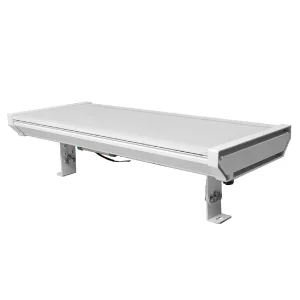
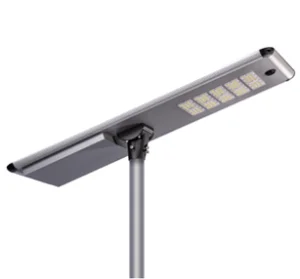
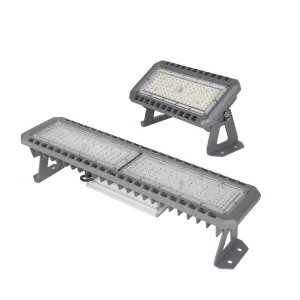
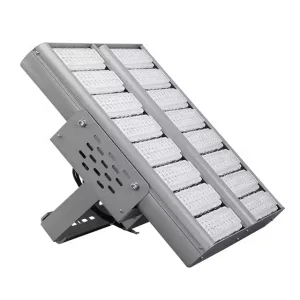
Discover our range of advanced commercial-grade streetlights, floodlights, and landscape fixtures designed for heavy-duty project demands.
 OneAll Lights