Explore our top-tier integrated configurations featuring advanced monocrystalline PV modules, LiFePO4 cells, and intelligent radar motion sensors.


Yangzhou OneAll Lights Co., Ltd. is a professional manufacturer and exporter specializing in high-performance outdoor lighting solutions. Located in the prominent industrial hub of Yangzhou, Jiangsu Province, China, we leverage over two decades of engineering research, process optimization, and logistical prowess to support complex municipal and commercial developments worldwide.
Driven by the philosophy of "Quality First, Innovation, Integrity, and Customer Satisfaction," our advanced facilities support massive OEM and ODM configurations. From product layout mapping to dynamic lighting calculations, our systems deliver consistent reliability in demanding environments.
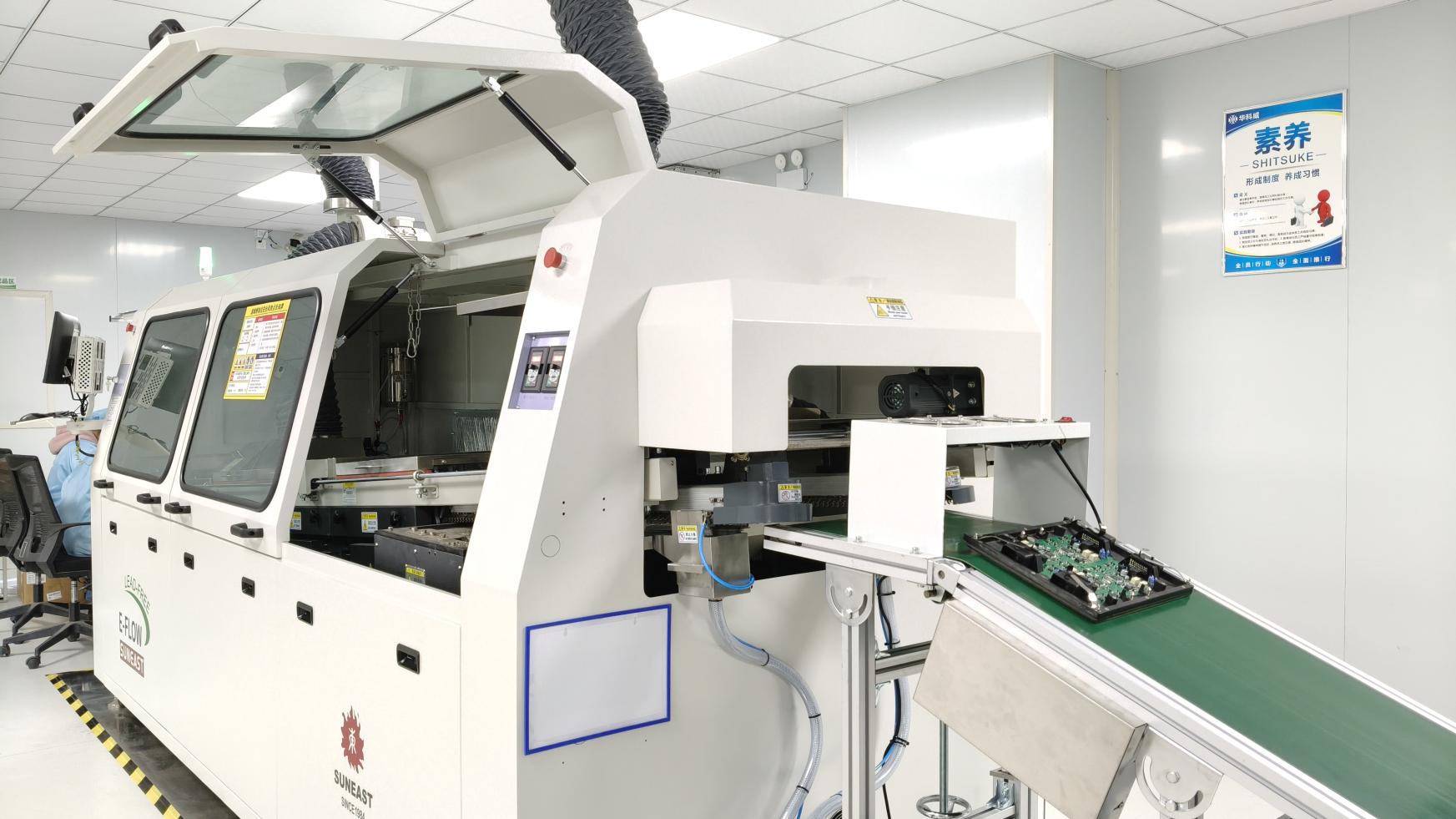
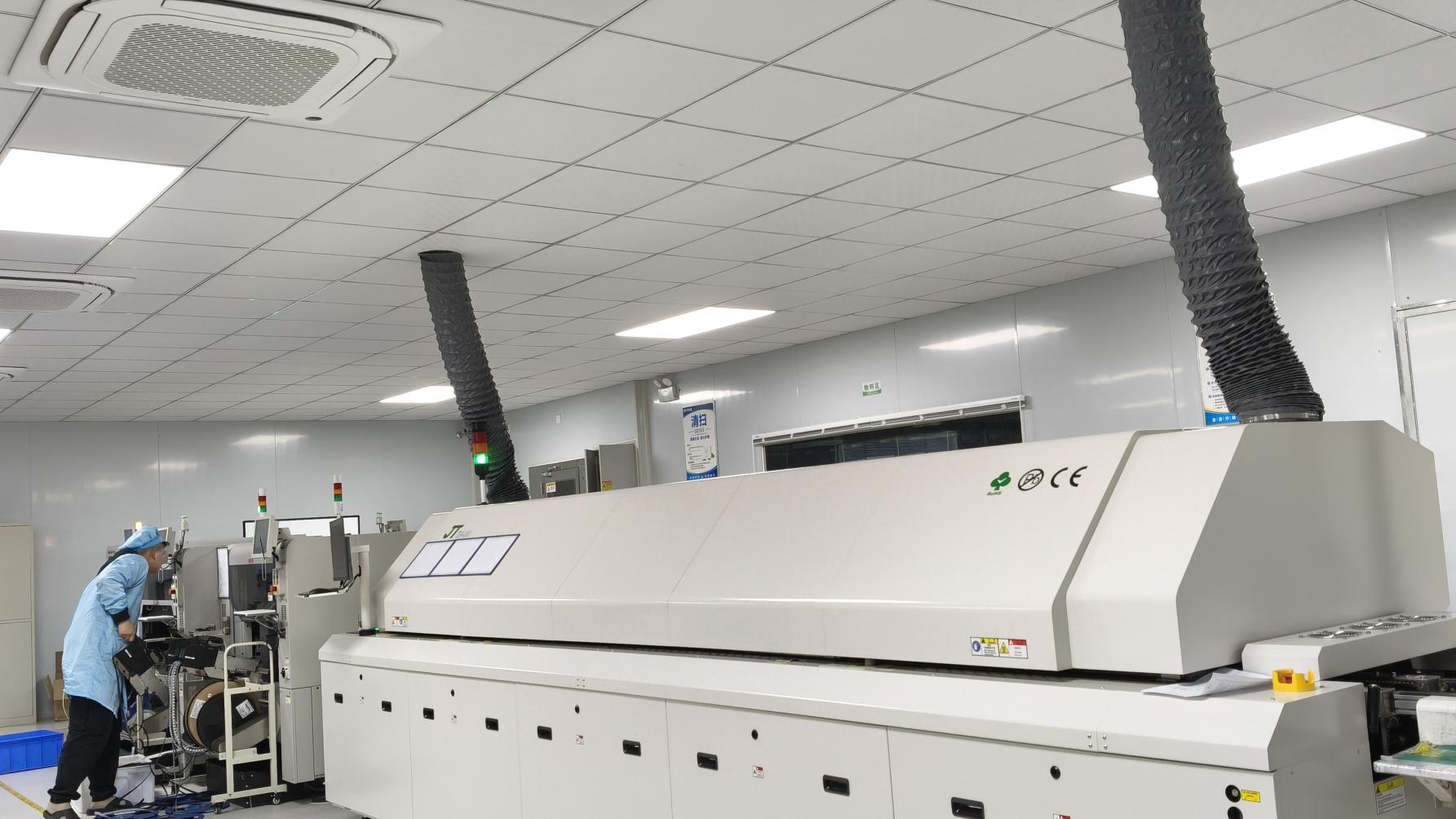
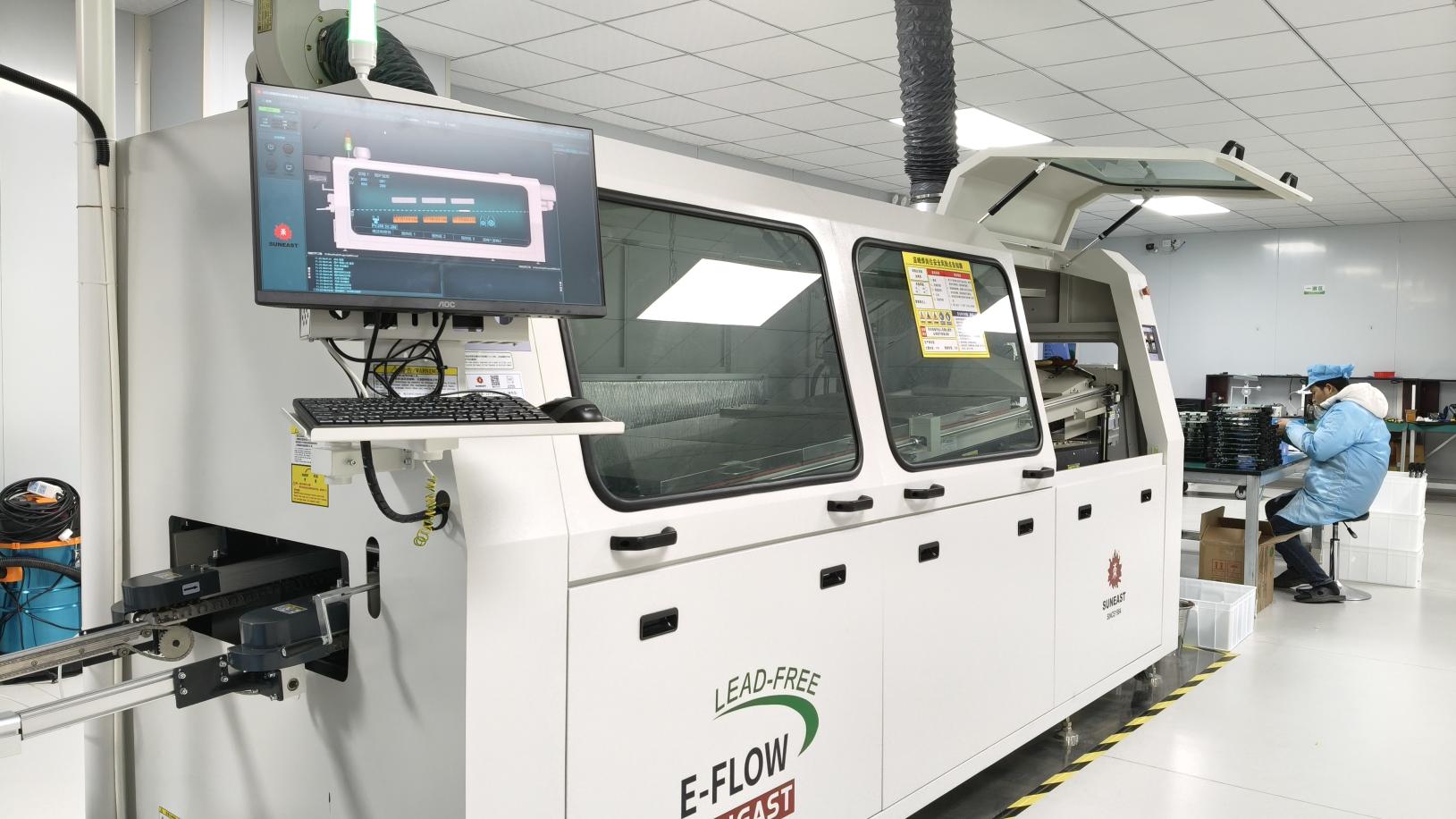
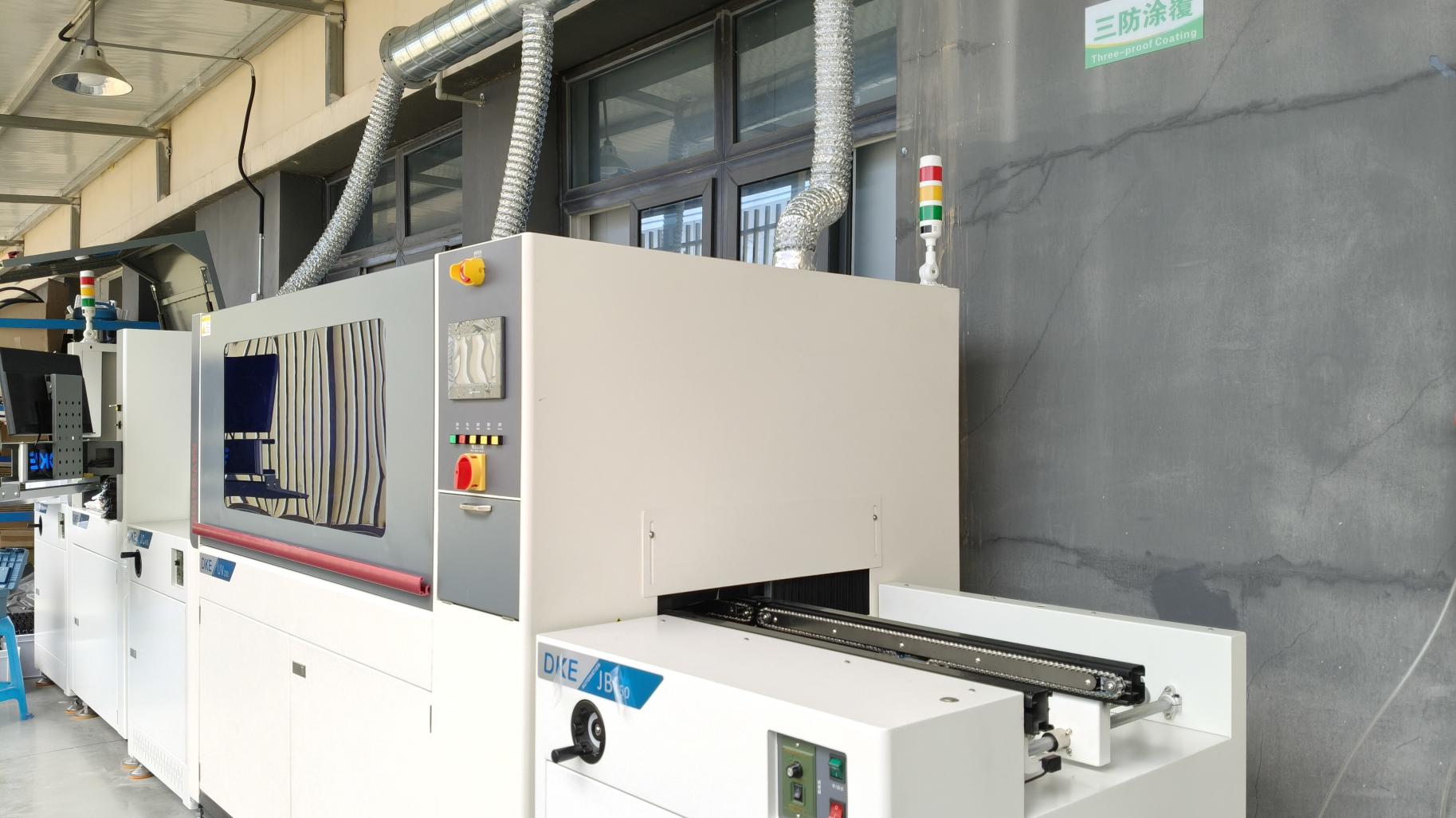
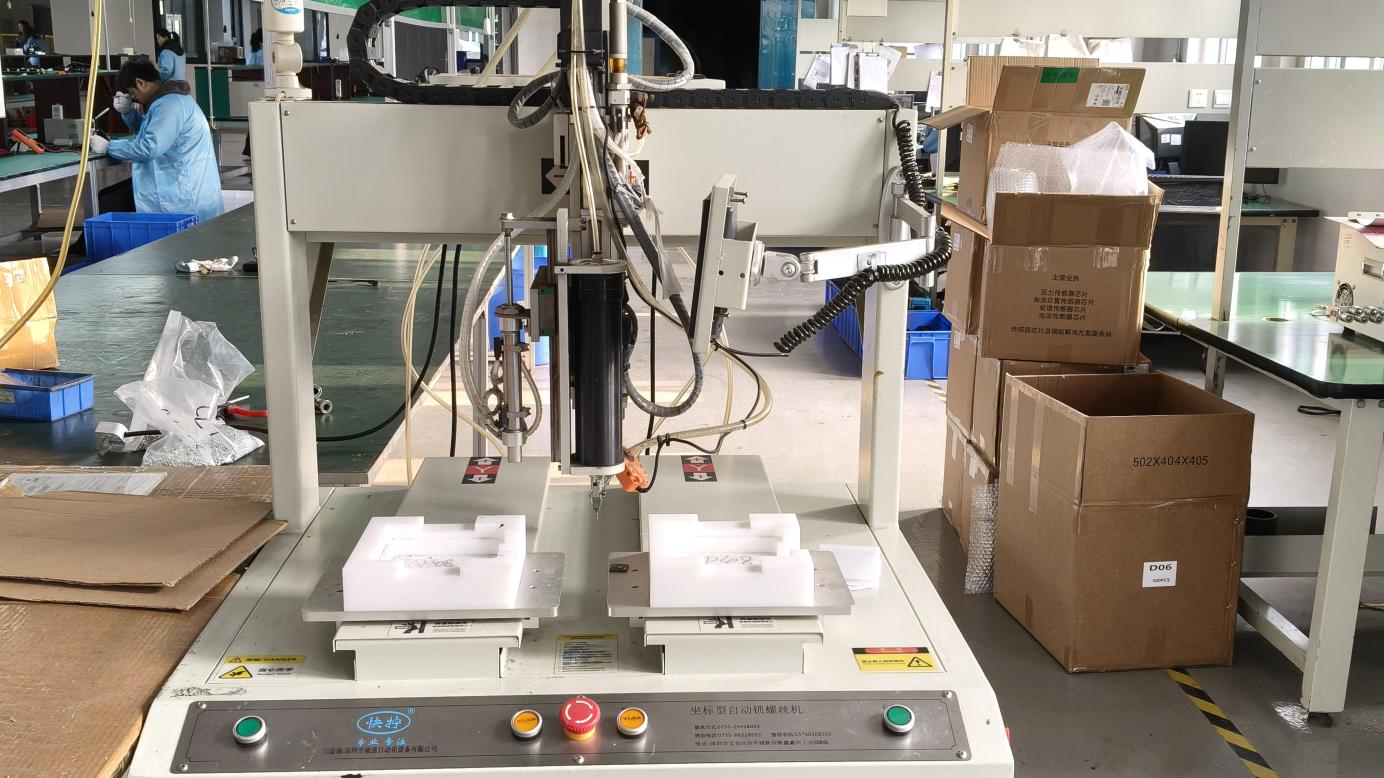
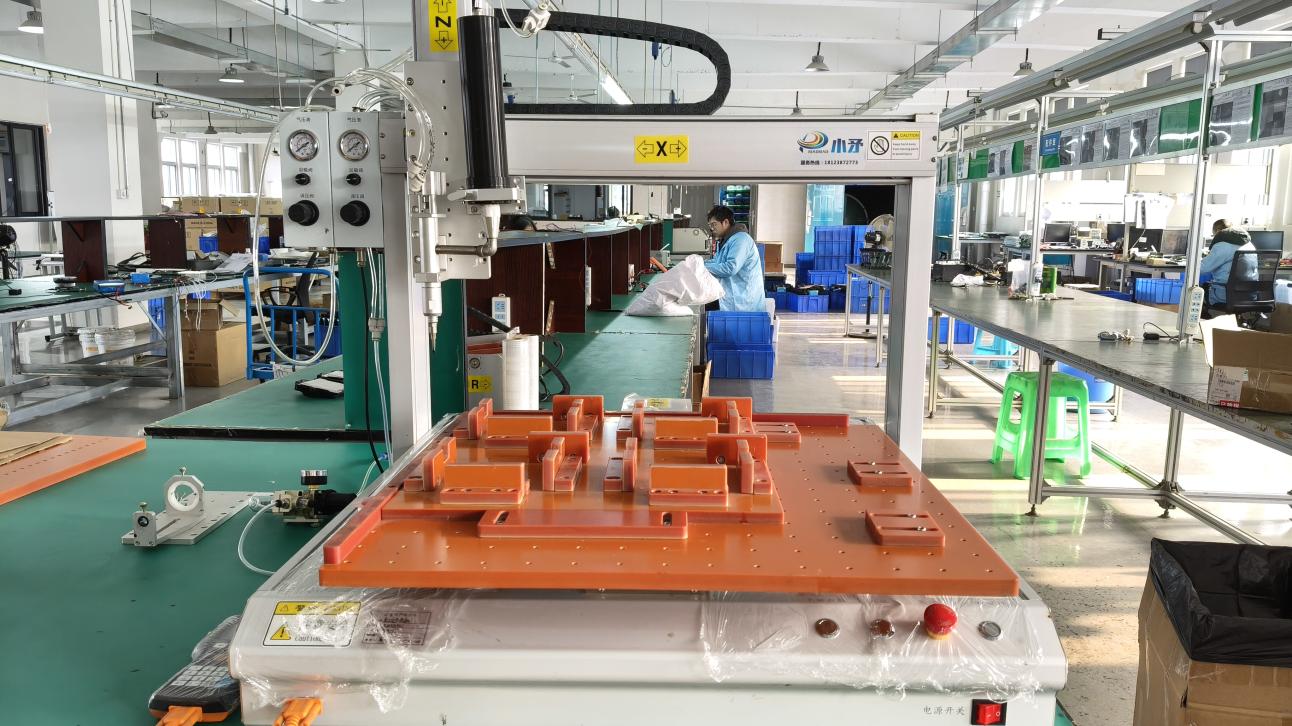
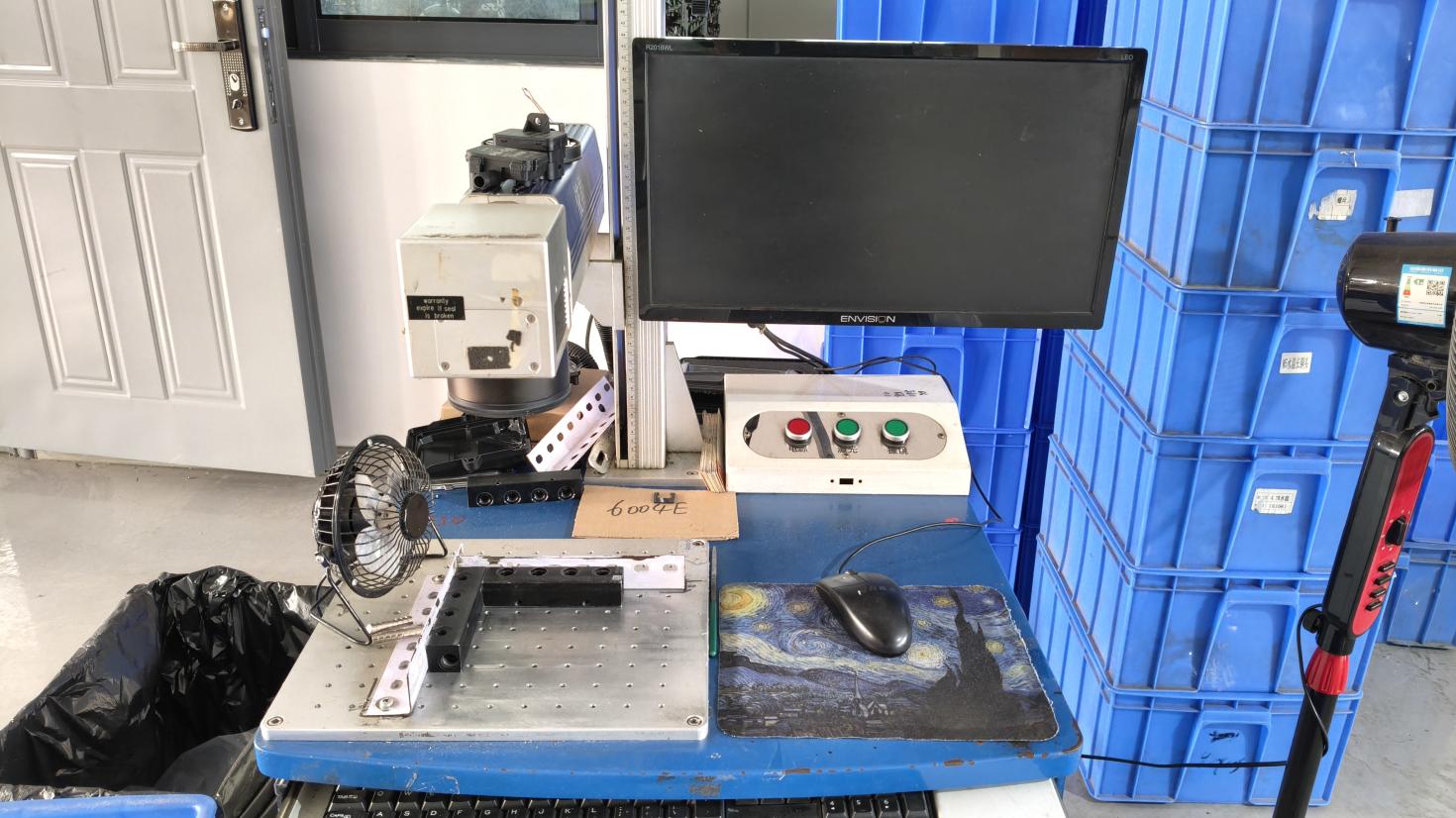
Our modern manufacturing space is fully integrated with CNC bending systems, automatic submerged arc welding lines, precision laser cutters, and electrostatic powder coating. By conducting critical steps in-house—including SMT component placement, wave soldering, and protective three-proof coating application—we maintain strict compliance with ISO14001 and CE protocols.
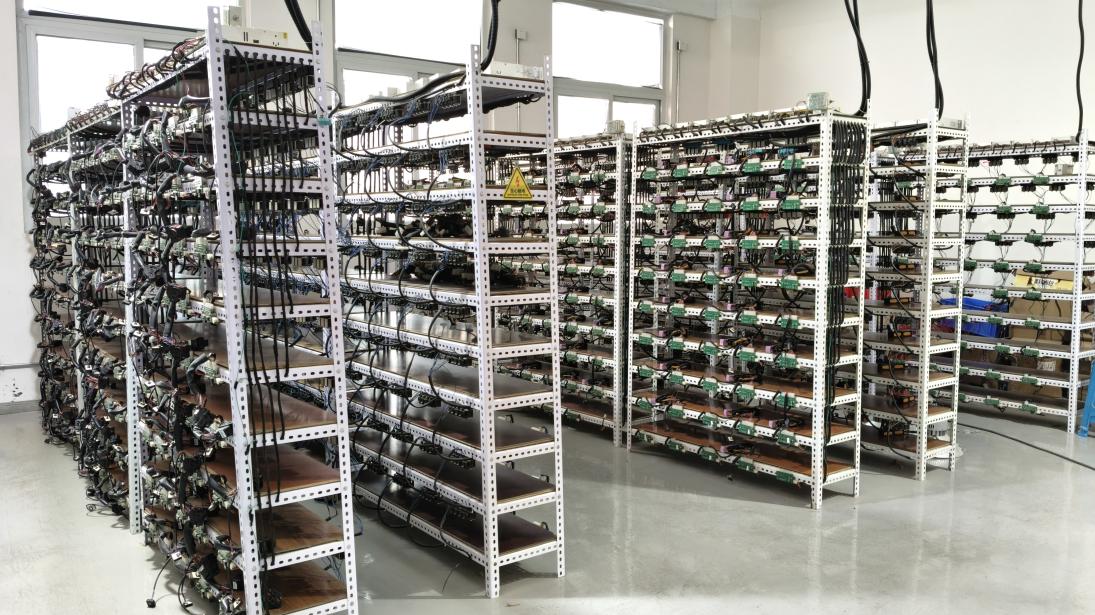
Each batch undergoes rigorous optical profiling, IP65/IP66 ingress verification, and prolonged aging tests to ensure long-term stability in extreme climates.
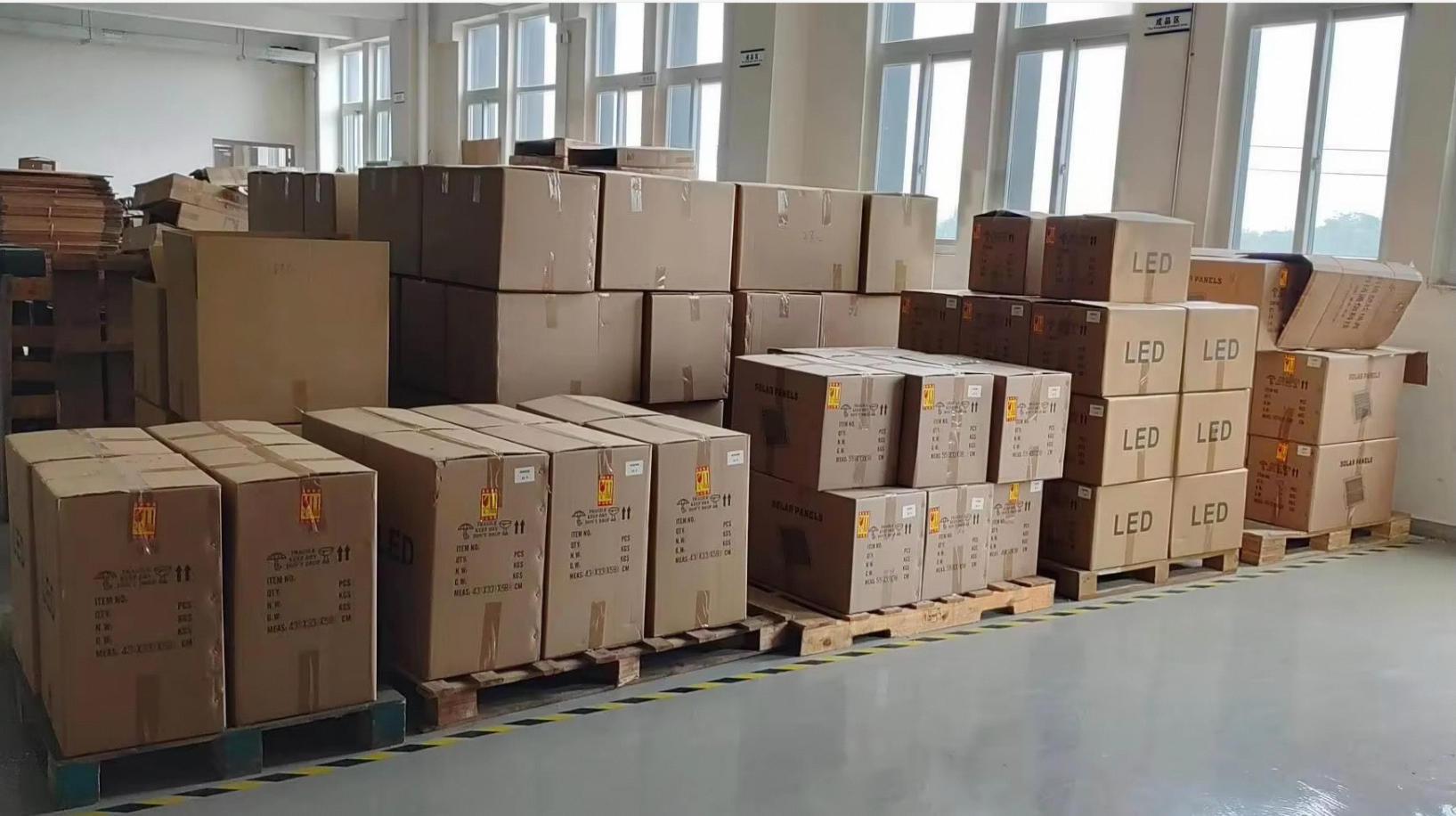
From raw electronic placement to mechanical assembly and optical inspection, our production floor runs on precise QA controls.




An authoritative analysis of photovoltaic efficiency, radar-sensor physics, and LiFePO4 battery thermodynamics in public-sector applications.
High grid connection costs, net-zero compliance targets, and rising urban security needs drive the shift toward solar motion sensor lighting. Municipalities are replacing traditional high-pressure sodium and metal-halide fixtures with off-grid LED systems. Motion sensor integration lowers energy storage needs by 50% compared to continuous-run solar lights, making high-performance systems financially viable in lower-sunlight regions.
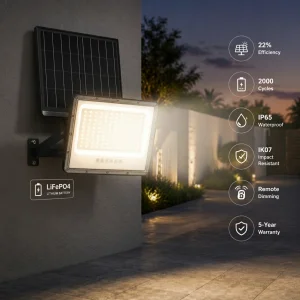
Standard polycrystalline cells struggle in low-light environments. Modern solar motion sensor systems utilize N-Type monocrystalline silicon panels with 22% to 24% conversion efficiency. Combined with anti-reflective, high-transmission tempered glass cover sheets, these cells maintain charging capabilities under overcast skies and winter conditions, preventing seasonal dark failures.
Conventional PIR (Passive Infrared) sensors rely on thermal changes, which can lead to false triggers in strong winds or fail in high ambient desert heat. Our industrial fixtures use 5.8GHz microwave radar Doppler modules. These sensors detect physical movement up to 15 meters away, regardless of temperature fluctuations, and penetrative capabilities allow them to function behind polycarbonate diffusers.
The choice of energy storage directly impacts the lifespan of outdoor solar fixtures. Yangzhou OneAll Lights uses automotive-grade Lithium Iron Phosphate (LiFePO4) batteries. Compared to ternary lithium (LiNiCoAlO2) or traditional Lead-Acid, LiFePO4 offers superior performance characteristics:
Our integrated Battery Management Systems (BMS) protect against over-charging, over-discharging, short circuits, and thermal shifts, preventing battery degradation in freezing or hot environments.
Smart controllers adjust power output to match battery reserve levels. Dynamic controllers use Maximum Power Point Tracking (MPPT) rather than Pulse Width Modulation (PWM), capturing up to 30% more energy during cloudy periods.
Multi-Stage Dimming Profiles:
A forward-looking view of the design philosophies shaping next-generation commercial solar systems.
Commercial solar lighting is adopting Heterojunction (HJT) and Tunnel Oxide Passivated Contact (TOPCon) silicon architectures, targeting panel efficiencies above 26%. Development of solid-state lithium cells will double energy density, eliminate thermal runaway risks, and extend operations down to -40°C.
Edge-processing AI microprocessors are replacing basic PIR and radar sensors. Next-generation lights will analyze movement patterns, differentiating between wind-blown trees, animals, pedestrians, and vehicles. The light will pre-illuminate path segments ahead of approaching traffic, optimizing energy use.
Integration of low-power WAN communications (LoRa, NB-IoT, Zigbee) enables solar fixtures to function as connected nodes in smart cities. Centralized dashboards track battery health, charging efficiency, and LED degradation in real-time, automating maintenance scheduling and reducing operating costs.
Tailored off-grid lighting solutions configured for high-demand municipal, commercial, and extreme environment projects.
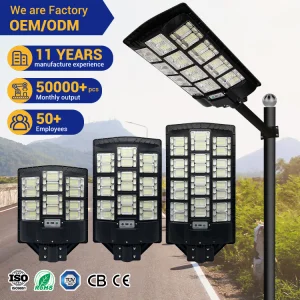
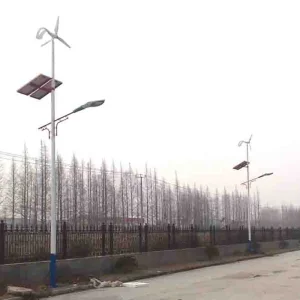
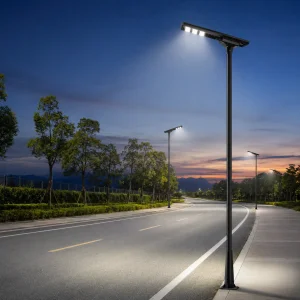
Designed for high-speed roadways, arterial roads, and sidewalks requiring consistent lighting. Features high-power models (1000W–1500W all-in-one structures) on 8–12 meter poles with Type II/III optical distributions.
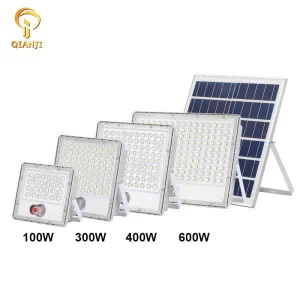
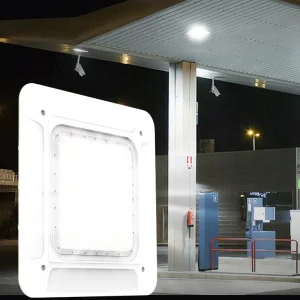
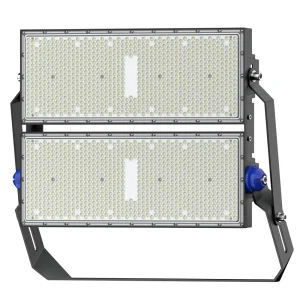
Recommended: ABS SMD IP65 Series / Wind Hybrid StreetlightsHigh-lux illumination for warehouses, shipping terminals, gas stations, and perimeter fences. Radar sensors integrate with security cameras to trigger active warning lights upon detection.
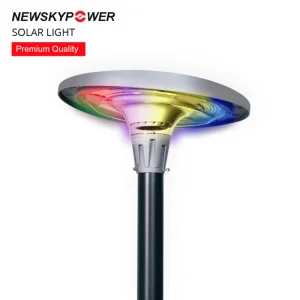
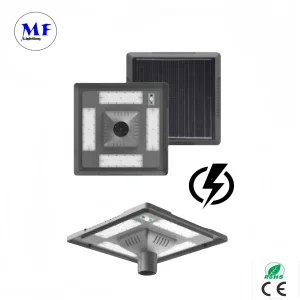
Recommended: Radar Sensing Floodlights & Recessed Canopy LightsCombines architectural aesthetics with high-performance output. Circular UFO profiles provide 360-degree illumination, fitting cleanly into modern park landscapes and parking plazas.
Recommended: CE Modern Mj-Ew800 UFO & Hollow Metal LanternsTechnical clarifications regarding engineering specifications, procurement steps, and field installation questions.
Engineered for deep-cycle reliability, high wind loads, and flexible power options.

 OneAll Lights