Custom OEM LED Horticultural Light Factories & Exporters

Empowering Global Agriculture with High-Performance, Spectrum-Optimized Grow Lighting Solutions Engineered by Yangzhou OneAll Lights Co., Ltd.

The Strategic Role of Custom OEM LED Horticultural Lights

Maximizing Agricultural Efficiency, Crop Yields, and Spectral Performance in Controlled Environment Agriculture (CEA)

The global shift toward Controlled Environment Agriculture (CEA), vertical farming, and commercial greenhouse optimization has transformed how agricultural operations evaluate lighting systems. Standard commercial fixtures no longer satisfy the highly specialized photomorphogenetic needs of high-yield crops. Today, horticultural lighting requires a comprehensive understanding of plant biology, custom spectrum engineering, and high thermal capacity to sustain long-term cultivation operations.

Information Gain Insight: Unlike standard outdoor illumination, horticultural lighting is measured via Photosynthetically Active Radiation (PAR) ranges (400-700nm), Photosynthetic Photon Flux (PPF), and Photosynthetic Photon Flux Density (PPFD). A standard lux meter cannot assess horticultural efficacy. Only customized, high-precision spectrums tailored to specific growth phases (vegetative vs. flowering) can maximize biomass and phytochemical production.

Custom OEM LED Horticultural Lights allow growers to bypass off-the-shelf limitations by tailoring the output spectra, form factors, and power distributions. Whether implementing top-lighting in hybrid greenhouses or deploying inter-lighting systems for tall canopy crops, customized solutions assure that every watt of electricity converted to photons directly accelerates plant growth pathways, maximizing Daily Light Integral (DLI) while minimizing operational expenditure (OpEx).

20+ Yrs Manufacturing Experience
3.2 μmol/J Horticultural Efficacy
ISO9001 Quality Certified
50+ Export Destinations

China's Supply Chain Dominance in Horticultural Lighting

Leveraging Unrivaled Component Integration, Tech Ecosystems, and Cost Efficiencies

For international buyers, sourcing custom LED grow lights from specialized Chinese factories provides a distinct competitive advantage. The concentration of optoelectronic raw materials, semiconductor packaging operations, and structural aluminum extrusion facilities allows for rapid R&D iteration cycles and substantial cost savings. By consolidating the supply chain, Chinese manufacturers can integrate premier, globally recognized components—such as Samsung LM301B/H series, Osram hyper-red diodes, and Inventronics or MeanWell drivers—at a fraction of Western assembly costs.

Furthermore, the manufacturing clusters in China are equipped to conduct rigorous validation testing under one roof. Standardized processes include integrating optical lens mold designs, performing thermal simulations using Finite Element Analysis (FEA), and executing high-level water ingress and reliability tests (such as IP66 and IP67 certifications). This enables growers and distributors to customize physical sizes, driver mounts, connection protocols, and spectrum balances without dealing with fractured manufacturing steps.

Spectral Optimization

Precisely adjust Far-Red (730nm), Deep Blue (450nm), and UV-A wavelengths to trigger target plant responses, improve phytochemical yields, and accelerate flowering phases.

Elite Thermal Management

Utilizing high-grade passive cooling aluminum heat sinks, reducing heat emission onto the canopy, and extending fixture lifespan beyond 50,000 operational hours.

Industrial Efficacy

Integrating high-efficiency chip groupings designed to deliver up to 3.2 μmol/J, significantly lowering power consumption and cooling demands.

Key Industry Trends: The Future of Horticultural LEDs

Embracing Agrivoltaics, AI-driven Dimming, and Target Wavelength Integration

The horticultural lighting industry is shifting rapidly away from static, single-channel lighting configurations. Leading-edge commercial operations now leverage dynamic, multi-channel dimming and spectrum management systems. Integrated with sensor arrays, these systems monitor ambient solar values in hybrid greenhouses, adjusting the intensity of the LED lights in real-time to match the crop's precise photo-biological requirements. This dynamic adjustment prevents over-saturation and protects the plants from photoinhibition.

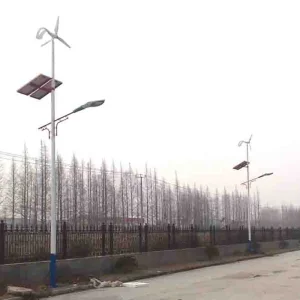
Furthermore, the integration of agrivoltaics—combining solar energy systems with agricultural cultivation—is gaining traction. Utilizing advanced off-grid hybrid power systems (similar to wind-solar hybrid systems used in heavy industrial outdoor applications) allows remote agricultural regions to run massive vertical farms without straining local power grids. The convergence of renewable energy and intelligent indoor lighting systems represents a major milestone in modern green farming infrastructure.

Localized Application Scenarios and Engineering Solutions

Tailored Lighting Configurations Built for Commercial Agriculture and Multi-Tier Vertical Systems

Our custom OEM design process is built around the specific structural and environmental challenges faced by modern growers. By selecting custom optics and form factors, commercial operations can overcome structural limits while maintaining high target yields:

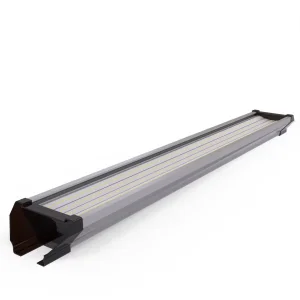
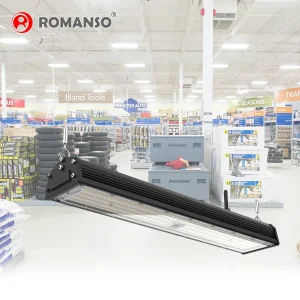
  • Vertical Farming Multi-Tier Racks: Designed with slim, low-profile linear LED bars, these systems prevent heat build-up between levels, allowing close spacing to the plant canopy for high-density leafy green and microgreen farming.
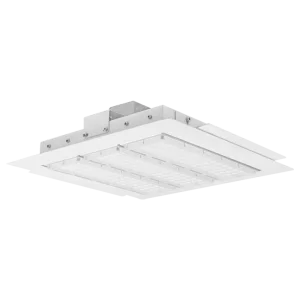
  • Commercial Greenhouses: Designed with slim high-bay profiles to prevent natural light blockage, providing uniform supplementary PPFD during winter months and cloudy days.
  • Medicinal Plants & Floriculture: Built with multi-channel controllable spectrums (incorporating UV-A, Deep Blue, and Far-Red channels) to maximize target essential oil profiles, flower density, and speed up rooting phases.

Yangzhou OneAll Lights Co., Ltd. - Manufacturing & Assembly Showcase

Inside our ISO9001 certified factory: Tour our precision engineering and quality control departments

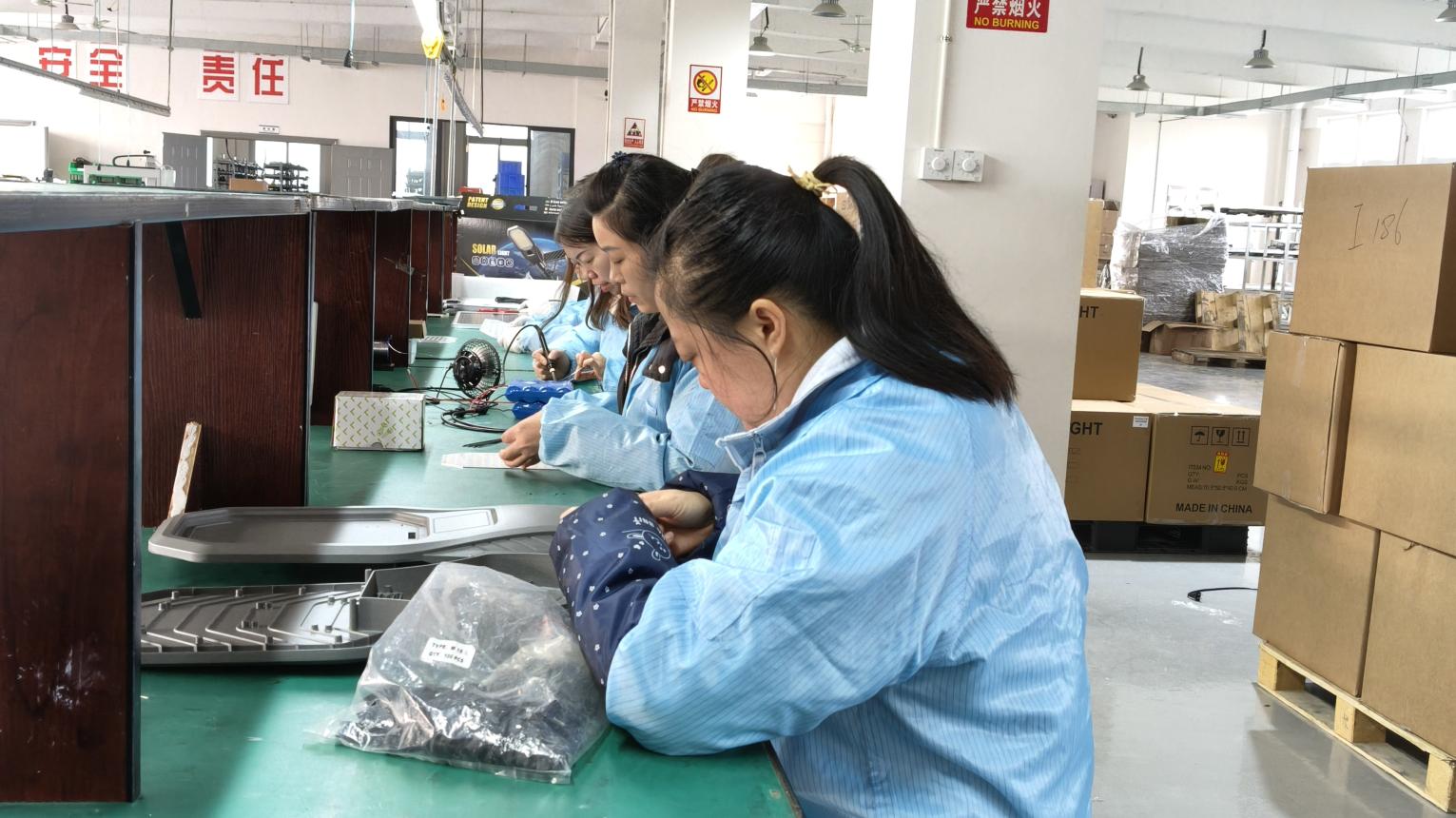
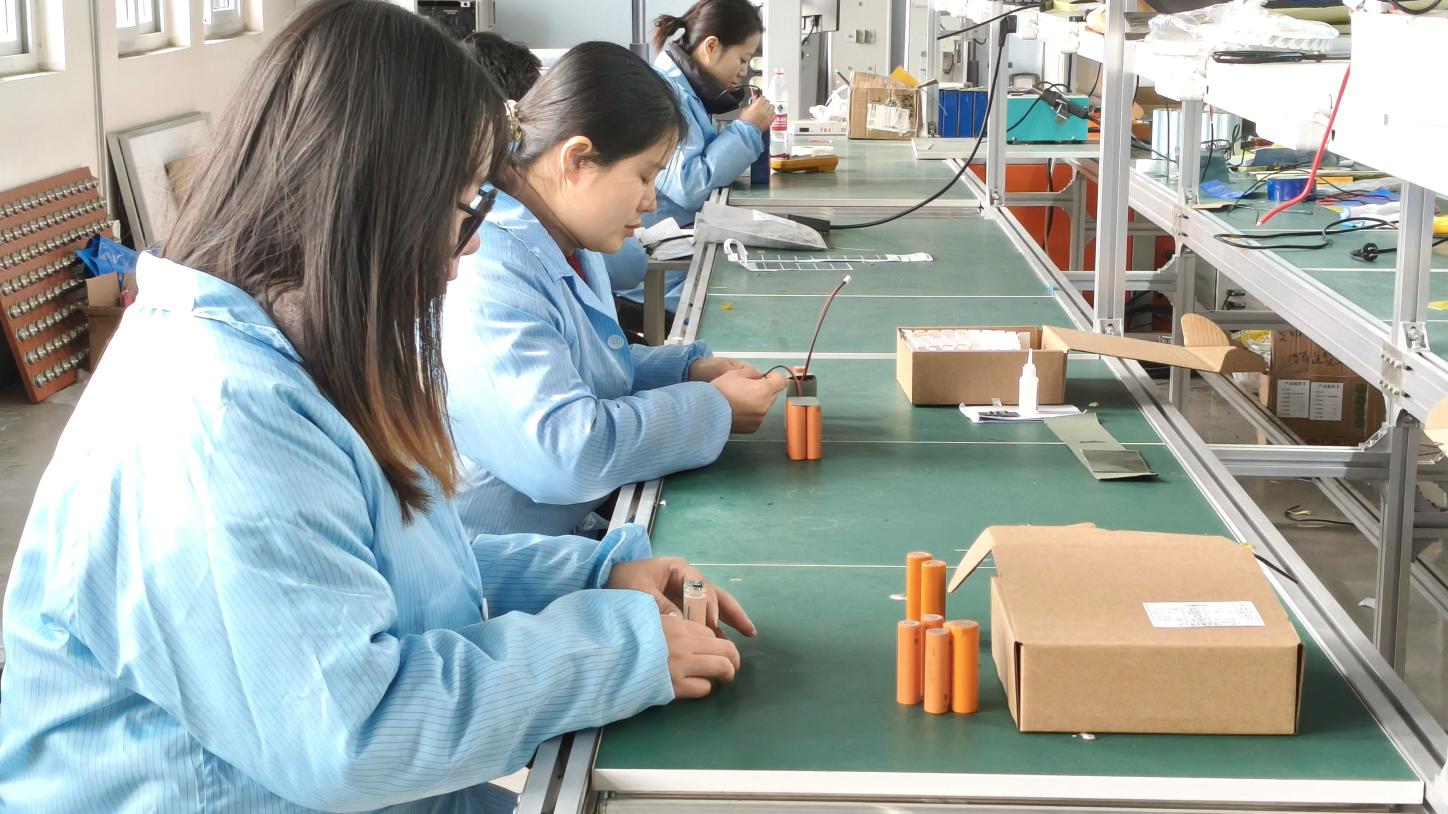
Established in 2003 and located in Yangzhou, Jiangsu Province, China, Yangzhou OneAll Lights Co., Ltd. has over 20 years of experience in the design, development, and manufacturing of high-quality outdoor and industrial lighting systems. Our facility is equipped with CNC bending machines, automatic submerged arc welding systems, laser cutting machines, electrostatic powder coating lines, and SMT production lines. Our strict quality control systems are backed by ISO9001 and ISO14001 certifications, ensuring our custom products deliver excellent reliability and long-term durability.
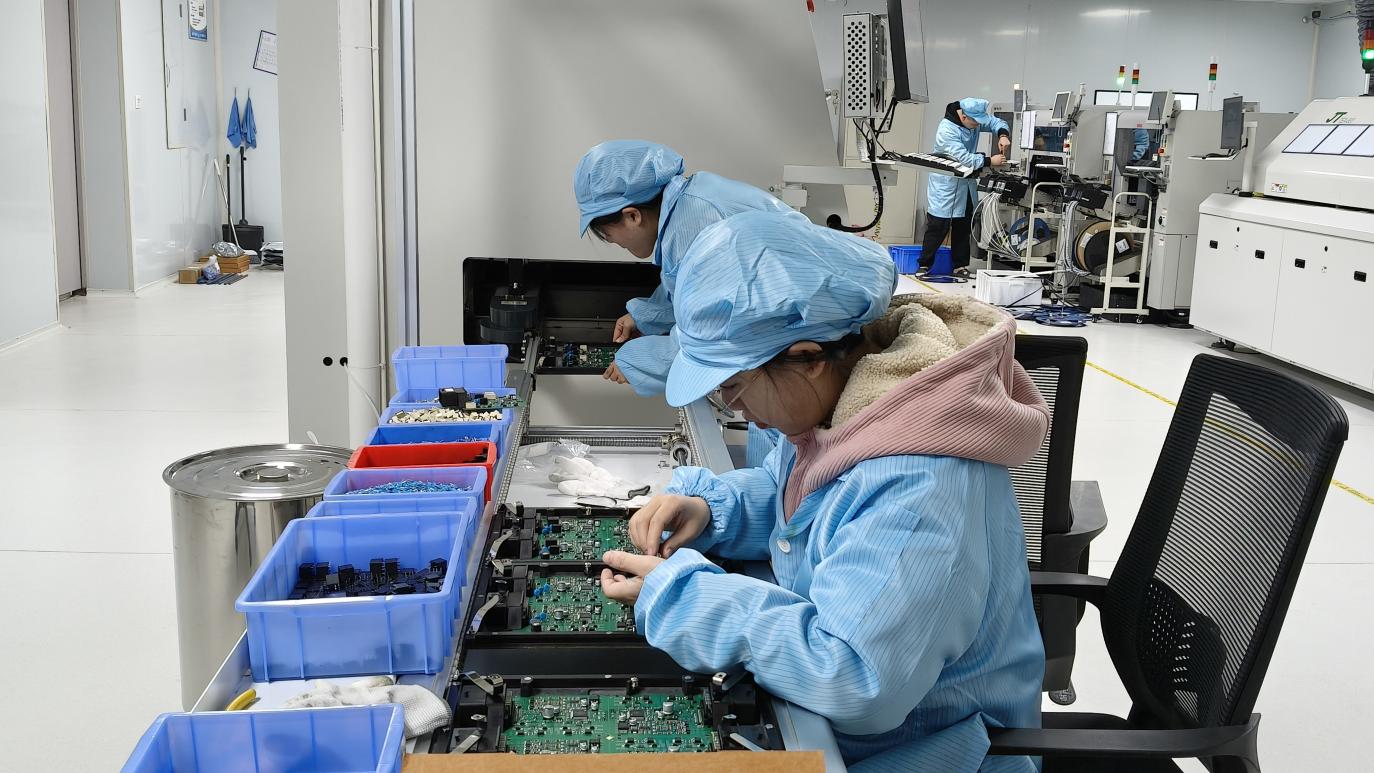
Plug-in Line
Manual Component Plug-in
Welding Process
Precision Structural Welding
Assembly Line 1
Horticultural Fixture Assembly
Assembly Line 2
Driver Mounting & Electrical Assembly
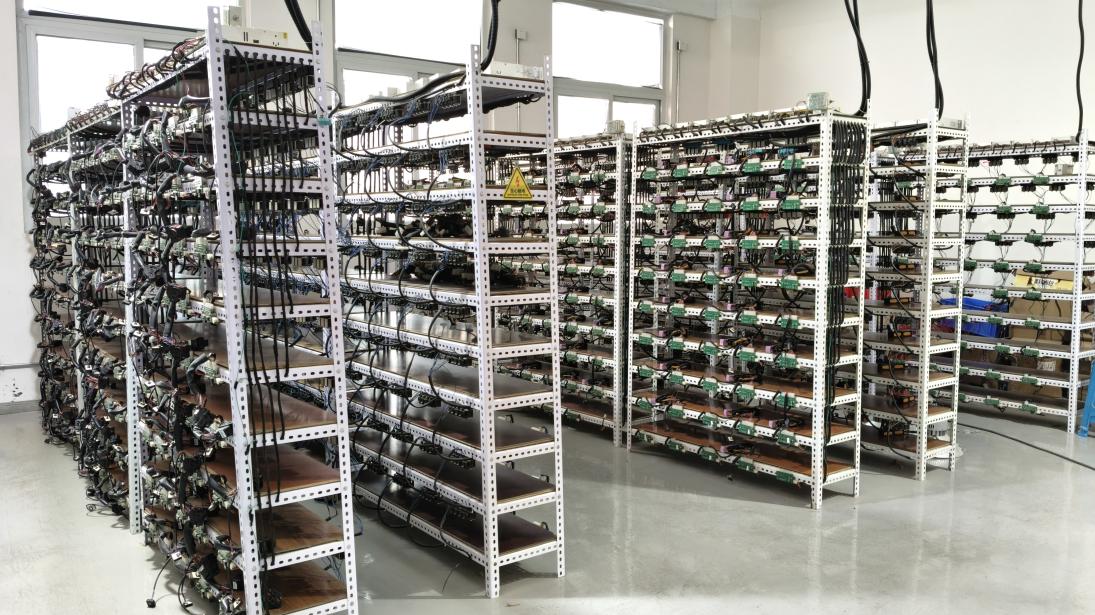
Aging Testing
72-Hour Load & Thermal Aging Test
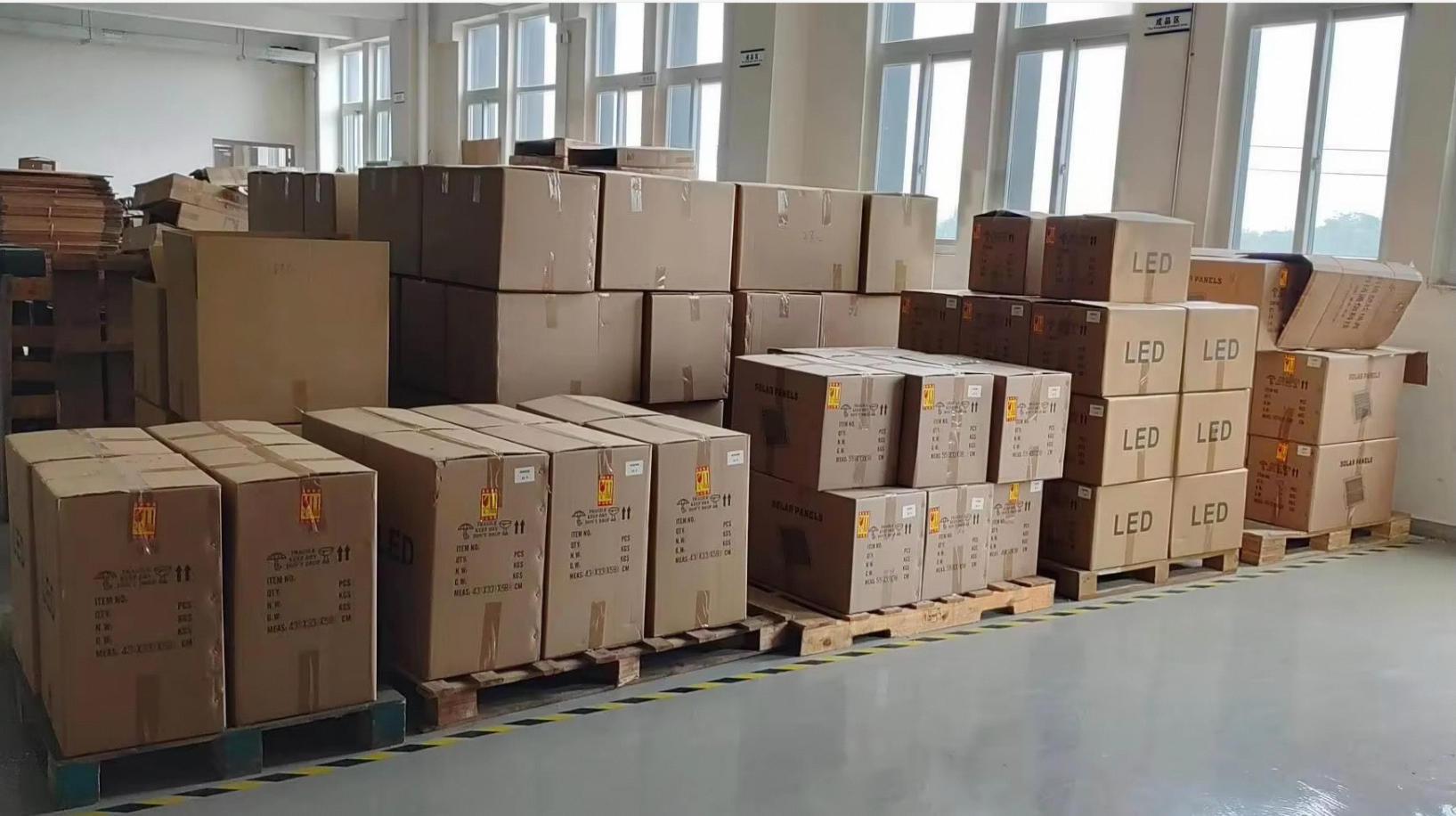
Packing Center
Export-Grade Protective Packaging
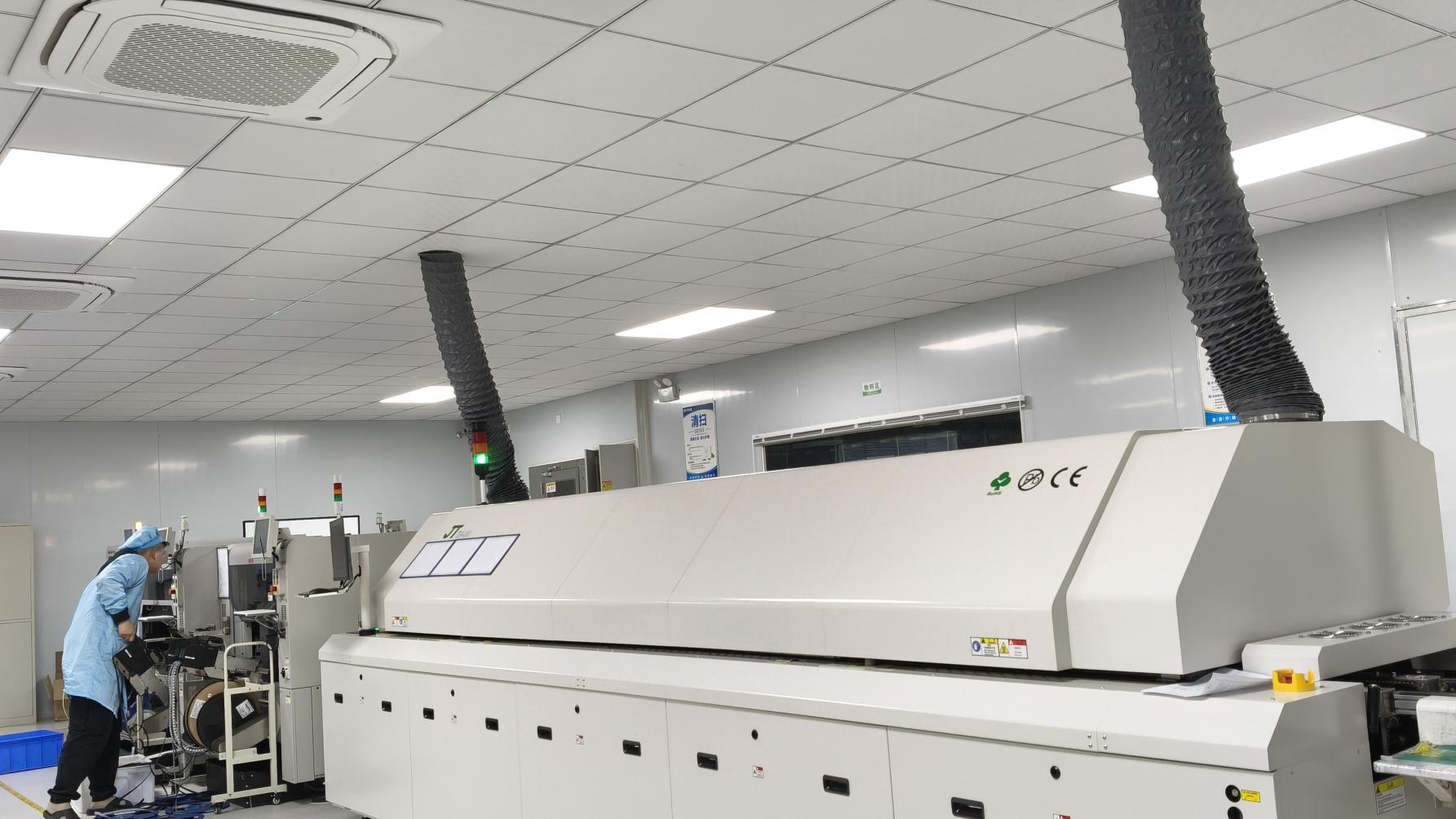
SMT Production Line
Automated High-Speed SMT Line
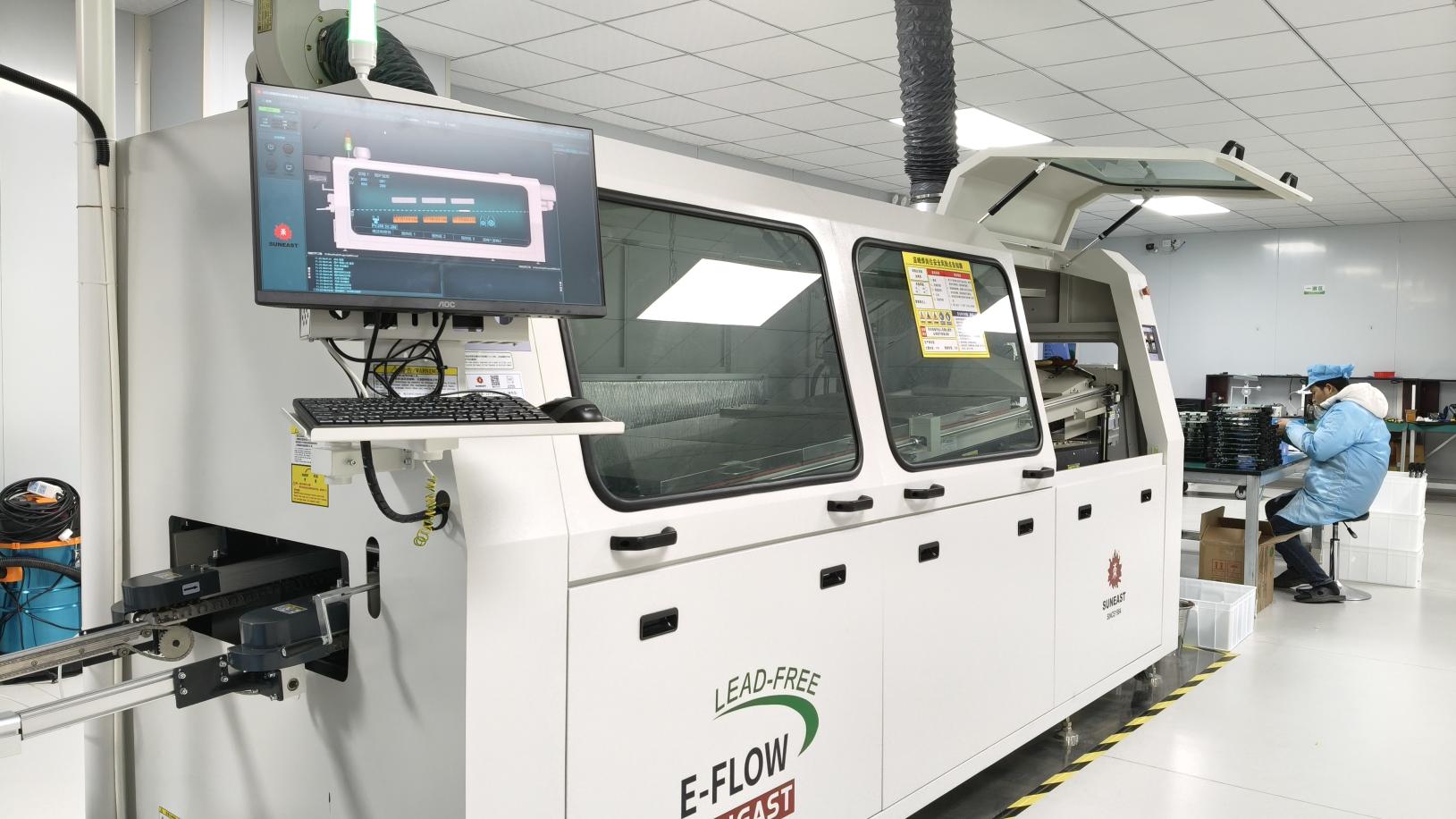
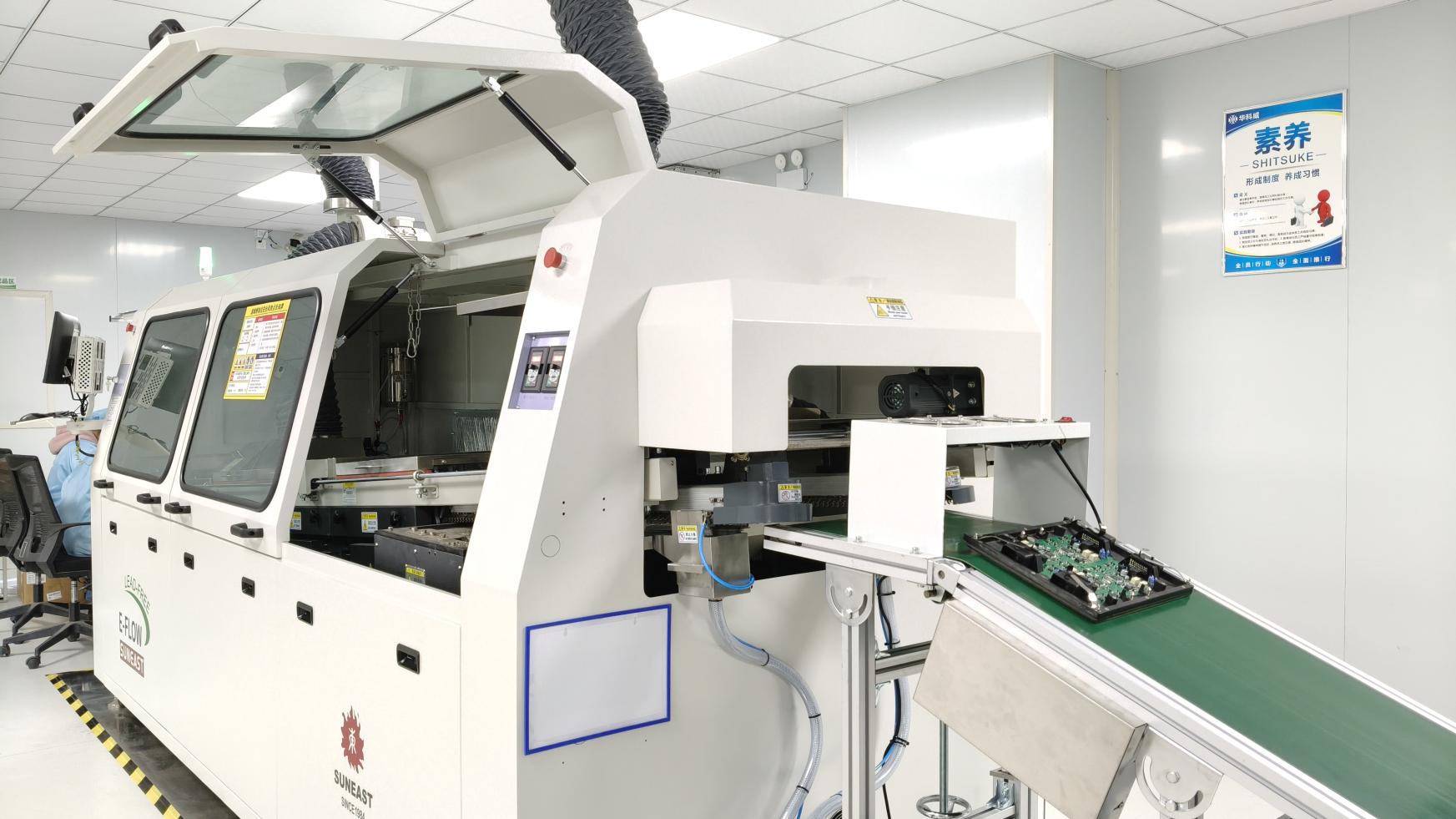
Wave Soldering Machine
Nitrogen Wave Soldering Machine
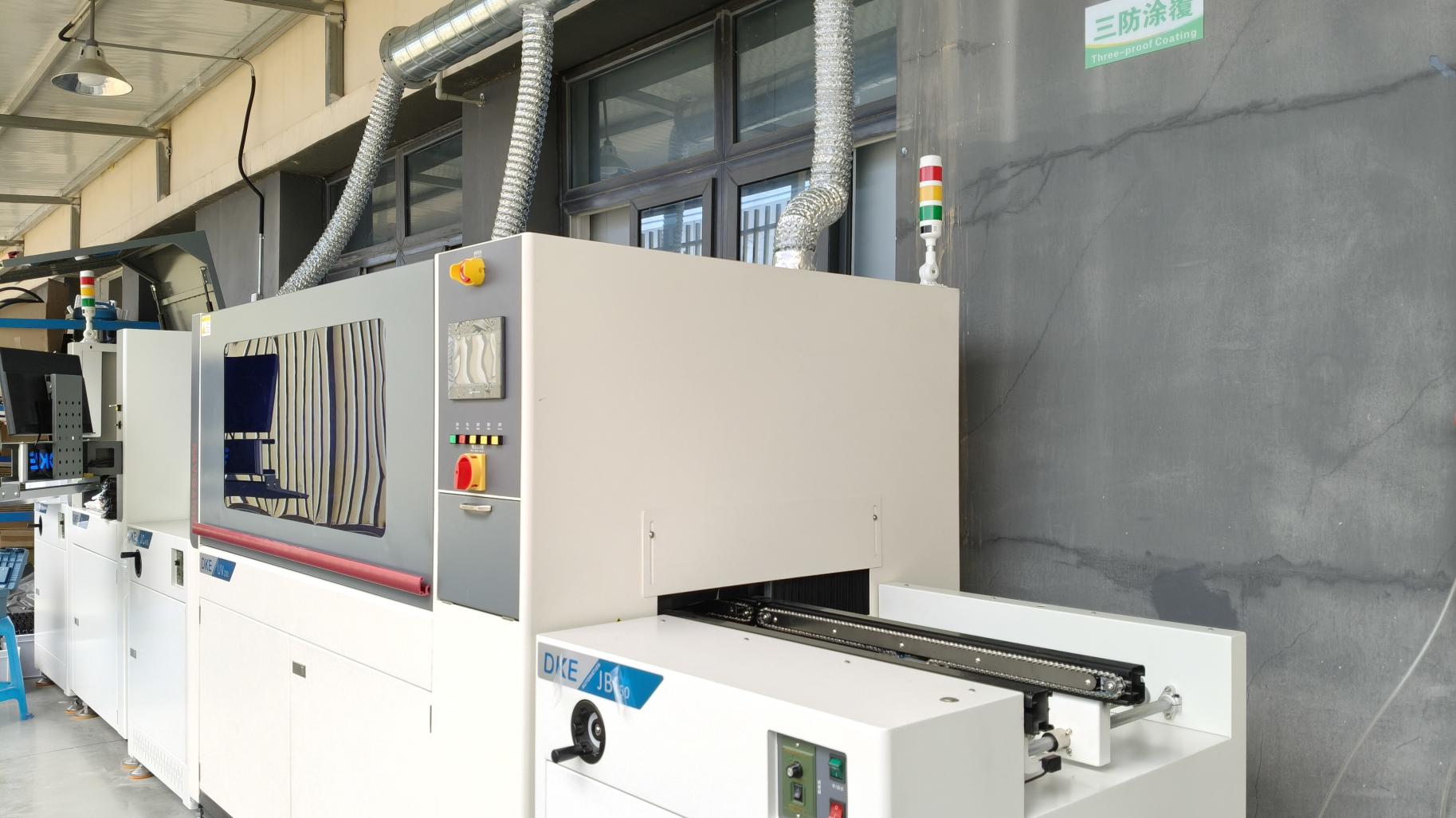
Three-proof Coating Equipment
Conformal Coating Waterproofing
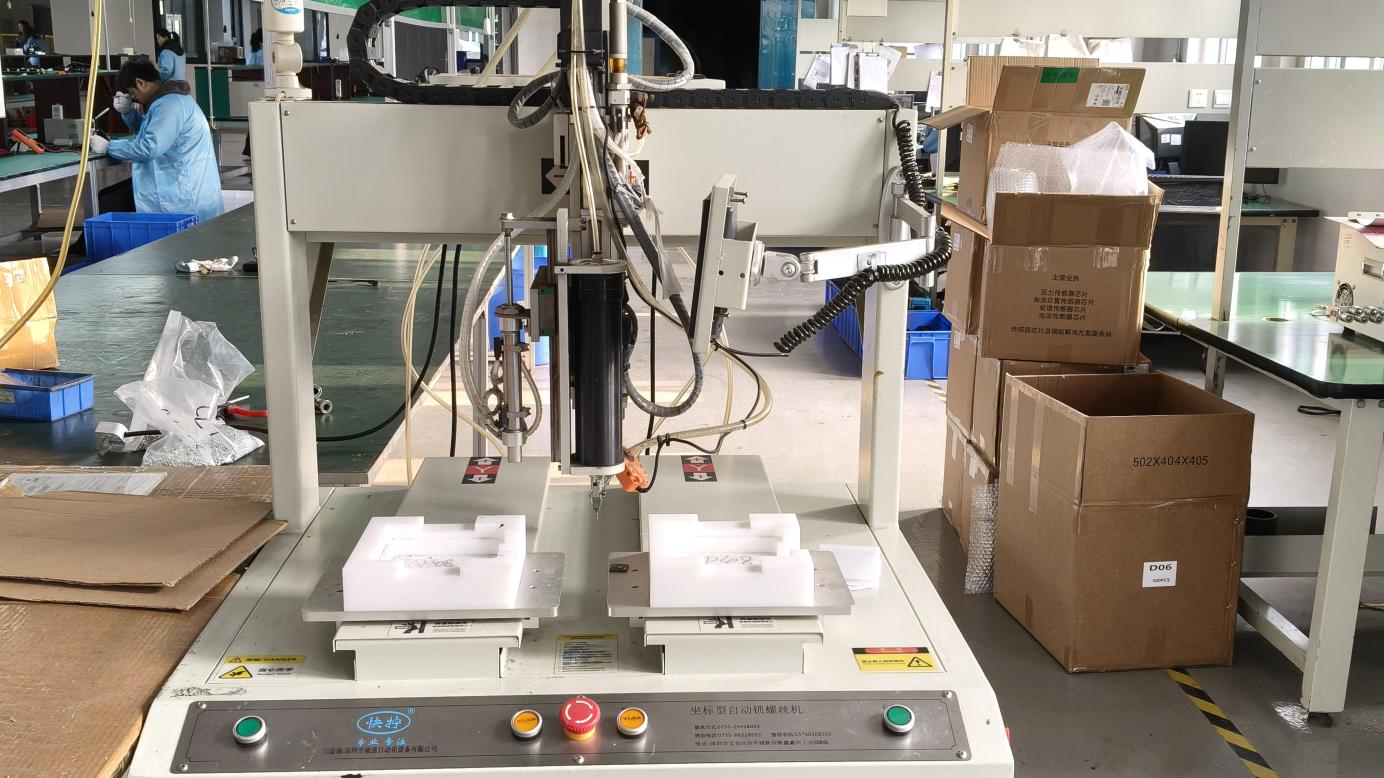
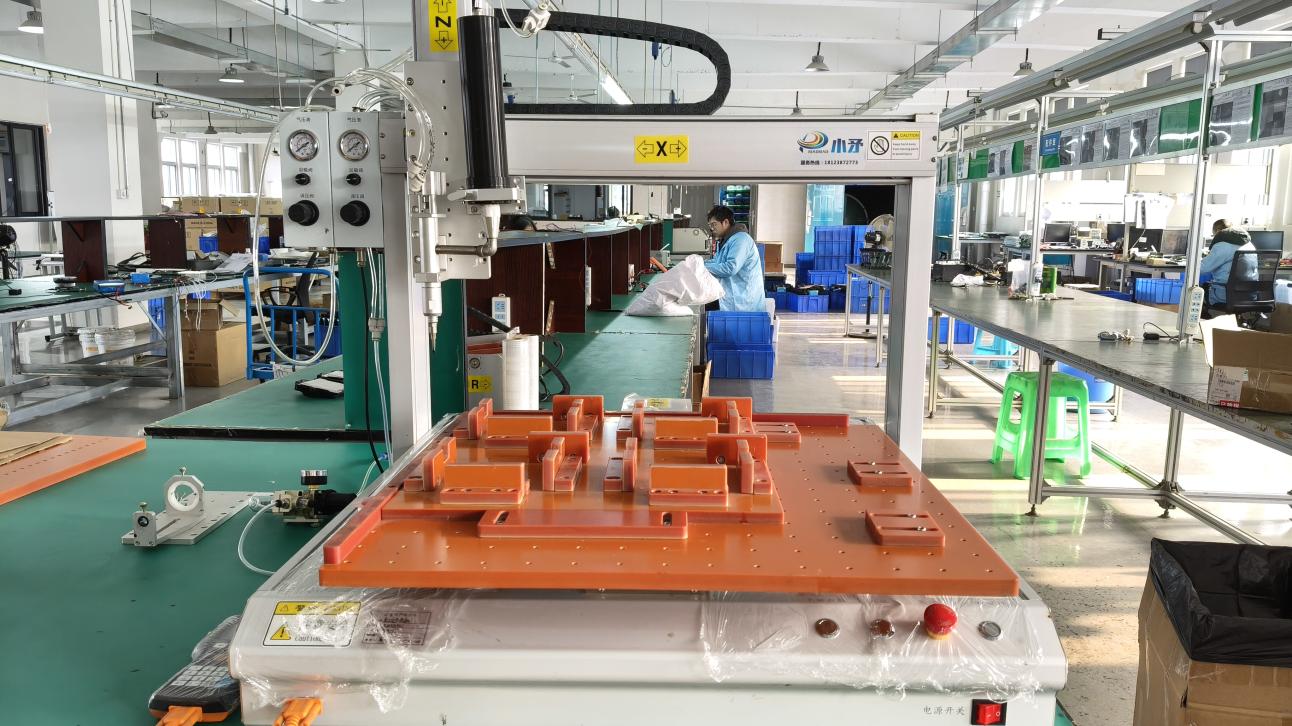
Automatic Screw Locking Machine
Automatic Precision Screw Assembly
Automatic Gluing Machine
Automated Silicone Gluing (IP67)
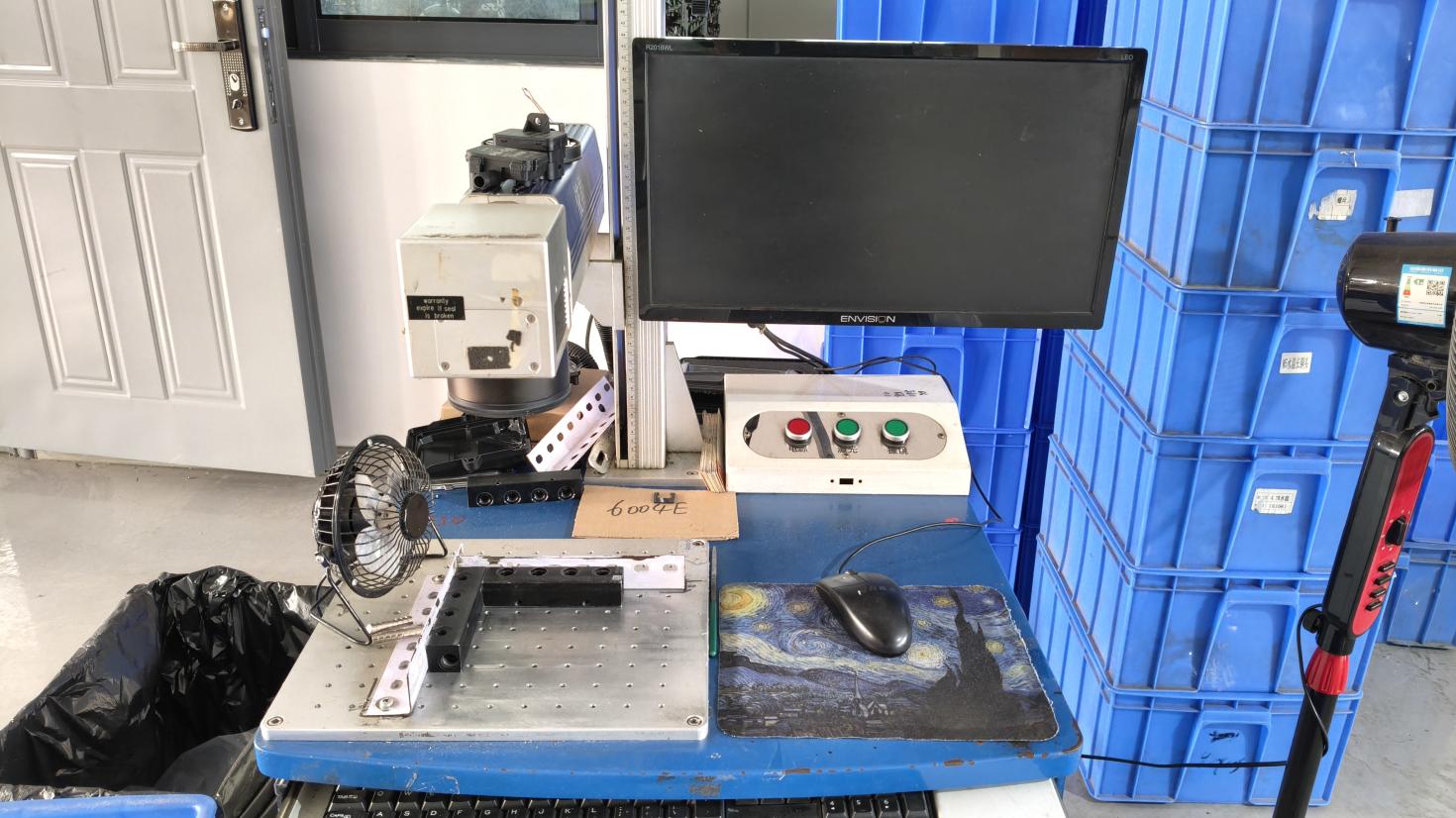
Laser Marking Machine
Laser Logo & Spec Plate Marking
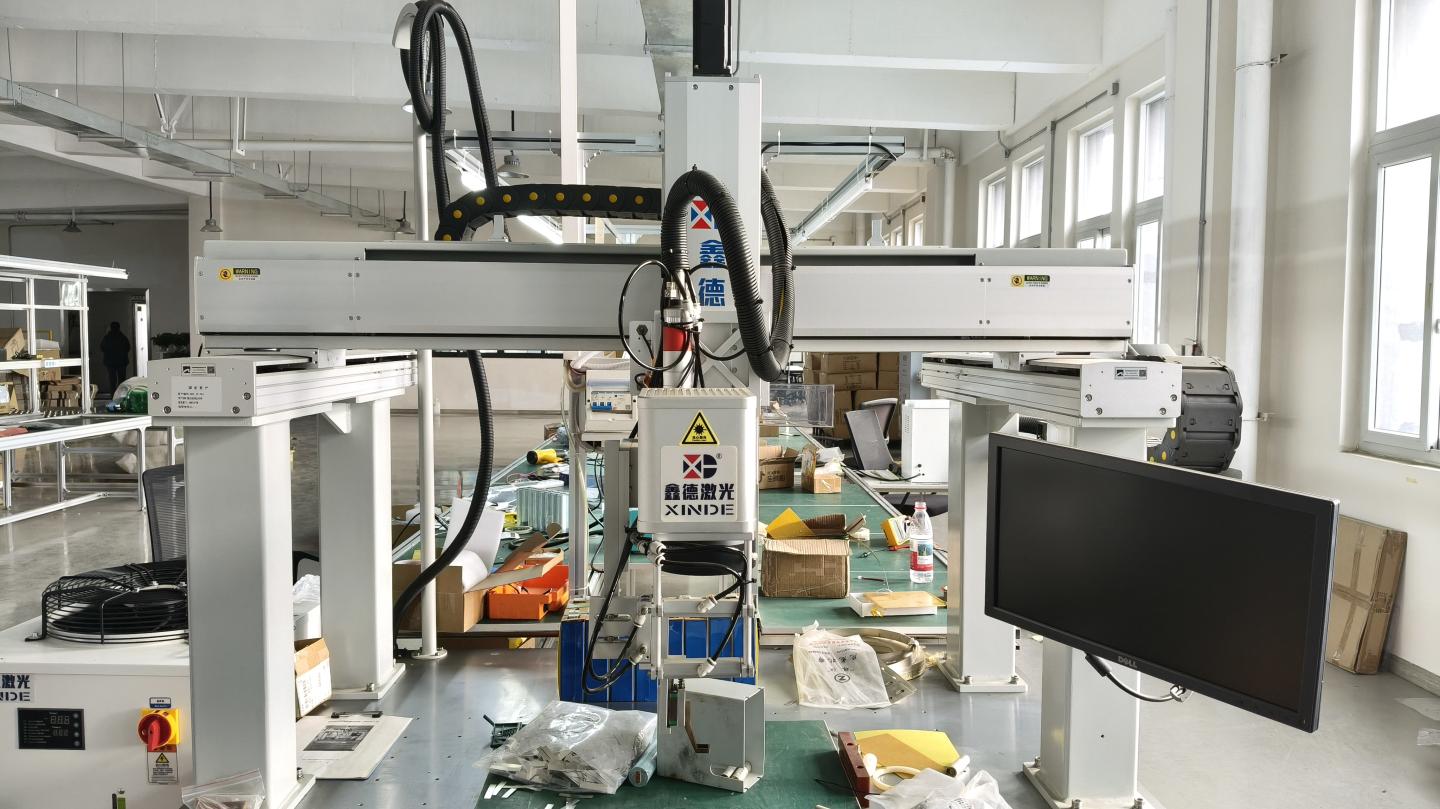
Welding Machine
Advanced Automated Laser Welding

Frequently Asked Questions (FAQ) - Sourcing and Technical Selection

Expert insights on photobiological safety, spectral optimization, and OEM procurement workflows

1. What is the fundamental difference between PPF and PPFD in horticultural lighting design?
PPF (Photosynthetic Photon Flux) measures the total amount of PAR photons emitted by a lighting system per second, expressed in micromoles per second (μmol/s). PPFD (Photosynthetic Photon Flux Density) measures the intensity of that light landing on a specific one-square-meter area of the plant canopy per second, expressed in μmol/m²/s. While PPF represents raw luminaire power, PPFD is the crucial metric for evaluating the light energy plants actually receive at a given distance.
2. How does a custom spectrum design improve crop yields compared to off-the-shelf options?
Different growth stages require different wavelengths. High ratios of deep blue light (450nm) encourage vegetative growth and compact node spacing. High ratios of deep red (660nm) and far-red (730nm) trigger flowering and cell expansion. By customizing the spectrum, growers can skip non-essential wavelengths, reducing energy waste and heating while promoting maximum biomass and secondary metabolite production.
3. Why is thermal management crucial for LED horticultural lights, and how is it addressed in OEM builds?
Although LED chips run cooler than old HPS bulbs, they still produce heat at their junction points. High heat degrades LED chips and causes color shift. Our custom OEM fixtures use thick, extruded aluminum heat sinks (6063-T5 alloy) to dissipate heat passively. This passive design operates without cooling fans, avoiding mechanical failures and reducing energy draw in high-humidity grow environments.
4. What waterproof ratings are necessary for commercial greenhouses and indoor grow rooms?
Commercial cultivation spaces are humid environments due to transpiration and overhead watering. We recommend a minimum rating of IP65, and IP66 or IP67 for wash-down environments. Our automated gluing and three-proof coating machines protect all electrical components, solder joints, and drivers against water spray, chemical corrosion, and humidity.
5. Can LED horticultural fixtures be integrated with existing automated climate controls?
Yes, our custom OEM fixtures support standard protocols like 0-10V, PWM, and DALI, as well as IoT wireless interfaces. This enables integration with popular greenhouse control systems, automated sensors, and timers for precise light level adjustments.
6. What certifications are required for exporting custom LED horticultural lights to North America and Europe?
For North America, fixtures must carry UL 8800 safety certification for horticultural lighting and can be qualified under the DesignLights Consortium (DLC) QPL for utility rebate programs. For Europe, CE-LVD, CE-EMC, and RoHS certifications are mandatory to verify low-voltage and electromagnetic compatibility.
7. How does the integration of Far-Red (730nm) wavelengths impact plant development?
Far-red light triggers the Emerson enhancement effect when paired with red light, accelerating photosynthesis. It also stimulates the shade avoidance response, which can trigger larger leaves, faster flower transitions, and shorter cycles.
8. What is the typical lead time for custom OEM/ODM horticultural lighting designs?
For customized enclosures and new spectral profiles, the R&D stage and sample production take about 15-20 days. Mass production typically requires 25-35 days, depending on scale, component availability, and customization levels.
9. How do you ensure electrical safety in multi-fixture commercial layouts?
We use high-grade, waterproof daisy-chain connectors and premium internal components. Every fixture undergoes high-voltage ground testing and long-term load aging tests to guarantee reliable operation and minimize line-current imbalances.
10. What is the expected service life and warranty on OEM horticultural fixtures?
Using top-tier diodes and industrial-grade drivers, our fixtures maintain 90% lumen output after 50,000 hours of operation (L90 > 50,000 hrs). We back our custom OEM solutions with a comprehensive 5-year warranty.