The industrial and commercial lighting landscape is undergoing a massive transformation. Driven by stringent carbon neutrality mandates, escalating power tariffs, and the global phase-out of hazardous chemicals, legacy fluorescent technologies (such as T8, T12, and high-output T5 tubes) are quickly becoming obsolete. Smart, solid-state LED fluorescent replacement systems present the most viable pathway forward for facility managers and lighting engineers globally.
Retrofitting conventional fluorescent fixtures with commercial-grade LED alternatives delivers immediate benefits. Energy consumption drops by 50% to 70%, power factor improves to over 0.95, and Total Harmonic Distortion (THD) is kept below 15%. Structurally, modern LED replacements eliminate the flickering caused by aging magnetic or electronic ballasts. Furthermore, they remove toxic mercury vapor from the workspace, aligning facilities with modern corporate Environmental, Social, and Governance (ESG) standards.
Across the globe, regulatory frameworks are aggressively enforcing the retirement of linear fluorescent lamps. In the European Union, the Restriction of Hazardous Substances (RoHS) directive effectively banned the sale of T5 and T8 fluorescent lamps in 2023. In North America, individual state policies, combined with rigorous standard updates from the DesignLights Consortium (DLC 5.1 Premium), have shifted utility rebates exclusively toward high-efficacy solid-state LED systems.
For international industrial operations, navigating this transition requires securing reliable OEM and ODM manufacturing partners capable of delivering massive production capacity, consistent binning controls (SDCM < 3), and robust thermal management. Understanding regional installation demands is equally critical:
Yangzhou OneAll Lights Co., Ltd. is a professional manufacturer and exporter specializing in high-performance outdoor, industrial, and architectural lighting solutions. Established in 2003 and strategically located in Yangzhou, Jiangsu Province, China, the company has accumulated over 20 years of expertise in the design, development, high-precision manufacturing, and global supply of premium solid-state lighting systems.
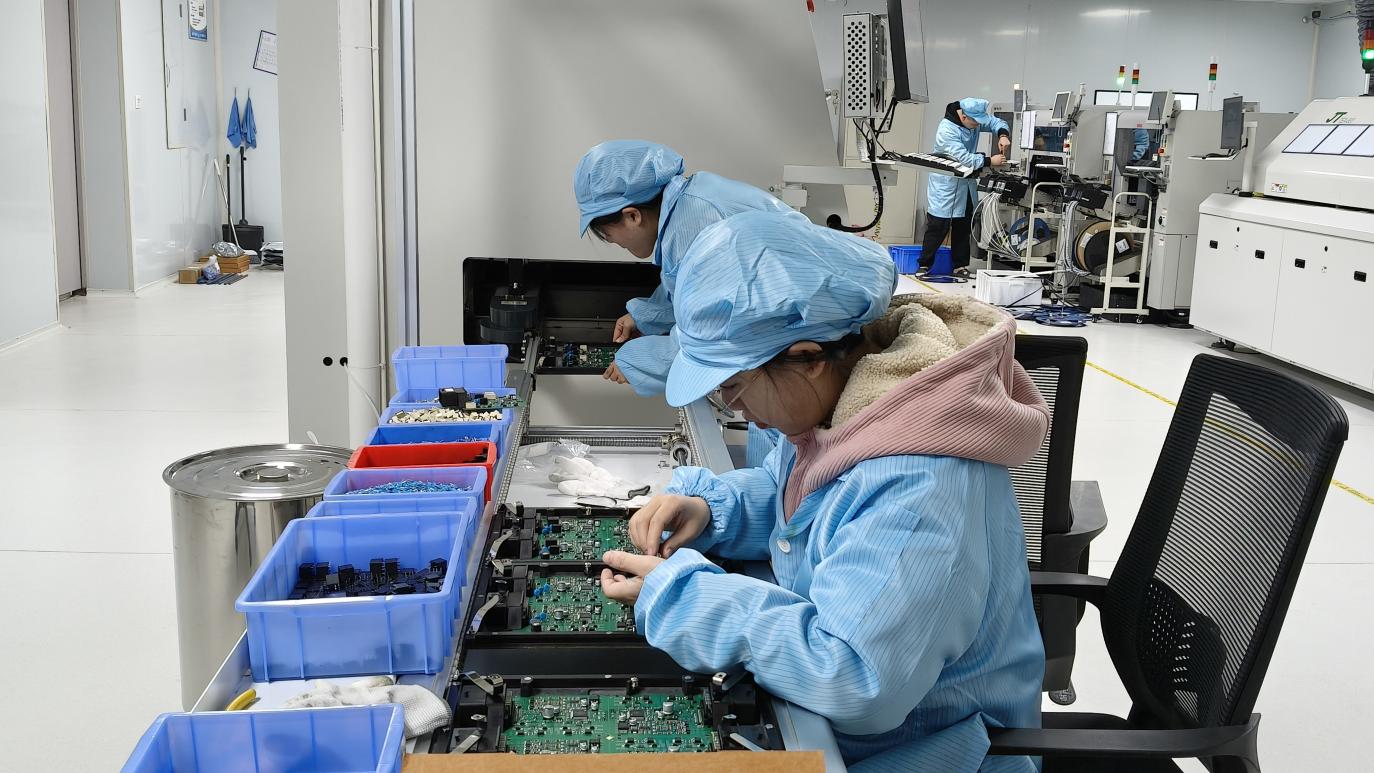
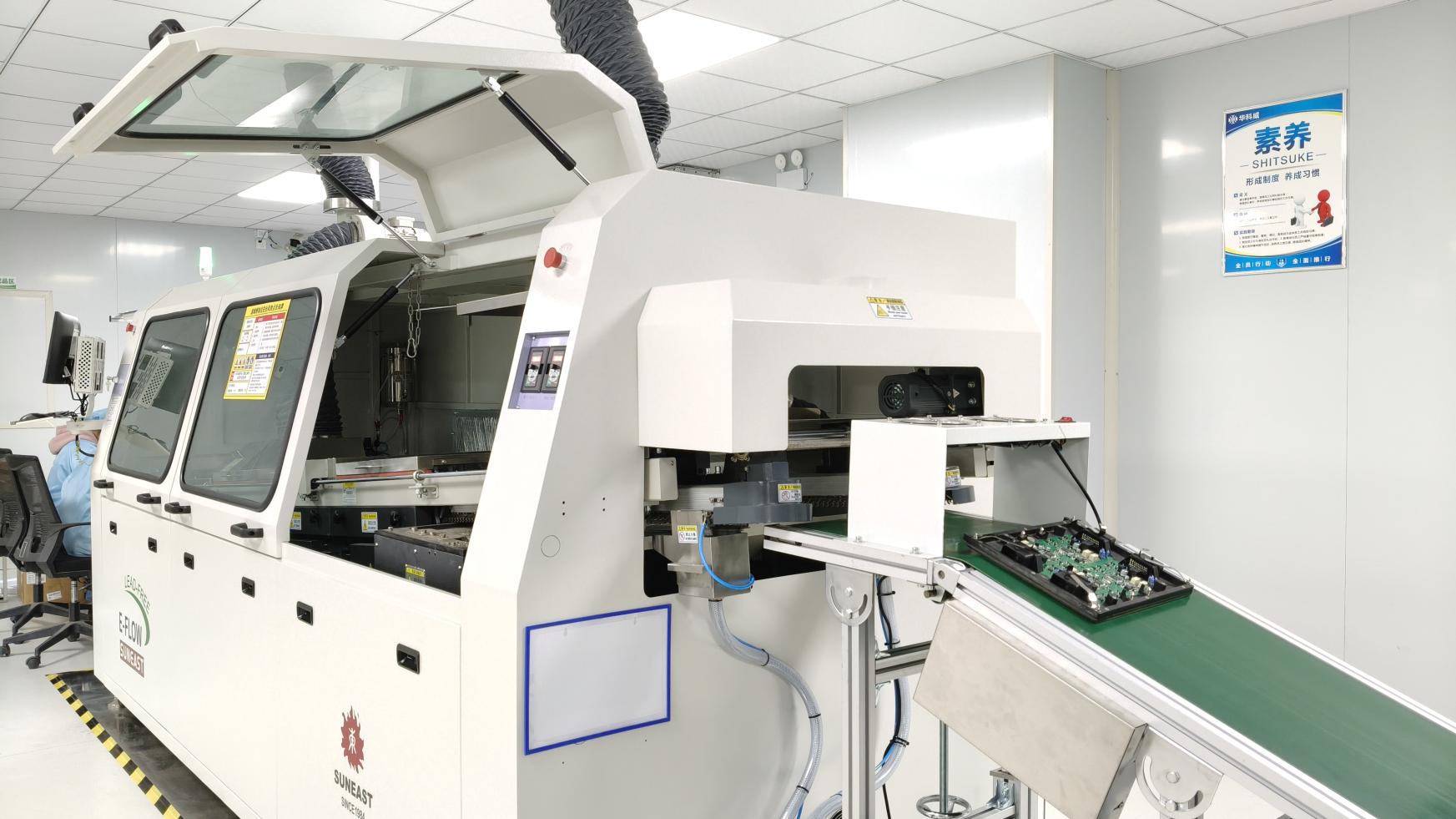
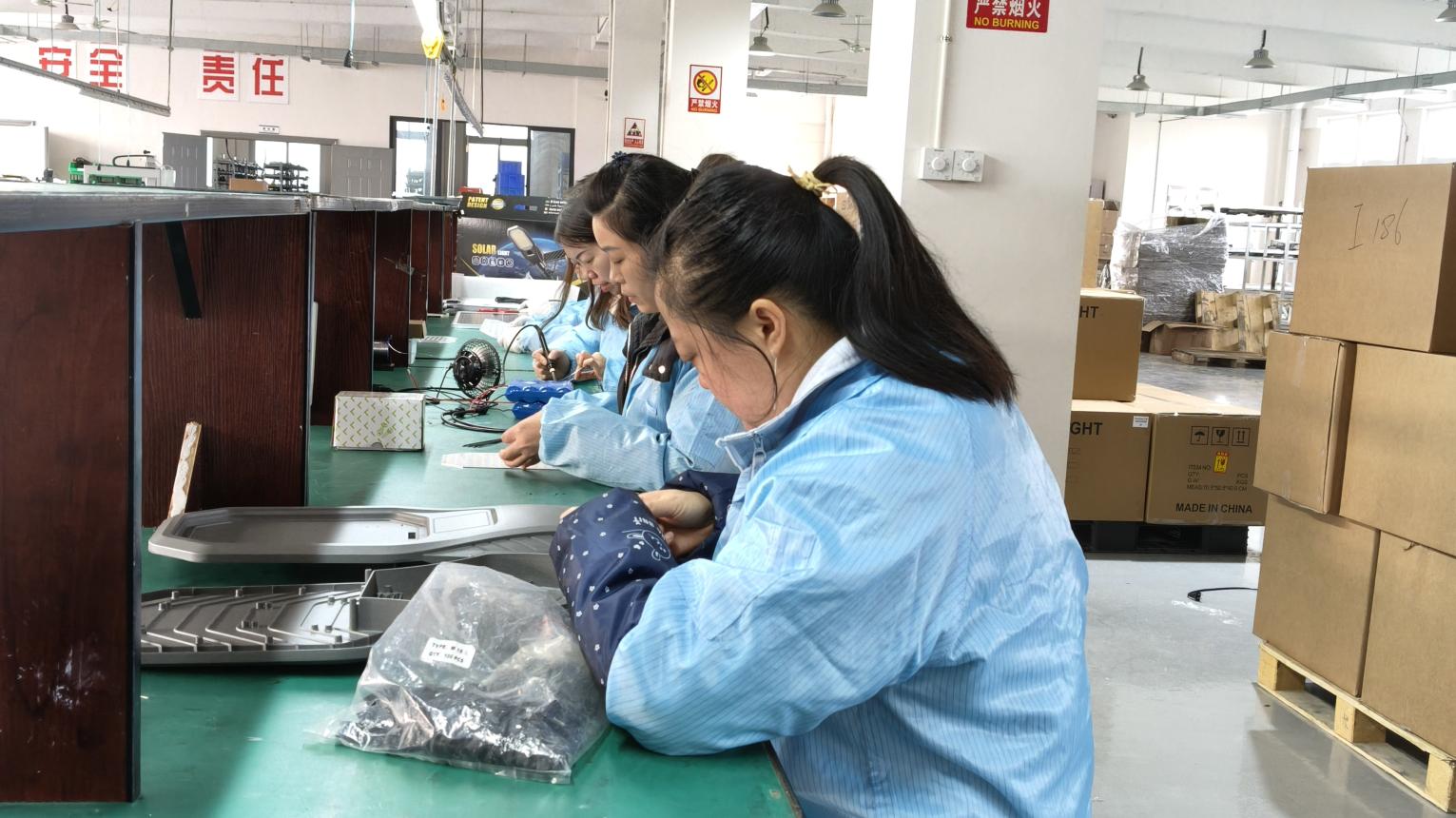
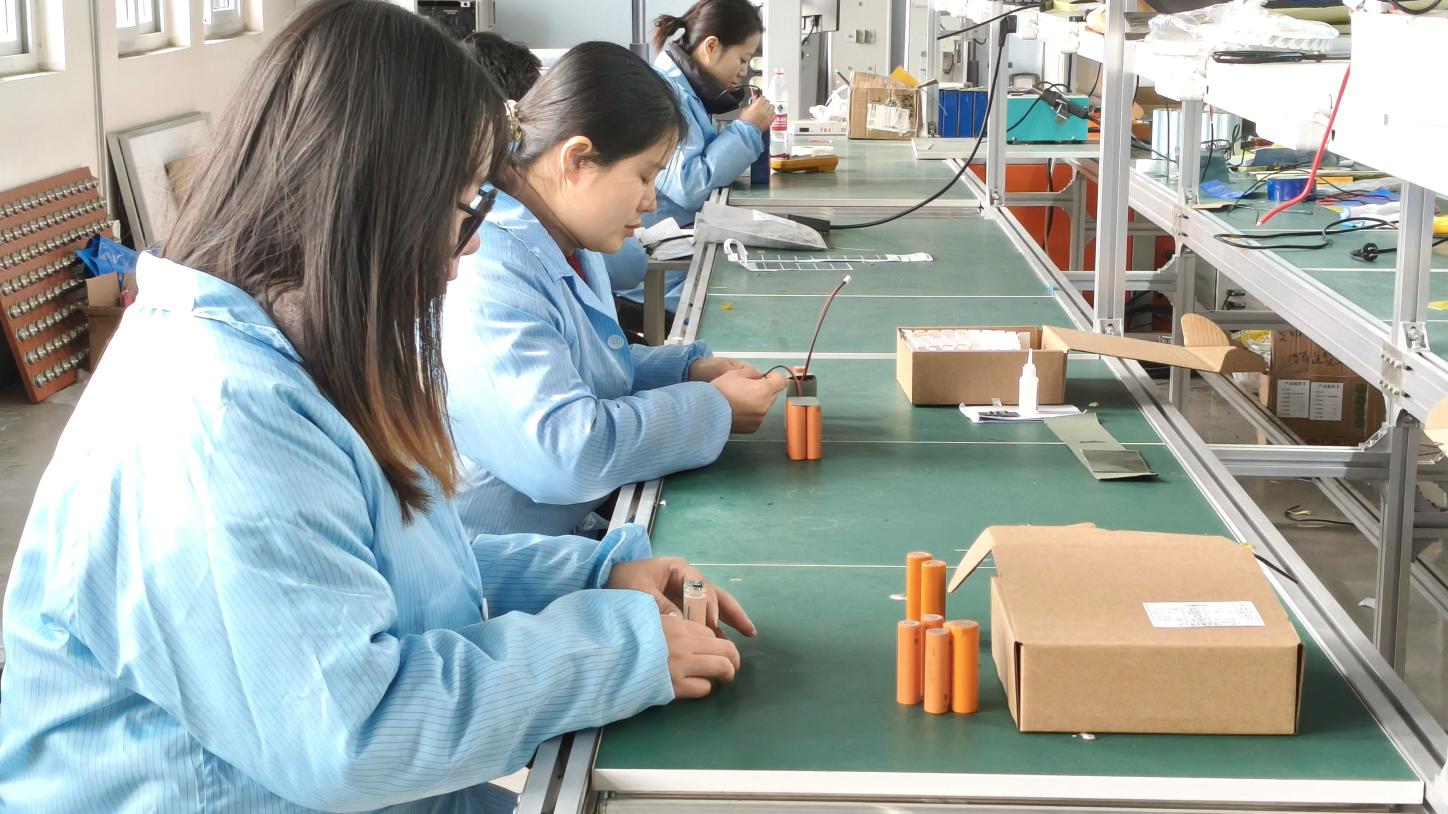
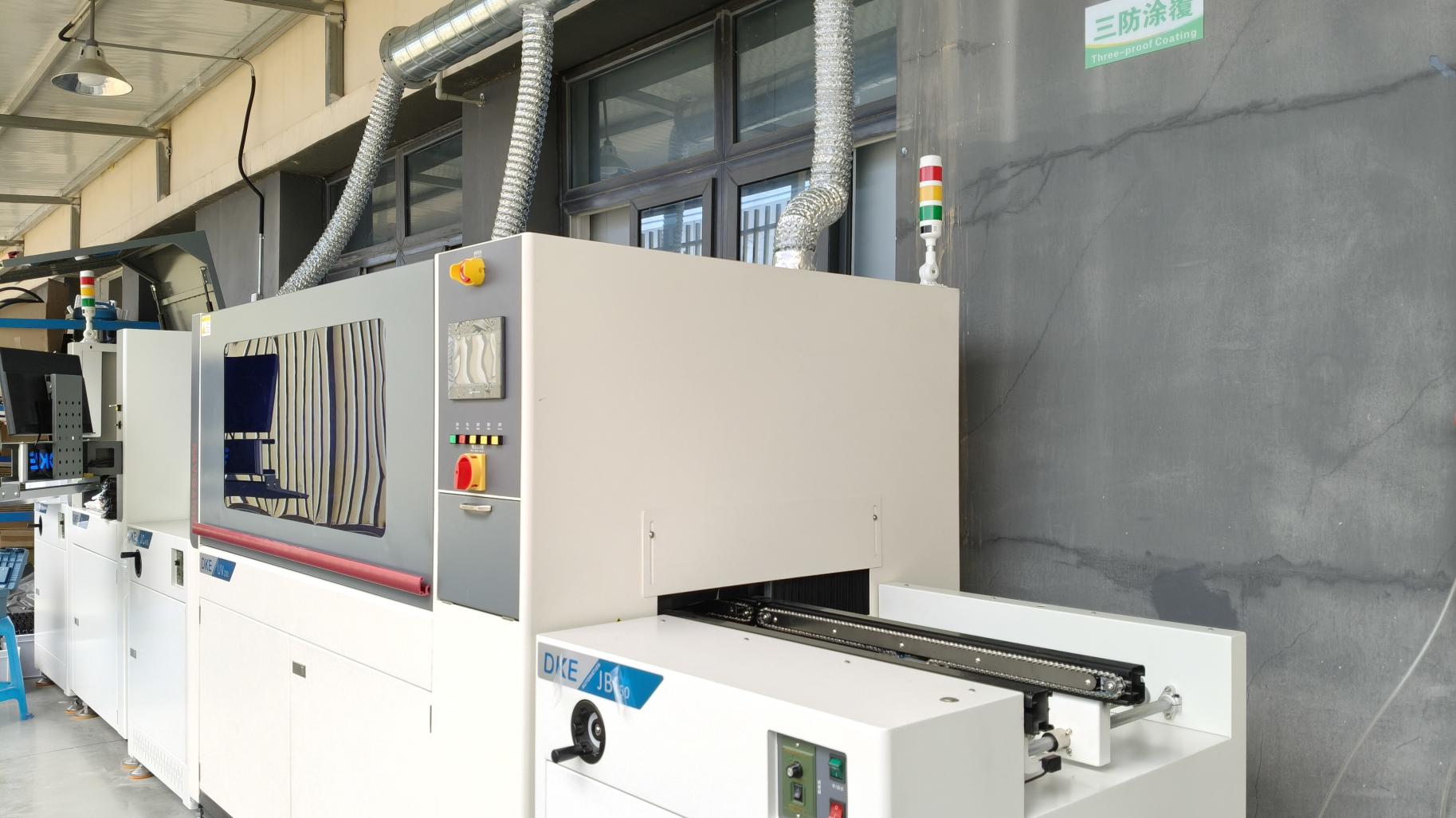
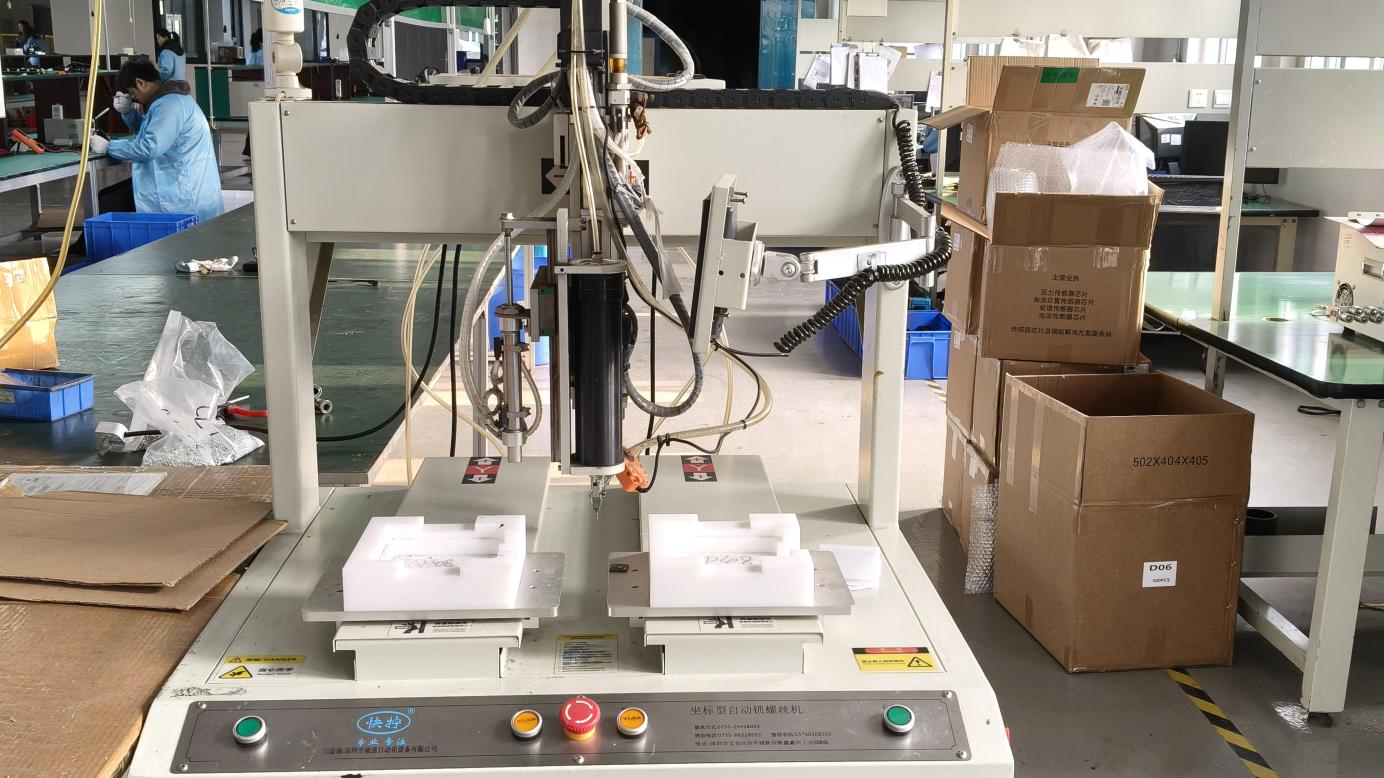
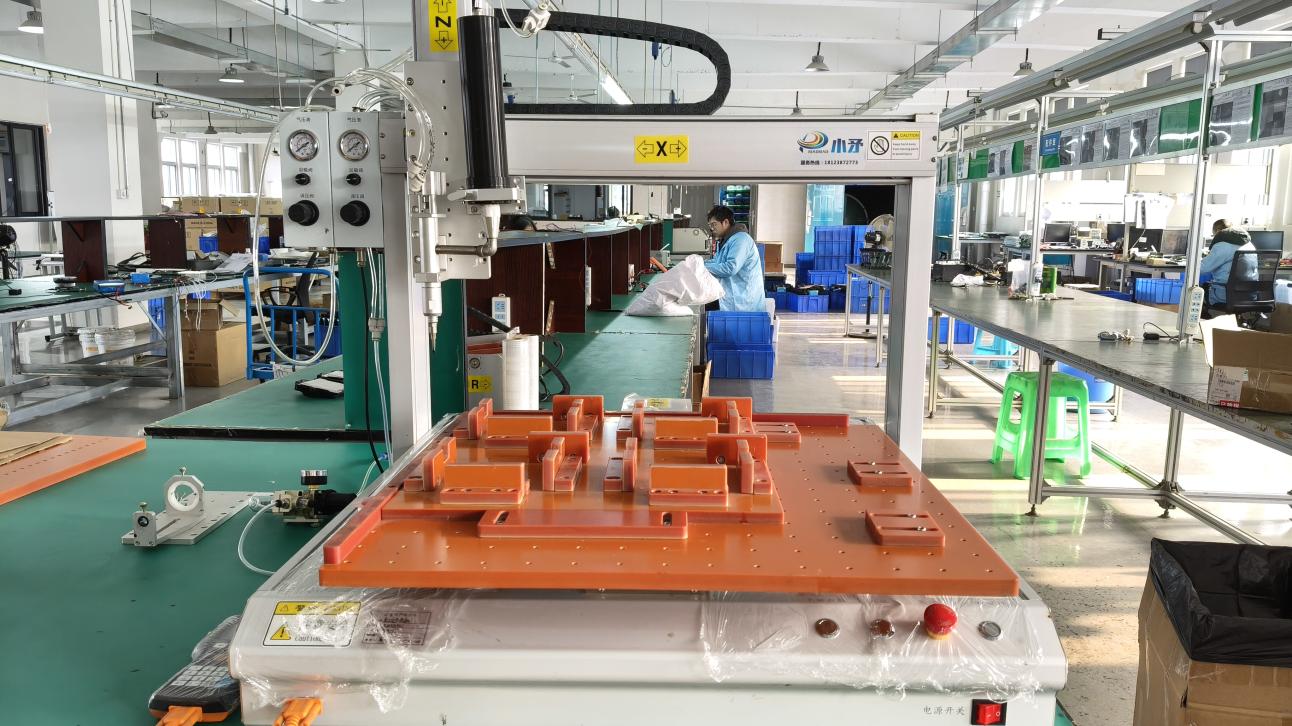
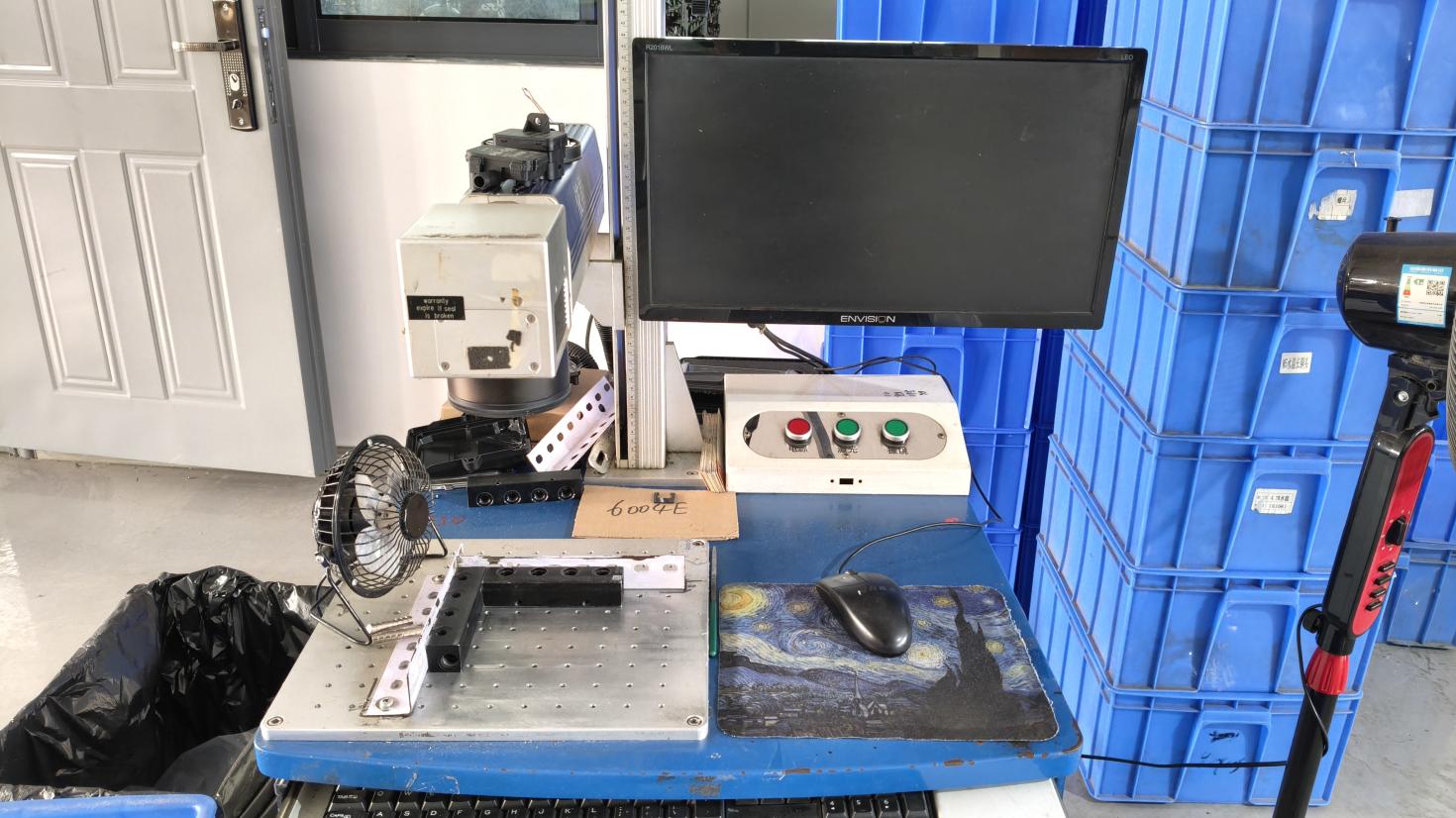
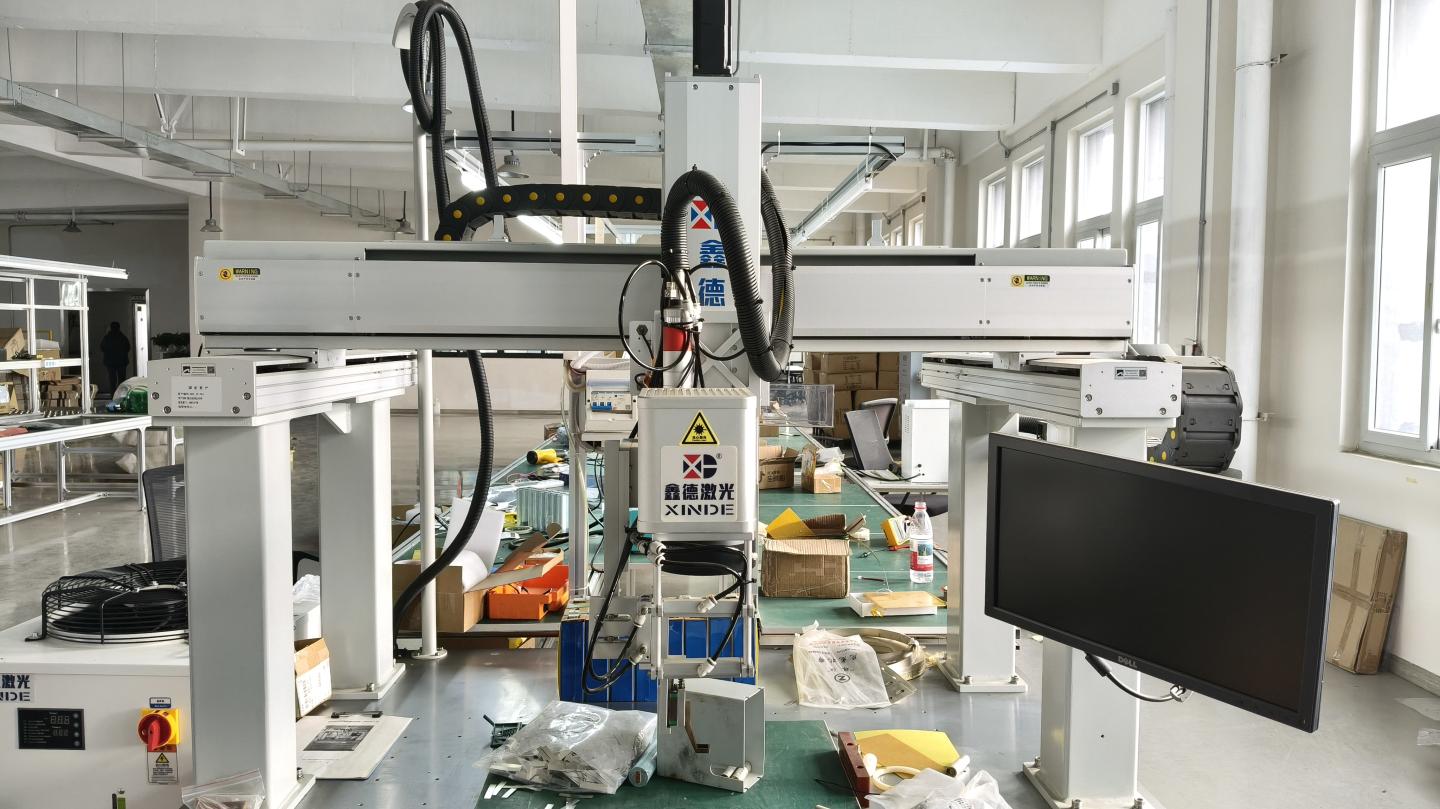
Backed by continuous capital reinvestment in modern manufacturing technologies, the OneAll factory is outfitted with advanced production machinery. The facility features state-of-the-art CNC bending systems, automatic submerged arc welding lines, precision laser cutting setups, electrostatic powder coating lines, fluorocarbon painting cleanrooms, and comprehensive testing laboratories. Our automated assembly lines and dedicated engineering teams guarantee high throughput, consistent product quality, and reliable timelines for major commercial projects.
Innovation and strict quality control are the main drivers of the company's growth. OneAll operates an in-house R&D division focused on developing energy-efficient, eco-friendly, and smart IoT-enabled lighting solutions. Every step of the production process—from thermal design and PCB layouts to driver integration and final stress testing—is executed under strict quality controls to ensure long-term durability and performance in challenging environments.
Our products are widely exported across Southeast Asia, the Middle East, Africa, Europe, and South America. With extensive experience in large-scale international projects, Yangzhou OneAll Lights Co., Ltd. offers highly adaptable OEM and ODM services, delivering customized configurations, optical distributions, and structural options to meet specific project needs worldwide.
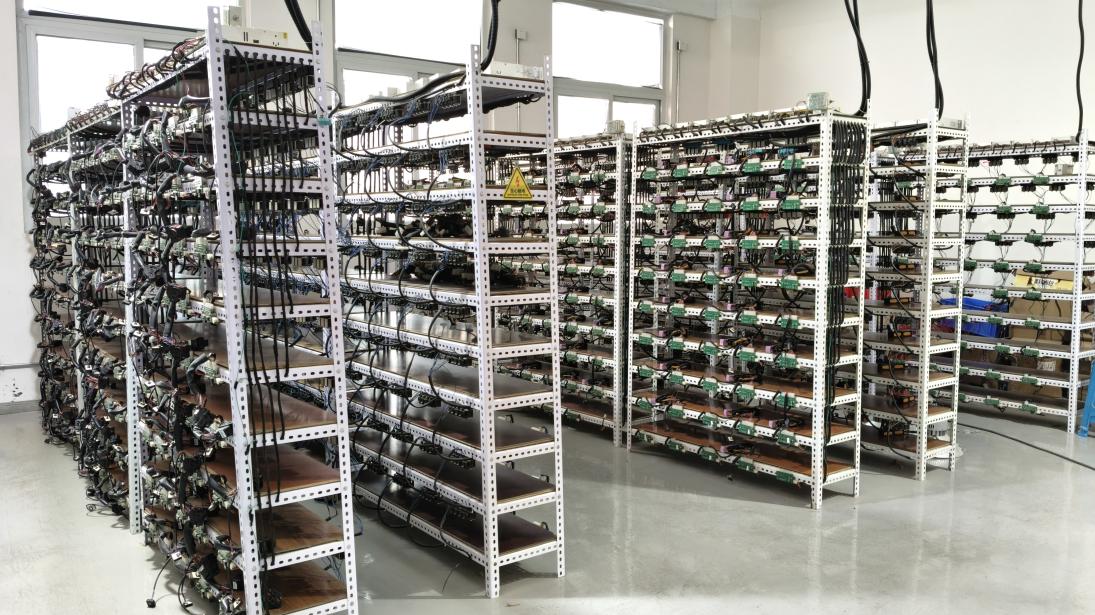
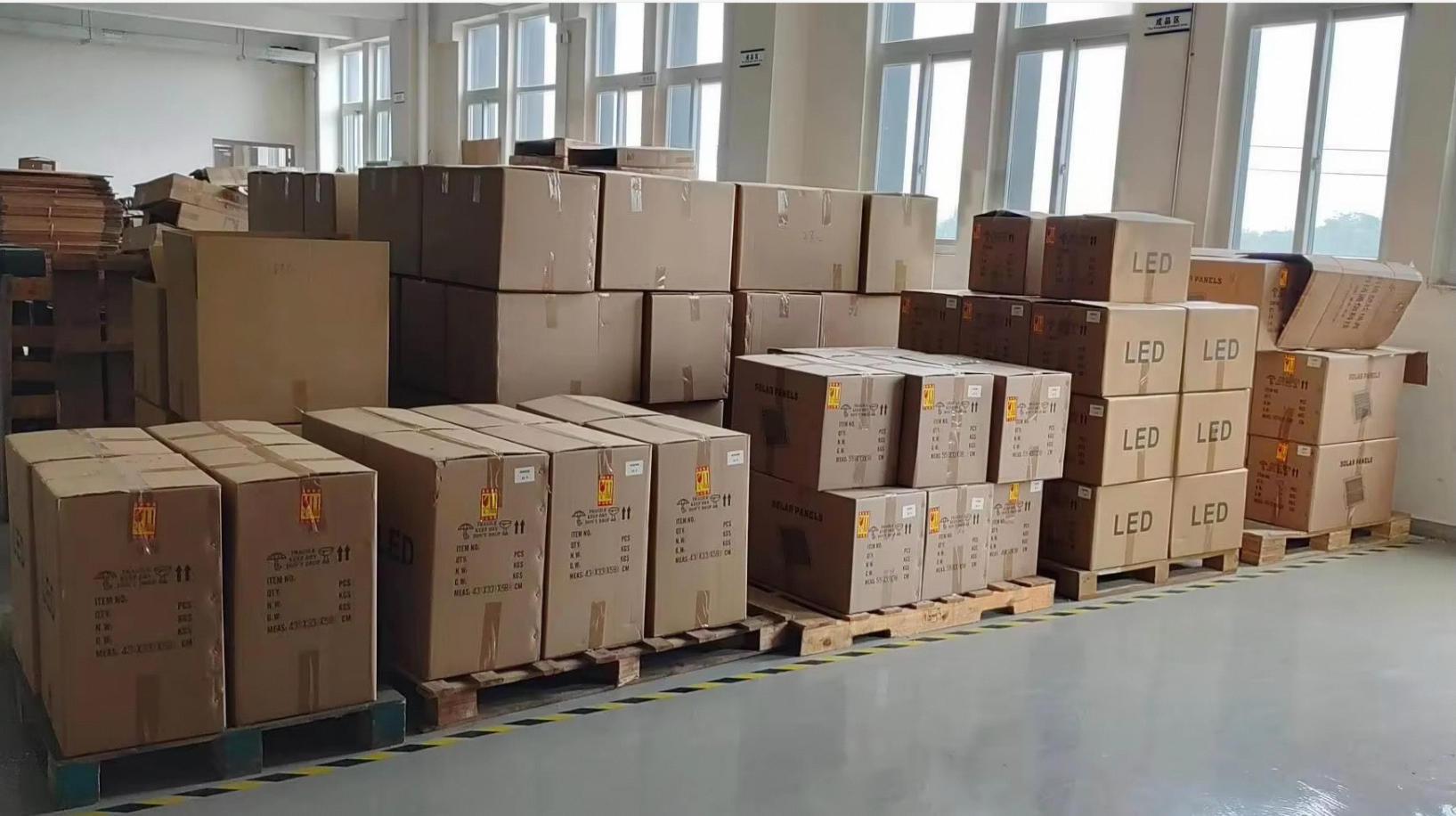
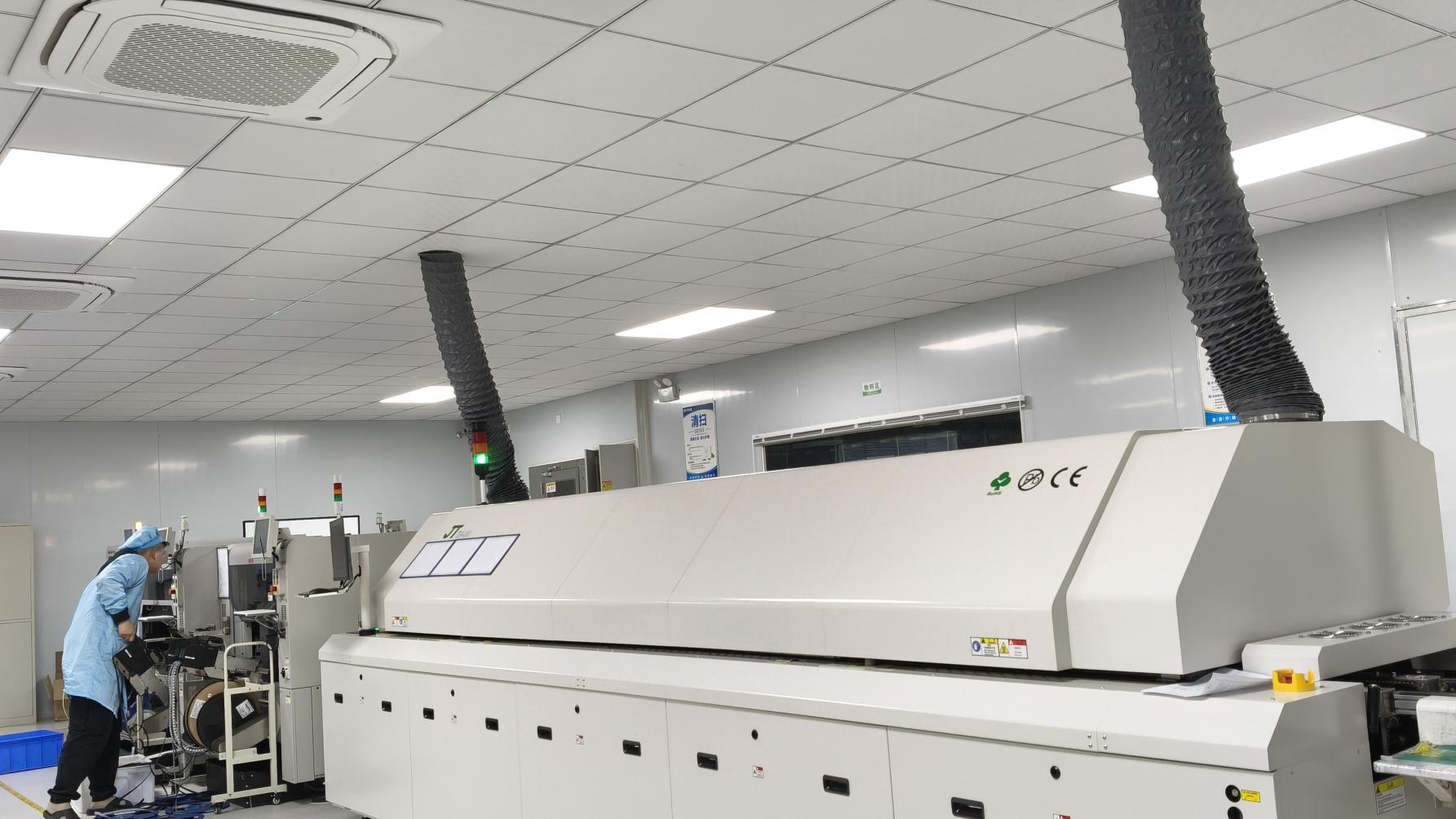
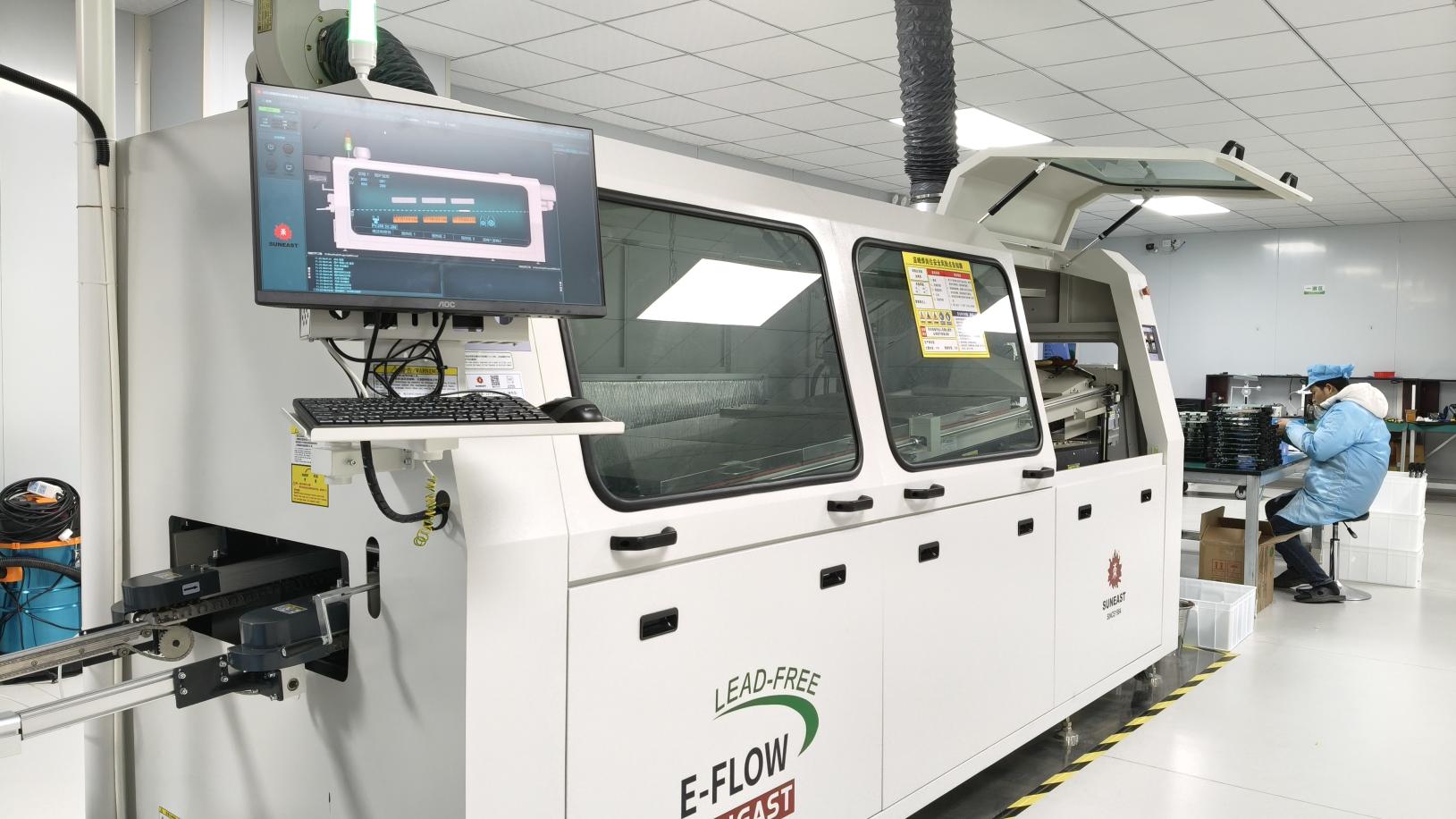
Every lighting fixture undergoes a rigorous production cycle at our specialized facilities. Below is the step-by-step industrial process ensuring high precision, reliability, and regulatory compliance.
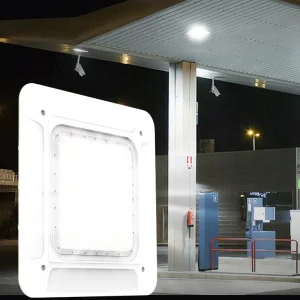
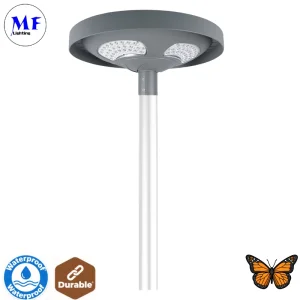
Modern commercial lighting demands highly specialized solutions tailored to distinct architectural and operational settings. Translating technical parameters into real-world applications is essential for optimizing performance and safety:
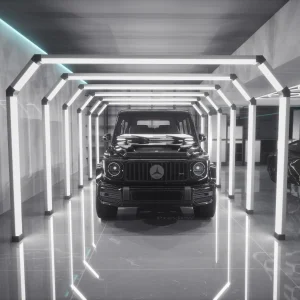
Vehicle inspection and professional detailing require exceptionally high Color Rendering Index (CRI > 90) values and uniform light distribution to reveal paint defects, micro-scratches, and surface dust. Utilizing engineered, multi-gantry tunnel systems or uniform grid patterns guarantees glare-free, shadowless illumination. This level of visual precision is essential for technicians performing paint correction, ceramic coatings, and assembly quality checks.
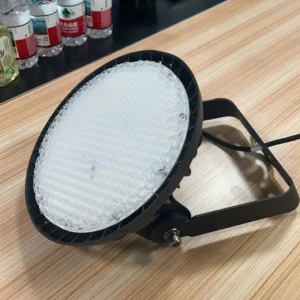
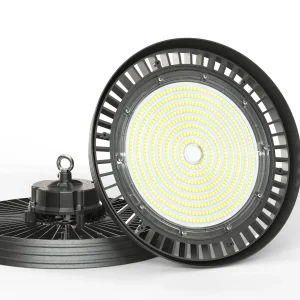
Warehouses require robust optical controls to direct light into narrow racking aisles while avoiding glare for forklift operators. UFO-style LED high bays and linear replacements with concentrated beam angles (typically 60°, 90°, or 120°) provide high vertical illuminance. Integrated motion sensors and daylight harvesting dimming controls further reduce energy use during off-peak shifts.
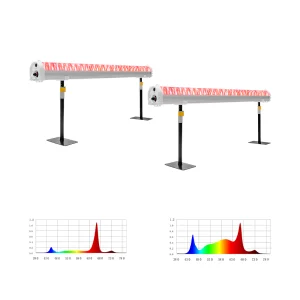
Commercial crop production requires sealed, IP65+ rated under-canopy and overhead fixtures capable of withstand high humidity and liquid sprays. Specialized lighting profiles incorporating full-spectrum designs with supplemental UV and IR wavelengths stimulate key physiological growth phases. These setups speed up photosynthesis, shorten crop cycles, and improve yields in multi-tier vertical farms and commercial greenhouses.
Petrochemical plants, processing spaces, and paint booths need dust-tight, waterproof, and chemical-resistant fixtures. Selecting robust aluminum enclosures with tempered glass covers prevents optical degradation from airborne contaminants. These fixtures ensure reliable, continuous operation in environments with vibration, temperature swings, and chemical vapors.
Evaluating the technical capabilities of potential LED replacement suppliers is crucial for securing long-term reliability. Advanced OEM/ODM factories focus on key engineering and testing areas:
The reliability of an LED driver and light engine depends heavily on solder joint integrity. Automated SMT lines place high-power LEDs onto metal-core PCBs (MCPCB) with high precision, minimizing thermal resistance. Wave soldering under controlled temperatures prevents micro-fractures in electronic components, minimizing early field failures.
Excessive heat is the primary cause of LED degradation. Heavy-duty die-cast aluminum housings (specifically using ADC12 grade alloys) act as highly efficient heat sinks. Keeping junction temperatures well below the manufacturer's maximum limits ensures stable lumen output and prevents color shifting over decades of operation.
Leading suppliers perform rigorous quality checks on every production batch. These include high-temperature burn-in tests, thermal cycling chamber testing, high-voltage surge simulation, and IP65/IP66 ingress verification. Integrating sphere tests measure precise luminous efficacy, color temperature, and color consistency.
 OneAll Lights