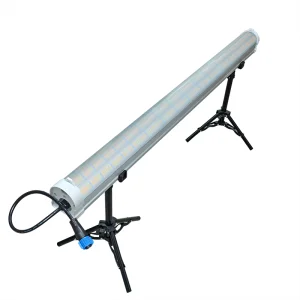
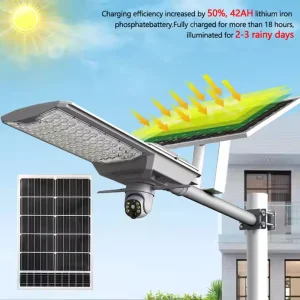
Explore our top-performing solar and high-power architectural luminaires, certified for long-term deployments in harsh weather environments.
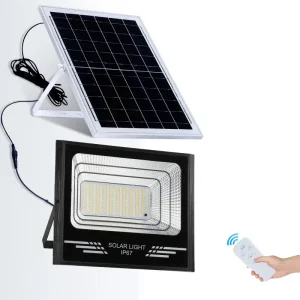
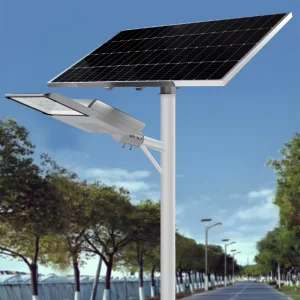
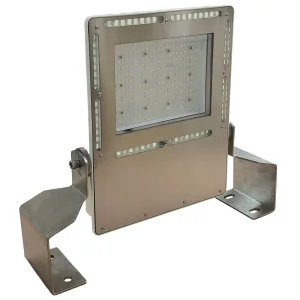
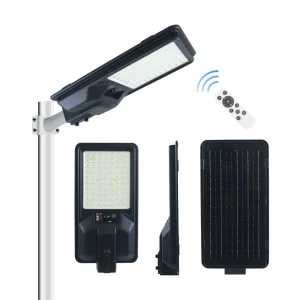
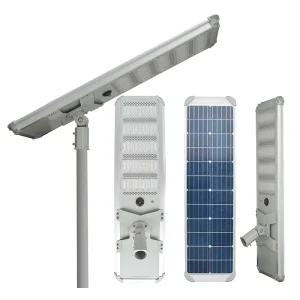
Tunnel environment safety is determined in milliseconds. High-speed drivers entering a dark underpass experience transient vision impairment due to the "Black Hole Effect". Mitigating this requires expert-level photometric engineering, advanced thermal dissipation, and industrial-grade construction.
Tunnels require precise asymmetric beam distributions to cast light downward and forward, illuminating the road surface without blinding oncoming drivers. Advanced optical polycarbonate lenses prevent glare index (UGR) violations.
Continuous operations in enclosed spaces generate extreme heat. By using extruded aluminum heat sinks coupled with high-thermal conductivity Metal Core PCBs (MCPCB), junction temperatures are minimized, ensuring L80B10 lifetimes exceed 100,000 hours.
Integrating intelligent DALI or 0-10V dimming drivers allows tunnel lights to auto-adjust luminance levels in real-time, syncing with external ambient daylight to save up to 40% more energy during off-peak night cycles.
"According to international highway lighting standards (CIE 88-1990), tunnel lighting systems must be split into five distinct zones: the Threshold Zone, the Transition Zone, the Interior Zone, the Exit Zone, and the Access Zone. Failure to provide progressive illuminance levels results in temporary driver blindness and increased highway accident rates."
Modern tunnel installations encounter several environmental hazards that quickly degrade standard outdoor floodlights. The combination of carbon emissions from heavy transport vehicles, high humidity, sulfur gas concentrations, and high-pressure washing systems calls for structural IP66 or IP67 ratings.
Furthermore, vibration from constant heavy traffic stresses the physical brackets and internal electronic solder joints. Specifying heavy-duty SUS304/SUS316 stainless steel mounting elements, coupled with specialized multi-phase anti-vibration structural designs, guarantees that fixtures remain securely anchored over decades of operation.
Yangzhou OneAll Lights Co., Ltd. is a professional manufacturer and exporter specializing in outdoor lighting solutions. Established in 2003 and located in Yangzhou, Jiangsu Province, China, we have over 20 years of experience in the design, development, manufacturing, and supply of high-quality lighting products for customers around the world.
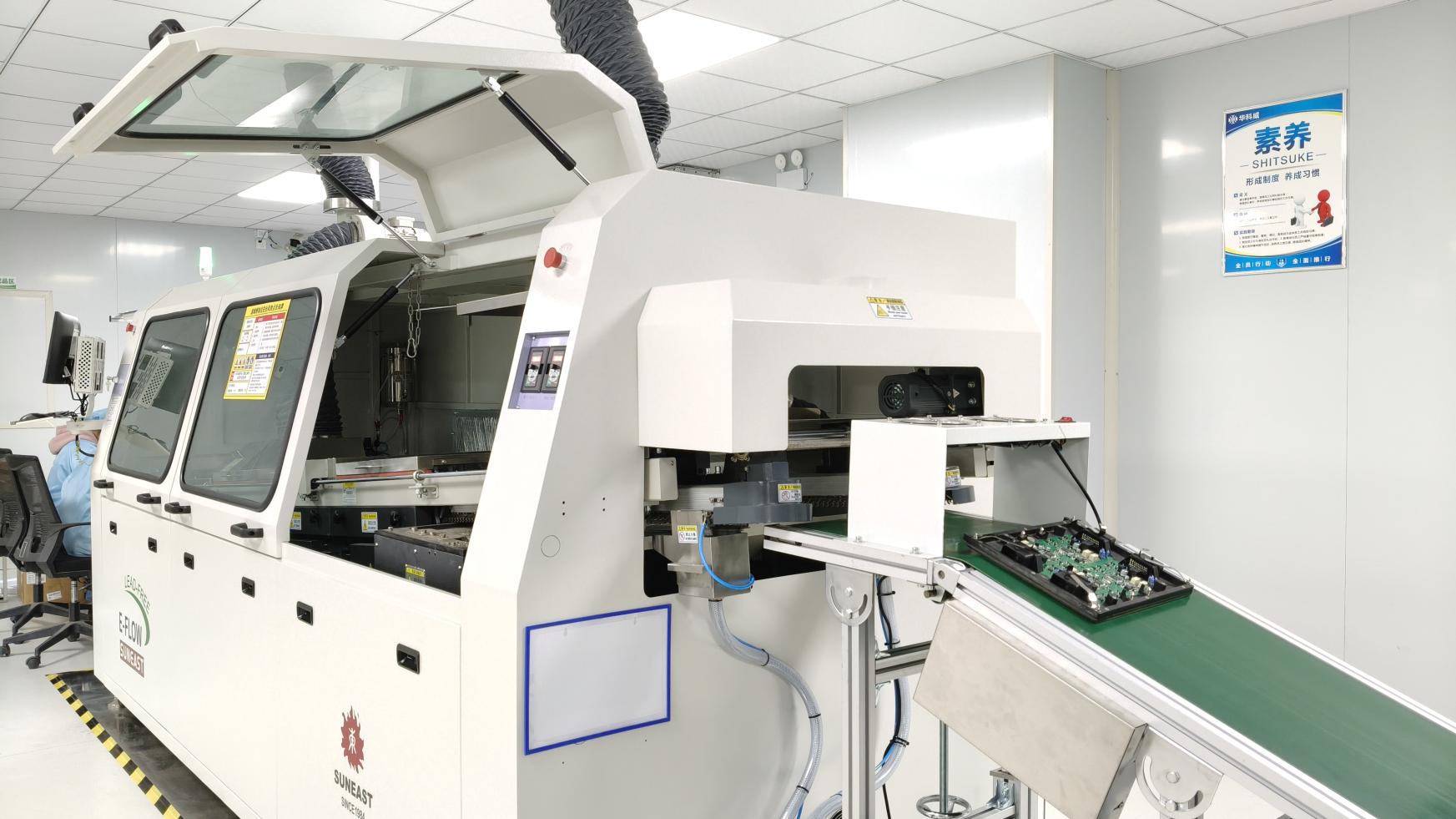
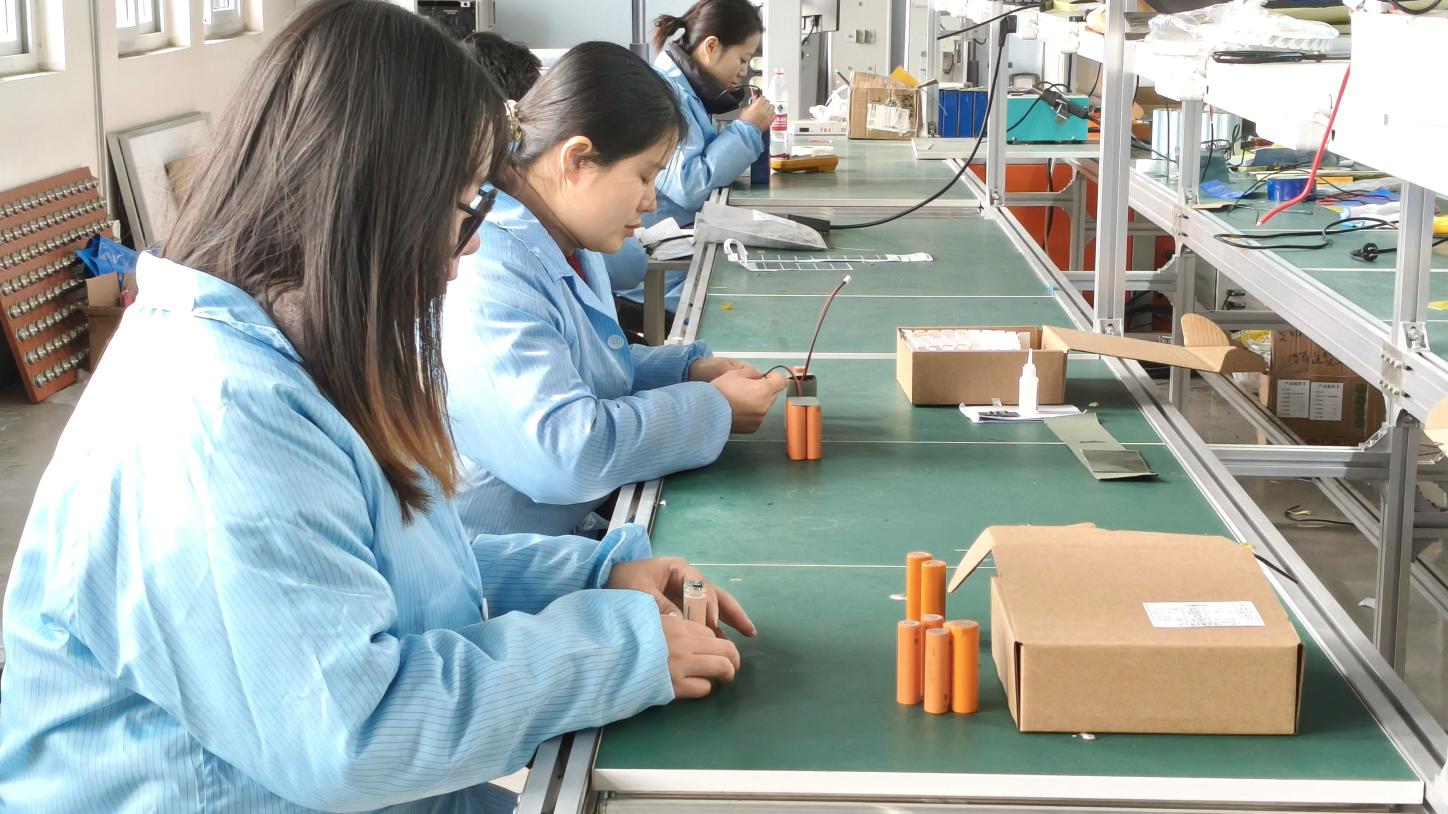
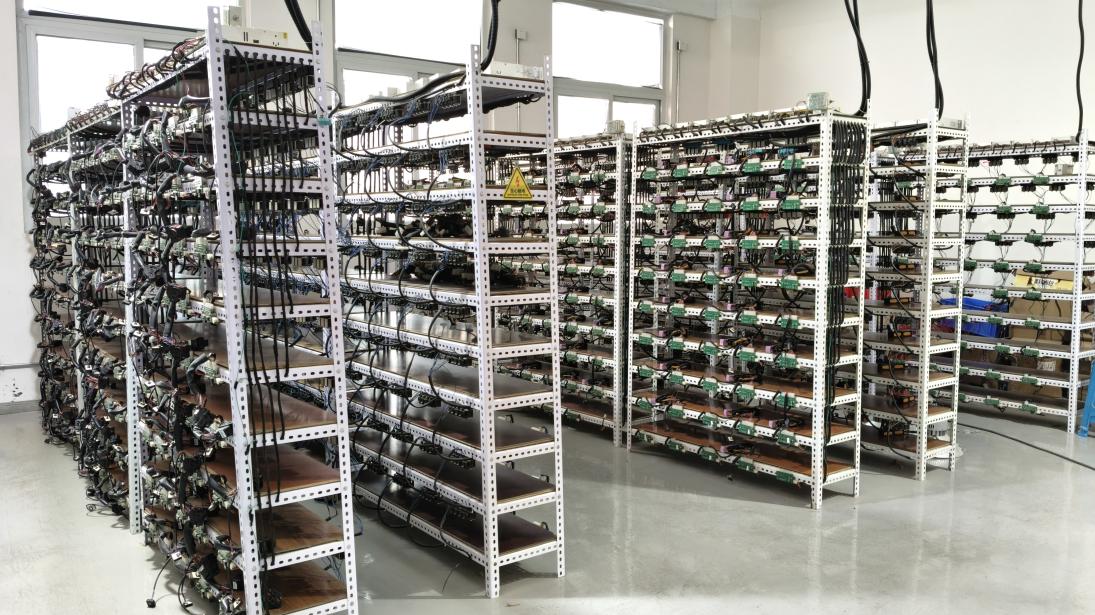
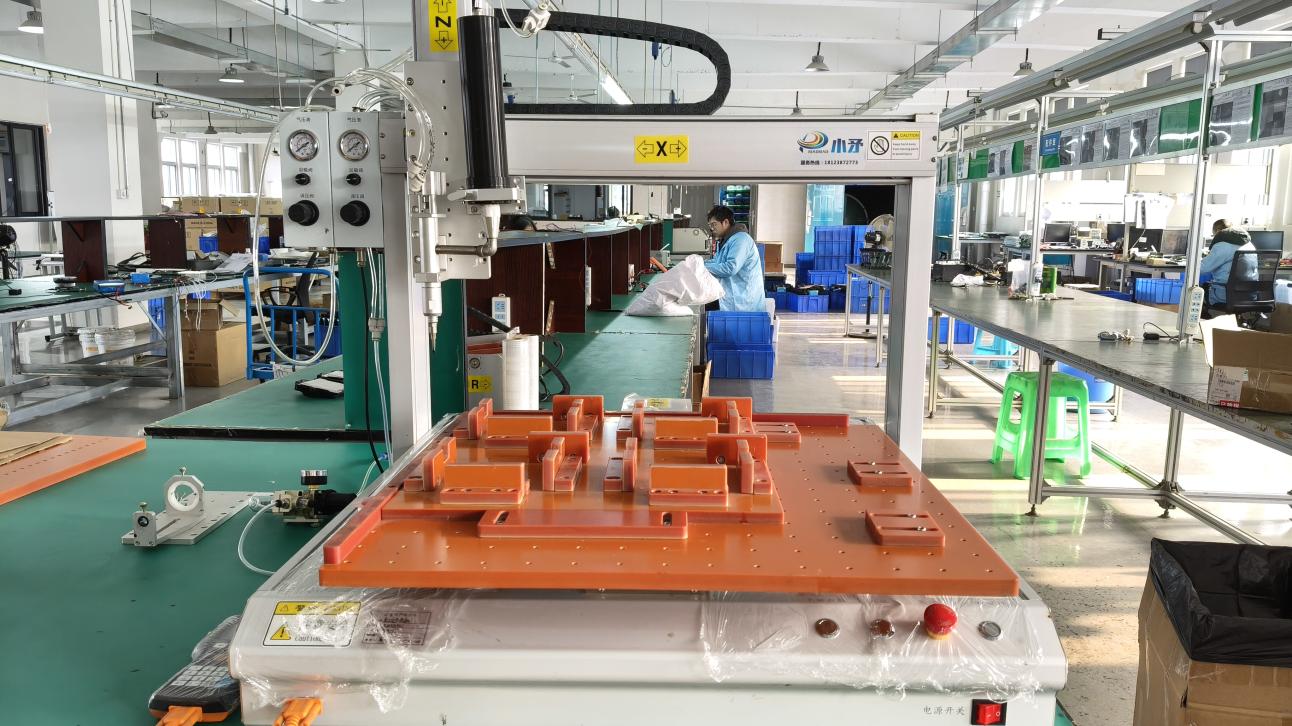
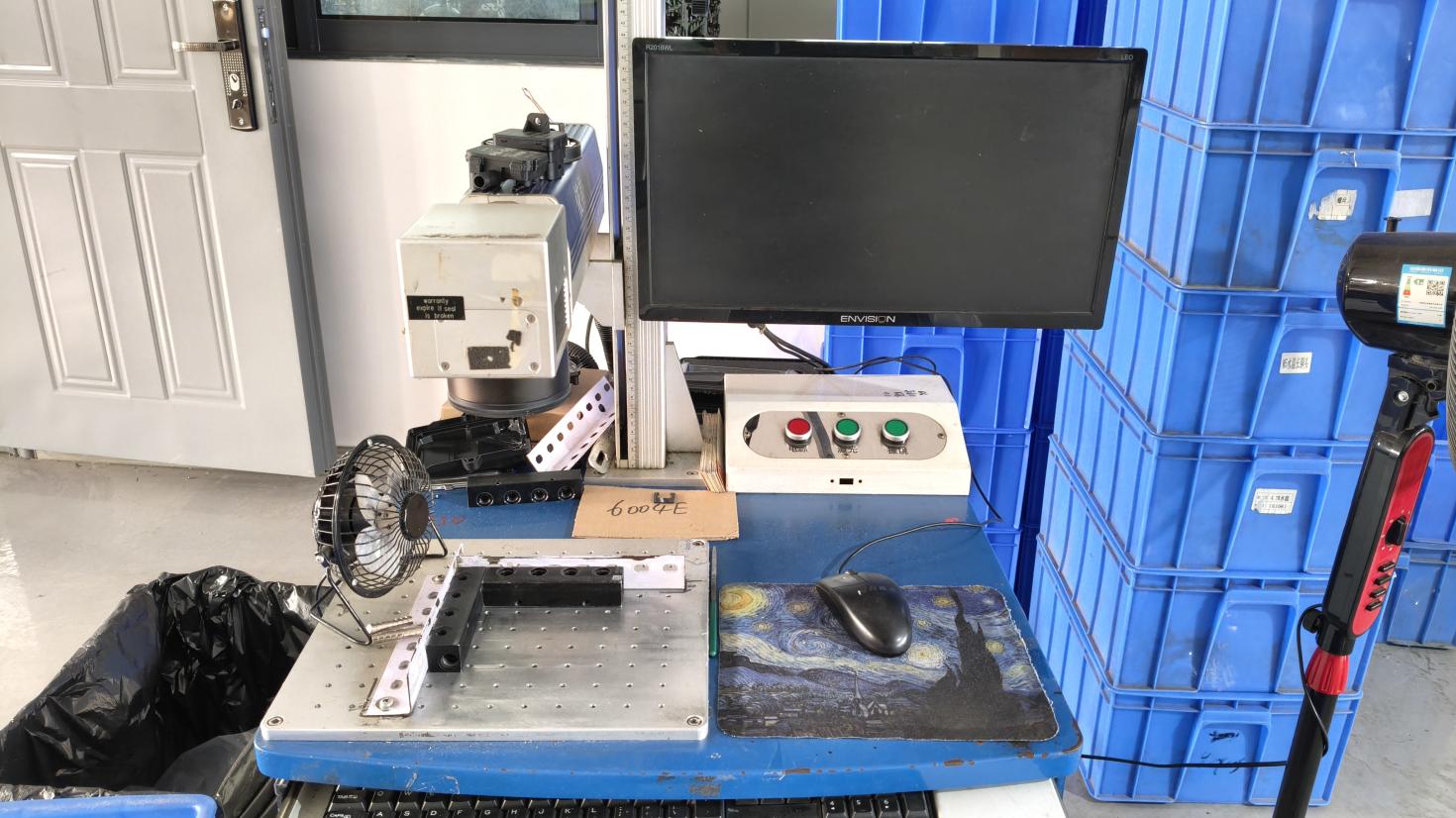
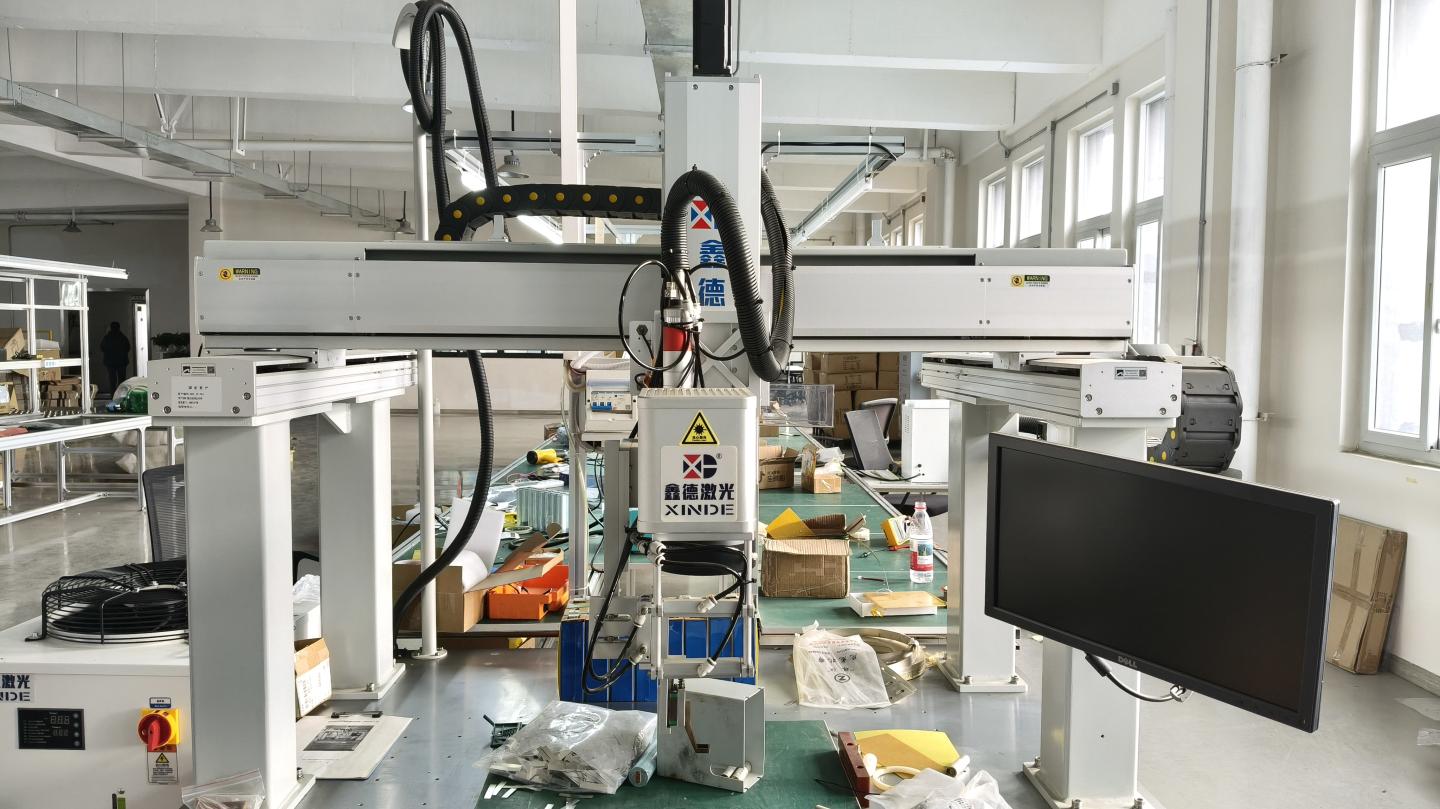
With continuous investment in advanced manufacturing technology, our factory is equipped with modern production facilities, including CNC bending machines, automatic submerged arc welding systems, laser cutting equipment, electrostatic powder coating lines, fluorocarbon painting workshops, and precision testing instruments. Supported by multiple automated production lines and a skilled technical team, we are able to provide efficient production, stable quality, and reliable delivery for projects of all sizes.
Innovation and quality are the driving forces behind our growth. We have established an experienced R&D team dedicated to developing energy-efficient, environmentally friendly, and intelligent lighting solutions that meet the evolving needs of global markets. From product design and engineering to manufacturing and quality inspection, every production process is carried out under strict quality control standards to ensure excellent performance, durability, and long service life.
Our company has obtained ISO9001 Quality Management System Certification, ISO14001 Environmental Management System Certification, CCC, CQC, CE certification, and various product testing reports, demonstrating our commitment to international quality and safety standards.
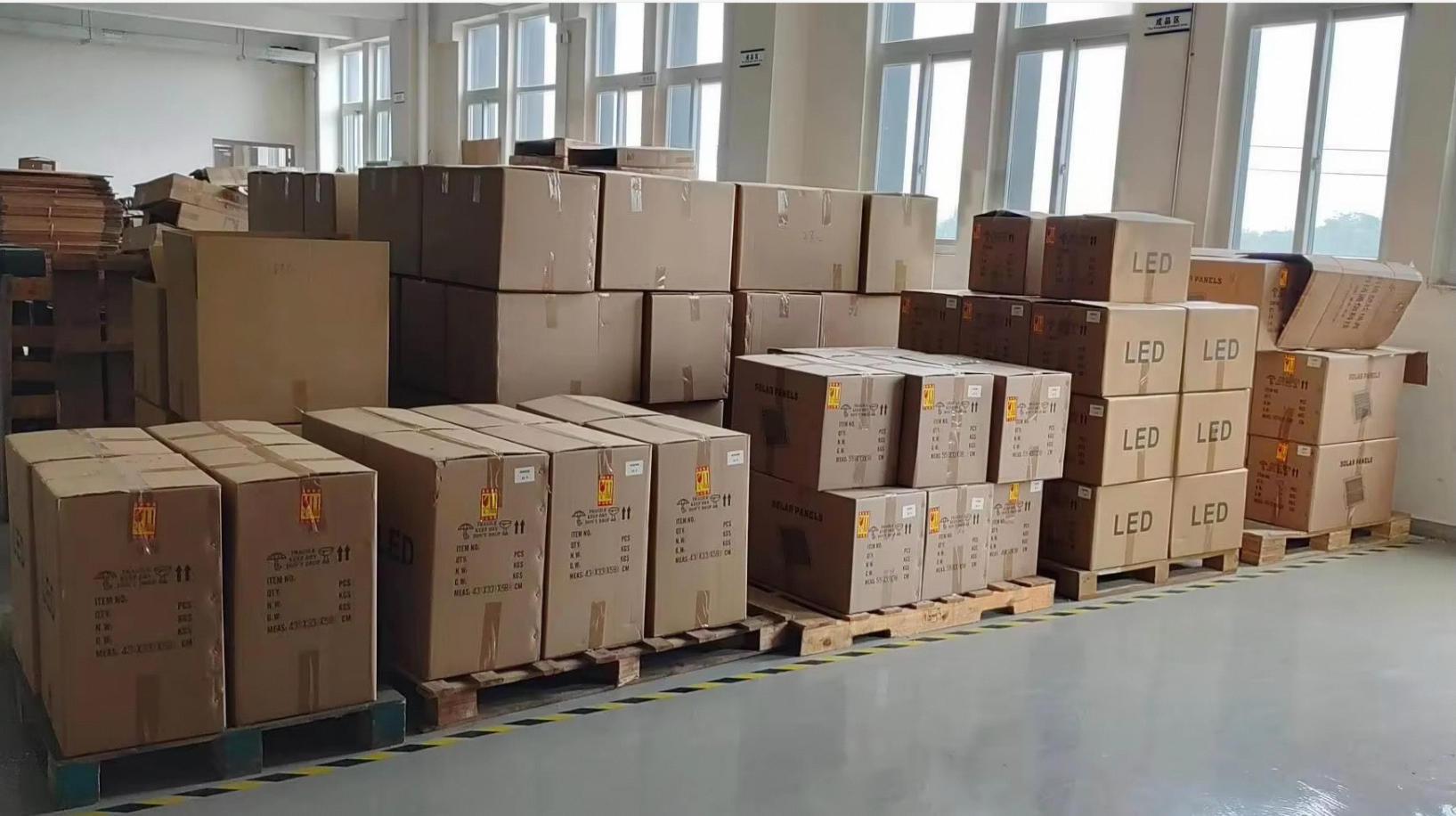
Over the years, our products have been exported to customers across Southeast Asia, the Middle East, Africa, Europe, South America, and many other regions. With rich experience in international projects, we also provide flexible OEM and ODM services, offering customized solutions tailored to different customer requirements and application scenarios.
At Yangzhou OneAll Lights Co., Ltd., we are committed to the philosophy of "Quality First, Innovation, Integrity, and Customer Satisfaction." We continuously strive to deliver reliable products, competitive solutions, and professional service. Looking ahead, we will continue to create greater value for our partners worldwide and contribute to a brighter, smarter, and more sustainable future.
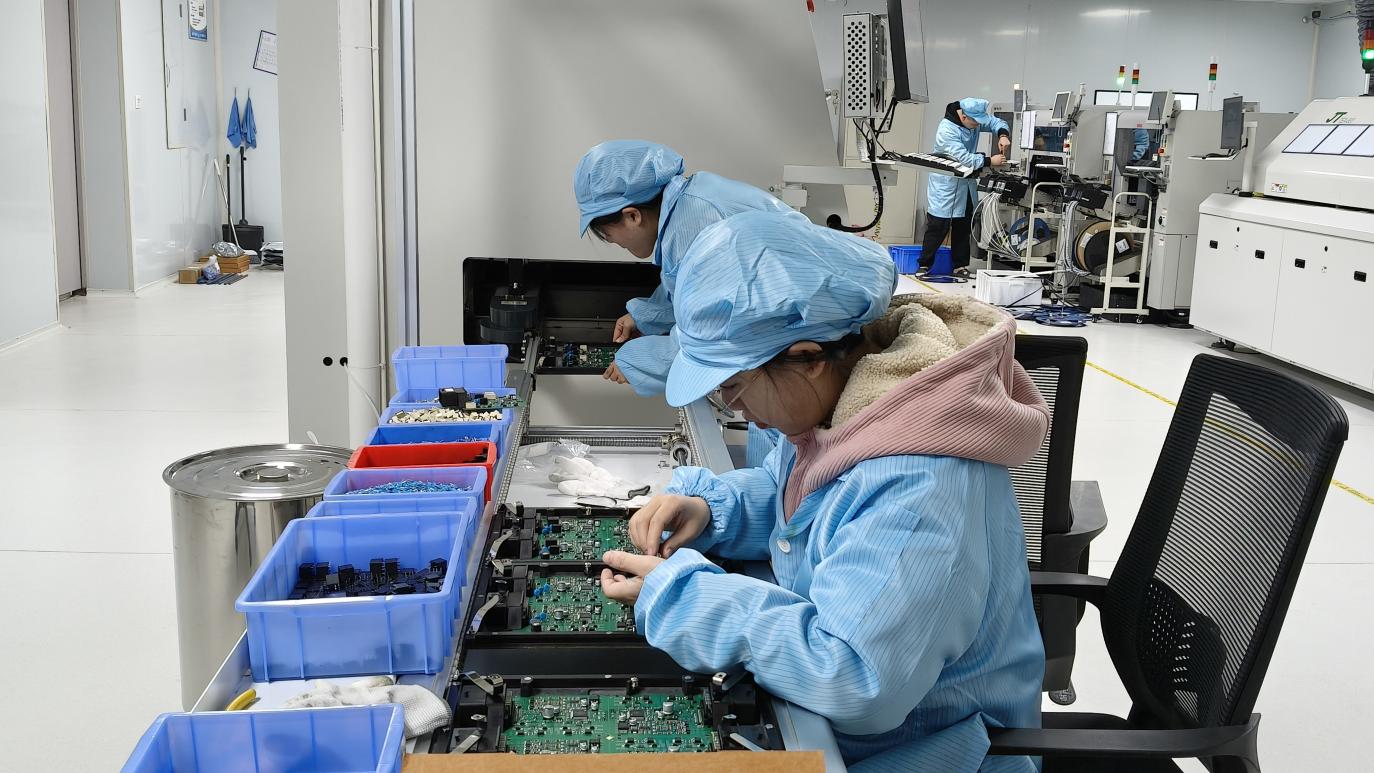
Our 20,000+ sqm manufacturing facility integrates high-precision automated systems to ensure massive production capacity while maintaining rigorous quality checks at every critical phase.
Precision bending, laser cutting, and submerged welding processes ensure structural integrity.
Automated surface-mount technology for flawless LED driver and board populating.

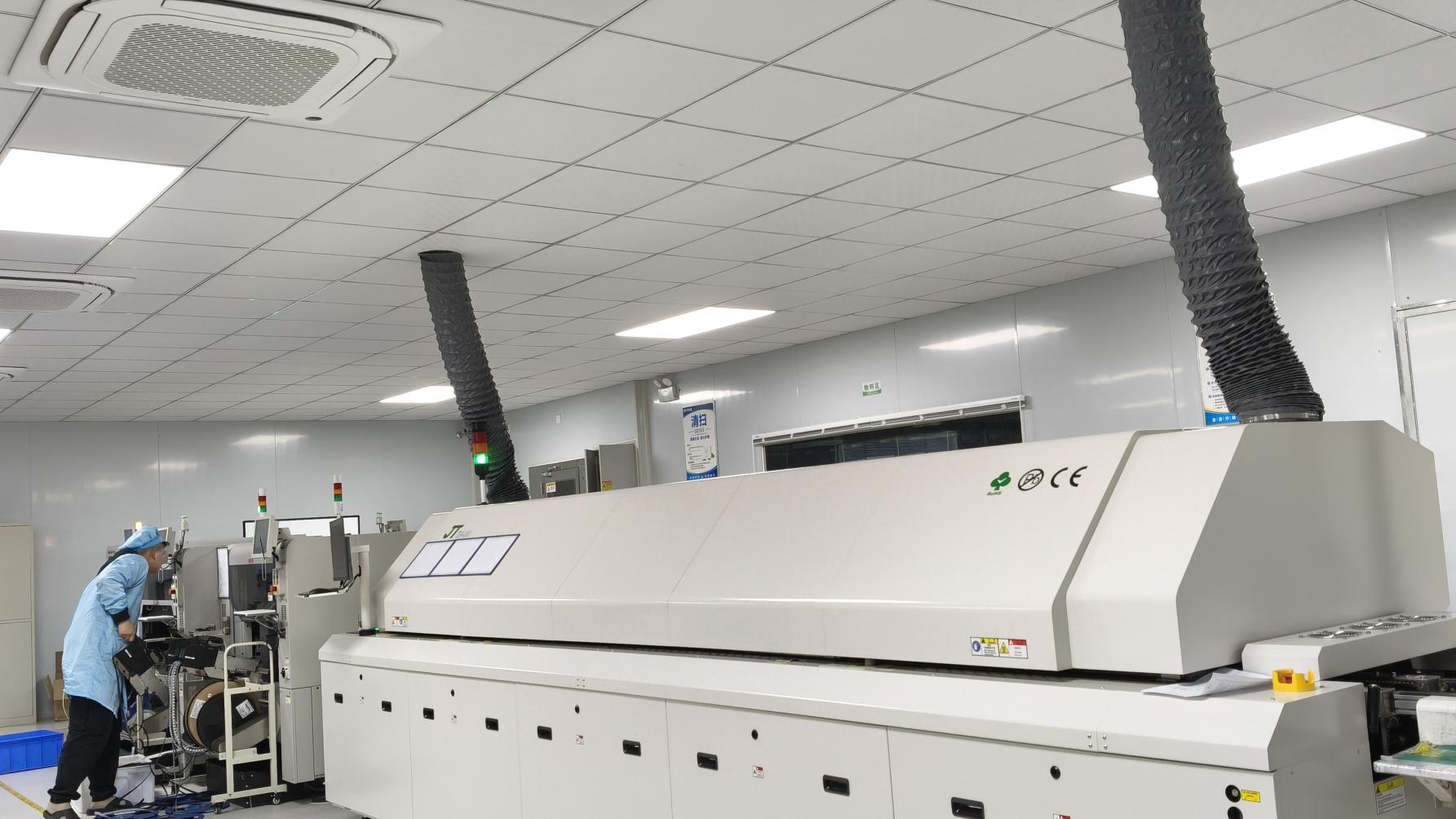
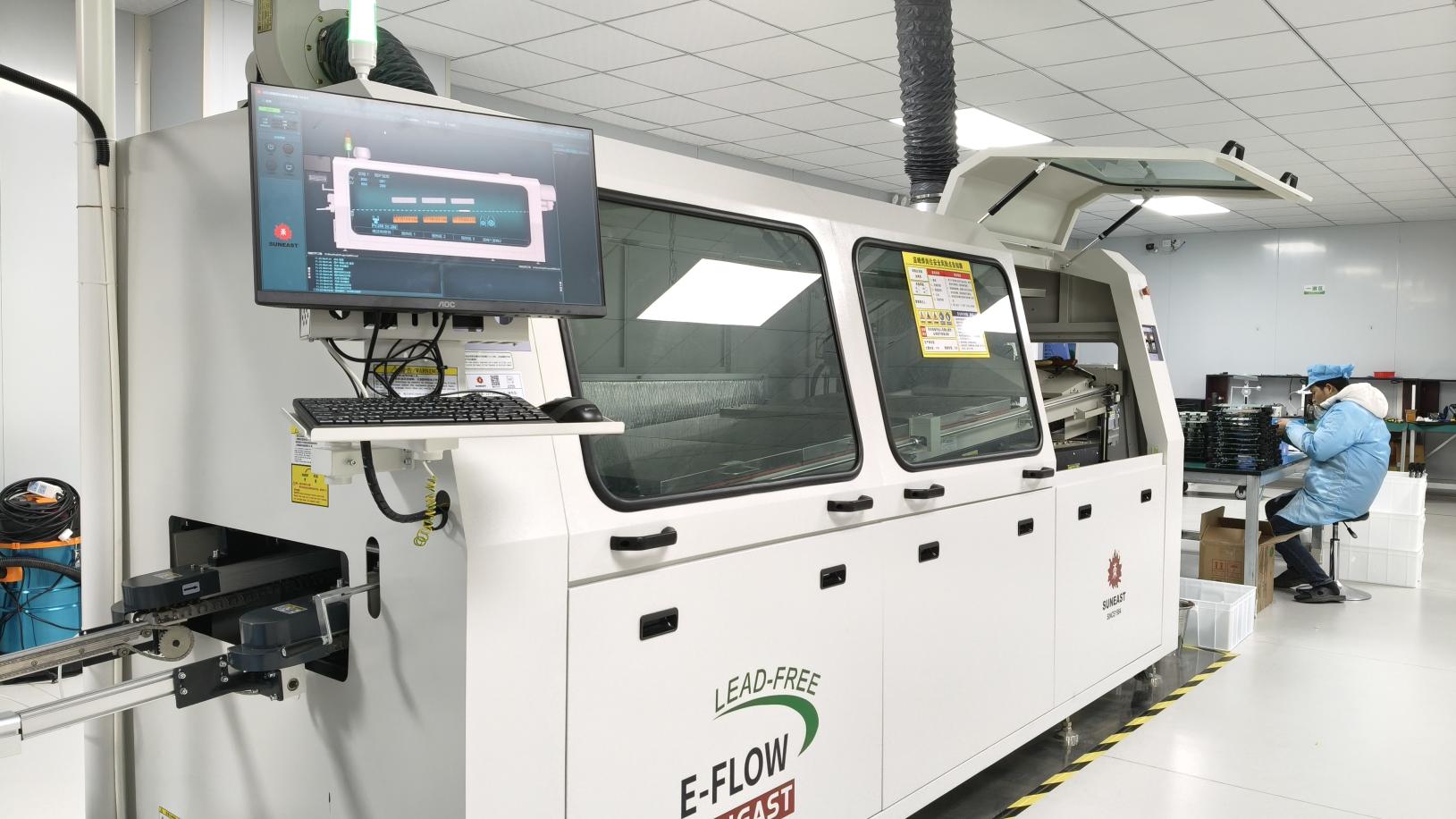
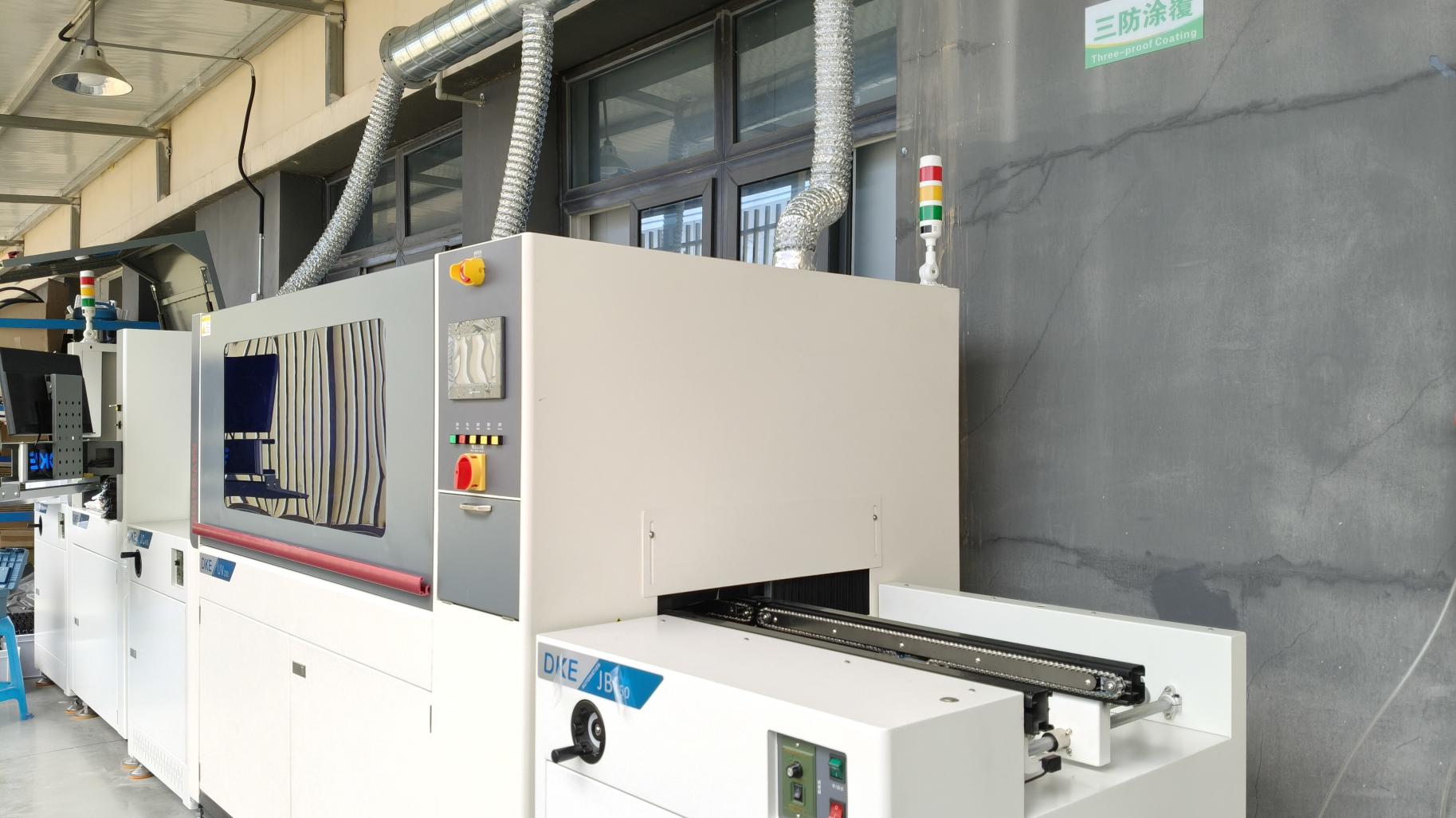
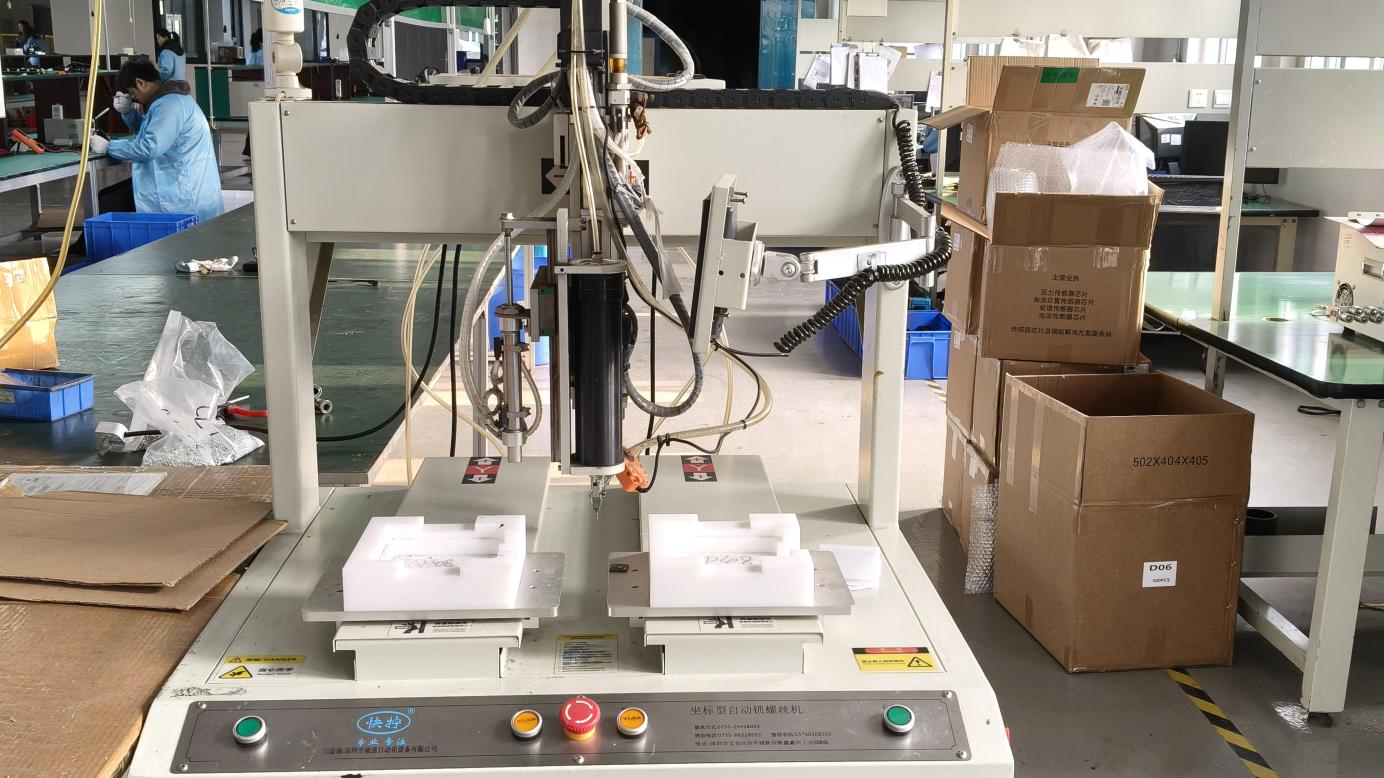
Supplying infrastructure projects with field-proven optical performance and bulletproof electronic reliability.
Every roadway and rail corridor presents distinct geometric constraints. For instance, urban underpasses with high levels of pedestrian traffic require asymmetric distributions that focus light onto walkways and vehicle lanes while limiting vertical glare. In contrast, remote mountain highway tunnels demand massive luminous flux, surge protection devices (SPD ≥ 10kV/20kV) to prevent lightning-induced outages, and intelligent autonomous controls to adapt to micro-climates.
We utilize DIALux simulation software to establish detailed mockups of every installation. By modeling the precise wall reflection coefficients, tunnel gradient, and curves, our engineering team ensures uniform lux distributions that eliminate dangerous "zebra effects" (alternating bright and dark bands) which cause eye strain and slow down emergency reaction times.
A professional checklist for procurement officers and engineering leads to verify manufacturer legitimacy and quality assurance protocols.
Expert answers regarding engineering specs, design considerations, and global imports.
High-specification fixtures tailored for maritime environments, industrial zones, horticulture, and commercial installations.
 OneAll Lights