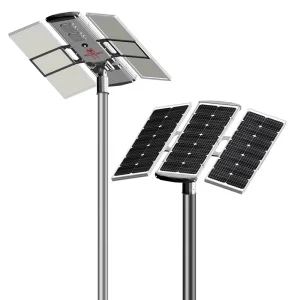
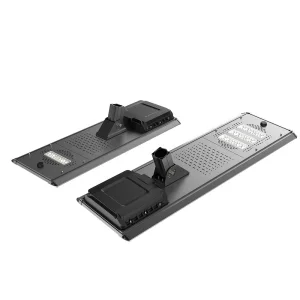
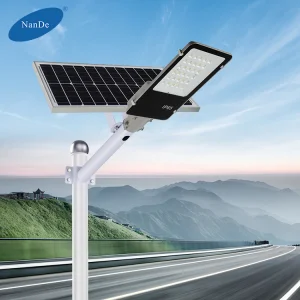
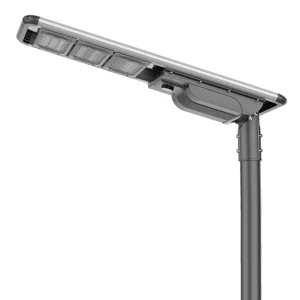
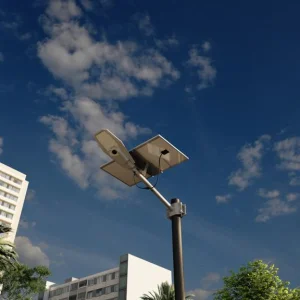
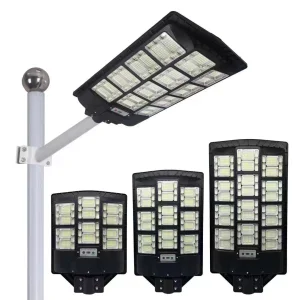
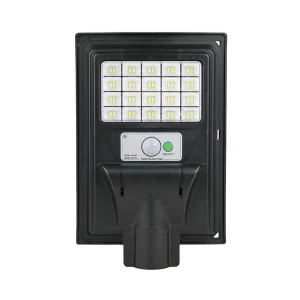
Premium grade off-grid lighting units engineered with optimized solar capture arrays and robust, IP66-rated physical enclosures.
As Australia's premier economic hub, Greater Sydney is undergoing an unprecedented green transformation. Driven by the City of Sydney's commitment to reducing carbon emissions by 70% by 2030 and achieving net-zero emissions by 2050, municipal planners, civil contractors, and industrial developers are aggressively auditing legacy infrastructure. Traditional grid-tied street lighting, long considered standard, is increasingly viewed as a barrier to rapid spatial development due to high civil construction costs, trenching complexities across heavily built environments, and continuous operating expenses.
The geographical footprint of Greater Sydney—ranging from high-salinity coastal areas such as Botany Bay and the Northern Beaches to the extreme inland thermal variations of the Western Sydney Aerotropolis and Penrith—demands outdoor lighting solutions that are structurally resilient, electrochemically stable, and highly autonomous. Standard solar street lights imported without adaptation frequently fail under Australia's unique environmental pressures, which include high UV exposure, coastal wind corridors, and intense summer heatwaves.
To achieve structural integrity and long operational lifespans within New South Wales, system engineers must design for several key regional stressors:
Examining the engineering breakthroughs driving the efficiency and durability of modern integrated solar street lighting plants.
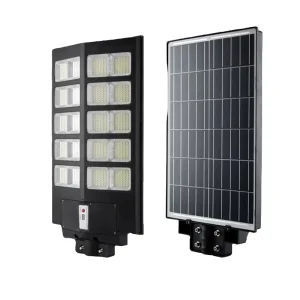
Moving beyond standard polycrystalline panels, our systems incorporate high-purity N-type monocrystalline cells with passivated emitter and rear cell (PERC) technology. This achieves conversion efficiencies exceeding 22.5%, maximizing energy generation in cloudy or overcast winter conditions typical of Sydney's coastal systems.
Engineered for high thermal tolerance, our LiFePO4 battery banks are coupled with intelligent Battery Management Systems (BMS). This configuration prevents thermal runaway at elevated temperatures (up to 65°C) and incorporates smart heating protocols during cold snaps, ensuring a design life of over 10 years.
Our proprietary Maximum Power Point Tracking (MPPT) charge controllers feature real-time multi-peak scanning and dynamic power adjustments. Operating at 99.8% tracking efficiency, these controllers adjust dimming profiles dynamically based on historical battery state-of-charge (SoC) data, preventing complete discharge cycles.
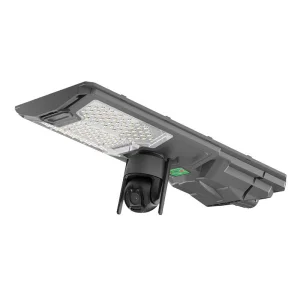
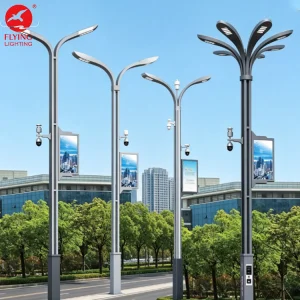
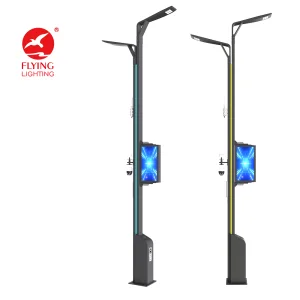
Deploying advanced features including integrated CCTV, smart communications protocols, and optimized architectural designs.
Deploying solar lighting across high-traffic zones requires structured design logic. Industrial logistics parks, mining operations, and metropolitan local councils require continuous operation without systemic downtimes. By implementing smart off-grid lighting networks, operators can eliminate energy consumption costs, isolate localized electrical grids from national grid fluctuations, and deploy safety lighting immediately without weeks of civil excavation.
International standards do not automatically align with the strict safety benchmarks set by Australian regulatory bodies. When importing and specifying solar lighting hardware for Sydney projects, structural engineers and developers must ensure products meet key local compliance standards:
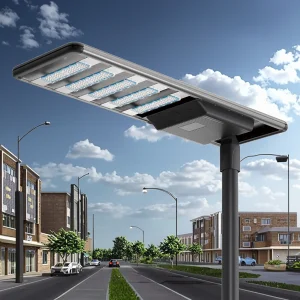
Roadway lighting must satisfy AS/NZS 1158 subcategories (such as P3, P4, or V3). Our asymmetric lens designs shape the light beam along road corridors to prevent backward illumination (spill light), reducing glare and light pollution in compliance with AS 4282:2019.
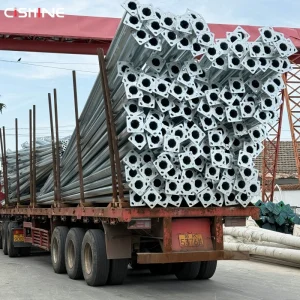
Poles and light arm brackets must be calculated for regional wind events. By using finite element analysis (FEA), our structural designs withstand wind velocities exceeding 50 m/s, meeting the high safety thresholds required for New South Wales structural certifications.
How advanced automation and vertically integrated manufacturing deliver cost efficiency and consistent quality control.
Yangzhou OneAll Lights Co., Ltd. is a professional manufacturer and exporter specializing in outdoor lighting solutions. Established in 2003 and located in Yangzhou, Jiangsu Province, China, we have over 20 years of experience in the design, development, manufacturing, and supply of high-quality lighting products for customers around the world.
With continuous investment in advanced manufacturing technology, our factory is equipped with modern production facilities, including CNC bending machines, automatic submerged arc welding systems, laser cutting equipment, electrostatic powder coating lines, fluorocarbon painting workshops, and precision testing instruments. Supported by multiple automated production lines and a skilled technical team, we are able to provide efficient production, stable quality, and reliable delivery for projects of all sizes.
Innovation and quality are the driving forces behind our growth. We have established an experienced R&D team dedicated to developing energy-efficient, environmentally friendly, and intelligent lighting solutions that meet the evolving needs of global markets. From product design and engineering to manufacturing and quality inspection, every production process is carried out under strict quality control standards to ensure excellent performance, durability, and long service life.
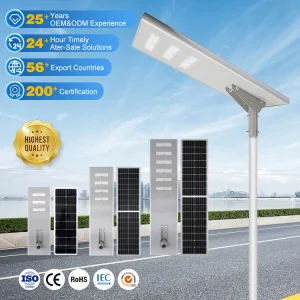
Our company has obtained ISO9001 Quality Management System Certification, ISO14001 Environmental Management System Certification, CCC, CQC, CE certification, and various product testing reports, demonstrating our commitment to international quality and safety standards.
Over the years, our products have been exported to customers across Southeast Asia, the Middle East, Africa, Europe, South America, and many other regions. With rich experience in international projects, we also provide flexible OEM and ODM services, offering customized solutions tailored to different customer requirements and application scenarios.
At Yangzhou OneAll Lights Co., Ltd., we are committed to the philosophy of "Quality First, Innovation, Integrity, and Customer Satisfaction." We continuously strive to deliver reliable products, competitive solutions, and professional service. Looking ahead, we will continue to create greater value for our partners worldwide and contribute to a brighter, smarter, and more sustainable future.
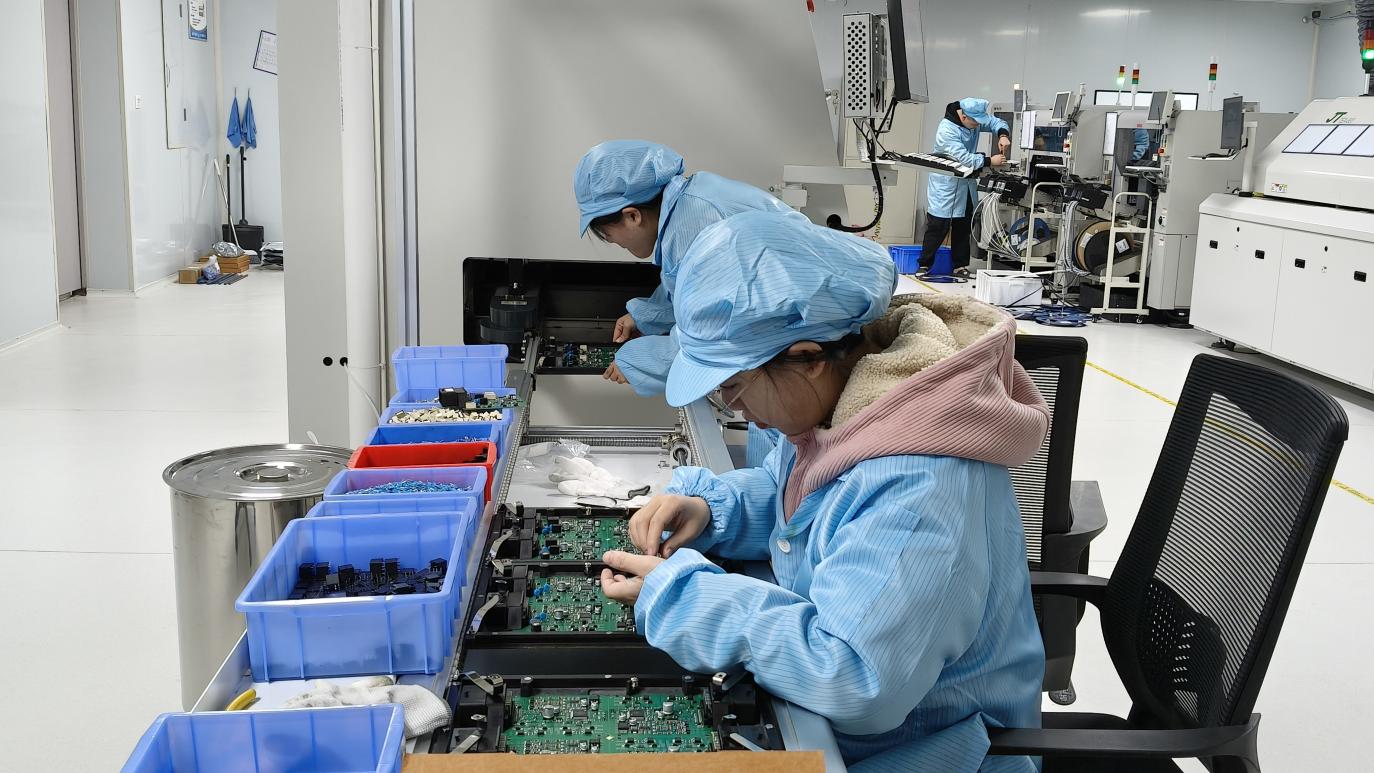
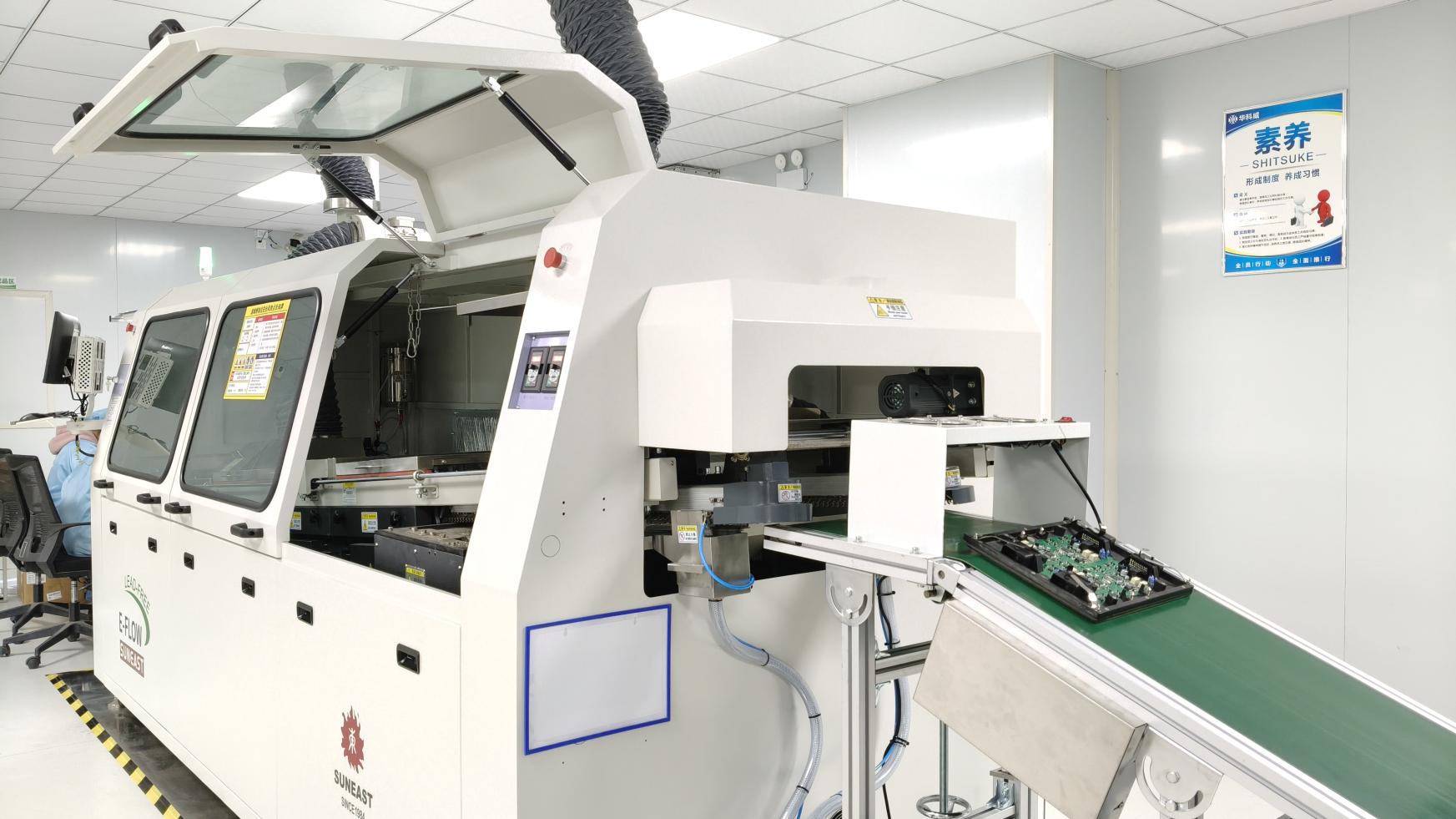
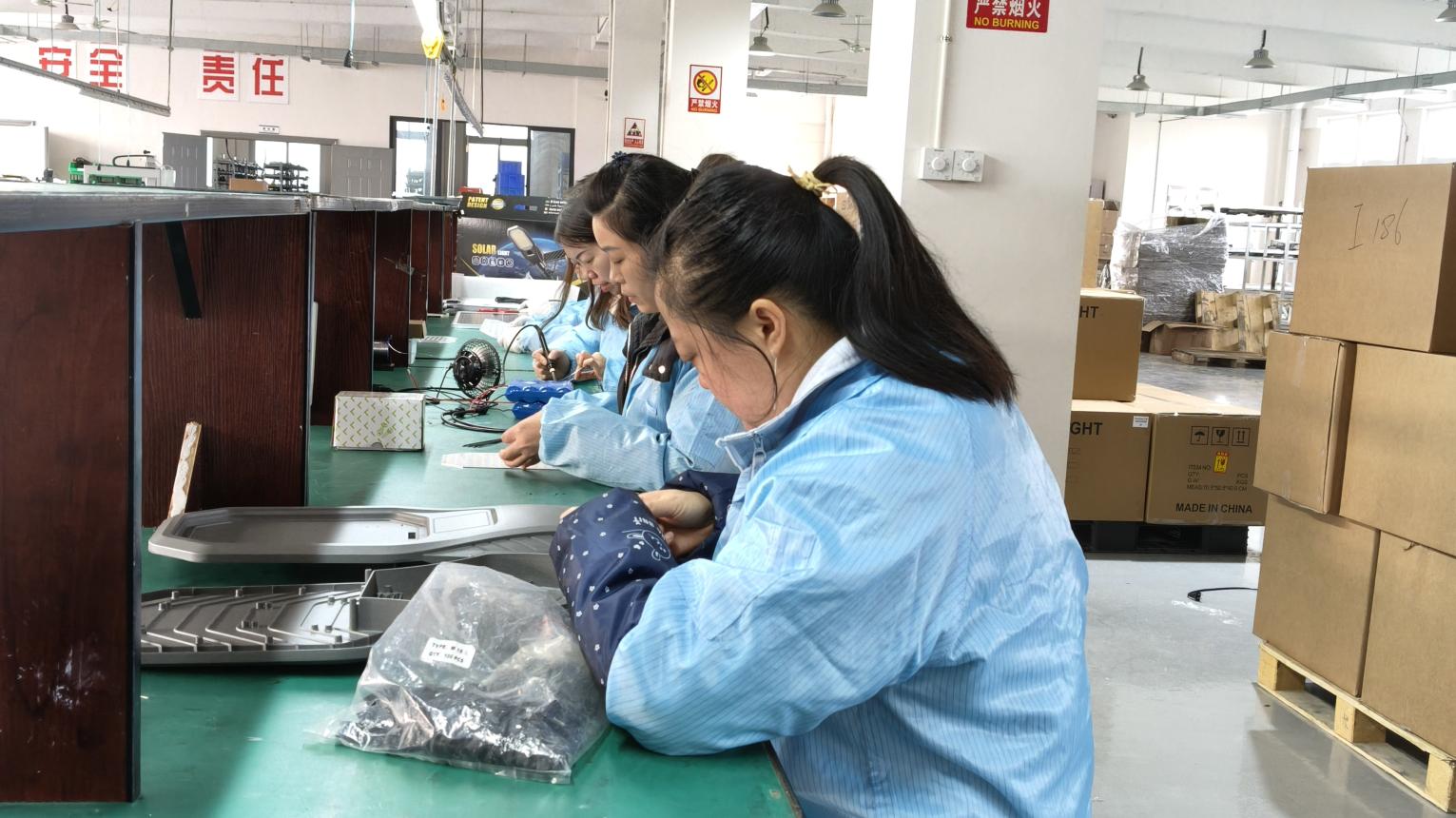
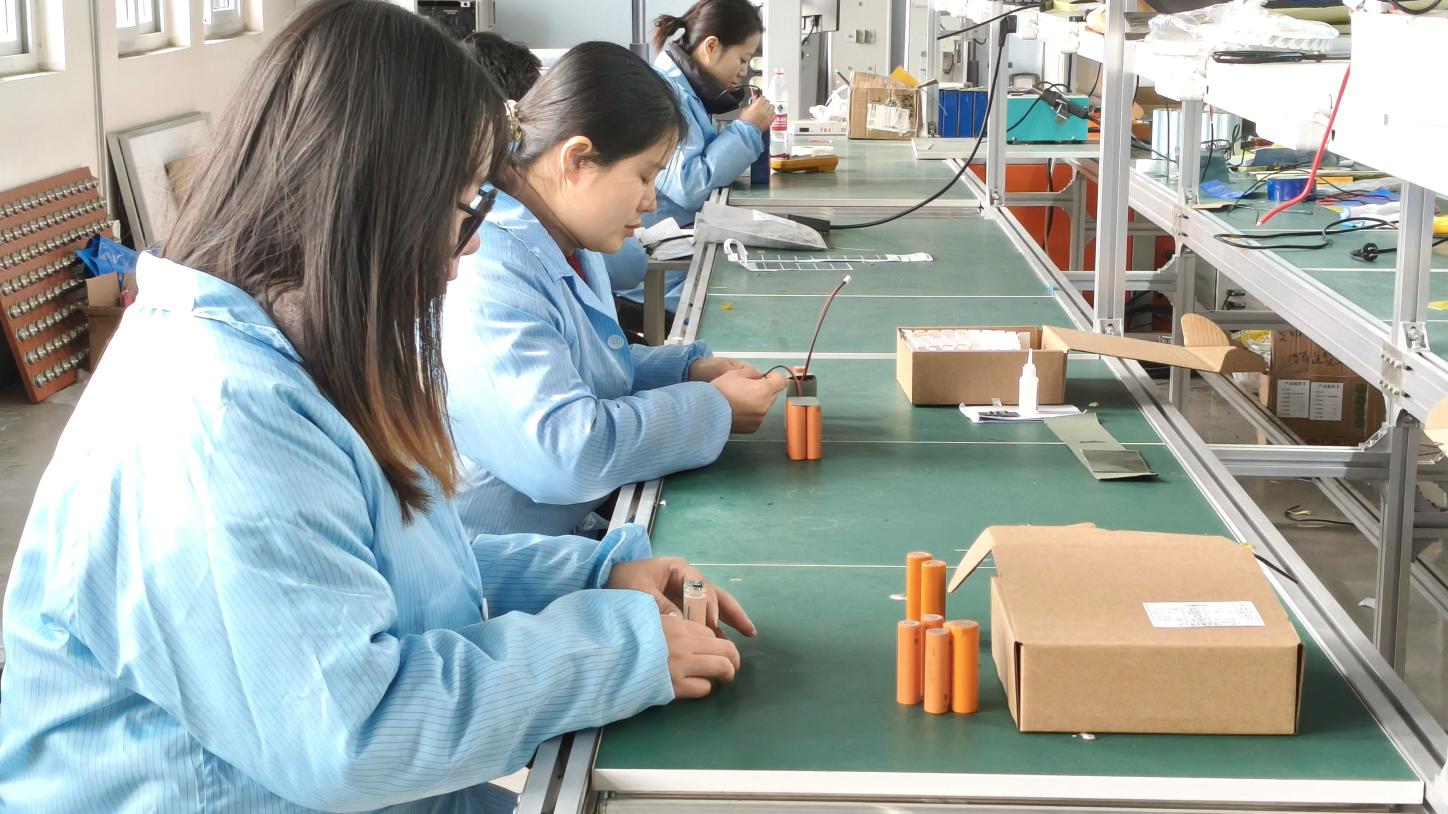
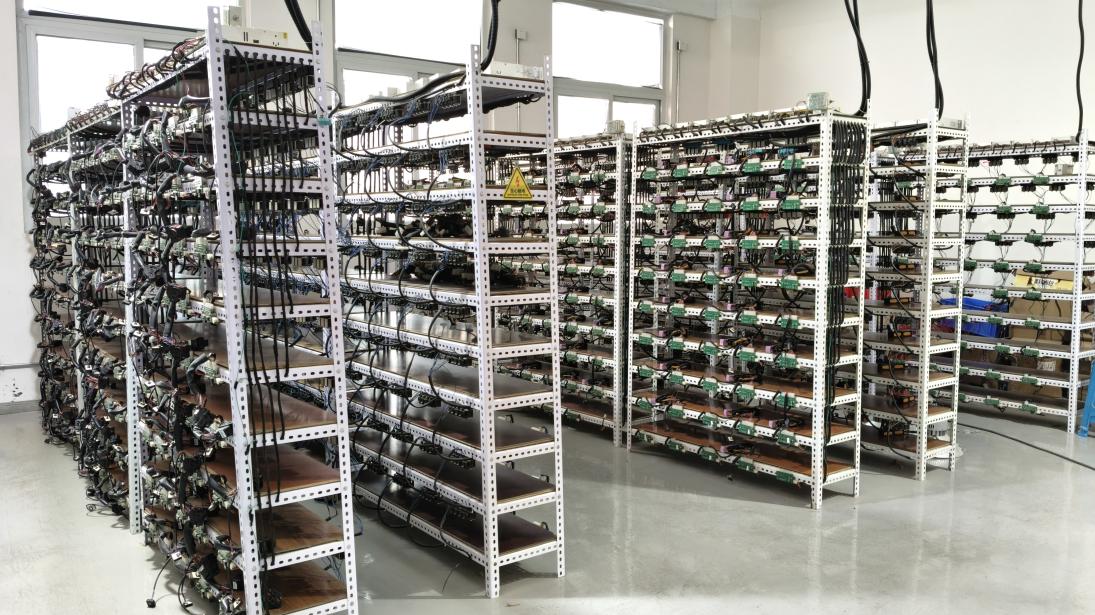
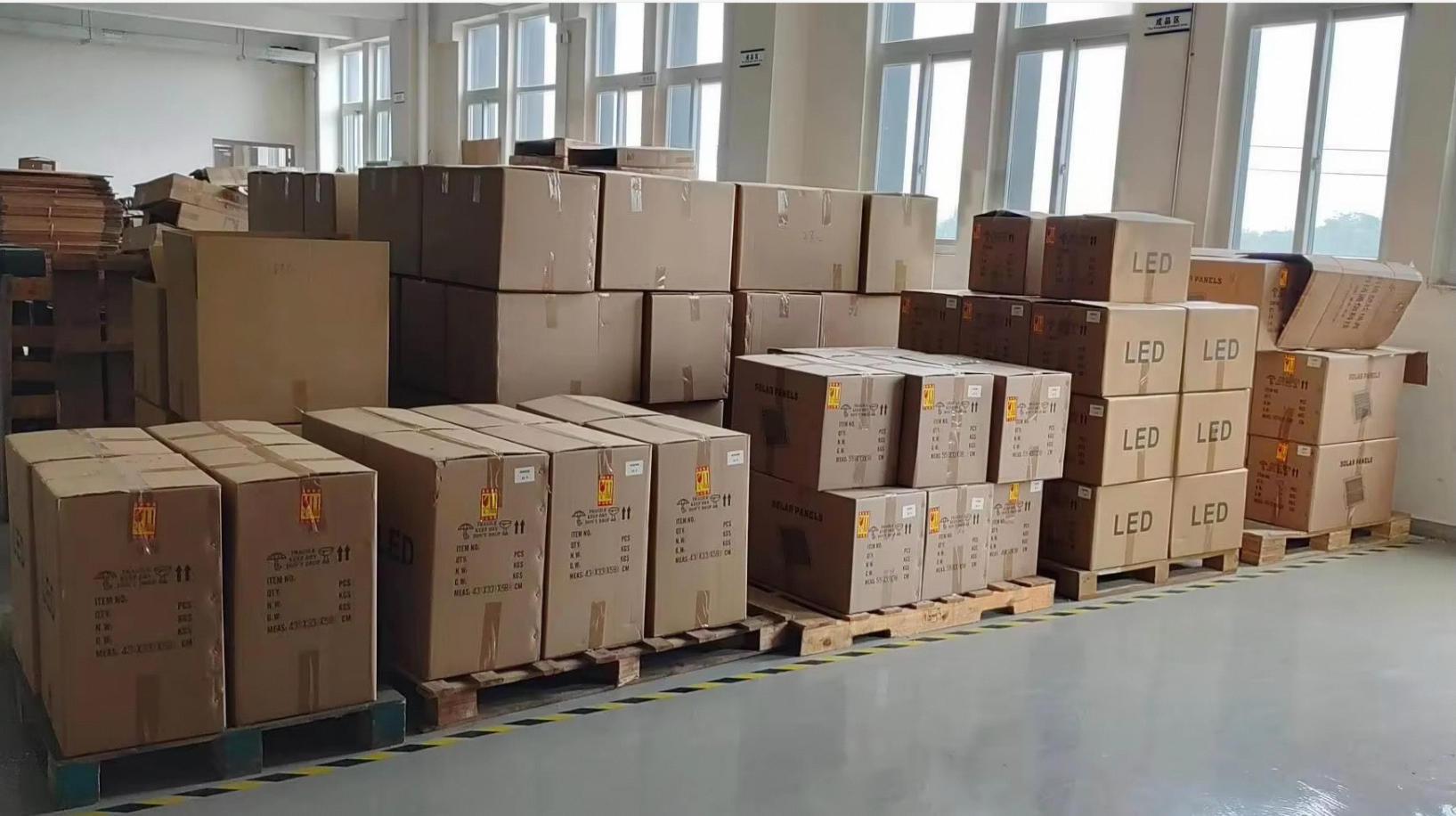
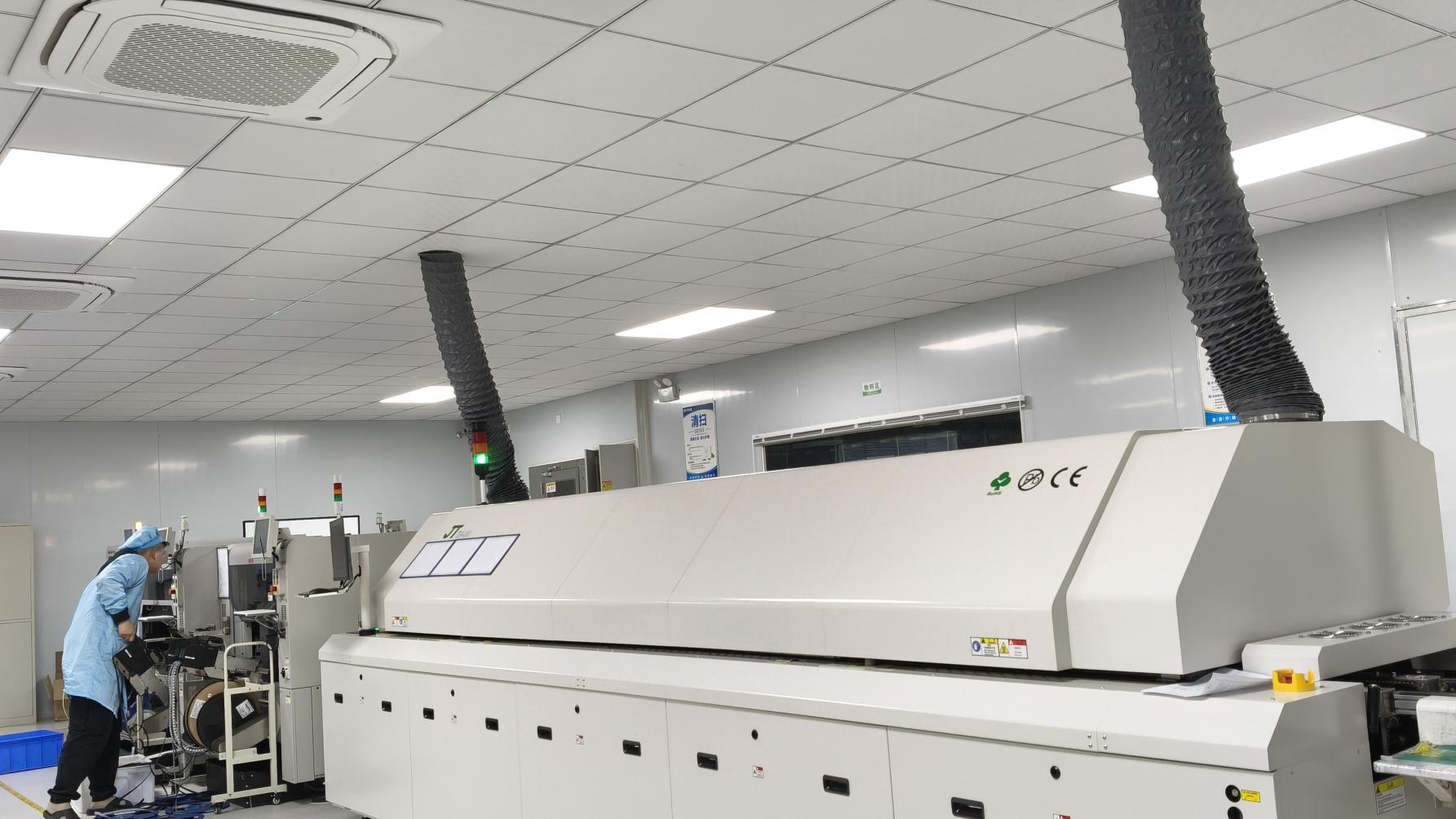
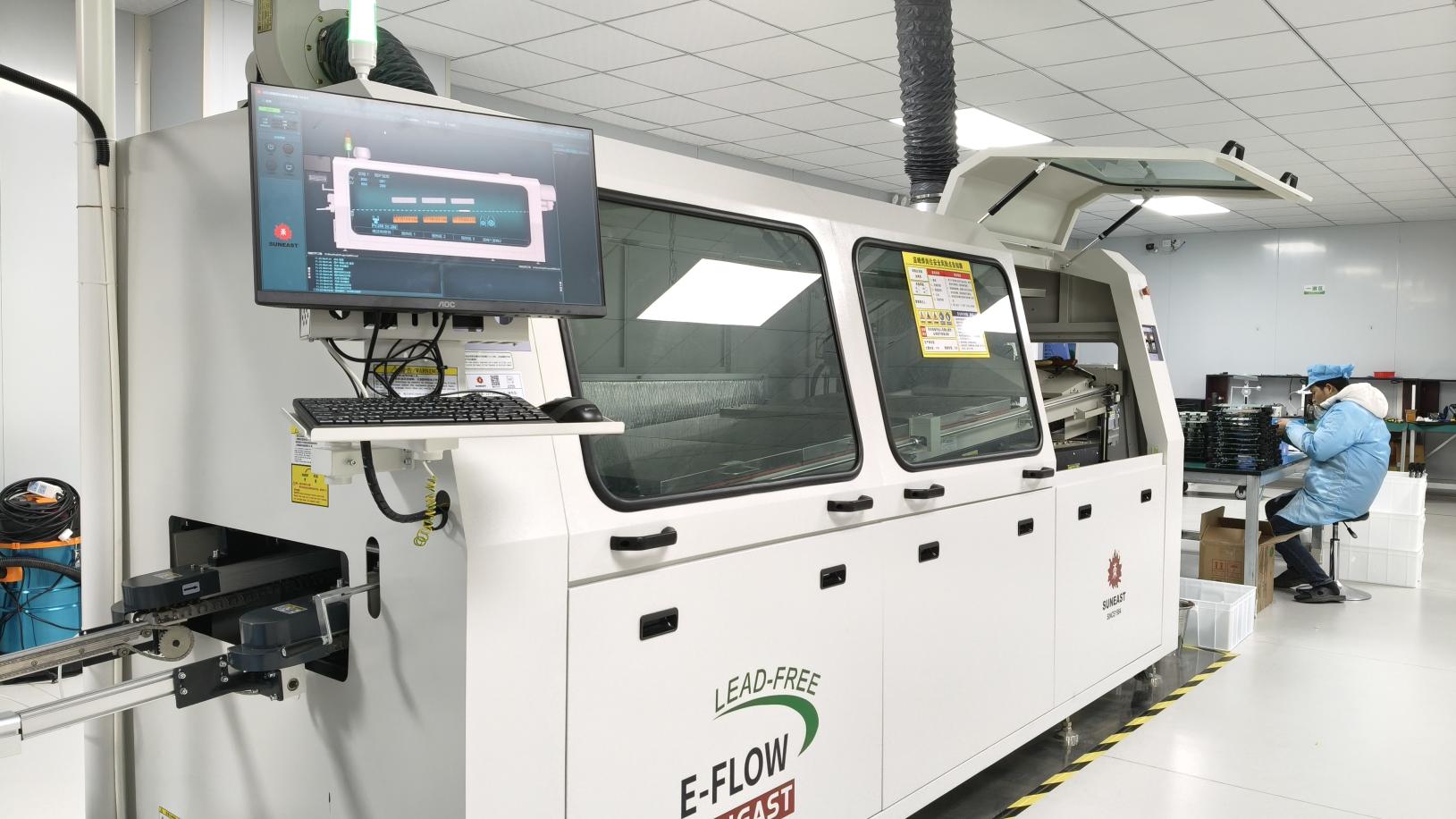
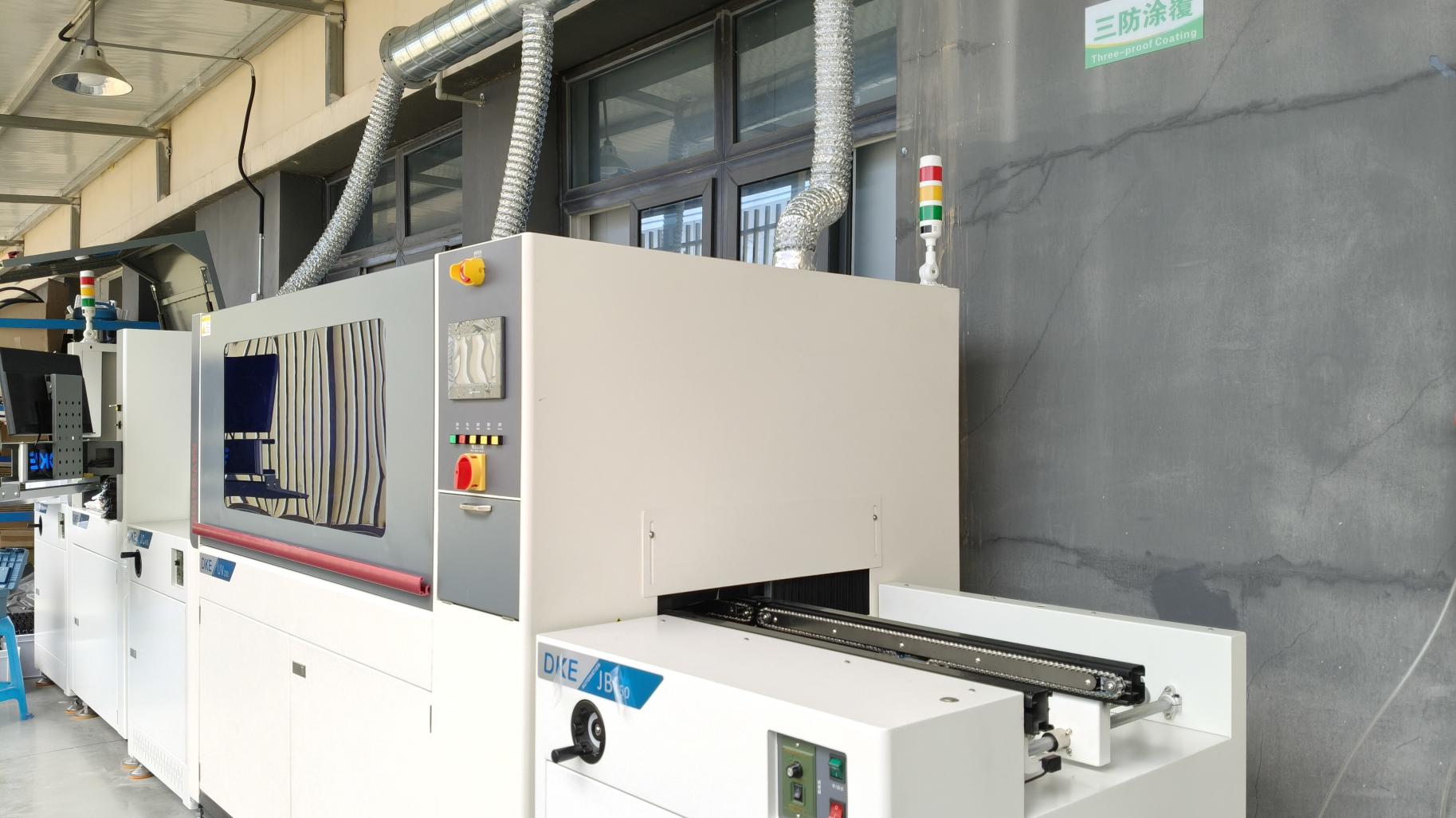
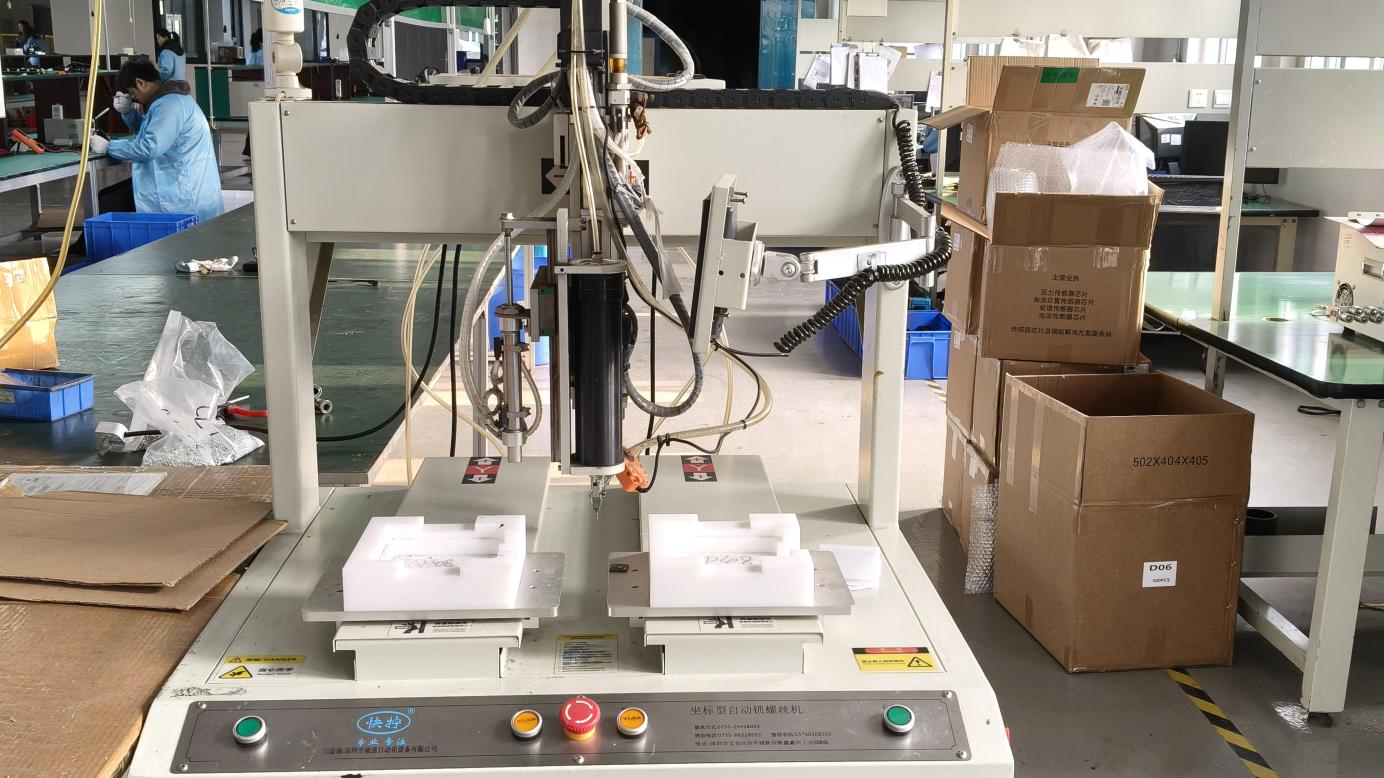
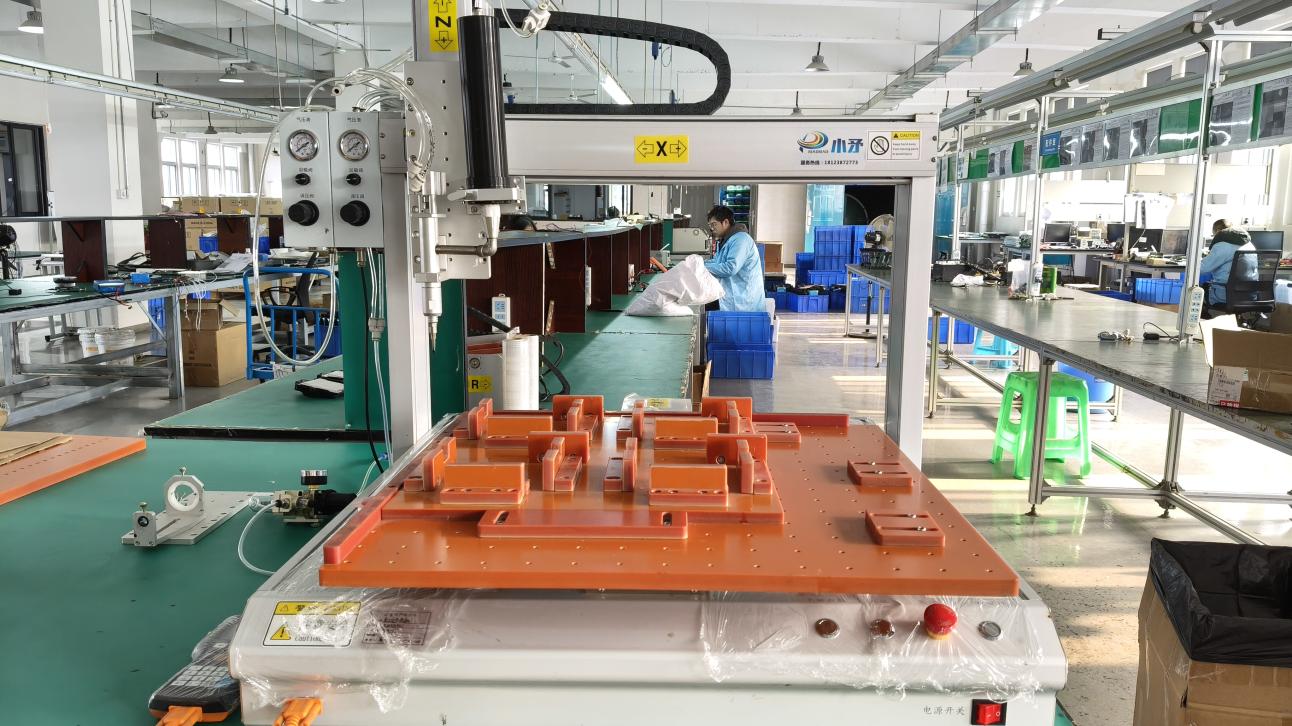
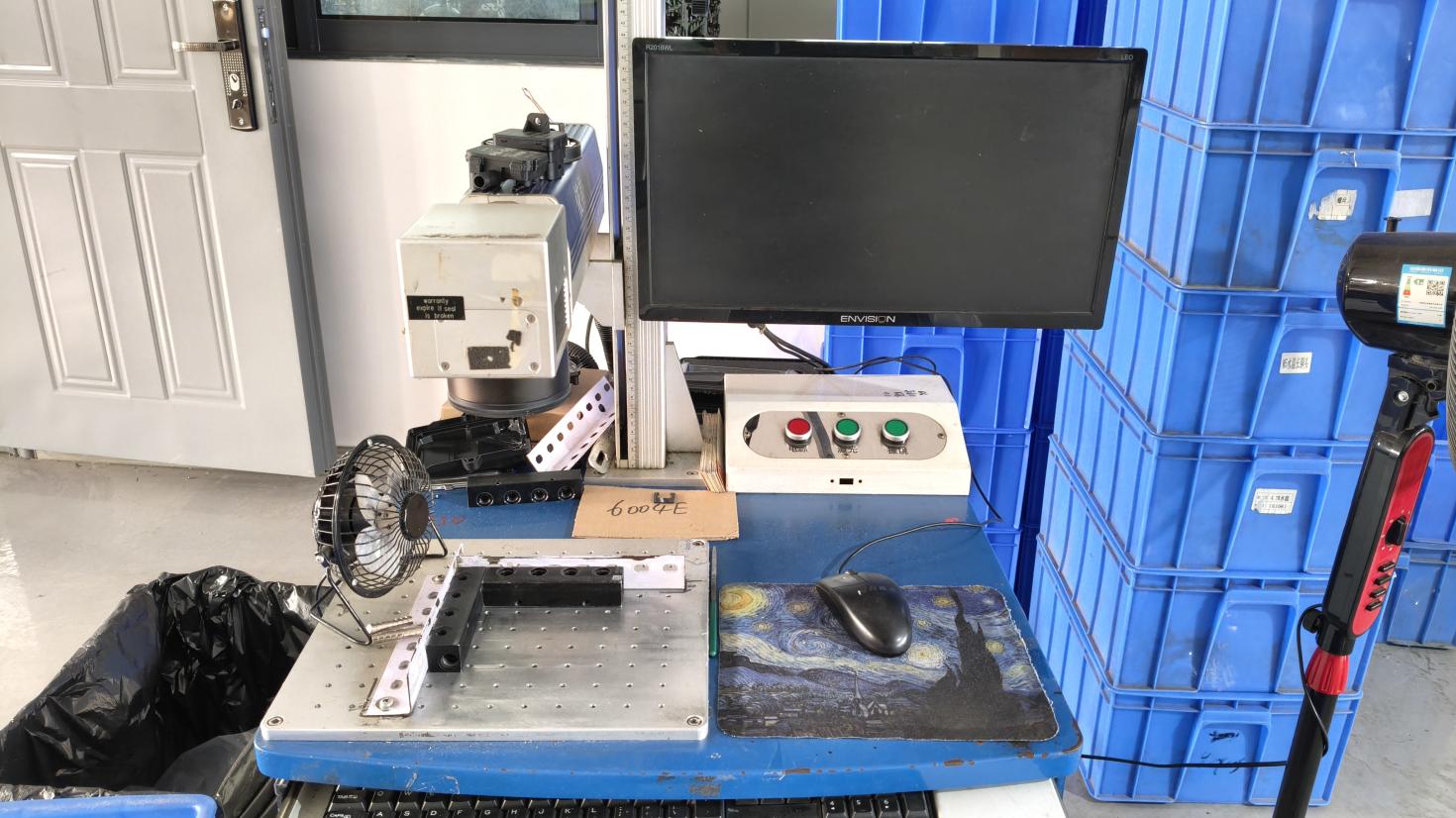
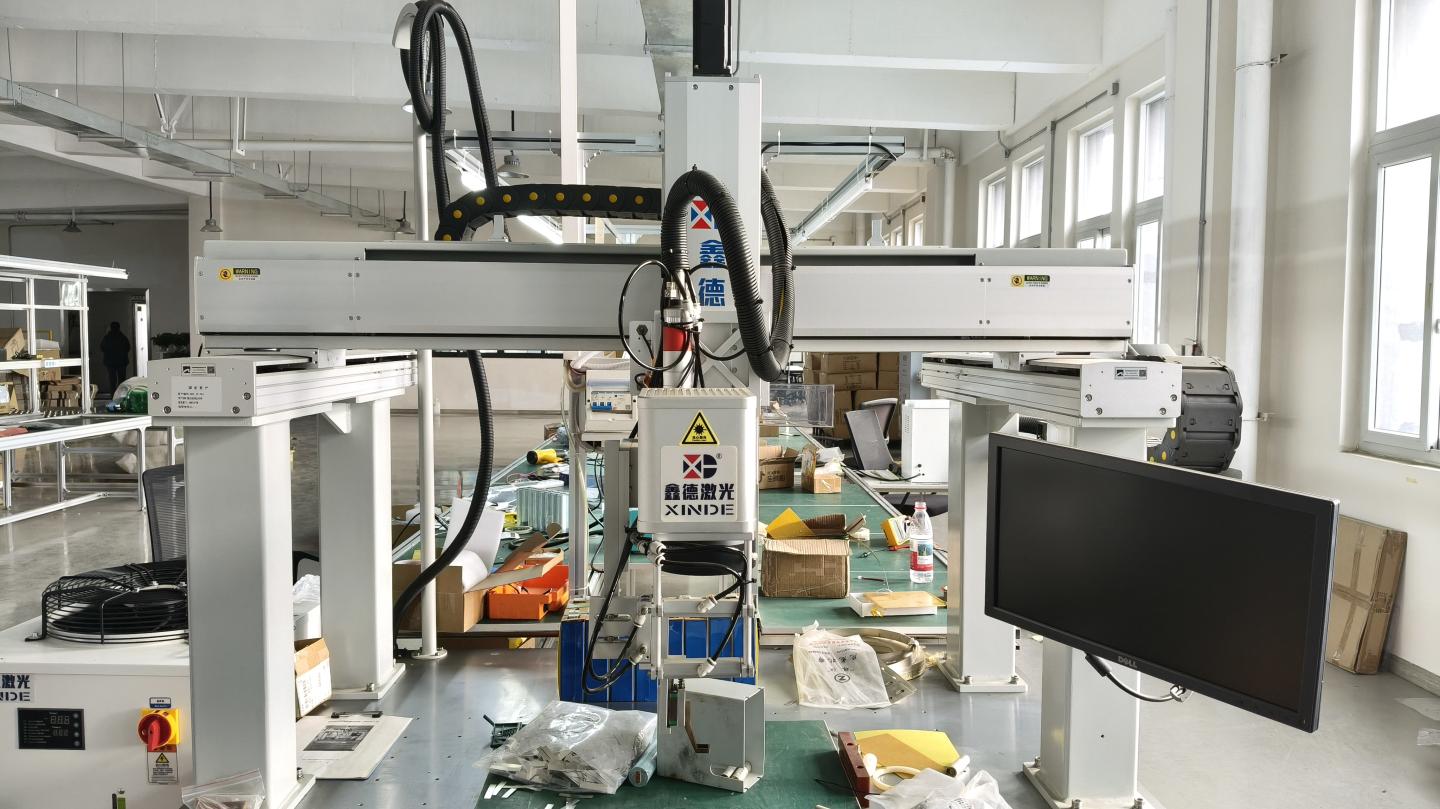
Managing complex international logistics and ensuring structural compatibility requires direct alignment between procurement offices and the manufacturing facility. Standard sourcing networks often include multi-tier broker agents, driving up structural system costs and obscuring true compliance documentation. Direct factory integration bypasses these issues, establishing a transparent verification channel from component supply through final ocean cargo clearance.
By consolidating mechanical fabrication (pole production, structural casing casting) and electrical engineering (SMT component mounting, BMS configuration, optic lens molding) at one central facility, quality metrics are kept consistent. This vertically integrated manufacturing model reduces component failure rates and speeds up factory acceptance testing (FAT) verification schedules.
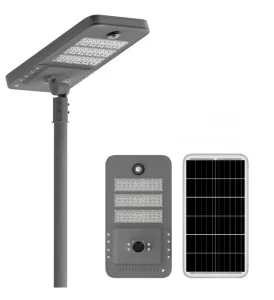
Complete selection of integrated solar lighting architectures designed to meet diverse municipal and industrial specifications.
Insights on regulatory compliance, component durability, and installation guidelines for Sydney infrastructure projects.
 OneAll Lights