All-in-One Solar Street Light Factories & Supplier for Algeria

High-Efficiency Solar Roadway Solutions Tailored for Algeria's Intense Desert Irradiance and Extreme Sahel Climates

Send Inquiry Now

1. The Rise of Solar Street Lighting in Algeria's Infrastructure

Algeria, spanning over 2.38 million square kilometers, stands as the largest nation in Africa. With more than 80% of its territory occupied by the Sahara Desert, the country enjoys some of the highest solar irradiance levels in the world—exceeding 3,000 kWh/m²/year in southern regions. Recognizing this immense natural resource, the Algerian government launched the ambitious Renewable Energy and Energy Efficiency Program, aiming to deploy up to 15,000 MW of renewable power capacity by 2035.

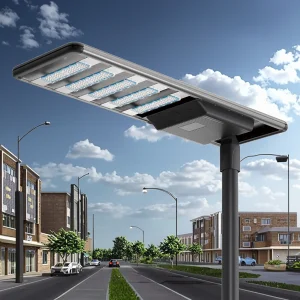
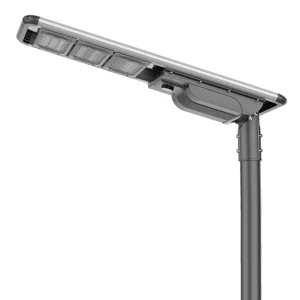
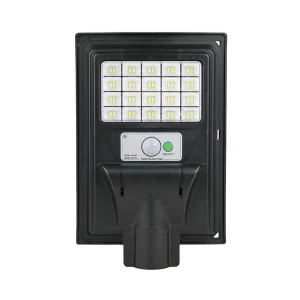
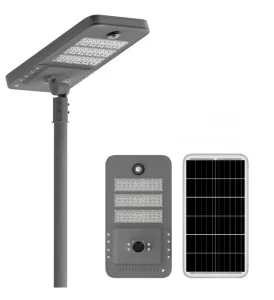
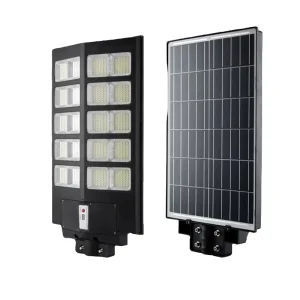
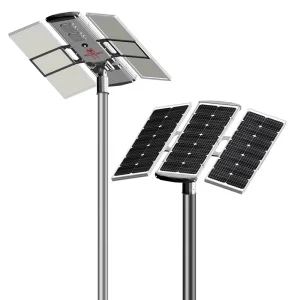
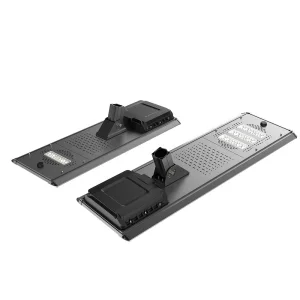
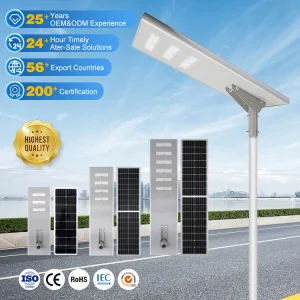
Historically, extending grid-based electrical infrastructure to remote southern wilayas (such as Tamanrasset, Adrar, and Illizi) has been plagued by prohibitive costs, sand shifting hazards, and transmission losses over thousands of kilometers. Traditional high-pressure sodium (HPS) grids in northern coastal metropolitan zones like Algiers, Oran, and Annaba also impose a heavy burden on municipal budgets and fossil-fuel-dependent grids. All-in-One Solar Street Lights (integrated solar lighting systems combining high-efficiency PV panels, LiFePO4 batteries, MPPT controllers, and LED modules) have emerged as the definitive solution to bridge these infrastructure gaps cleanly, reliably, and cost-effectively.

3,000+
kWh/m²/yr Irradiance
15,000
MW Renewable Target by 2035
IP66
Ingress Protection Rating
LiFePO4
Extreme Temp Batteries

By bypassing the need for extensive trenching, copper cabling, and grid-connection approvals, municipalities and industrial estates across Algeria are achieving project commission timelines that are 80% shorter than conventional layouts. Crucially, the decentralized nature of All-in-One Solar Street Lights eliminates single-point-of-failure vulnerabilities, ensuring public safety and roadway illumination even during grid blackouts or desert storm disruptions.

2. Tailoring Technical Configurations to Algeria’s Extreme Environments

Standard off-the-shelf solar lighting systems frequently fail in Algeria due to the uniquely aggressive environmental stressors of the region. A robust engineering approach is necessary to ensure long-term survivability:
  • Thermal Tolerance (Sahel & Sahara Heat): Southern Algeria experiences summer temperatures exceeding 50°C. Standard lithium-ion batteries degrade rapidly under these conditions. Our customized All-in-One solar systems utilize premium Lithium Iron Phosphate (LiFePO4) battery packs, coupled with integrated BMS (Battery Management Systems) engineered for stable operation up to 65°C.
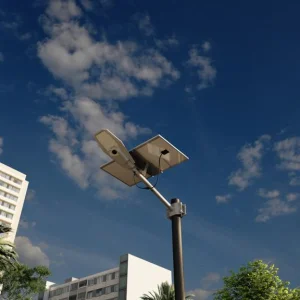
  • Sandstorm & Dust Mitigation (Sirocco Winds): The Sirocco wind carries abrasive dust particles across the Sahara, which coat PV panels, reducing photoelectric conversion efficiency by up to 40%. Our solutions feature steep solar panel tilt brackets (optimized at 30° to 35° angles depending on latitude) to facilitate self-cleaning through gravity and morning dew run-off, combined with optional dust-repellent coatings.
  • Saline and Coastal Humidity (Northern Cities): Coastal regions like Algiers and Bejaia suffer from highly corrosive maritime air. To combat this, the light bodies must be constructed from marine-grade anodized aluminum (ADC12) or treated with specialized electrostatic powder coatings.

3. Technical Roadmap: The Evolution of Intelligent Solar Nodes

Modern public lighting in Algeria is transitioning from static illumination to dynamic, responsive IoT networks. Our technical roadmap integrates smart controllers capable of edge processing and remote telemetry. The integration of MPPT (Maximum Power Point Tracking) controllers with custom charging algorithms ensures up to 98% tracking efficiency, capturing even weak diffused sunlight during overcast winter periods in the Atlas Mountains.

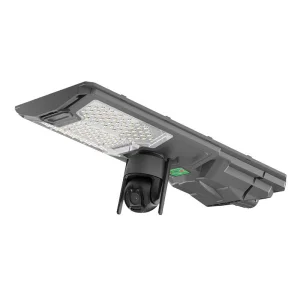
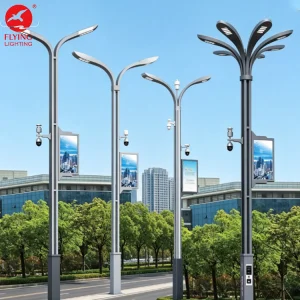
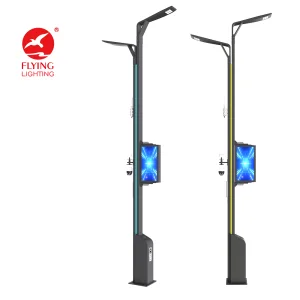
Looking ahead, the integration of 5G micro-base stations and HD CCTV networks directly powered by solar street light poles is transforming these units into modular smart city nodes. In large logistics hubs like the Port of Algiers or industrial parks in Skikda, these smart poles act as the backbone of decentralized security, edge analytics, and traffic management systems without placing any load on the local energy grid.

Comparative Specifications: Industrial vs. Municipal Configuration for Algeria

Parameter Municipal Standard (Coastal / Urban) Desert Industrial Grade (Sahara / Oil Field)
LED Wattage Range 30W - 60W 80W - 120W+
Solar PV Panel Monocrystalline Silicon (21.5% Efficiency) N-Type TopCon Monocrystalline (22.8% Efficiency)
Battery Technology LiFePO4 (Grade A, Standard BMS) LiFePO4 (Extended Temp, Dual Active Protection BMS)
Operating Temperature -15°C to 50°C -20°C to 65°C
Ingress Rating IP65 / IK08 IP66 / IK10 (Anti-corrosive / Abrasive Dust-proof)
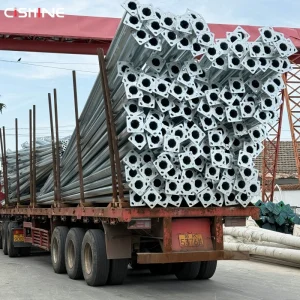
Wind Resistance Up to 120 km/h Up to 160 km/h (Reinforced Octagonal Tapered Pole)

4. Localized Application Scenarios Across Algeria's Wilayas

Understanding local geographic requirements is key to choosing the correct configuration:

  • Northern Coastal Trunk Roads (N1, N5, N11): These highways experience heavy traffic and maritime dampness. Optimal setups include high-lumen, remote-control integrated IP66 systems with salt-spray-resistant coatings to prevent degradation from the Mediterranean.
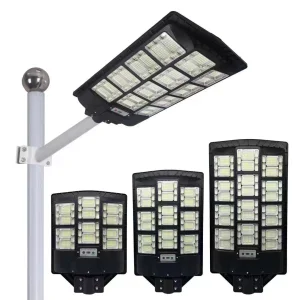
  • Southern Wilaya Electrification: Remote desert settlements require robust, low-maintenance standalone units. Systems like the 120W Integrated All-in-One Solar Street Light with autonomous brightness scheduling ensure that public spaces stay illuminated throughout the night, using motion detection to save battery reserves during quiet hours.
  • Oil & Gas Exploitation Zones (Hassi Messaoud & Hassi R'Mel): Critical energy complexes require explosion-proof designs, high IK impact ratings for dust storms, and absolute power independence. Integrated solar poles with integrated CCTV provide both security monitoring and critical perimeter lighting.

5. Yangzhou OneAll Lights Co., Ltd.: Manufacturing Resilience & Supply Chain Prowess

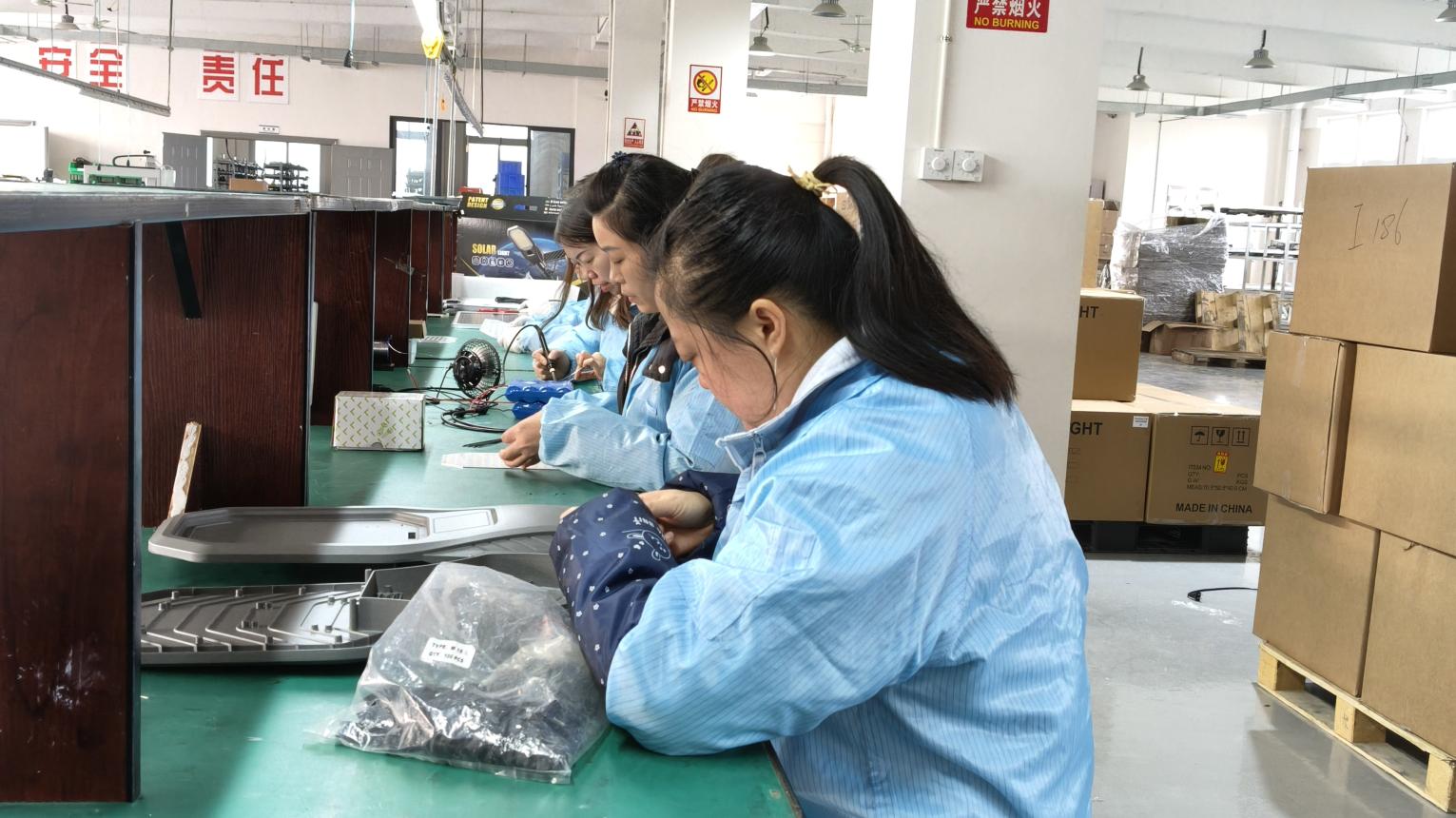
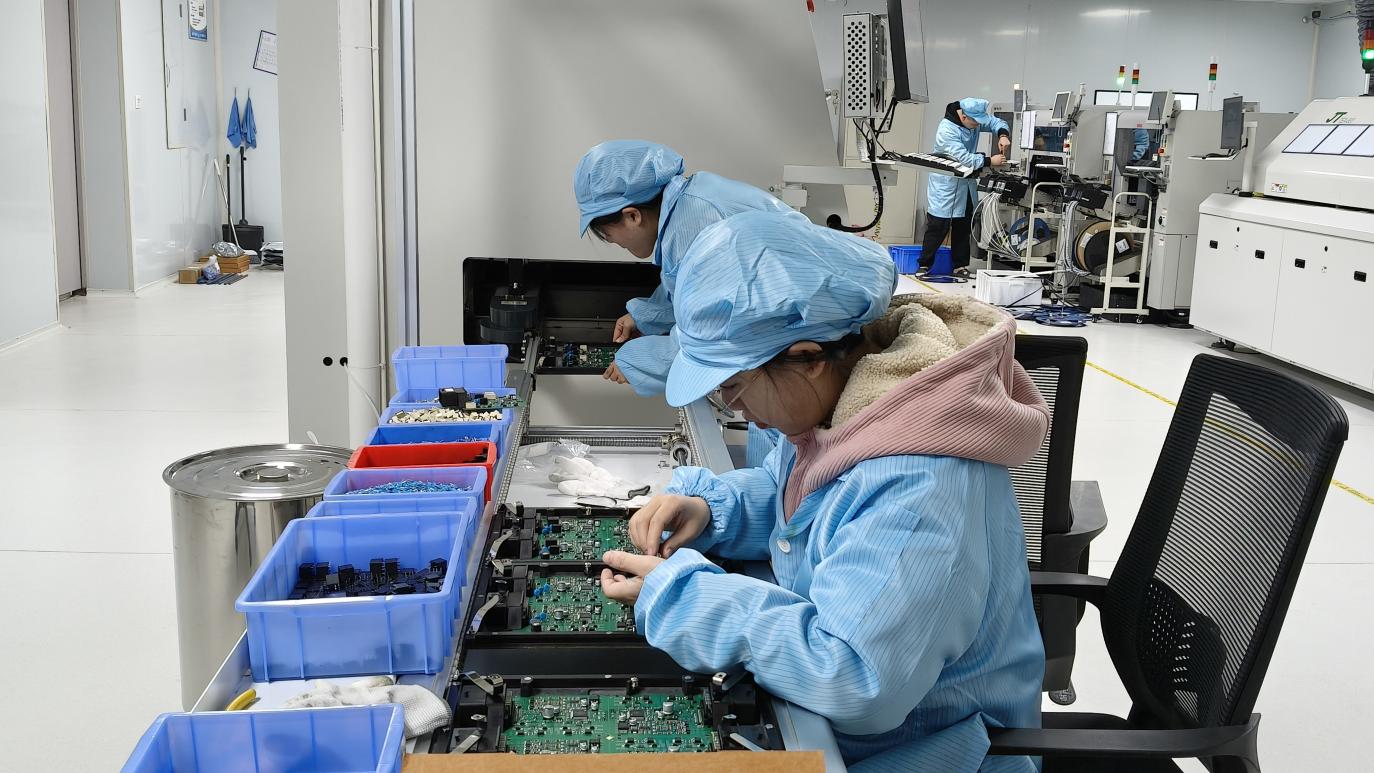
Established in 2003, Yangzhou OneAll Lights Co., Ltd. is a leading manufacturer and exporter specializing in high-performance outdoor lighting systems. Over the past 20 years, our production facility in Yangzhou, Jiangsu Province, China, has evolved into a global hub for solar street light manufacturing, equipped with top-tier CNC machinery, automatic submerged arc welding systems, high-precision laser cutters, and advanced SMT production lines.

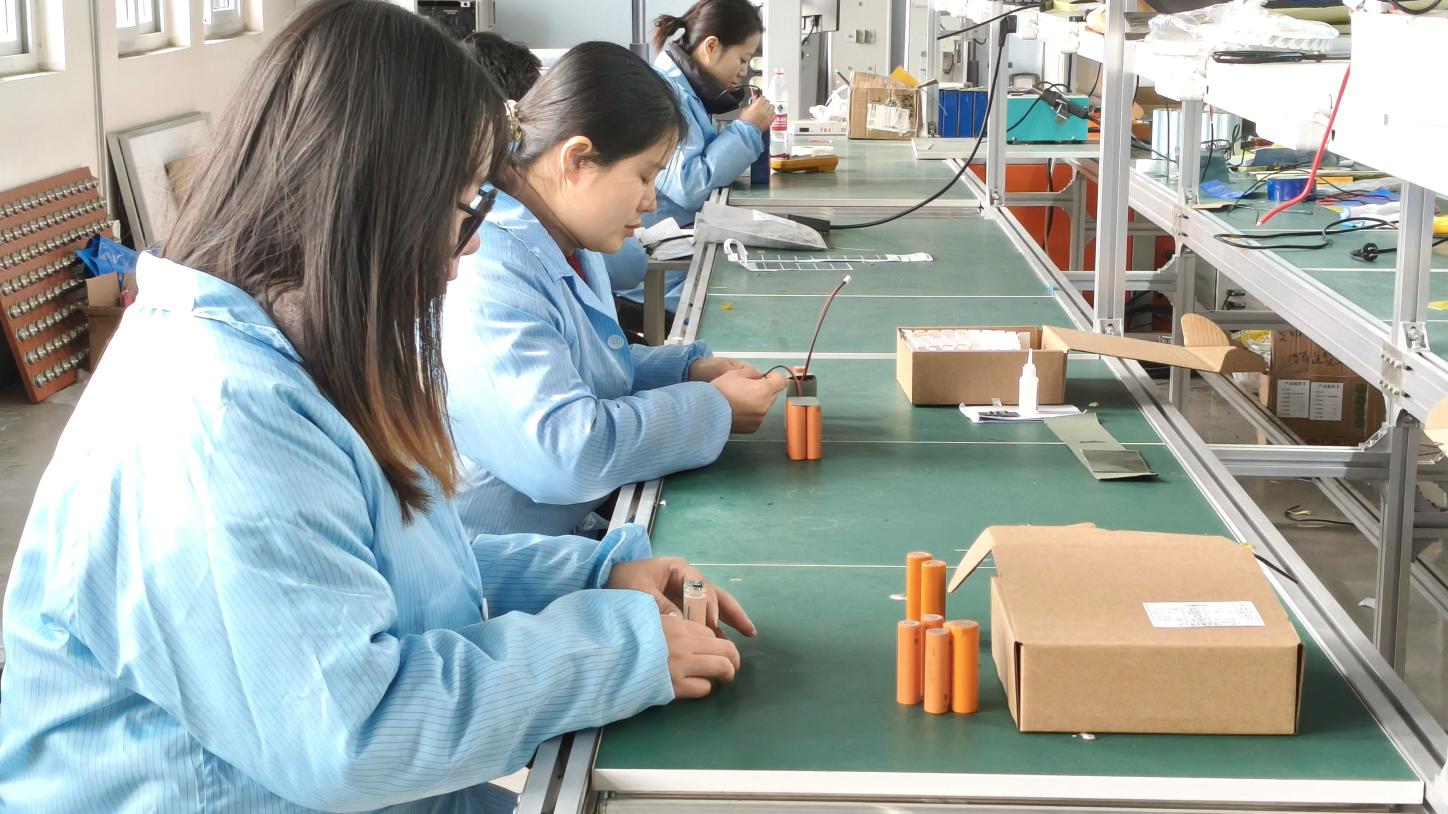
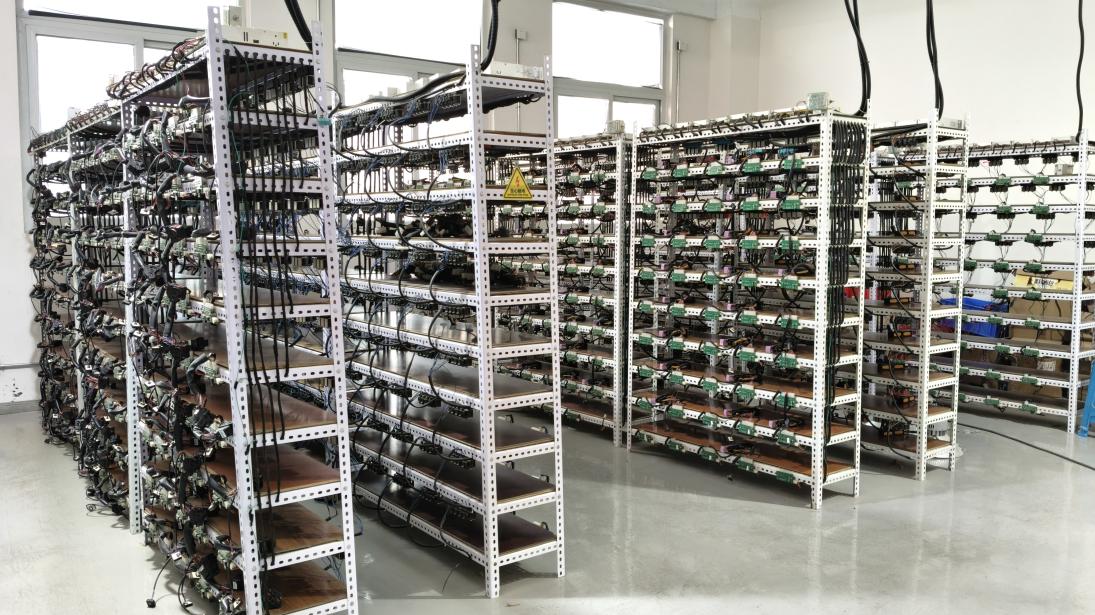
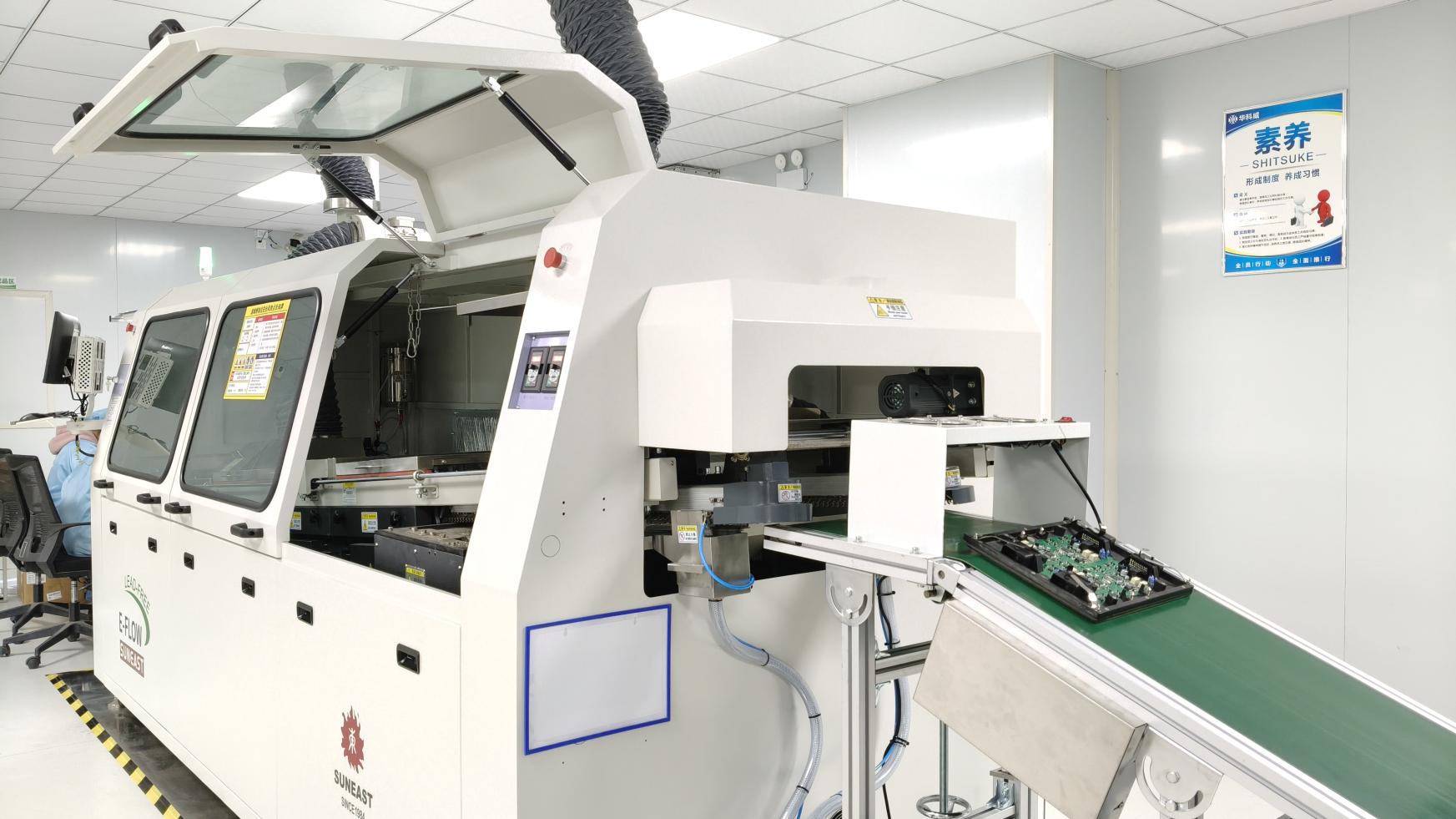
Our competitive advantage lies in our vertical integration. Unlike assembly shops, we manufacture and test critical sub-components in-house, ensuring rigorous quality control at every stage. We operate dedicated wave soldering lines, automated gluing machinery, laser marking lines, and specialized three-proof coating systems that protect delicate PCBs from humidity, dust, and corrosive salts. Every product undergoes strict high-temperature chamber aging tests before shipment, ensuring they withstand the extreme heat of the Algerian Sahara.
Our State-of-the-Art Factory & Testing Lines

Component Plug-in Line
Plug-in Component Assembly
Precision Structural Welding
Structural Precision Welding
All-in-One Solar Light Assembly Line
Assembly Line I
High-Throughput Assembly Line
Assembly Line II
Environmental Aging Testing
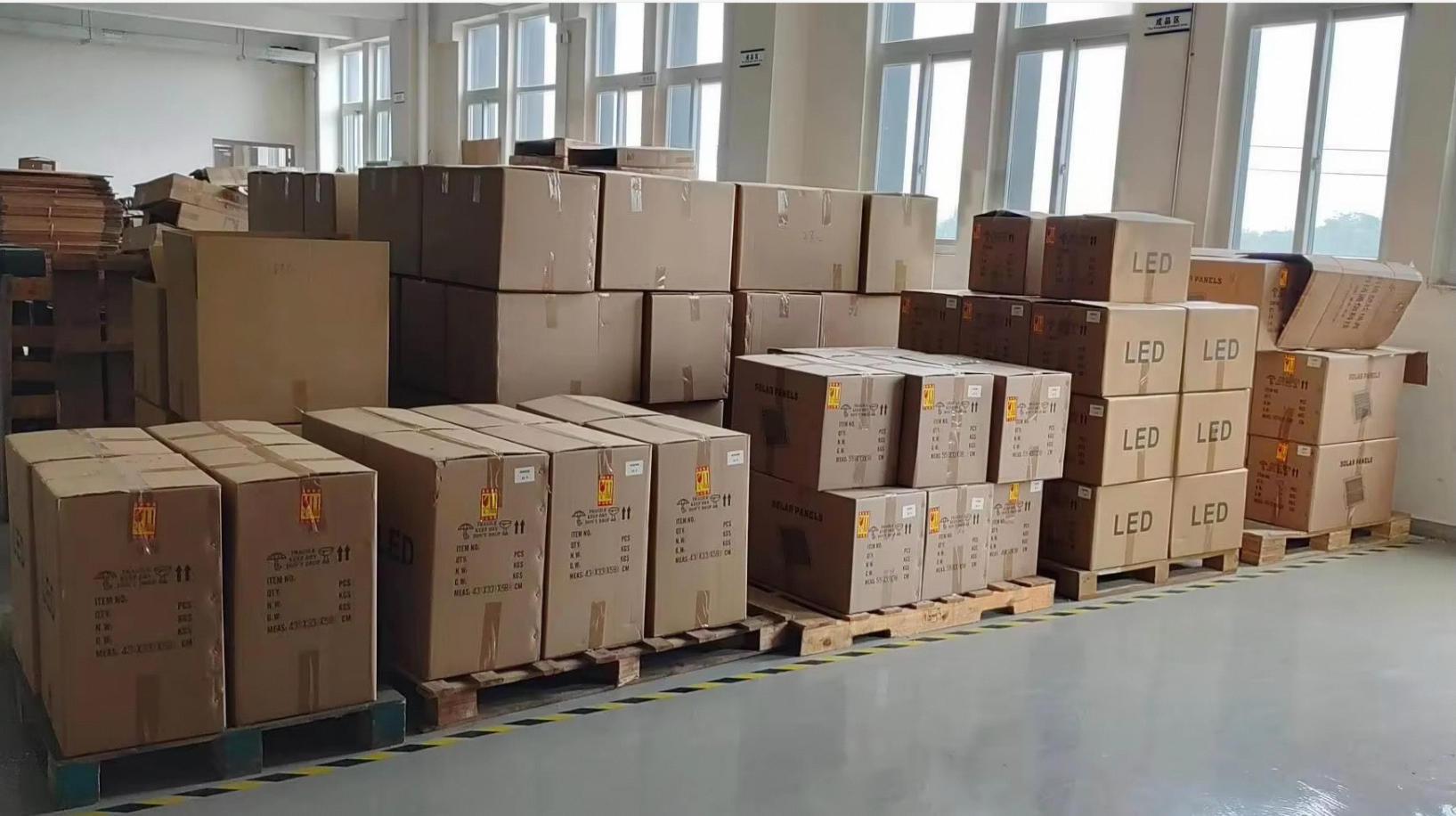
Export Secure Packing
Secure Export Packing
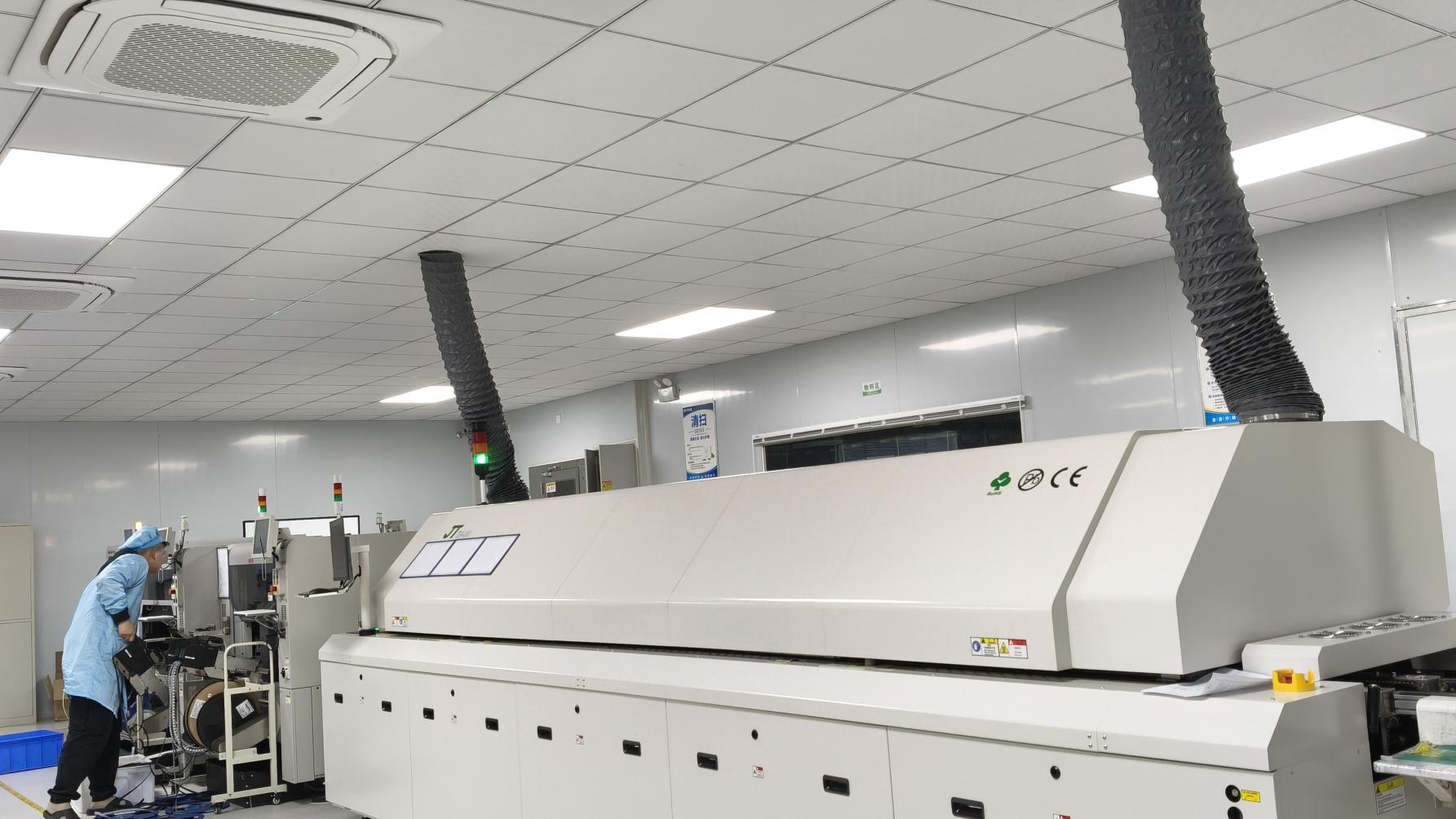
SMT Automatic Board Production
SMT Automatic Board Line
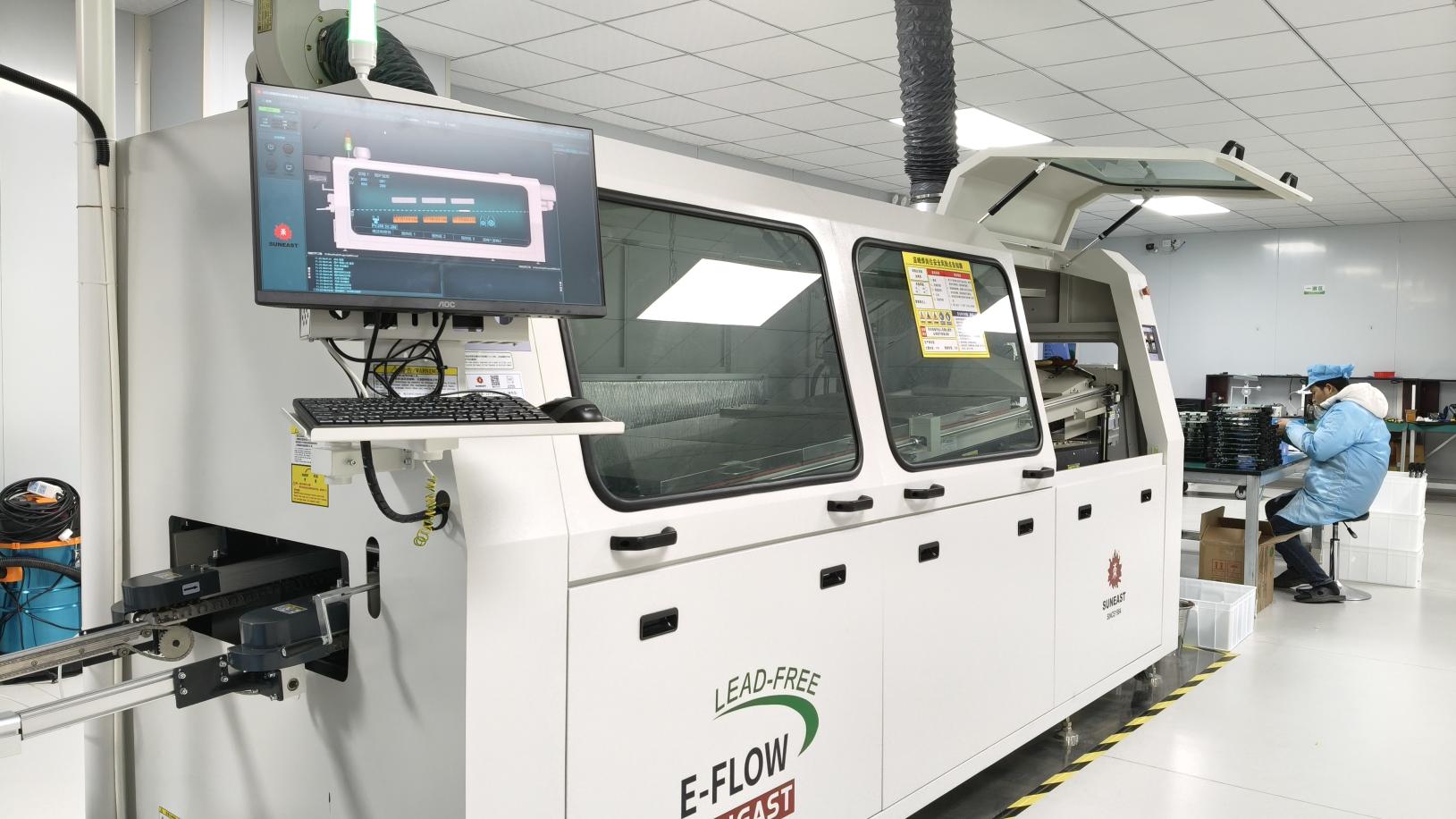
High Precision Wave Soldering Machine
Wave Soldering Machine
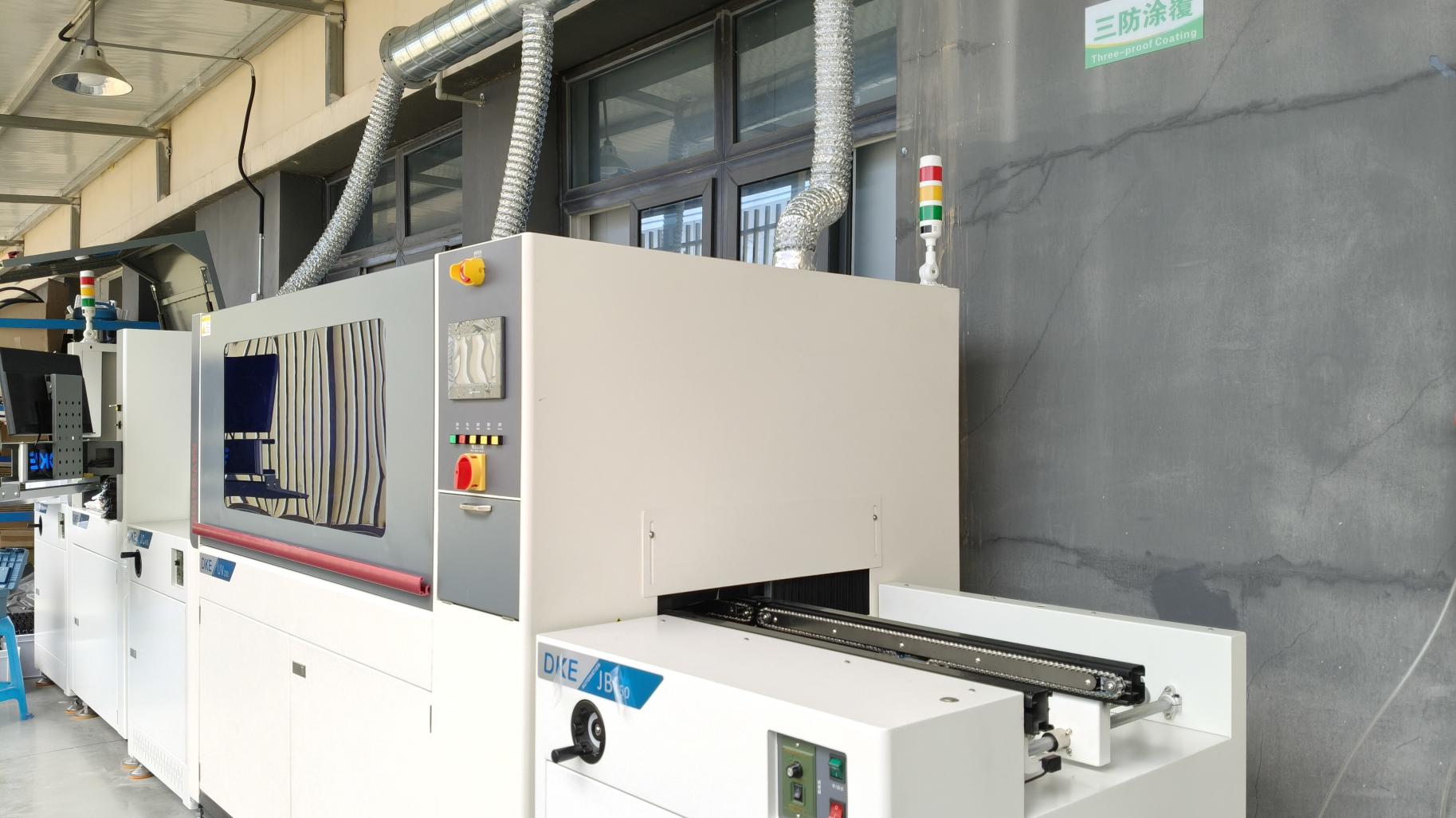
PCB Three-proof Coating Equipment
Three-proof Coating Equipment
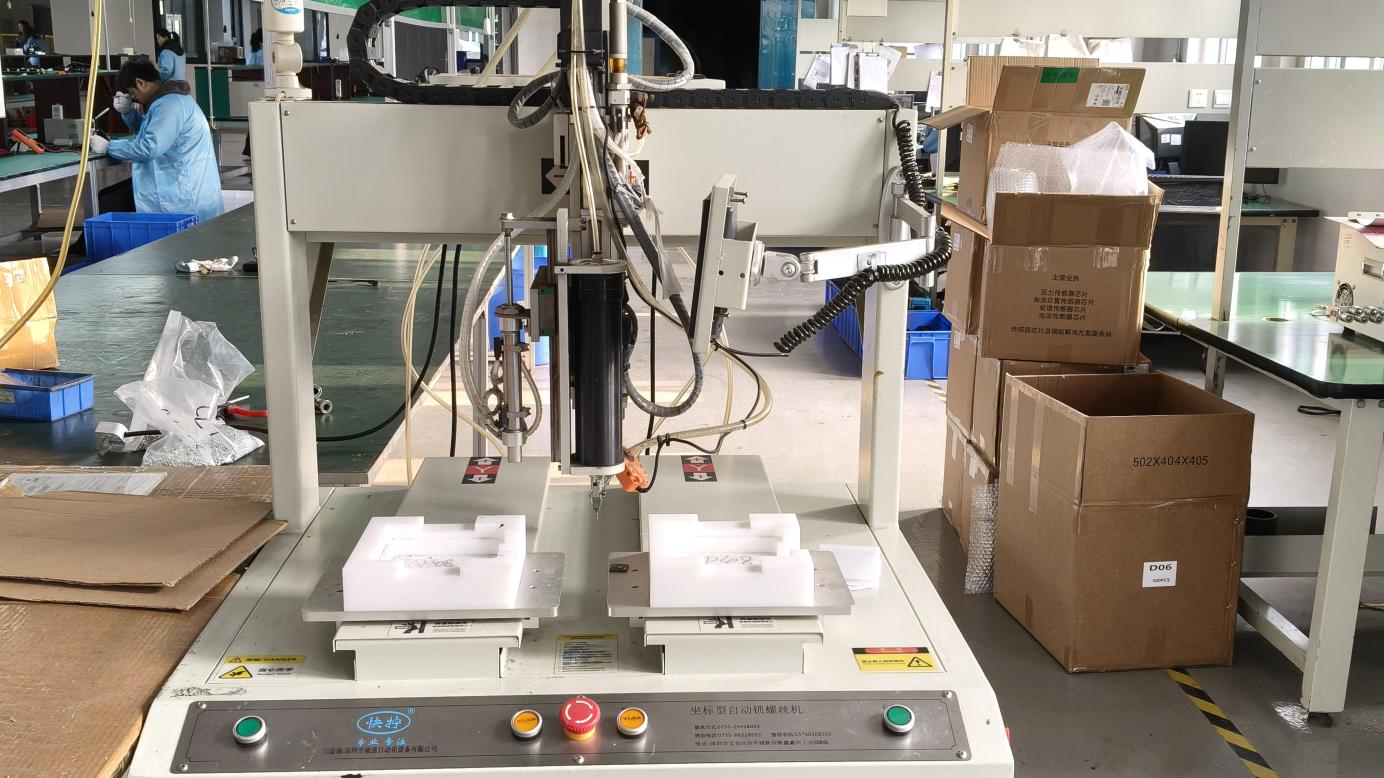
Automatic Screw Locking Machine
Automatic Screw Locking
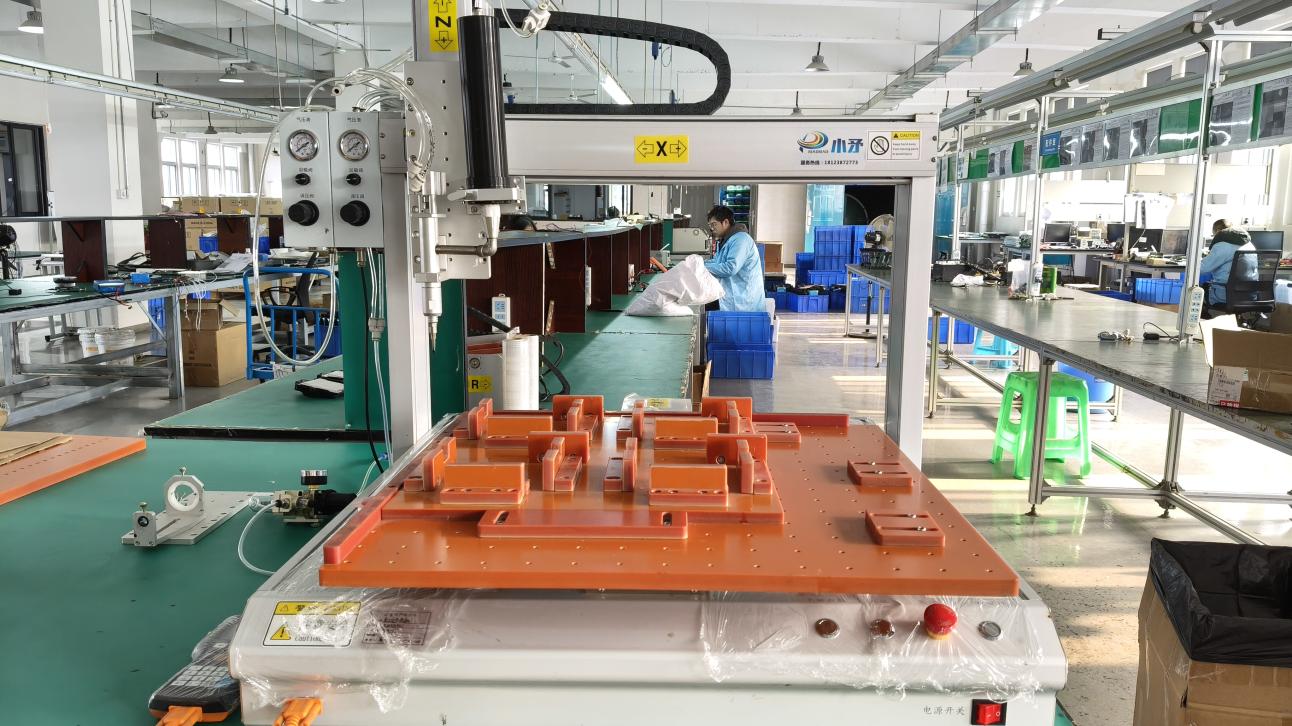
Automatic Waterproof Gluing Machine
Automatic Waterproof Gluing
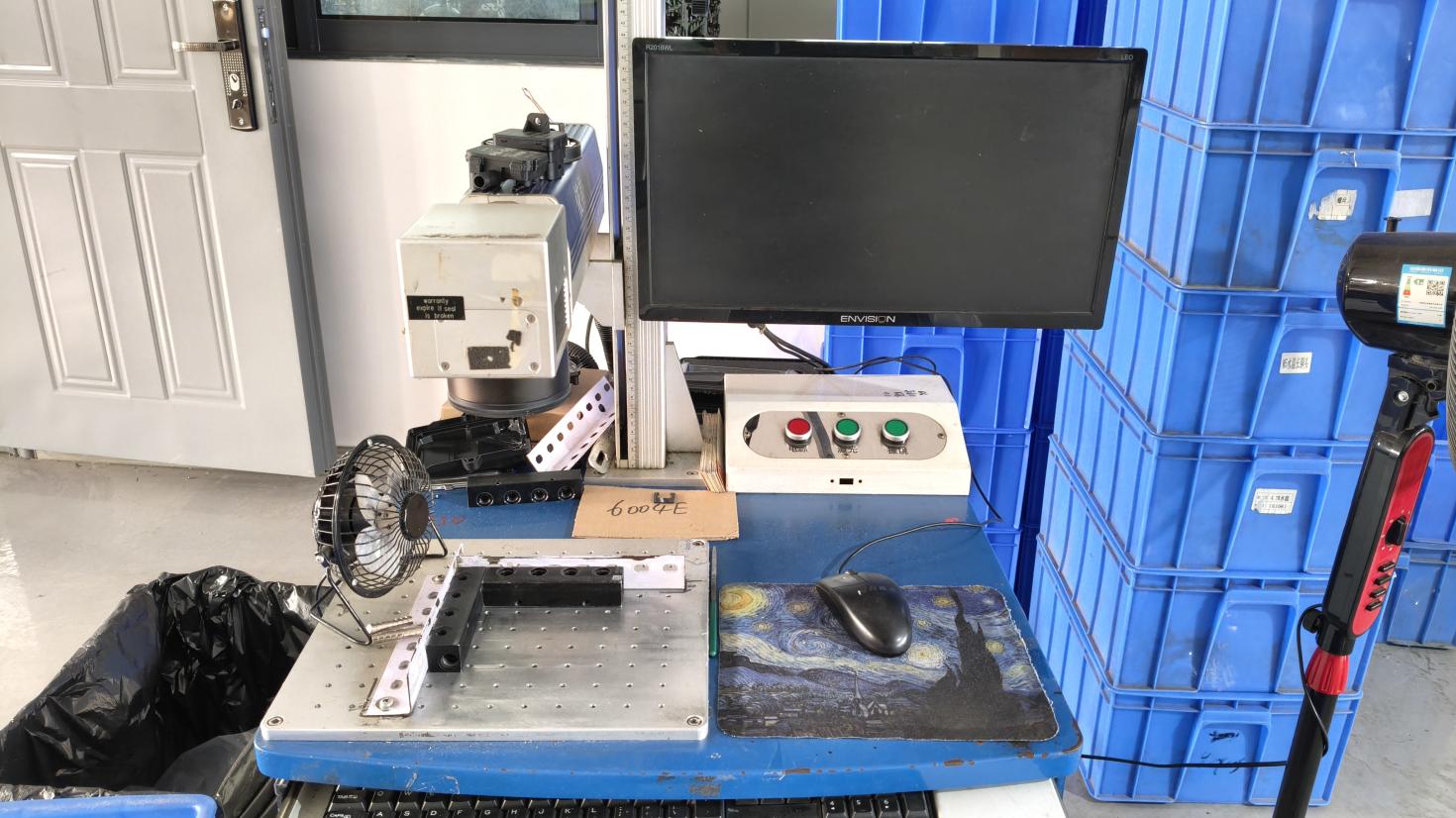
Laser Marking Machine
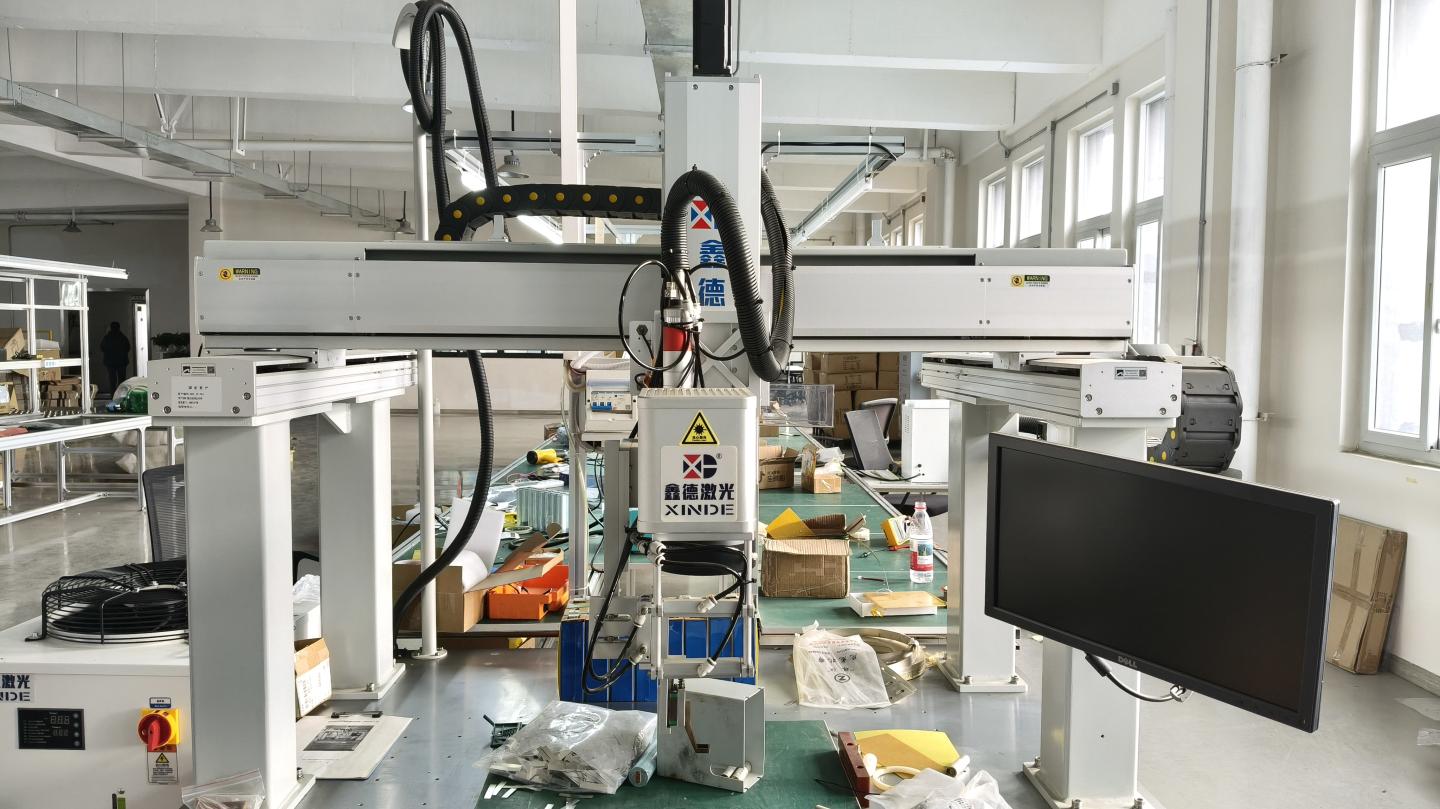
Automated Wire Welding Machine
Automated Wire Welding

Our international credentials include ISO9001, ISO14001, CE, CQC, and CCC. We provide comprehensive logistics coordination, DDP and CIF shipping options to the Ports of Algiers, Oran, or Bejaia, along with documentation support (e.g., Certificat de Conformité) to guarantee smooth customs clearance.
Frequently Asked Questions: Solar Street Lights in Algeria

What certifications are required for importing solar street lights into Algeria?
Algeria requires imports to be accompanied by a Certificat de Conformité (CoC) issued by an authorized inspection agency (such as SGS, Bureau Veritas, or Intertek). We provide complete CE, RoHS, and IEC compliance certificates, and work with accredited third parties to ensure hassle-free customs processing at ports like Algiers and Oran.
How do high Saharan temperatures affect battery lifespans, and how do you address this?
Standard ternary lithium batteries suffer from capacity fade and thermal runaway risks in temperatures over 45°C. To address this, we use premium Lithium Iron Phosphate (LiFePO4) battery packs, which operate safely at temperatures up to 65°C. Our integrated Battery Management System (BMS) balances cells and adjusts charge rates dynamically, ensuring a design life of over 8-10 years (3,000+ charge cycles).
How is maintenance handled in desert regions prone to heavy sandstorms?
Our All-in-One Solar Street Lights feature integrated housings that eliminate external wiring, preventing sand and dust from damaging critical connections. The solar panels are installed at a steep tilt angle (above 30 degrees) to allow wind and gravity to clear dust. We also offer optional dust-repellent coatings to keep panels clean in desert environments.
Do you offer customized OEM/ODM options for municipal tenders in Algeria?
Yes. As a direct manufacturer, we offer full customization on LED wattages, battery capacities, pole heights, and intelligent controls (including IoT/4G monitoring systems) to meet the technical specifications of public tenders issued by Algerian wilayas or ministries.