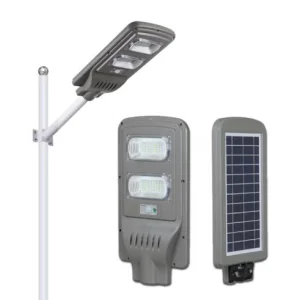
Engineered for Melbourne's seasonal variability, these four primary architectural systems integrate high-efficiency monocrystalline PVs, smart controllers, and optical arrays designed to satisfy Australian public lighting requirements.
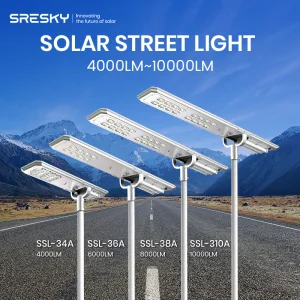
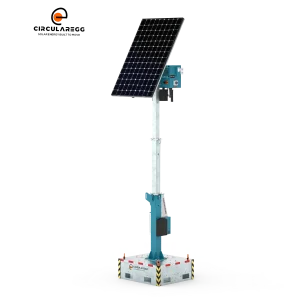
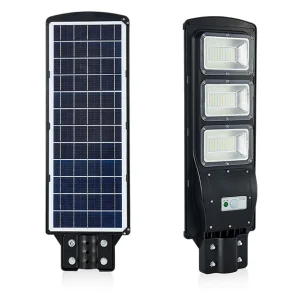
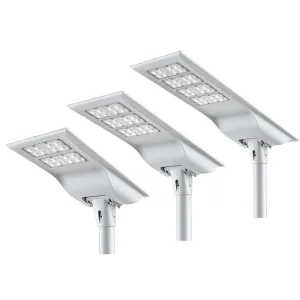
Melbourne, Victoria, represents one of Australia's most rapidly expanding metropolitan economies, prioritizing localized net-zero target milestones by 2030. Implementing integrated solar street lighting solutions plays a central role in municipal infrastructure development, particularly across suburban growth corridors like Wyndham, Casey, and Melton.
However, Melbourne’s distinct microclimates—characterized by rapid weather fluctuations, cold wet winters with low solar irradiance (especially between June and August), and high coastal wind loads—require specialized industrial design. Standard solar street lights fail here because they lack the necessary technical configurations.
To guarantee reliable service, systems must be built according to the AS/NZS 1158 Standards (Lighting for roads and public spaces) and feature high-capacity energy storage, specialized lenses, and intelligent management units that regulate brightness on overcast days.
Through citywide conversion of traditional grid streetlights to smart, self-contained solar installations.
Ensuring precise optical distribution, low glare ratings, and structurally sound pole/bracket designs.
Achieving a reliable performance profile in Melbourne’s challenging climate requires specific engineering features designed for long-term durability.
Designed in accordance with AS/NZS 1170.2 (Structural Design Actions - Wind Actions), featuring high-tensile 6063 marine-grade aluminum casings to withstand severe Victorian wind speeds.
Integrated microwave motion sensors and smart solar MPPT controllers dynamically adjust dimming curves to extend battery backup to over 5-7 continuous rainy days.
Utilizing high-stability LiFePO4 chemistry with advanced Battery Management Systems (BMS) rated to operate reliably between -15°C and 65°C, matching Melbourne's seasonal shifts.
From seaside promenades along Port Phillip Bay to heavy industrial parks in Dandenong, our specialized integrated range accommodates local regulatory challenges.
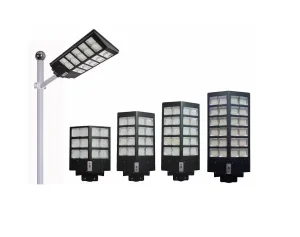
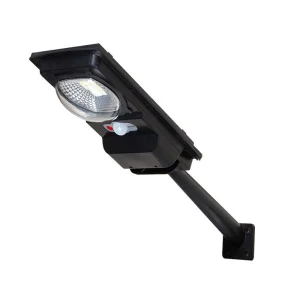
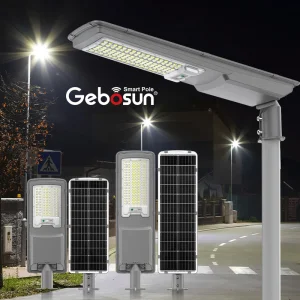
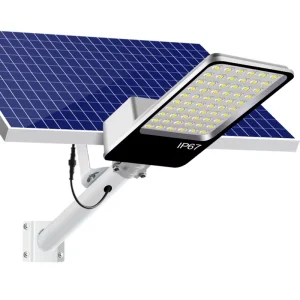
Established in 2003 in Yangzhou, Jiangsu Province—the global hub of solar and street lighting manufacturing—Yangzhou OneAll Lights Co., Ltd. has spent over two decades developing high-performance outdoor lighting systems.
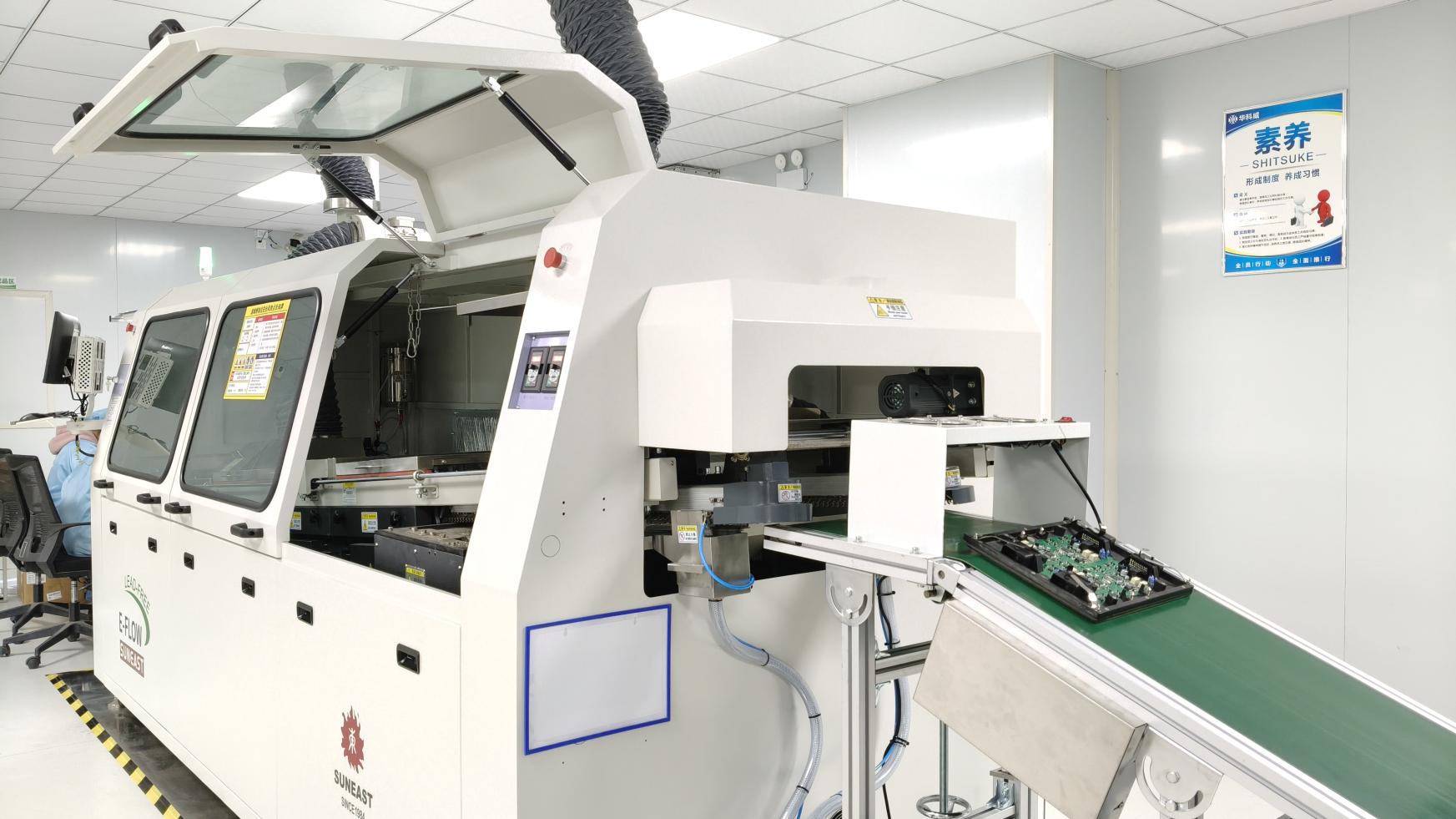
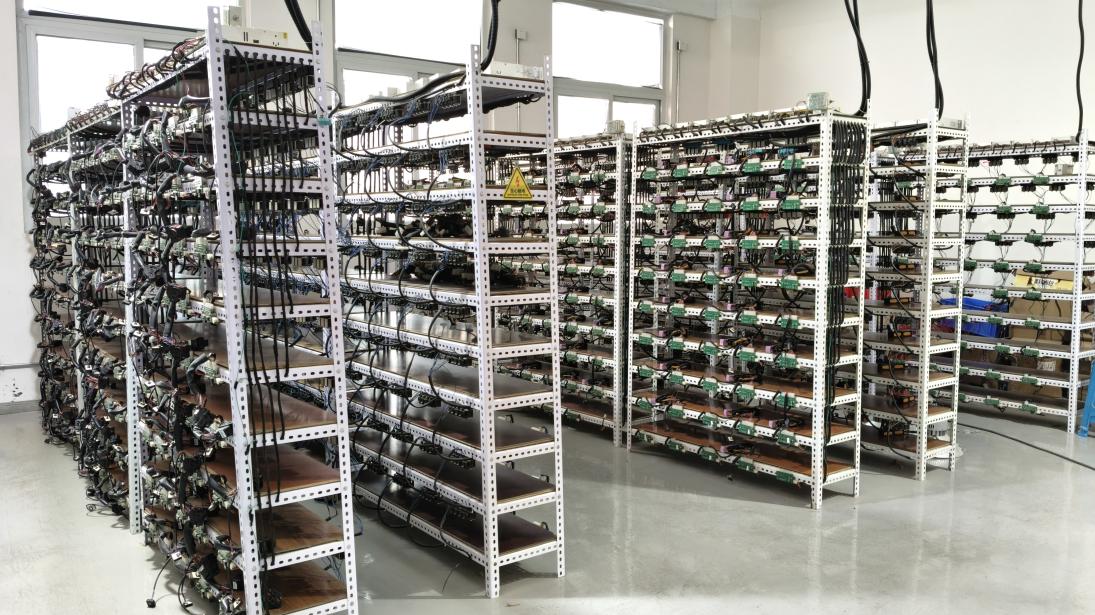
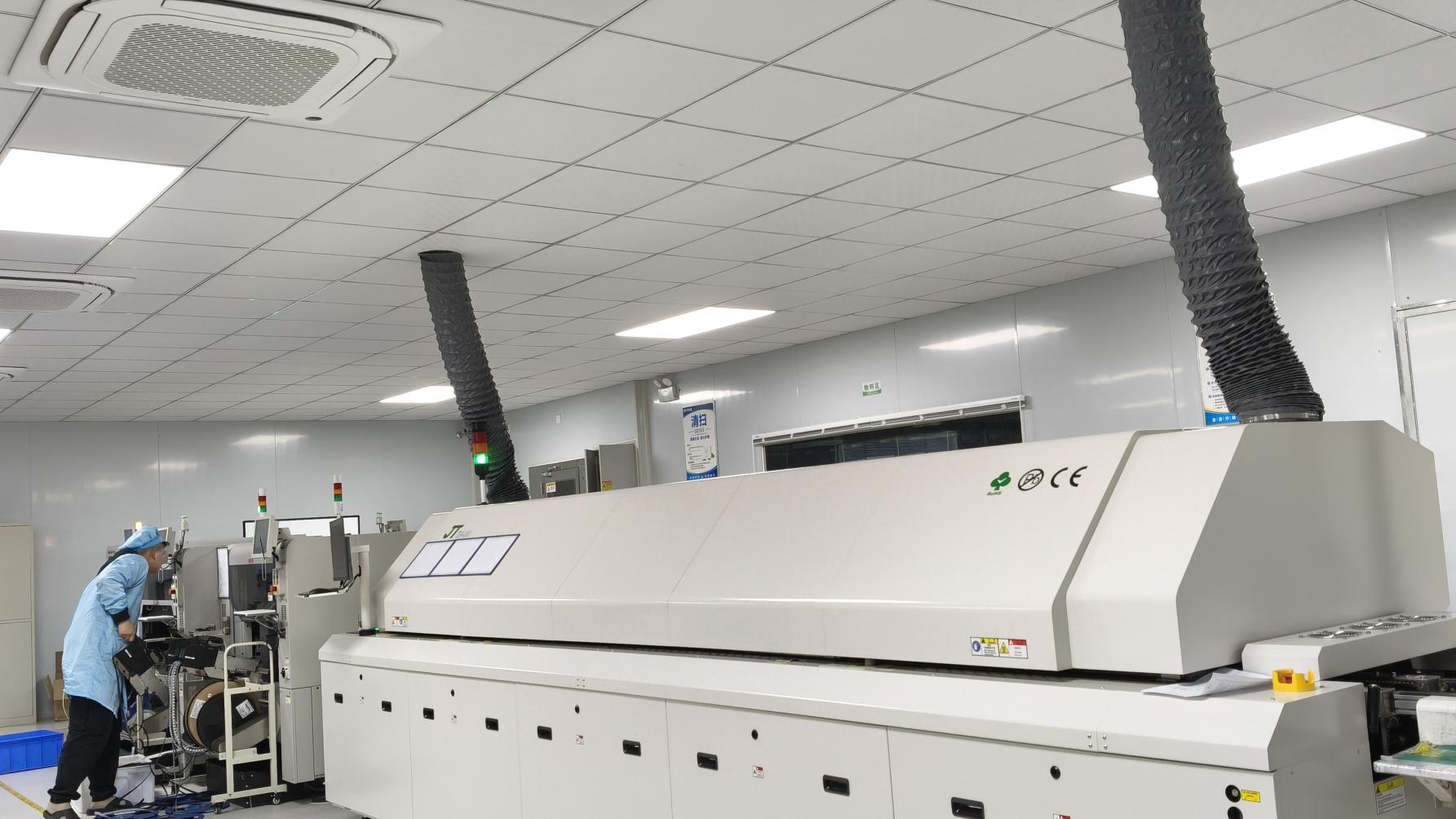
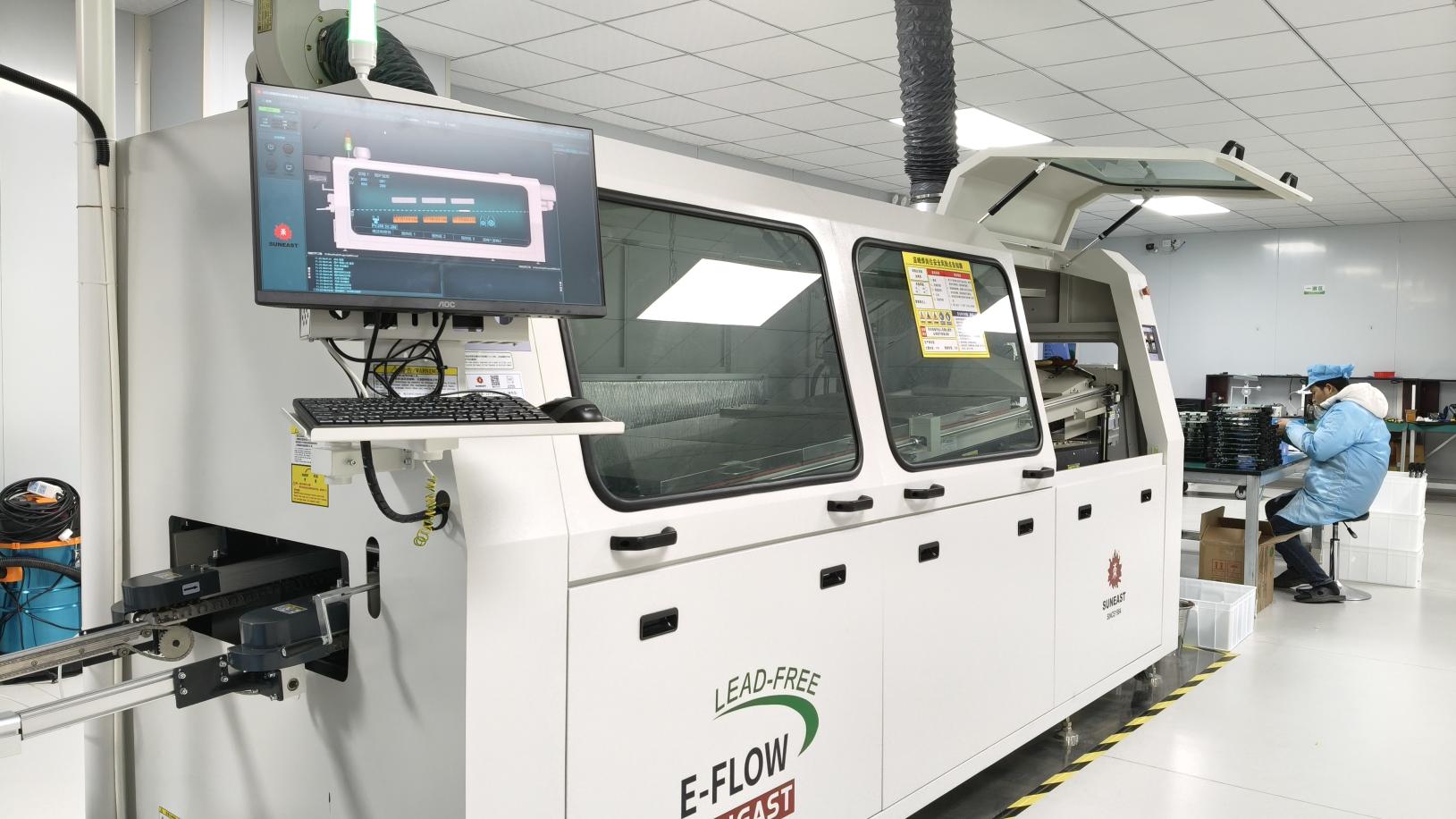
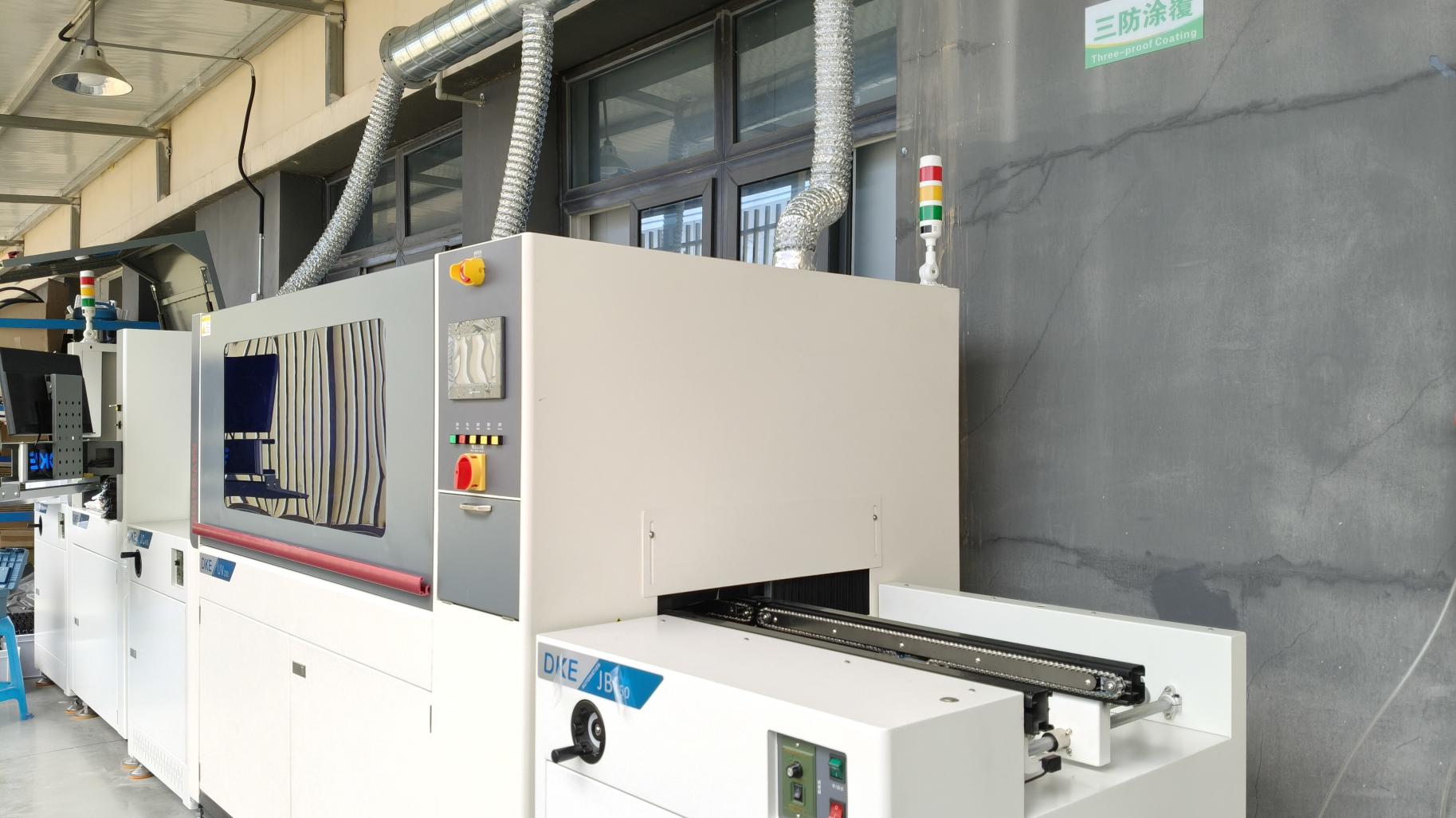
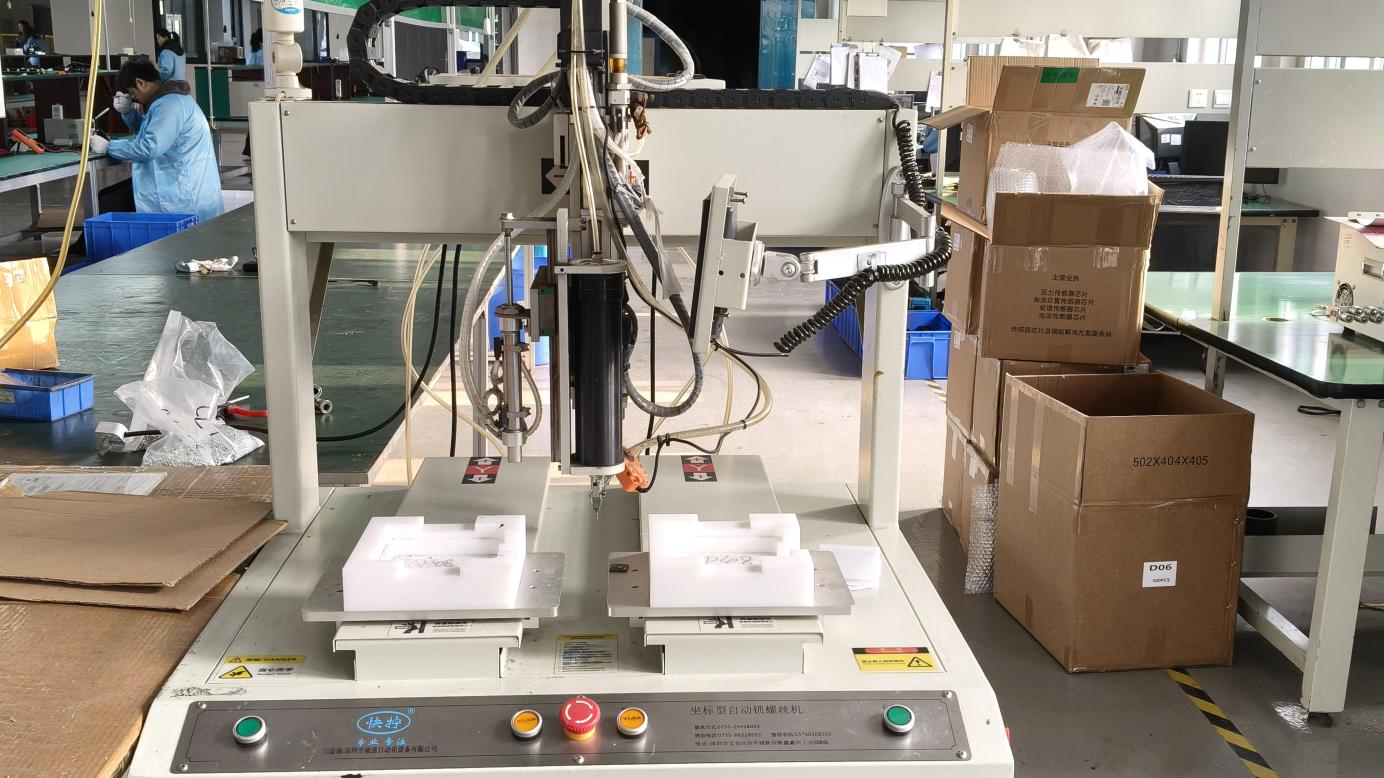
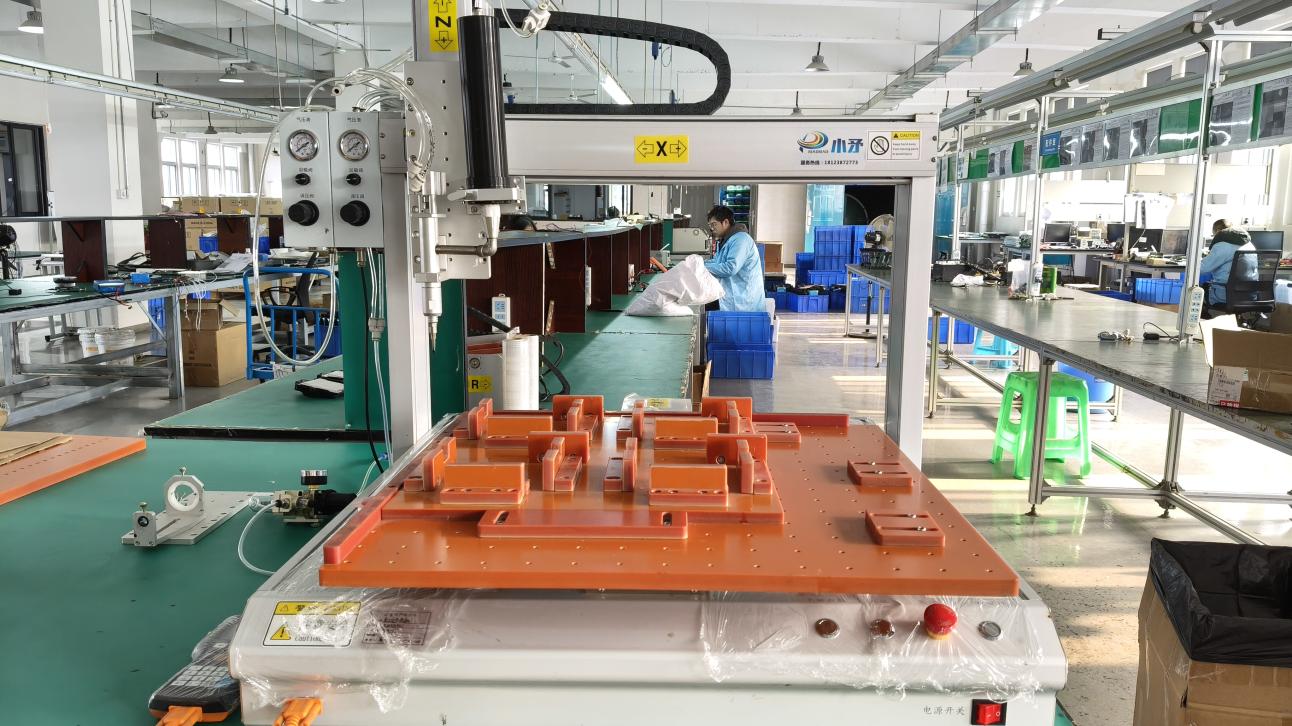
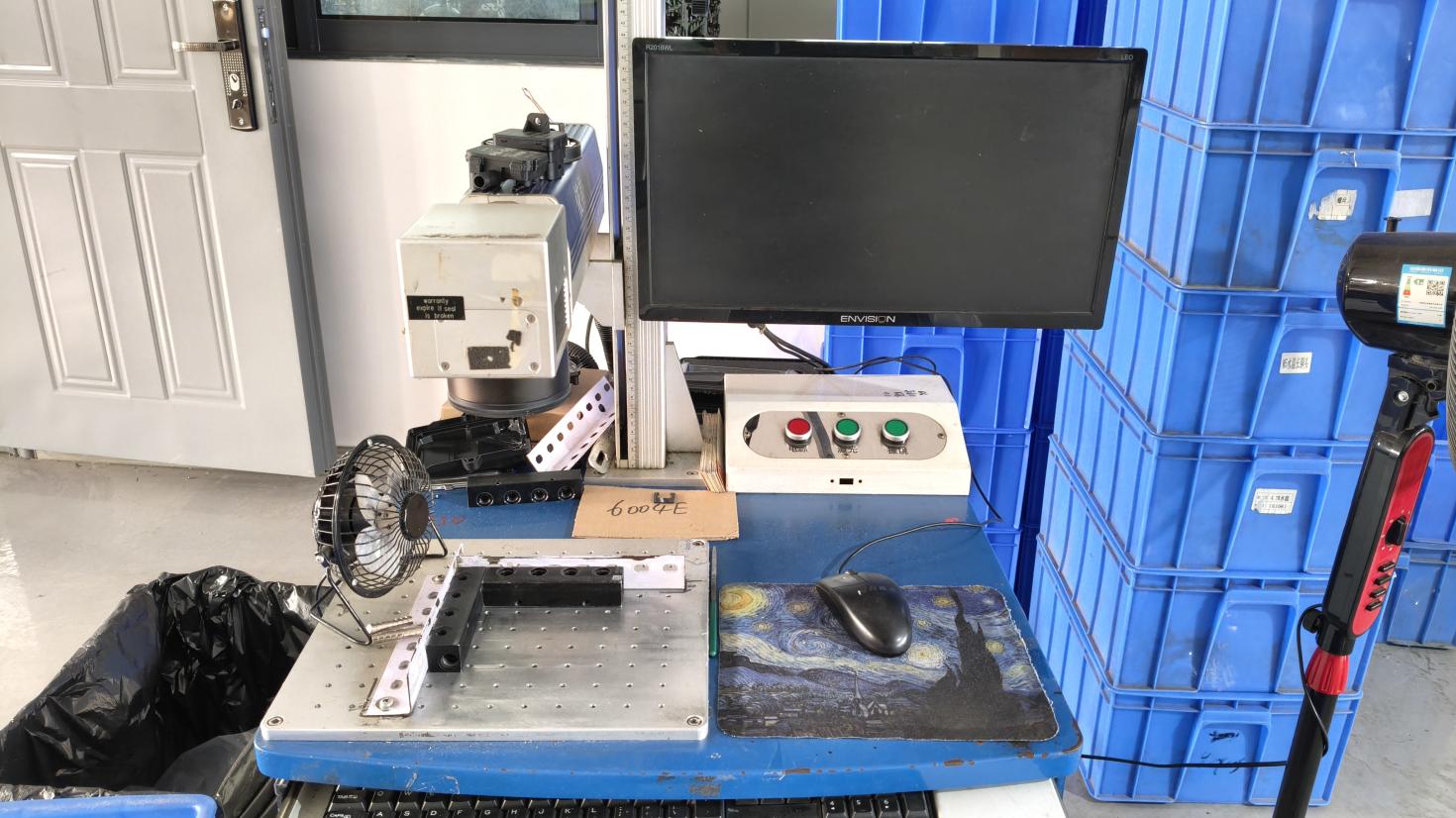
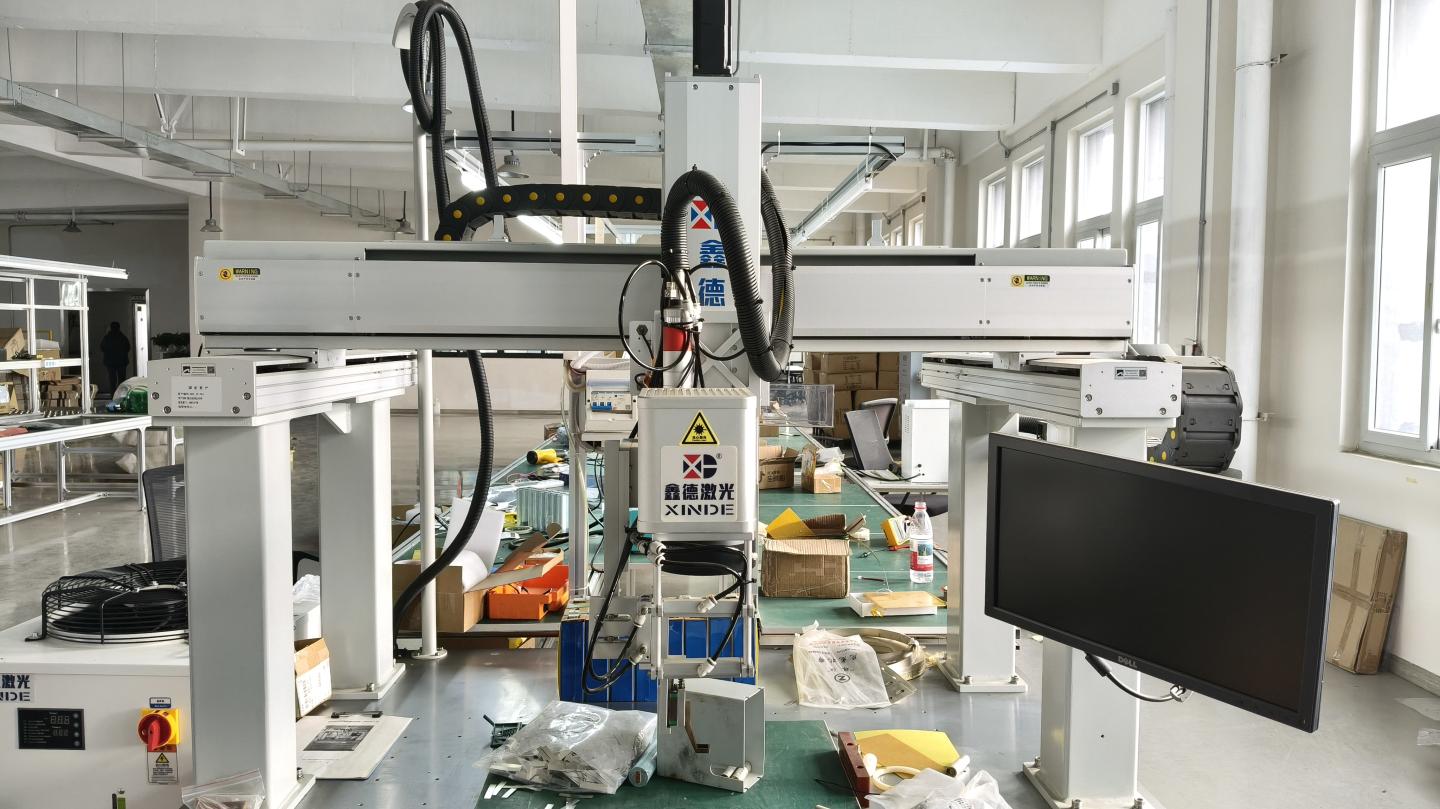
Our facility features advanced engineering machinery, including precision CNC bending, automated submerged arc welding, state-of-the-art laser cutting, electrostatic powder coating lines, and comprehensive quality-control testing setups.
This end-to-end control allows us to tailor optical profiles, bracket systems, and battery capacities to match Victoria's strict regulatory guidelines, providing local governments and contractors with premium compliance solutions at direct factory prices.
We maintain full system compliance under ISO9001:2015 Quality Management Systems, ISO14001 Environmental Management Systems, alongside international product certifications including CE, CCC, CQC, and IP ratings.
Need Custom Engineering or DIALux Simulation for a Victorian Tender?
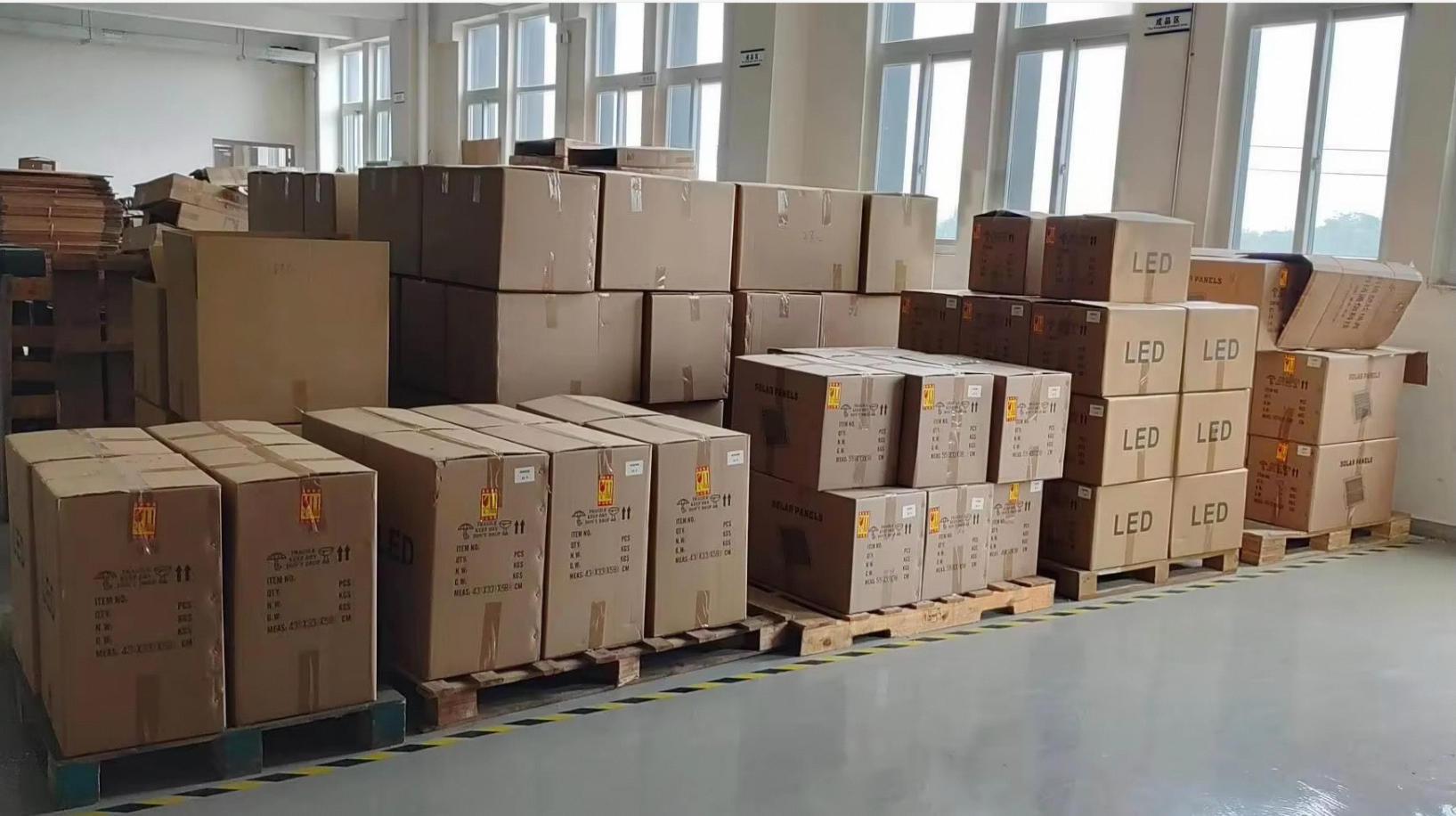
Request DIALux Design FilesFrom raw silicon to assembled luminaires, every step of our production process is strictly monitored to ensure durability under intense coastal salt spray and high thermal exposure.



Procuring high-quality integrated solar street lights requires balancing capital costs, longevity, and maintenance schedules.
For modern developers and local councils in Victoria, finding the right technology balances upfront costs with long-term reliability. Our integrated design lowers labor expenses by combining the photovoltaic panel, LiFePO4 battery, and smart controller into a single casing.
Additionally, direct factory shipping in optimized standard packaging lowers freight costs, while pre-configured mounting brackets speed up onsite installation.
The next generation of public lighting features integrated IoT communication protocols like NB-IoT, LoRaWAN, and Zigbee. These smart systems allow city operators to monitor battery life, track solar input, and adjust dimming profiles remotely.
At OneAll Lights, we integrate smart city technology with high-efficiency bifacial solar cells to capture reflected ambient light, improving energy collection in shaded and high-density urban areas.
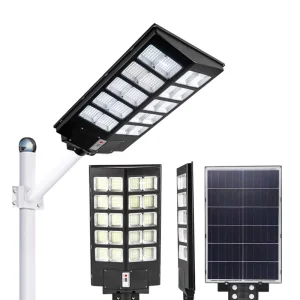
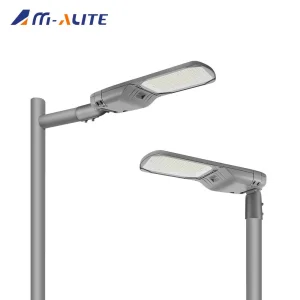
Engineered for large-scale logistics hubs, public highways, and open-space parking areas, these models deliver high luminous efficacy and durable weatherproofing.

Get expert answers regarding specifications, compliance, winter performance, and regional warranties in Australia.
Contact our technical sales team for comprehensive DIALux files, compliance documentation, and project pricing tailored for Melbourne developers and local councils.
Send Inquiry Now OneAll Lights