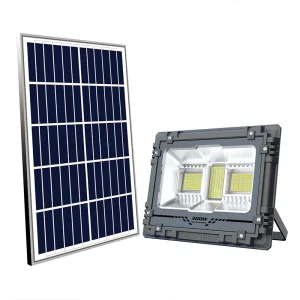
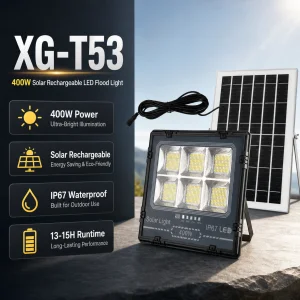
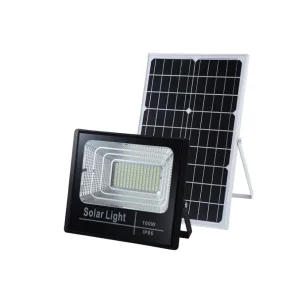
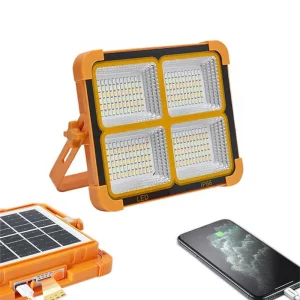
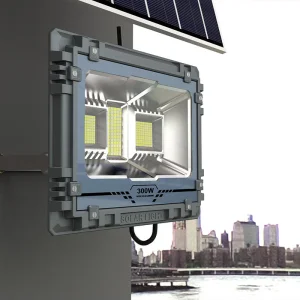
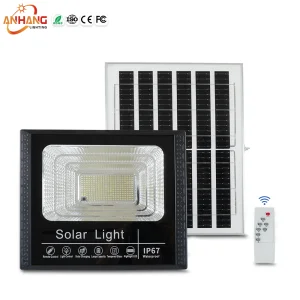
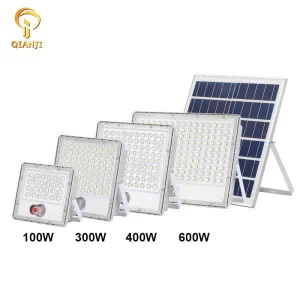
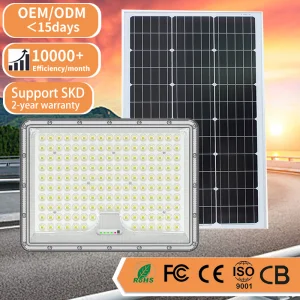
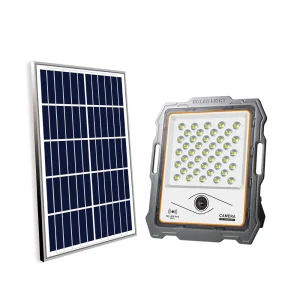
As Japan accelerates its path towards a net-zero future under the Osaka Carbon Neutral Vision 2050, municipal and industrial stakeholders throughout the Kansai region are rapidly transitioning to clean energy systems. High-intensity outdoor lighting represents a major percentage of baseline electrical grids. Adapting high-efficacy, off-grid solar illumination is no longer just a sustainable corporate policy—it is a critical pillar of energy independence and regional safety.
Moreover, Osaka's geographic vulnerability to severe typhoons and earthquakes (Nankai Trough disaster preparedness) requires decentralized security systems. Traditional grid-tied lighting remains susceptible to grid collapse. Our specialized industrial solar floodlights operate completely independent of the municipal grid, offering immediate high-output security lighting when main distribution networks fail.
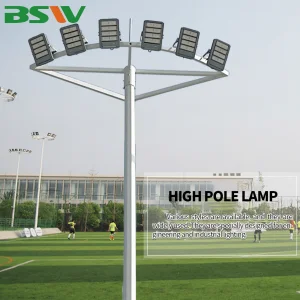
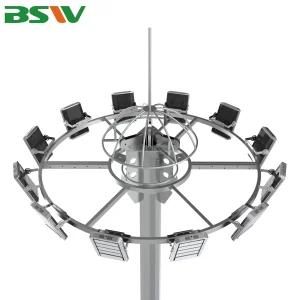
By integrating marine-grade anticorrosion coatings (C5-M class standards) and structural wind load calculations conforming to Japanese Construction Codes, our solar floodlights supply dependable high-mast illumination to marine ports, transport depots, and corporate sites across Osaka Bay and Sakai industrial areas.
Engineered for Japanese public standards, sporting venues, and severe coastal weather conditions.
A technical overview of high-performance off-grid lighting architecture deployed globally.
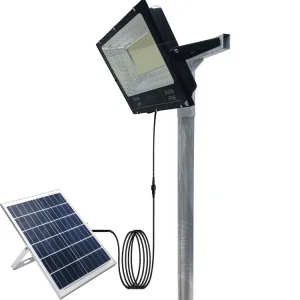
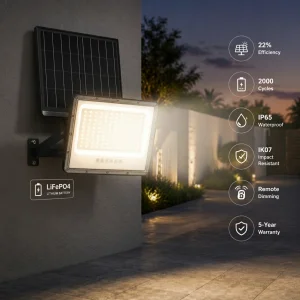
On a global scale, the industrial sector is shifting from passive solar fixtures to intelligent, high-density solar energy systems. Traditional solar configurations often suffer from low charging efficiency in regions with seasonal variations. Today's professional specifications utilize high-grade Monocrystalline Silicon modules boasting cell efficiencies upwards of 22.5%, paired with Intelligent Maximum Power Point Tracking (MPPT) charge controllers. This configuration ensures consistent energy conversion even under overcast skies, generating up to 30% higher winter yield compared to standard PWM controllers.
Using premium N-type silicon wafers for optimized low-light behavior. Tempered, low-iron glass guarantees prolonged resistance to wind-borne grit and degradation.
High-density Lithium Iron Phosphate cells enclosed in thermal insulation sleeves, designed to withstand deep discharges (-20°C to +65°C) without degradation.
Microprocessor-controlled light algorithms that monitor real-time battery status and dim output dynamically to ensure all-night runtime during extended rain.
Reliable floodlights for transport corridors, warehouses, and marine port infrastructure.
A professional manufacturer and exporter specializing in high-performance outdoor lighting solutions since 2003.
Established in 2003 and located in Yangzhou, Jiangsu Province, China, Yangzhou OneAll Lights Co., Ltd. has over 20 years of experience in the design, development, manufacturing, and supply of premium outdoor solar and LED lighting products for global infrastructure projects.
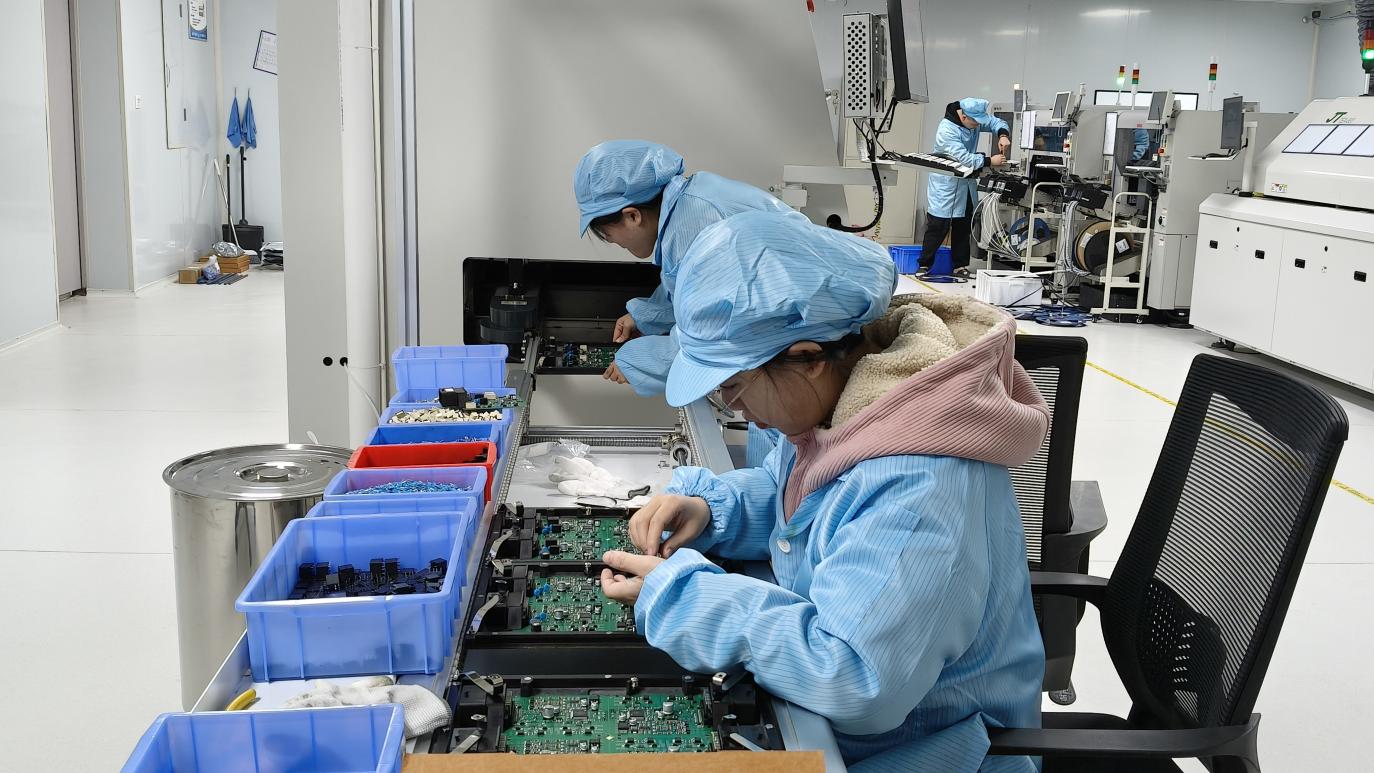
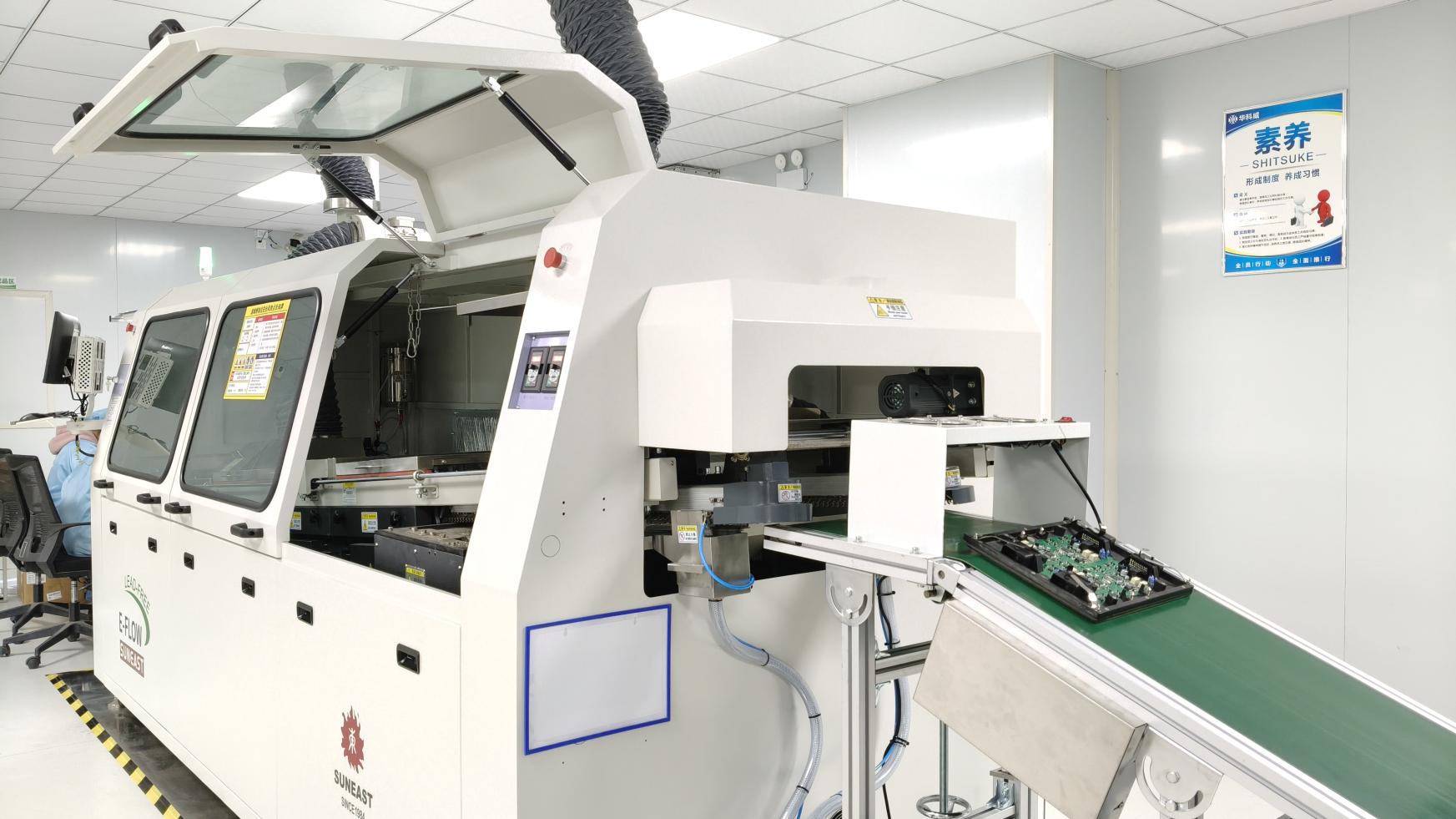
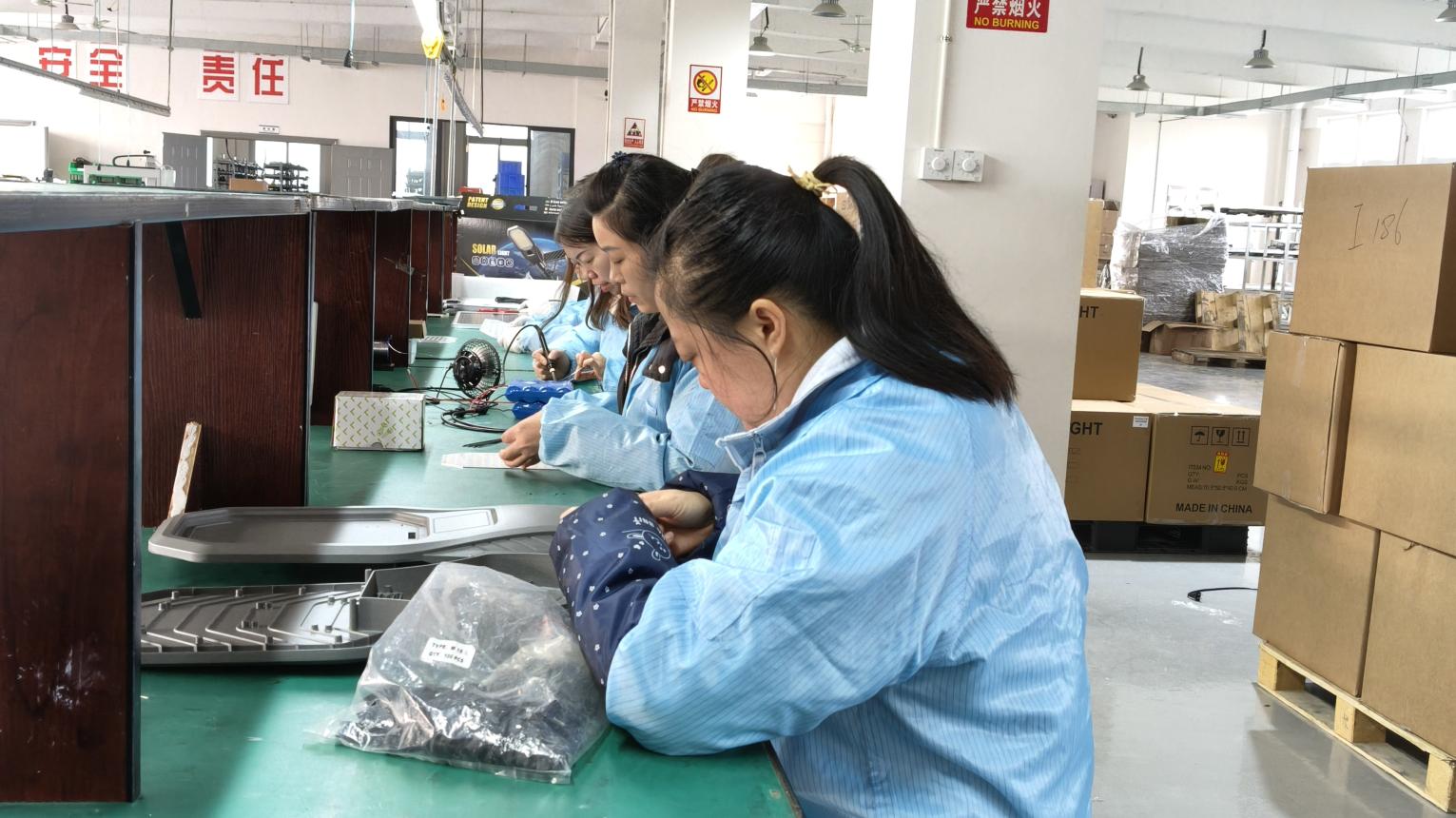
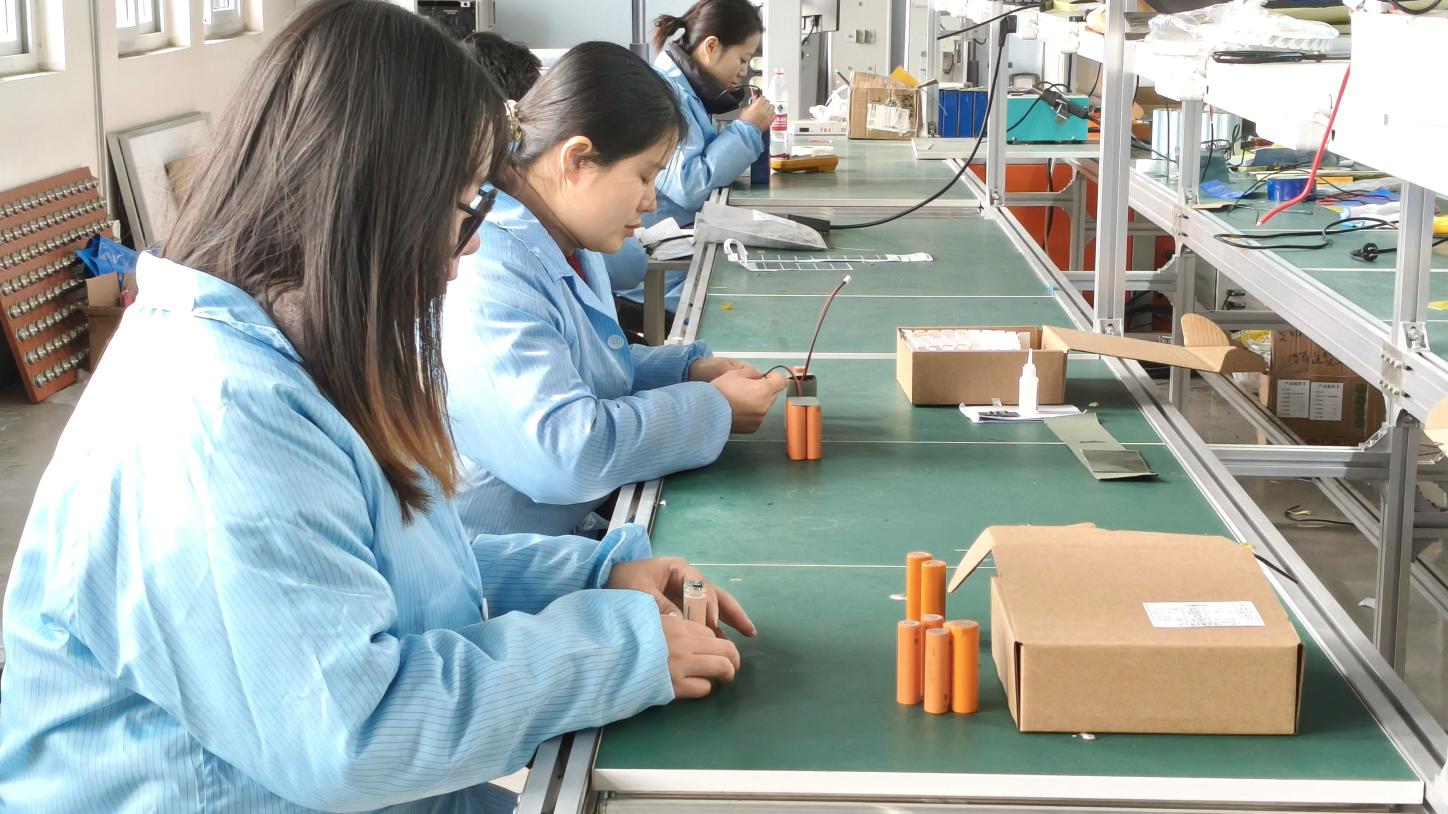
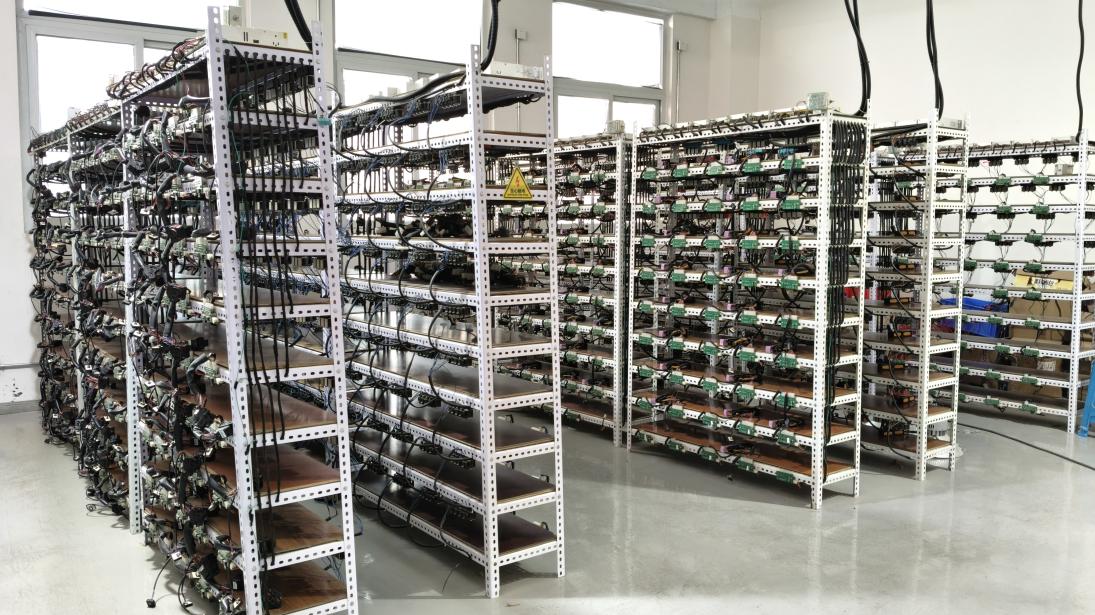
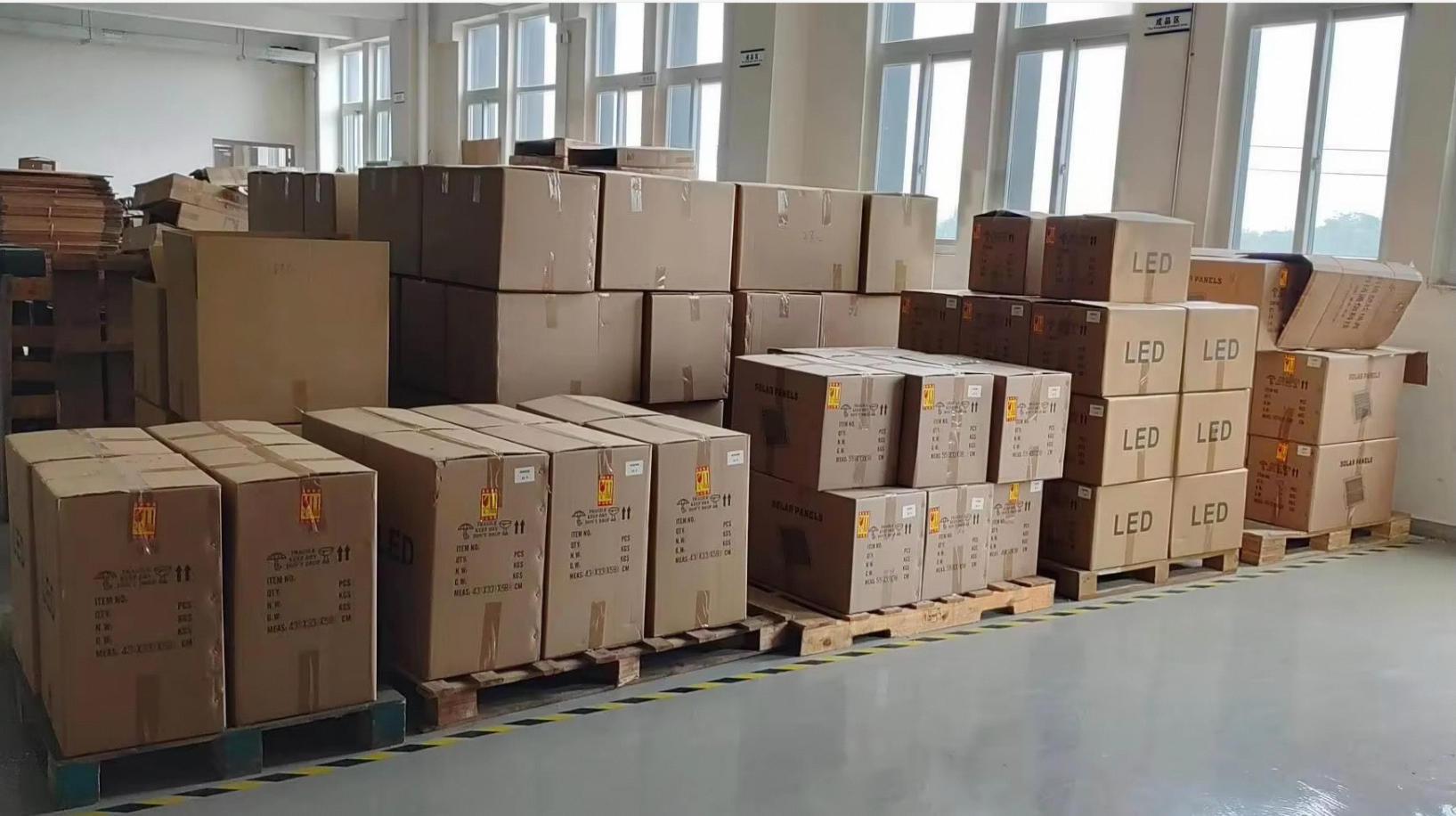
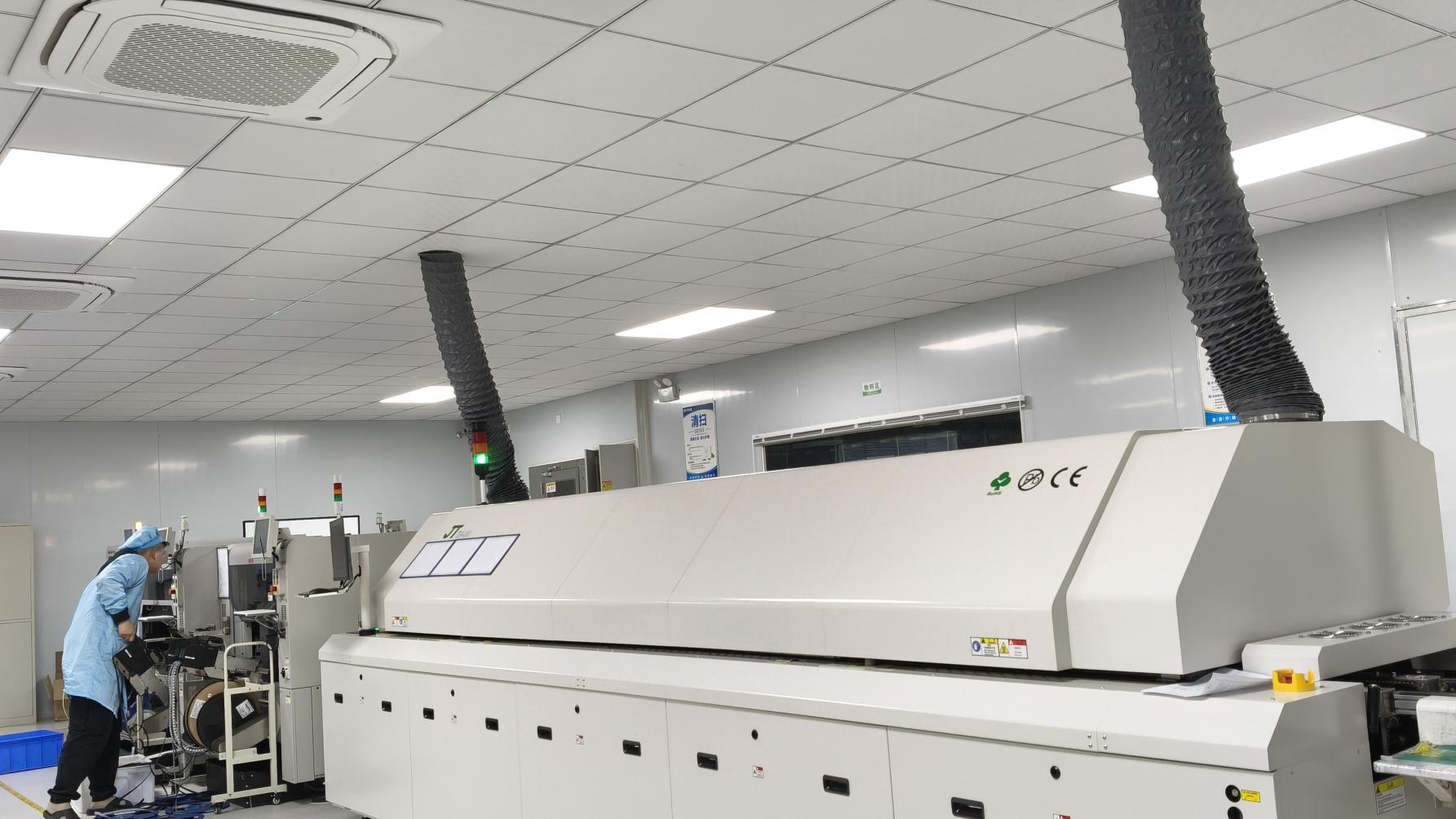
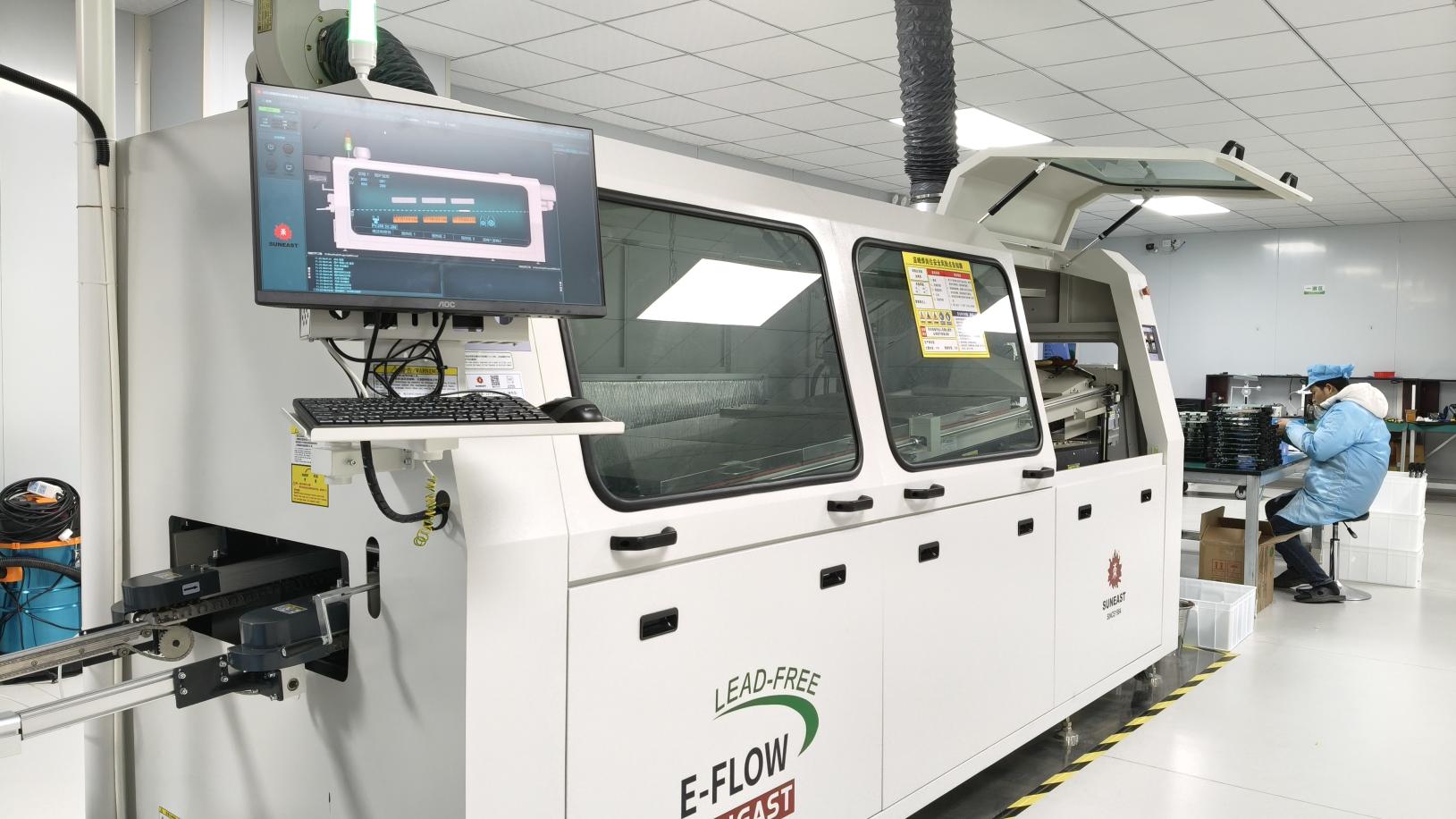
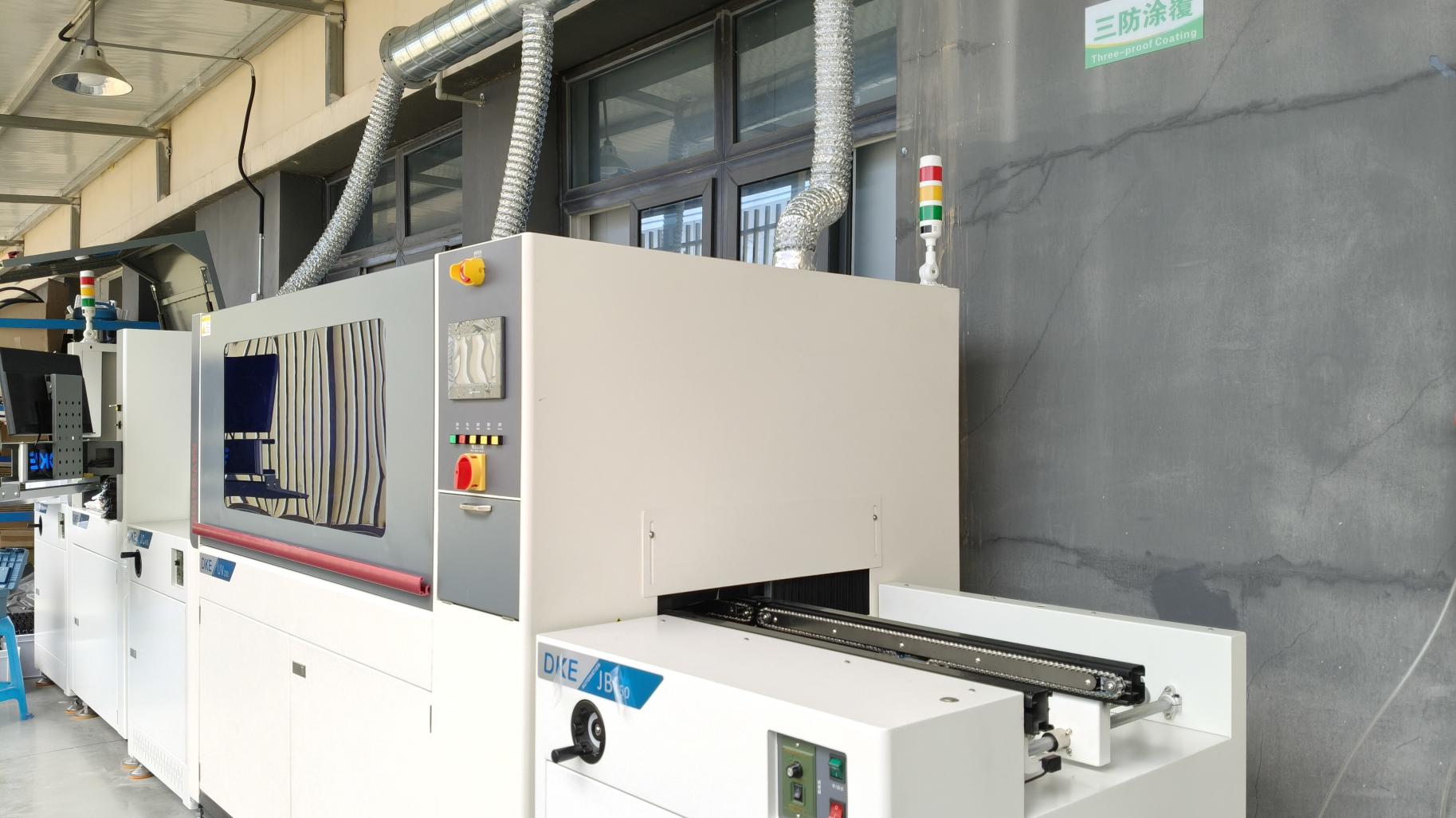
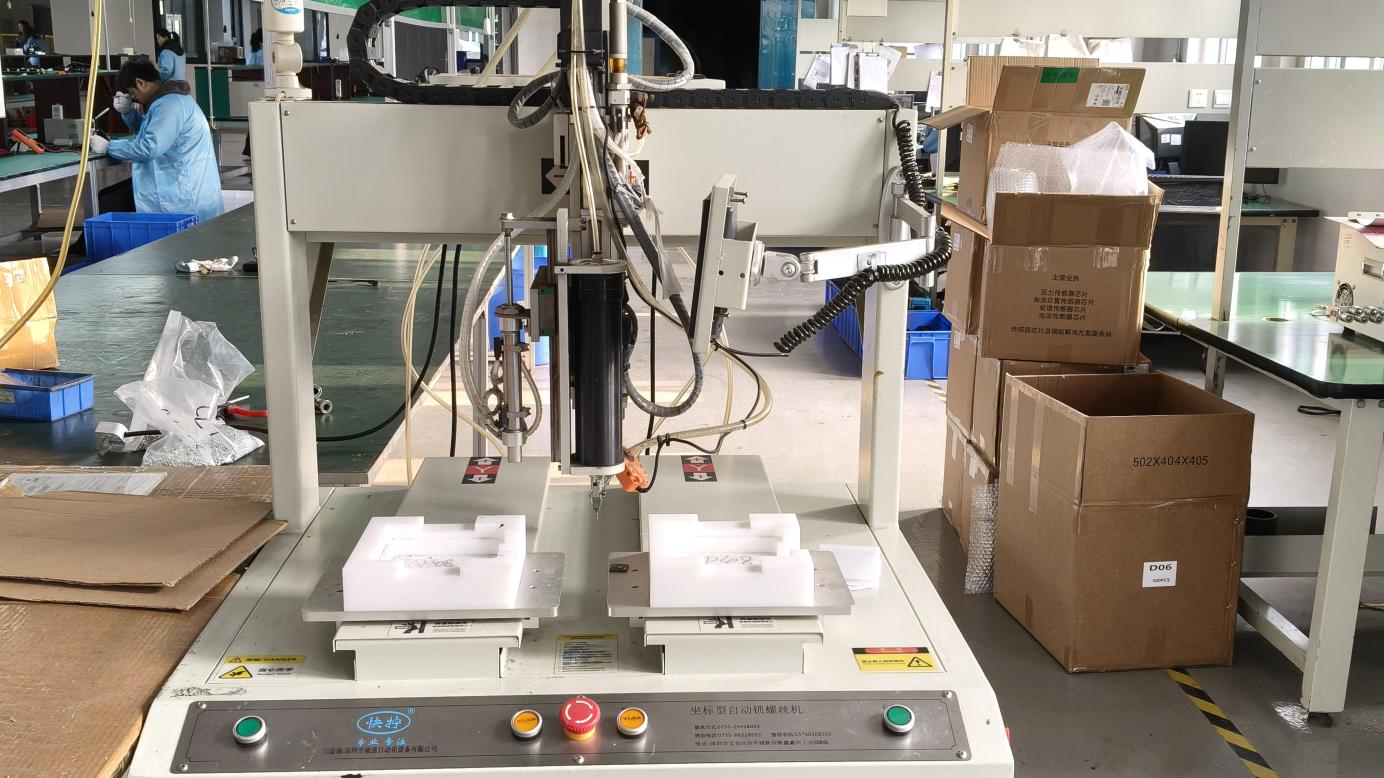
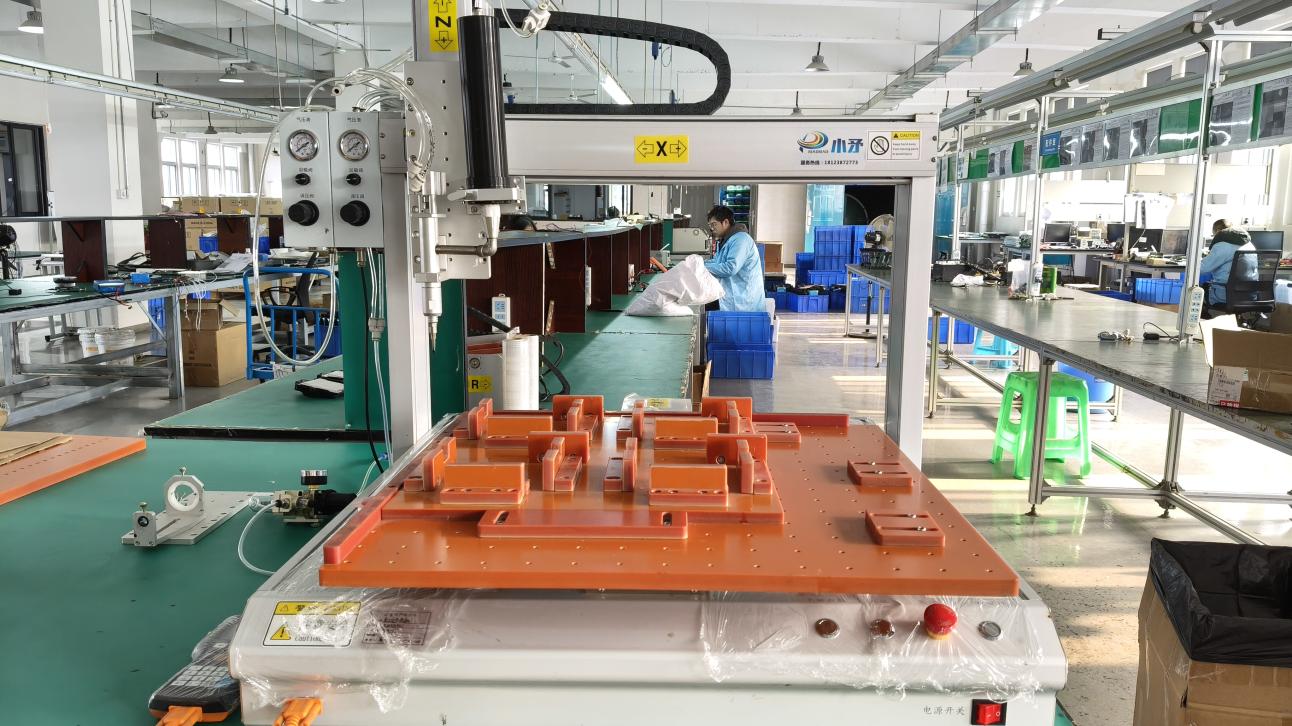
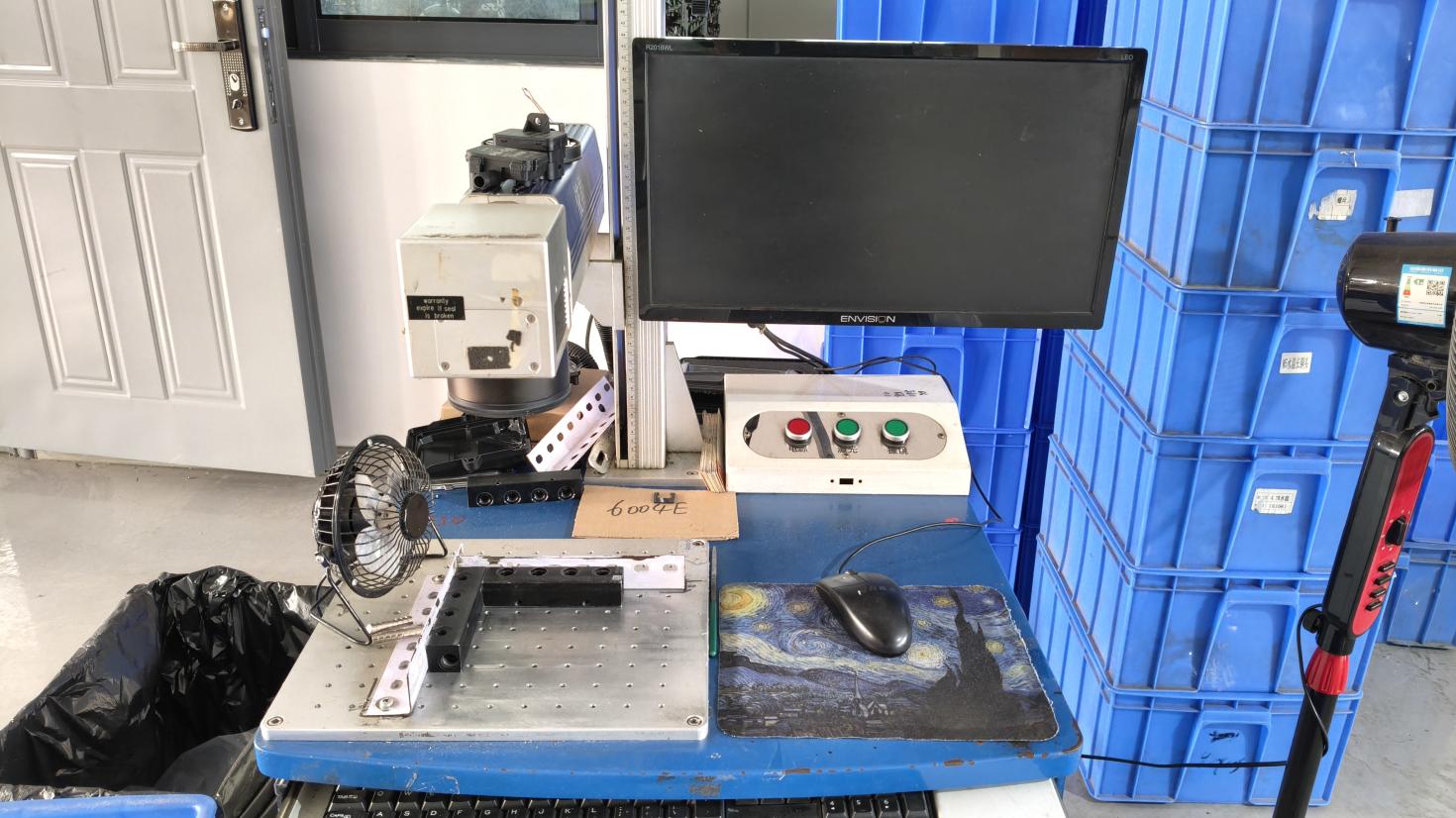
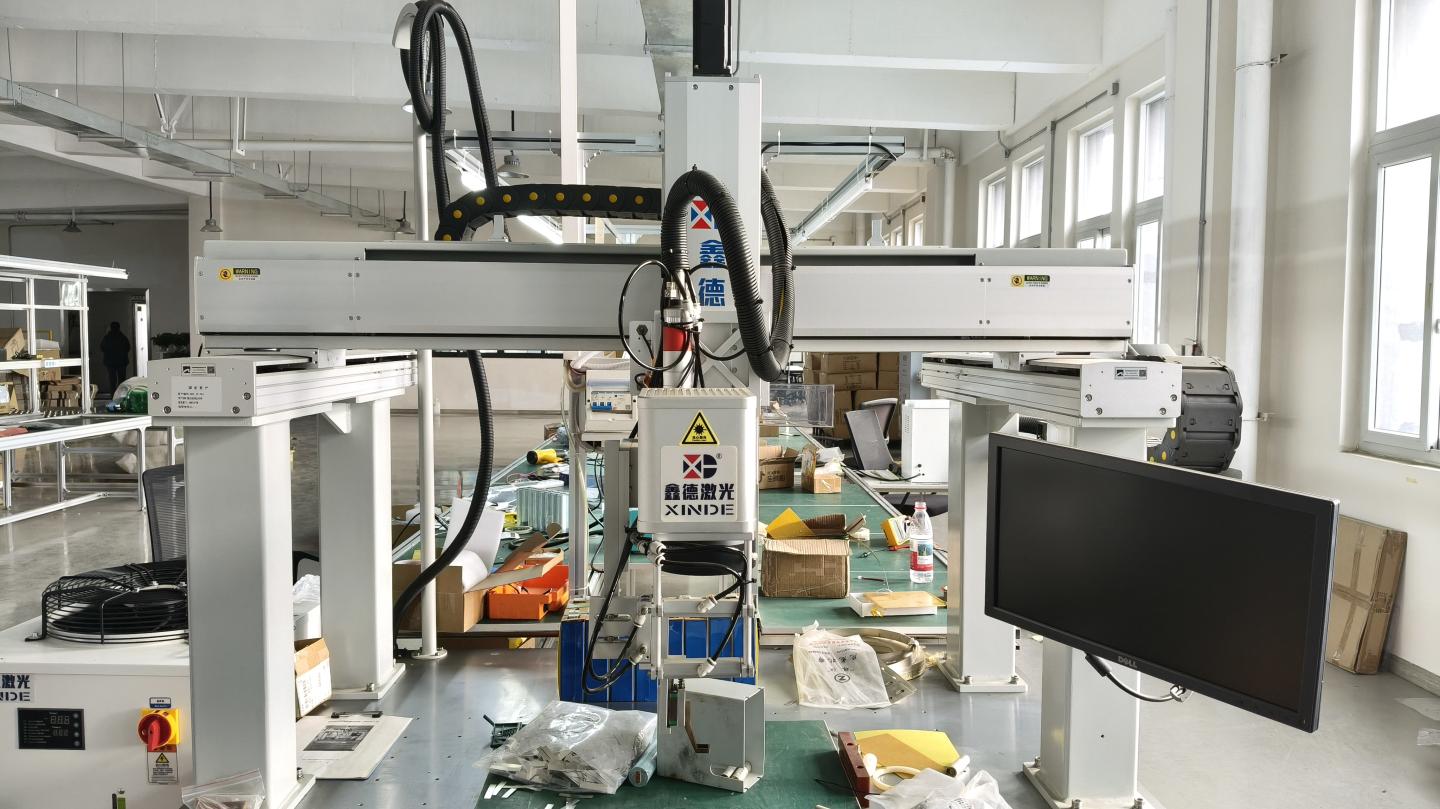
With continuous investment in advanced manufacturing technology, our plant is equipped with modern production facilities, including CNC bending machines, automatic submerged arc welding systems, high-speed laser cutting equipment, electrostatic powder coating lines, fluorocarbon painting lines, and precision environmental testing labs. Supported by multiple automated assembly lines and an expert technical team, we provide efficient production, stable output quality, and reliable global project delivery.
Our facility maintains the highest industrial certifications, including ISO9001 Quality Management System, ISO14001 Environmental Management System, and global safety listings including CE, CCC, and CQC. We have specialized engineering capabilities to design systems tailored for local Japanese requirements, such as heavy wind-resistance structures for typhoons and corrosion-resistant marine alloys.
Every batch of our solar floodlights undergoes rigorous performance validations. This includes comprehensive SMT testing for high-efficacy LED placement, multi-hour environmental chamber testing (hot/cold cycle simulations), and automated wave-soldering checking to guarantee electrical reliability under structural vibration.
Our factory team regularly supports OEM and ODM integrations for commercial partners. From specific architectural configurations to unique battery backup capacity demands, our engineering staff handles full design rendering, structural calculation, and custom optical configuration.
Aligning with JIS, PSE requirements, and regional Kansai maritime installation challenges.
For solar lighting packages integrated with auxiliary AC charging mechanisms, complying with Japan’s Denan Law (PSE Certificate framework) is an essential requirement. Our electronics configurations undergo comprehensive certification to ensure electrical protection against short circuits and surge damage from lightning strikes.
Our battery packs feature integrated Battery Management Systems (BMS) with high-precision cell balancing. Temperature-activated switches prevent charging below 0°C or discharging above 60°C, aligning with safe operational parameters requested by Japanese public works authorities.
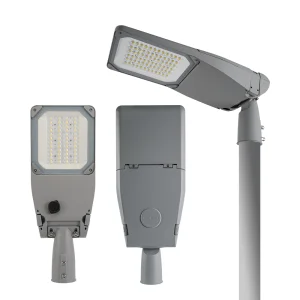
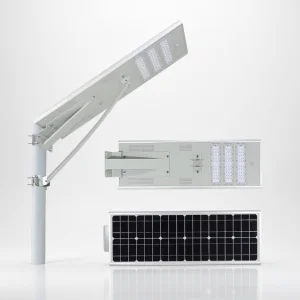
The Kansai region is historically vulnerable to major typhoon landfalls. Standard industrial installations must calculate safety factors using Japanese Industrial Standards (JIS C 8105 series). Our solar streetlights and floodlight support brackets are built utilizing premium Q235 structural steel and calculated to withstand gust velocities up to 60m/s.
Finite Element Method (FEM) analysis is performed on all heavy-duty mounting arms to confirm that structural vibration will not cause mechanical failure over a 15-year operational lifecycle.
Pioneering high-density storage, smart loT integrations, and N-Type solar cell efficiencies.
Transitioning to double-sided solar panels to capture albedo reflectance from concrete road surfaces and adjacent metal roofs. Elevates generation capacity by up to 20%.
Developing integrated smart city transceiver nodes allowing central control panels to monitor battery health, load profiles, and dimming settings remotely.
Targeting high-safety energy cells that eliminates liquid electrolyte degradation, maintaining up to 90% charge capability even under sub-zero winter temperatures.
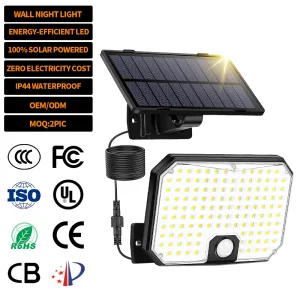
Fully compliant outdoor solar installations configured for urban development, logistics hubs, and residential zones.
Key information regarding Japanese certification, marine environments, and manufacturing specifications.
Partner with a leading manufacturer supplying compliant, high-reliability solar floodlights tailored for Osaka's commercial and industrial landscape.
 OneAll Lights