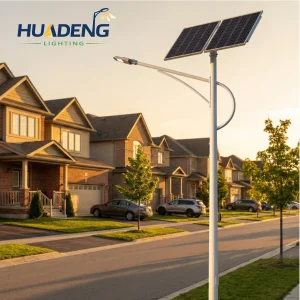
Split Solar Street Light Supplier & Suppliers for the Boston Market

Engineering Heavy-Duty, Cold-Resistant, and High-Performance Split Solar Lighting Systems Tailored for New England's Demanding Municipal and Industrial Landscapes.

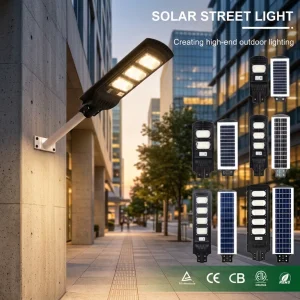
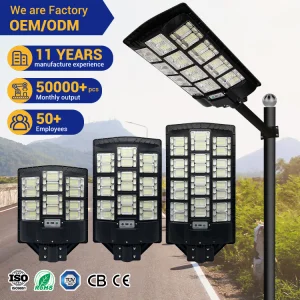
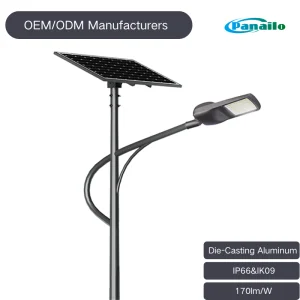
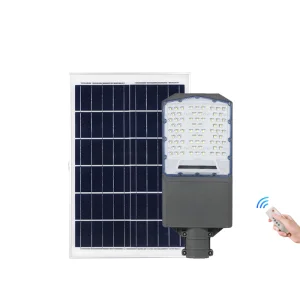
Featured Boston-Spec Split Solar Lighting Systems

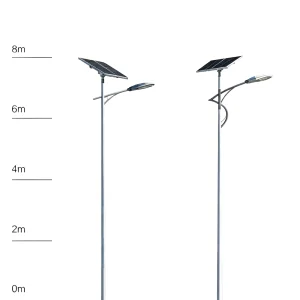
Configured specifically for northern latitudes, offering optimized tilt angles and robust component spacing to withstand high wind loads and sub-zero winter temperatures.

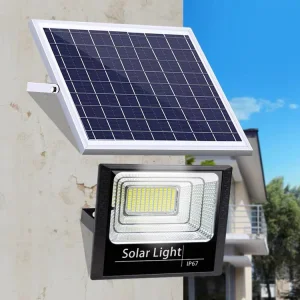
Smart sensor dimming, ideal for Boston neighborhood paths and public parks.
Industrial high-lumen output optimized with external high-capacity LiFePO4 batteries.
Hot-dip galvanized steel pole structurally rated for Massachusetts coastal wind loads.
Integrated surge protection and dustproof enclosure designed for harsh winter salt air.

Boston Solar Lighting Dynamics: Localized Climate Challenges & Technical Demands

The transition toward carbon neutrality and smart-city infrastructure has positioned municipal administrators, commercial developers, and roadway engineers in Boston, Massachusetts, at a critical juncture. Under the City of Boston’s Climate Action Plan and Massachusetts’ statewide Net-Zero initiatives, public and private outdoor lighting systems must align with stringent energy-efficiency standards. However, installing solar-powered lighting systems in Boston is not a one-size-fits-all endeavor.

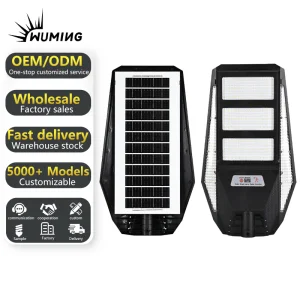
Unlike southern climates with abundant solar irradiance and stable weather patterns, Boston presents complex challenges: high-latitude angles (42.36° N), heavy snowfall, frequent freeze-thaw cycles, coastal Nor'easters bringing extreme wind loads (up to AASHTO 110 mph standards), and urban shading from historic structures and mature foliage. Integrated "All-in-One" solar lights often underperform in this environment because their fixed horizontal solar panels cannot be adjusted to optimize sun exposure or shed heavy snow accumulation.

42.3°N
Boston Latitude Angle
110 mph
Coastal Wind Load Rating
-15°F
LiFePO4 Extreme Temp Limit
22%+
Mono-Si Cell Efficiency

Why Split Solar Street Lights Excel in New England

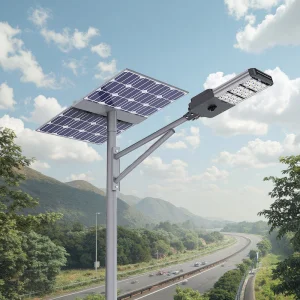
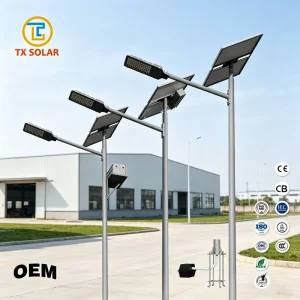
Split solar street lights resolve the constraints of integrated systems by detaching the solar photovoltaic (PV) panel, the LED light head, and the battery enclosure. This structural separation allows engineers to:

  • Optimize PV Tilt Angles: Tilt the solar panel at the optimal 45° to 50° facing due south to maximize winter solar harvesting, while the LED head is oriented to satisfy NEMA roadway illumination requirements.
  • Enhance Snow-Shedding Dynamics: The steeper tilt angle allows heavy New England snow to slide off naturally, preventing light failure and structural fatigue.
  • Protect Battery Lifespan: Relocate battery storage to the base of the pole or underground, insulating it from Boston's sub-zero winter temperatures, which drastically reduces capacity loss in standard lithium-ion chemistries.
Feature / Parameter Integrated (All-in-One) Solar Lights Heavy-Duty Split Solar Lights (Boston Spec)
Solar Panel Positioning Fixed (usually horizontal, parallel to the road) Fully adjustable (0°-60° tilt, 360° rotation)
Winter Irradiance Yield Low (severe loss due to snow cover & shallow angle) High (optimal angle facing south, self-cleaning)
Wind Load Durability High profile creates sail effect on light head Separated aerodynamics, engineered steel structures
Battery Thermal Performance Exposed to extreme heat and cold in head Insulated ground boxes or lower pole mounting options
Power Scaling Limits Typically restricted to <100W real LED power Flexible up to 1500W equivalent high-mast project levels

Yangzhou OneAll Lights Co., Ltd. - Global Manufacturing & Supply Powerhouse

Established in 2003 and based in the manufacturing hub of Yangzhou, Jiangsu Province, China, Yangzhou OneAll Lights Co., Ltd. has spent over two decades pioneering advanced outdoor lighting solutions for critical global infrastructure.

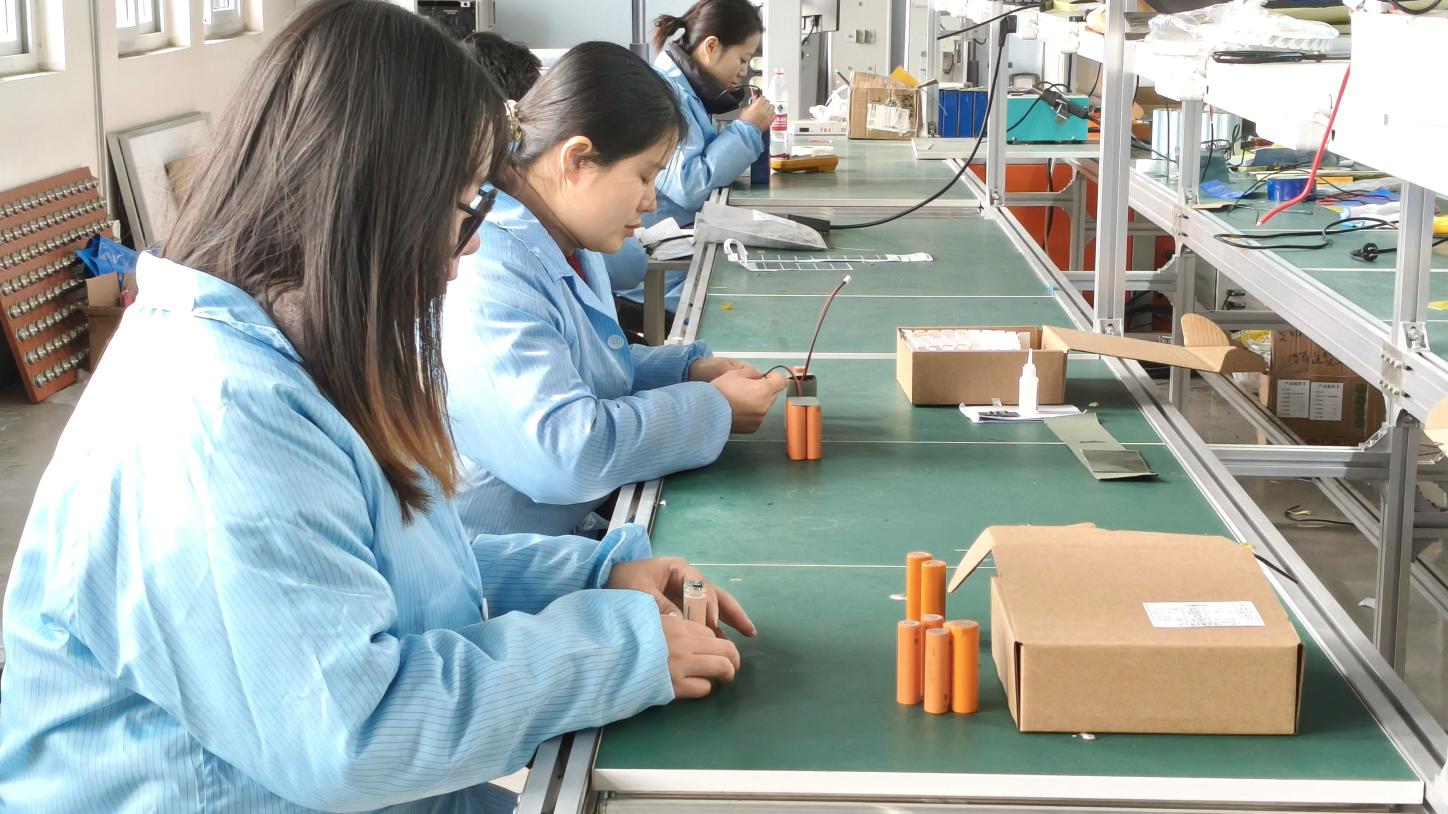
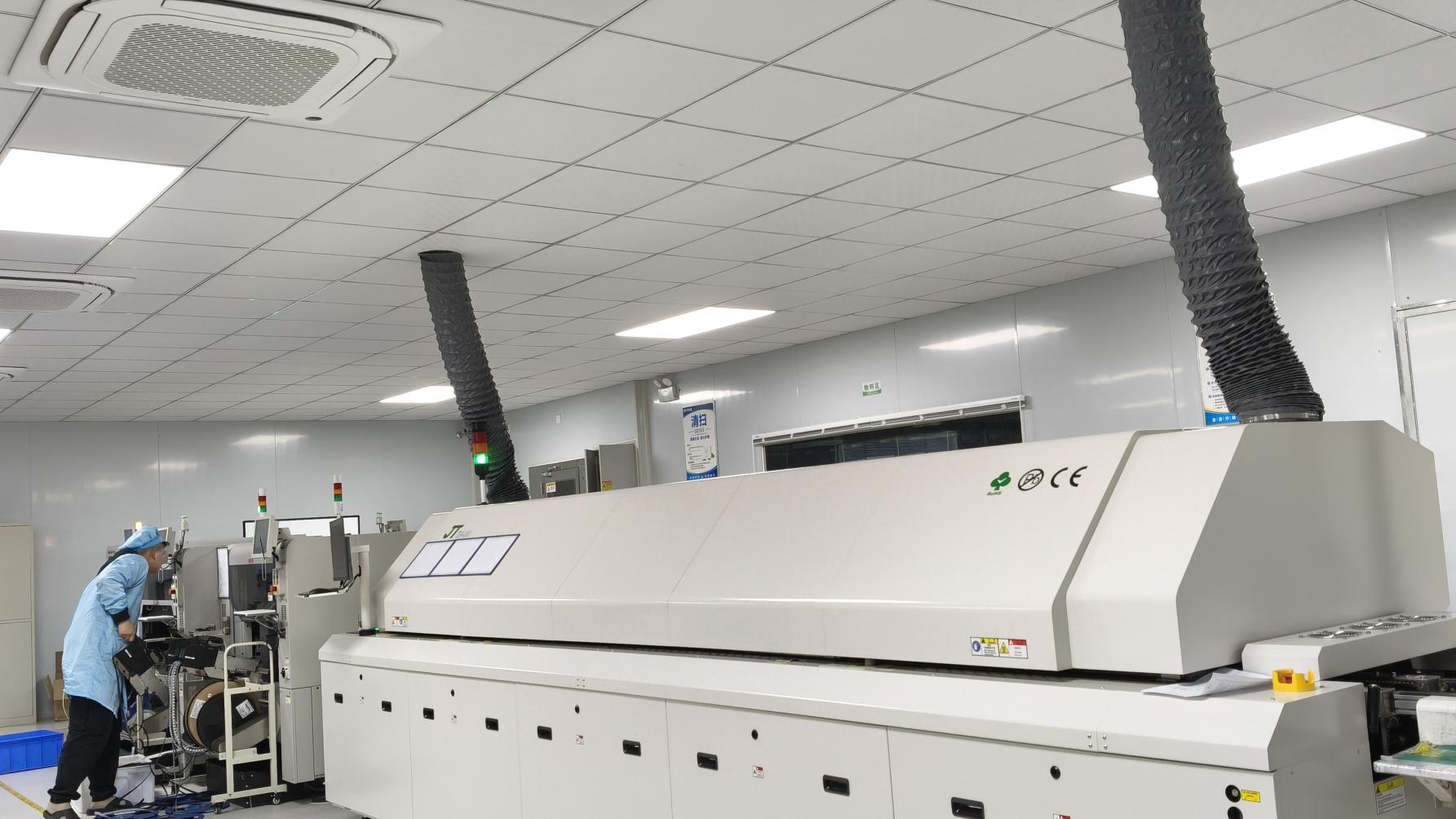
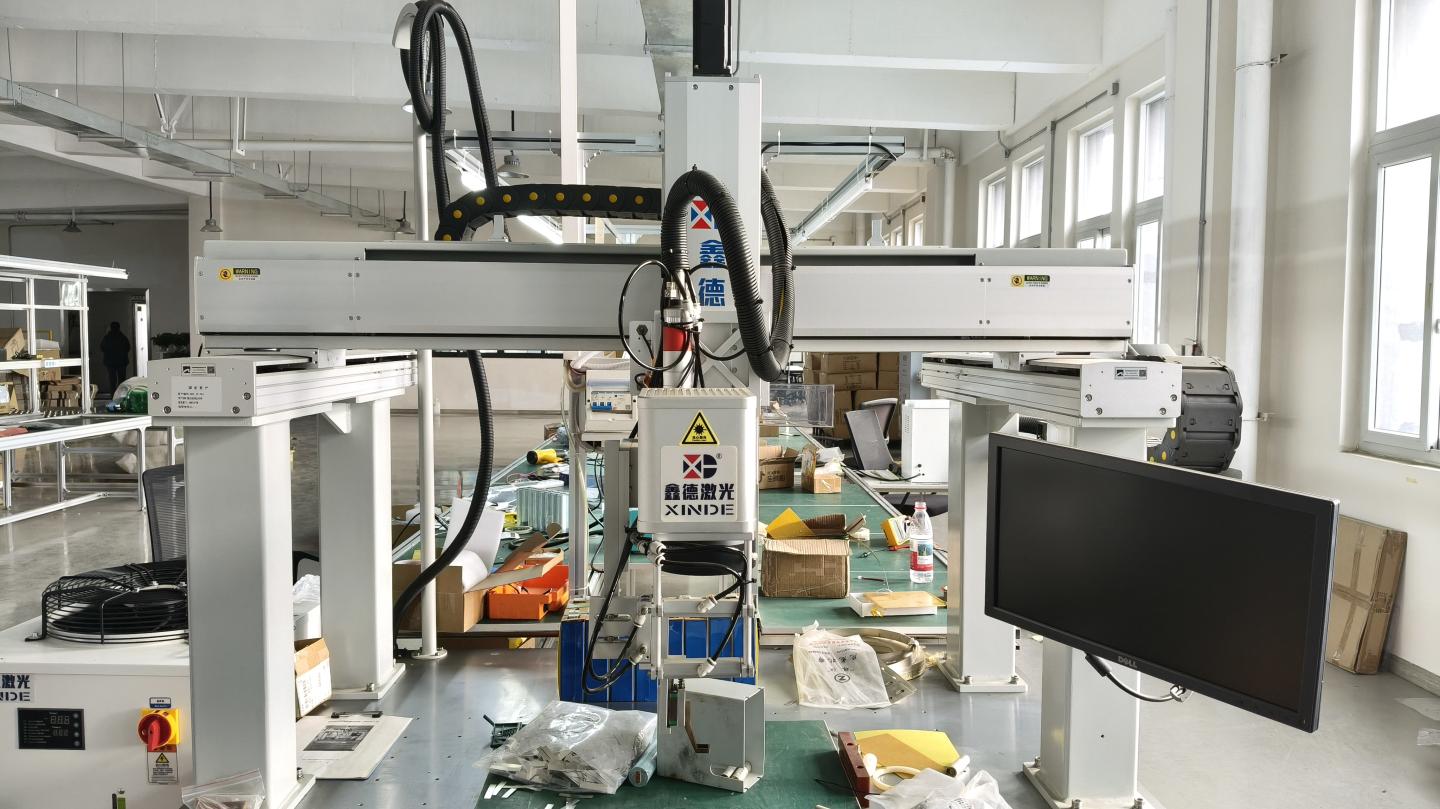
Our expansive production facility is equipped with state-of-the-art CNC bending systems, automated submerged arc welding systems, high-precision laser cutters, electrostatic powder coating lines, and comprehensive environmental testing chambers. By running end-to-end manufacturing workflows—from raw structural steel processing to SMT circuit card assembly and wave soldering—we ensure that every split solar street light delivered to the Boston market meets the highest quality standards.

We are certified under ISO9001:2015, ISO14001:2015, and our products carry international credentials including CE, RoHS, CCC, and CQC. For the North American market, we offer customized solutions designed to comply with local electrical, structural, and wind-safety requirements.

Our Advanced Production Processes

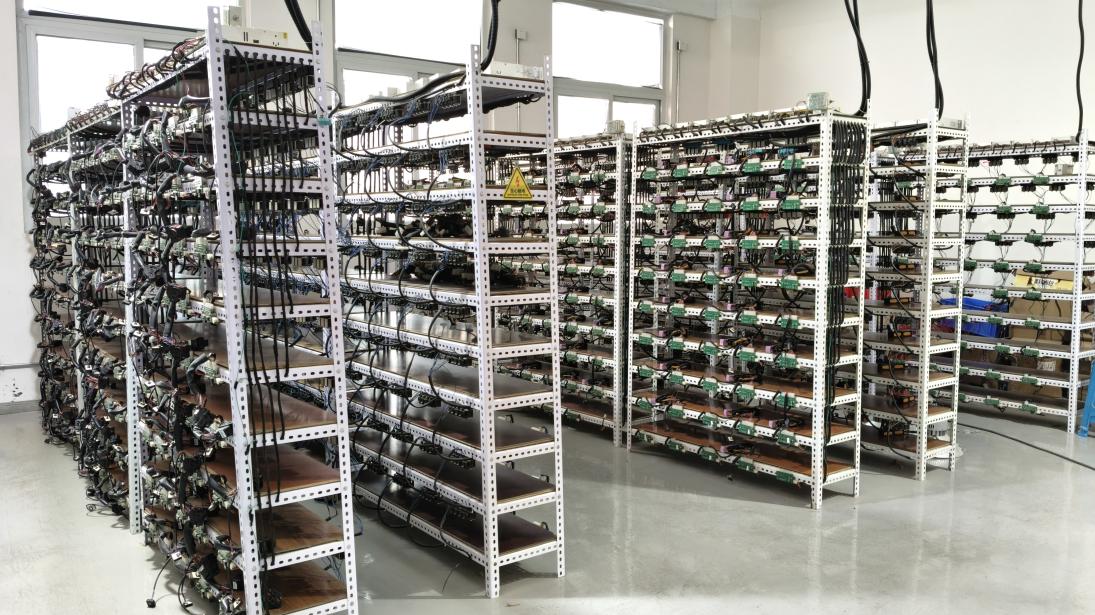
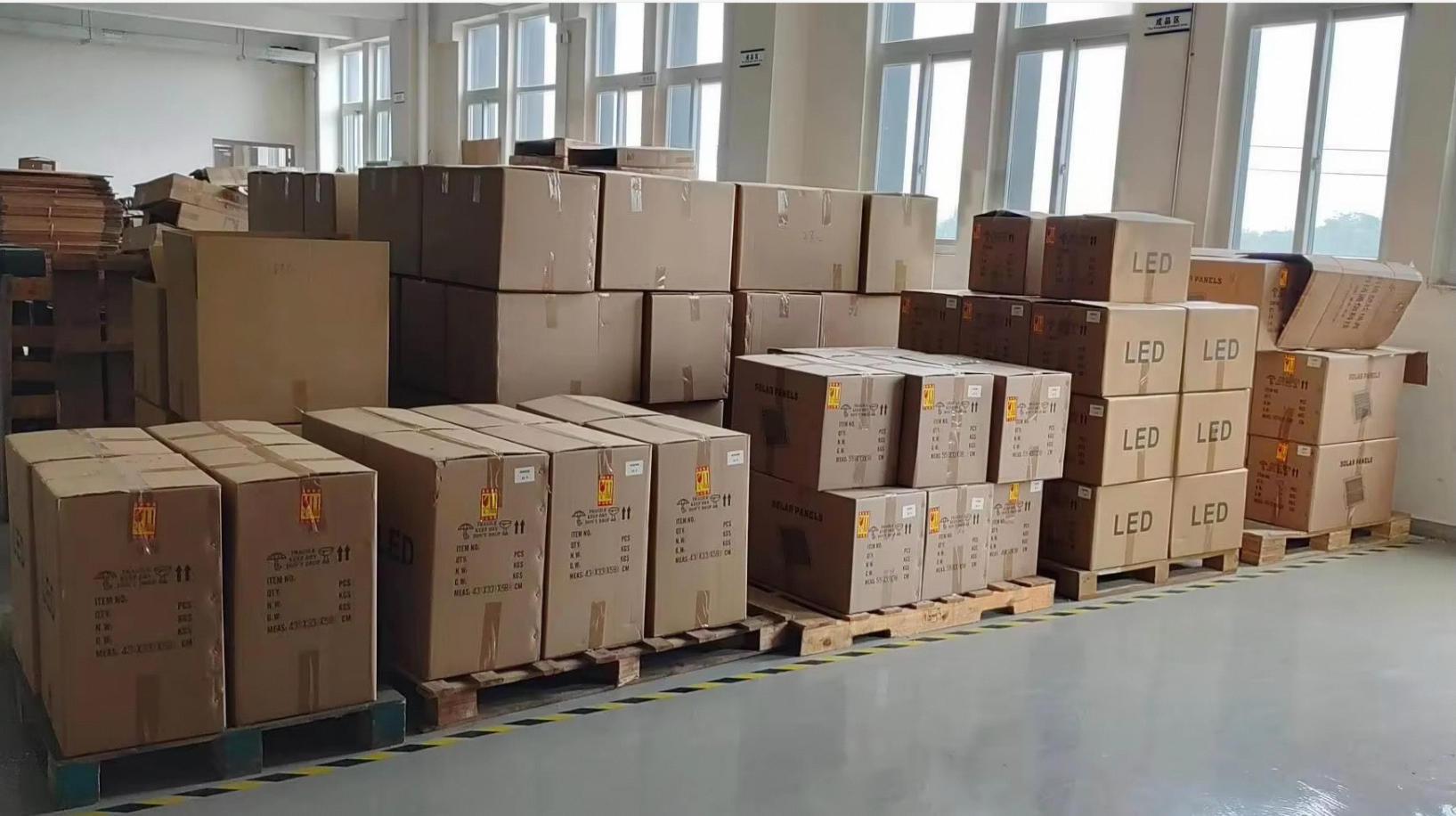
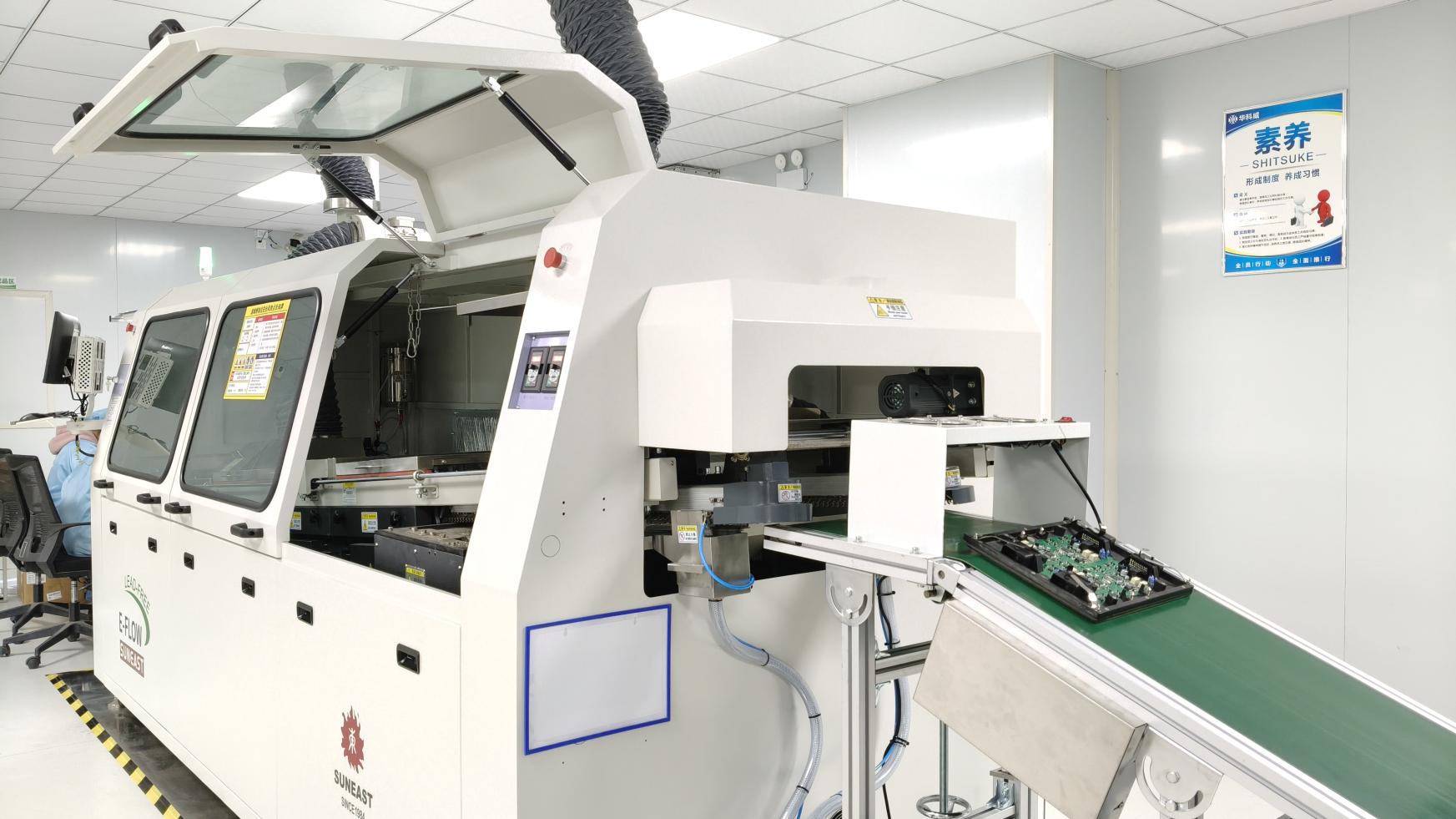
Take an inside look at our 20,000+ sqm manufacturing facility, engineered to produce heavy-duty, marine-grade outdoor lighting poles and intelligent electronic controllers.
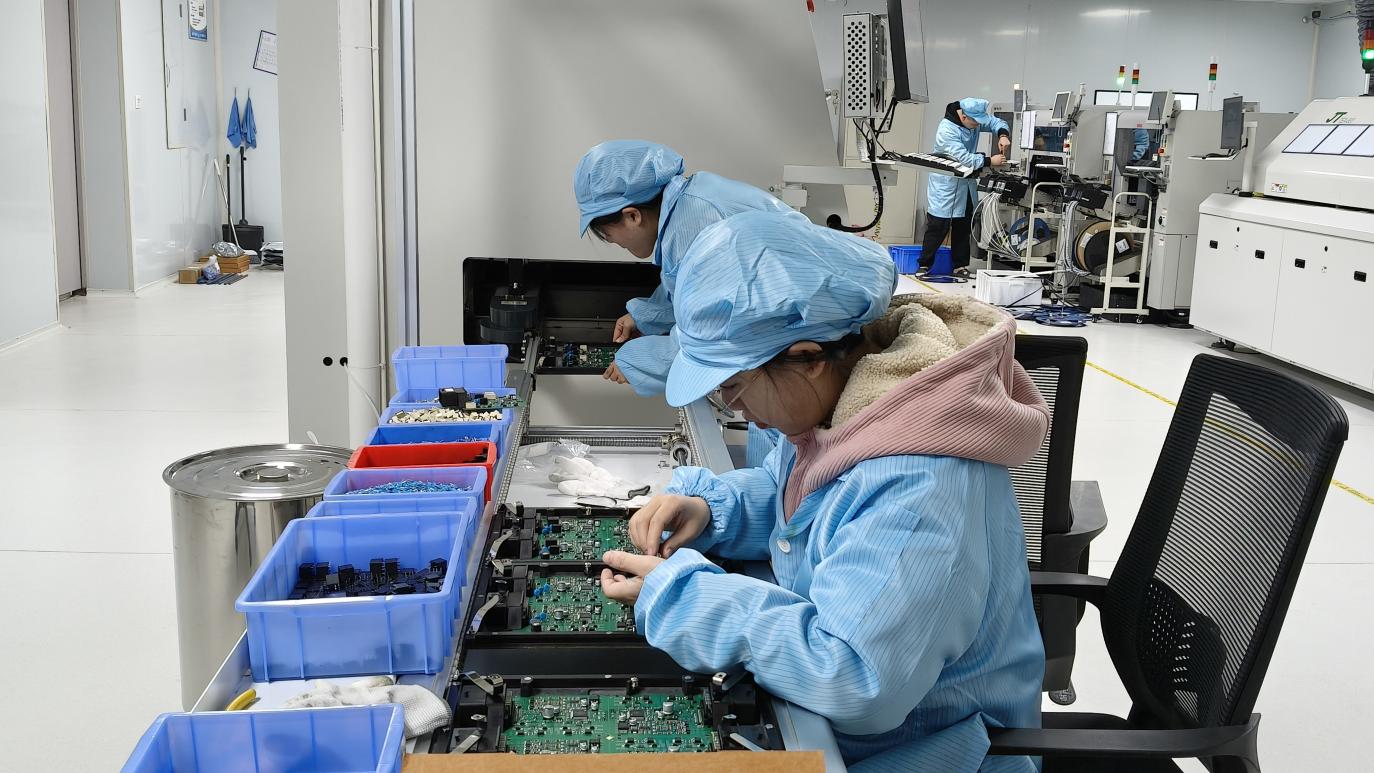
Plug-in Line
Plug-in
Welding Process
Welding
Assembly Process
Assembly
Quality Assembly
Assembly
Aging Testing Room
Aging Testing
Packaging Line
Packing
SMT Production Line
SMT Production Line
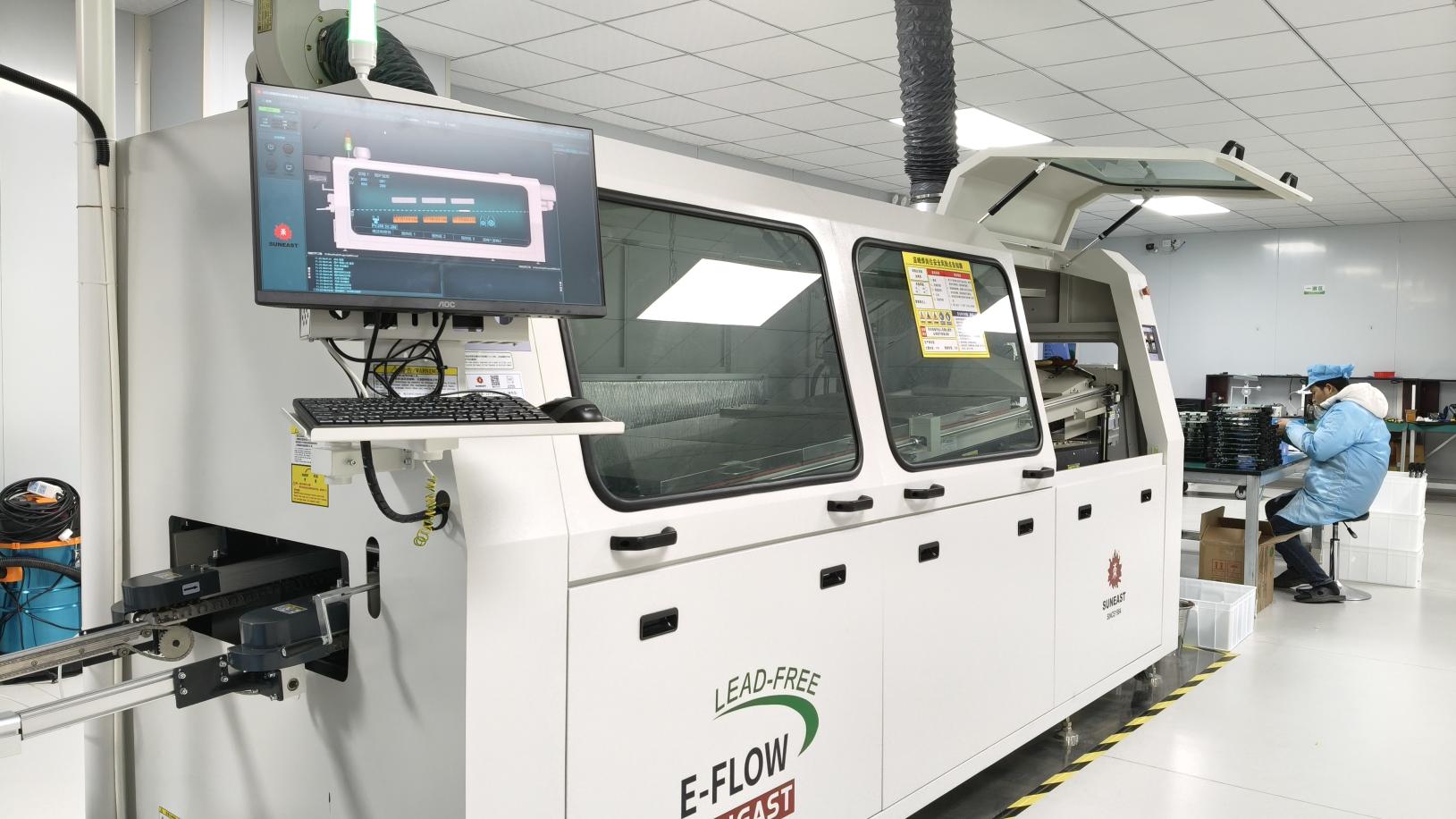
Wave Soldering Machine
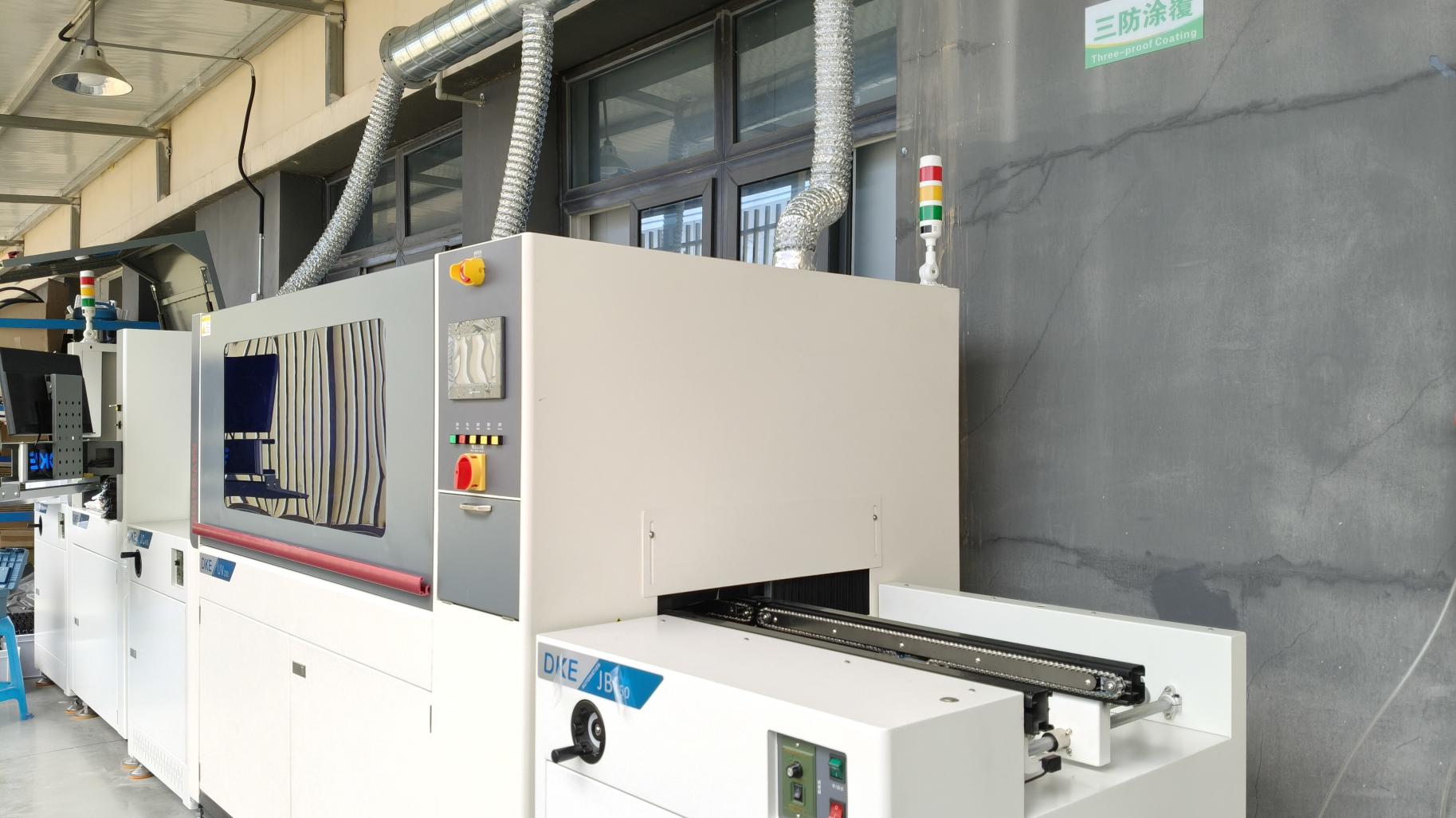
Three-proof Coating Equipment
Three-proof Coating
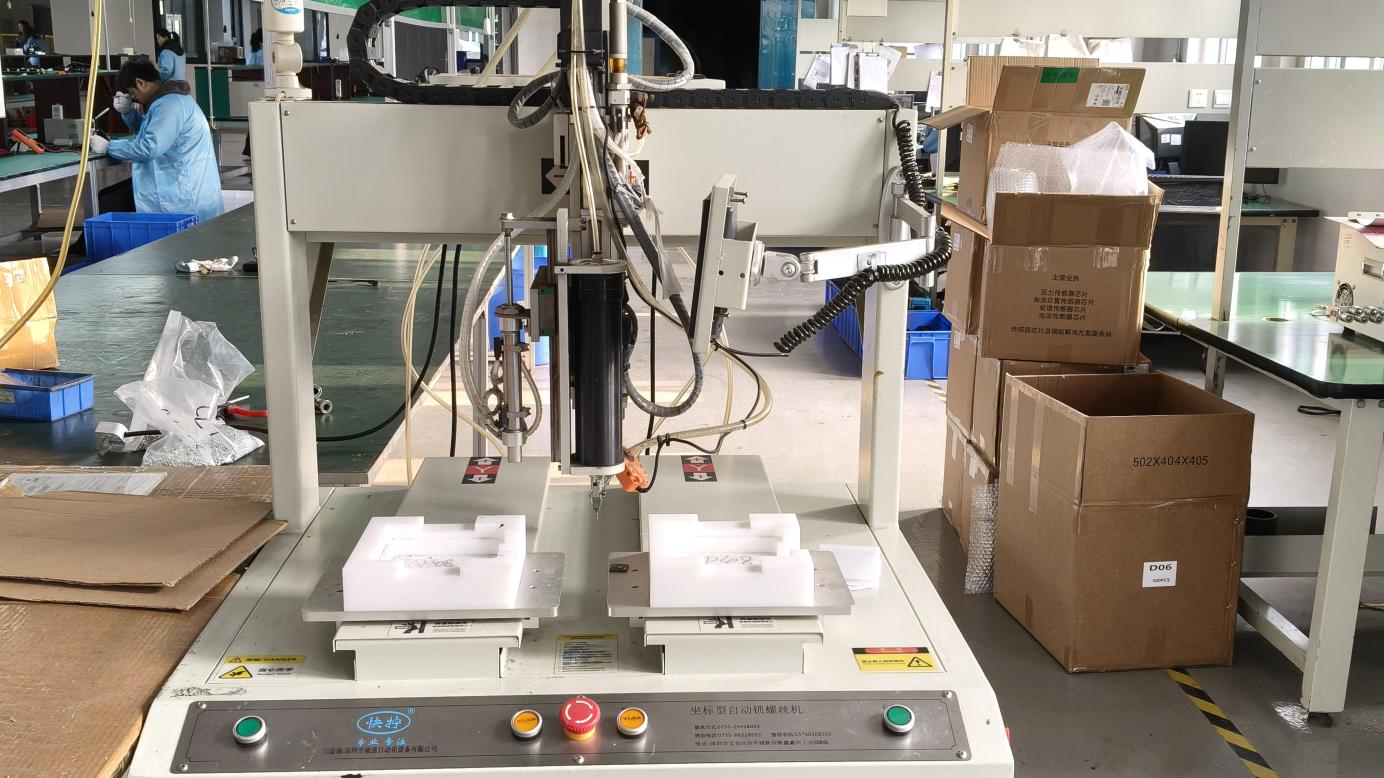
Automatic Screw Locking Machine
Automatic Screw Locking
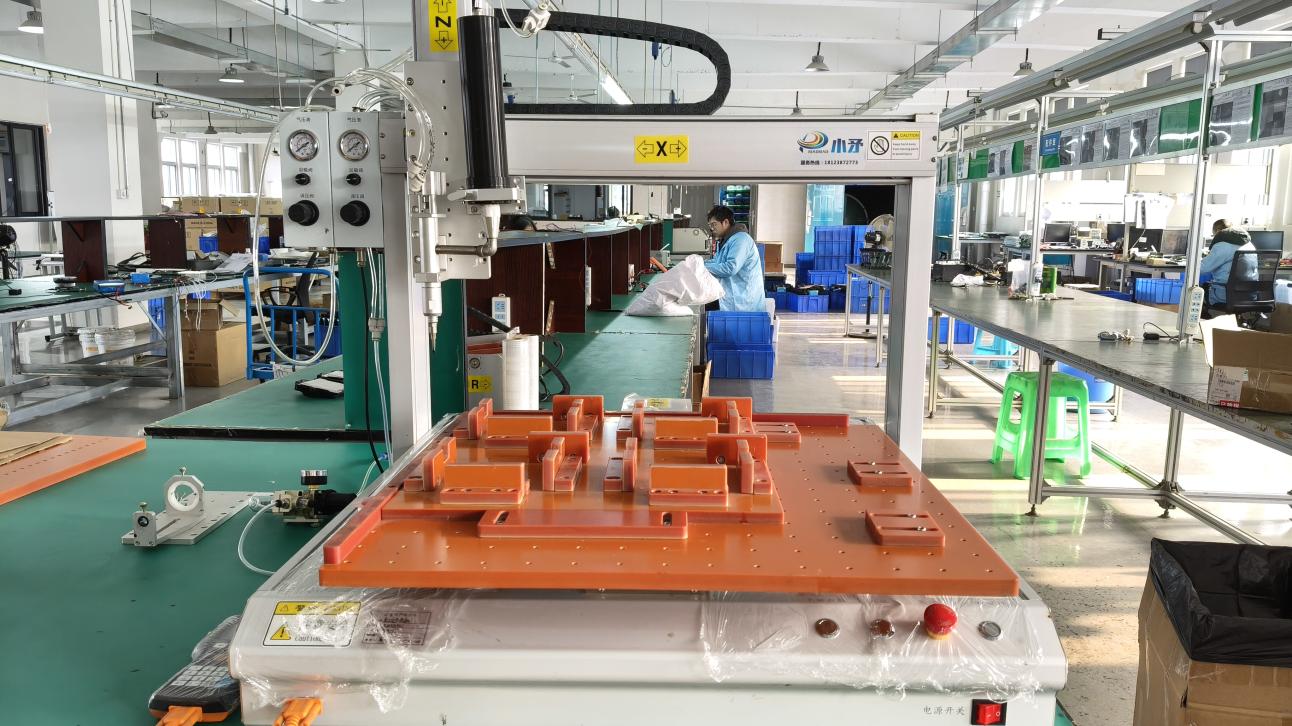
Automatic Gluing Machine
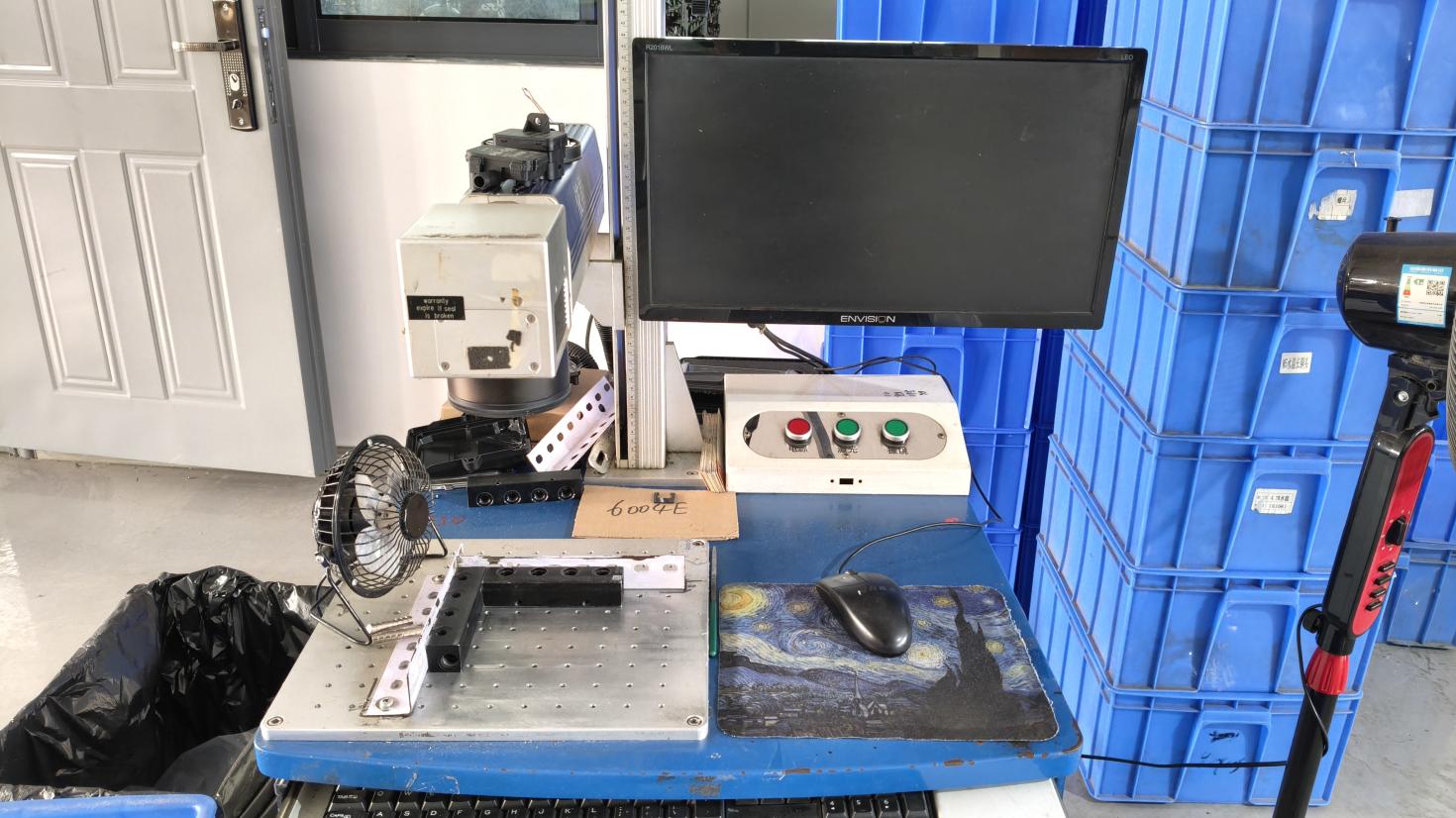
Laser Marking Machine
Welding Machine
Welding Machine

Global Industry Outlook & Technical Roadmap (2025–2030)

The solar street lighting market is transitioning from simple off-grid fixtures to integrated node networks for the Internet of Things (IoT). According to global industrial lighting roadmaps, the major drivers for market growth are high-efficiency photovoltaic materials and next-generation battery management systems.

1. Monocrystalline Silicon vs. Polycrystalline PV Technology

The global shift is decidedly in favor of high-performance monocrystalline silicon solar cells, which now routinely clear 22% conversion efficiency in factory production. For the Boston market, where daytime winter light is short, every percentage point of conversion efficiency counts. Mono-Si maintains superior performance in diffuse light (overcast skies) compared to polycrystalline counterparts, ensuring stable trickle charging under New England's winter clouds.

2. Next-Gen Storage: Lithium Iron Phosphate (LiFePO4) & Solid-State Batteries

Traditional lead-acid and gel batteries have been completely outpaced by LiFePO4 due to their high charge/discharge cycle life (>3,000 cycles at 80% Depth of Discharge) and superior thermal characteristics. To safeguard operations in extreme weather, our engineering team utilizes high-capacity LiFePO4 configurations built into insulated protective boxes. This preserves battery chemistry even when ground temperatures drop below 14°F (-10°C).

3. MPPT Smart Controllers: The Brain of Smart Grid Integration

Maximum Power Point Tracking (MPPT) controllers are non-negotiable for high-latitude applications. They dynamically trace the optimum voltage curve of the solar panels, squeezing up to 30% more energy out of the panel compared to older PWM controllers. Integrated with smart dimming protocols (such as PIR/Microwave motion sensing and time-of-day scheduling), these controllers prevent complete battery depletion even during multi-day storm cycles.

Engineering Solutions for Boston's Micro-Climates

When implementing municipal and commercial lighting within Greater Boston, design engineers must match the system specifications to the local micro-climate:

  • Boston Harbor & Coastal Fronts: Extreme wind loads and marine salt corrosion present severe structural threats. Our split solar lighting columns use hot-dip galvanized steel coated with fluorocarbon painting to withstand marine atmospheric classifications.
  • Downtown Urban Canopies: Multi-story buildings cast deep shadows. Under these conditions, the Split design allows the solar PV array to be mounted at the top of the pole, or offset to a sunlit side, while the light head projects illumination down into shadowed sidewalks and access lanes.
  • Academic Campuses & Residential Paths: Here, Dark Sky compliance (limiting upward light spill) and warm color temperatures (3000K-4000K) are vital. Our LED optical lenses are engineered to focus light strictly on target pathways, minimizing glare.

Full Catalog of Heavy-Duty Split Solar Street Lights

Discover our broader selection of engineering-ready solar lighting systems designed for global deployment and fully customizable for regional codes.

Cost-effective, highly reliable design for municipal parks and suburban walkways.
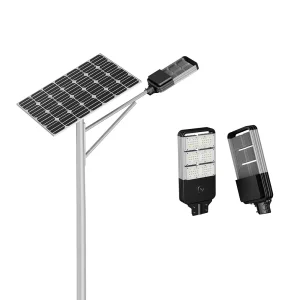
High-grade die-cast aluminum alloy shell with anti-corrosion treatment.
High-efficiency monocrystalline panel yielding up to 25,000 lumens.
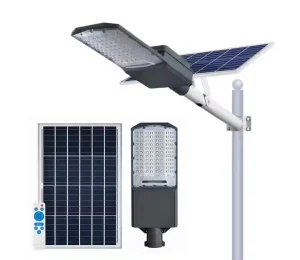
Ultra-high lumen output with integrated remote controls and motion sensors.
Multi-lane highway illumination optical design with low wind coefficient panels.
Heavy-duty construction engineered for municipal tenders and highway upgrades.
Upgraded SMD5054 lamp beads for maximal lumen output per watt.
Reliable split architecture optimized for high cost-performance efficiency.

Frequently Asked Questions (FAQ) for the Boston Market

Q1: Why are split solar street lights preferred over integrated lights in Massachusetts?
Massachusetts is situated at a high latitude (approx. 42.3° N), resulting in shallow winter sun angles. Integrated solar lights with flat-mounted panels do not receive enough direct sunlight in winter. Split solar street lights allow the panel tilt angle to be adjusted to 45°-50°, maximizing winter light capture and encouraging natural snow runoff.
Q2: Can these solar street lights withstand coastal Nor’easters and extreme wind loads?
Yes. Our poles and brackets are engineered from hot-dip galvanized steel compliant with AASHTO wind-loading specifications. They are structurally certified to withstand gusts up to 110 mph, making them highly suitable for the windy coastal regions of Boston and Cape Cod.
Q3: How do the batteries perform in Boston's sub-zero winter temperatures?
We utilize high-performance LiFePO4 batteries equipped with advanced battery management systems (BMS). For locations experiencing extreme ground freeze, we offer insulated battery boxes that can be installed underground below the frost line or mounted high on the pole in thermal casing, maintaining operating efficiency down to -15°F (-26°C).
Q4: Do these systems meet local "Dark Sky" lighting ordinances?
Yes. Our LED fixtures are configured with highly directional optical lenses that focus light downward and outward, preventing upward light spill and glare in compliance with international Dark Sky standards and local city zoning laws.
Q5: What is the typical lead time and shipping process to the Port of Boston?
Standard production lead times range between 20 to 30 days, depending on custom steel pole requirements. Shipping from our facilities in China directly to the Port of Boston or local warehouses takes approximately 30 to 45 days. We provide complete customs clearance documentation and support for US-based projects.