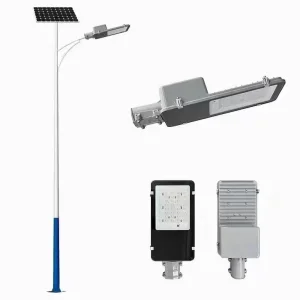
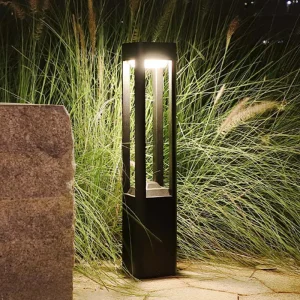
Engineered for extreme performance and environmental adaptability. Browse our primary dynamic sensor solutions below.
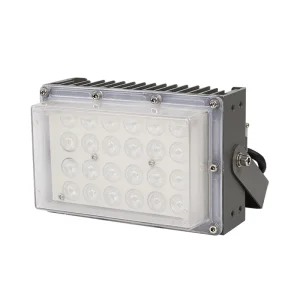
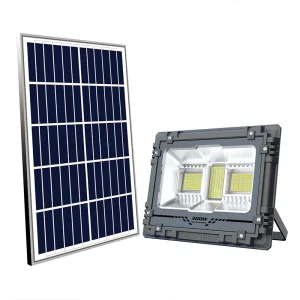
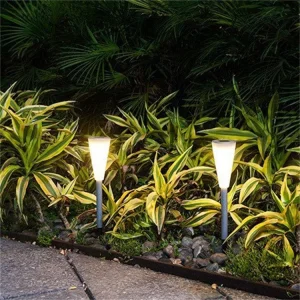
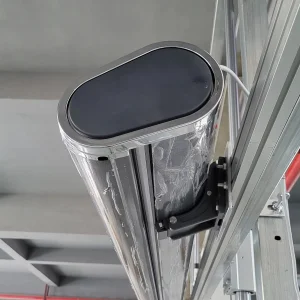
The global outdoor lighting landscape is experiencing an paradigm shift towards localized energy conservation, decarbonization targets, and smart grid systems. In particular, LED floodlights integrated with intelligent motion sensors represent the vanguard of this revolution. Driven by municipal safety initiatives, strict carbon footprint mandates, and rising grid electricity tariffs, commercial and industrial enterprises are systematically phasing out high-pressure sodium (HPS) and metal halide fixtures in favor of adaptive LED systems.
Statistically, the smart outdoor lighting market is projected to reach USD 21.2 billion by 2028, growing at a compound annual growth rate (CAGR) of over 15.6%. Motion sensor integrated systems represent the fastest-growing segment. China, as the powerhouse of global optoelectronic manufacturing, supplies over 75% of the global demand, maintaining its competitive advantage through advanced component assembly, SMT lines automation, and continuous optimization of cost-to-lumen ratios.
"Modern smart floodlights are no longer just illumination sources; they are remote edge-computing nodes that execute motion profiling, ambient light harvesting, and dynamic driver regulation to drop operational costs by up to 80%."
Years Industry Experience
Certified Quality System
Highest Lumen Efficiency
Global Export Regions
The progression of motion-sensitive outdoor luminaires from basic electrical circuits to IoT-enabled AI ecosystems.
Conventional Passive Infrared (PIR) sensors trace surface thermal changes. While highly efficient, modern industrial spaces now deploy Microwave Doppler sensors. Microwave radars penetrate plastic covers, wood, dust, and rain, operating reliably up to 15 meters away without ambient temperature degradation.
The core of smart sensors is the dimming driver. DALI 2.0, 0-10V dimming interfaces, and Zhaga connectors allow lighting setups to run at a low glow (10-20% output) at night, instantly ramping up to 100% output upon sensor activation. This keeps components cool and prolongs driver life.
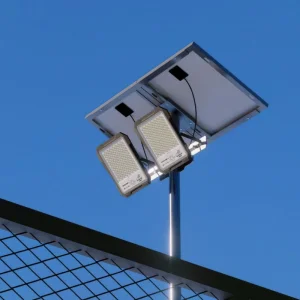
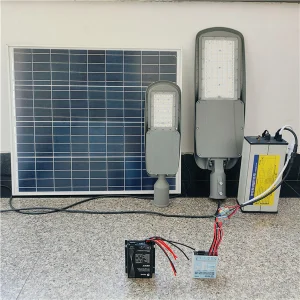
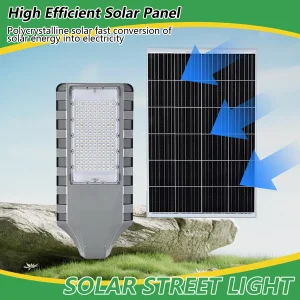
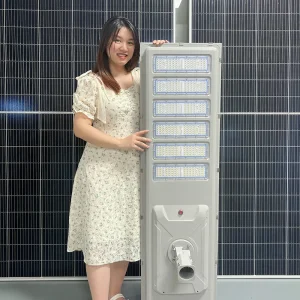
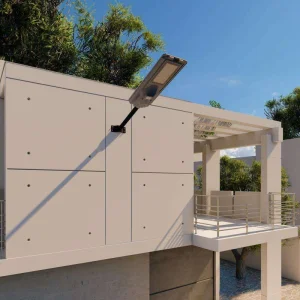
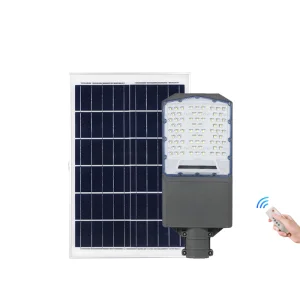
Decentralized off-grid installations rely on LiFePO4 batteries paired with MPPT (Maximum Power Point Tracking) charge controllers. Combining high-efficiency solar cells with motion sensors ensures that lighting remains operational even during consecutive rainy days.
Established in 2003 and situated in Yangzhou, Jiangsu Province—the heartland of China's lighting infrastructure manufacturing—Yangzhou OneAll Lights Co., Ltd. has established over two decades of engineering authority in high-performance outdoor luminaires. Our facility operates with comprehensive vertical integration to ensure rigorous control at every production stage.
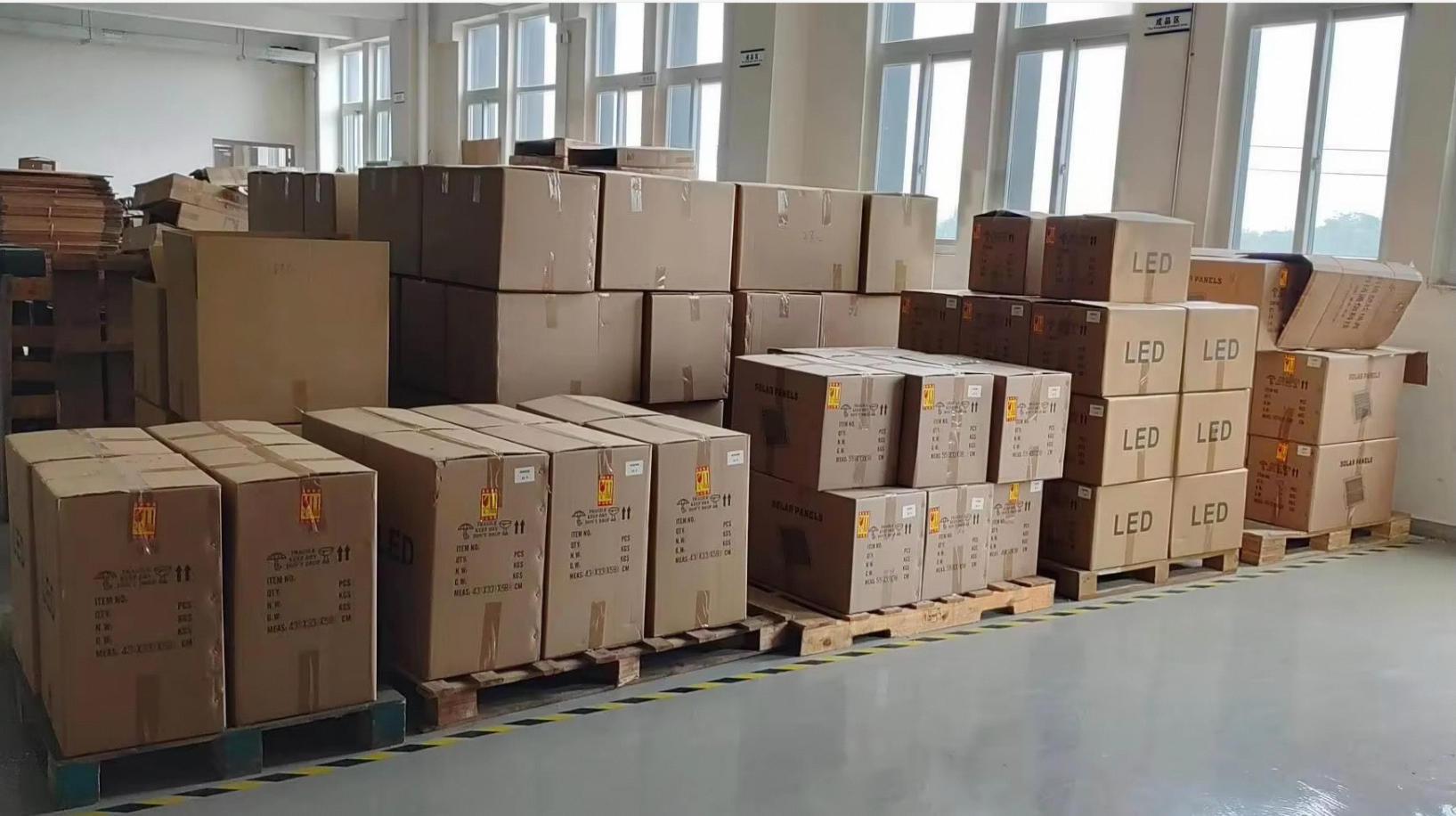
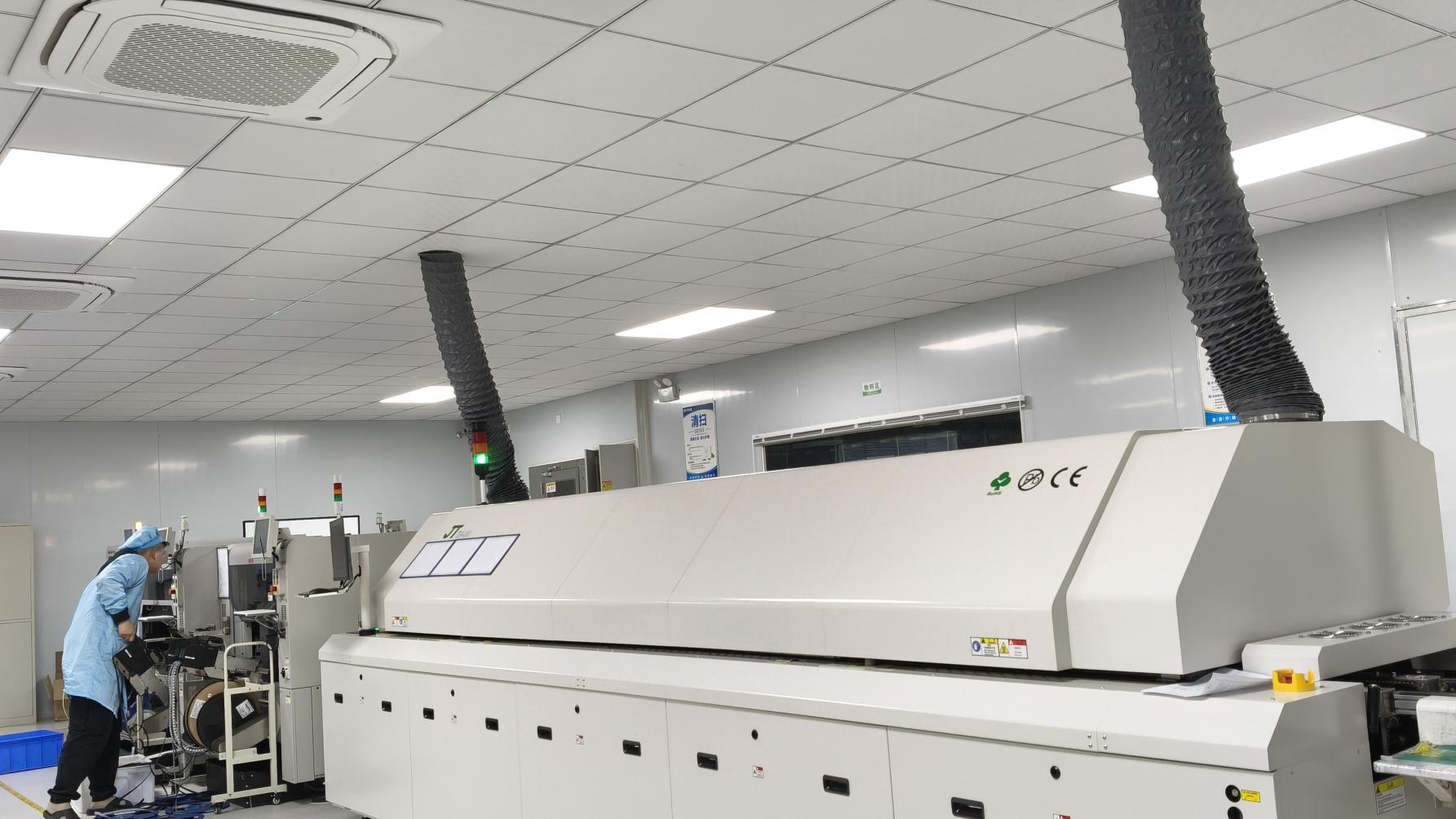
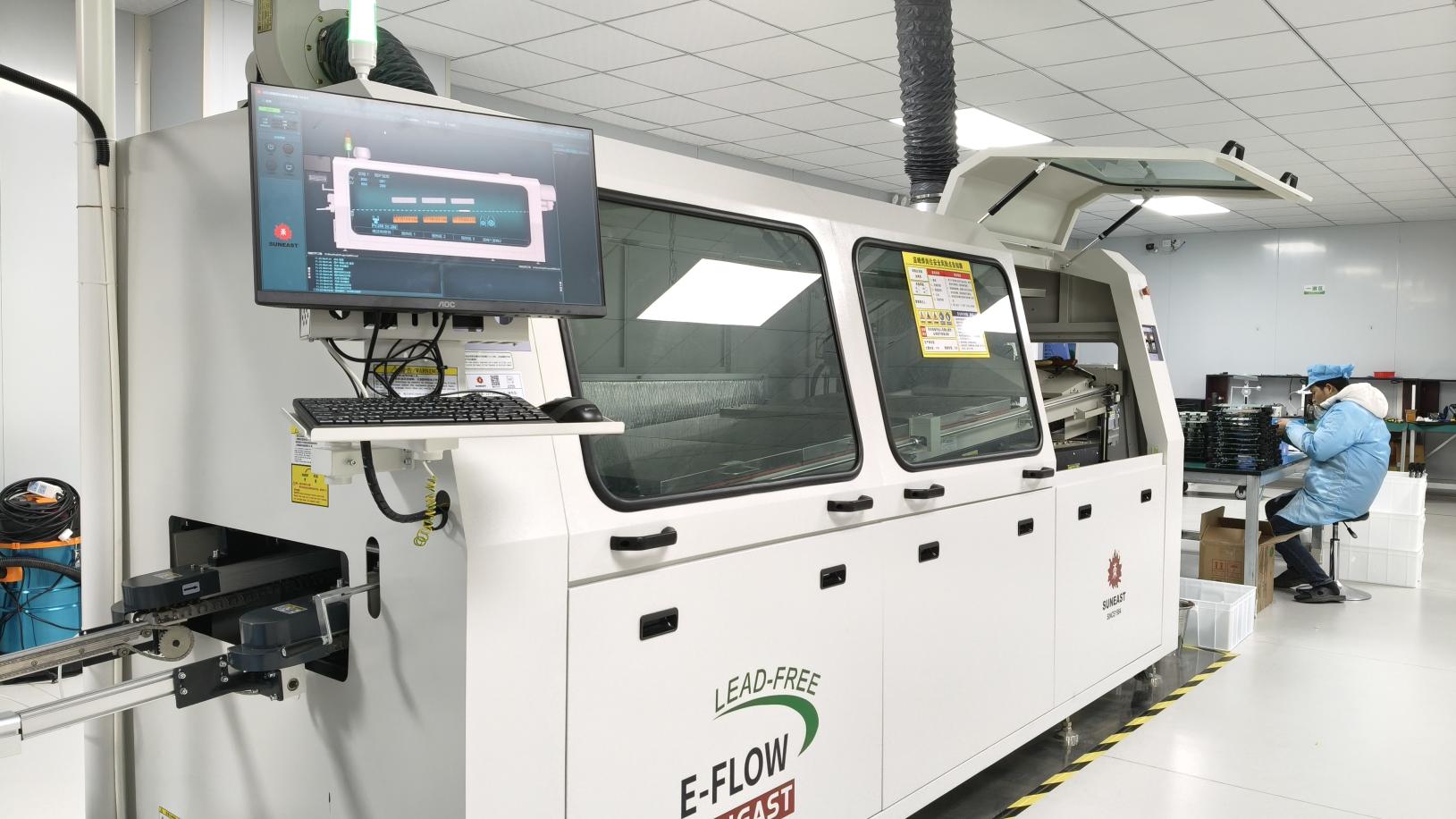
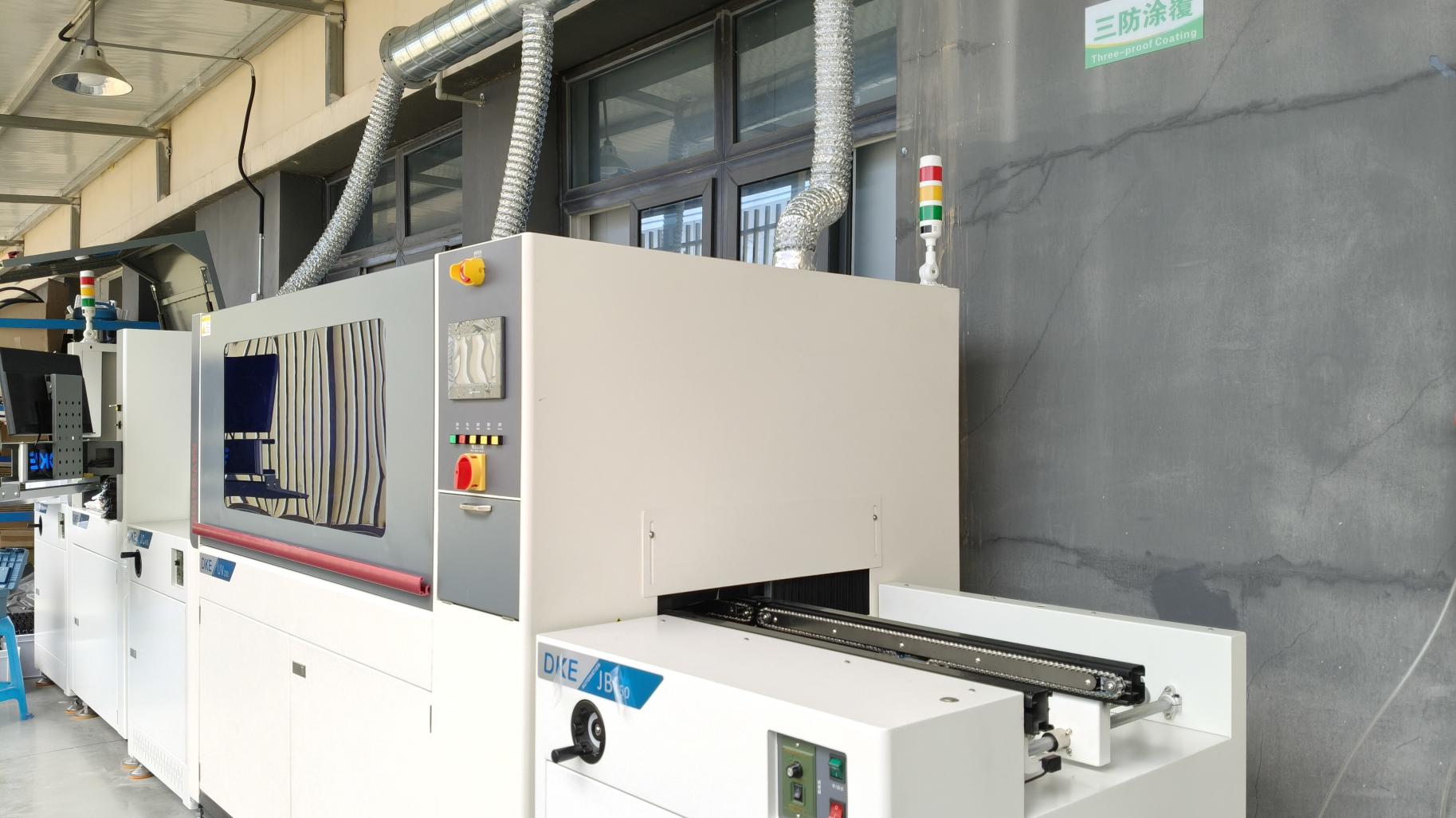
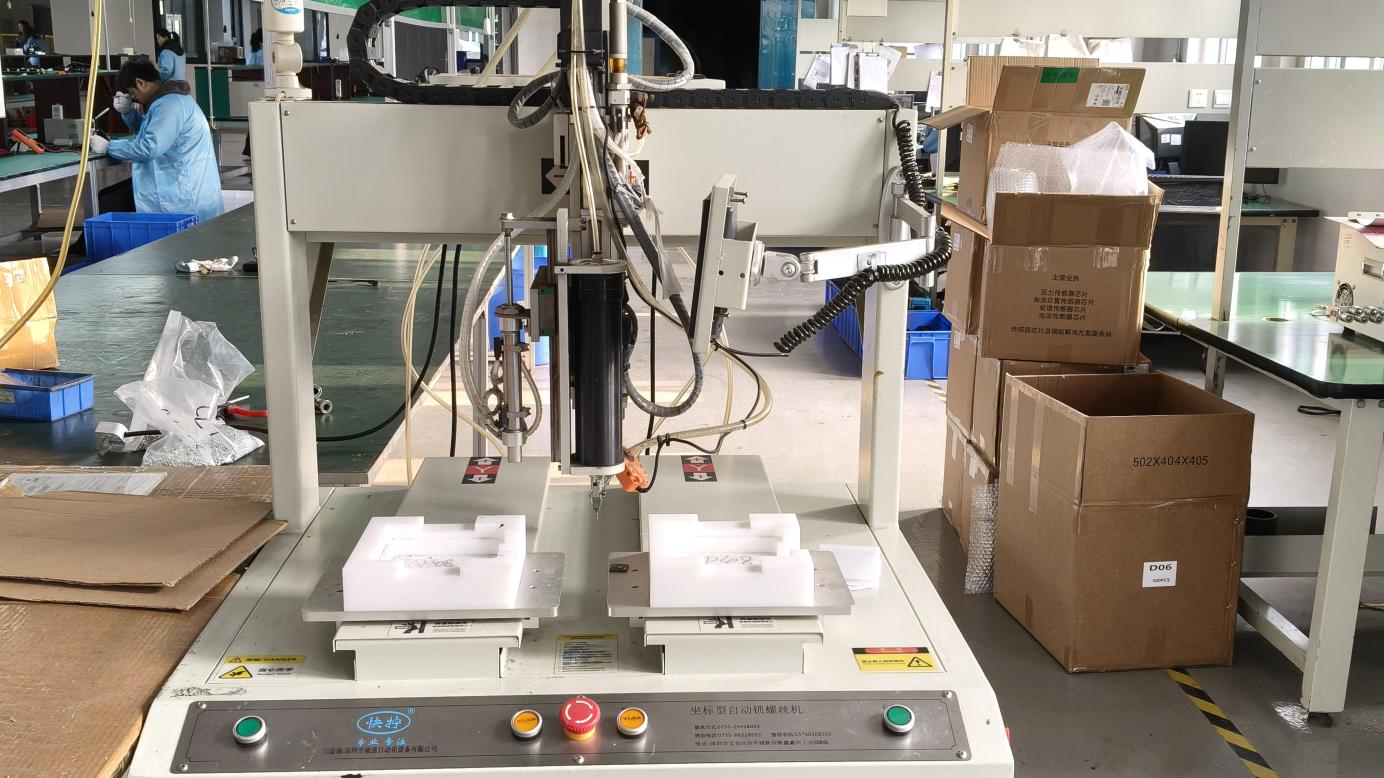
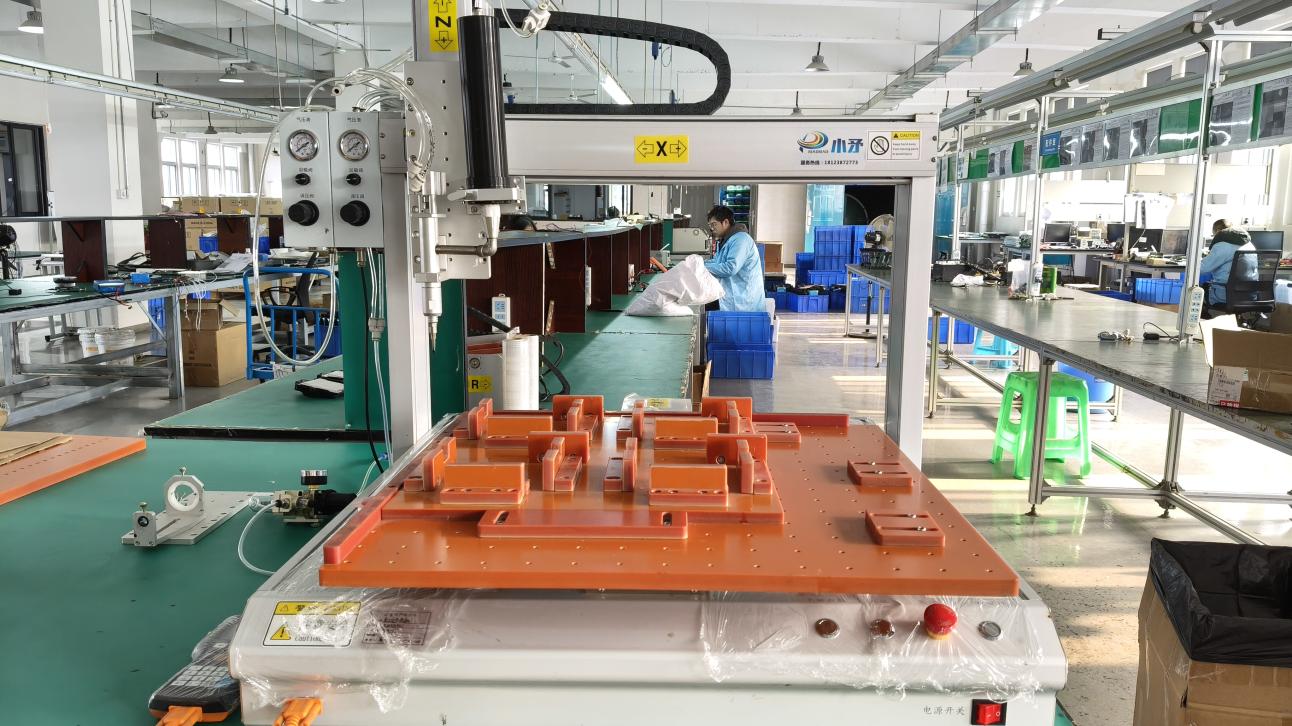
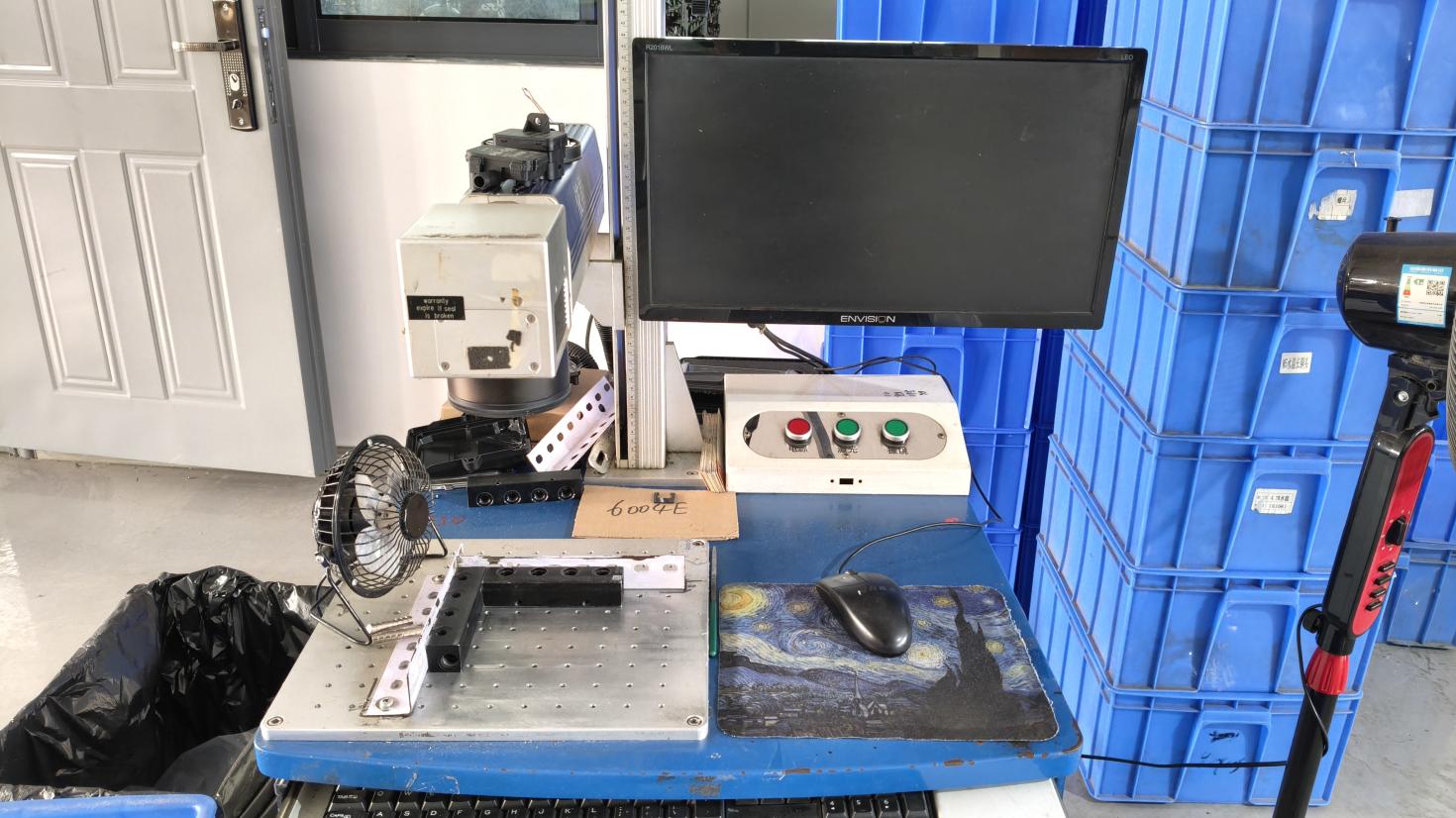
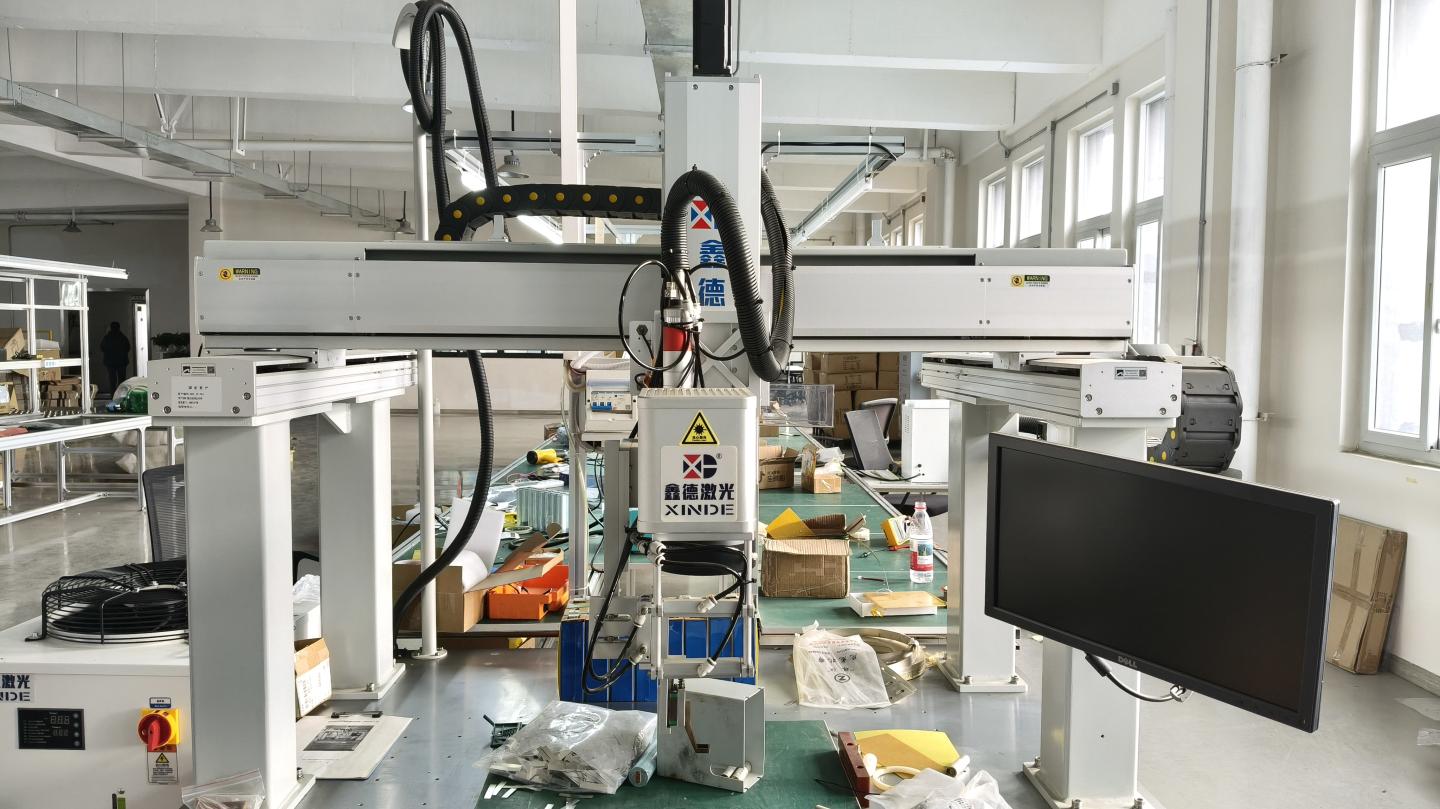
Our production floor is outfitted with state-of-the-art manufacturing technology, including precision CNC bending units, automated submerged arc welding systems, high-speed fiber laser cutters, and electrostatic powder coating lines. By managing key component manufacturing in-house, we eliminate supply chain bottlenecks and guarantee consistent tolerances across all custom batches.
Innovation is guided by our specialized R&D team, who focus on thermal management modeling, custom lens optics, and advanced electronic driver designs. All operations adhere strictly to ISO9001:2015 Quality Management Systems and ISO14001:2015 Environmental Management Standards. Our products carry CCC, CQC, and CE certifications, reflecting their compliance with international standards.
To guarantee a service life exceeding 50,000 hours, every batch of motion-sensor LED floodlights undergoes our standardized validation protocol:

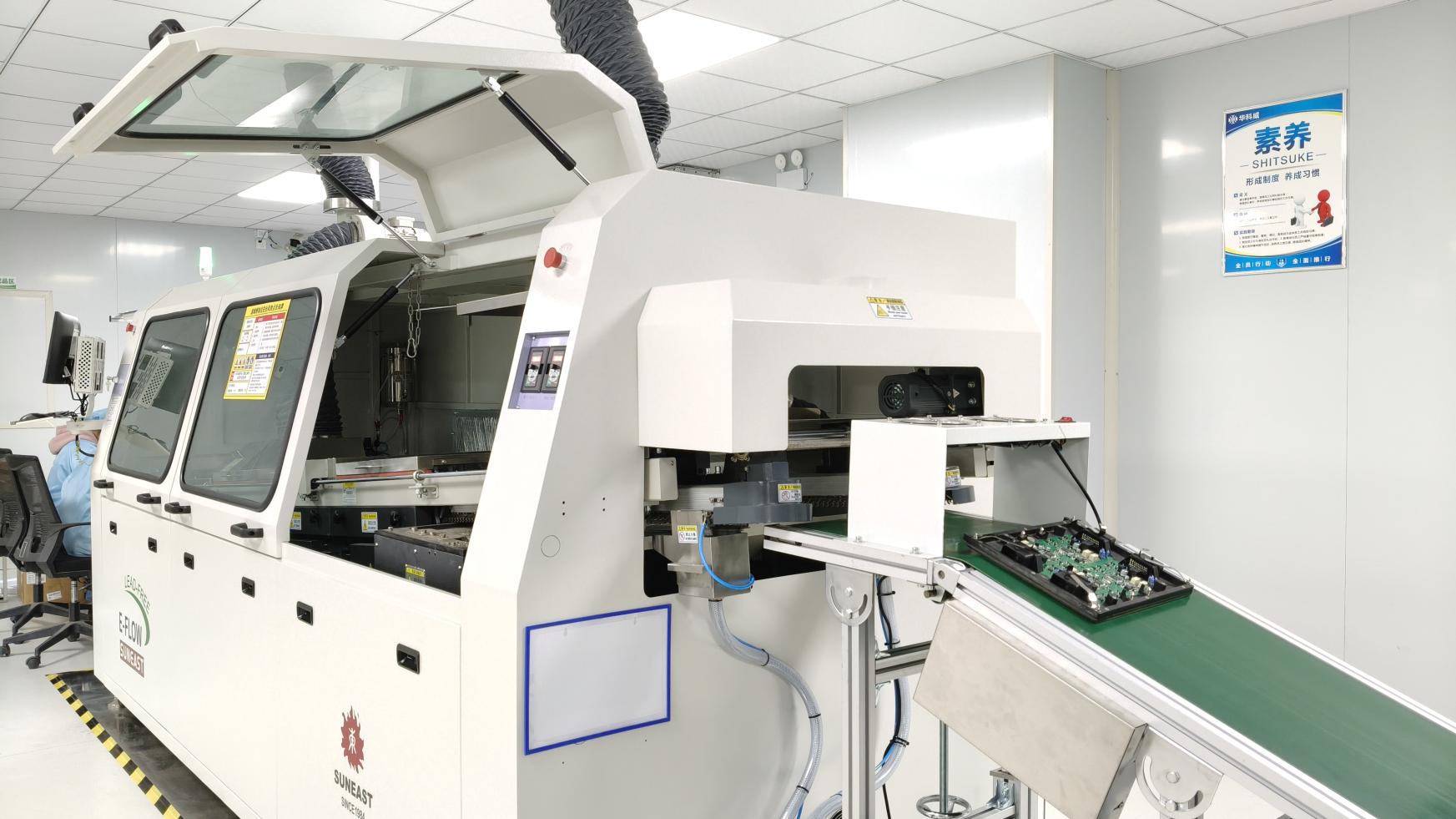

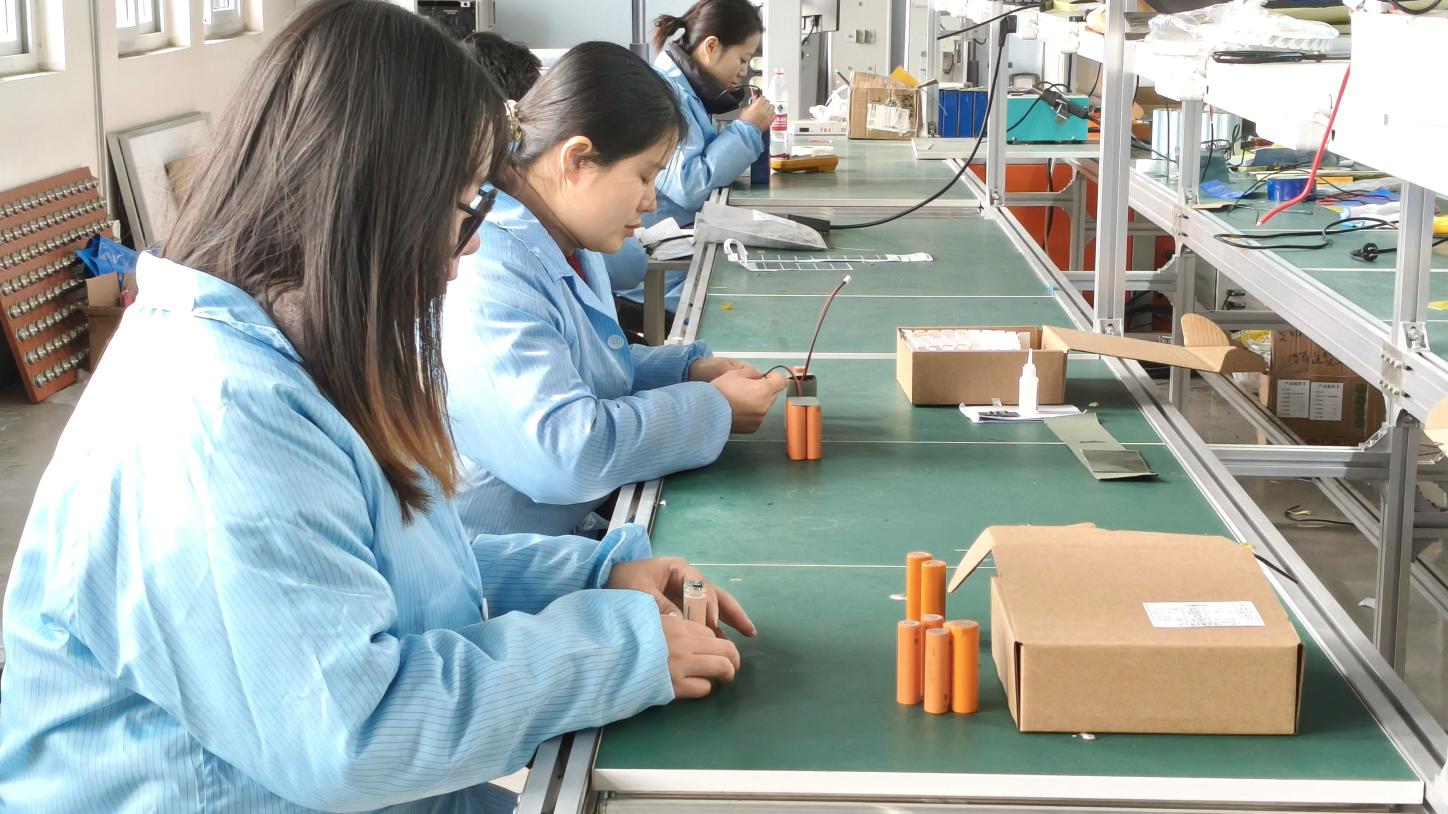
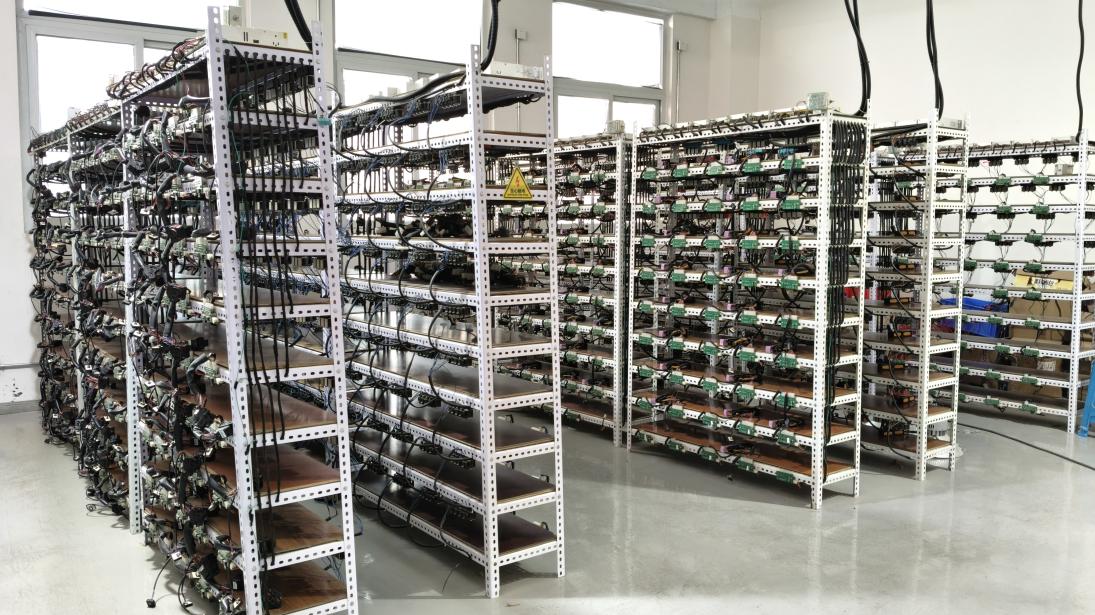
Tailored lighting architectures optimized for diverse structural and environmental challenges.
High-bay logistics centers and loading bays demand reliable performance round-the-clock. Standard continuous illumination waste massive electrical resources during off-peak shifts.
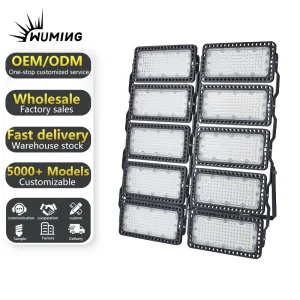
The Solution: Deploying our Modular IP65 LED Floodlights with Integrated Doppler Sensors. Luminaires operate at 10% standby output, switching to 100% capacity within 0.5 seconds when forklift movement is detected, optimizing logistics operations and safety.
Critical infrastructure installations, including power substations and seaport perimeters, require robust defensive measures against unauthorized access.
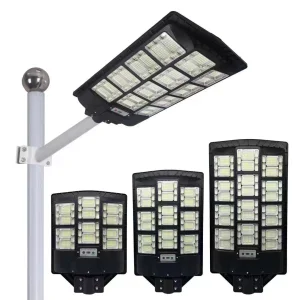
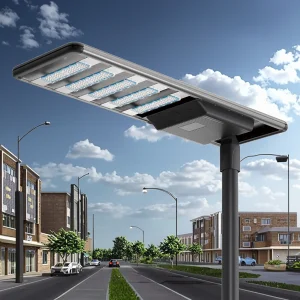
The Solution: Integrated CCTV Camera Solar Street Lights paired with dual-sensor LED arrays. When a thermal discrepancy is registered, the floodlights instantly ramp up to full output while triggering automated optical tracking to support CCTV monitoring systems.
Technical insights and answers to common queries on motion-sensored commercial lighting systems.
Professional grade security, municipal, and solar-operated luminaires built to last.

 OneAll Lights