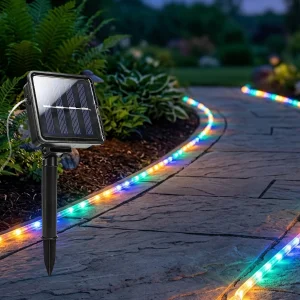
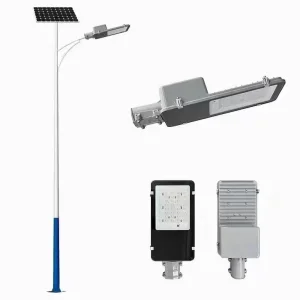
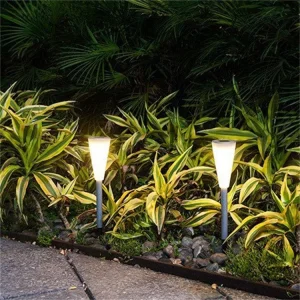
Explore our premium architectural, landscape, marine-grade, and solar-integrated lighting systems engineered for absolute performance.
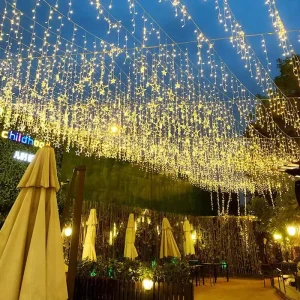
Deep-dive research into high-efficacy optics, smart control protocols, and long-term durability metrics shaping modern smart infrastructure.
The industrial and visual LED lighting landscape is undergoing a systemic paradigm shift driven by digital integration, sustainability mandates, and extreme durability demands. High-efficacy luminaire architectures are no longer judged solely by raw lumen output; instead, modern design factors focus on spatial optical efficiency, glare controls (UGR rating index), and smart communications compatibility (DALI-2, Zigbee, LoRaWAN). For engineering teams and infrastructure planners, choosing the correct solid-state illumination setup plays a major role in achieving carbon neutrality goals while optimizing total cost of ownership (TCO).
Modern commercial and industrial LED components leverage advanced phosphorus conversion layers and precision gallium-nitride (GaN) structures on silicon substrates to push luminous efficiency past 200 lm/W. As global electricity rates fluctuate, high-performance fixtures must deliver high lumens while minimizing thermal emission. By reducing heat dissipation, manufacturers can design smaller profiles and use less aluminum, lowering shipping costs and reducing the installation's carbon footprint.
Visual lighting is evolving beyond simple illumination to play a role in biological and human-centric lighting (HCL) systems. By adjusting color temperatures (CCT ranging from warm 2700K to cool 6500K) dynamically throughout the day, modern visual installations support circadian rhythms in commercial workplaces, hospitals, and educational institutions. Smart visual indicators and status lights are also becoming integrated with building automation systems (BAS) to show ambient variables like indoor air quality or emergency alert pathways.
A comprehensive framework for sourcing ruggedized luminaire systems across different industries and complex regional standards.
Global procurement offices and engineering procurement contractors (EPCs) face major challenges in ensuring compliance with regional safety codes, operating temperatures, and chemical exposure risks. A simple component failure can lead to expensive project downtime, safety liabilities, or even industrial hazards. High-risk locations—such as offshore oil platforms, maritime logistics facilities, and industrial chemical processing plants—require strict compliance with explosion-proof and anti-corrosive standards.
Ocean-going vessels, oil ports, and coastal installations are exposed to continuous saltwater sprays, high UV levels, and physical vibration. Choosing low-grade aluminum visual lights or steel alloys can lead to rapid galvanic corrosion and optical clouding. Top-tier manufacturers solve these issues by using specialized materials like marine-grade 316 stainless steel, heavy copper-free die-cast aluminum alloys, and high-durability fluorocarbon powder coatings. These specialized materials allow the products to meet ISO 12944 C5-M marine corrosion standards, ensuring long-term operation even in highly corrosive environments.
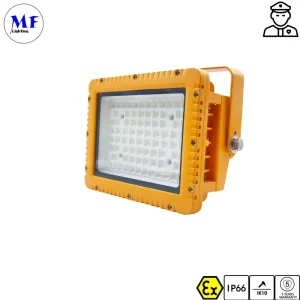
In dust-prone warehouses or gaseous refining zones, visual lighting must not trigger an ignition source. Certified visual light suppliers design explosion-proof housings that contain internal ignition sources, preventing spark leaks from reaching the outside environment. When choosing products, procurement managers must match Zone designations (Zone 1, Zone 21, Zone 2, and Zone 22) with regional ATEX, IECEx, or UL certifications. These safety steps protect personnel and secure the high-value infrastructure assets of the site.
Exploring the engineering precision and advanced production technology of Yangzhou OneAll Lights Co., Ltd.
Yangzhou OneAll Lights Co., Ltd. was established in 2003 and has spent over two decades developing into a leader in outdoor and industrial visual illumination. Our headquarters are located in Yangzhou, Jiangsu Province—one of China's most advanced lighting manufacturing hubs. By integrating modern supply chain logistics with smart automation, we deliver highly reliable outdoor lighting solutions to markets in Southeast Asia, the Middle East, Africa, Europe, and South America.
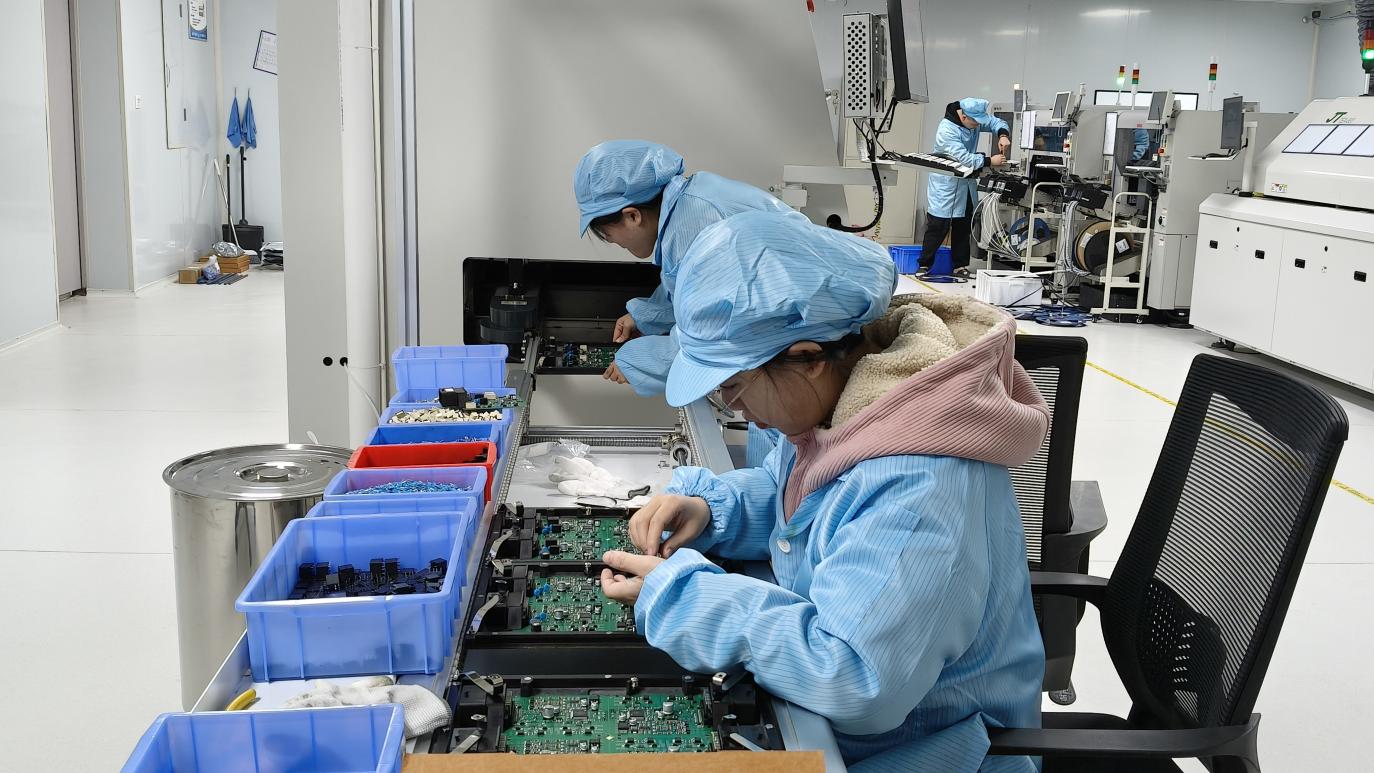
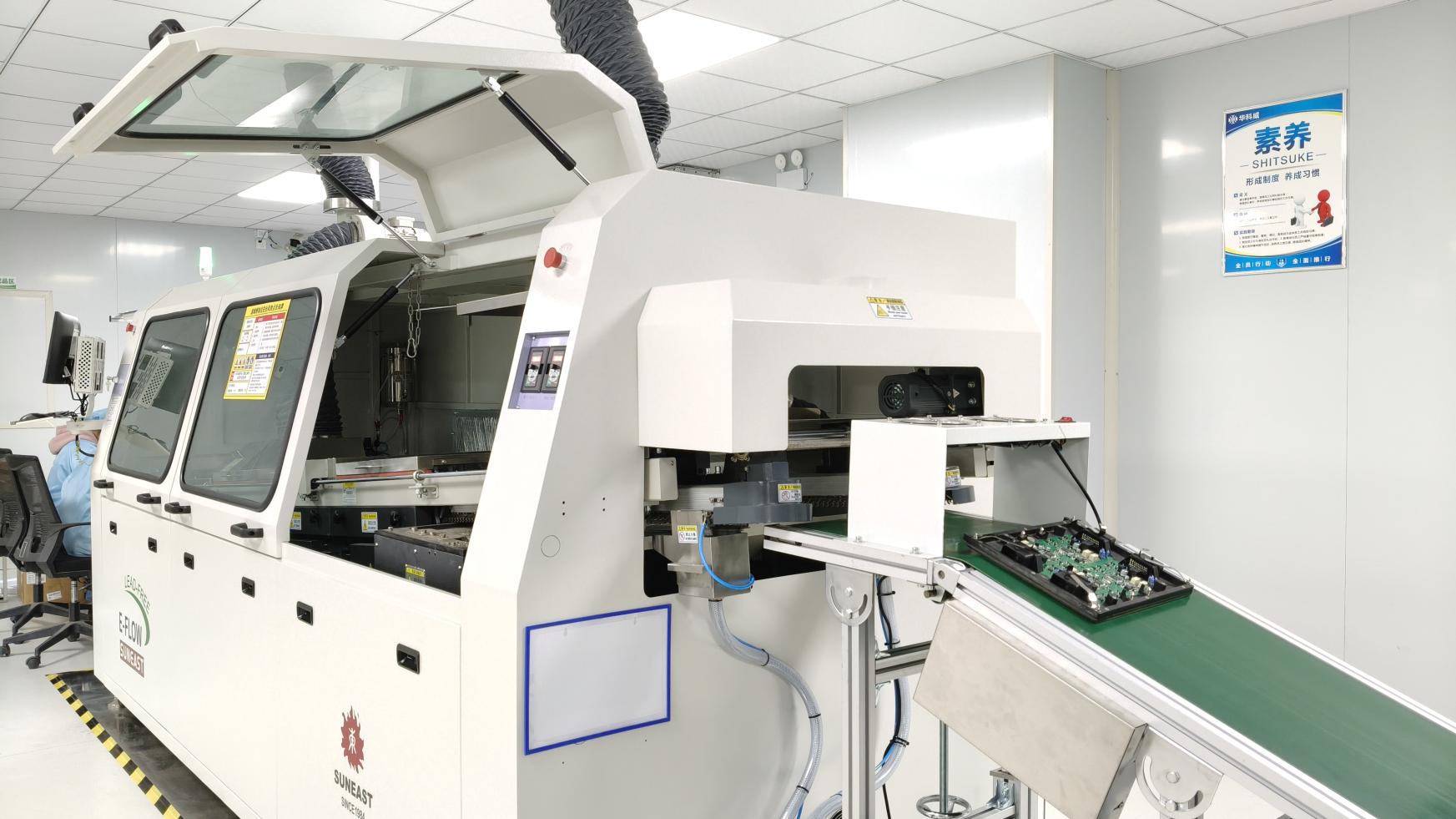
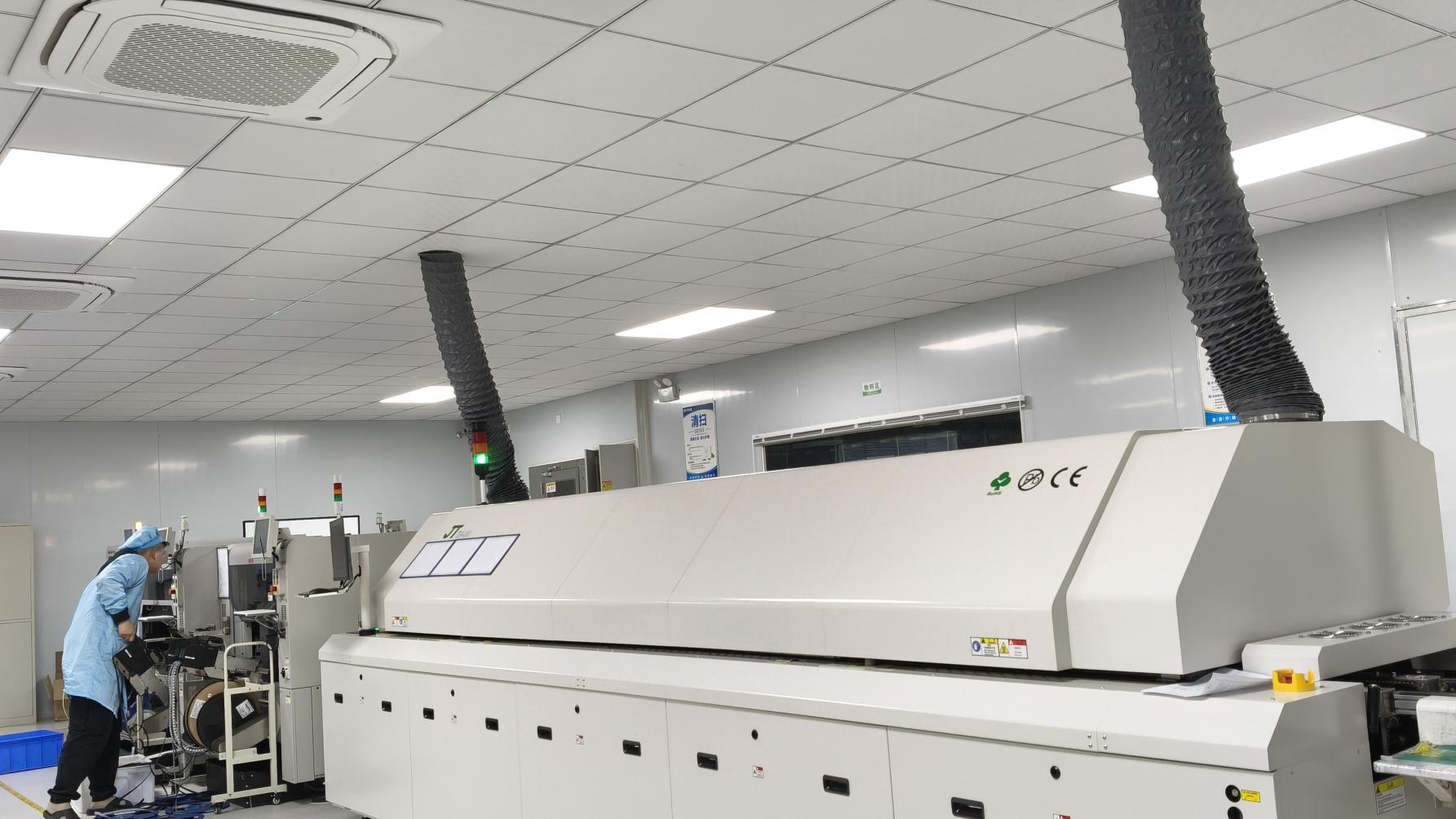
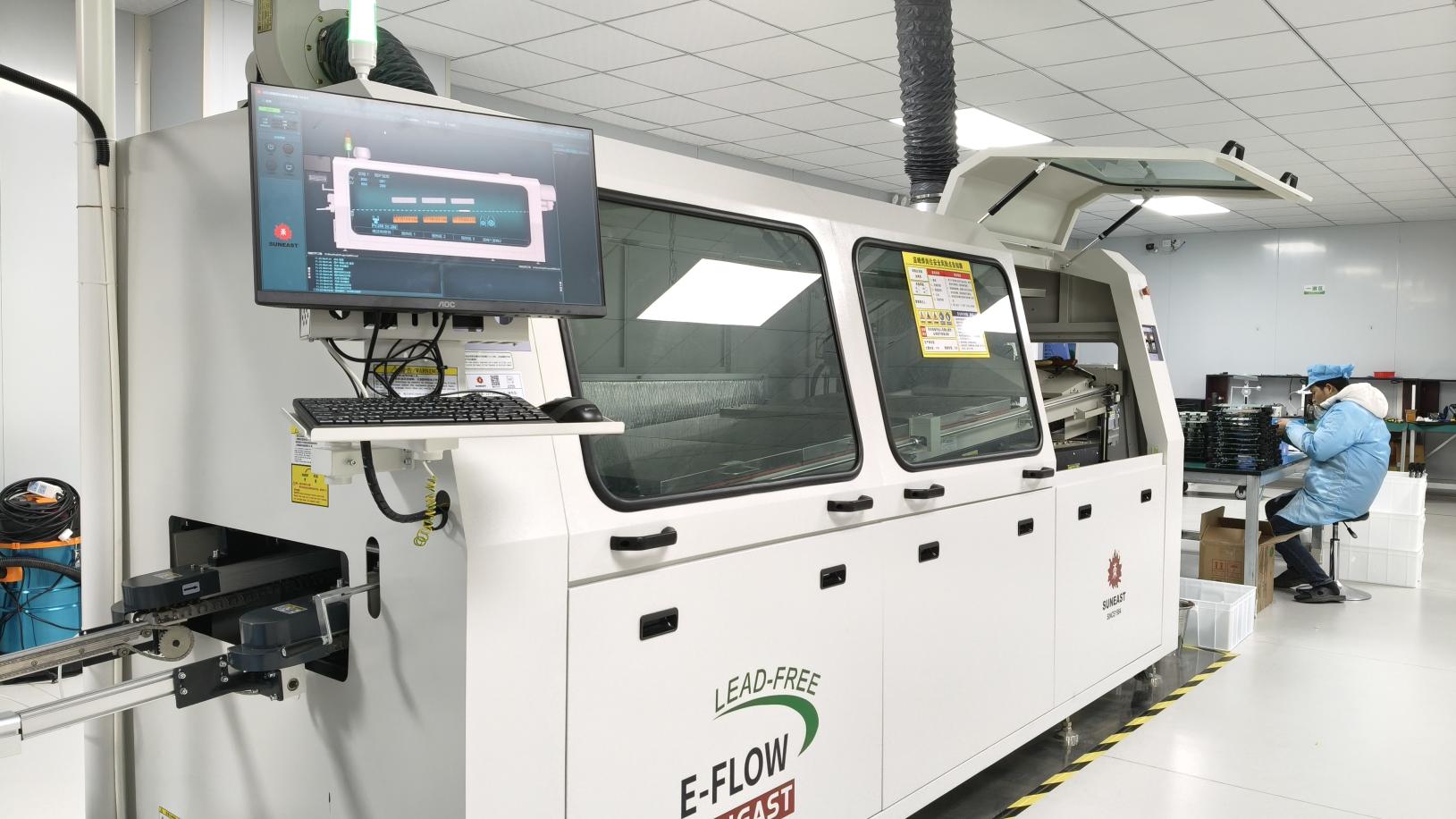
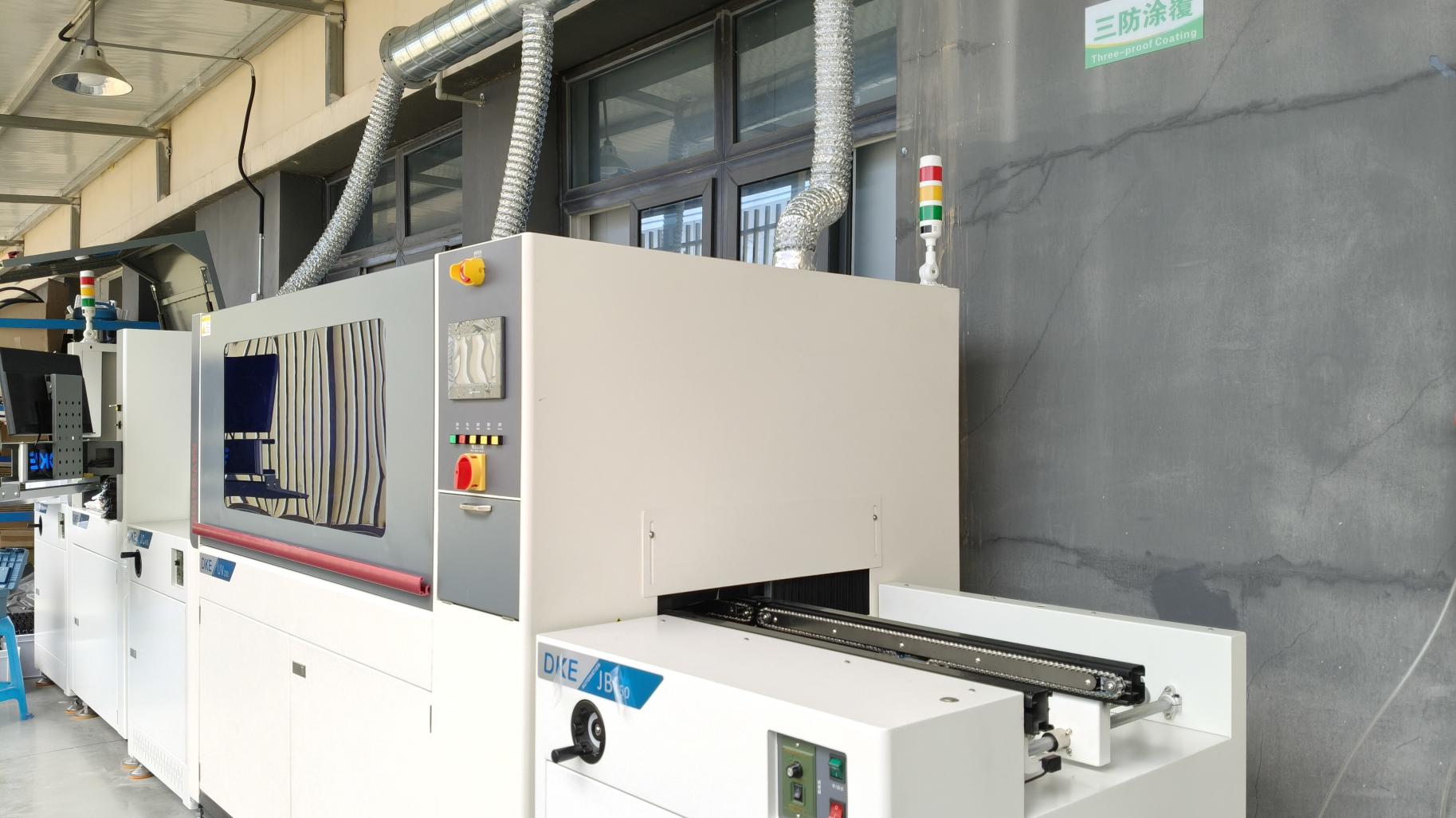
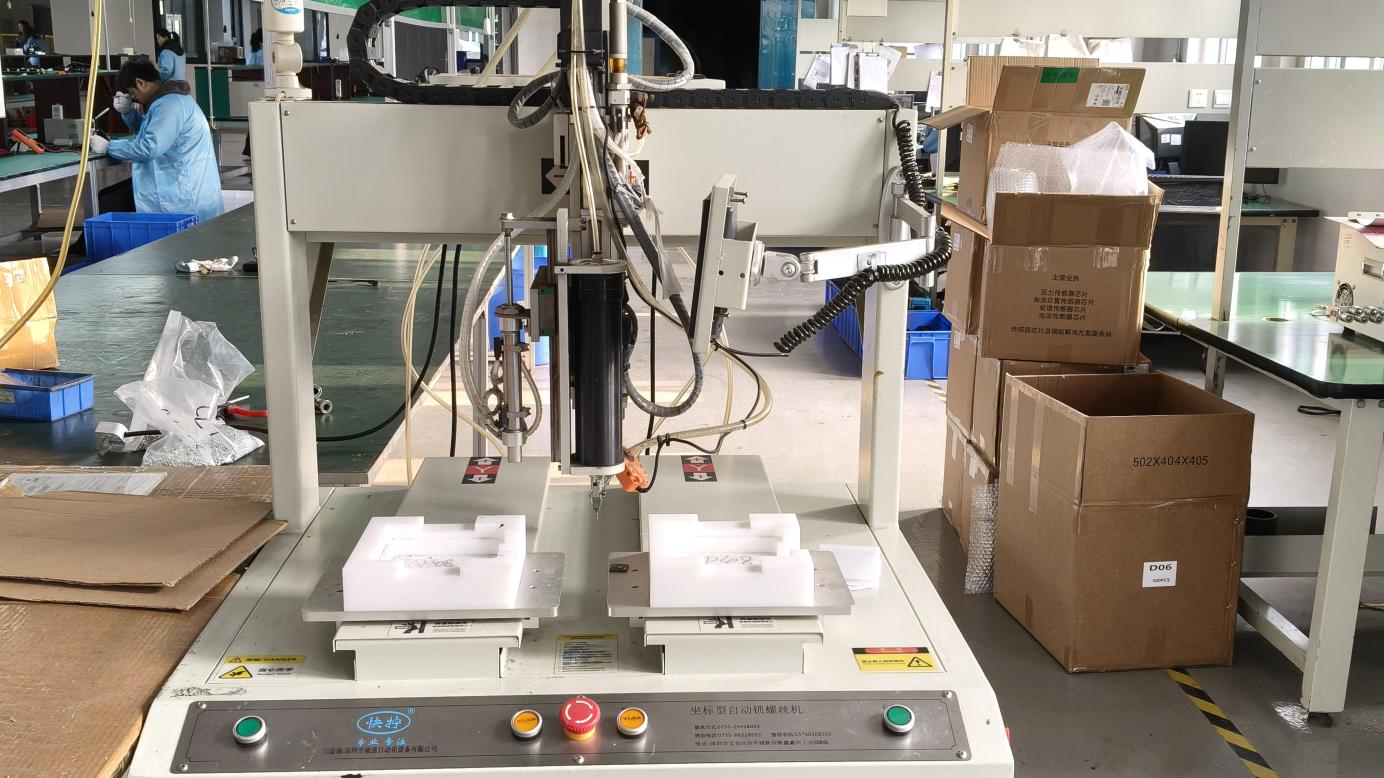
Our manufacturing facility features advanced technology and a highly optimized layout designed for production efficiency and consistent product quality. We run automated production lines supported by high-precision equipment, including CNC bending machines, automatic submerged arc welding systems, high-speed SMT placement machinery, and automated three-proof conformal coating systems. Every step of the production process is carefully controlled, ensuring our products comply with major global standards, including ISO9001, ISO14001, CE, CCC, and CQC certifications.
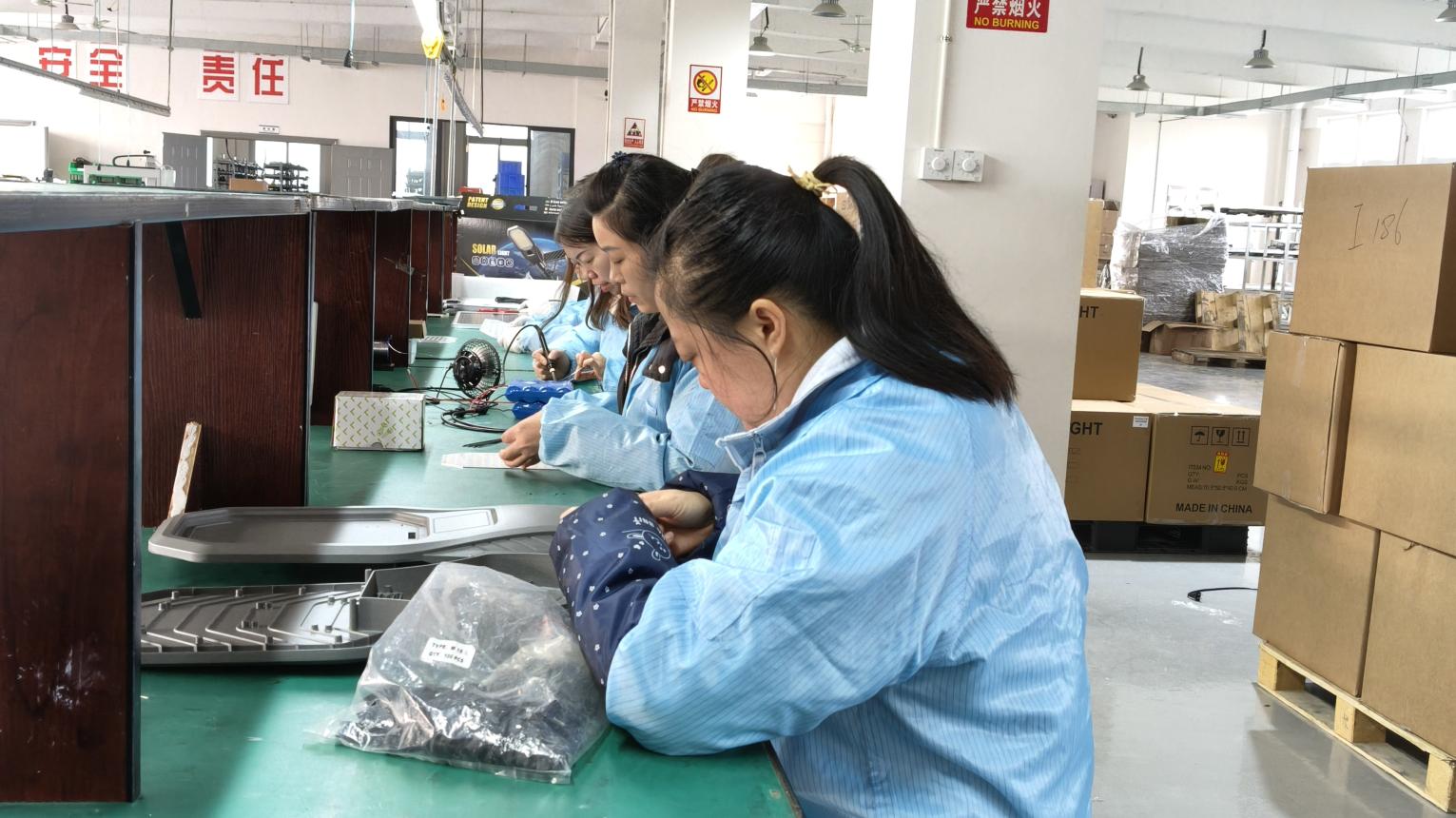
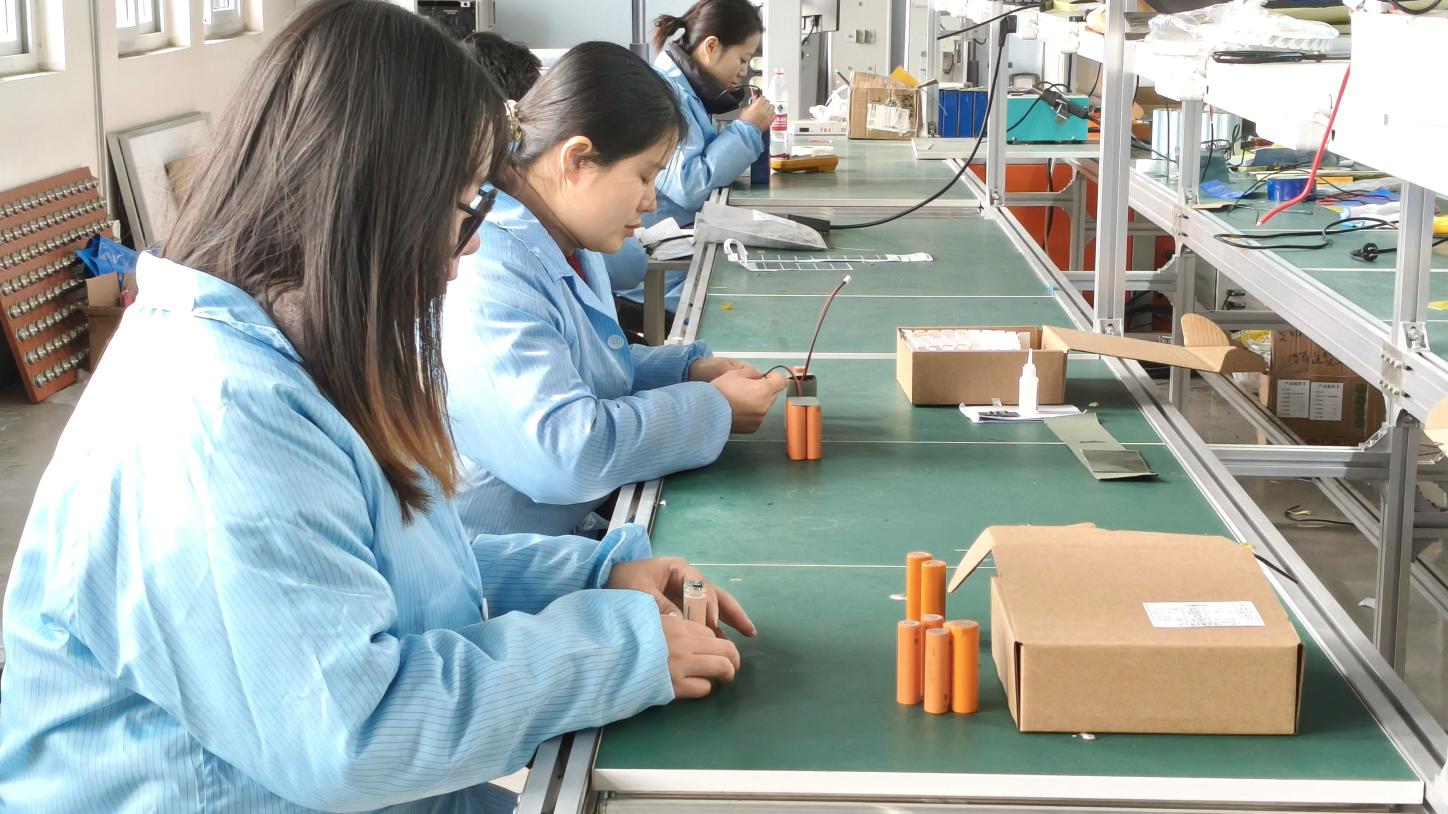
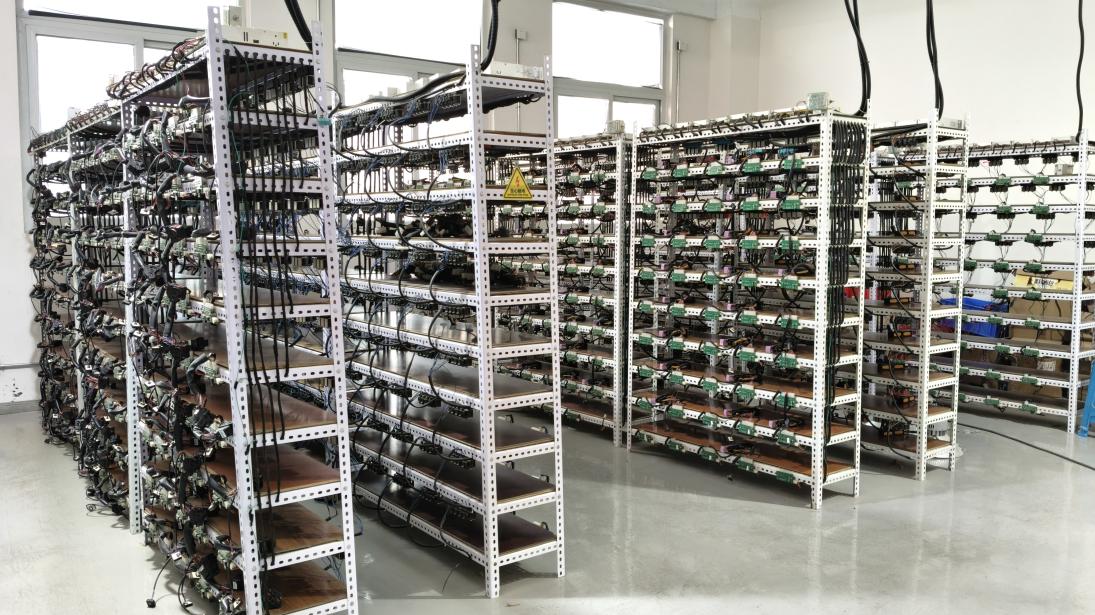
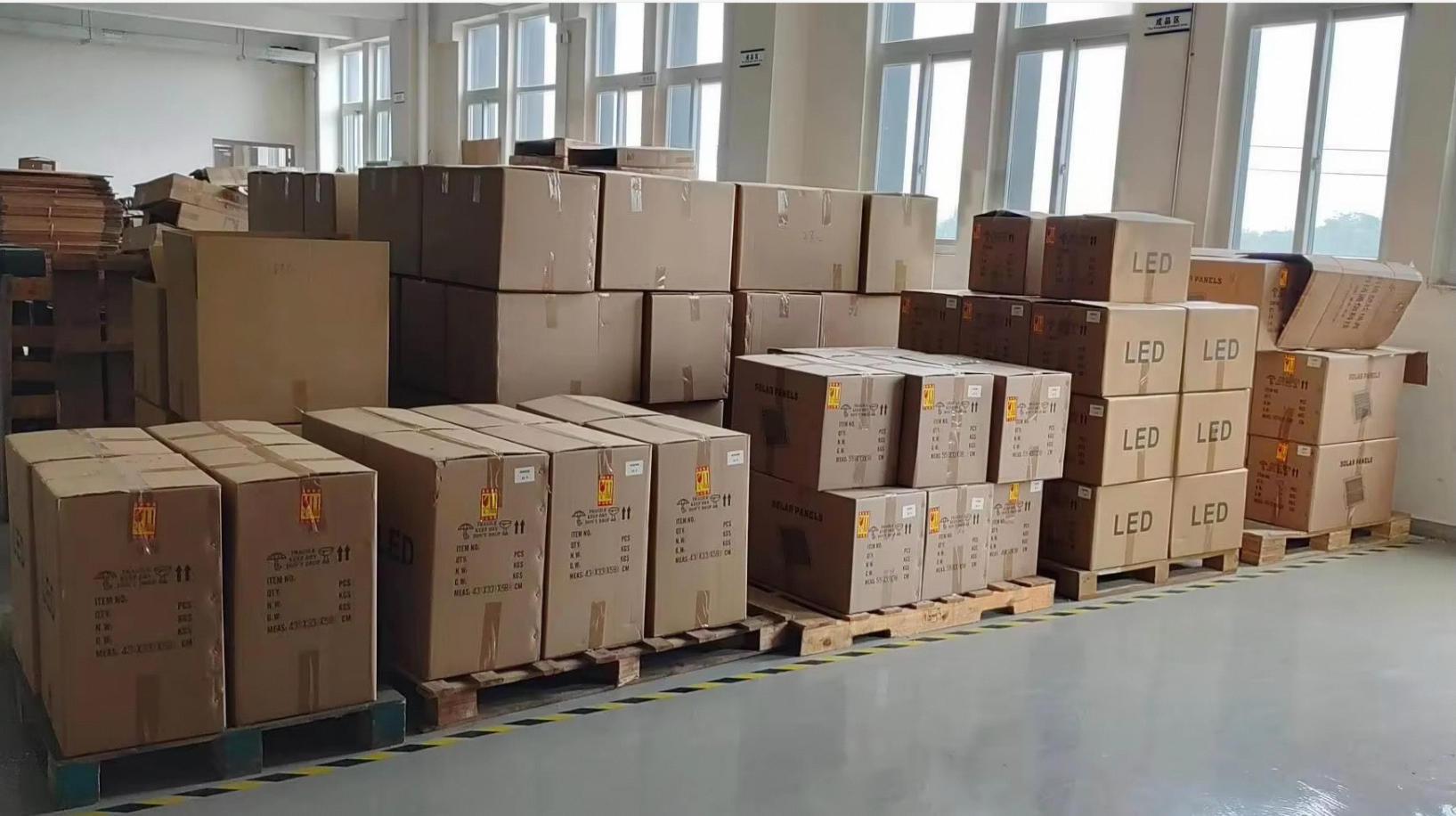
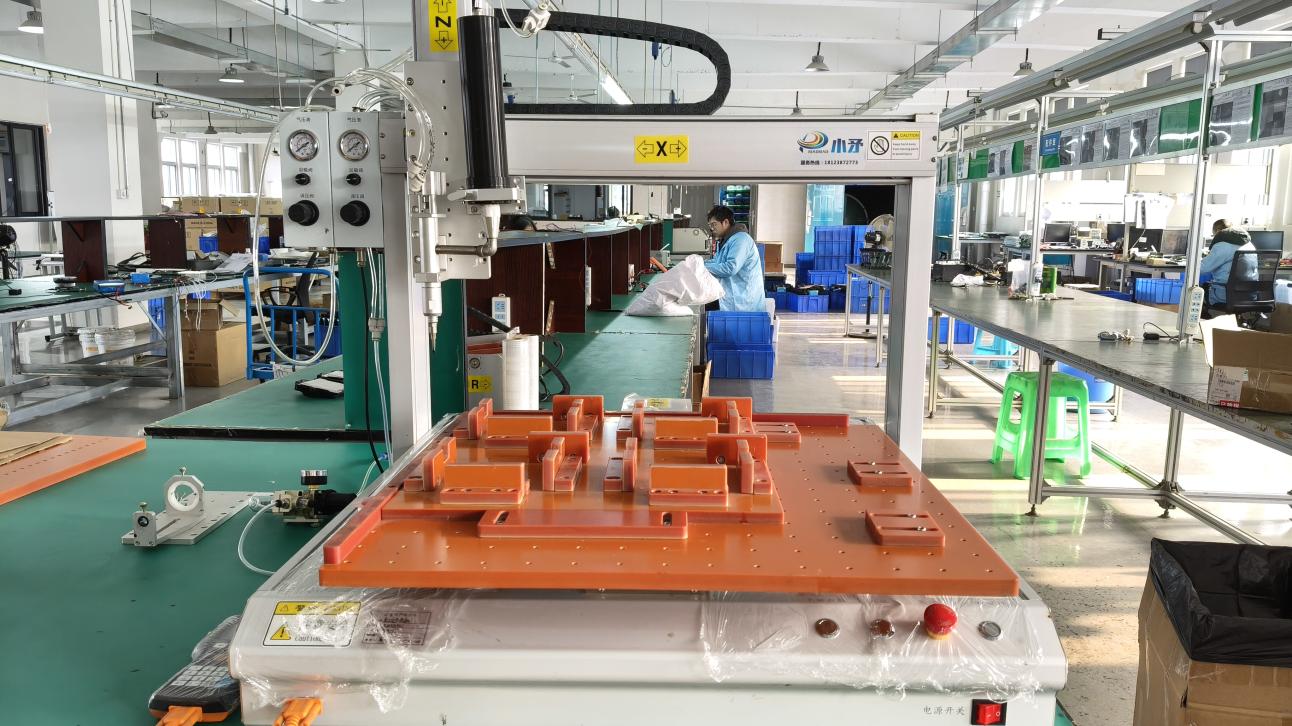
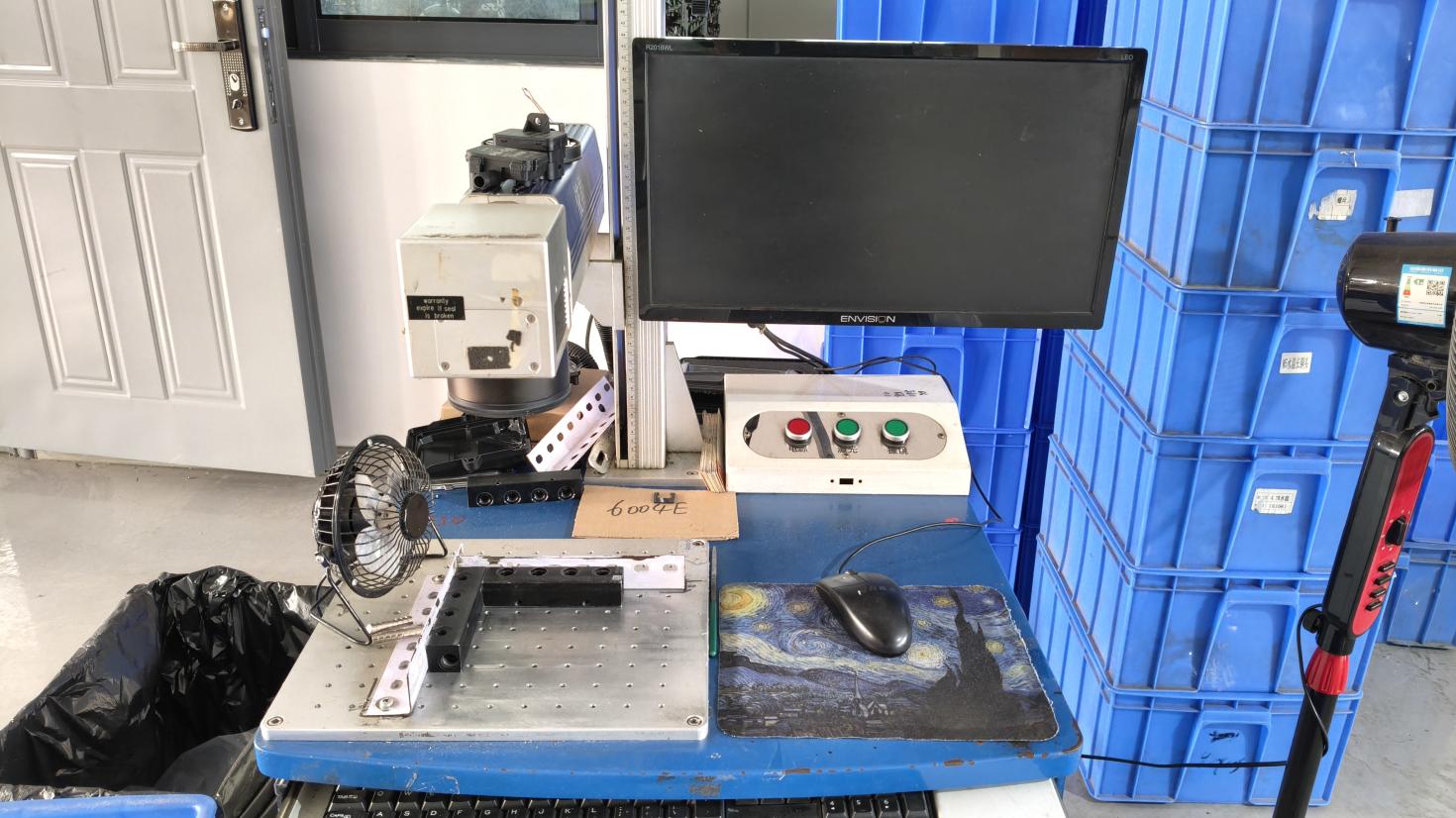
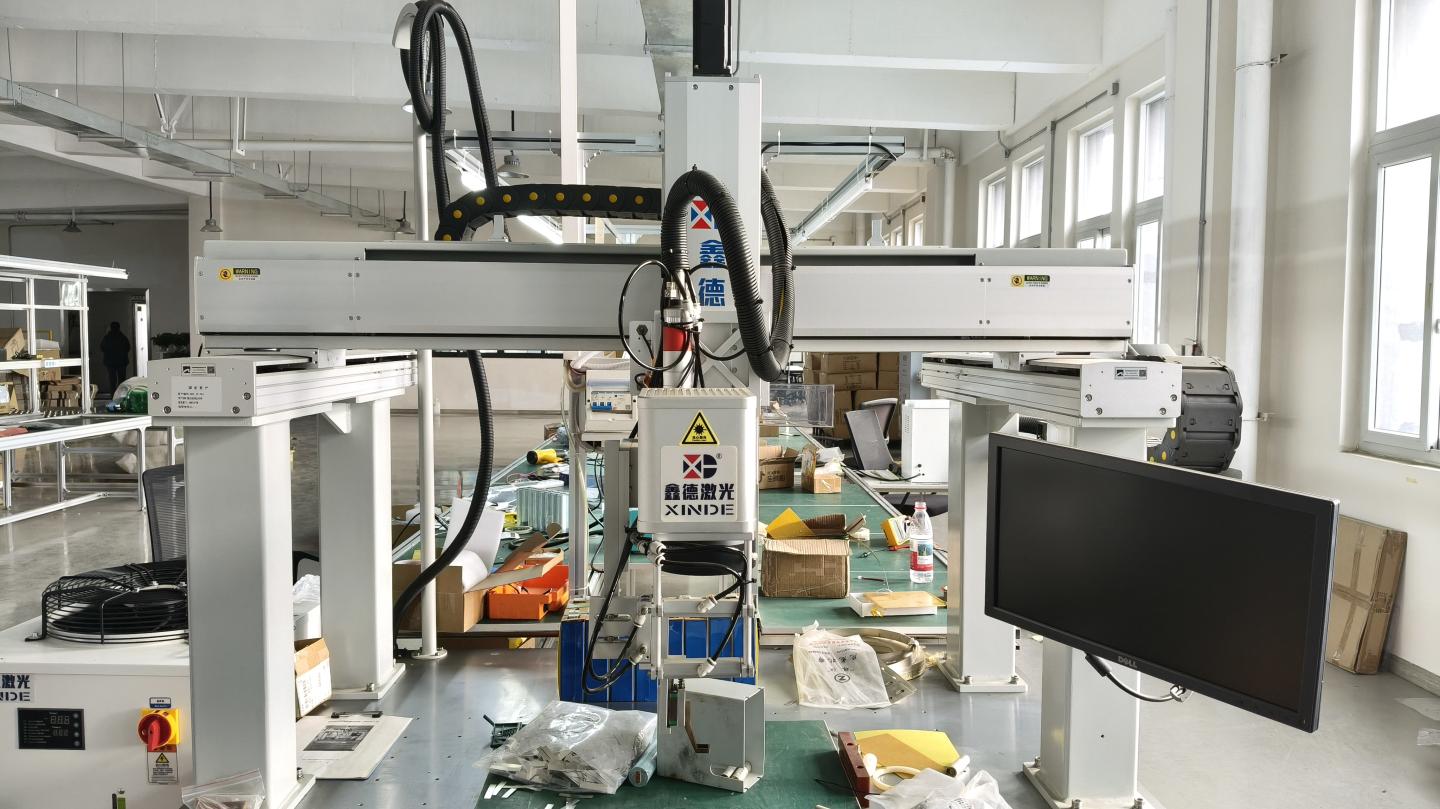
How we design specialized lighting products to meet the unique challenges of different application environments.
Different installation sites present unique environmental challenges. Our team designs and configures visual and industrial light systems tailored to these specific operational demands, ensuring optimal efficiency, long service life, and minimized energy use.
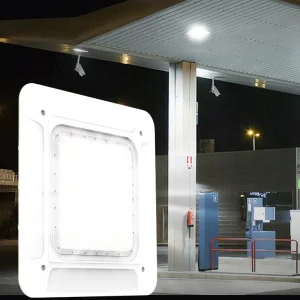
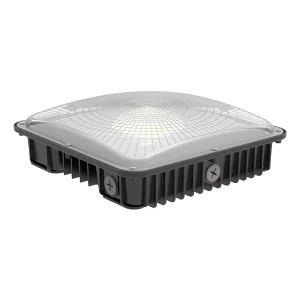
Sufficient vertical and horizontal lux distribution is essential for safety, convenience, and brand presentation at highway refueling hubs. Recessed LED canopy lights must offer IP65 dust and moisture resistance, high visual clarity, and low-profile housings. Using high-purity aluminum housings paired with custom optical lenses helps gas station operators provide bright, shadow-free illumination while avoiding light pollution and glare for oncoming drivers.
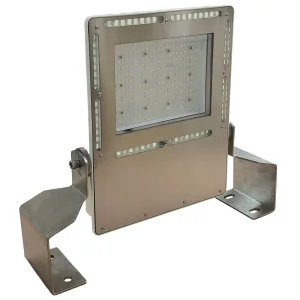
For offshore drilling rigs, shipping docks, and coastal processing plants, standard outdoor lighting struggles to survive. Salt air, constant wind, vibration, and thermal shifts degrade standard housings quickly. To solve this, our marine-grade floodlights feature marine-grade SUS316 brackets, heavy-duty anti-vibration mounts, and multi-layer corrosion-resistant coatings. This allows the lights to withstand severe conditions, ensuring safe, long-term operations on vessel decks and port cranes.
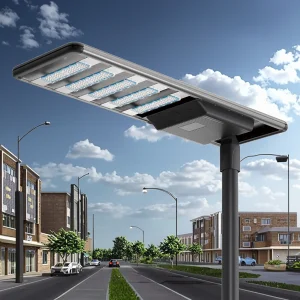
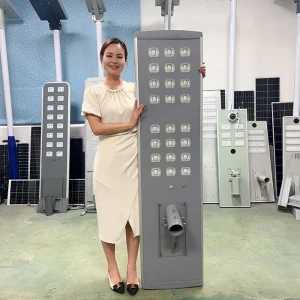
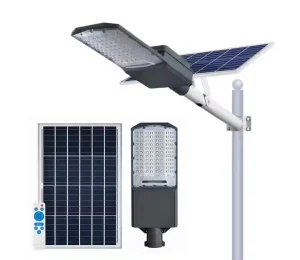
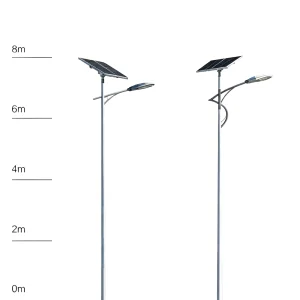
Urban and rural communities are transitionining to self-powered solar streetlights to reduce infrastructure costs. All-in-one and split solar street lighting configurations integrate MPPT charge controllers, high-efficiency solar cells, and smart motion sensors. In remote areas with limited access to the grid, these systems run independently of main power, storing energy during the day to provide reliable lighting all night.
Get answers to common engineering questions regarding thermal management, corrosion resistance, and certification requirements.
An IP65 rating defines protection against water jets and dust entry. A C5-M rating, defined by the ISO 12944 standard, measures a fixture's resistance to chemical corrosion in high-salinity marine environments. C5-M compliance requires specialized materials like copper-free aluminum and multi-stage anti-corrosion paint to prevent rust and material breakdown.
High operating temperatures accelerate luminous degradation and can cause early driver failures. We design our fixtures using high-thermal-conductivity materials, optimized heat sinks, and thermal paste interfaces. This structure quickly moves heat away from the diodes, keeping the junction temperature low to ensure stable light output and a long lifespan.
MPPT (Maximum Power Point Tracking) controllers continuously adjust input parameters to extract maximum power from solar panels. This design is up to 30% more efficient than standard PWM controllers, allowing batteries to charge faster and providing more reliable lighting during periods of limited sunlight.
Hazardous areas with explosive vapors or combustible dust require explosion-proof certifications like ATEX, IECEx, or UL844. These certifications verify that the lighting housings contain any internal sparks or high heat, preventing ignition in explosive environments.
Integrated motion sensors switch the light to energy-saving mode when no activity is detected. Once movement is sensed, the fixture returns to full brightness. This adaptive control conserves battery power, ensuring the system runs reliably even during extended periods of overcast weather.
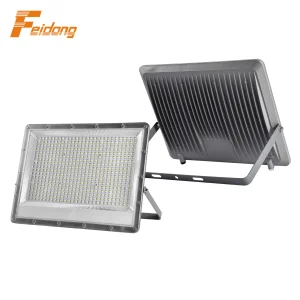
Browse our selection of heavy-duty floodlights, solar systems, and high-performance warehouse lighting solutions.
 OneAll Lights