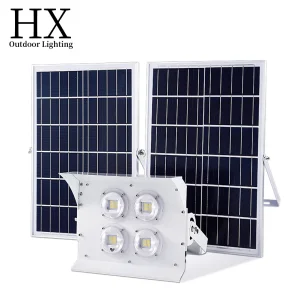
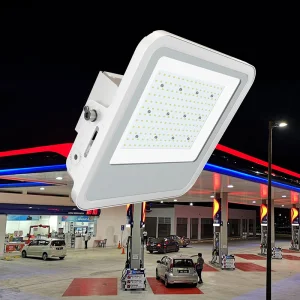
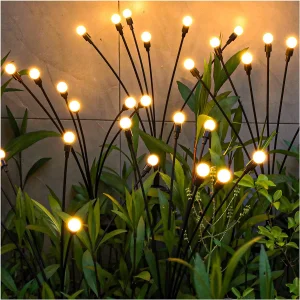
Discover our primary selection of industrial-grade luminaires and solar integration solutions.
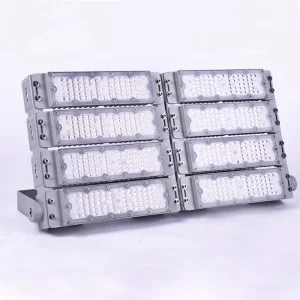
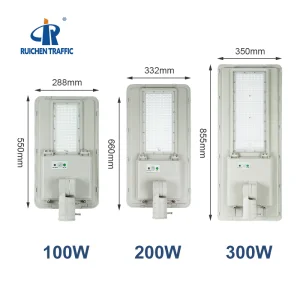
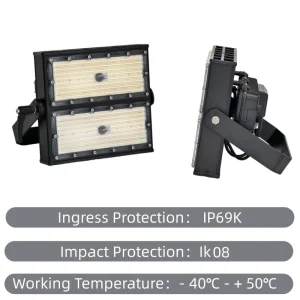
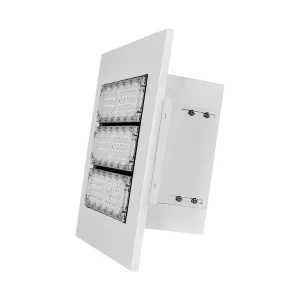
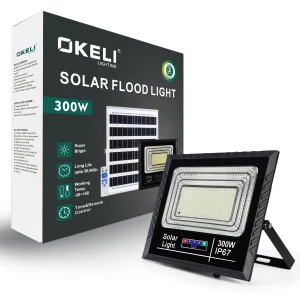
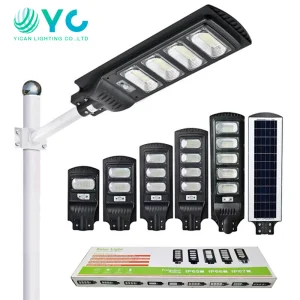
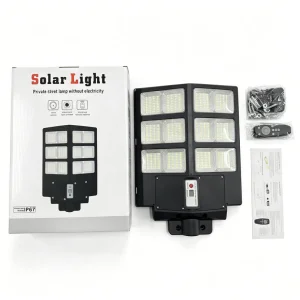
The shift toward high-yield PV modules, smart energy storage systems (BESS), and intelligent municipal architectures.
Modern commercial and industrial (C&I) organizations are confronting aggressive decarbonization targets mandated by regional frameworks. Transitioning from grid-dependent electrical supply layouts to self-sustaining solar generation arrays represents the primary tactical pathway to mitigate operating costs while ensuring net-zero alignment.
Custom OEM solar solutions allow municipal project planners, engineering, procurement, and construction (EPC) firms, and large-scale industrial facility operators to match performance parameters to local geographic and microclimatic variables. By modulating solar panel efficiency rates, battery chemical formulations (primarily shifting from deep-cycle SLA to smart LiFePO4 cells), and luminaire optics, deployment partners achieve optimized return on investment (ROI) metrics and minimize the Levelized Cost of Energy (LCOE).
Over two decades of precision manufacturing, system testing, and compliance documentation for international projects.
Established in 2003 in the historical industrial hub of Yangzhou, Jiangsu Province, China, Yangzhou OneAll Lights Co., Ltd. has evolved into a leading designer, developer, manufacturer, and global exporter of high-efficacy outdoor lighting and clean energy systems. Our robust production facilities cover comprehensive structural processing pipelines: high-precision CNC bending machinery, submerged automatic arc welding stations, high-energy laser cutters, advanced electrostatic powder coating systems, and environmental testing labs. This equipment ensures our components withstand high mechanical stresses and corrosive environments.
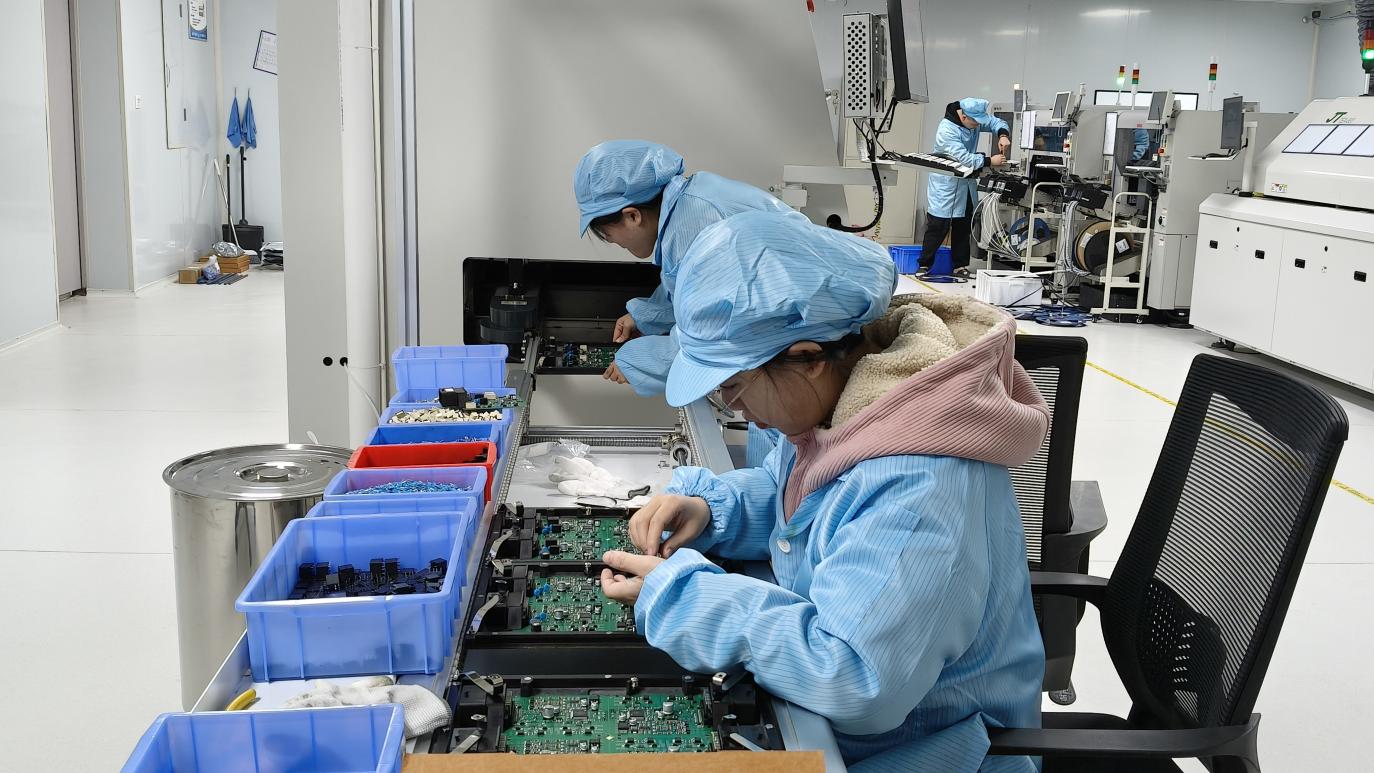
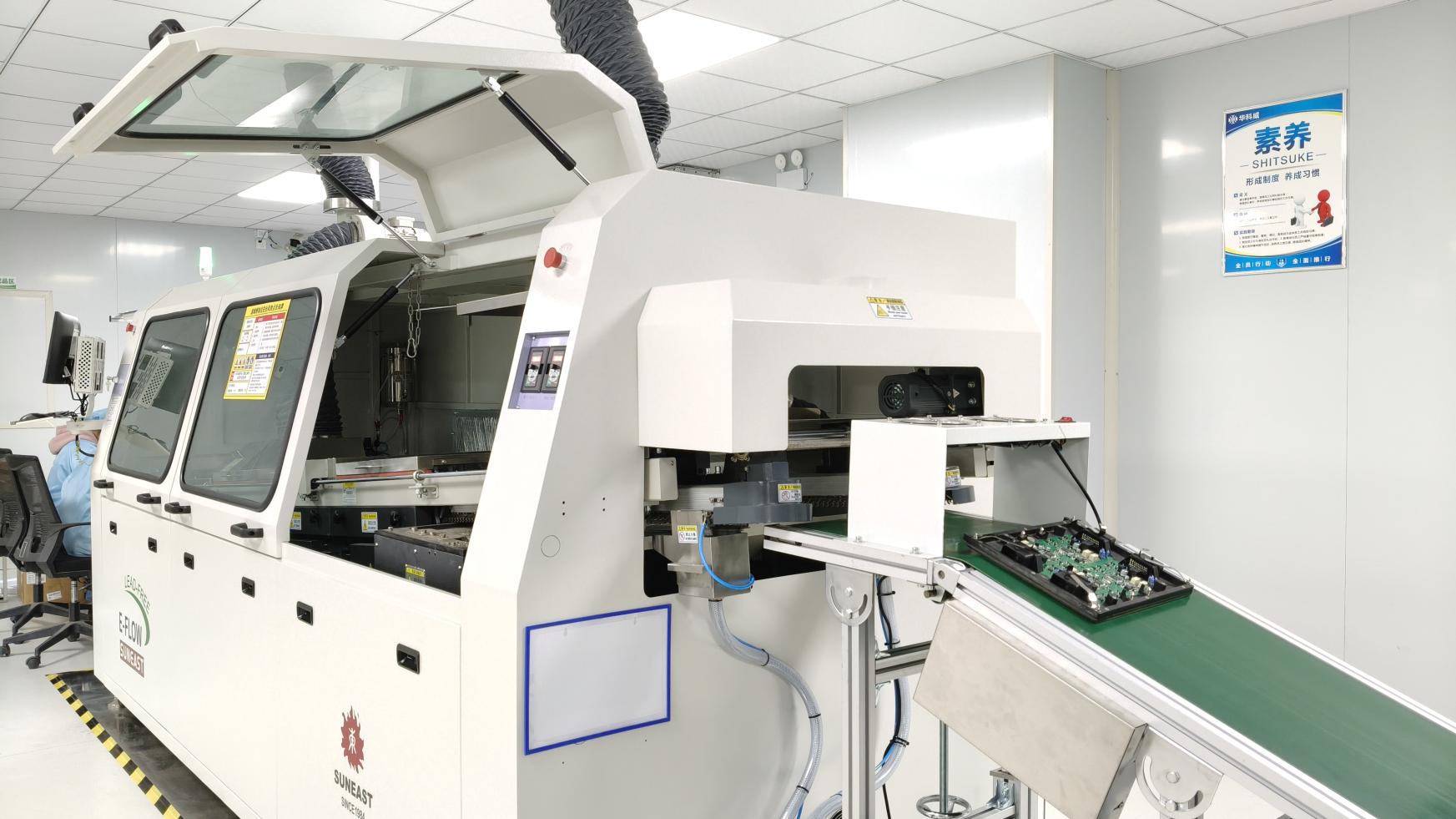
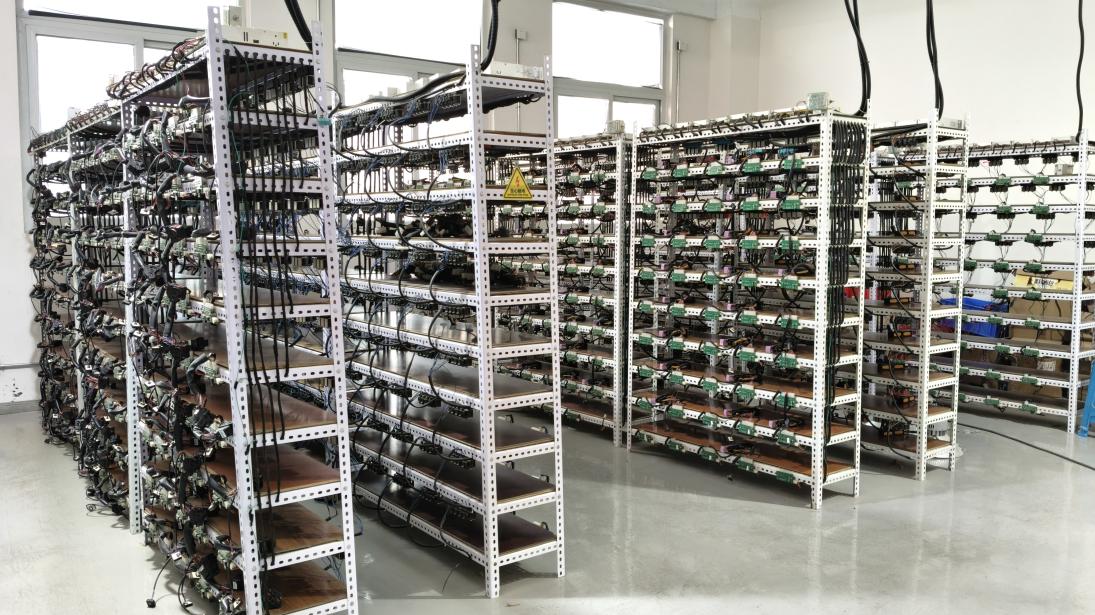
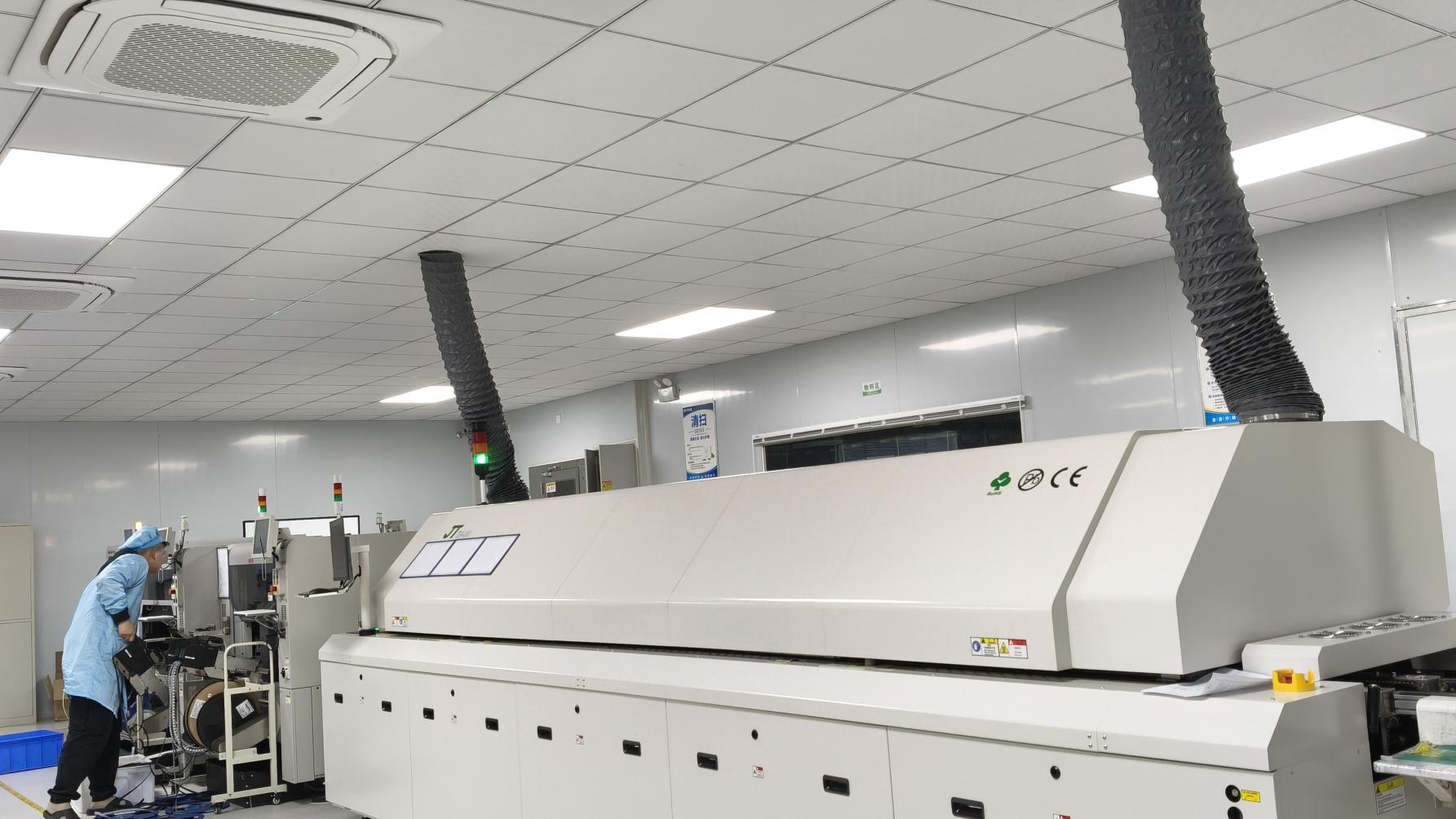
Our commitment to technical excellence is demonstrated by our compliance certifications, including ISO9001 Quality Management System, ISO14001 Environmental Management System, CCC, CQC, and CE. By integrating SMT production lines, wave soldering equipment, automatic three-proof coating machines, and rigorous aging test matrices, we guarantee that every shipped product meets strict international standards for longevity and performance.

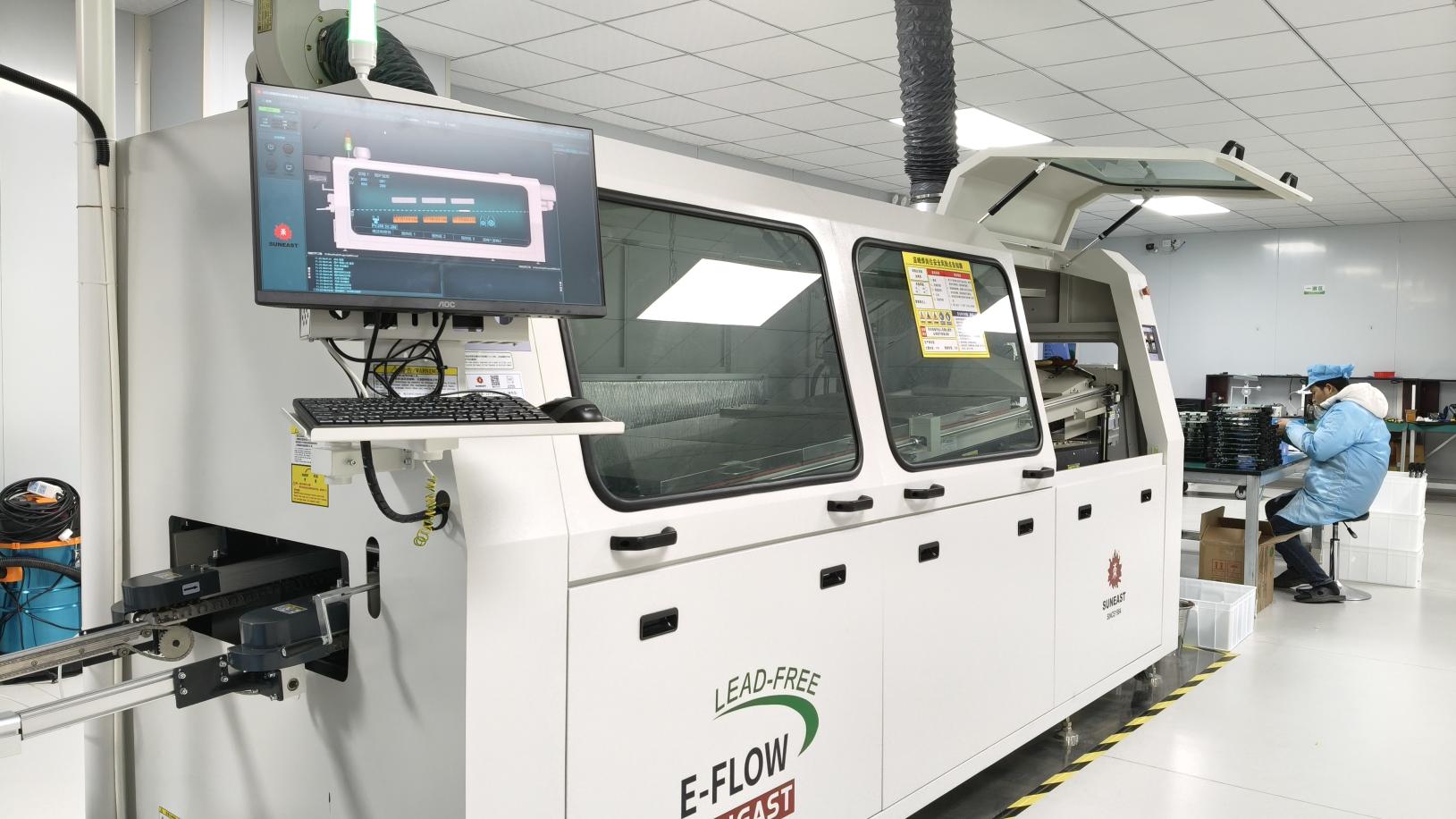
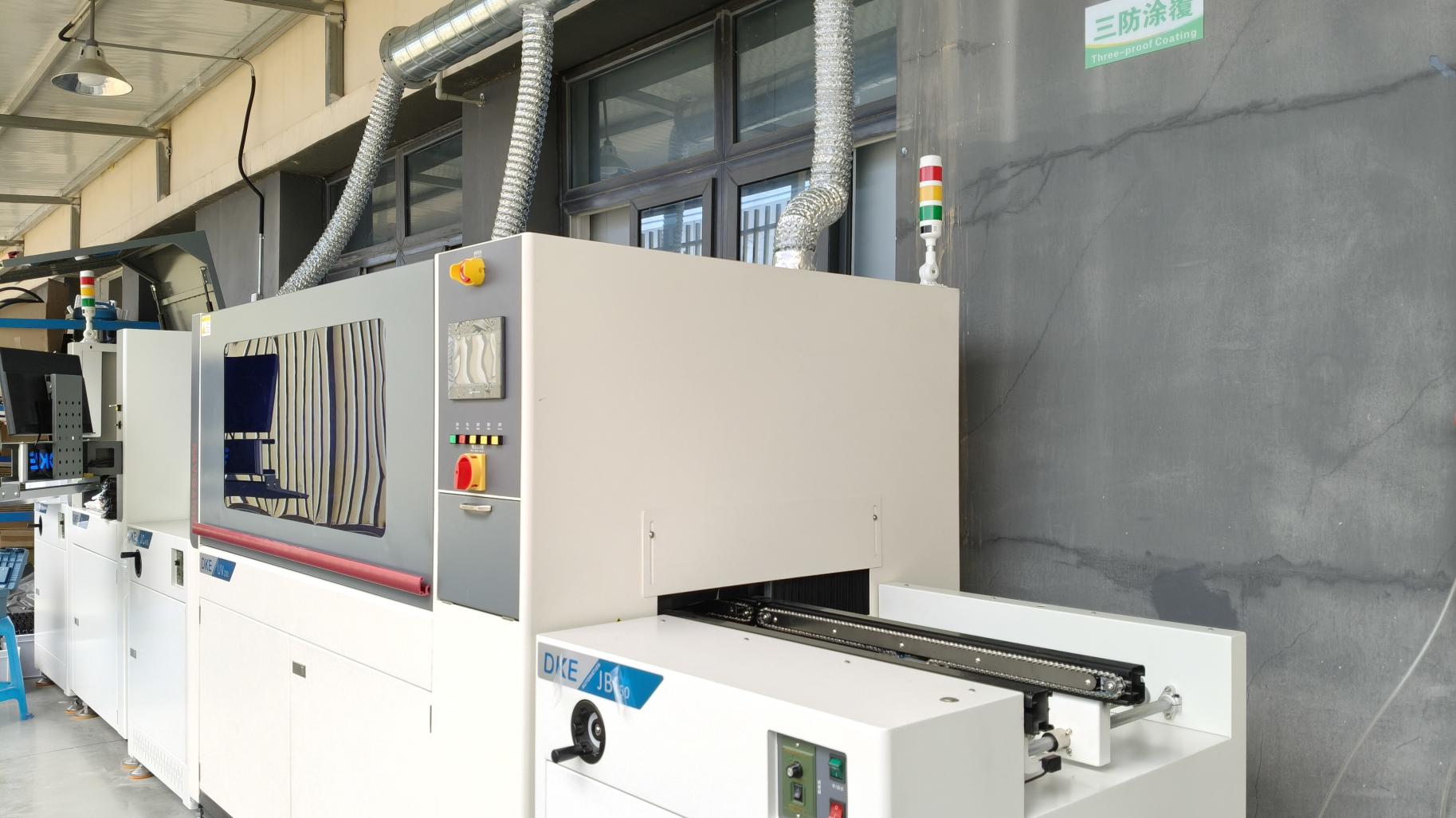
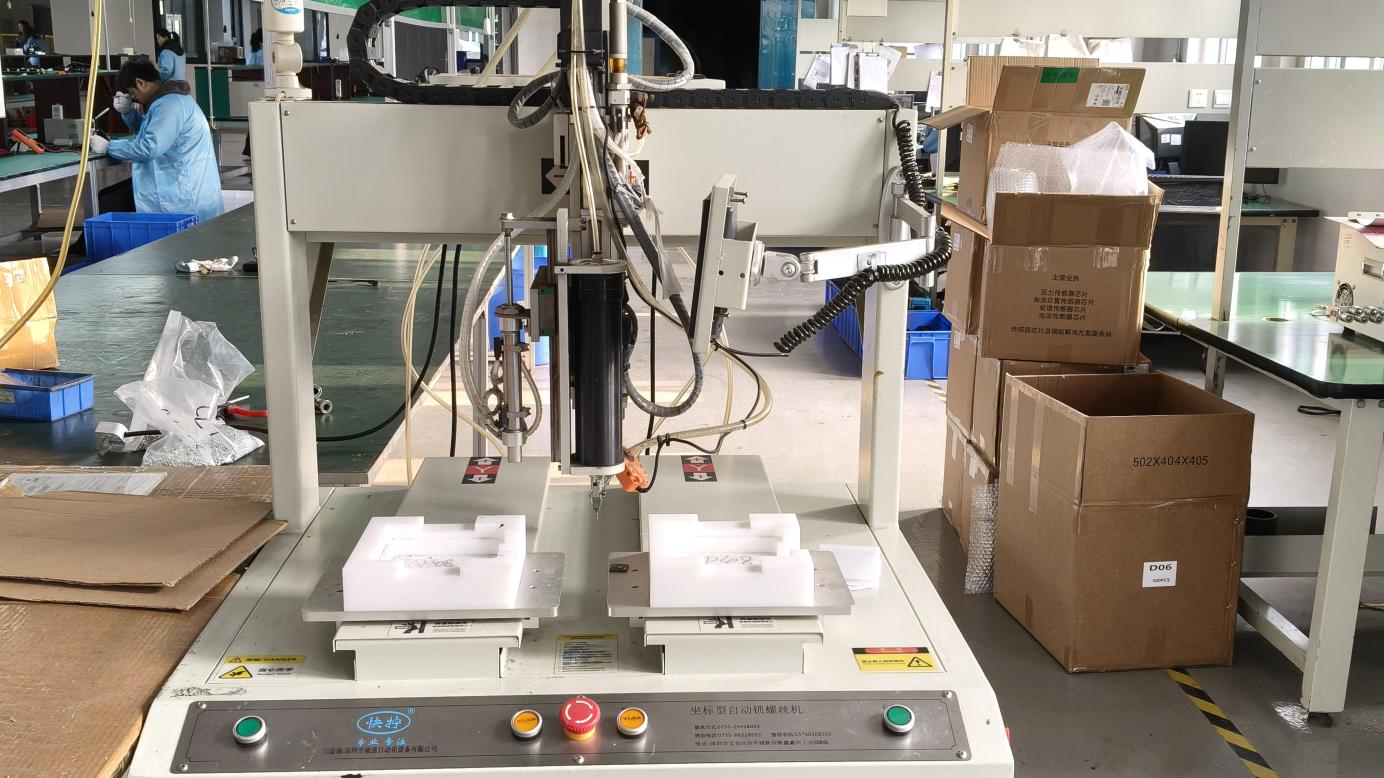
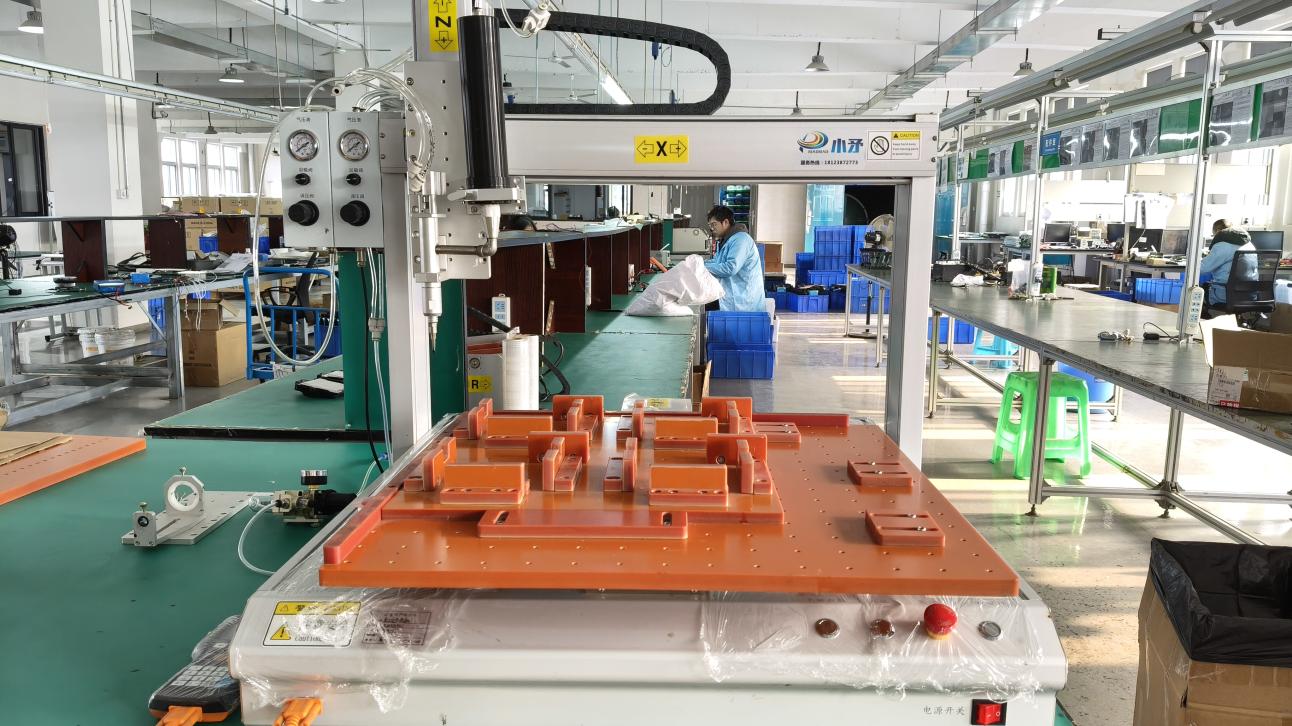
Our technical blueprint for engineering reliable, high-performance clean energy systems.
Selecting and scaling monocrystalline and polycrystalline cells to deliver high solar conversion under specific climate patterns, from diffuse northern lighting to high UV desert exposures.
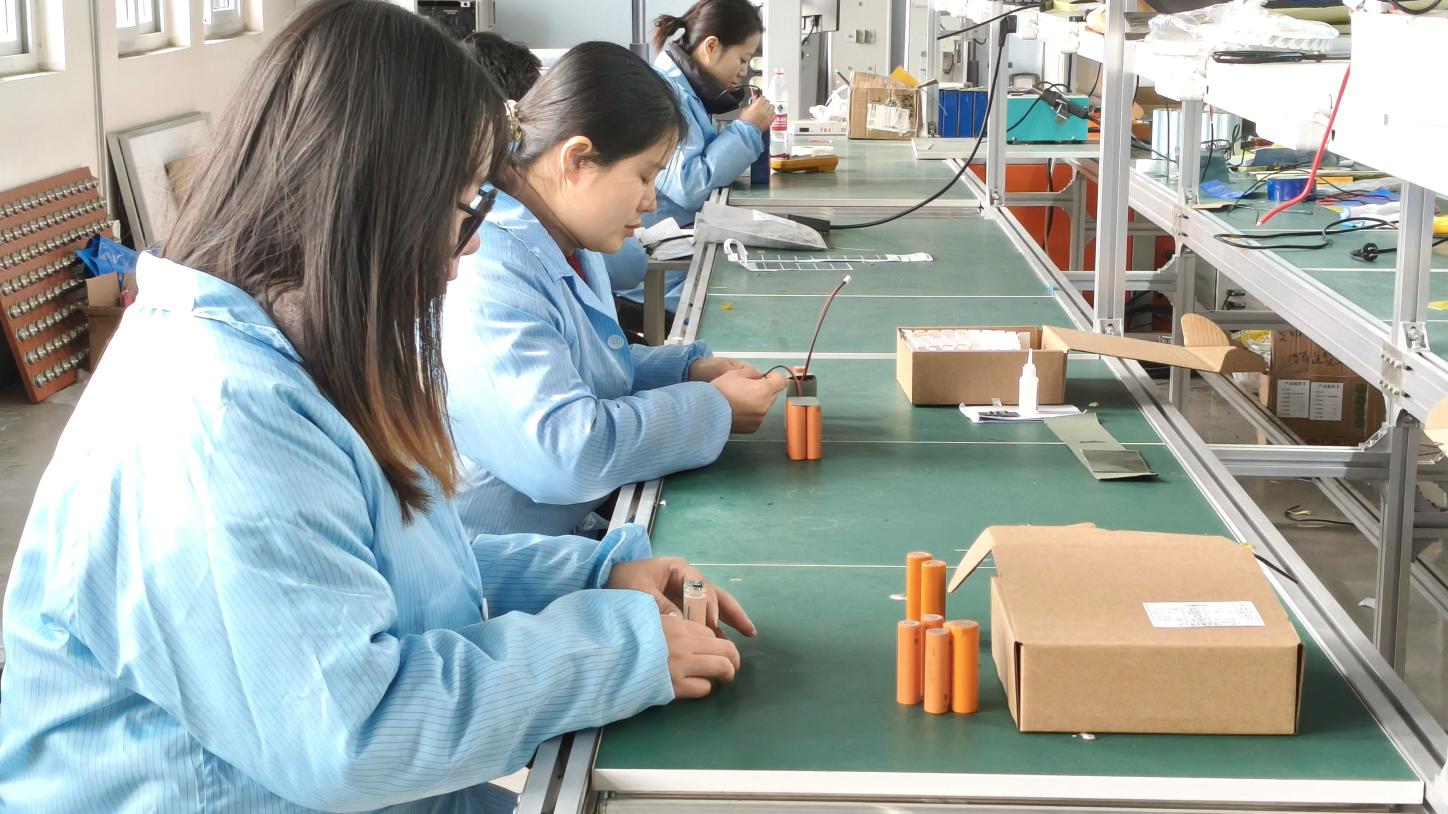
Designing dedicated battery packs with smart Battery Management Systems (BMS). Our designs ensure optimal thermodynamic safety and low-temperature performance down to -40°C.
Integrating tracking algorithms that optimize solar module conversion rates. Our systems dynamically compensate for shifting weather patterns and morning shadow profiles.
How our customized solar solutions meet performance requirements across diverse installation environments.
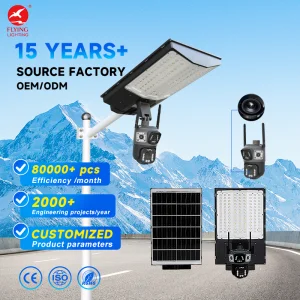
Highways require high-output, continuous lighting along with reliable performance. By using split-housing solar street lights with integrated motion sensors, municipal networks can lower energy consumption during low-traffic periods while providing high visibility when vehicles approach.
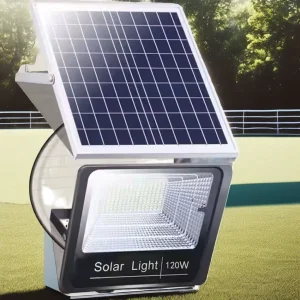
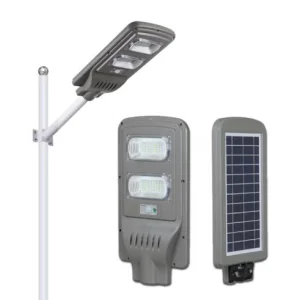
Rural communities and remote logistics hubs rely on self-sustaining power setups. All-in-one solar luminaires combine PV generation, battery storage, and smart lighting into a single package, simplifying installation and eliminating trenching costs.
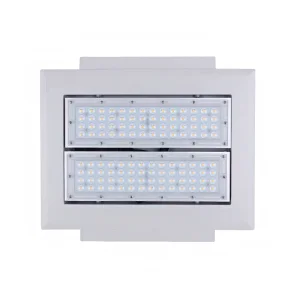
Environments like chemical facilities and gas stations require durable, high-lumen, explosion-proof, and weather-sealed designs. Our canopy lighting systems provide uniform illumination with IP65 ingress protection to withstand corrosive vapors.
Answers to common engineering and sourcing questions about OEM solar deployments.
Monocrystalline silicon panels are cut from a single, high-purity silicon crystal, allowing them to achieve conversion efficiencies of 20% to 22.5%. Polycrystalline panels, which are made by melting multiple silicon crystals together, typically range from 15% to 18% efficiency. Monocrystalline panels perform better in low-light environments and offer a lower temperature coefficient, meaning their efficiency drops less in high temperatures compared to polycrystalline panels.
We use premium Lithium Iron Phosphate (LiFePO4) battery chemistry, which is inherently safer and more stable than NMC or lead-acid options. Every battery pack is integrated with a dedicated Battery Management System (BMS) that monitors individual cell voltages, controls thermal parameters, and protects against overcharging, over-discharging, and short circuits. This configuration provides over 3,000 to 6,000 full charge-discharge cycles while retaining at least 80% of original capacity.
Yes. Our solar components are engineered to withstand ambient operating temperatures ranging from -40°C to +65°C. For sub-zero conditions, we offer insulated battery enclosures with active warming circuits to prevent thermal degradation during charging. For high-temperature environments, our fixtures feature physical heat-sink structures and high-grade aluminum housings that keep critical LED drivers and controllers cool.
We provide full-spectrum engineering support, including custom light pole heights and structural calculations for wind resistance (up to 160 km/h). We also offer customized battery sizing to ensure sufficient power storage for days with overcast weather, specialized lens optics for optimal light distribution, and custom brand packaging. Clients can also specify particular IoT communication modules, including LoRa, Zigbee, 4G, or 5G, for smart remote monitoring.
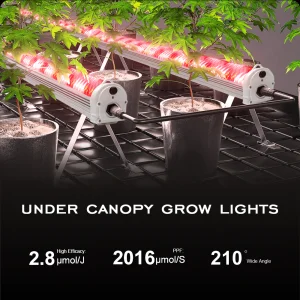
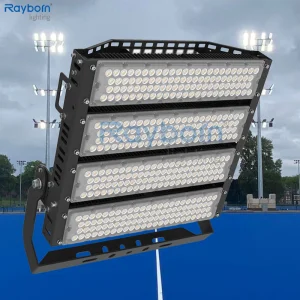
Explore our specialized horticultural, stadium, high-power solar, and security-enabled systems.
 OneAll Lights