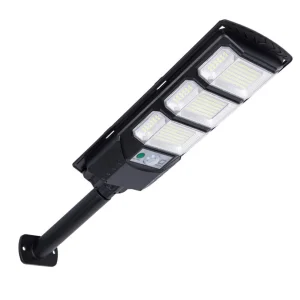
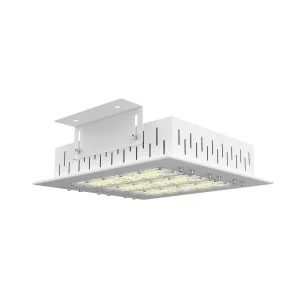
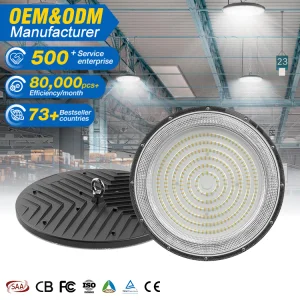
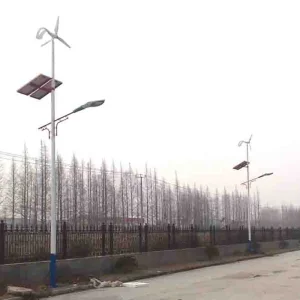
The global push for decarbonization and off-grid resilience has shifted the solar charger landscape from novelty consumer gadgets to industrial-grade utility infrastructure. B2B buyers—ranging from municipal planning organizations to telecommunications conglomerates and fleet operators—now demand customized solar charging systems equipped to sustain continuous operation under extreme environmental conditions. Today's commercial solar chargers integrate multi-layered technology systems including high-conversion photovoltaic (PV) modules, intelligent Maximum Power Point Tracking (MPPT) regulators, and smart Lithium Iron Phosphate (LiFePO4) energy storage arrays.
Transitioning from polycrystalline to N-type TOPCon and bifacial monocrystalline silicon cells. Commercial arrays now regularly exceed 22.5% photoelectric conversion efficiency, ensuring high yield even in low-irradiance geographic zones.
Embedding LoRaWAN, NB-IoT, and 4G communication units directly into the charger controller. Operators can remotely monitor cell temperature, charging speed, and battery health via centralized SaaS dashboards.
Leveraging firmware that automatically detects connected loads (USB-PD 3.1, QC 4.0, or DC industrial outputs) to deliver optimal voltage protocols while preventing thermal overload.
For custom OEM buyers, the challenge lies in choosing a manufacturing partner capable of translating precise performance requirements into scalable, certified hardware. Yangzhou OneAll Lights Co., Ltd. leverages over two decades of engineering and fabrication expertise to bridge this gap, delivering high-performance, turnkey solutions across the entire solar integration pipeline.
Established in 2003 in the high-tech manufacturing hub of Yangzhou, Jiangsu Province, China, Yangzhou OneAll Lights Co., Ltd. has spent more than 20 years refining its outdoor hardware fabrication and electronics integration systems. While widely recognized for engineering commercial outdoor lighting systems, the company's robust tooling, structural fabrication, and SMT assembly lines make it a highly sought-after OEM and ODM manufacturer for custom solar-powered chargers, integrated solar pole terminals, and off-grid utility enclosures.
Developing robust, outdoor-rated solar charging hardware requires advanced tooling. Our facilities feature a comprehensive range of computerized machinery designed to guarantee dimensional accuracy and structural durability:
Reliability is the foundation of our engineering philosophy. Every custom OEM solar charger design is subjected to an exhaustive testing suite before mass production approval:
| Test Category | Parameter & Standard |
|---|---|
| Thermal Cycling | -40°C to +85°C chamber testing to simulate desert and arctic environments. |
| Ingress Protection | IP65 and IP67 certification tests utilizing specialized high-pressure water jets. |
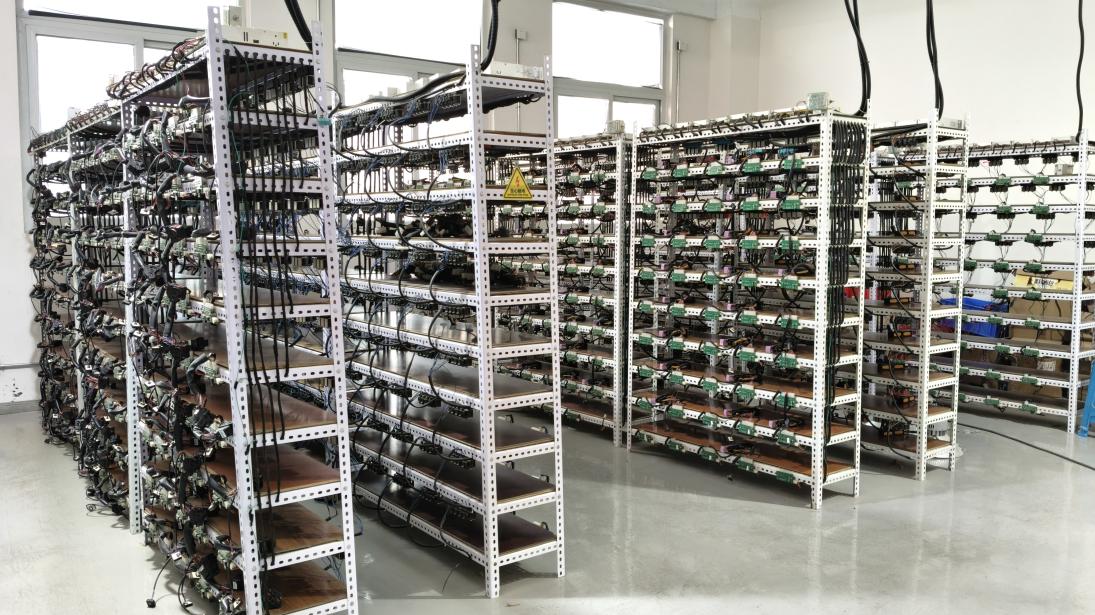
| Aging & Load Testing | 100% active electronic aging under full load for a minimum of 48 hours. |
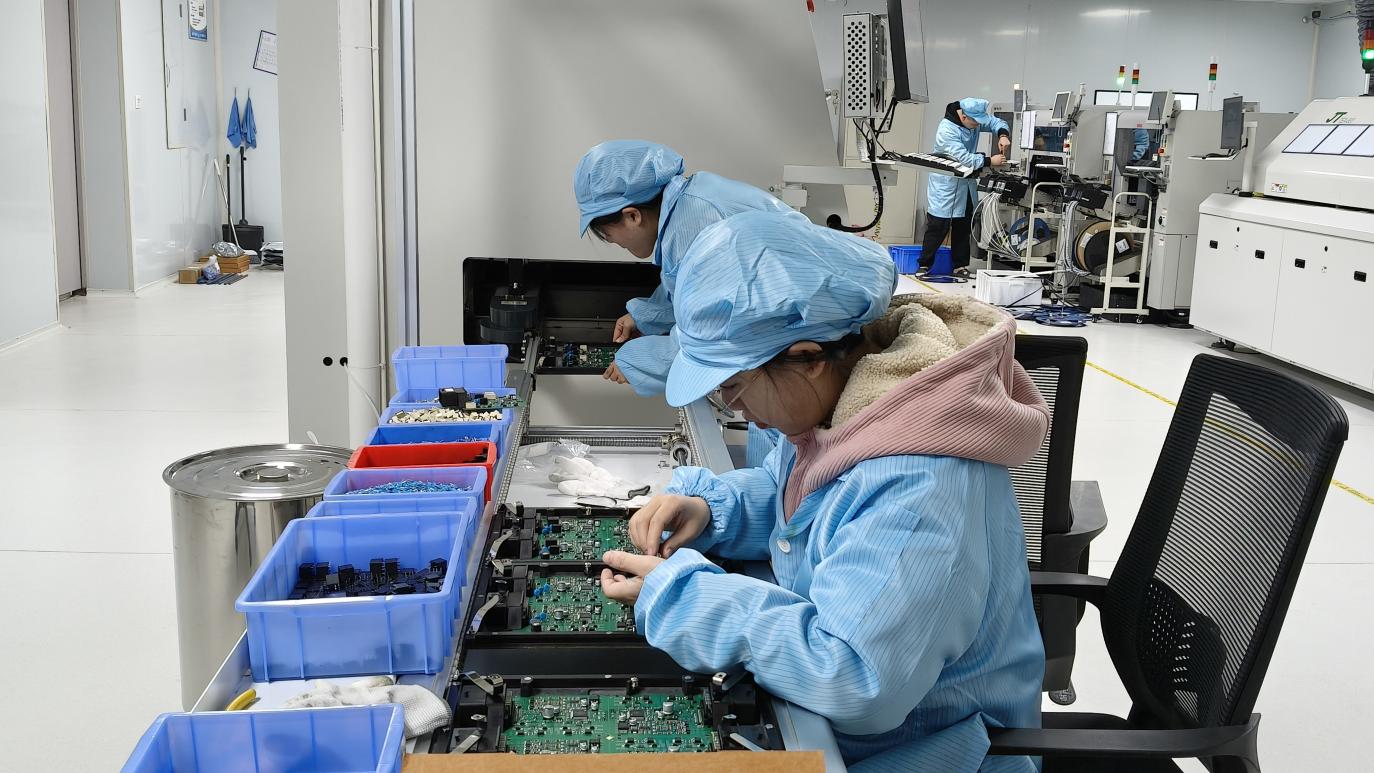
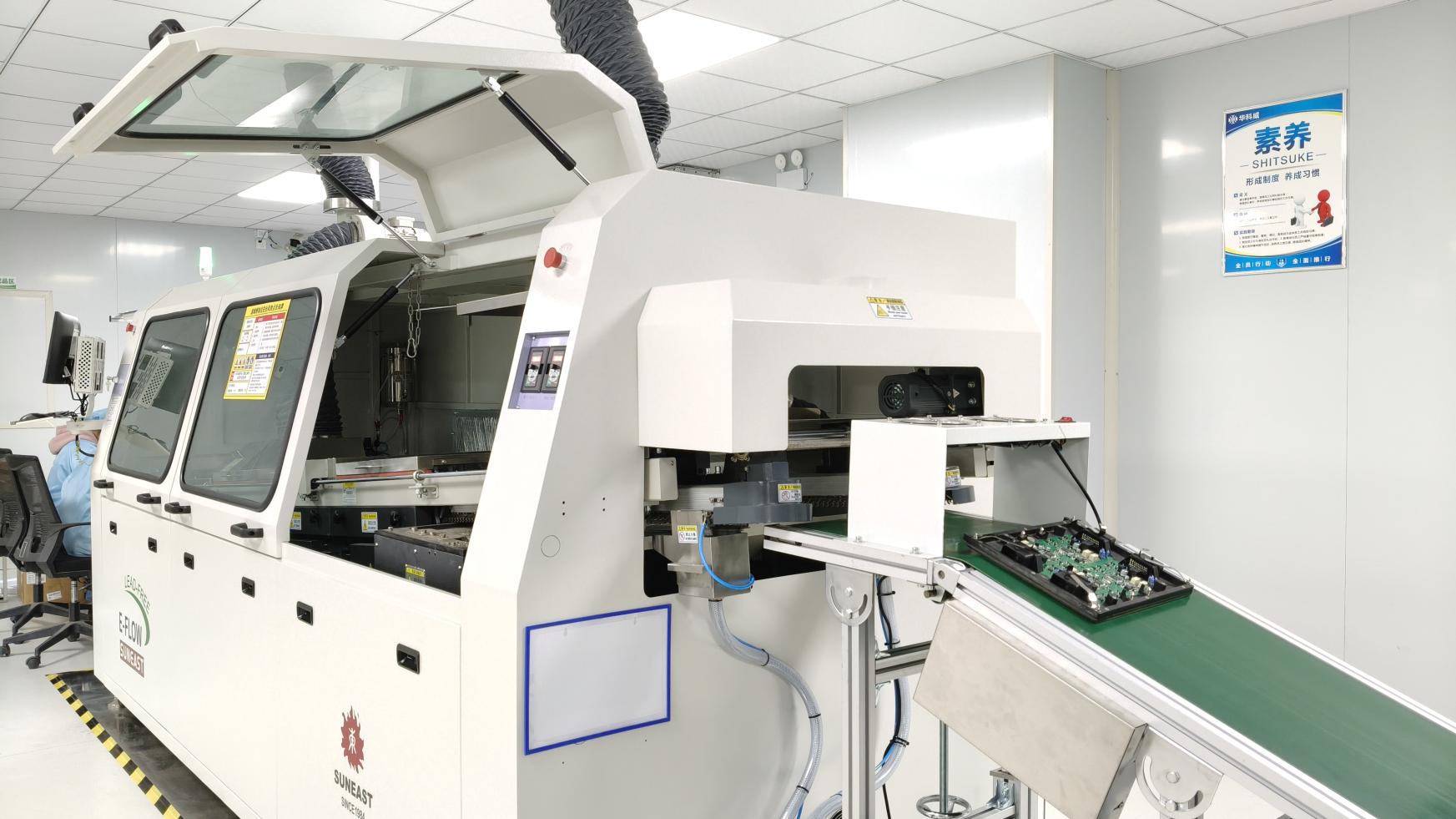
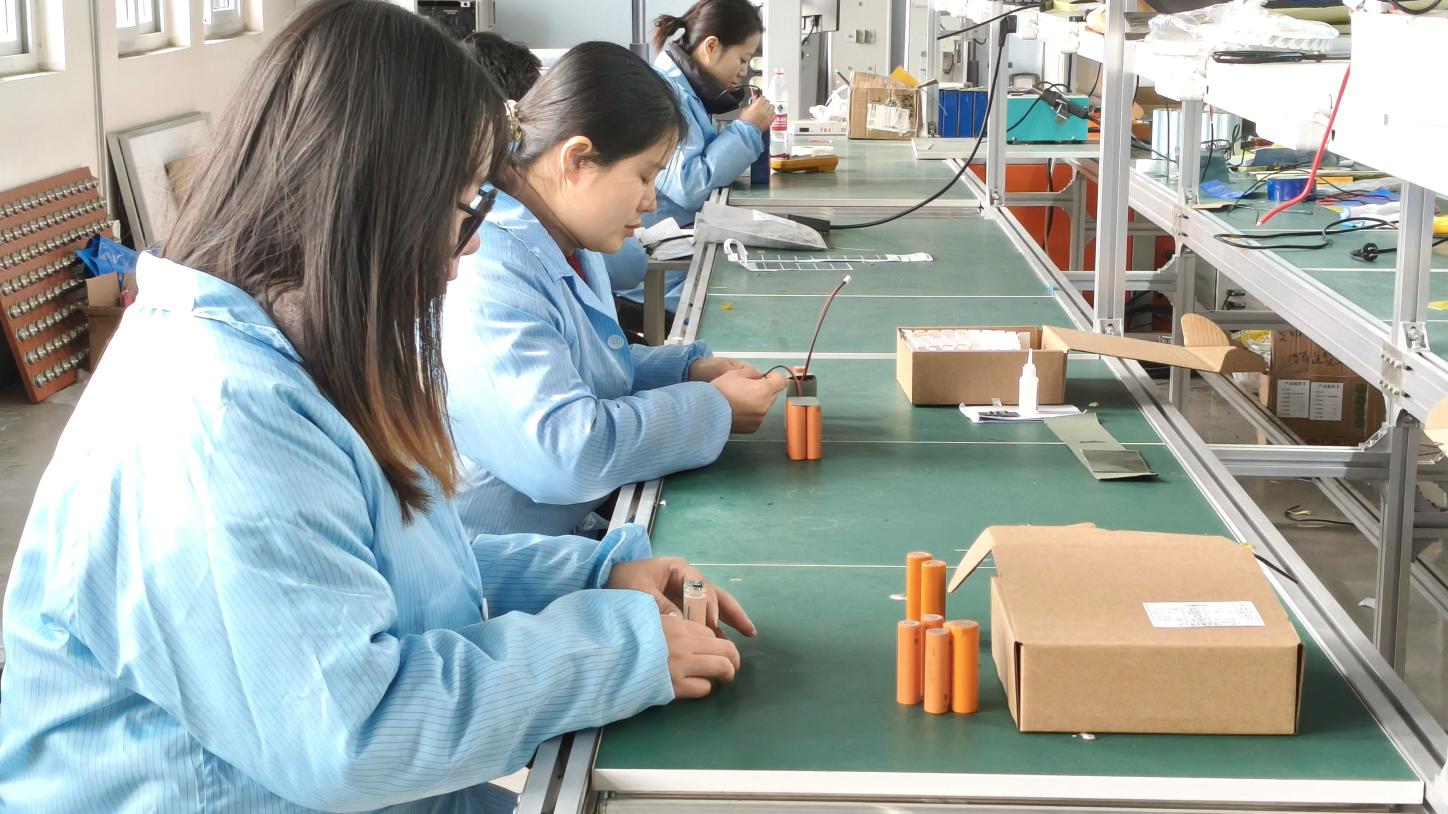
Take a closer look at the actual manufacturing machinery, assembly steps, and quality-assurance systems deployed inside Yangzhou OneAll Lights Co., Ltd.

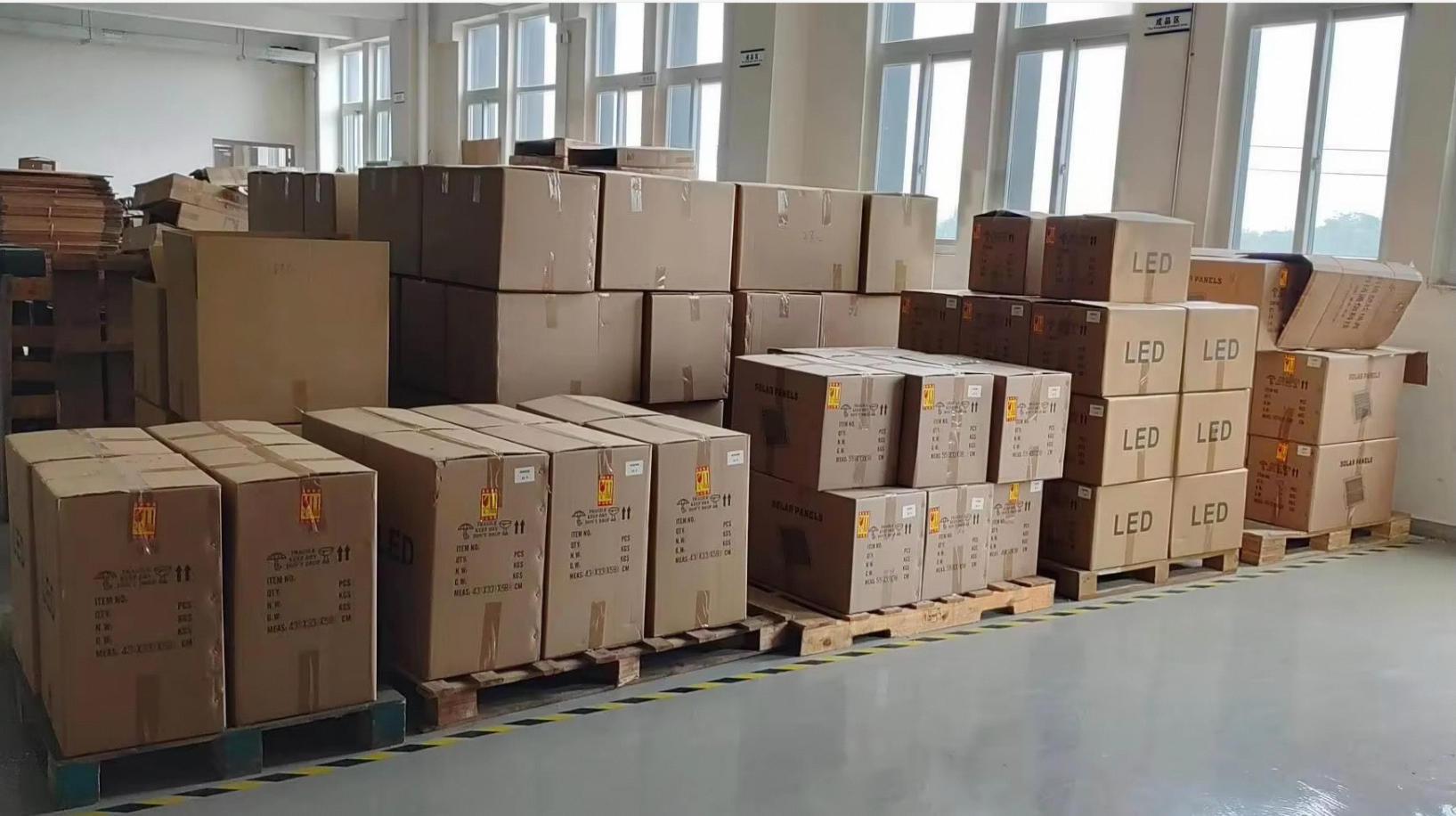
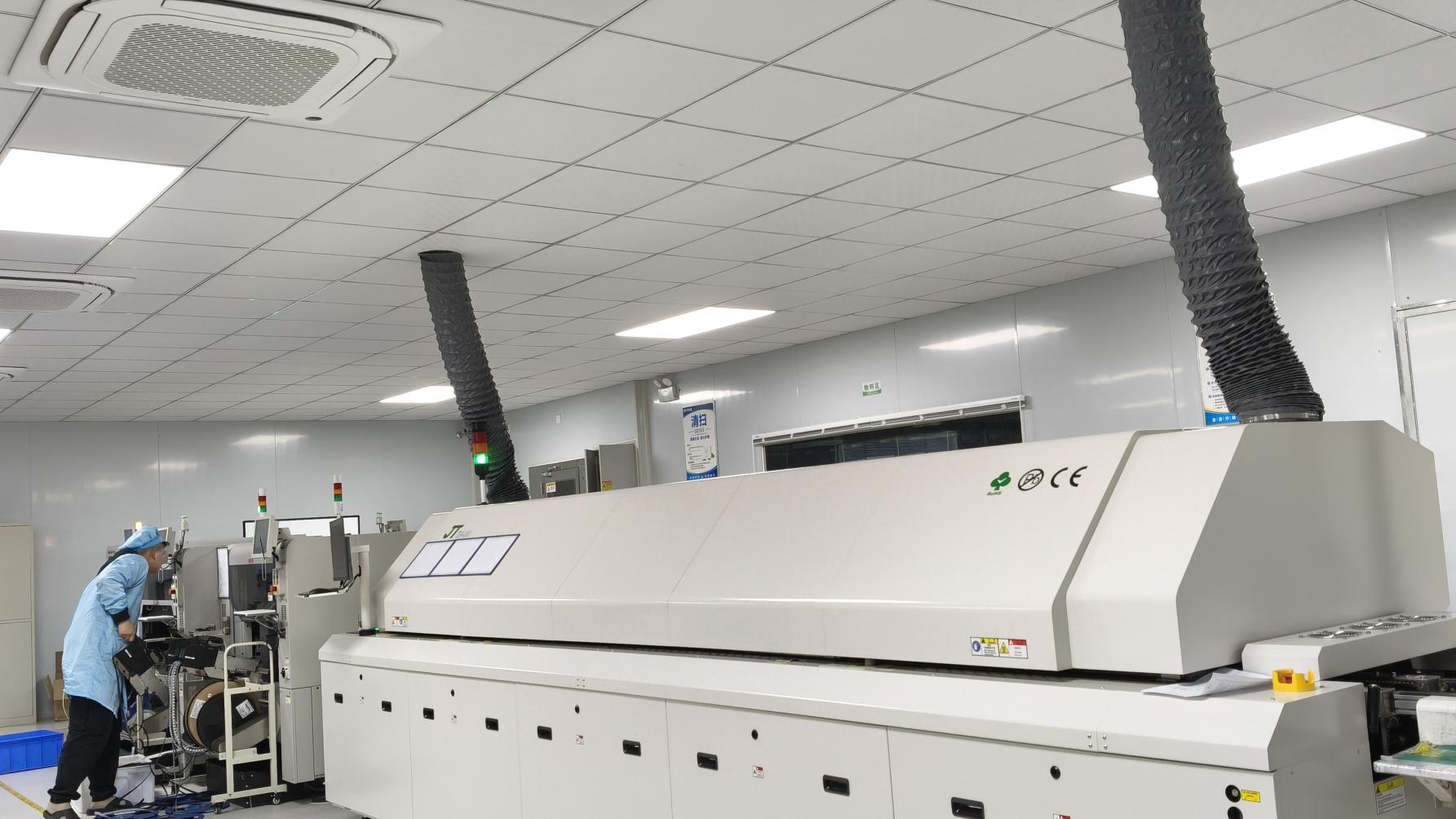
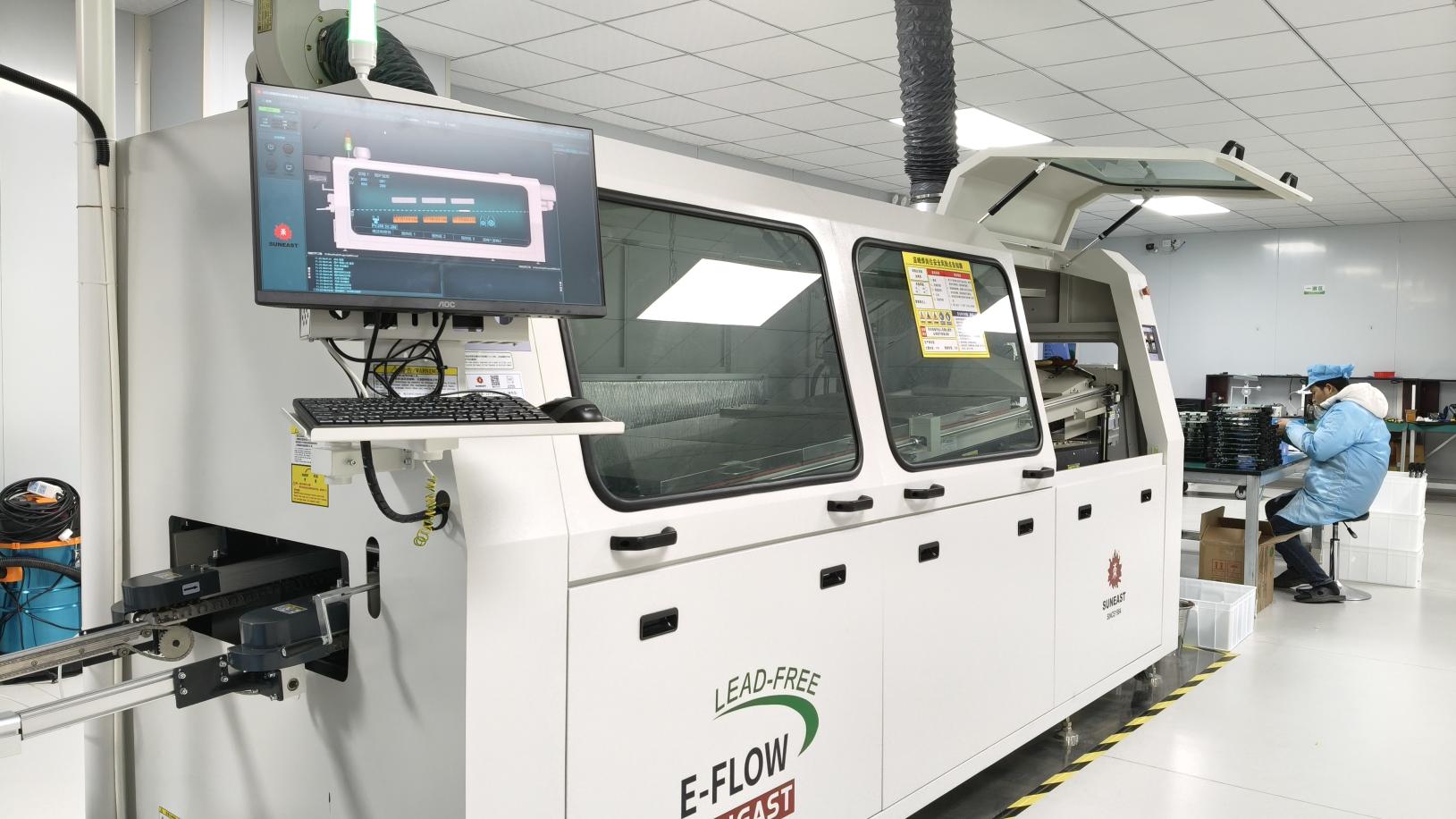
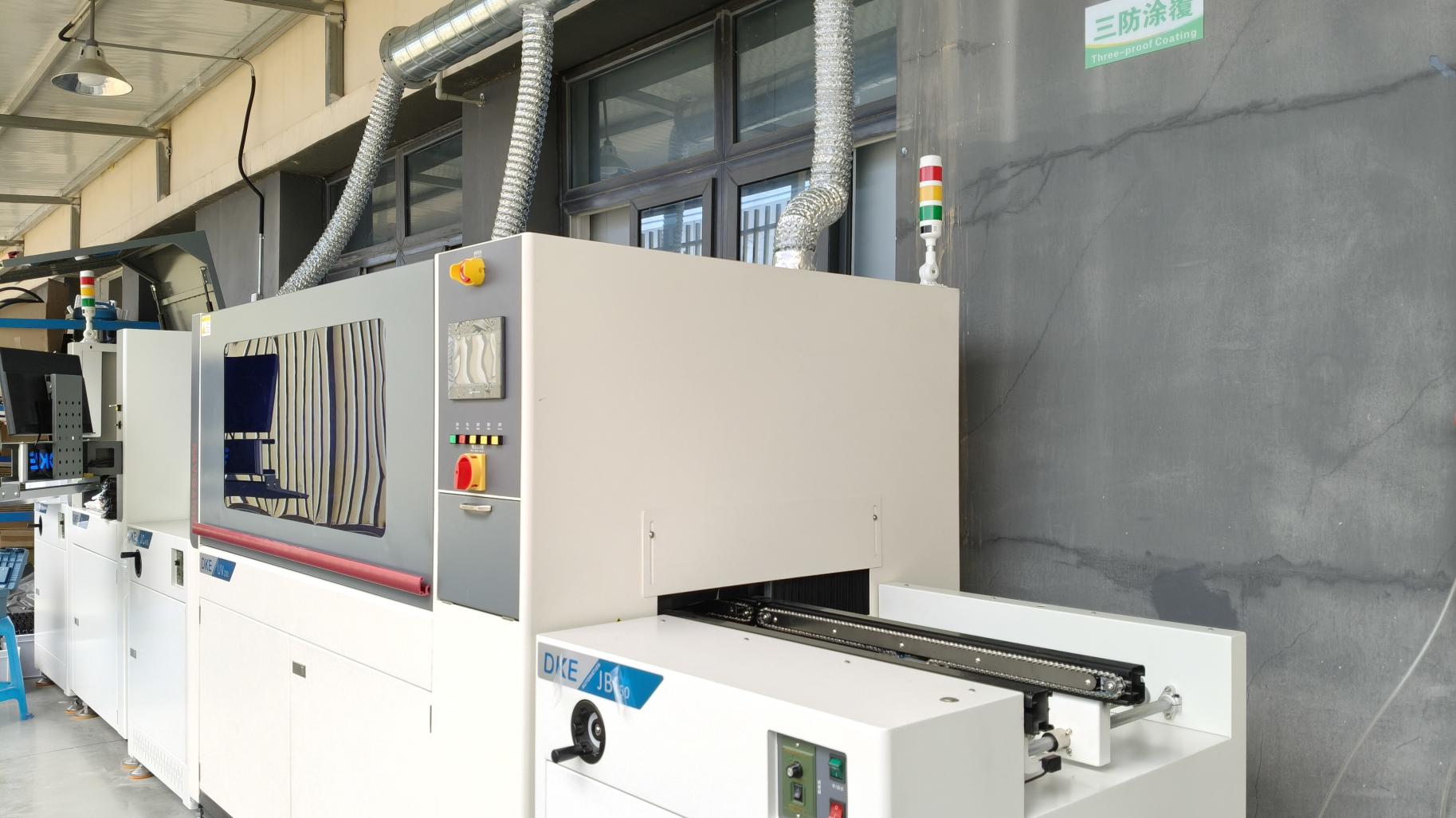
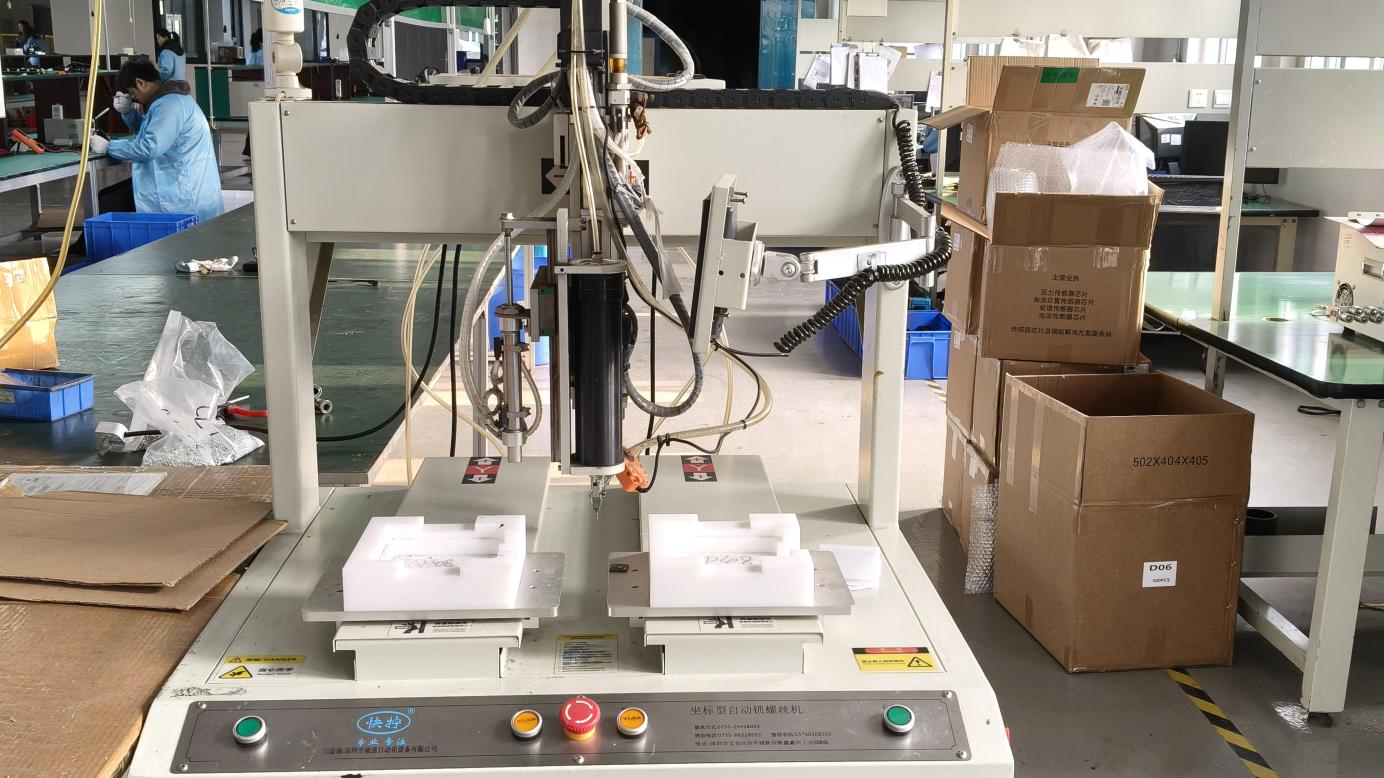
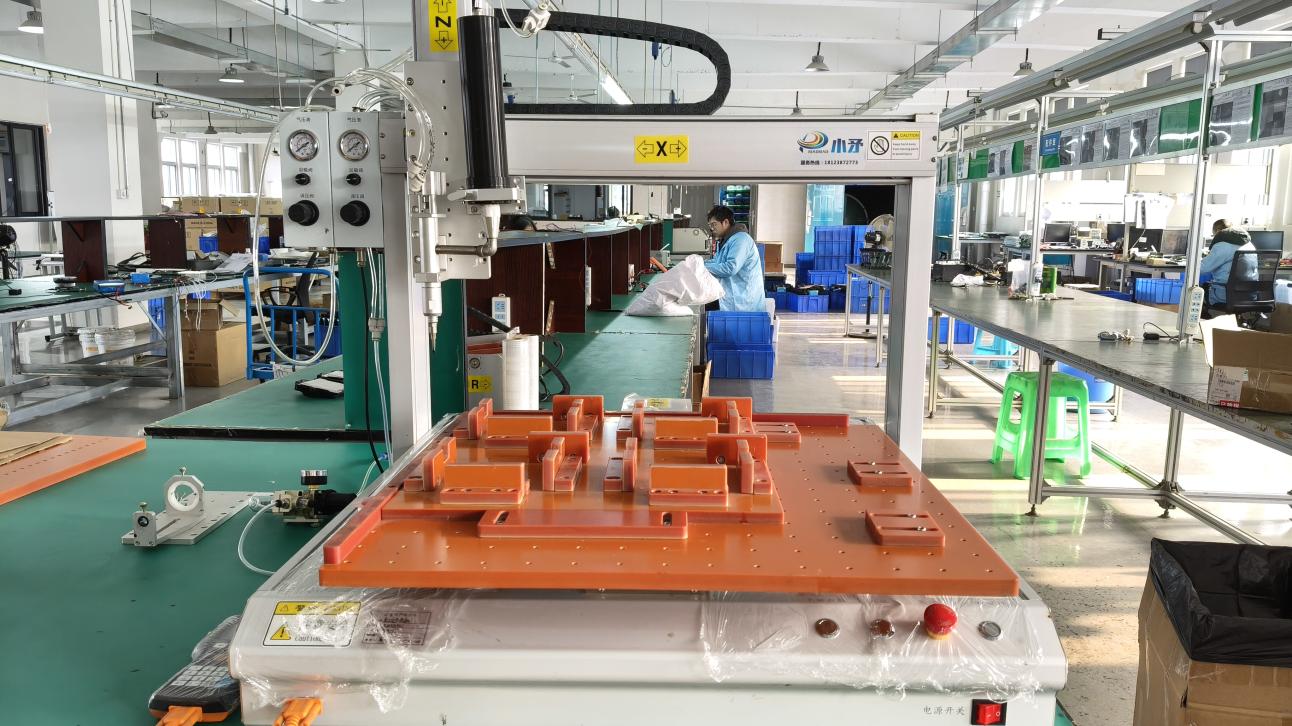
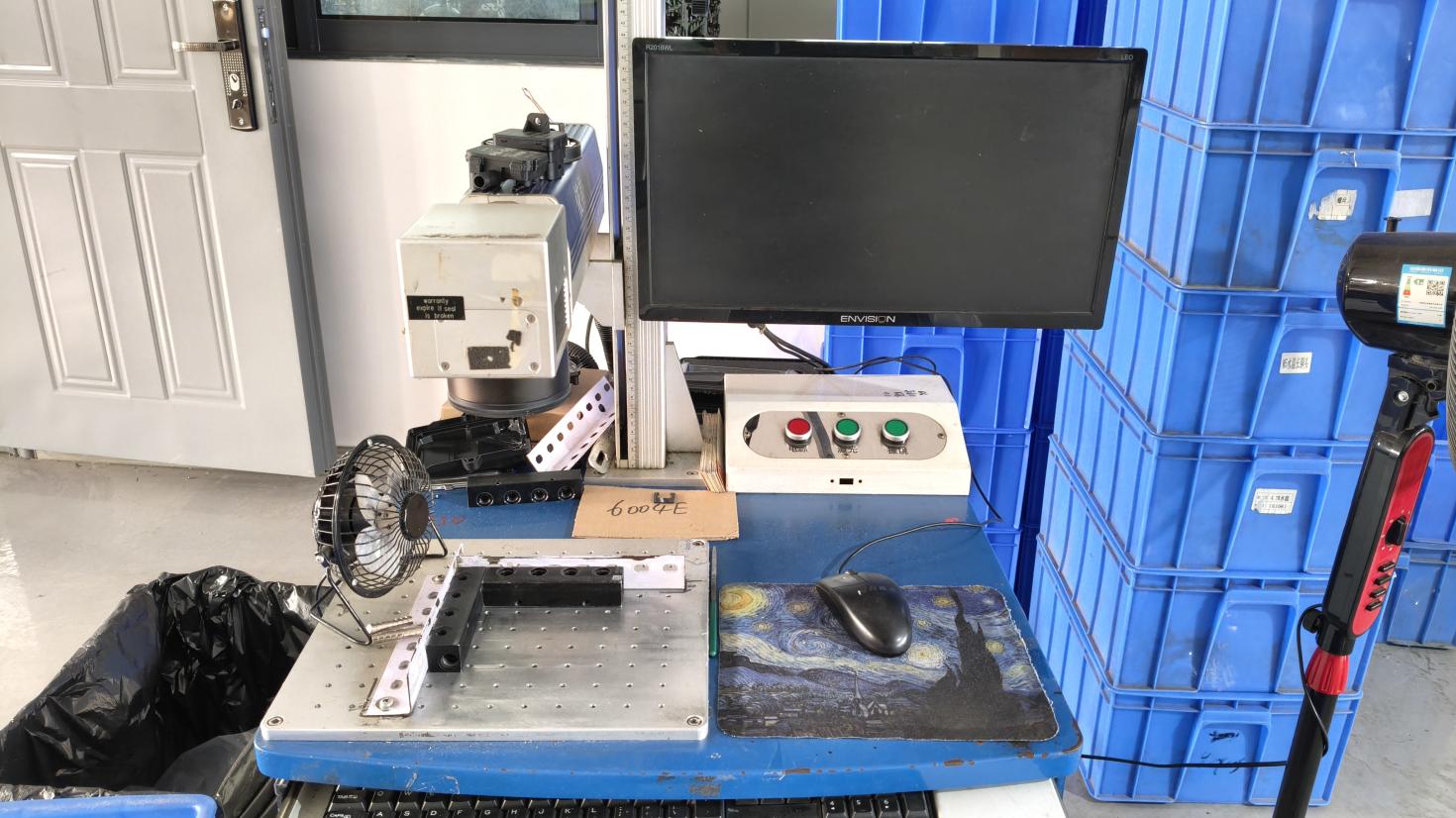
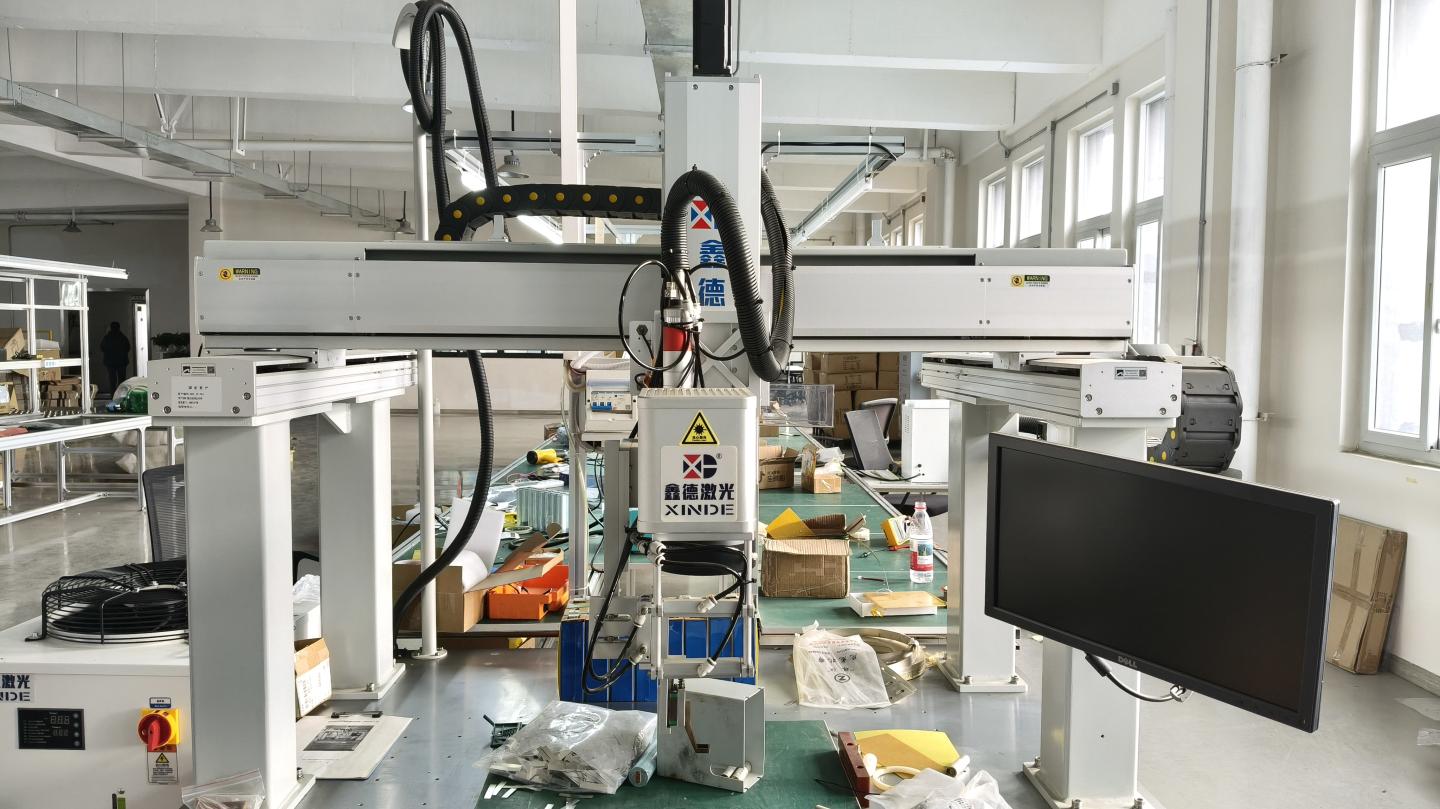
From initial design blueprint to physical assembly, we follow a strict system development life cycle to ensure custom chargers meet project performance criteria:
Assessing local solar irradiance profiles, target load requirements, and physical mounting environments.
Rendering 3D models of the charger chassis, solar panel tilt brackets, and physical port distributions.
Developing customized MPPT circuits, selecting appropriate BMS configurations, and integrating custom communications protocols.
Manufacturing a pilot run of units to undergo rigorous environmental chamber and stress-testing cycles.
Deploying automatic welding, SMT line operations, quality-assurance verification, and final compliance labeling.
B2B buyers, distributors, and EPC (Engineering, Procurement, and Construction) contractors face complex supply chain hurdles when sourcing commercial solar systems. Managing component compatibility issues, navigating maritime transport rules for integrated lithium battery shipments, and securing localized certifications can introduce major delays. Here is how Yangzhou OneAll Lights mitigates these operational friction points:
We supply lithium assemblies fully compliant with UN38.3, MSDS, and maritime dangerous goods transport standards. This eliminates customs delays and guarantees legal overland freighting in destination nations.
Instead of sourcing panels, controllers, batteries, and brackets from different suppliers, we engineer them as a single, pre-tested module, minimizing errors and onsite installation issues.
We work directly with Intertek, SGS, and TUV to assist partners in achieving regional compliance certifications including CE, FCC, RoHS, ETL, and DLC matching local requirements.
Our long-term product roadmap is aligned with developments in materials science, smart grid capabilities, and mechanical performance limits to ensure installations remain relevant for decades:
Standardizing N-Type TOPCon bifacial solar cells to extract energy from both direct sunlight and reflective ground albedo, resulting in a 15-20% boost in overall power yield.
Moving toward solid-state battery integrations for extreme environment applications, dramatically expanding functional temperature bands from -50°C to +90°C.
Integrating machine learning algorithms directly into MPPT charge controllers to proactively optimize load balance based on historical micro-climate weather forecasts.
Supporting vehicle-to-grid (V2G) and smart city integrations where outdoor charging posts double as cellular small cells and distributed grid support batteries.
 OneAll Lights