Explore our industrial and architectural outdoor solar systems engineered to excel under diverse ambient conditions.
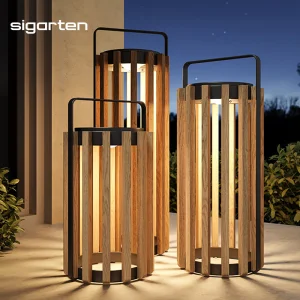
Modern commercial infrastructure demands more than basic energy harvesting. The industry is currently shifting toward high-efficiency monocrystalline cell structures, advanced Maximum Power Point Tracking (MPPT) logic controllers, and deeply integrated Lithium Iron Phosphate (LiFePO4) storage chemistries. This ensures structural longevity under challenging environments.
For municipal engineers and procurement departments, selecting an established manufacturing partner is critical to minimizing the total cost of ownership (TCO) and achieving long-term system stability.
Ensures up to 98.5% conversion efficiency, adapting system operations dynamically during overcast or low-insolation periods.
Compatible with LoRaWAN, Zigbee, and NB-IoT protocols to enable remote system health monitoring, dimming schedules, and automated alert systems.
Designed using marine-grade die-cast aluminum (ADC12) to prolong LED component lifespan and battery cell operational cycles.
A trusted manufacturing partner delivering high-performance solar lighting and structural systems since 2003.
Located in the lighting manufacturing hub of Yangzhou, Jiangsu Province, Yangzhou OneAll Lights Co., Ltd. operates modern production facilities. Our plant integrates advanced fabrication systems, including CNC bending systems, automatic submerged arc welding lines, precision laser cutting machinery, and electrostatic powder coating lines. This enables us to maintain complete production control from structural engineering to surface treatment.
By keeping core processes in-house—including Surface Mount Technology (SMT) line assembly, wave soldering, and environmental aging testing—we provide reliable quality control, flexible customization options, and predictable lead times for major infrastructure projects worldwide.
Our engineering team focuses on developing energy-efficient, robust solar power configurations tailored to distinct regional climates. Our systems are engineered to withstand demanding environments, from high-wind coastal zones requiring specialized structural wind-load engineering to hot desert regions demanding enhanced battery thermal management systems.
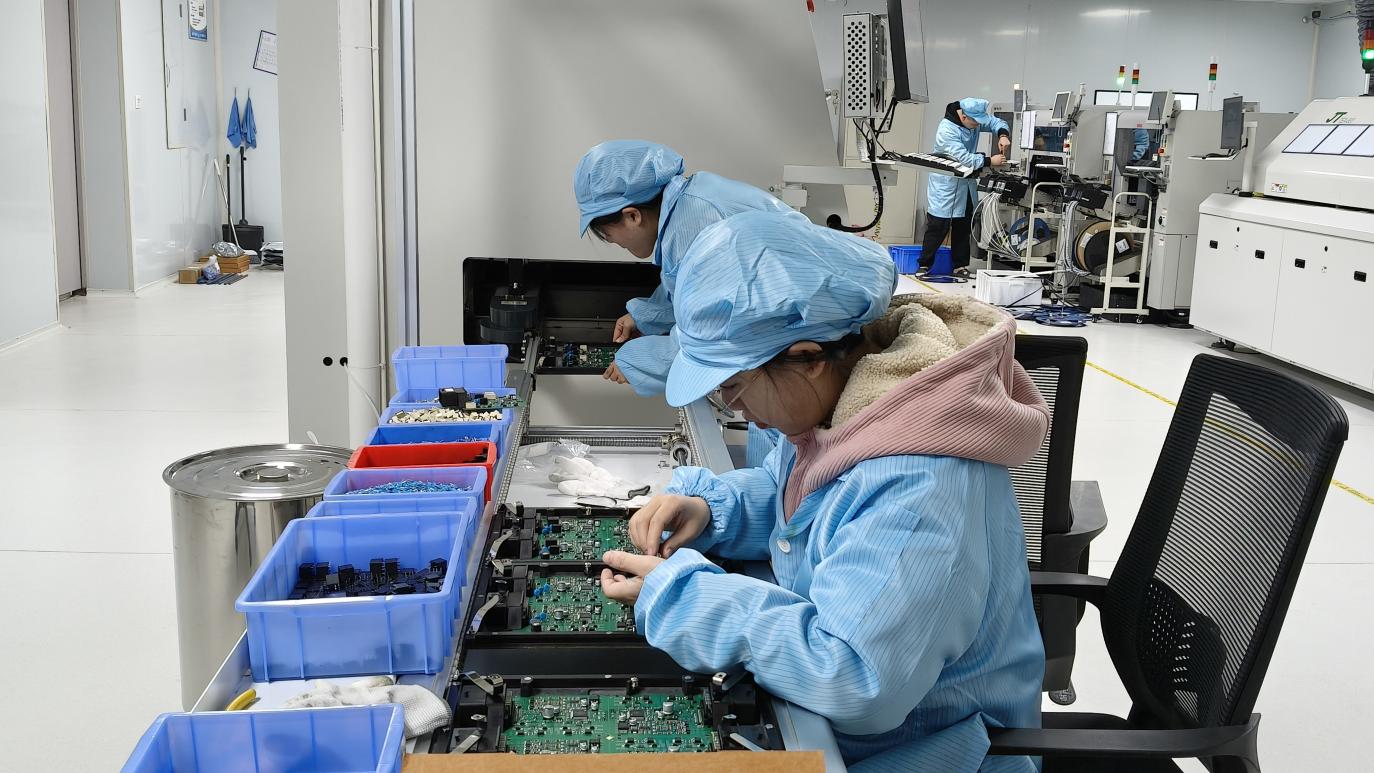
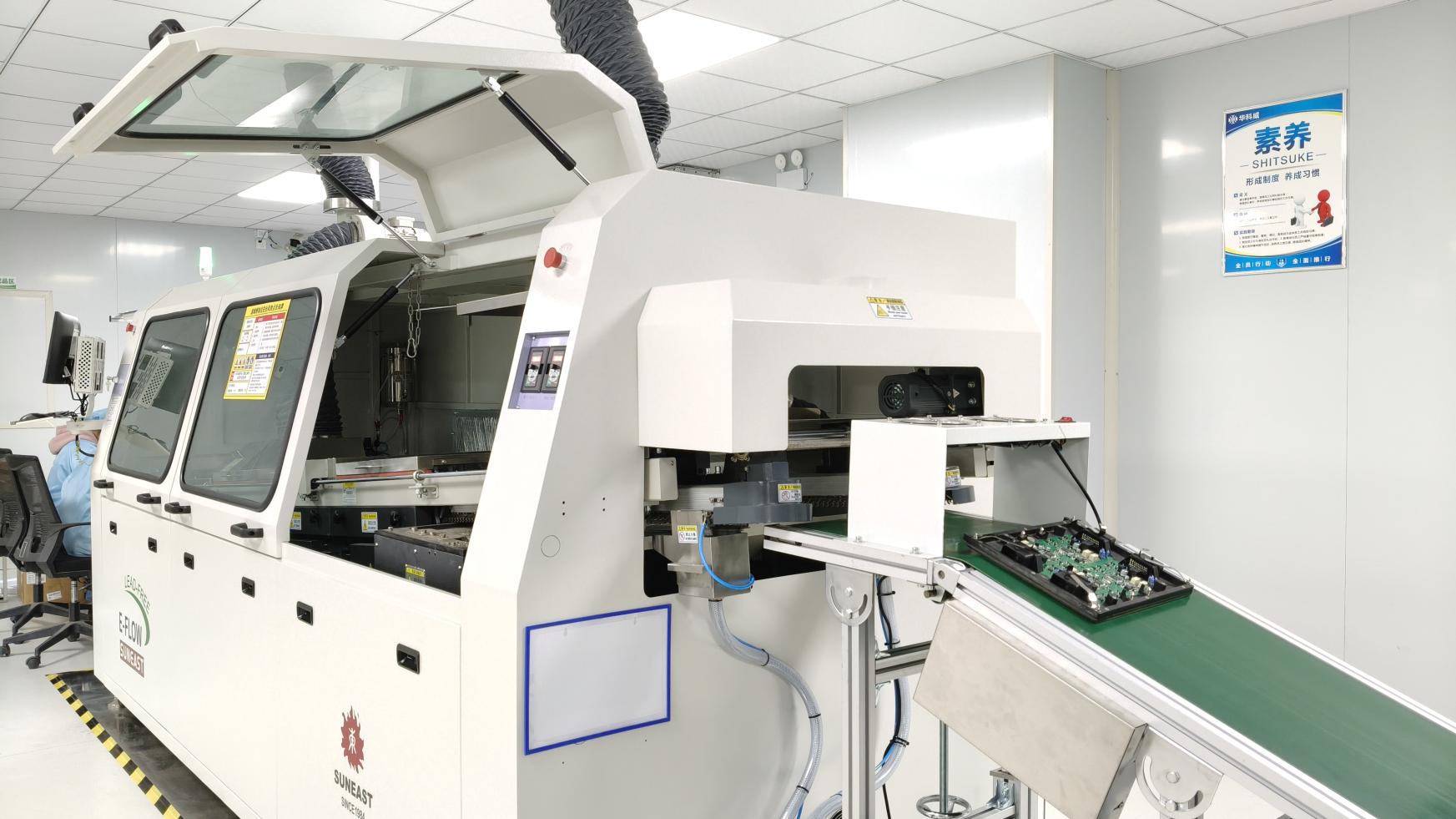

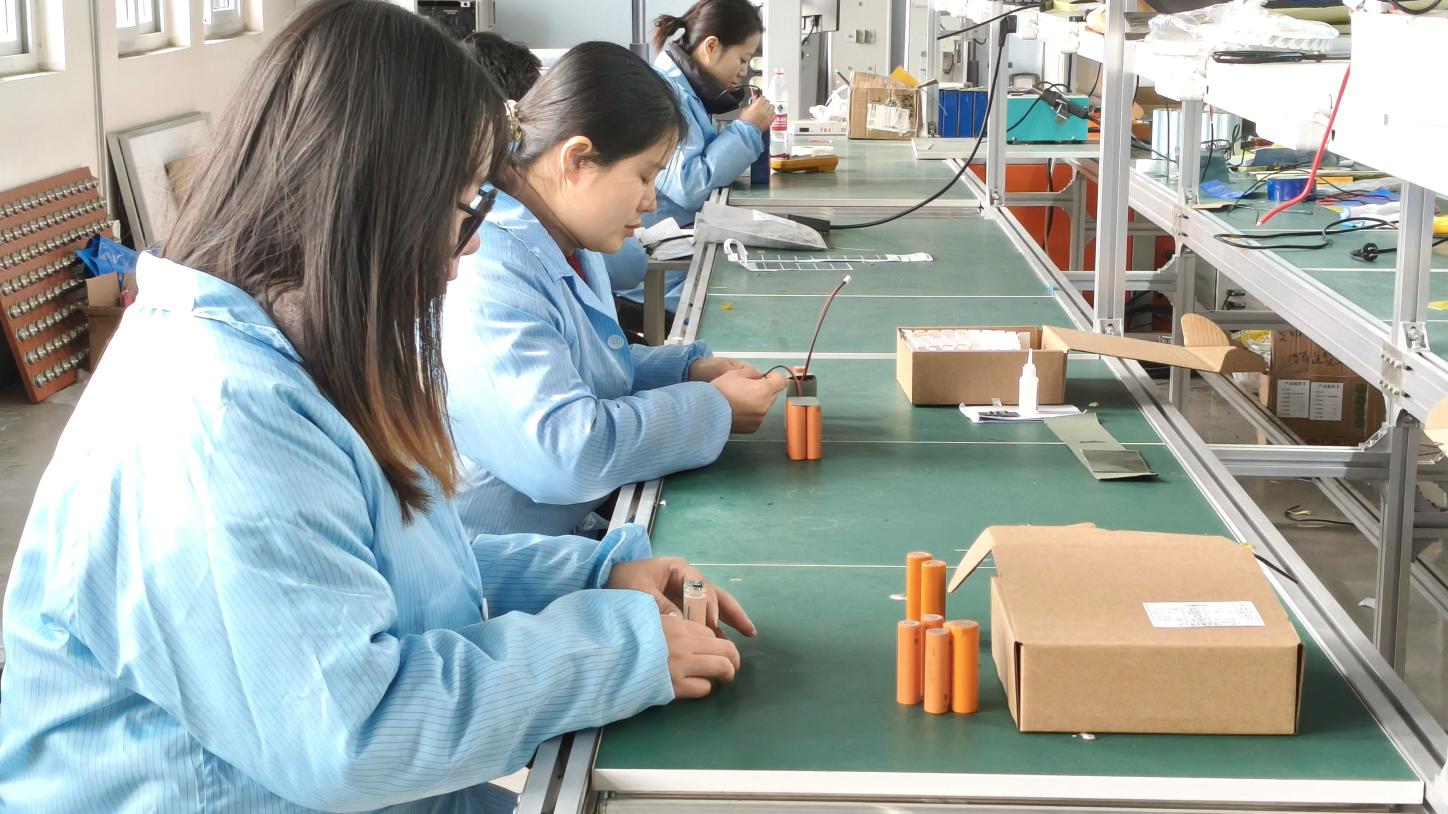
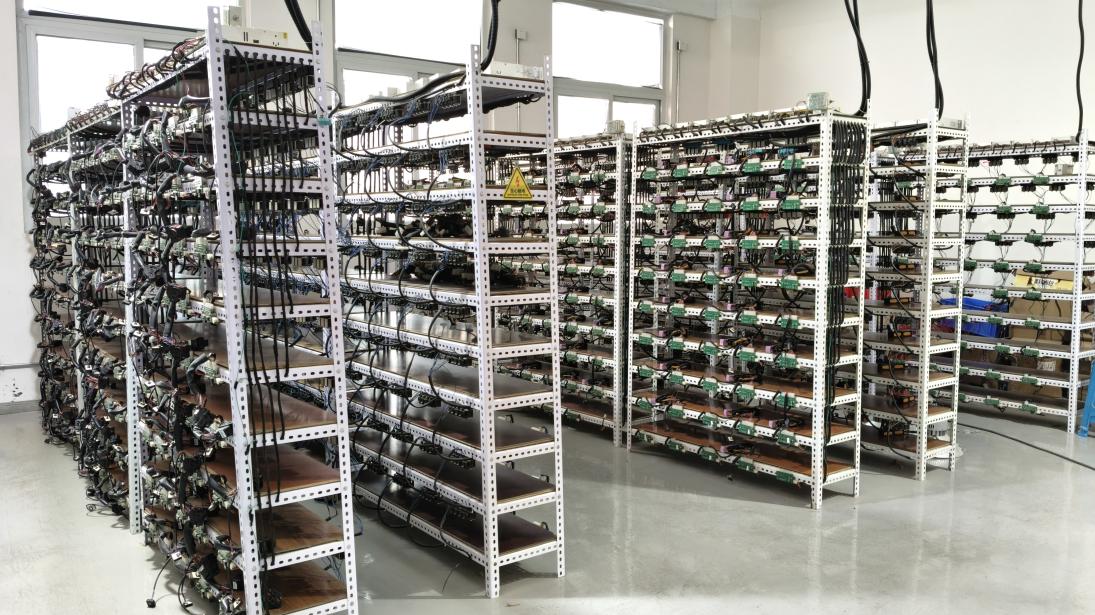
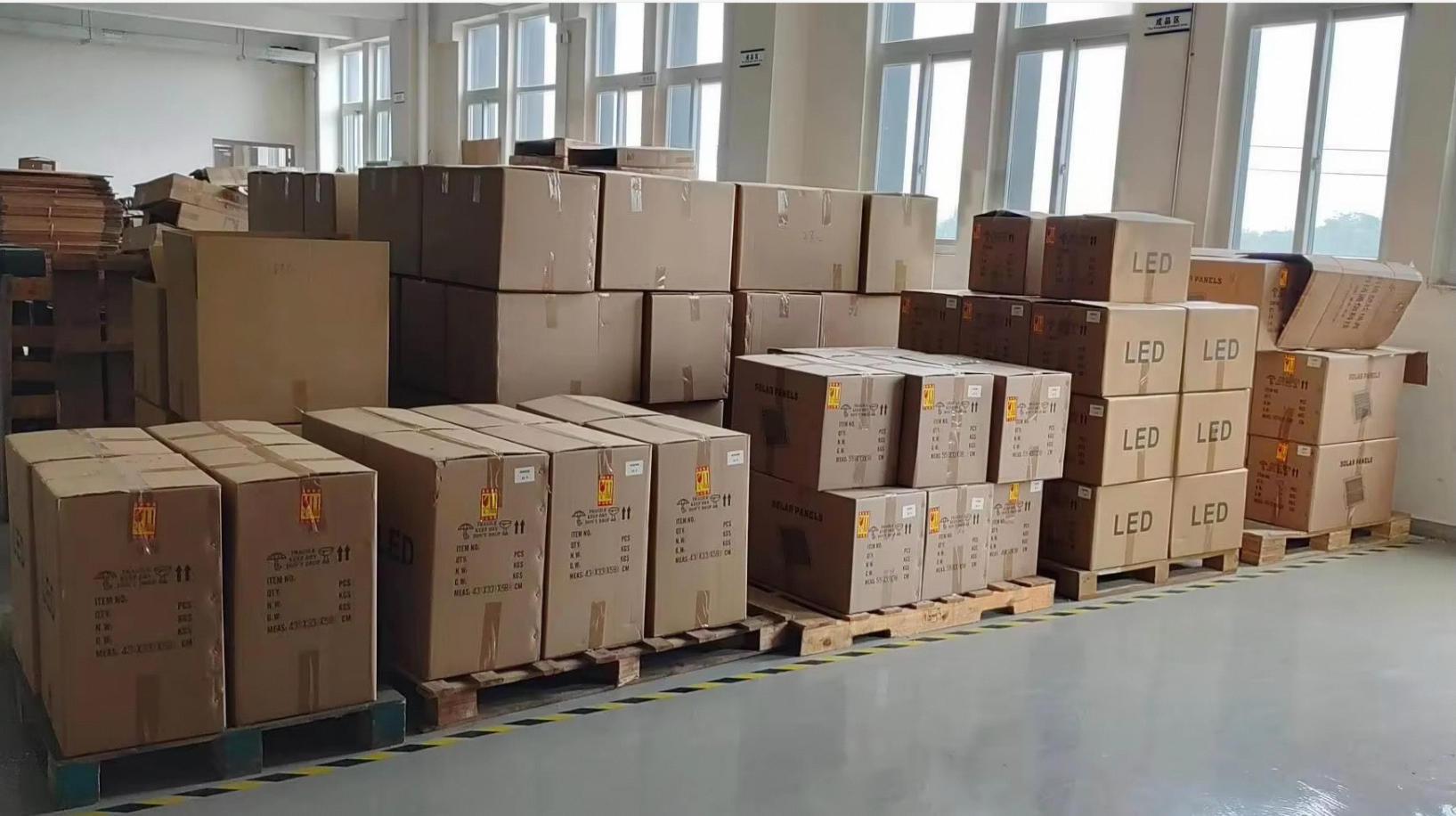
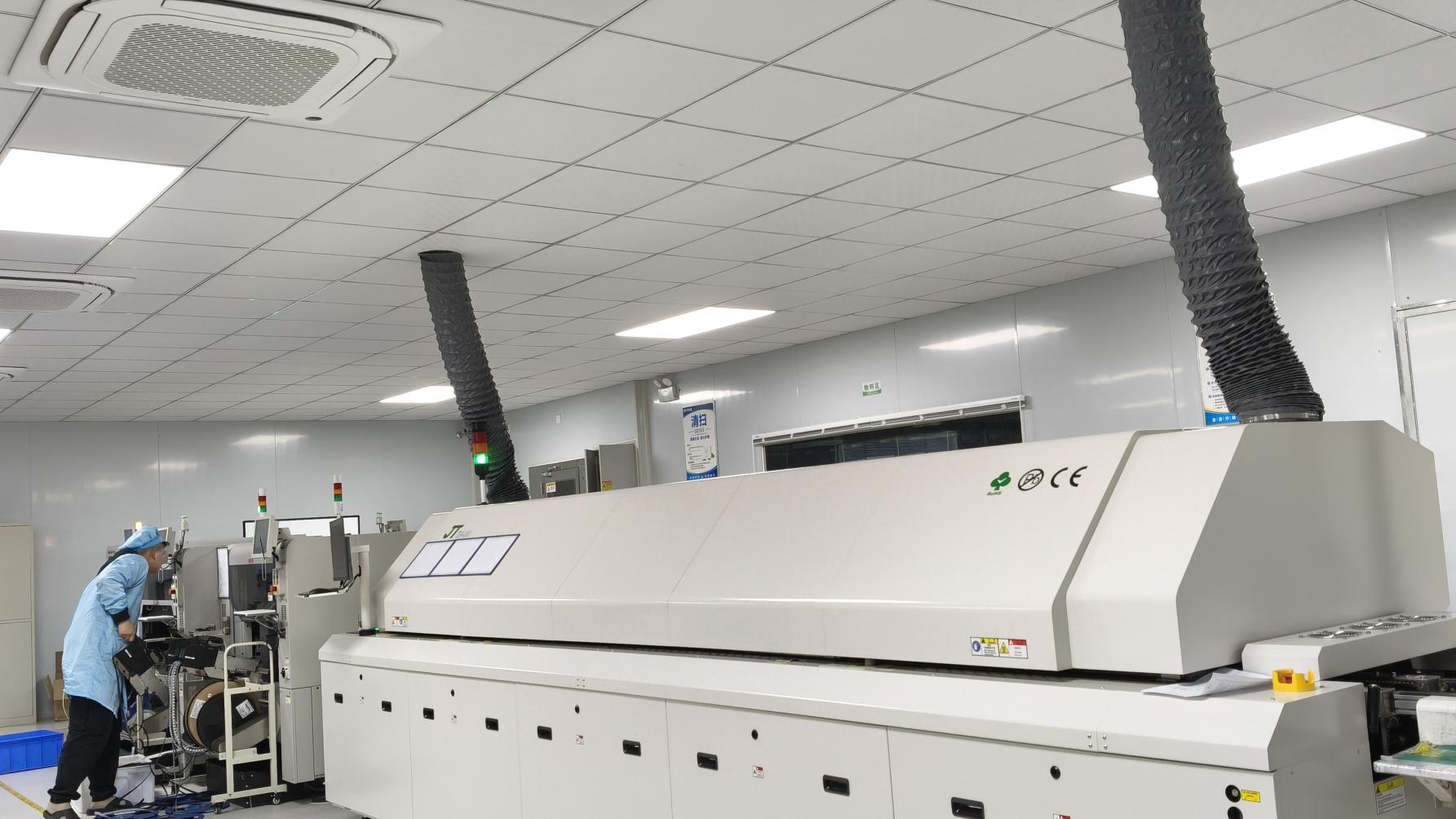
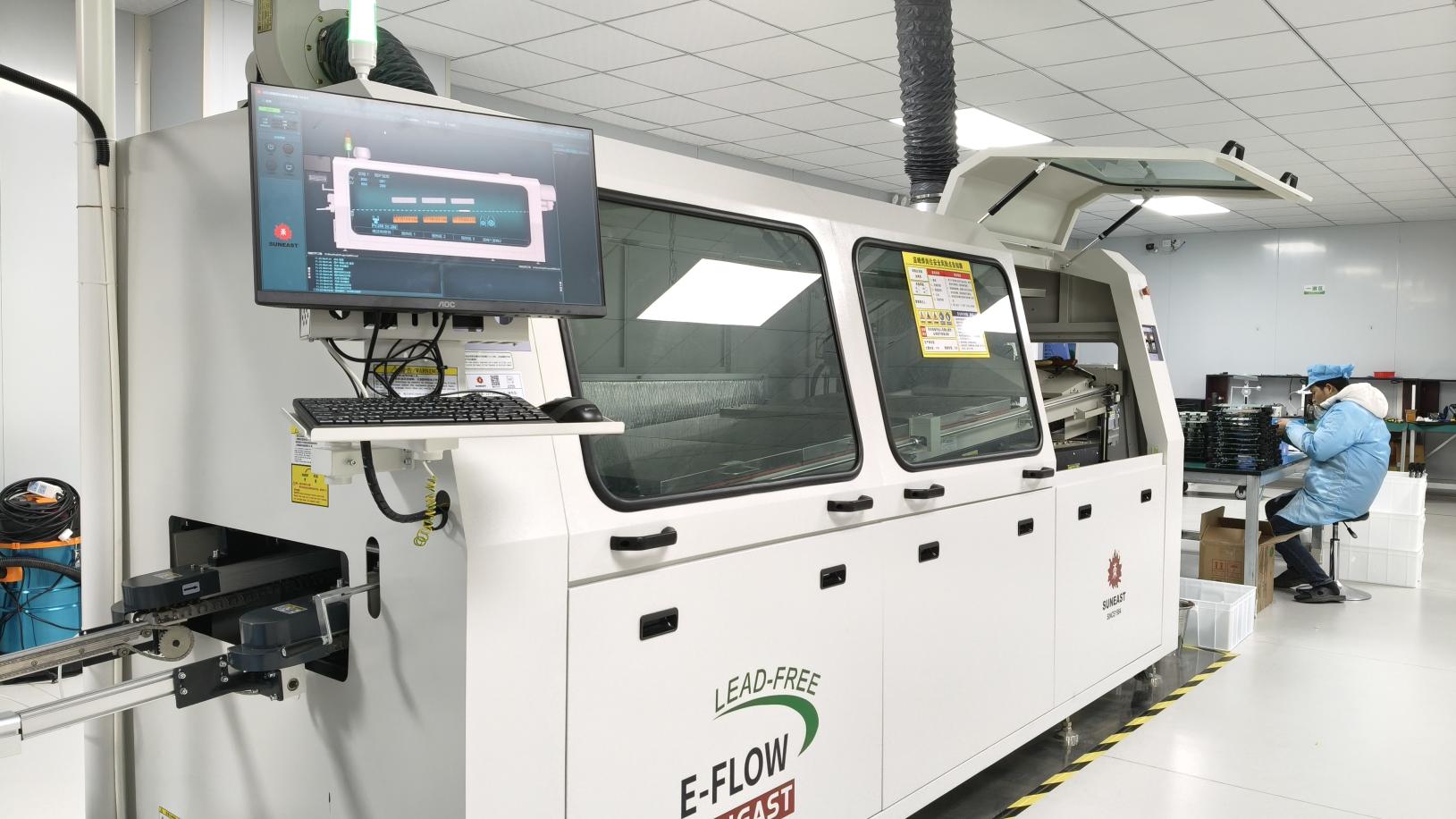
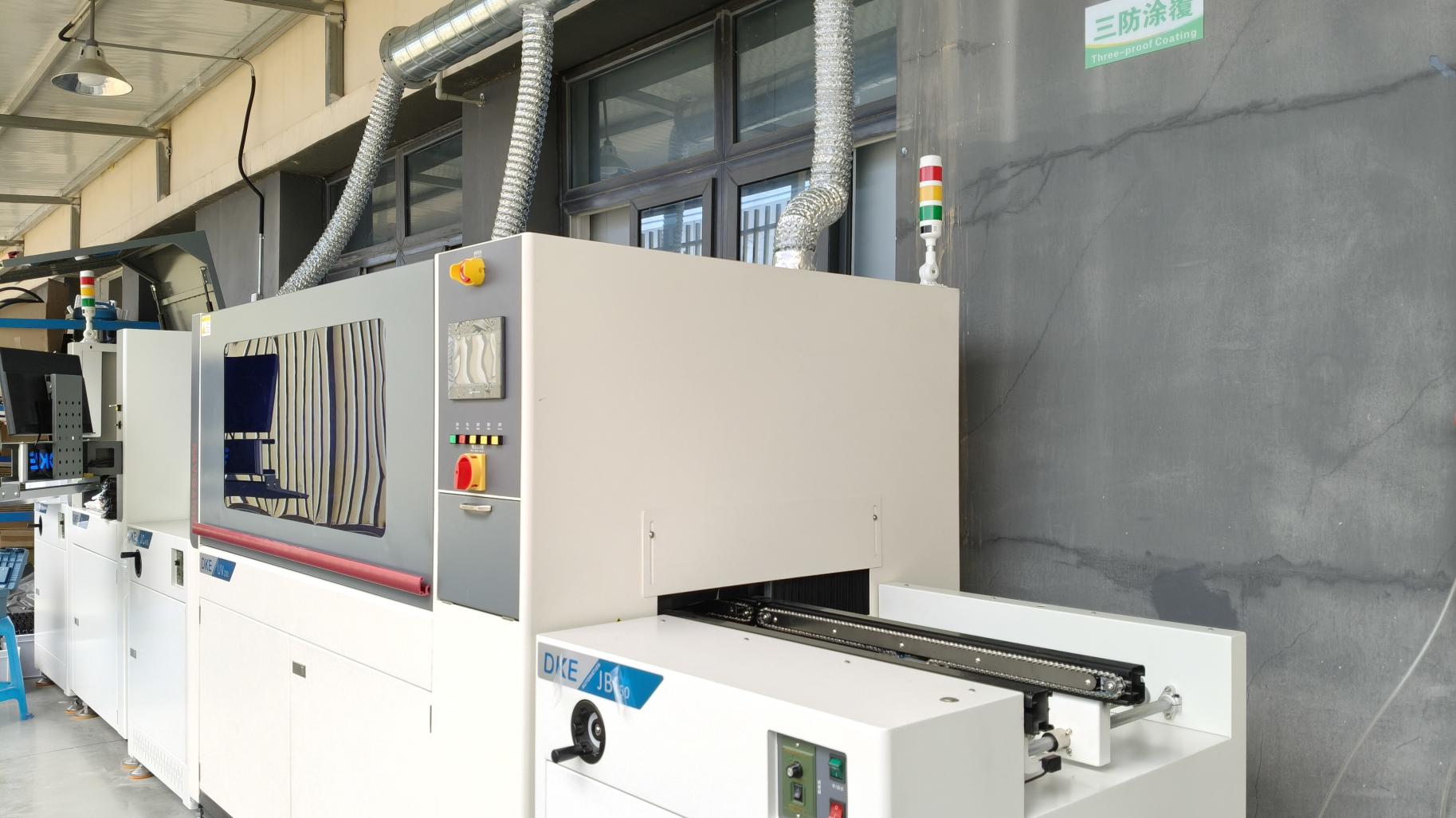
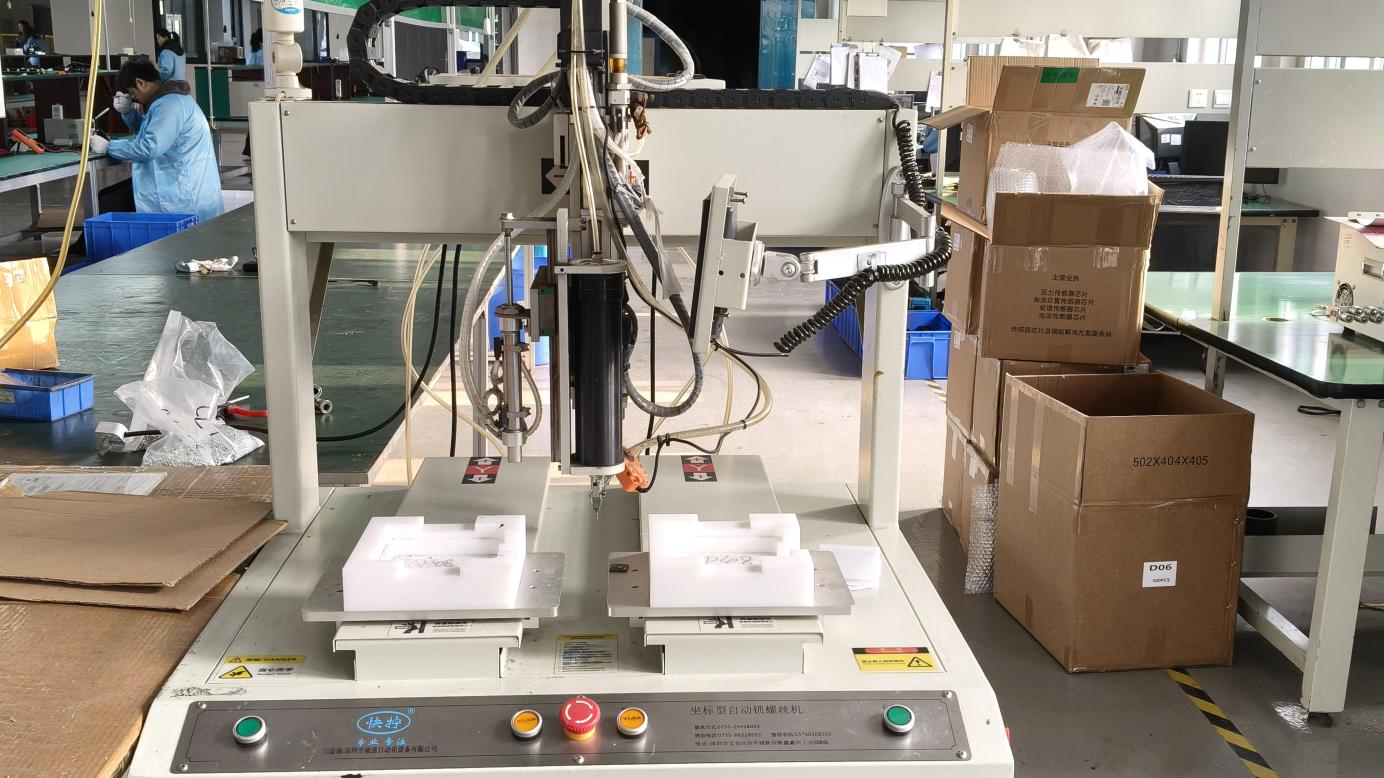
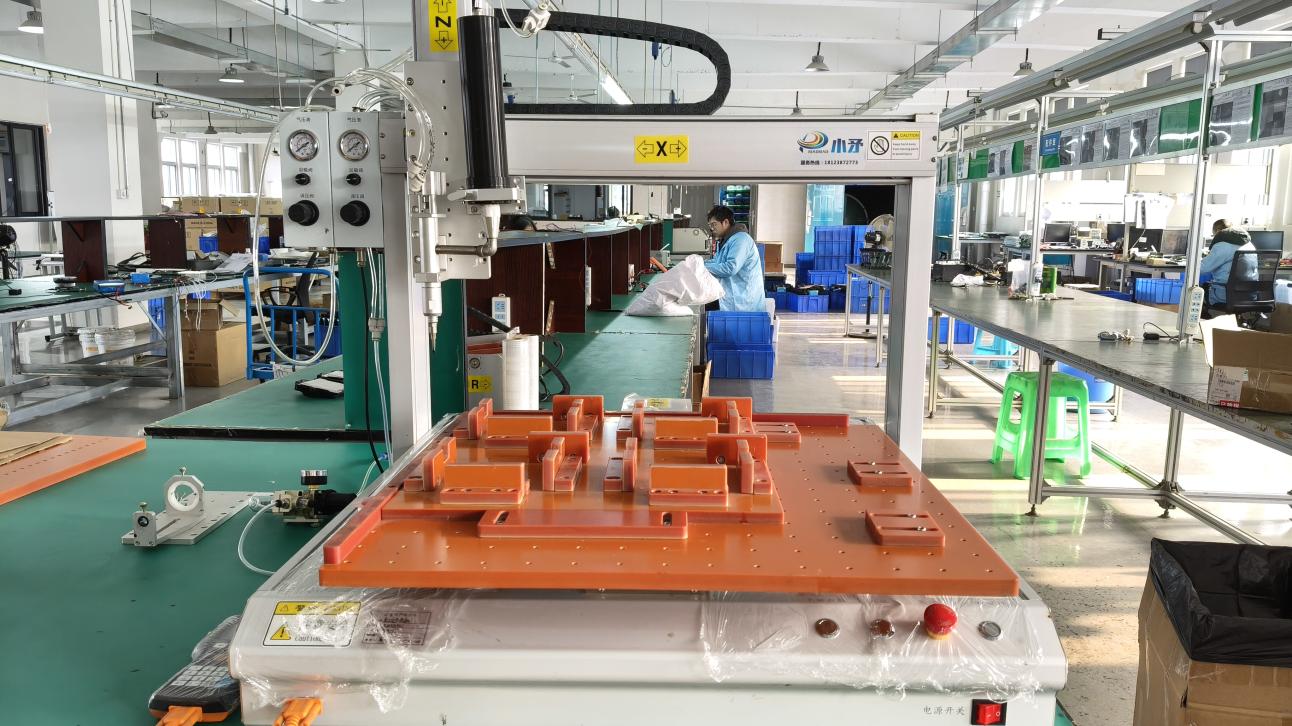
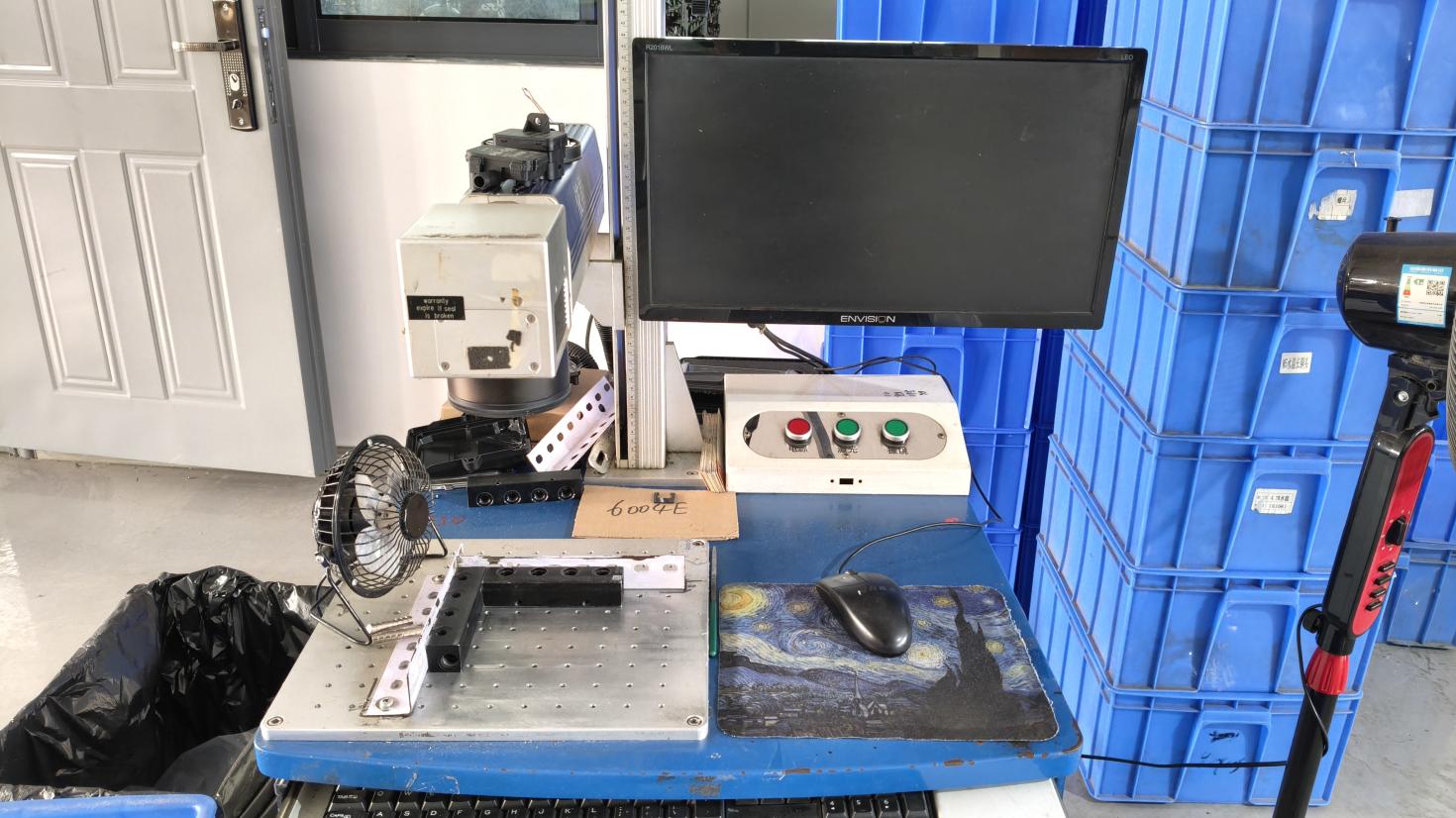
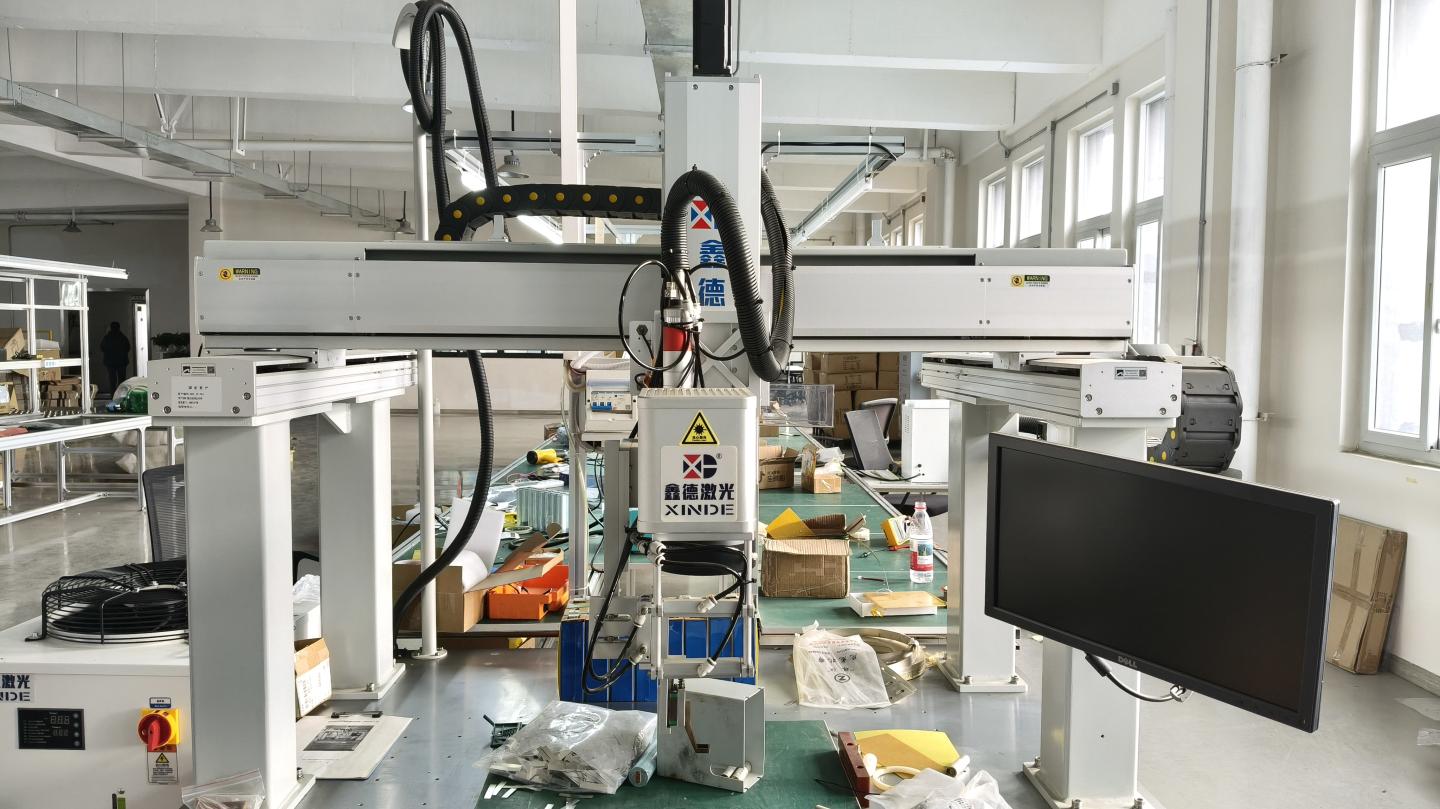
How our vertically integrated production ecosystem translates directly into commercial value, risk mitigation, and performance guarantees.
Yangzhou's industrial ecosystem consolidates high-grade steel processing, precision die-casting, solar module production, and component packaging. This proximity minimizes raw material transport costs and streamlines structural and electronic customization processes.
Quality control is integrated throughout our manufacturing processes. With SMT validation, computerized optical detection, automated waterproofing tests, and mandatory multi-day thermal cycling aging tests, we ensure each system performs reliably under field conditions.
By leveraging automated assembly machinery—including automatic wave soldering and computerized screw locking systems—we minimize manual errors while maintaining competitive structural pricing, helping clients achieve faster project payback periods.
Bespoke photovoltaic configurations engineered to meet distinct environmental, structural, and regulatory challenges.
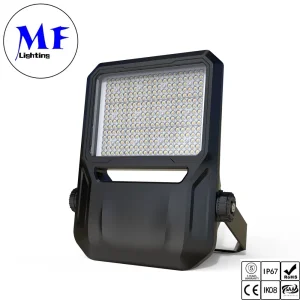
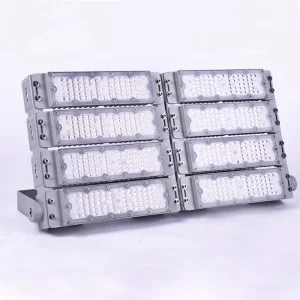
Highways and public roadways require continuous operational availability, high lumen performance, and minimal maintenance overheads. Our integrated CCTV solar street lights and high-output stadium floodlights feature IP65 and IP67 ingress protection and intelligent PIR sensors to reduce energy consumption during low-traffic periods.
For municipal projects, we provide complete engineering schematics, including light distribution simulations (Dialux), wind resistance calculations, and localized soil anchor specifications to streamline regional regulatory approvals.
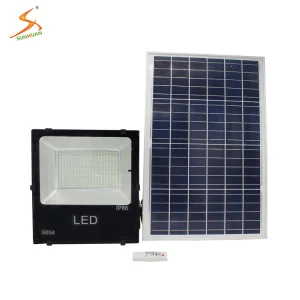
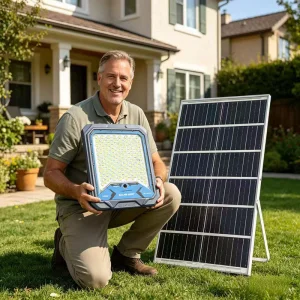
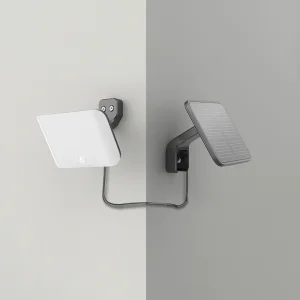
Operating in environments such as mining sites, remote agricultural zones, and off-grid locations demands rugged power solutions. Our split systems offer flexible positioning, allowing solar panels to be optimized for sun exposure while light fixtures or sensors are installed where needed.
These systems feature robust charging architectures compatible with Type-C aux inputs, offering redundant charging options during extended periods of low sunlight.
| Application Scenario | Recommended System Type | Key Component Features | Primary Commercial Benefit |
|---|---|---|---|
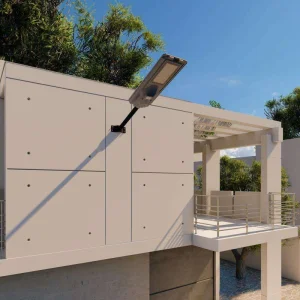
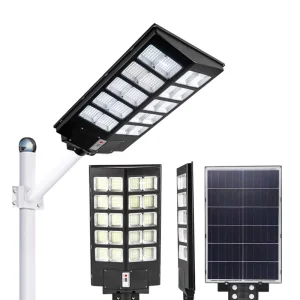
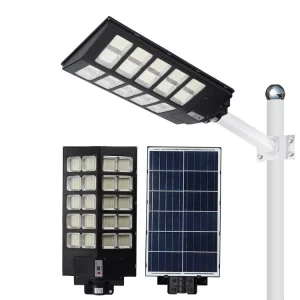
| Expressways & Main Roadways | Smart All-in-One Solar Street Light (600W-1200W) | Monocrystalline panel, high-capacity LiFePO4 battery, PIR sensor | Eliminates grid connection costs; reduces energy consumption by up to 60%. |
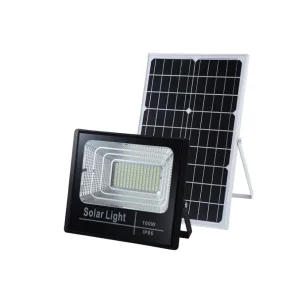
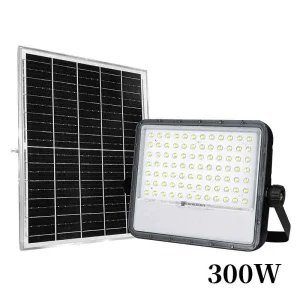
| Industrial Ports & Sports Facilities | IP67 Waterproof High-Power Floodlight (100W-400W) | Die-cast aluminum, multi-angle optics, high-efficiency LEDs | Delivers high lux levels with a wide illumination area; low maintenance overheads. |
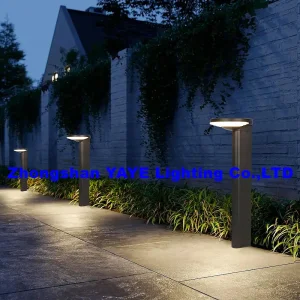
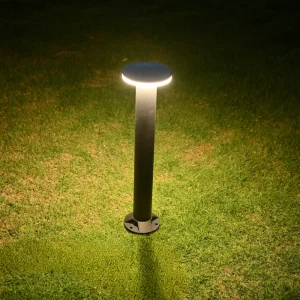
| Public Parks & Pathways | IP65 Solar Lawn & Garden Bollards | Aesthetic designs, long-warranty batteries, warm/cool light modes | Enhances public space utility and safety while supporting green building points. |
| Perimeter Security & Facilities | Integrated CCTV Solar Lighting Systems | FHD camera, wireless data transceiver, continuous charging cycle | Provides simultaneous lighting and security monitoring with a zero-carbon footprint. |
Critical engineering considerations, performance parameters, and procurement advice compiled by our R&D team.
Monocrystalline silicon panels deliver a higher conversion efficiency (often exceeding 21-23%) compared to polycrystalline panels (typically 15-18%). This higher efficiency allows them to generate more power per square meter, which is critical for all-in-one solar street lights where physical panel space is limited. Additionally, monocrystalline panels perform better under low-light and overcast conditions, helping to ensure system reliability during consecutive rainy days.
Our structural design process includes wind-load simulations based on regional wind pressure criteria (e.g., AASHTO standards). We fabricate our poles using high-tensile Q235 steel, treated with an internal and external hot-dip galvanizing process. This is followed by an electrostatic powder coating to ensure durability and prevent rust. We customize pole wall thickness, base plate dimensions, and reinforcement gussets to withstand local wind velocities of up to 160 km/h (45 m/s).
We primarily utilize Lithium Iron Phosphate (LiFePO4) battery packs, which offer a cycle life of 2,000 to 3,000 charge-discharge cycles at 80% Depth of Discharge (DoD). This outperforms traditional Lead-Acid or Gel batteries, which typically provide 500 to 800 cycles. LiFePO4 batteries also offer high thermal stability and an integrated Battery Management System (BMS) that guards against overcharging, overdischarging, and thermal runaways.
Yes. As a direct manufacturer, we offer comprehensive OEM and ODM services. This includes custom laser-etched branding on components, specialized optical lenses (Type II, III, and IV distributions), specific LED chip outputs, customized color temperatures (CCT), and specialized controller programming. We also provide customized packing solutions designed to protect components during maritime transit.
Our systems feature intelligent controllers with programmable dimming schedules (e.g., 100% brightness for the first 4 hours, followed by 30% brightness or PIR sensor activation for the remainder of the night). This energy-saving design, combined with appropriate battery sizing, allows our systems to operate continuously for 3 to 5 rainy days without requiring external power.
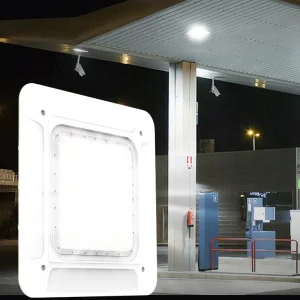
Discover our range of floodlights, canopy light fixtures, and architectural structures designed for high-stress installations.
Leverage our engineering expertise, advanced manufacturing processes, and testing facilities to develop a high-performance solar solution tailored to your project requirements. Contact our technical engineering team for system designs, pricing estimates, and sample evaluations.
Request Engineering Proposal OneAll Lights