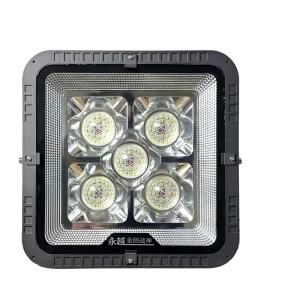
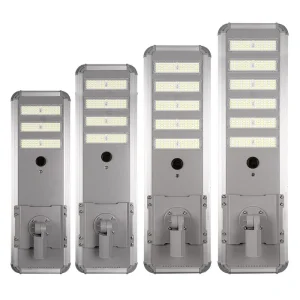
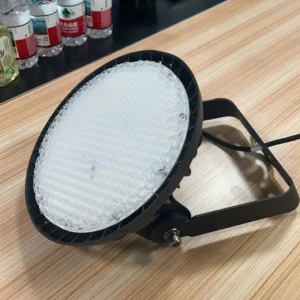
Explore our industrial-grade, CE certified high-lumen lighting fixtures designed for heavy-duty environments.
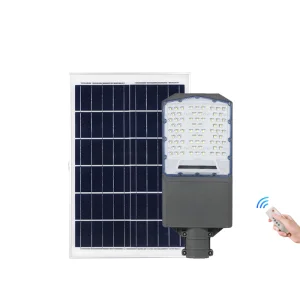
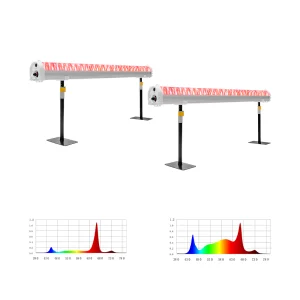
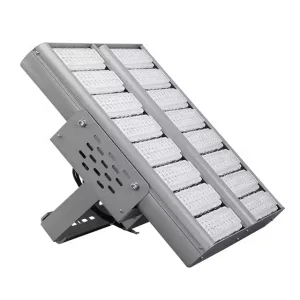
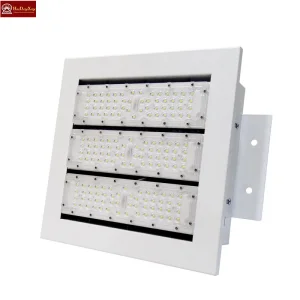
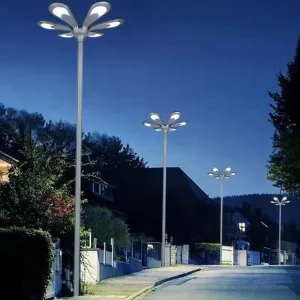
The global outdoor area lighting sector is undergoing an unprecedented structural transition driven by Smart City mandates, the strict enforcement of decarbonization targets, and the imperative optimization of municipal operating expenses (OPEX). Modern industrial and commercial area lighting is no longer defined merely by luminous flux; it requires complex system designs incorporating smart sensing, IoT integrations, and optimized optical performance.
Internationally, standard requirements such as European CE (including RoHS/ErP directives) and North American DLC Premium serve as quality barriers. These ensure that luminaires deliver exceptional efficiency (often exceeding 140 lm/W to 160 lm/W), guarantee electrical safety, suppress electromagnetic interference (EMI), and maintain over 90% lumen retention over extended lifespans (L90B10 metrics). Concurrently, global focus has pivoted towards mitigating "light pollution" through the design of high-accuracy optics that minimize skyglow and spill-light.
| Compliance Standard | Primary Technical Requirements | Global Markets Impacted |
|---|---|---|
| CE / RoHS Mark | LVD (Low Voltage), EMC (Electromagnetic Compatibility), Hazardous Substance Limits | European Union & Associate Countries |
| ENEC & GS Marks | Independent Third-Party Certification for Electrical Product Safety | European Market (Premium Segments) |
| DLC Premium (v5.1) | Efficacy ≥ 140 lm/W, Strict Dimming Capabilities, Spectral Quality Parameters | North America (USA, Canada) |
| IP65/IP66/IP67 | Ingress Protection against High-Pressure Water Jets & Fine Dust Penetration | Worldwide Industrial Standard |
Providing the critical framework for modern solid-state area lighting systems.
By leveraging high-density multi-die SMD5054 and SMD3030 packages integrated onto metal-core printed circuit boards (MCPCB), thermal resistance is minimized. Passive cooling utilizes marine-grade ADC12 die-cast aluminum heat sinks designed with thermal chimneys to maximize convective airflow and guarantee Tj < 75°C.
Utilizing high-transmittance, UV-stabilized optical polycarbonate lenses, our area lights offer specific distributions including IESNA Type II (roadways), Type III (perimeter & site), and Type V (wide area symmetry). This precise optical control mitigates glare (lowering UGR values) and minimizes back-light trespass.
Equipped with ANSI C136.41 standard 7-pin NEMA receptacles or Zhaga Book 18 connectors, our lighting fixtures support IoT integration. Compatible with LoRaWAN, Zigbee, and cellular NB-IoT nodes, they enable real-time consumption monitoring, adaptive dimming (0-10V/DALI-2), and predictive maintenance analytics.
Tailored lighting architectures optimized for challenging industrial and municipal environments.
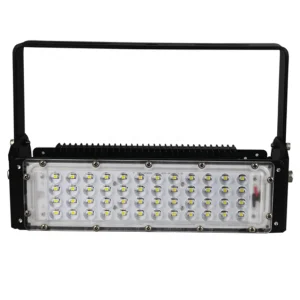
Large commercial facilities require high horizontal and vertical illuminance uniformity to facilitate safe logistics and vehicular tracking. Deploying modular floodlights and shoebox area fixtures with robust surge protection (10kV/20kV) ensures uninterrupted operation under adverse power conditions.
Marine environments require robust defenses against continuous salt-water spray and humidity. Our structural engineering utilizes AkzoNobel powder coatings, meeting ASTM B117 salt spray standards (>1000 hours) and achieving C5-M marine-grade corrosion classification.
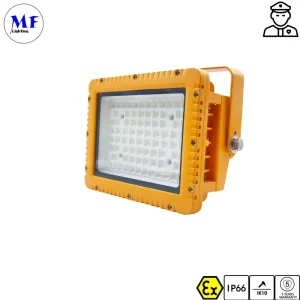
Highly volatile atmospheres require spark-resistant, hermetically sealed luminaire housings. Implementing ATEX / IECEx certified explosion-proof high-bay and flood lighting configurations ensures maximum safety in environments where flammable gases, vapors, or combustible dusts are present.
A Dedicated Pioneer in Outdoor Infrastructure & Industrial Lighting since 2003
Headquartered in the manufacturing hub of Yangzhou, Jiangsu Province, China, Yangzhou OneAll Lights Co., Ltd. has established a prominent global footprint over the past 20 years. We specialize in designing, engineering, and manufacturing high-performance outdoor luminaires, and have built a reputation for product reliability and compliance with international standards.
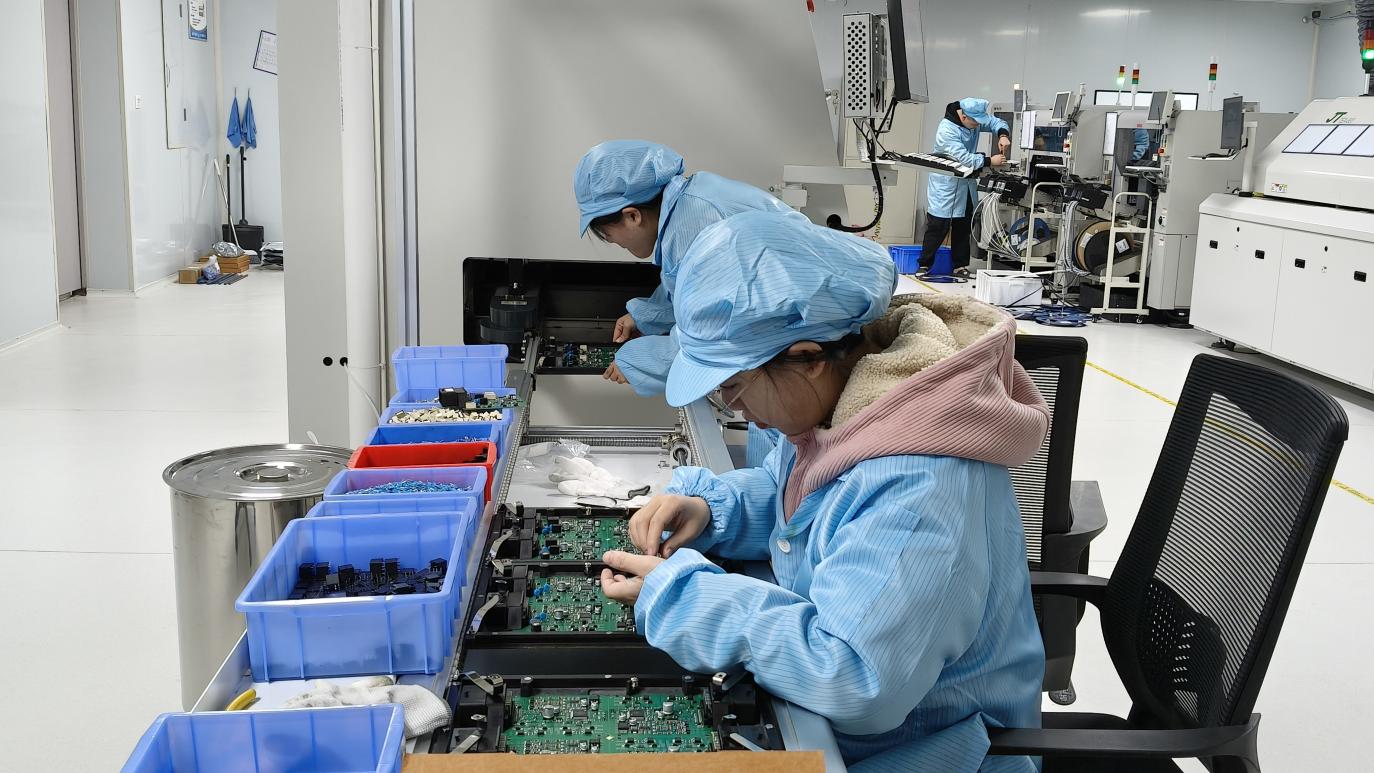
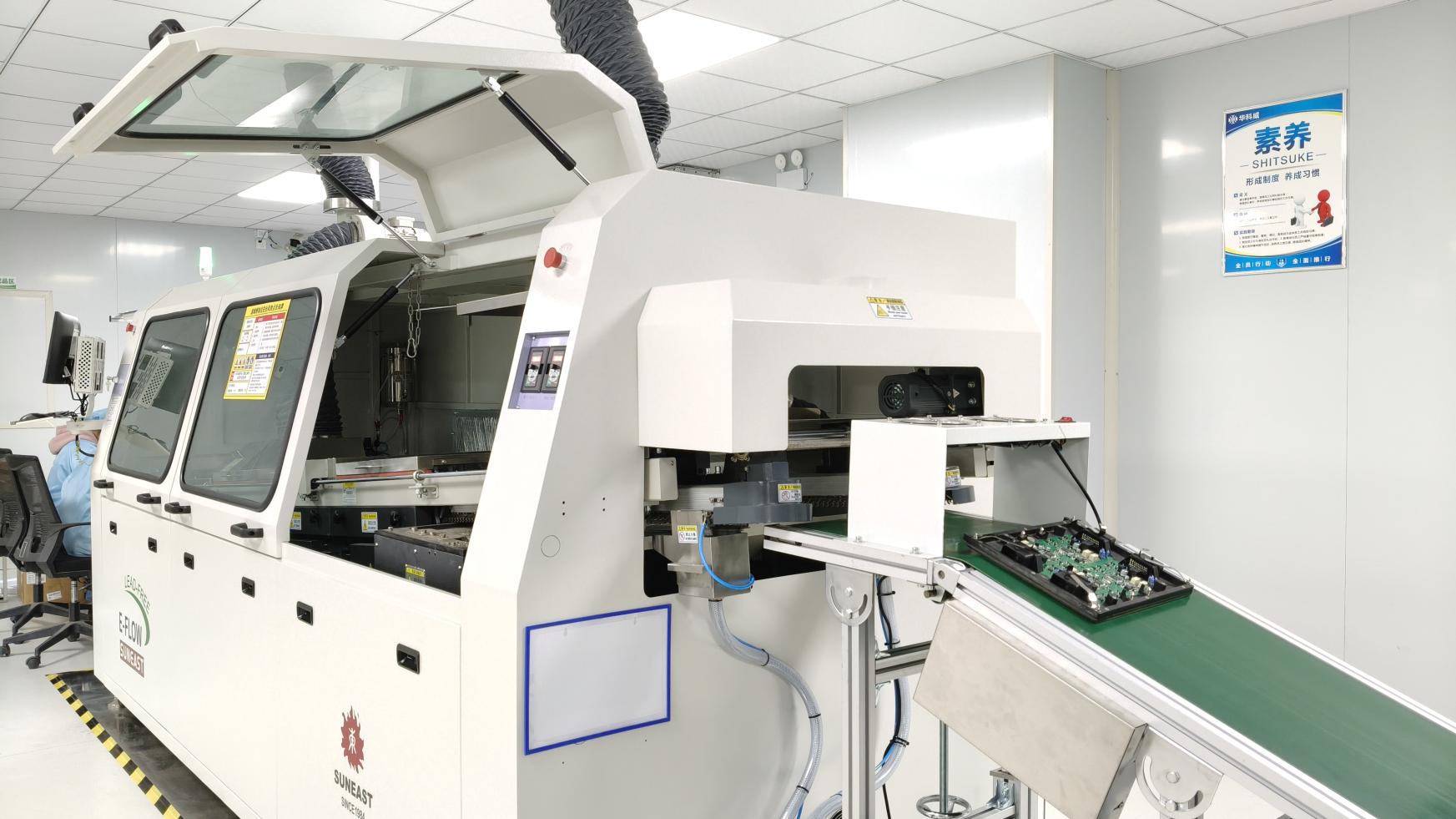
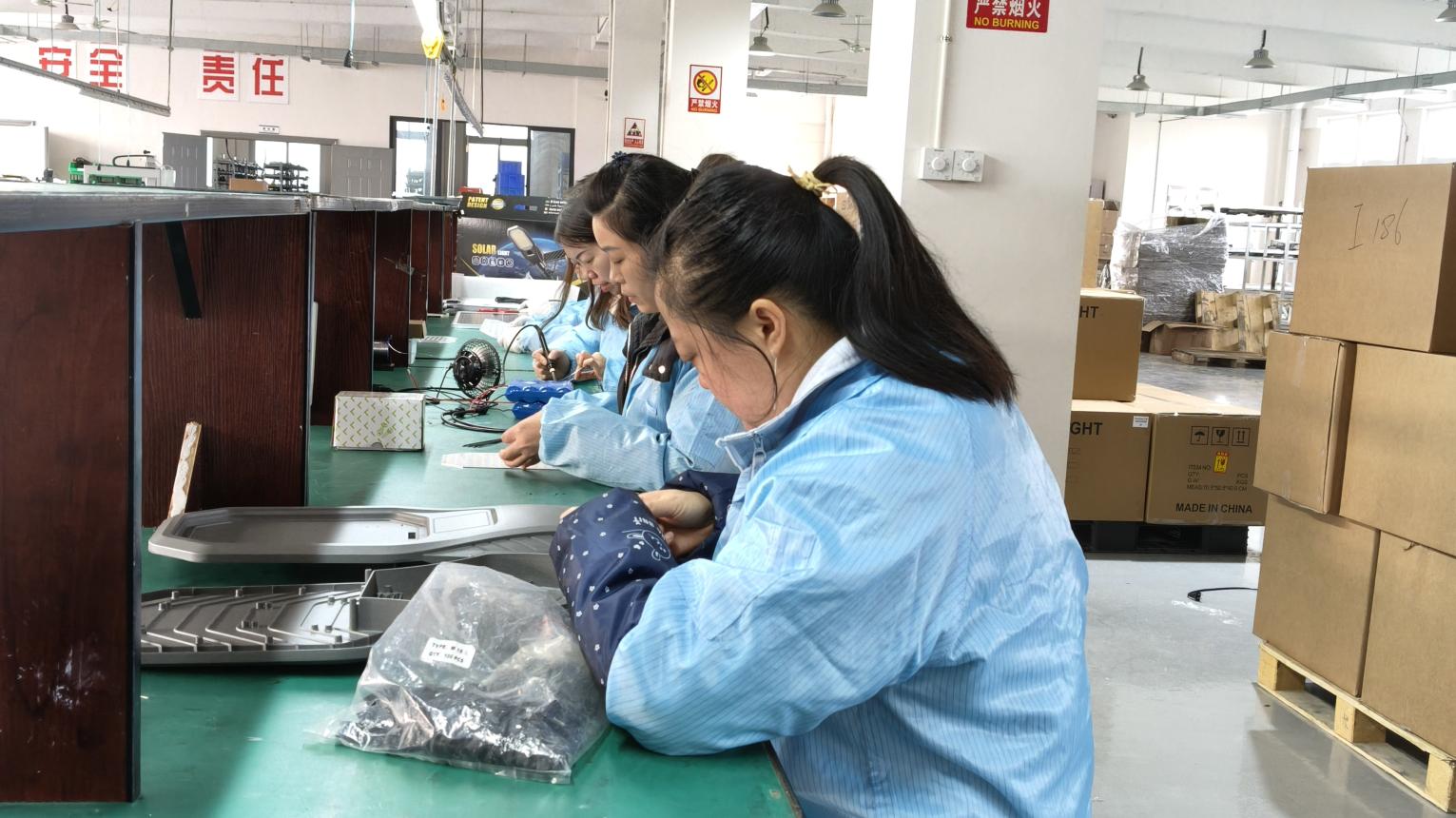
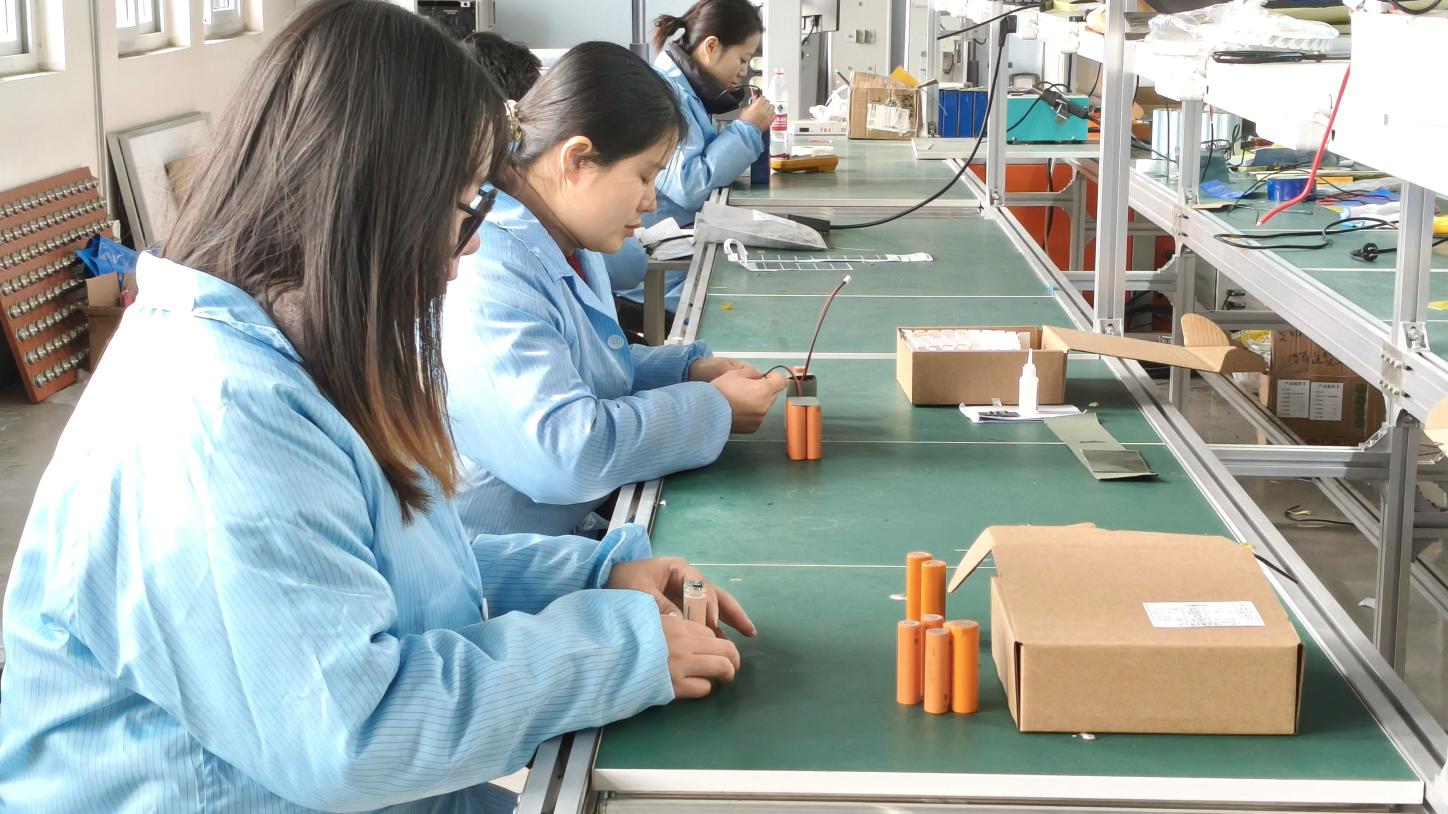
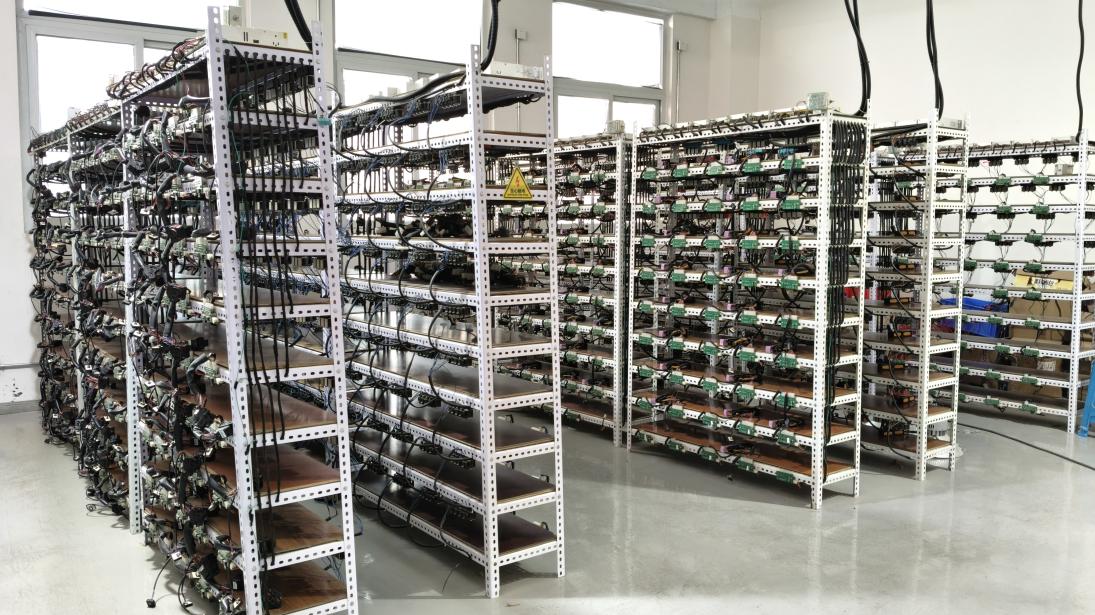
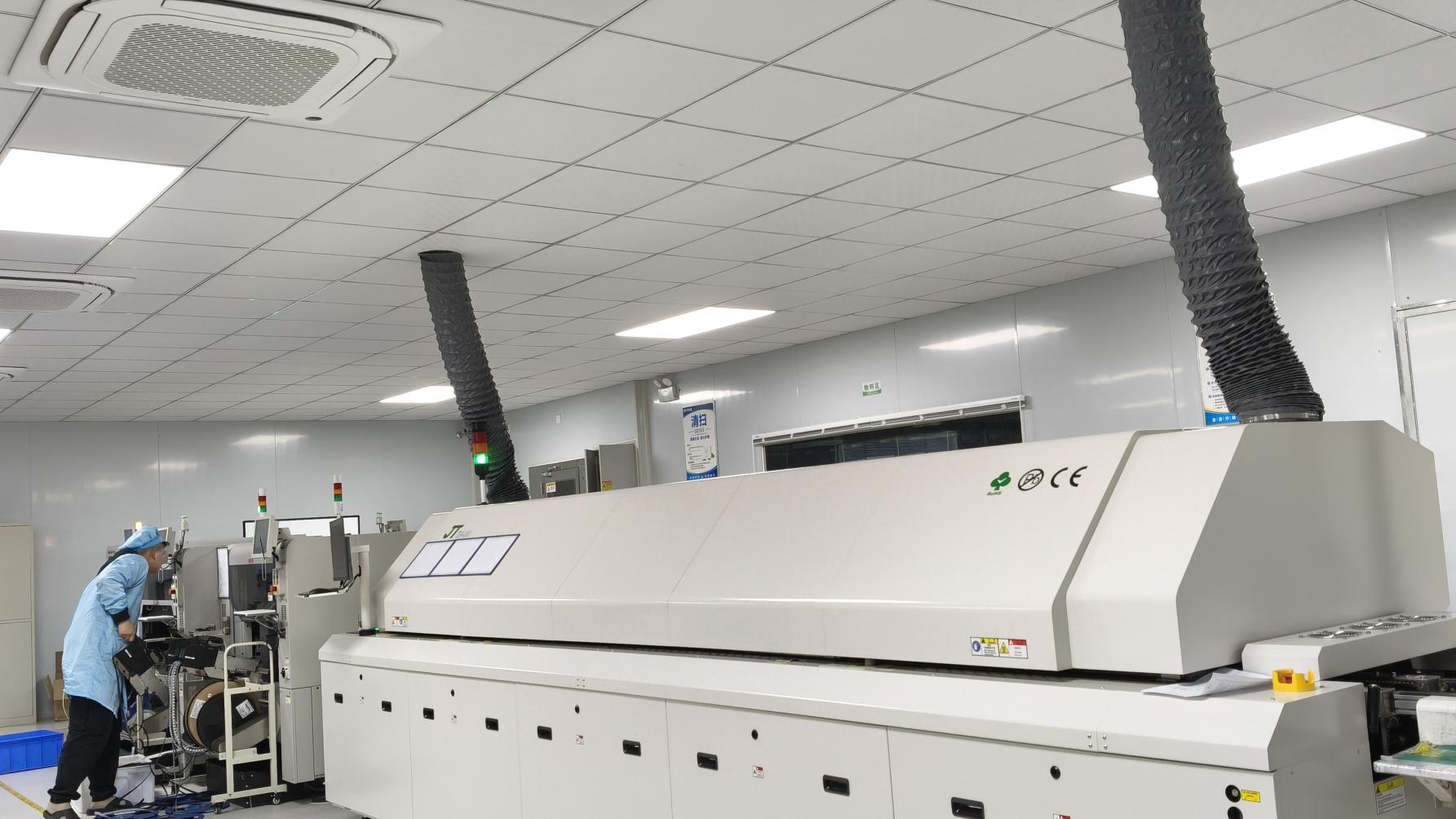
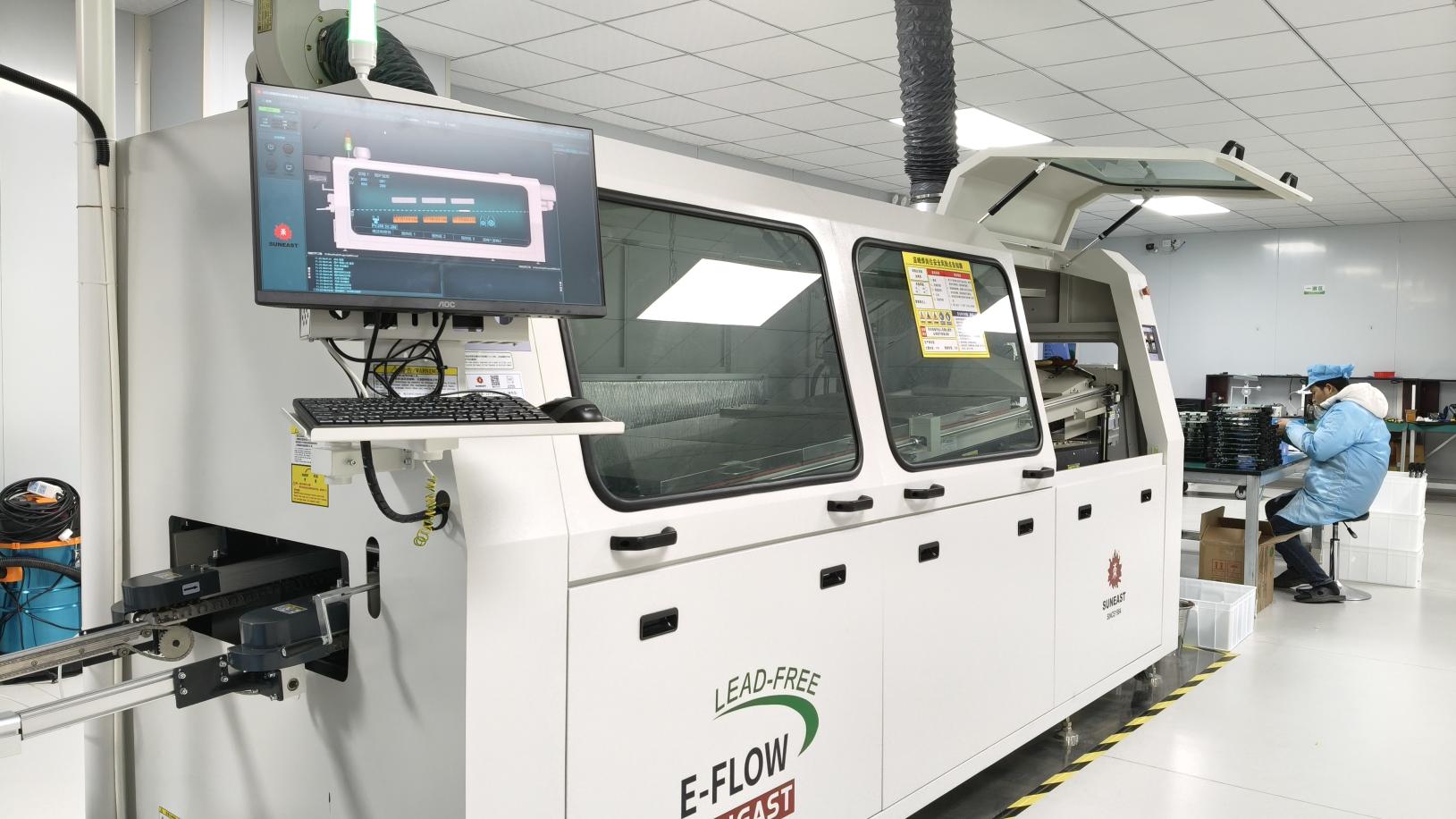
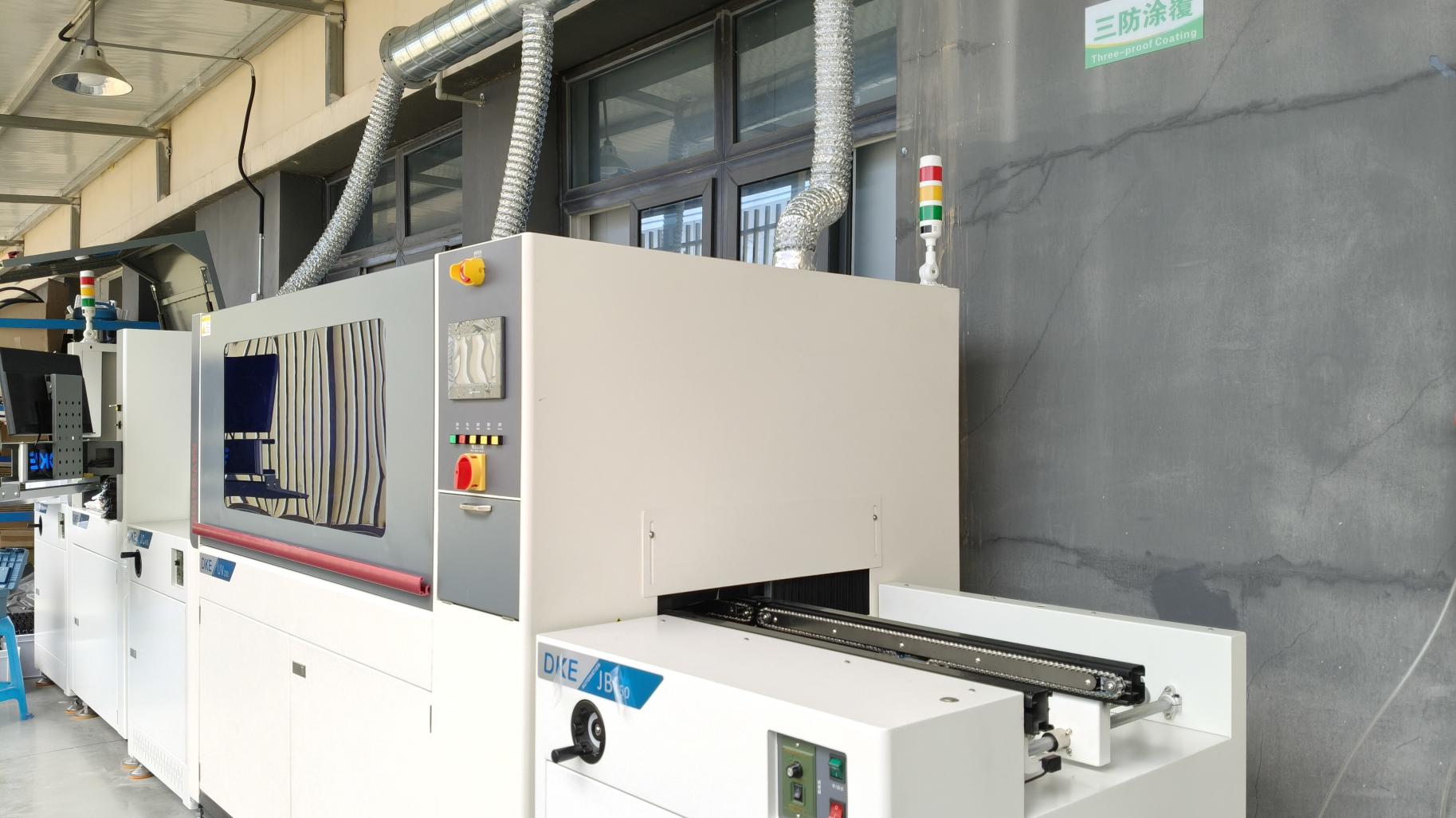
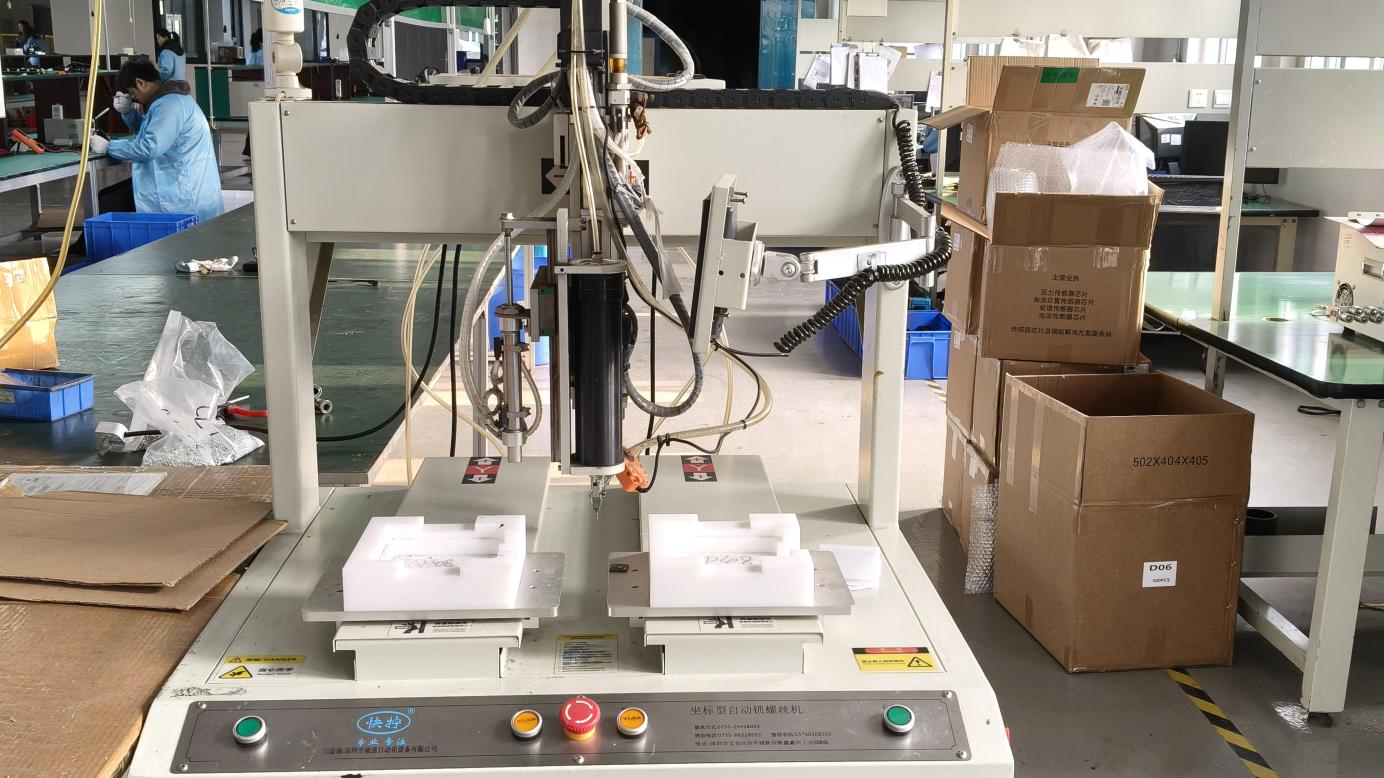
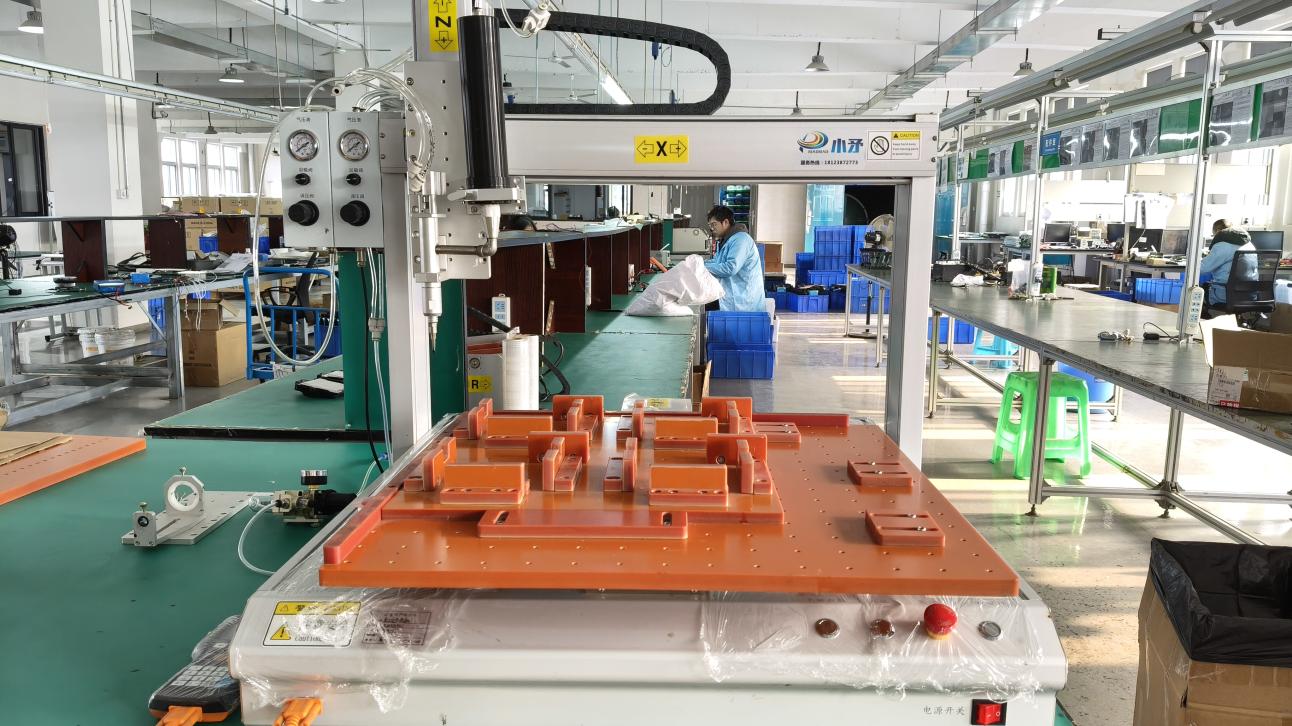
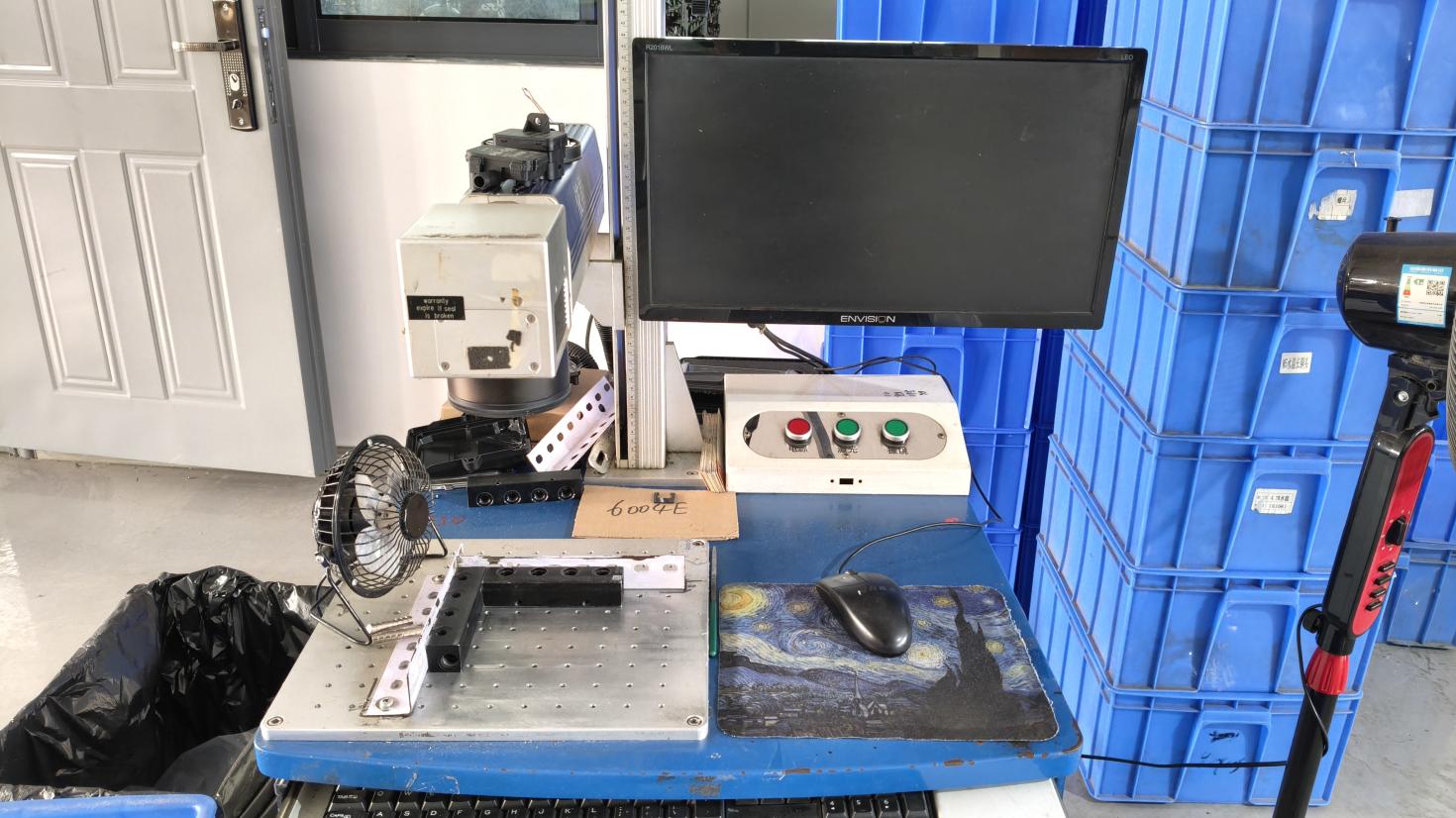
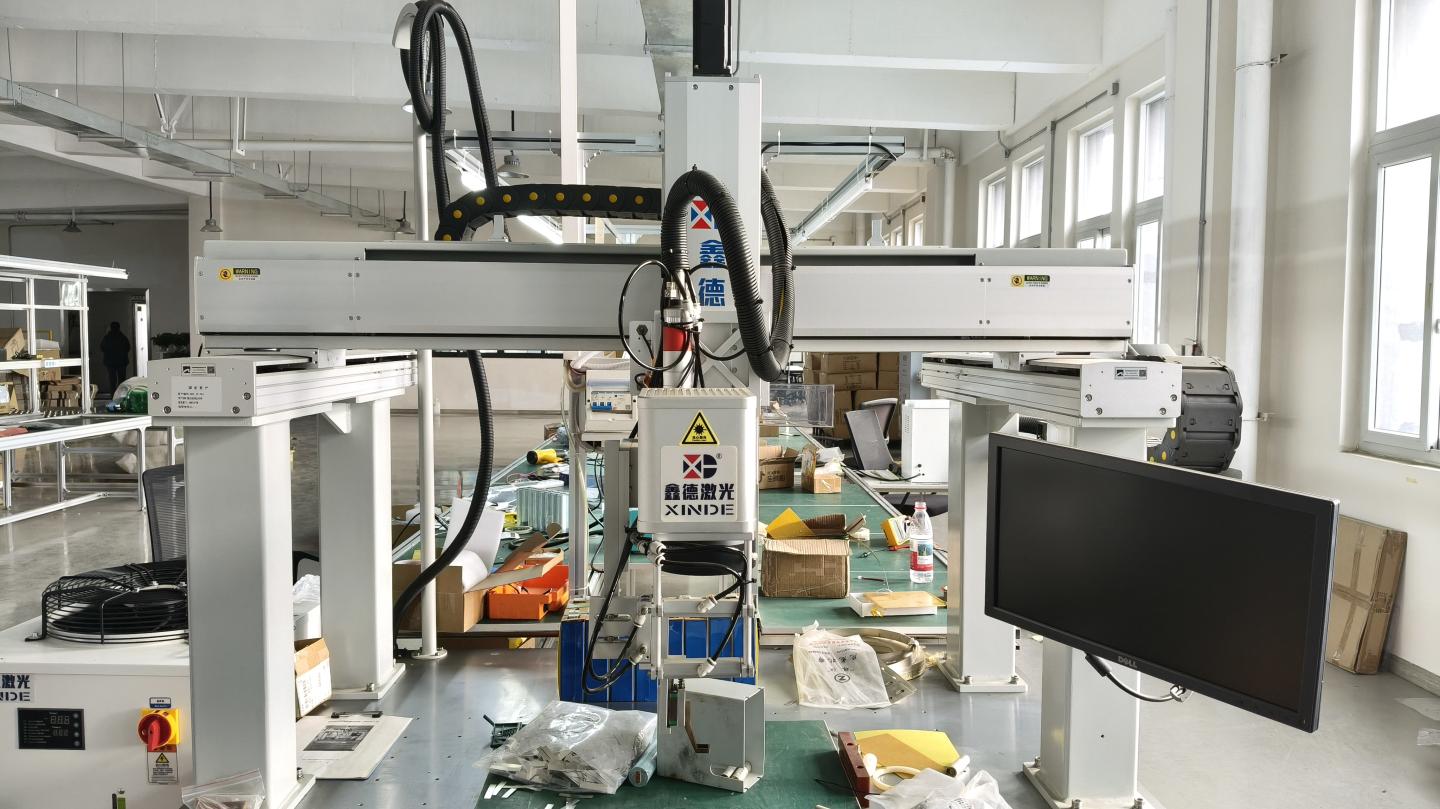
Our production facilities feature advanced manufacturing technology. From automated SMT assembly lines to CNC metal fabrication, automatic submerged arc welding systems, laser cutting machinery, and comprehensive powder coating lines, every stage of production is optimized to achieve high quality and throughput.
We maintain certified ISO9001 and ISO14001 management systems, alongside CCC, CQC, and CE certifications, reflecting our commitment to quality control and environmental standards throughout the manufacturing process.
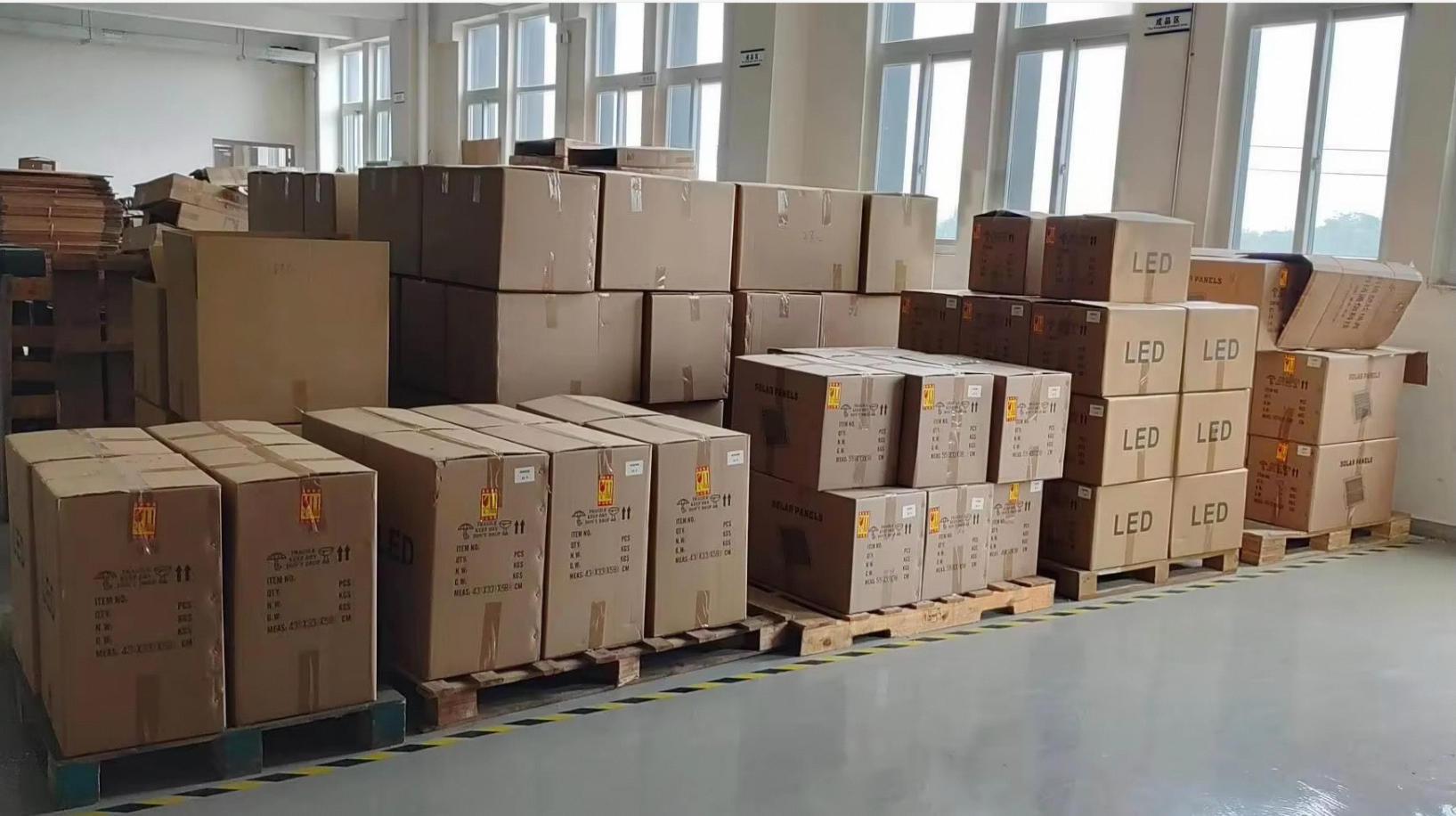
A closer look at our ISO-certified facilities, featuring state-of-the-art machinery and strict quality testing protocols.
Essential answers regarding certification, manufacturing standards, and system performance.
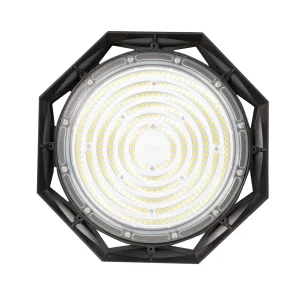
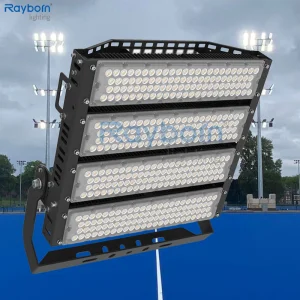
Explore our high-mast, explosion-proof, canopy, and landscape lights built for reliable performance.
 OneAll Lights