Engineered to integrate seamlessly with intelligent outdoor IoT control nodes, providing reliable illumination and real-time connectivity under the most challenging environments.
The global transformation of industrial landscapes, municipal frameworks, and remote utility infrastructures relies heavily on robust telemetry systems. As grid power remains cost-prohibitive in remote locations, integrating low-power IoT nodes with high-efficiency photovoltaic systems has become the modern standard for operational continuity.
At Yangzhou OneAll Lights Co., Ltd., we understand that a Custom OEM Solar IoT Device is far more than a basic solar controller wired to a radio transmitter. It represents a fully optimized thermodynamic, electro-chemical, and signal-processing ecosystem that must run flawlessly for decades in extreme environments. By combining advanced MPPT (Maximum Power Point Tracking) algorithms, optimized LiFePO4 thermal protection matrices, and multi-protocol connectivity (including NB-IoT, LTE-M, and LoRaWAN), we design and deliver next-generation solar nodes.
"True industrial-grade Solar IoT engineering minimizes battery sizing while maximizing transmission reliability. Our units adjust dynamic transmission cycles based on state-of-charge (SoC) forecasting, guaranteeing zero data dropouts during long stretches of rain or cloud cover."
Onboard power budget management and dynamic sleep cycles minimize photovoltaic footprint and extend storage system lifespan.
Integrated telemetry monitors photovoltaic health, battery degradation parameters, and load efficiency directly to cloud portals.
Delivering reliable, off-grid telemetry and remote power requires specialized circuit protection, smart energy storage, and rugged enclosure designs.
Our custom-engineered charge controller boards achieve conversion efficiencies exceeding 98%. Integrating fast sweep trackers ensures maximum energy capture even under partial shading or cloud movement.
Equipped with sophisticated battery management systems (BMS), our devices actively balance battery cells, monitor temperature limits, prevent overcharge/discharge, and ensure an operating lifespan exceeding 3,000 charge cycles.
Integrated communications modules support worldwide LTE-M, NB-IoT, and LoRaWAN bands. Devices support localized sensor fallback interfaces including RS485, Modbus RTU, and 0-10V analog configurations.
A tour through Yangzhou OneAll Lights Co., Ltd.’s high-precision automated production lines, testing laboratories, and engineering assembly floor.
Established in 2003, Yangzhou OneAll Lights Co., Ltd. operates a advanced manufacturing plant equipped to manage every stage of OEM production. From custom metal sheet stamping and automated submerged arc welding to precise PCB surface mount technology (SMT) and wave soldering, our manufacturing workflows are integrated vertically to deliver consistent quality and fast turnaround times.
Our dedicated research and development engineers assist global OEMs in translating concept specifications into manufacturing-ready prototypes. We cover physical design, mechanical thermal analysis, electronic PCB layout, firmware programming, and global certification compliance.

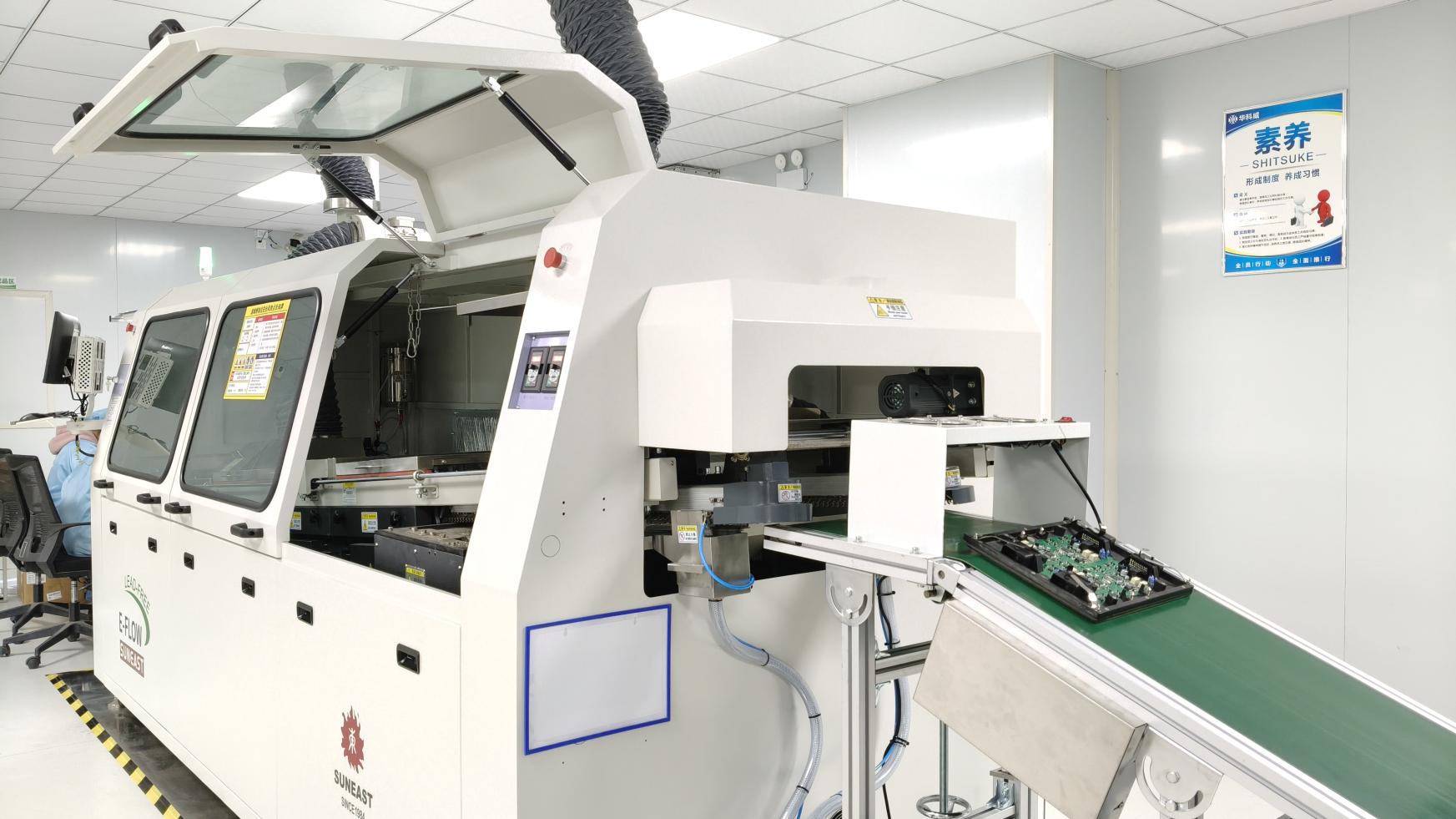

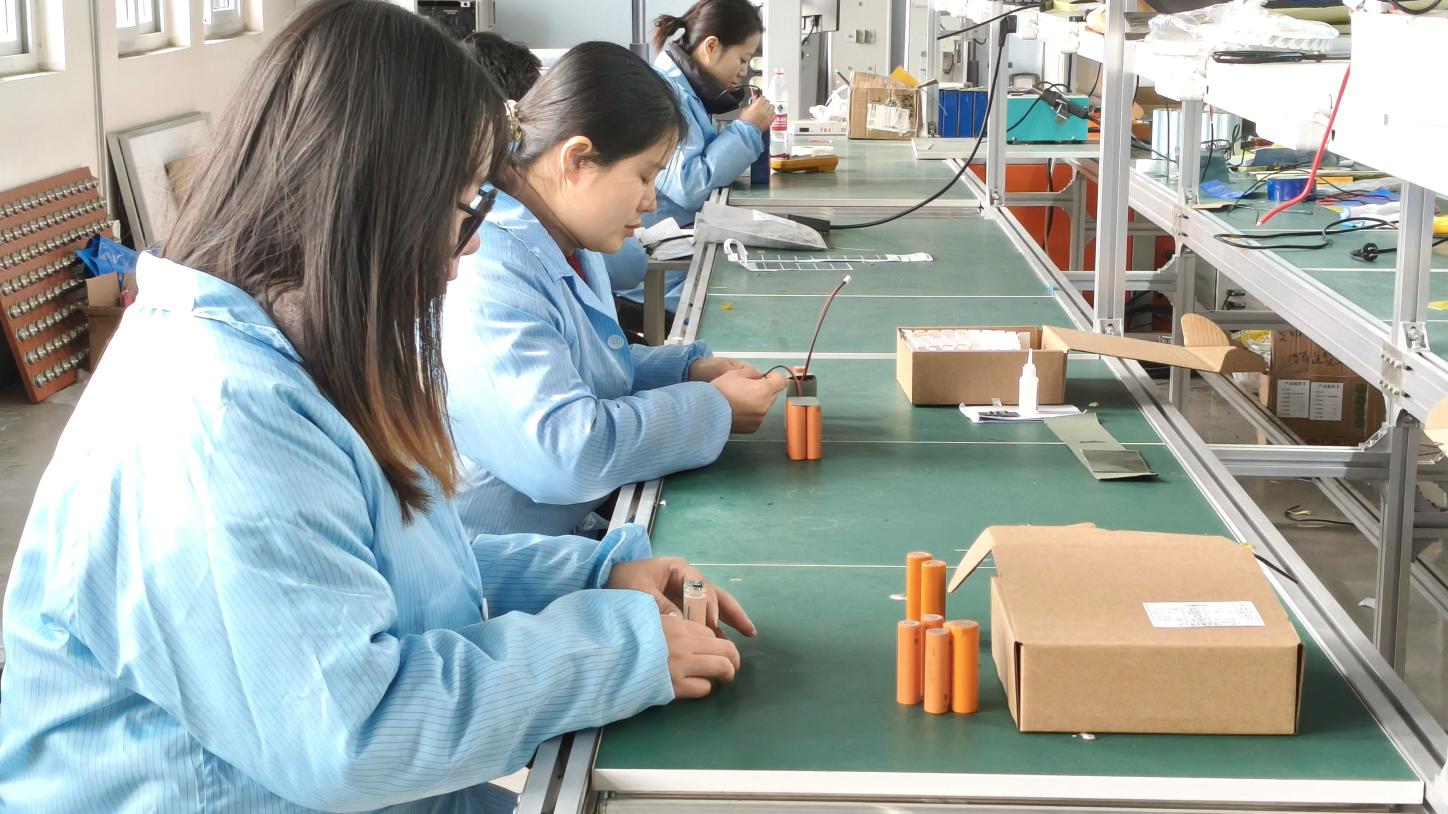
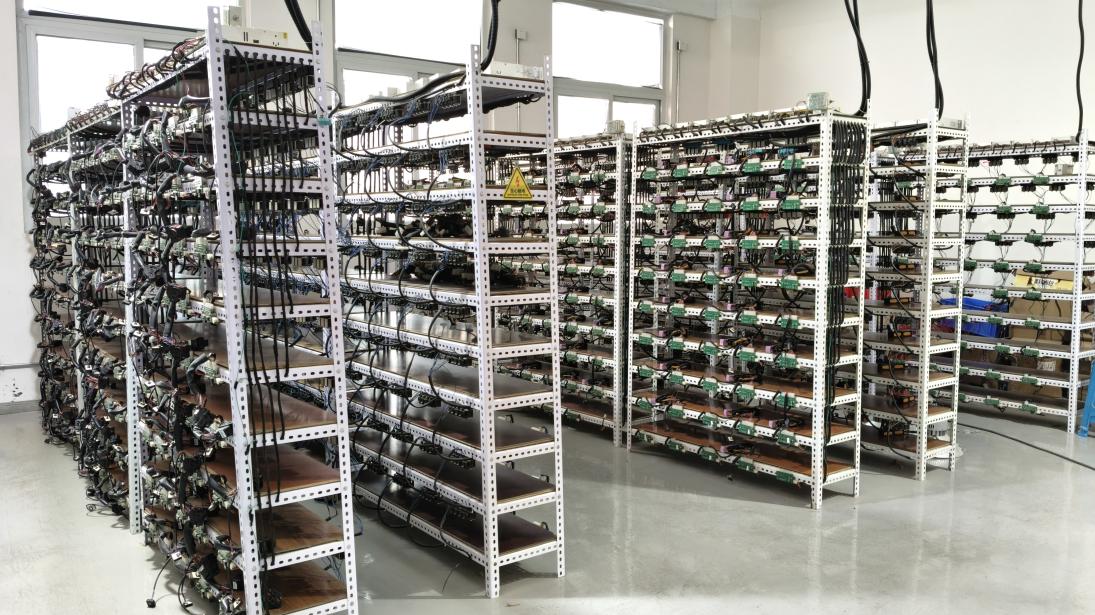
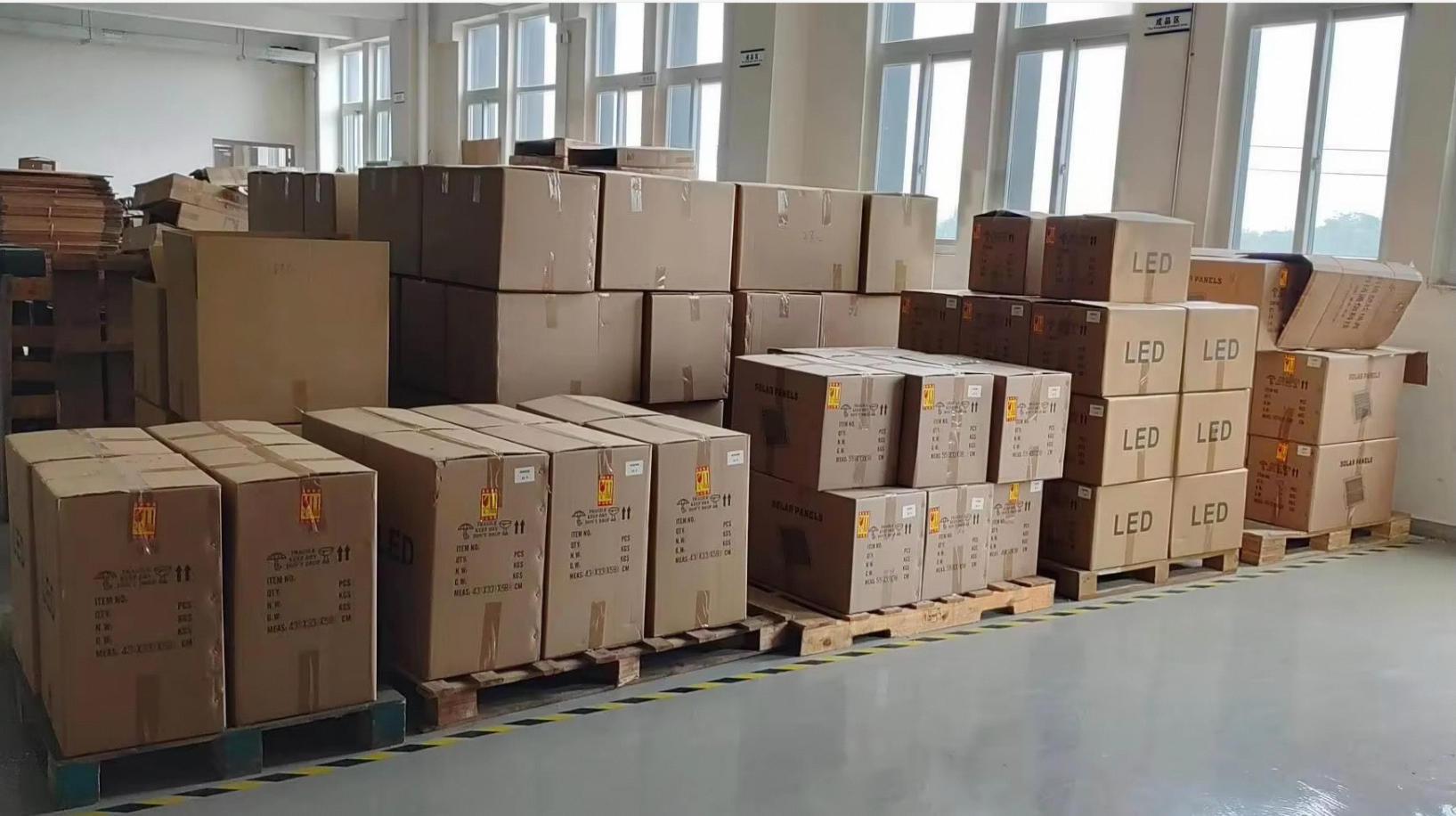
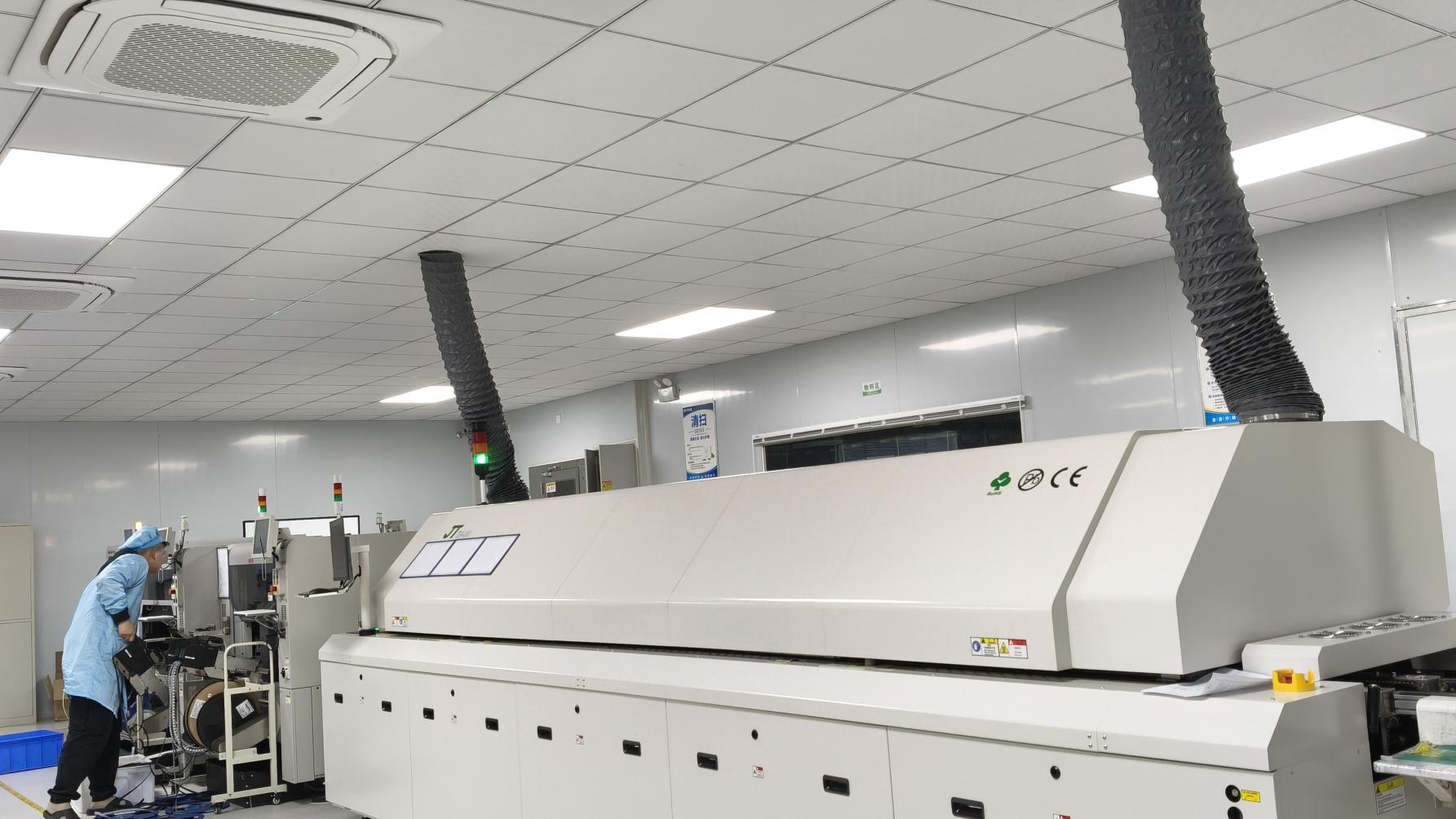

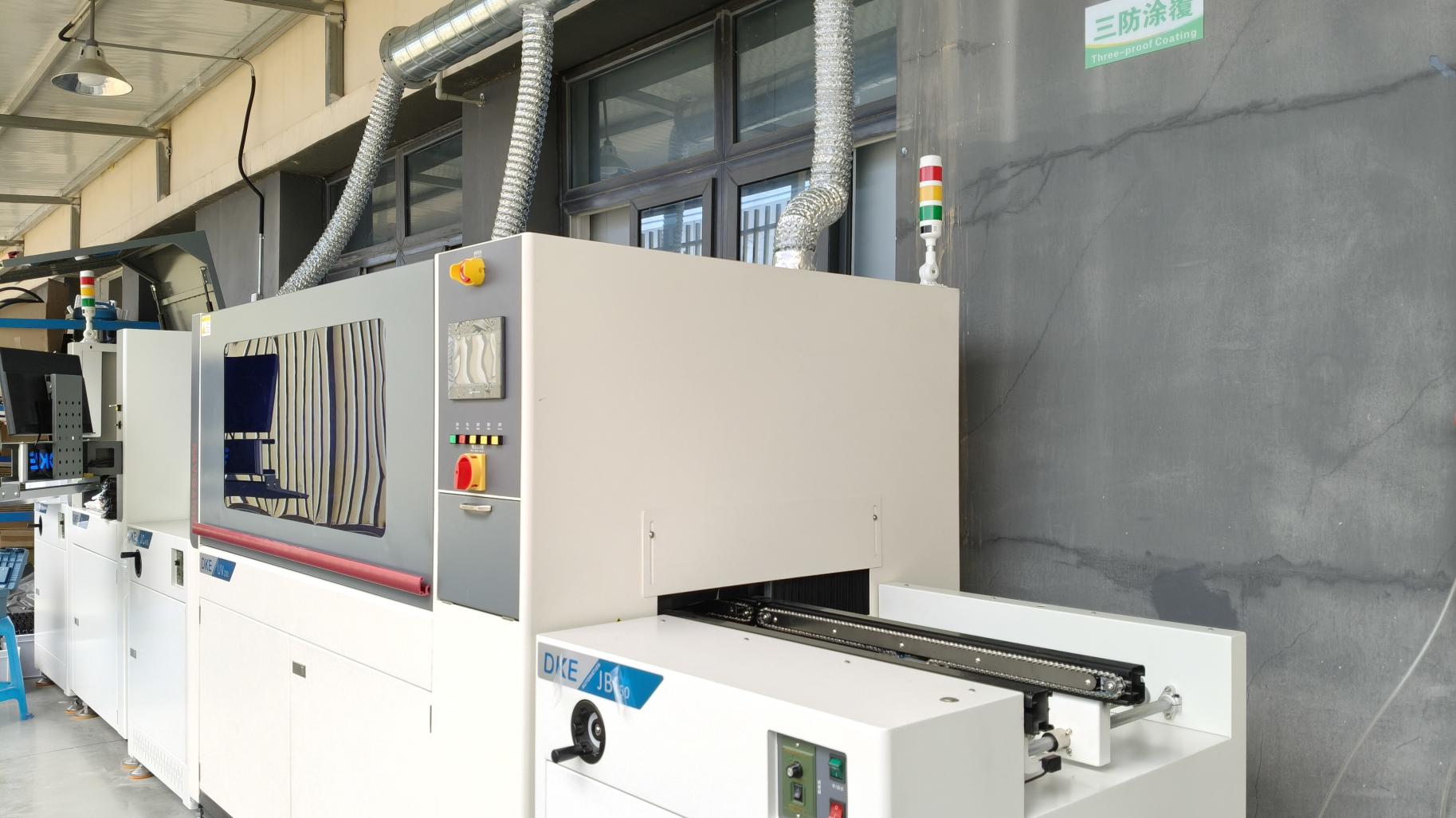
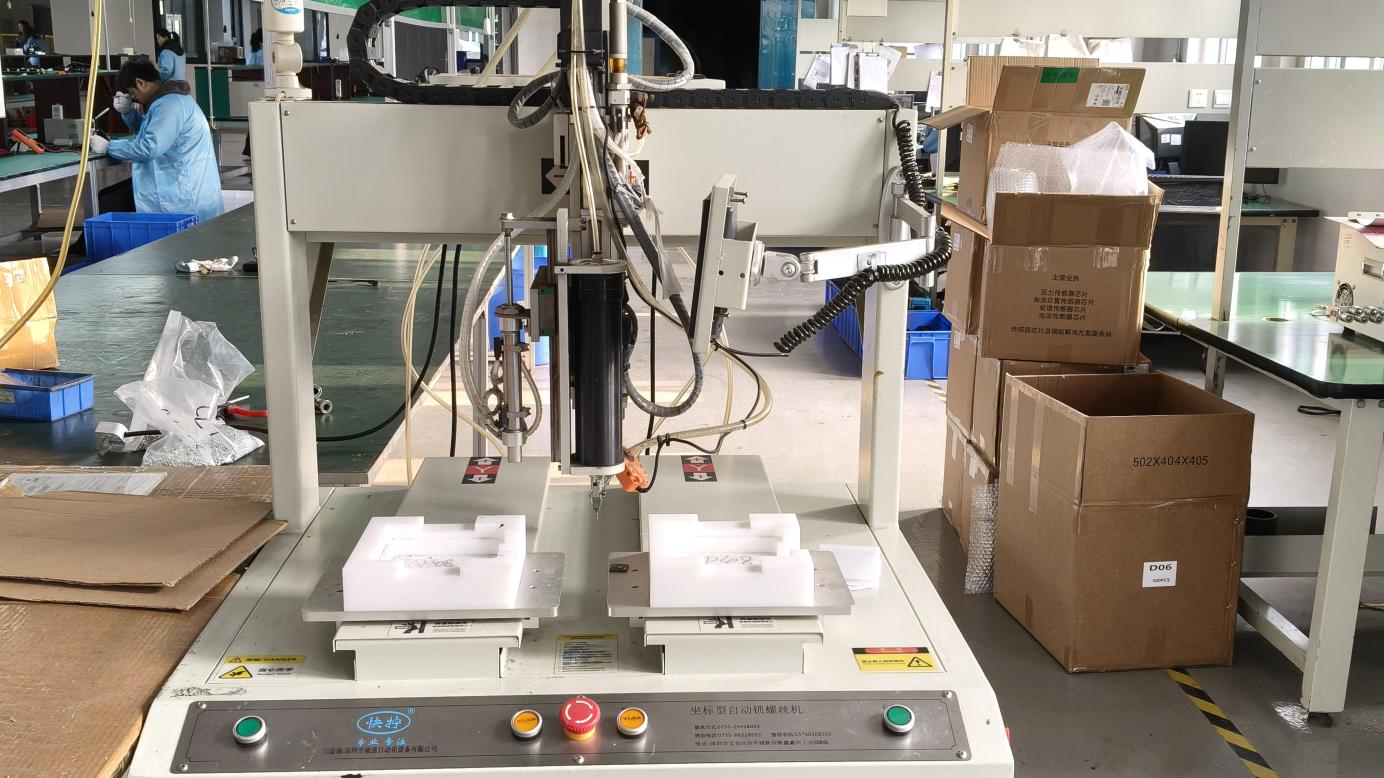
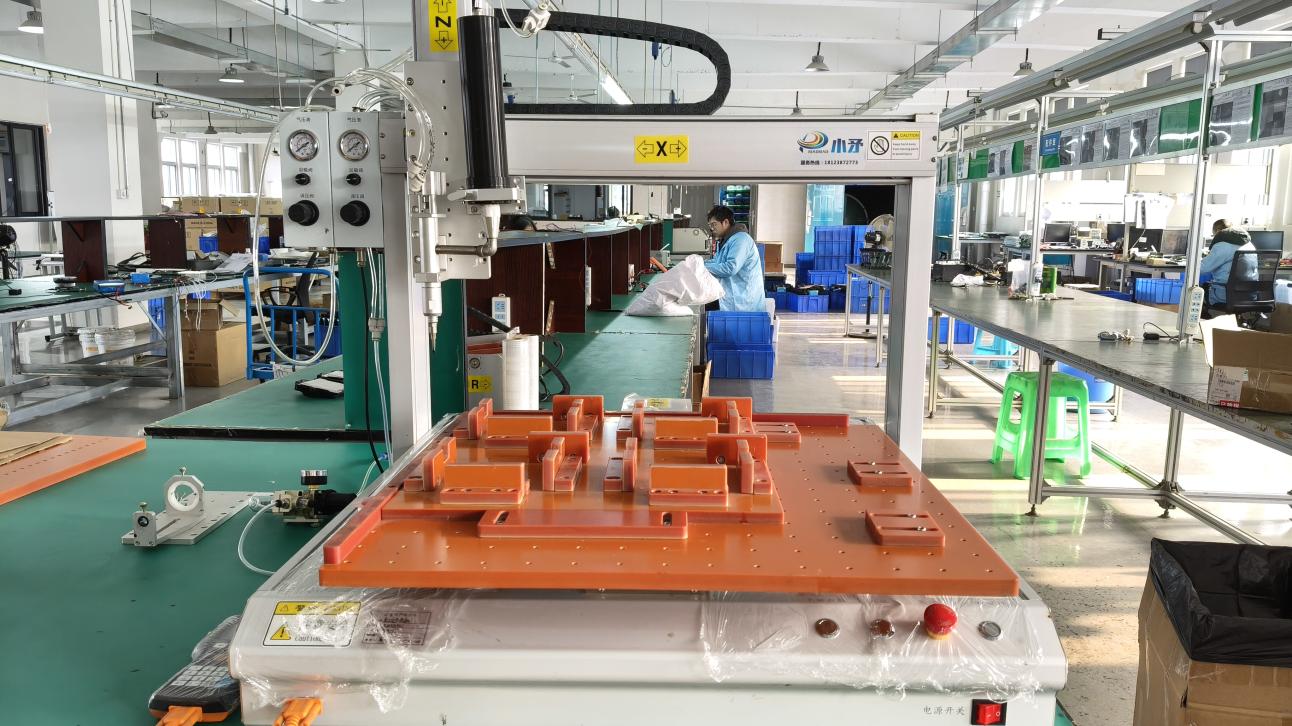
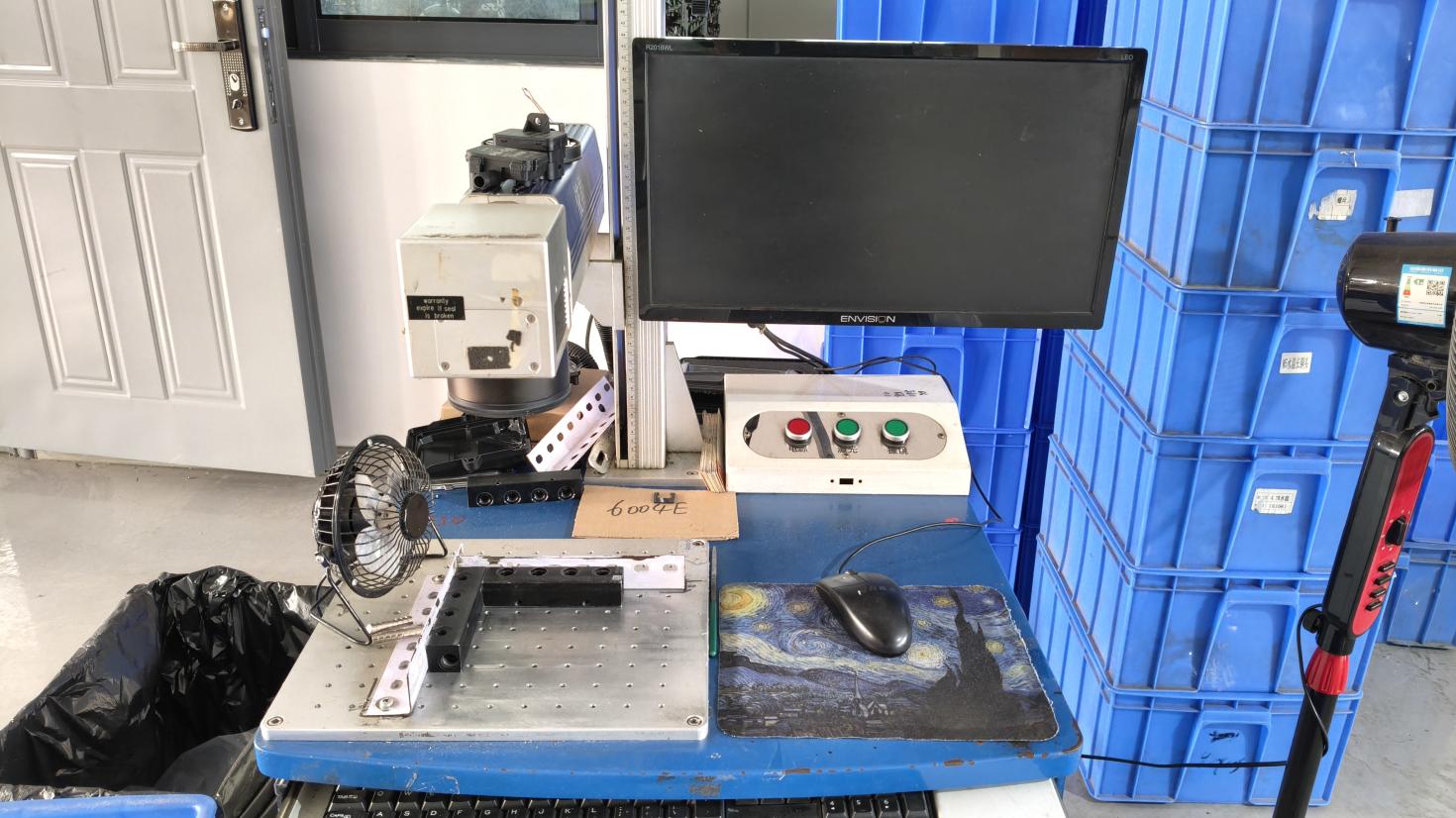

High-reliability welding joints guarantee long-term stability and minimum resistance for low-voltage sensor circuits exposed to constant thermal cycles and mechanical vibrations.
The city of Yangzhou in Jiangsu Province represents the absolute epicentre of the global outdoor lighting and smart pole industry. Sourcing from this geographic cluster unlocks deep supply chain integrations that are impossible to duplicate elsewhere.
Access to local monocrystalline solar cell cutters, die-casting foundries, and raw hardware extruders minimizes transit times and lowers base production costs.
Located within the Yangtze River Delta, our facility coordinates shipping containers through Shanghai and Ningbo Ports, ensuring efficient ocean freight shipping schedules.
Our technicians have refined their assembly methodologies over decades, maintaining strict adherence to complex international quality guidelines.
Fully compliant manufacturing structures audited to ISO9001 and ISO14001, allowing seamless product documentation checks for global tenders.
Deploying smart infrastructure globally requires verified compliance with regional electrical codes and operational warranty programs.
Our product families carry recognized certifications, including CCC, CQC, CE, RoHS, and UL/ETL matching parameters. We guarantee compliance with electromagnetic compatibility (EMC) regulations for wireless nodes.
Our IoT designs support secure Firmware Over-the-Air (FOTA) update protocols. System logic, sensor communication scripts, and power profiles can be modified remotely after deployment, avoiding expensive site visits.
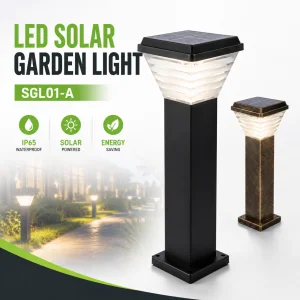
Backed by high-grade LiFePO4 batteries and robust heat dissipation, our solar streetlights, garden lights, and telemetry nodes carry standard 3 to 5-year replacement warranties, handled by technical engineers.
How global projects leverage solar telemetry, dynamic illumination, and smart mesh controllers to resolve real-world deployment challenges.
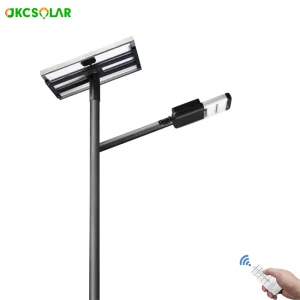
Implementing intelligent streetlights with 7-Pin NEMA controllers. Devices adapt their brightness output based on real-time pedestrian activity data while reporting energy usage levels and diagnostic alerts directly to a central city control dashboard.
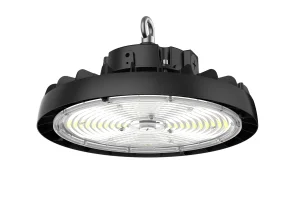
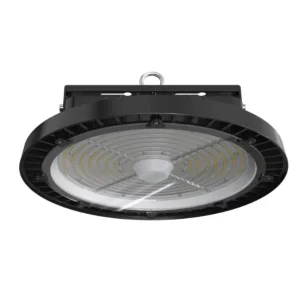
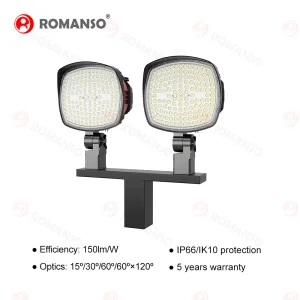
Off-grid lighting solutions built with IP66-rated optics and high-output UFO LEDs. Systems are configured with motion detectors to increase light levels when personnel are present, conserving battery capacity during quiet operational hours.
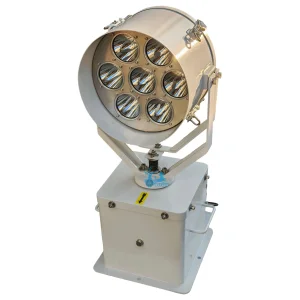
Engineered with IP68 ratings and sea-water resistant aluminum enclosures. These systems provide high-intensity narrow-beam illumination (2° beam angle) and communicate telemetry data via long-range wireless links, even in humid, high-salinity conditions.
Answers to complex questions surrounding system engineering, battery sizing, and integration protocols for municipal and industrial projects.
Our Battery Management System (BMS) incorporates passive balancing resistors that bleed off excess voltage from higher-charged cells, keeping the pack balanced. For sub-zero operations, we offer integrated thermal heating blankets powered by the solar array to maintain battery cell temperatures above 0°C, preventing lithium plating during charging.
The 7-Pin NEMA (ANSI C136.41) interface provides a standardized mechanical and electrical connection between the light fixture and the IoT node. It includes three power contacts and four low-voltage lines dedicated to 0-10V or DALI dimming protocols, alongside sensor feedback pathways. This design enables easy, tool-free installation and upgrades.
We program dynamic firmware logic that monitors the battery's State of Charge (SoC). If the battery charge drops below set thresholds due to prolonged rainy weather, the controller decreases LED driver power or reduces wireless reporting intervals. This method preserves essential battery capacity and prevents deep-discharge cycles.
NB-IoT offers deep signal penetration and is ideal for dense urban or underground settings. LTE-M provides higher data throughput and supports OTA updates. LoRaWAN operates on private gateway infrastructures, making it the most cost-effective solution for remote, off-grid regions where cellular coverage is unavailable.
We use CNC bending and automated submerged arc welding systems to fabricate our poles. Each pole design undergoes FEA (Finite Element Analysis) testing to ensure structural integrity against local wind load ratings, matching requirements up to 160 km/h wind speeds.
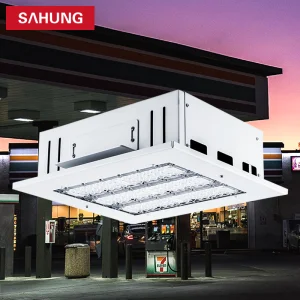
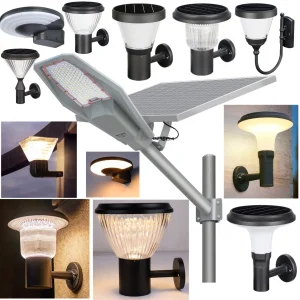
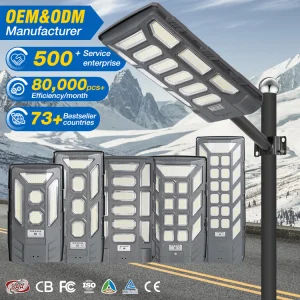
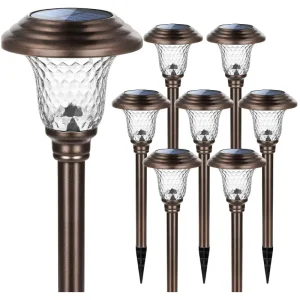
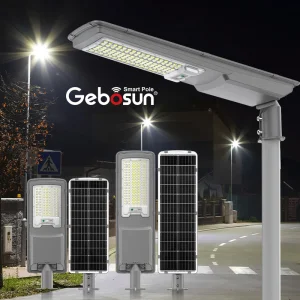
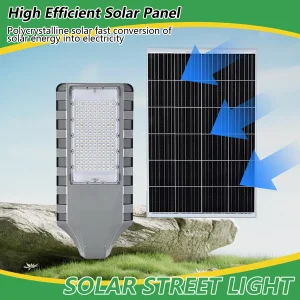
Explore our complete range of certified outdoor lighting options, manufactured to withstand demanding environmental conditions.
 OneAll Lights