Engineered for commercial-grade durability, structural integrity, and superior luminous performance.
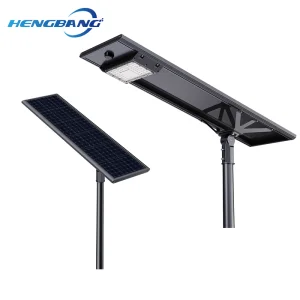
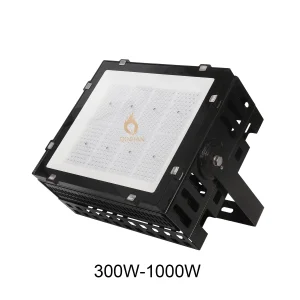
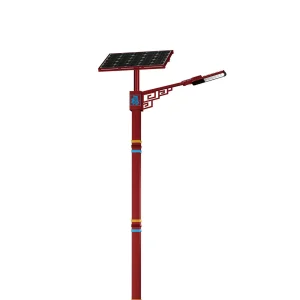
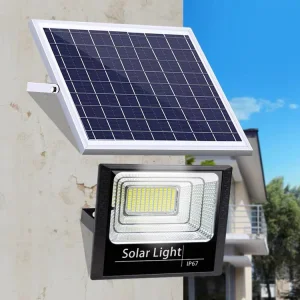
A comprehensive analysis of market growth, ESG mandates, and the shift from residential to integrated urban photovoltaic architectures.
The global outdoor solar lighting market is undergoing a significant evolutionary paradigm. What once was characterized by simple residential novelty accents has matured into a multi-billion dollar industrial sector. Accelerated by international net-zero targets and aggressive corporate ESG (Environmental, Social, and Governance) compliance structures, municipal, commercial, and heavy-industrial organizations are incorporating smart solar architecture into their physical footprints. Today, the focus is on optimizing photovoltaic efficiency, integrating reliable battery storage chemistries, and ensuring long-term operational resilience under extreme environmental stress.
Decoupling landscape illumination from central municipal energy grids completely eliminates conduit layout costs, heavy electrical infrastructure planning, and recurring utility expenditures. This results in significant capital savings and rapid amortization timelines for major construction projects.
Advanced structural engineering standards require IP66 dust and moisture barrier protections combined with IK08-IK10 impact resistance testing. High-grade alloys and structural treatments ensure performance in coastal salinity, high humidity, desert sandstorms, and sub-zero environments.
Modern commercial specifications require transition from traditional polycrystalline formats to ultra-high-density monocrystalline arrays. This engineering focus guarantees solar absorption and high photoelectric conversion rates, even during overcast winter periods.
Developing next-generation solar luminaires requires optimization across three core technological pillars: solar harvesting, energy storage, and light emitting efficiency.
Our research and development program focuses on incorporating state-of-the-art battery management systems (BMS) with high-density lithium iron phosphate (LiFePO4) storage chemistry. This ensures safety, eliminates the risk of thermal runaway, and maintains stable cycles even after 2,000 discharge iterations.
Utilizing high-purity single-crystal structures to achieve superior absorption across a broader spectrum of solar irradiance, resulting in efficient charging performance under low-light and high-heat conditions.
Incorporating Maximum Power Point Tracking (MPPT) microcontrollers that dynamically adjust current and voltage input ratios based on weather fluctuations. This method delivers up to 30% higher charging rates compared to older PWM controllers.
Automated dimming profiles adjust output levels according to battery capacity and runtime parameters. Light sensors detect ambient transitions, while optional motion sensors dynamically transition output during target active hours.
Understanding diverse global municipal and private zoning needs to deliver customized project outcomes.
Modern municipalities specify smart-grid independent fixtures for public plazas, civic parks, and walking corridors to ensure consistent operations during public grid blackouts.
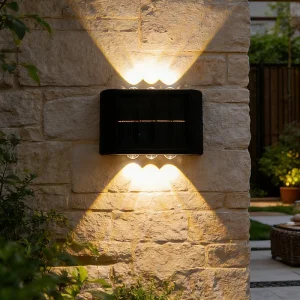
Developers install high-lumen, aesthetically striking solar bollards and accent lights to increase properties' market valuation, boost green credentials, and simplify site preparation works.
Providing minimal disturbance to surrounding ecosystems by eliminating underground cabling. Low-impact solar installations support Dark Sky compliance, preserving natural habitats while ensuring visitor safety.
Established in 2003 and located in Yangzhou, Jiangsu Province, China, we are a professional manufacturer and exporter specializing in premium outdoor lighting solutions with over 20 years of global design and engineering experience.
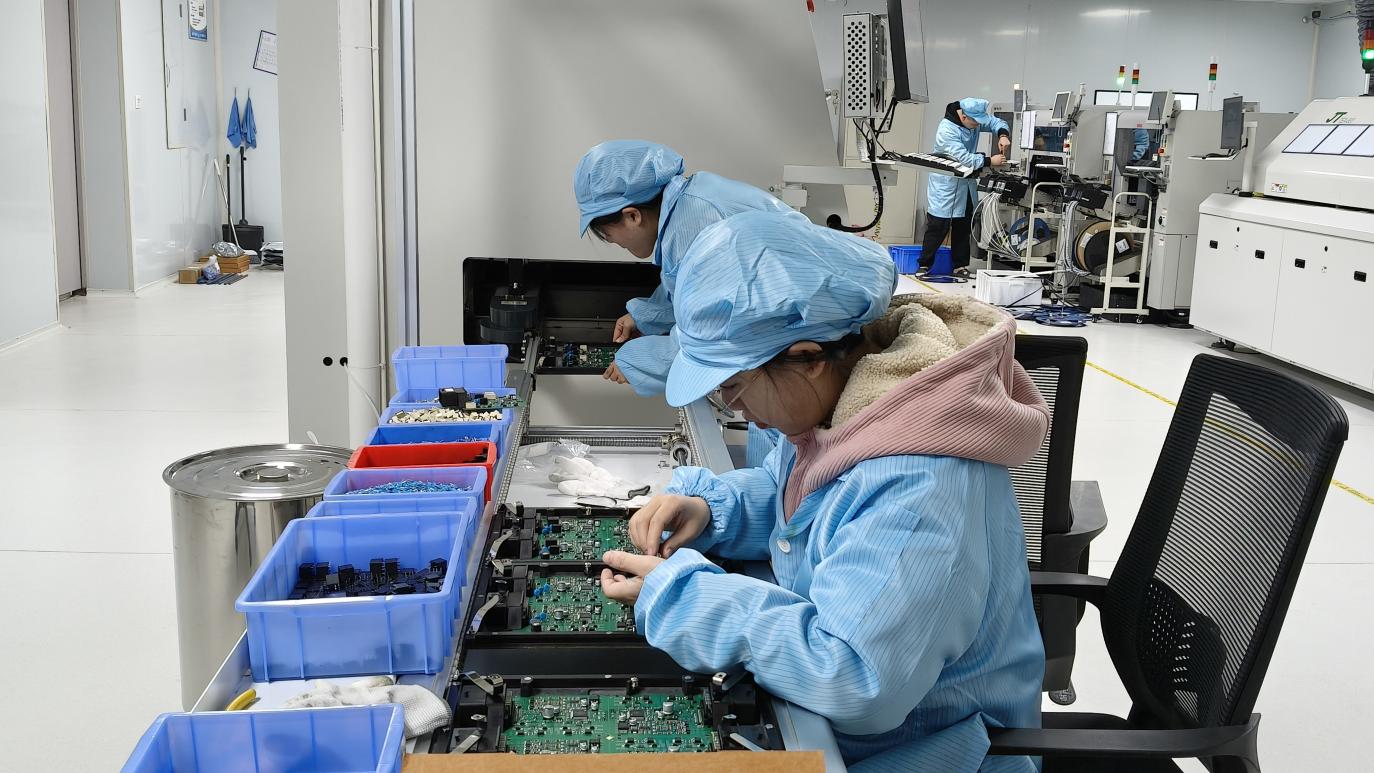
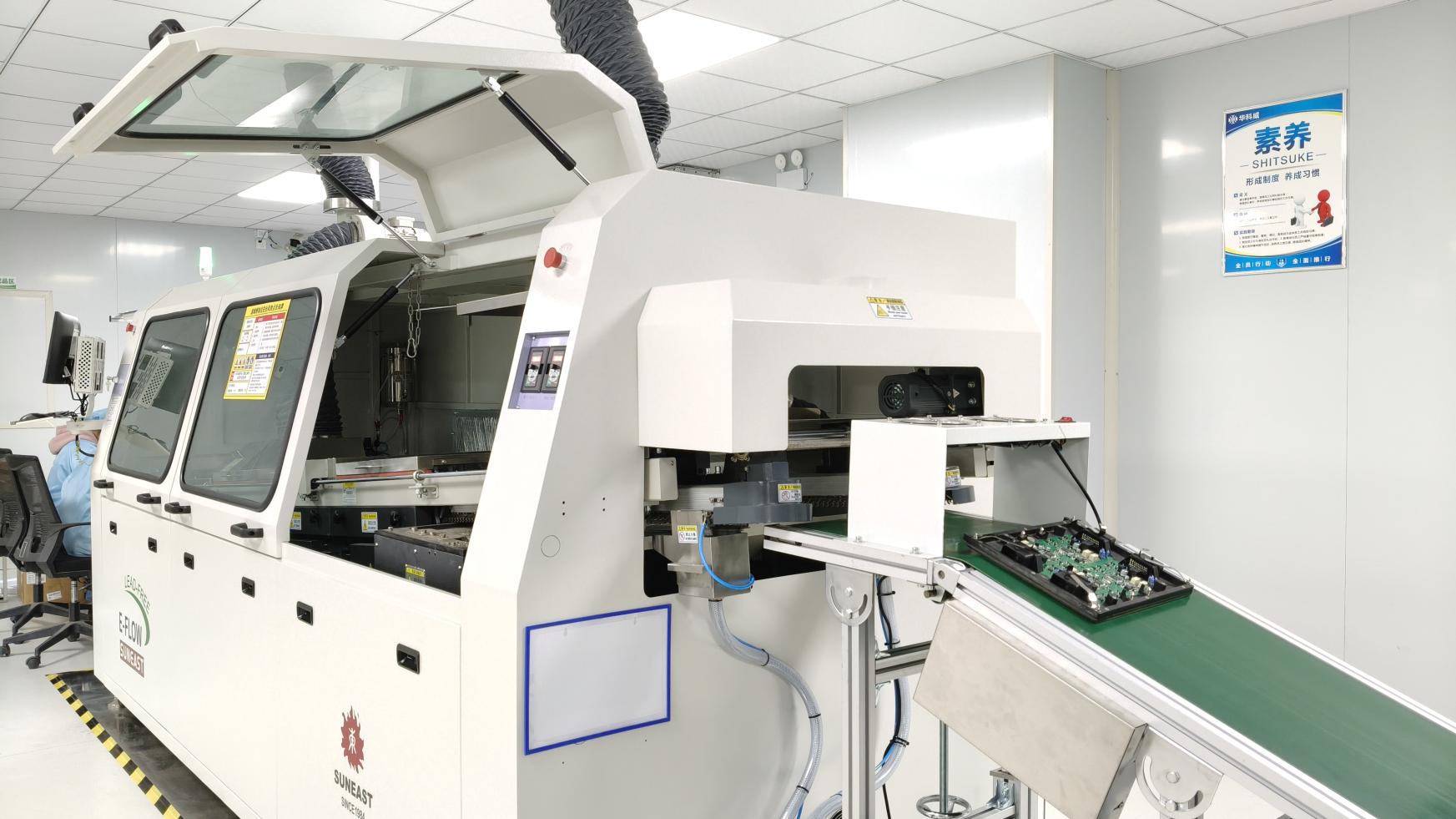
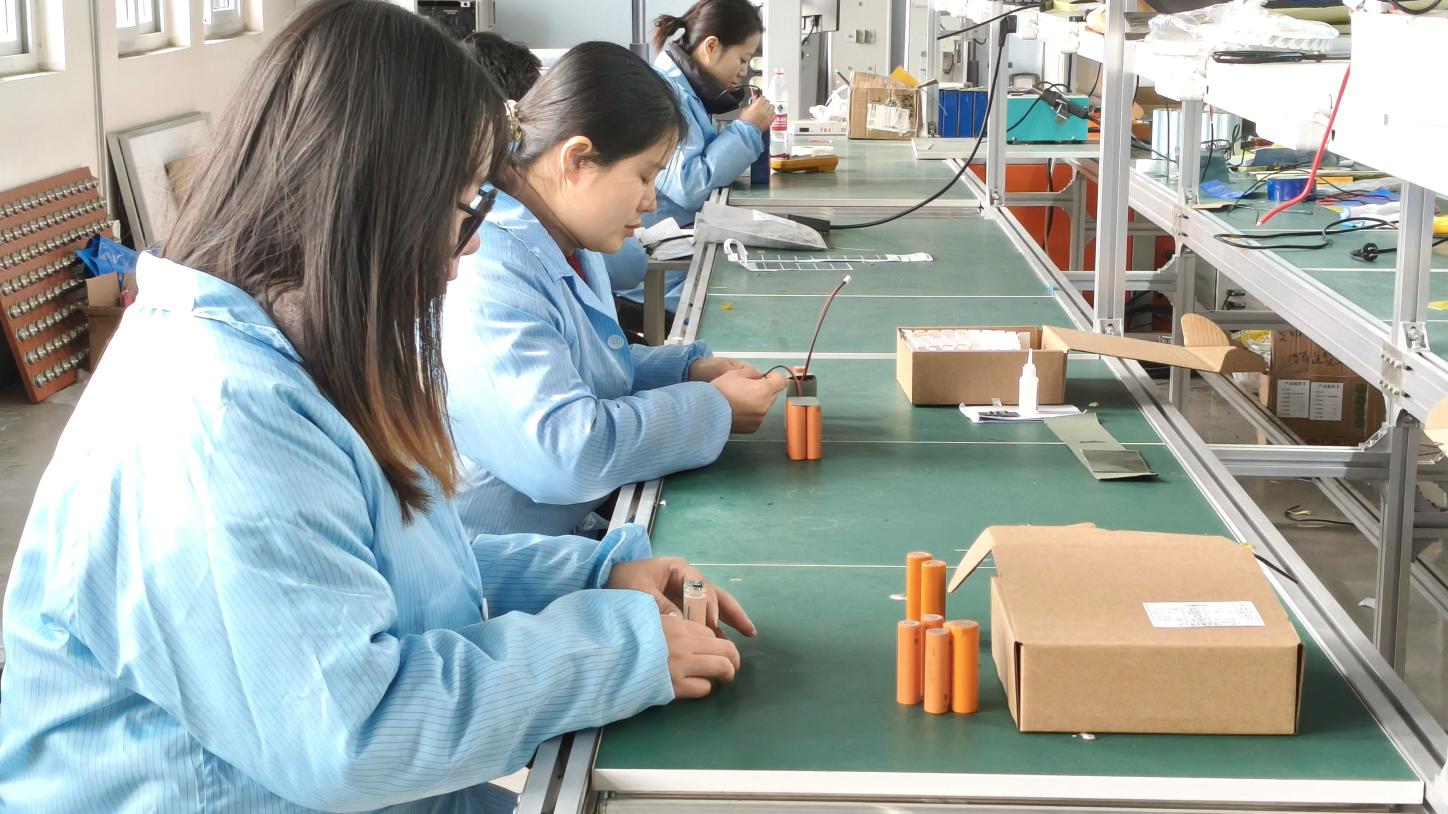
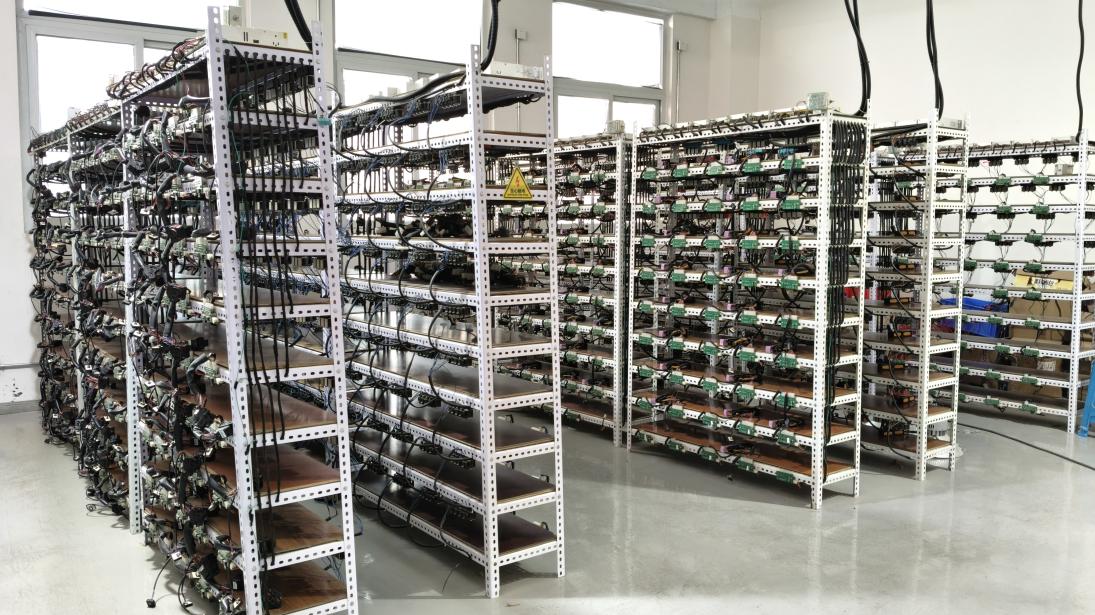
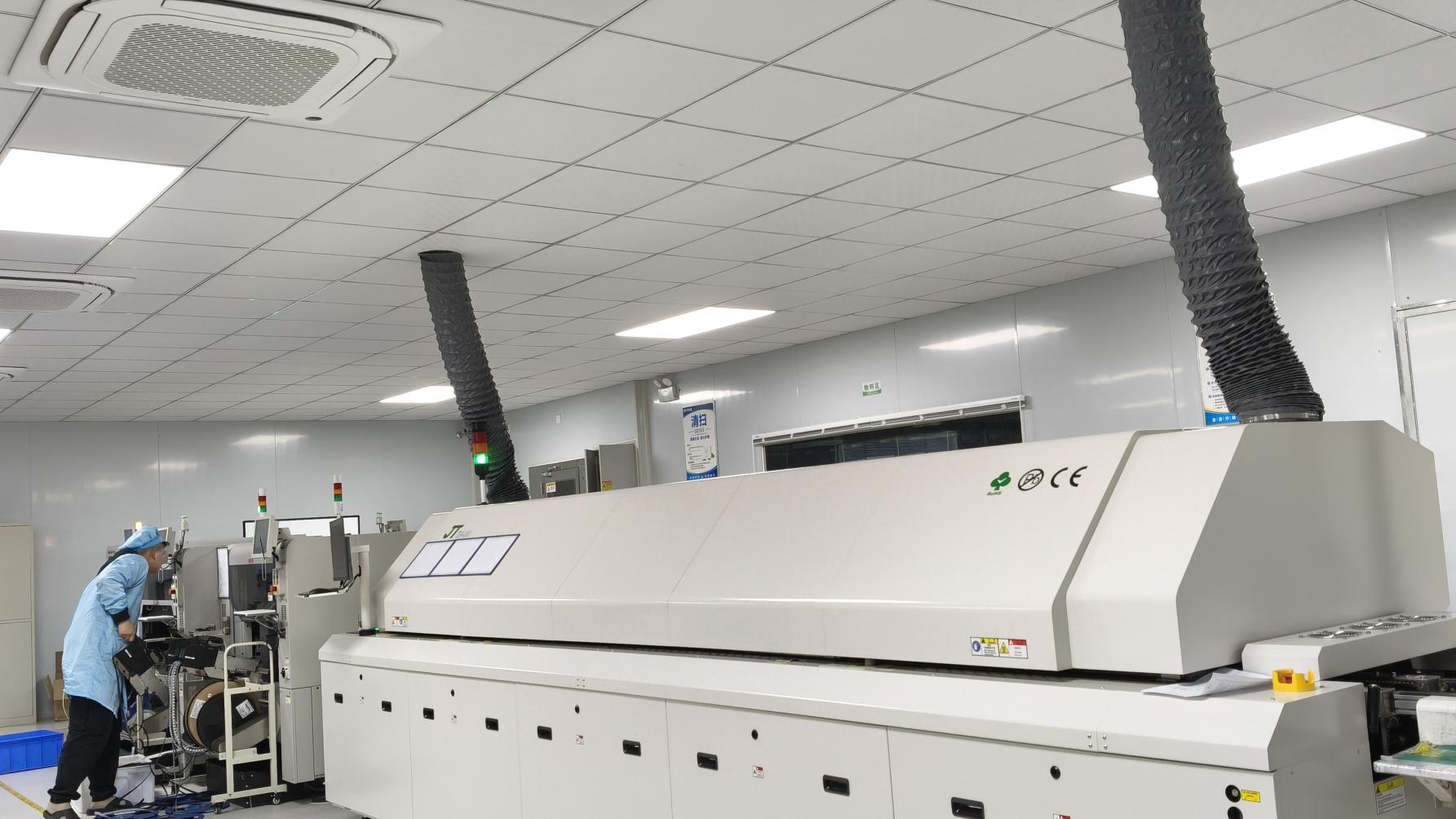
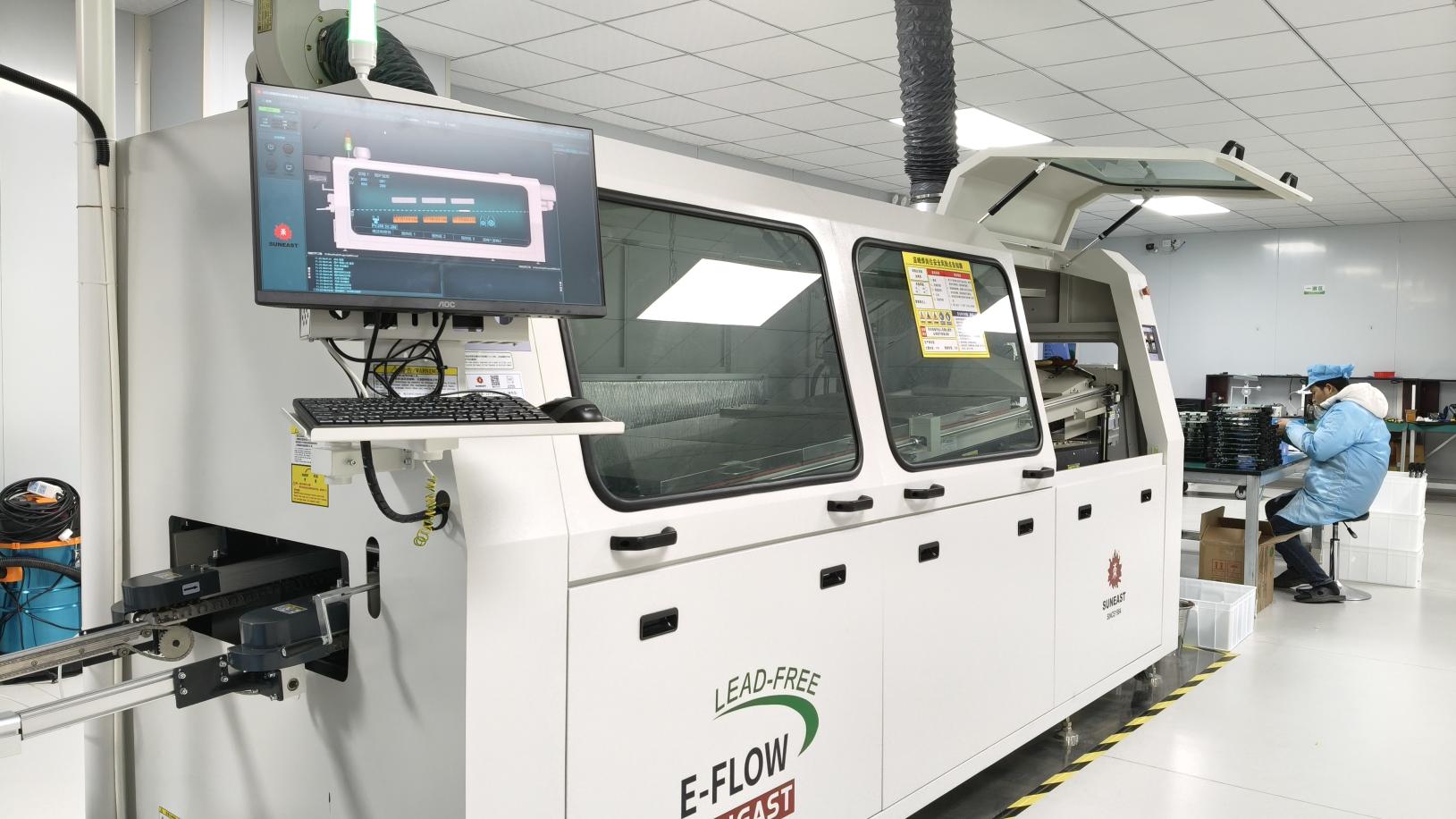
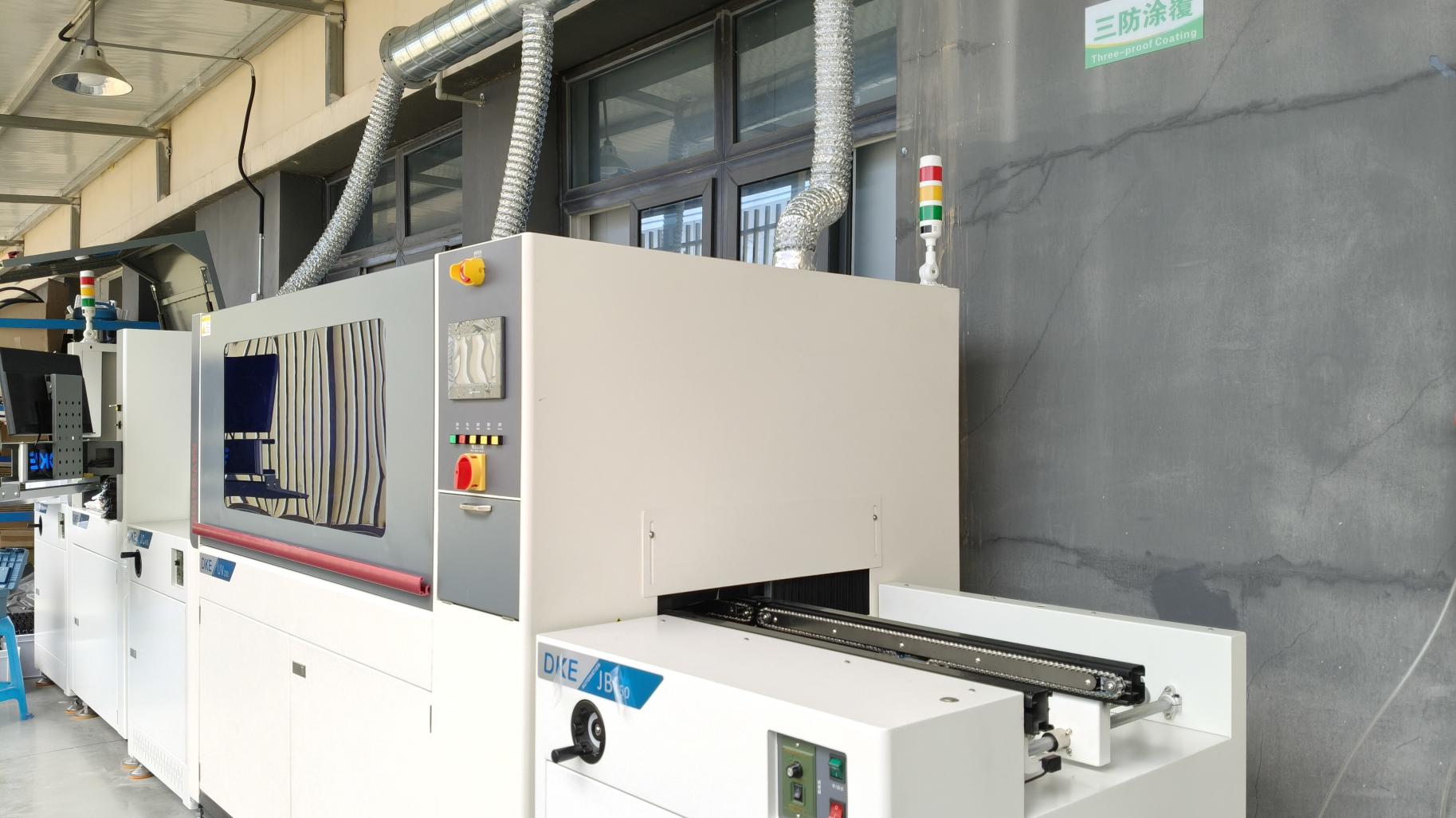
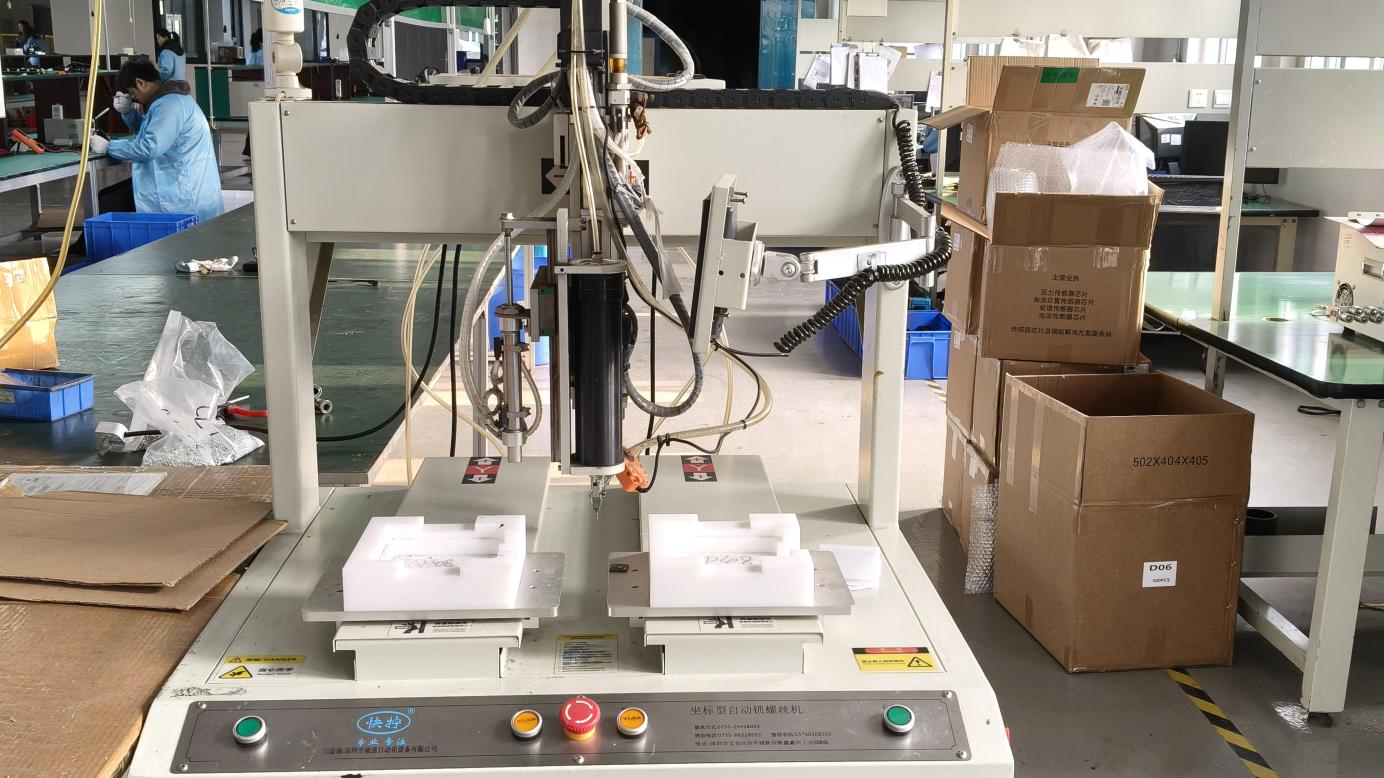
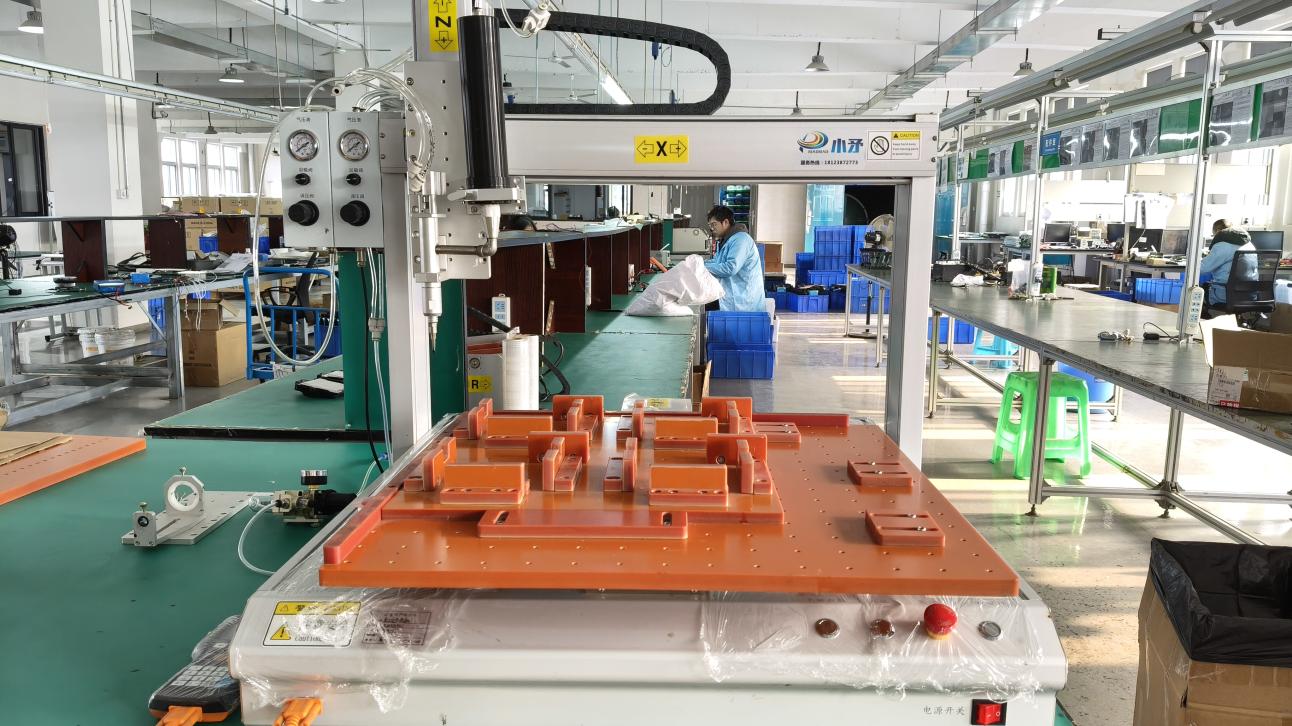
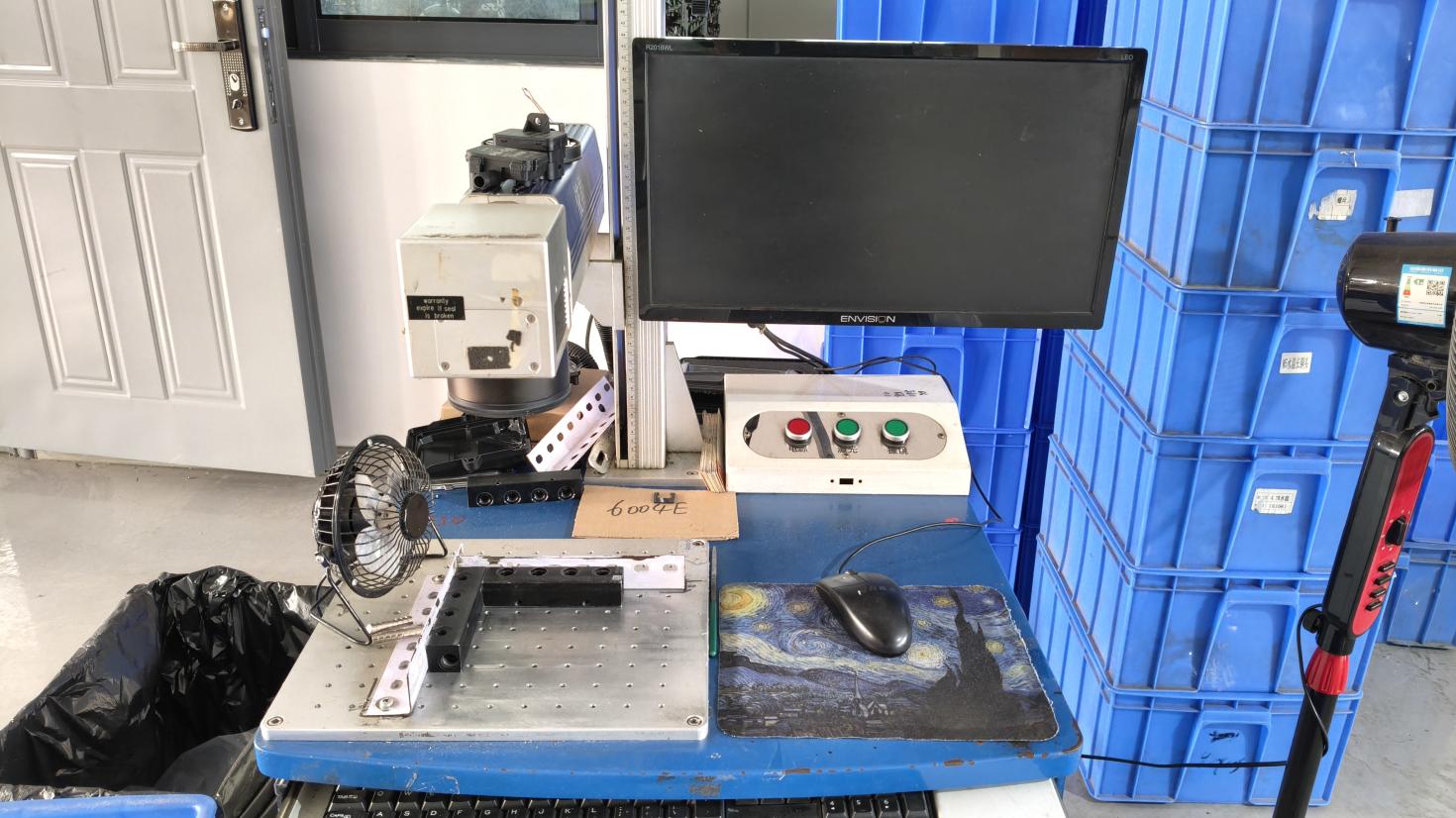
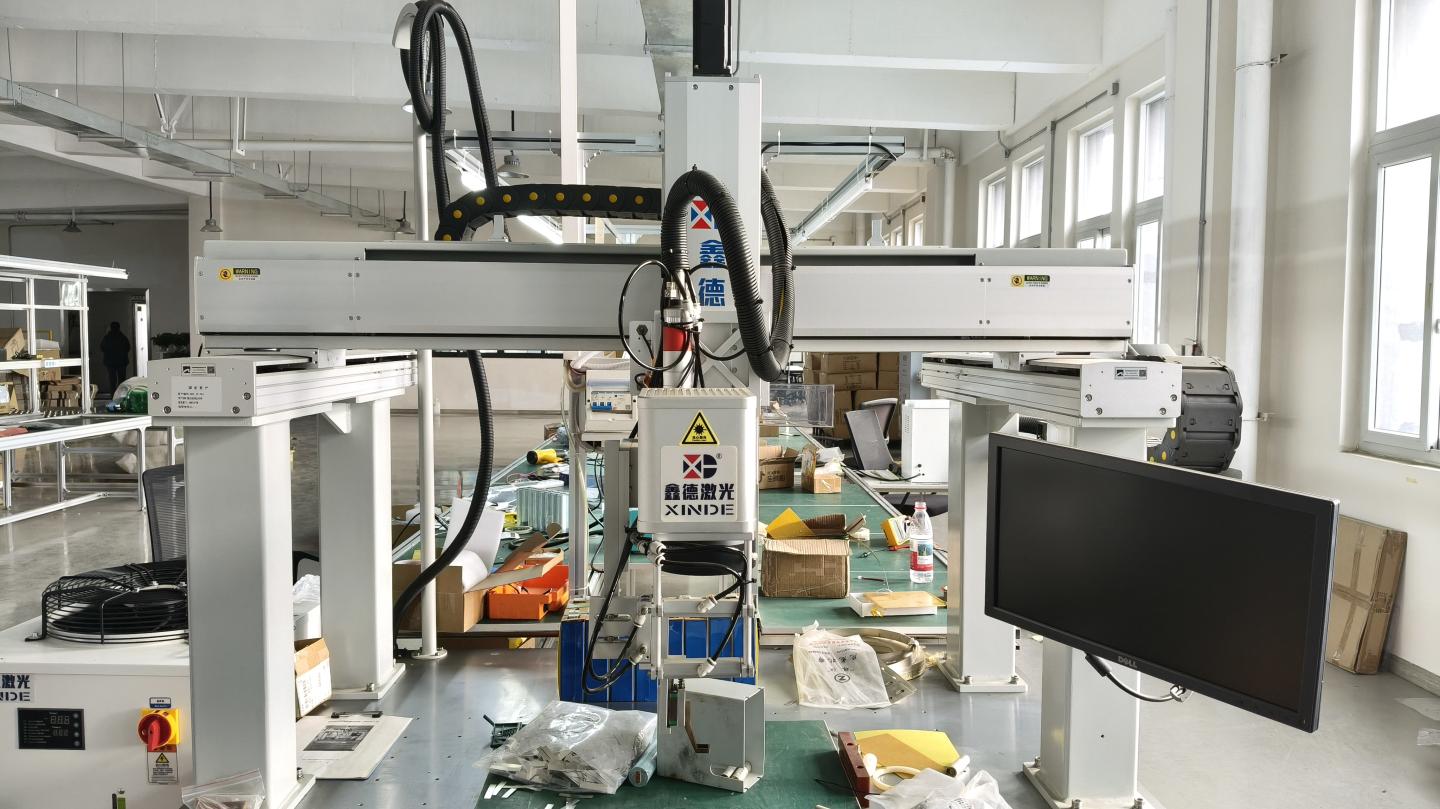
With continuous investment in advanced manufacturing technology, our factory is equipped with modern production facilities, including CNC bending machines, automatic submerged arc welding systems, laser cutting equipment, electrostatic powder coating lines, fluorocarbon painting workshops, and precision testing instruments. Supported by multiple automated production lines and a skilled technical team, we are able to provide efficient production, stable quality, and reliable delivery for projects of all sizes.
We have obtained ISO9001 Quality Management System Certification, ISO14001 Environmental Management System Certification, CCC, CQC, CE certification, and various product testing reports, demonstrating our commitment to international quality and safety standards.
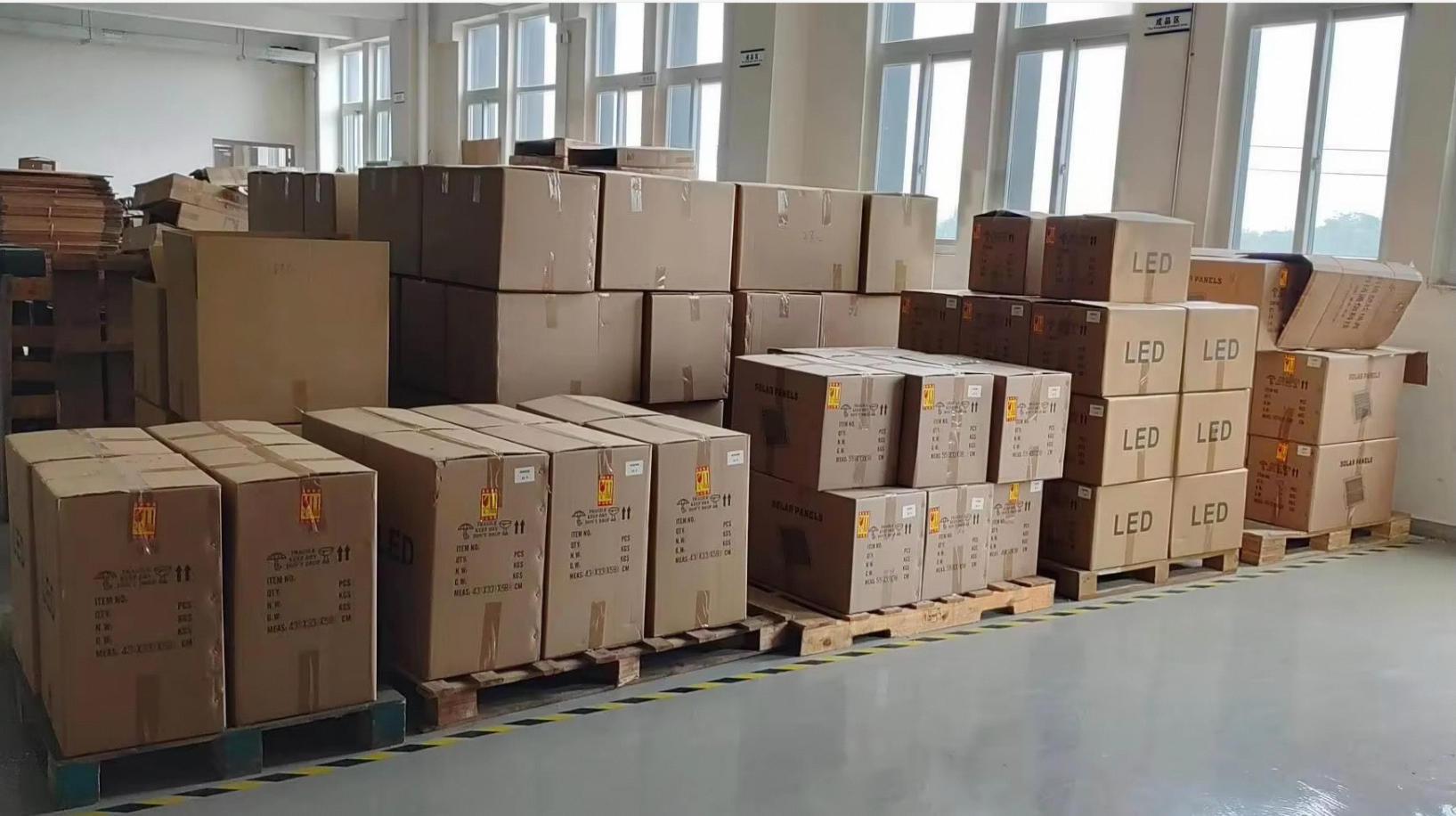
Our production facilities utilize modern machinery and automated processes to ensure precision and long-term durability for every component.

Technical guidance and answers for international projects, procurement managers, and municipal developers.
Commercial-grade monocrystalline panels typically experience a linear degradation rate of 0.5% to 0.7% annually. This indicates panels retain up to 80% to 85% of their original output ratings after 25 years of service. Standard modules utilize tempered glass protection to guard cells against microcracks, sand abrasions, and high weather stress.
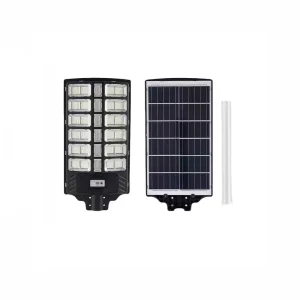
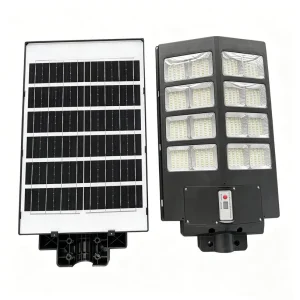
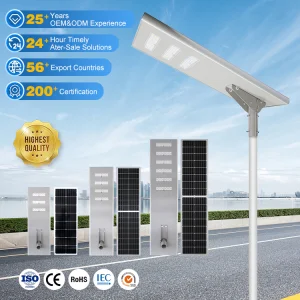
Integrated designs house panels, batteries, and LED chips in a single enclosure for easy installation. Split models isolate the panel, allowing it to be angled toward maximum sunlight exposure, which is ideal for shaded locations or high-wattage street configurations.
Luminaires undergo ingress protection testing to simulate heavy wind-driven rain and fine dust ingress. Vibration aging ensures internal solder integrity under mechanical stress, while salt spray testing verifies the corrosion resistance of metal coatings.
Solar systems are generally low-maintenance due to their solid-state construction. Basic maintenance includes cleaning panels occasionally to remove dirt and dust buildup that can block light, along with performing annual battery voltage checks.
High-efficiency components designed for heavy-duty commercial installations.
 OneAll Lights