Explore our highly integrated smart sensor products designed for global projects, smart municipalities, and bulk commercial requirements.

The global outdoor lighting landscape is undergoing an unprecedented technological revolution. Modern urban design, strict corporate ESG (Environmental, Social, and Governance) targets, and Municipal Smart City initiatives are pushing traditional commercial illumination out of favor. Today's commercial buying agents and engineers look for intelligent luminaires that actively interact with their environments rather than consuming constant, unneeded grid power.
According to smart infrastructure analyses, smart outdoor lighting systems equipped with advanced sensors can reduce facility operational energy costs by up to 70%. This reduction is achieved through features such as adaptive twilight photocell automation, human-presence radar detection, and dynamic scheduling. In high-traffic distribution centers, sea ports, and manufacturing pathways, these configurations provide adequate security lighting during high-occupancy cycles, and instantly drop down to eco-friendly glow patterns during inactive periods.
Regulatory frameworks such as the European Union's Green Deal, regional Dark Sky regulations, and American LEED compliance standards increasingly demand strict controls over light pollution and energy waste. Smart sensor lights from China resolve these pressures by incorporating localized processing chips that calculate real-time environment status. These units balance human utility and ecological preservation without requiring expensive central BMS integrations.
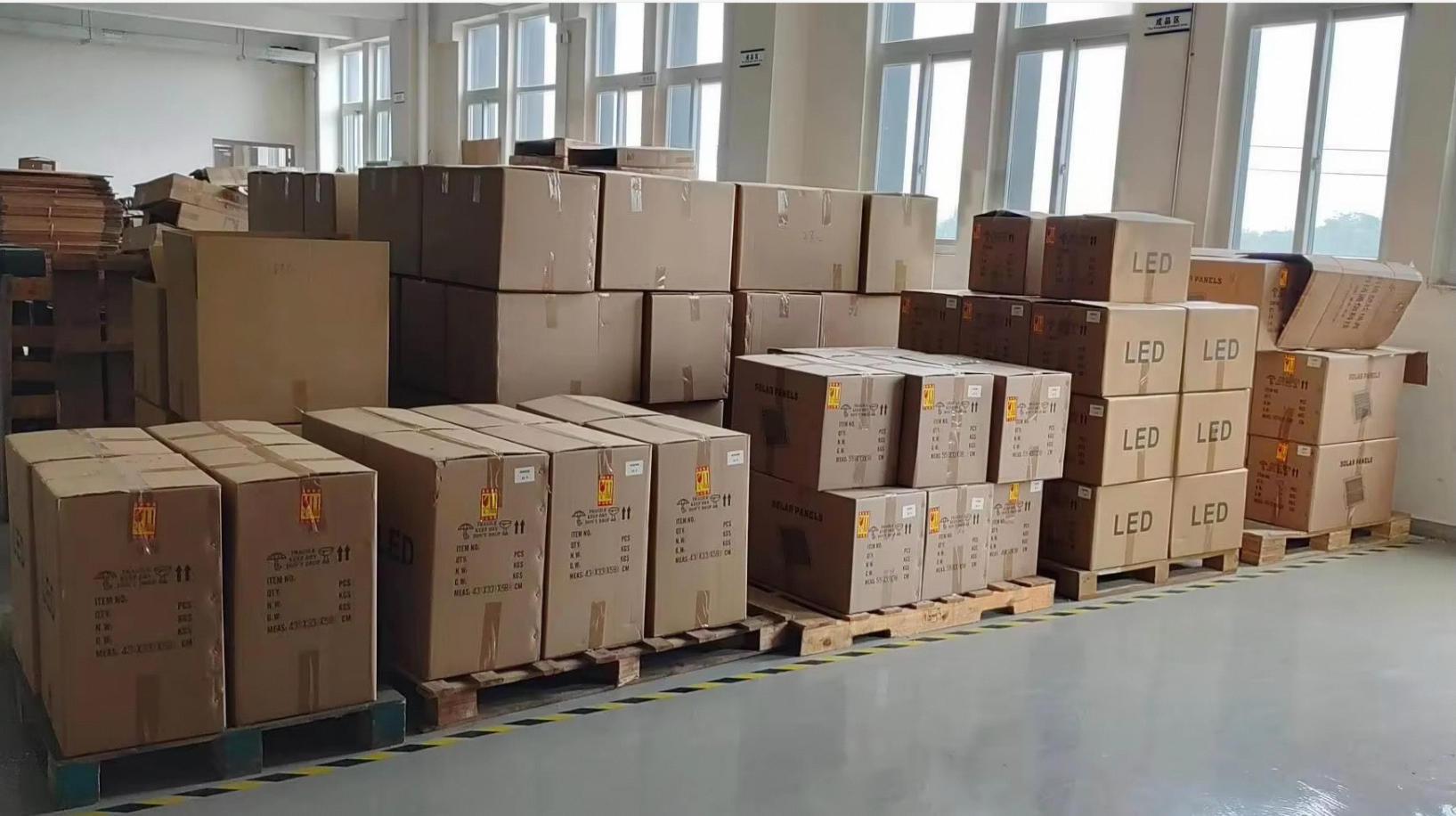
Established in 2003 and situated in the industrial manufacturing hub of Yangzhou, Jiangsu Province, China, Yangzhou OneAll Lights Co., Ltd. has spent over two decades developing high-performance outdoor illumination systems. Our integrated production plant and R&D center specialize in translating complex architectural and commercial demands into rugged, reliable outdoor luminaires.
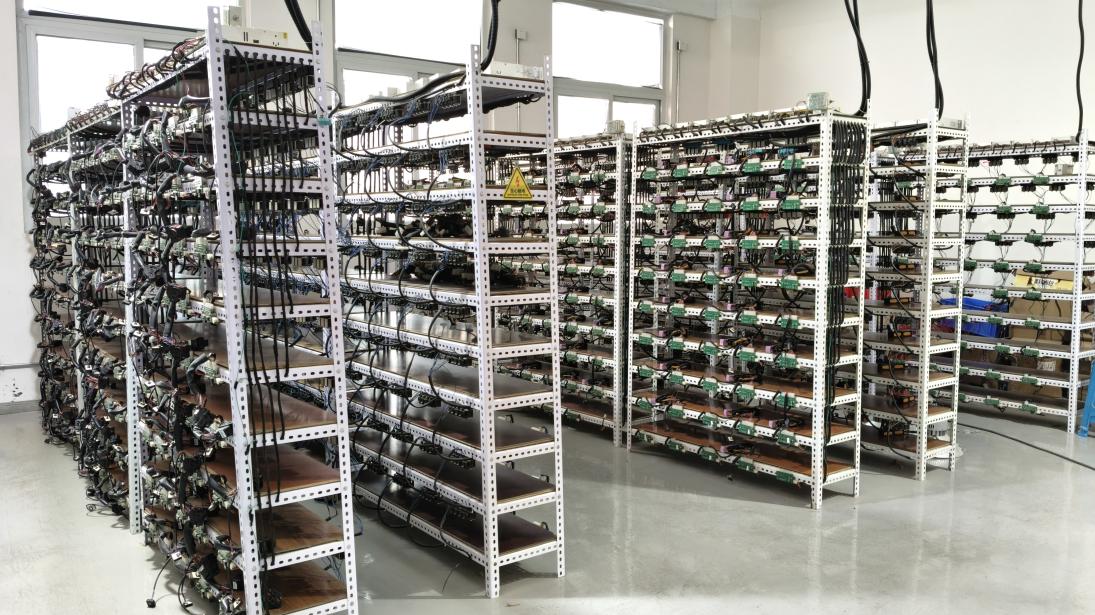
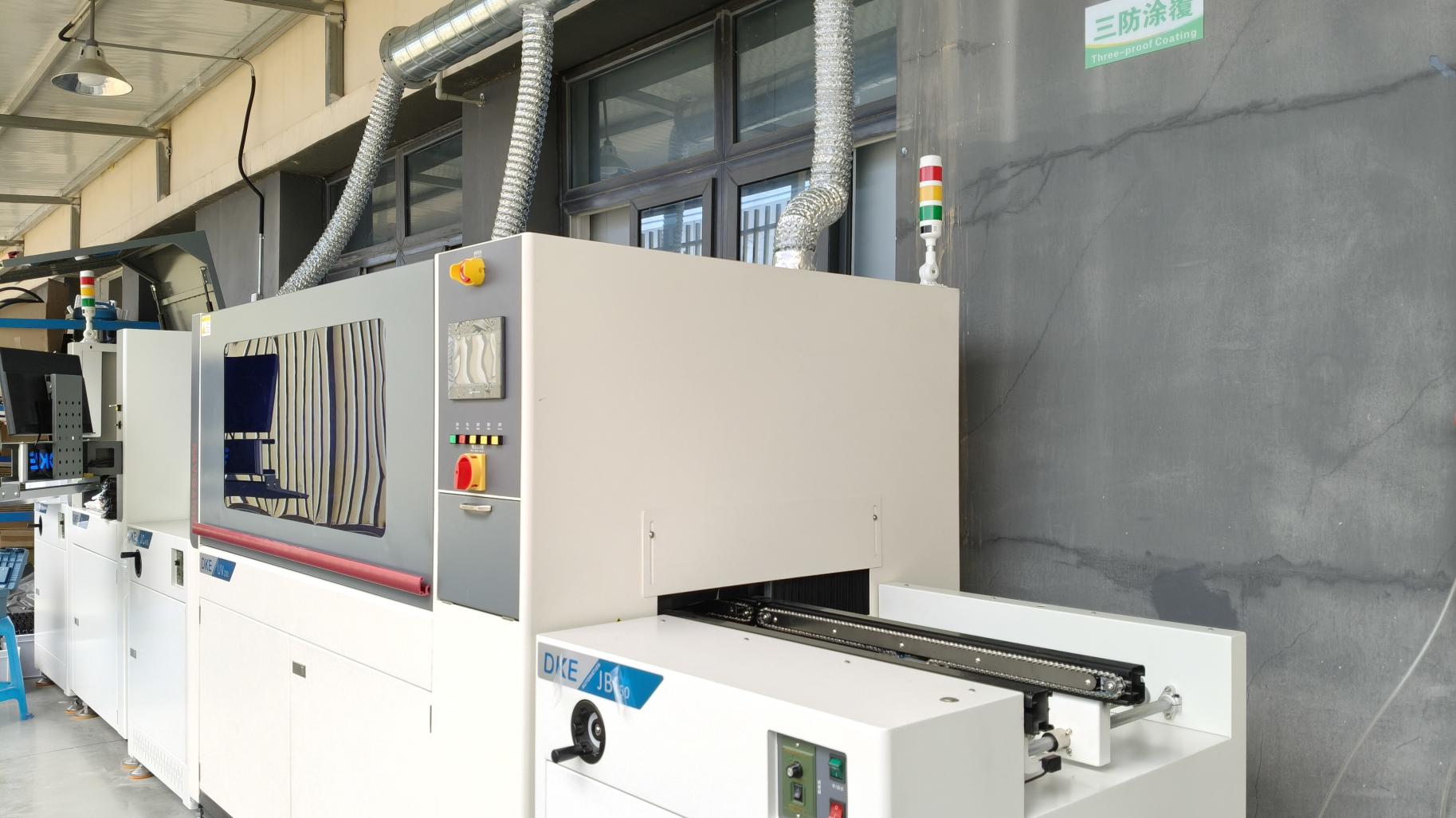
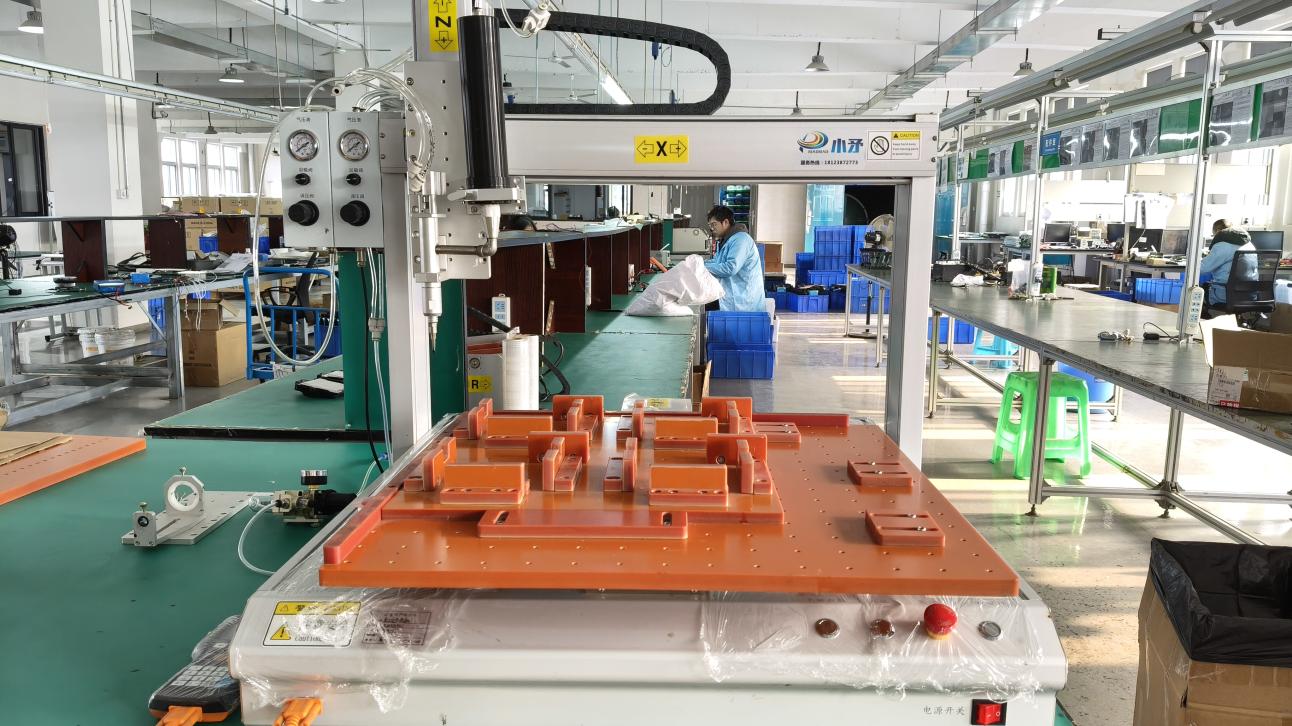
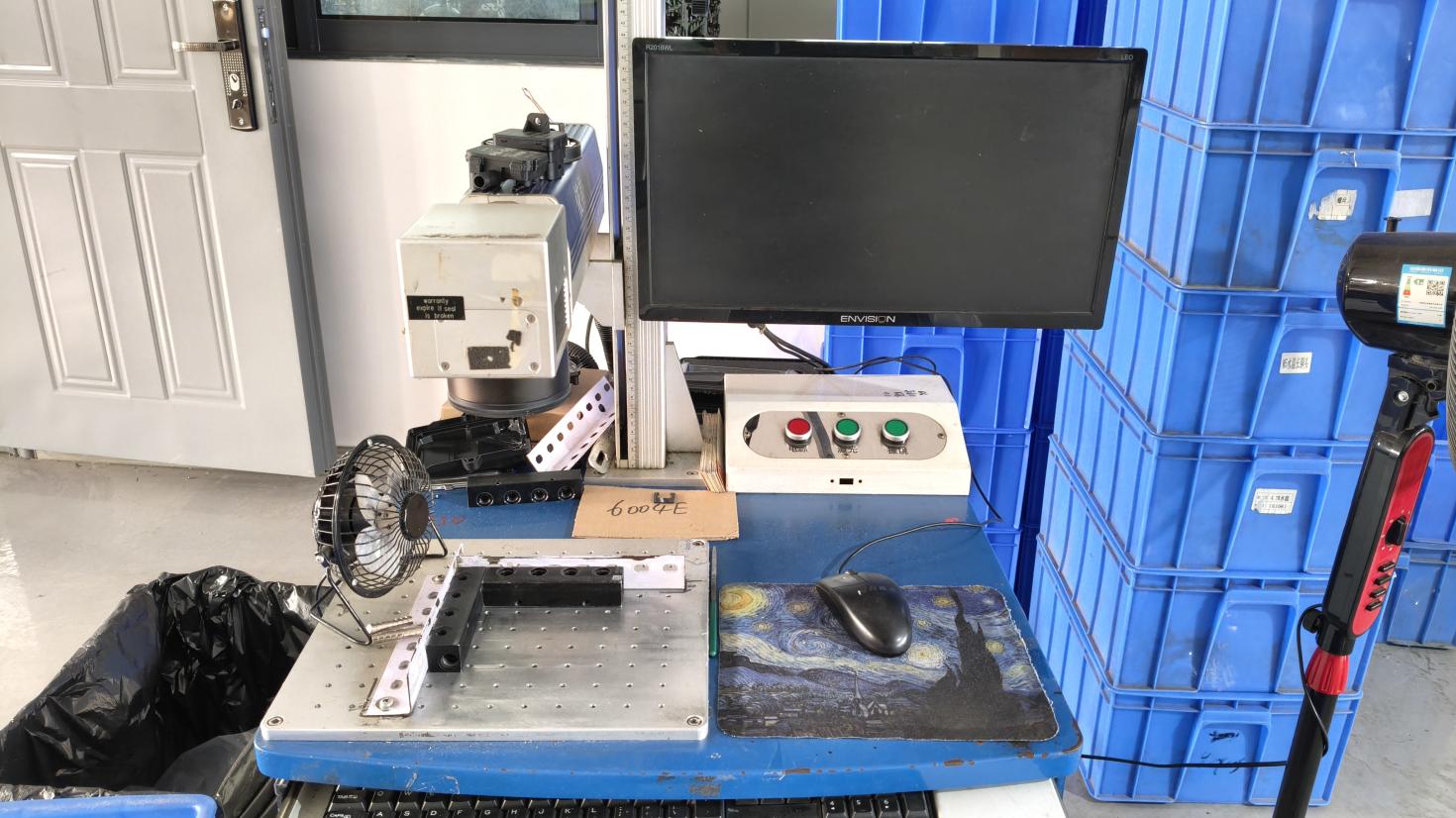
We believe that a smart sensor light is only as reliable as its weakest component. That is why our manufacturing facility utilizes a fully vertical workflow. We deploy advanced CNC bending systems, computerized submerged arc welding stations, high-accuracy laser profile cutters, and automated electrostatic powder coating cells to manufacture long-lasting frames. Our dedicated SMT (Surface Mount Technology) department places high-efficacy LEDs directly onto thermal substrates, ensuring optimal heat dissipation and light output.
By operating under strict international guidelines including ISO9001 Quality Management, ISO14001 Environmental Protection Standards, and holding comprehensive CCC, CQC, and CE certifications, we verify that every batch matches the performance metrics promised to project engineers.








To design an efficient smart outdoor lighting layout, it is helpful to understand the practical differences in sensor hardware. Our R&D department configures three primary sensor types based on project requirements:
PIR sensors function by detecting changes in infrared energy—specifically, the heat emitted by humans, animals, or moving vehicles. These sensors require a direct line of sight to work effectively. Once ambient thermal energy crosses the predefined trigger threshold, the sensor's microcontroller switches the LED driver to full brightness. PIR sensors are widely used in residential path lighting, garden wall sconces, and remote security areas due to their low power draw and reliable detection within a 12-meter radius.
Microwave sensors emit high-frequency electromagnetic waves (typically around 5.8 GHz) and measure the echo reflection. If a moving object alters the echo frequency—even slightly—the sensor detects the change. This sensor does not require a direct line of sight; it can sense motion through thin plastics, glass, and non-metallic enclosures. This makes it an ideal option for vandal-resistant luminaires and high-altitude installations like roadway and highway lighting projects.
These light-sensitive resistors measure ambient lux levels. They automatically turn off the luminaire during the day and turn it back on at night, eliminating the need to set manual timers. In solar-powered street lighting systems, our smart photocell functions as the primary control center, helping to prevent battery drain from daytime operations.
Smart sensor outdoor luminaires are versatile tools that can be configured to meet different municipal and commercial lighting requirements:
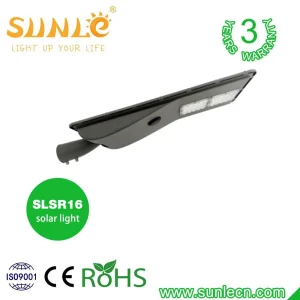
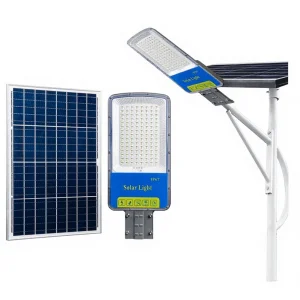
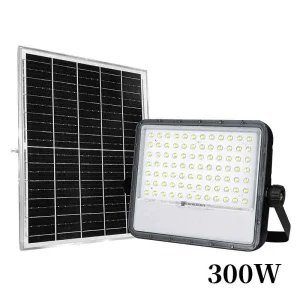
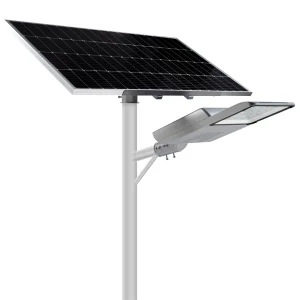
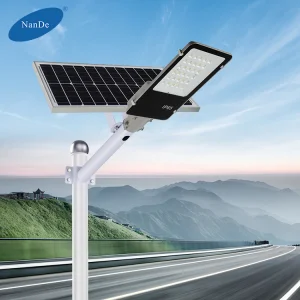
Connecting long rural highways to central electrical grids is often cost-prohibitive. Solar-powered, sensor-equipped streetlights offer a practical solution. These units run on localized lithium batteries and integrated solar panels. The light remains at a 30% standby brightness during quiet hours, ramping up to 100% brightness as soon as vehicular traffic is detected, ensuring both safety and power conservation.
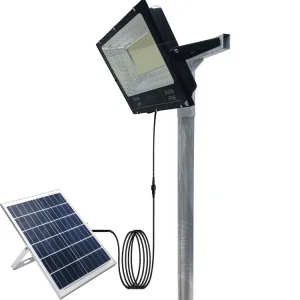
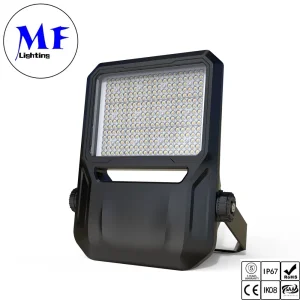
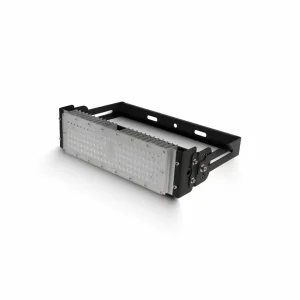
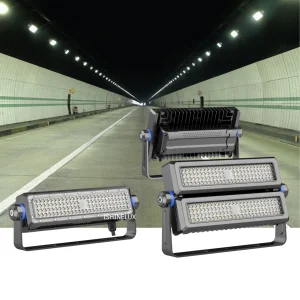
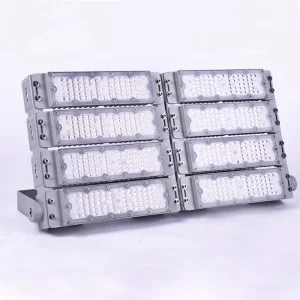
Logistics facilities require continuous surveillance and clear visibility for safety and security. Installing high-wattage smart floodlights with integrated radar sensors helps secure perimeter fencing. These units can deter trespassers and assist security staff by automatically increasing illumination in areas where unexpected movement is detected.
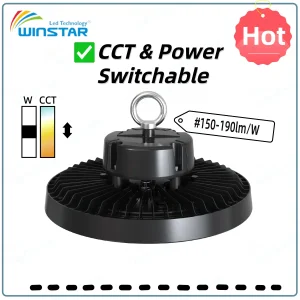
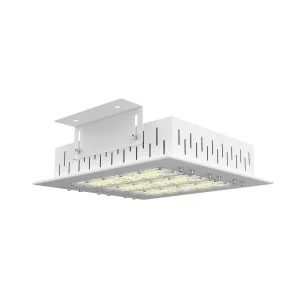
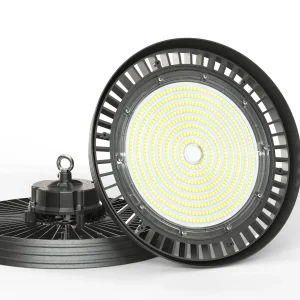
Car parks often experience fluctuating traffic levels throughout the night. Utilizing smart UFO high bays or canopy lights with adjustable CCT (Correlated Color Temperature) and built-in motion sensors allows property managers to maintain safe, energy-efficient lighting. These fixtures dim down when empty, providing comfortable lighting while keeping utility bills low.
Technical answers regarding customization, performance, and international logistics.
Heavy-duty streetlights, high bay lights, and specialized floodlights for global infrastructure developments.
 OneAll Lights